
Normal view

  • ✇SoraNews24 Japan
  • The story of our reporter P.K. Sanjun’s heart attack Casey Baseel
    There are two phone numbers to remember in a situation like this, but one is much more important. Our Japanese-language reporter P.K. Sanjun is an adventurous guy with a wide range of interests, and if you’re out and about in Japan, you might run into him at a Pokémon tournament, nuikatsu gathering, or just seeing how far away from downtown Tokyo a person can bicycle in eight hours. However, he’s currently on break from field assignments, because he’s in the hospital recovering from a heart at
     

The story of our reporter P.K. Sanjun’s heart attack

20 May 2026 at 17:30

There are two phone numbers to remember in a situation like this, but one is much more important.

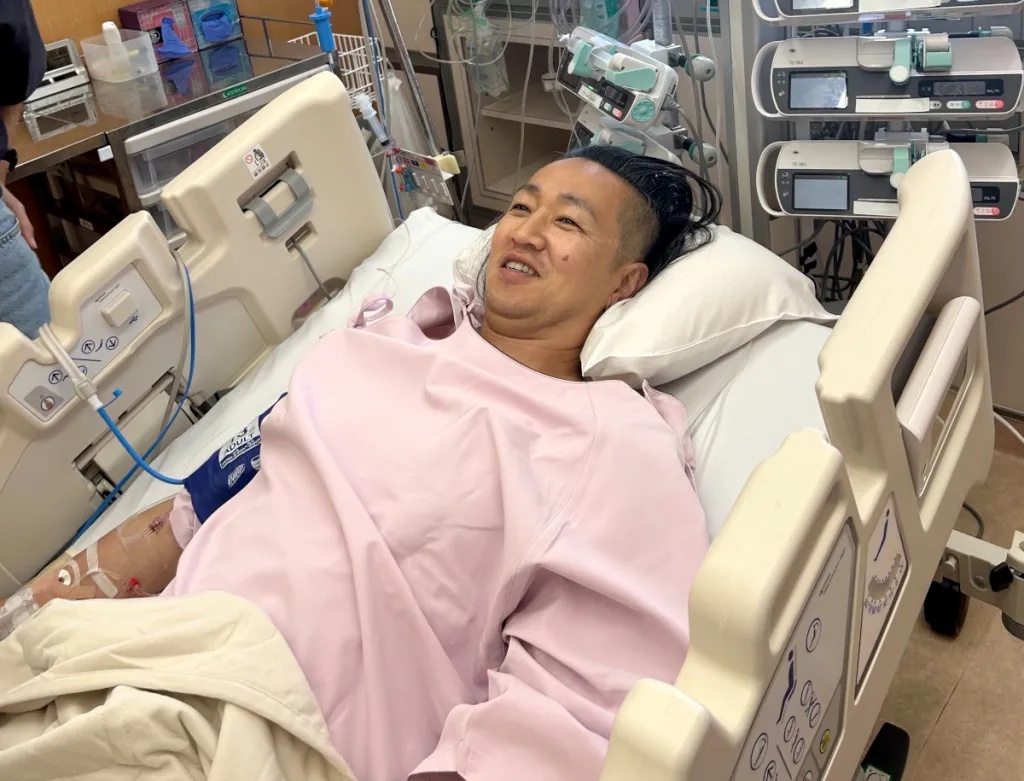
Our Japanese-language reporter P.K. Sanjun is an adventurous guy with a wide range of interests, and if you’re out and about in Japan, you might run into him at a Pokémon tournament, nuikatsu gathering, or just seeing how far away from downtown Tokyo a person can bicycle in eight hours. However, he’s currently on break from field assignments, because he’s in the hospital recovering from a heart attack.

Dedicated correspondent that he is, though, P.K. still feels the urge to write while he’s recuperating. For the record, this isn’t something we asked him to do, but he wants to share the story of what happened, so we’ll turn things over to him now.

Seriously, I’m as surprised about this as anybody, but I had a heart attack.

I’m writing this on the morning of Tuesday, May 19, and I had the heart attack on Sunday morning. So yeah, it’s only been two days since it happened. “Should you be working right now?” is probably something a lot of you are thinking, but physically, I’m honestly feeling fine right now. Really, I’m getting antsy just sitting here in the hospital with so much time on my hands, so I figured I’d fire up my laptop and write something.

Getting down to business, on Sunday I woke up at about 7 in the morning and felt a weird pain in my chest. I can’t really remember if it was the pain that woke me up, or if I noticed it after I was awake, but either way, when I made a move to get out of bed, my chest was hurting. At first, it felt like my whole upper body had tensed itself up.

It was strange to feel that sensation over such a large area, and I remember thinking “Geez, is this what getting older feels like?” But after I got up and went to the bathroom, the pain went away…or so I thought. It was only gone for a second, but then it came back so much worse, and I started gushing cold sweat.

In a rush, I grabbed my phone and did a search for “chest pain sickness,” and the results said “There is a possibility that you are experiencing myocardial infarction [a heart attack] or aortic dissection” and “Please call 119 [the nationwide number for emergency medical services in Japan] immediately.” That’s when I realized “Uh oh…this might be something serious.”

But even still, I didn’t call 119 right away. I didn’t want to jam up the line calling for an ambulance if my condition turned out to be nothing major, and I can’t deny that at this point I was still thinking “No, I couldn’t be having a heart attack. Not me.”

So instead I dialed 7119, which is the Tokyo Fire Department’s Emergency Consultation number, thinking that I should ask them whether or not I really needed an ambulance. To be honest, my memory starts getting a little fuzzy from here, but I remember the operator asking me “Do you think you can make it to the hospital by yourself?”, but by that time the pain had gotten exponentially worse. “No, I don’t think I can,” I told her, and she said she’d send an ambulance, telling me to stay in my apartment, so I sat in my entryway and waited.

Actually, a fire engine arrived even before the ambulance, and they administered first aid to me. The ambulance rolled up right after that, though, and it seems like they did some other on-site treatment too. While that was going on, they kept asking me “Can you tell us your name and date of birth?” “Damn, quit asking the same thing over and over!” I thought, but now I can understand that they were doing that to make sure I was still able to think straight and communicate. Once they were done with the first aid, they loaded me into the ambulance and rushed me to the hospital and into the emergency room, with my consciousness starting to fade. The doctors diagnosed me as having had a heart attack, and I had to have surgery, but it’s crazy how a few hours later I felt so much better.

P.K. says he has more to say about his experience, but we’re going to let the guy get some rest now. As mentioned in his report, the number for emergency medical services in Japan, and emergency fire department response too, is 119, and the number in Tokyo for “emergency consultation” is 7119. We should also add, however, that we don’t necessarily recommend copying P.K.’s hesitancy to call for an ambulance when experiencing searing chest pains, since it really could be a matter of life and death.

Top image ©SoraNews24
Insert image: Pakutaso

● Want to hear about SoraNews24’s latest articles as soon as they’re published? Follow us on Facebook and Twitter!
  • ✇SoraNews24 Japan
  • Japan’s izakaya pubs closing at record pace, failing to attract foreign tourists Casey Baseel
    Combination of factors is dimming the shine of one of the stars of Japanese restaurant culture. Izakaya are a unique part of Japanese food culture. Their closest analogy would be pubs, since izakaya serve a wide variety of alcoholic drinks and food meant to be paired with such beverages. Their menus are much more extensive than just basic bar munchies, though, with things such as yakitori chicken skewers, grilled onigiri rice balls, and plates of sliced sashimi being long-standing favorites. A
     

Japan’s izakaya pubs closing at record pace, failing to attract foreign tourists

20 May 2026 at 15:00

Combination of factors is dimming the shine of one of the stars of Japanese restaurant culture.

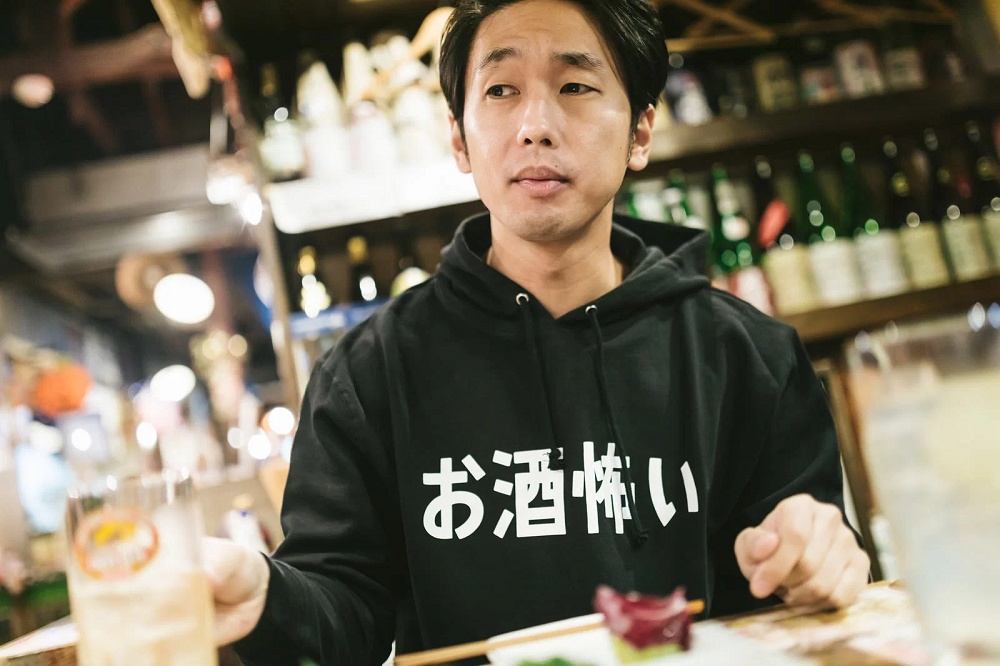
Izakaya are a unique part of Japanese food culture. Their closest analogy would be pubs, since izakaya serve a wide variety of alcoholic drinks and food meant to be paired with such beverages. Their menus are much more extensive than just basic bar munchies, though, with things such as yakitori chicken skewers, grilled onigiri rice balls, and plates of sliced sashimi being long-standing favorites. As a matter of fact, unlike with a pub, the expectation is that izakaya customers will always order some kind of food too, though there’s still a greater focus on drinks than at a regular restaurant.

However, izakaya are in a tough spot in Japan these days, and since the start of the year have been going bankrupt at a faster rate than at any time in nearly the past 40 years, according to a new study.

Data from Tokyo Shoko Research, a commerce and industry research organization, shows that between January and April of 2026, 88 izakaya have declared bankruptcy with debts of 10 million yen (US$65,000) or more. That’s 54.3 percent more than for the same period last year, and the highest number Tokyo Shoko Research has observed for the first quarter of the year since it began tracking such statistics in 1989, significantly more than the previous high of 59 in 2024.

So what’s causing the closures? A mix of factors, but one of the biggest is rising prices. Japan is experiencing by far its worst inflation in a generation, and costs for not just ingredients, but also for utilities, are hitting izakaya hard. Many are responding by reducing portion sizes, reworking recipes to make use of cheaper ingredients, or raising the prices they charge their own customers to make up the increased expenses. There are limits to how much of those tactics diners will put up with, though.

Facing rising costs for their own necessities such as rent, groceries, transportation, and home utilities, many consumers are becoming much more sensitive to the value they’re getting with the reduced amount of money they have left over for discretionary spending, and izakaya are looking a lot less appealing to many people than they used to. In particular, Tokyo Shoko Research points out that izakaya offers that include a full meal’s worth of food plus unlimited drinks for a period of time (usually 90 or 120 minutes), traditionally some of their most attractive deals, have gotten more expensive and now often cost more than 5,000 yen, a price point that many diners are balking at.

The study also highlights recent changes in dining/drinking patterns in Japan. Traditionally, izakaya have gotten much of their business from groups of coworkers coming in together, either as part of a pre-planned event such as a welcome party for new employees or an end-of-the-year celebration, or as spontaneous excursions to grab a drink after clocking out, sometimes after doing overtime and being too hungry/thirsty to wait until they can commute back home. However, those gatherings largely went away during the pandemic, and while many izakaya weathered that economic storm due to financial support from the government, the custom of coworkers going to drink together hasn’t rebounded to its previous level.

Part of that is due to more people working from home, something that was extremely rare in Japan prior to the pandemic. Many jobs now offer at least some telecommuting flexibility,  meaning fewer people in the office, and so fewer people to go grab a cold Asahi with on the way to the station at the end of the day. There’s also been a gradual increase in desire for a more even work/life balance in Japanese society. Even many in management positions are now more aware that constant overtime chips away at morale and the company’s ability to retain workers, and have come to accept that many employees feel that, when overtime does have to be done, having to go drinking with your boss afterward doesn’t make up for it, but actually makes the situation even worse.

So when you combine higher prices, freedom from the obligation to go to izakaya with coworkers, and the possibility of already being at home when you clock out from work, having a drink in the comfort of your living room, and one you purchased at the supermarket for half of what an izakaya would have charged you, becomes a very compelling alternative.

▼ Especially when stores in Japan have not just beer, but a wide variety of canned cocktails too.

Ah, but what about inbound foreign tourists? Japanese cuisine is one of the top reasons travelers from overseas come to Japan, and with the yen remaining so weak, many visitors still feel like dining out here is a bargain compared to their home countries. Tokyo Shoko Research, though, says that izakaya aren’t drawing in foreign tourists to the same extent that other restaurants in Japan are.

The report doesn’t offer any theories as to why this is, but it likely has something to do with international foodies’ passion for Japanese food being strongly focused on specific dishes, such as ramen, sushi, or curry rice. While many izakaya do have tasty food, their broader menu makes them a little less likely to hook a traveler’s attention than, for instance, a restaurant whose storefront is plastered with signage featuring photo after photo of steaming hot bowls of ramen. Ordering at izakaya is also a little trickier to navigate. There aren’t any vending machines at the entrance to purchase a meal ticket from, and it can be hard for newbies to estimate how many plates of food to order for a filling spread. There’s also the whole otoshi custom of unasked-for appetizers that you still have to pay for, but aren’t told the price of in advance, which can be an unpleasant bit of culinary culture shock.

Izakaya, like all pubs, are about more than just base sustenance. In a sense, they’re a form of entertainment, and much like certain genres of music or movies fluctuate in popularity, there’s a chance that izakaya will bounce back. For now, though, the situation isn’t very rosy, so if you see one that looks intriguing, they’d probably really appreciate it if you came in for a drink and a bite to eat.

Source: Tokyo Shoko Research via Yahoo! Japan News via Jin
Top image: Pakutaso
Insert images: Pakutaso (1, 2)
● Want to hear about SoraNews24’s latest articles as soon as they’re published? Follow us on Facebook and Twitter!
  • ✇SoraNews24 Japan
  • Japan has a new cute and clever sunblock for cat lovers Casey Baseel
    The adorable bottle is only part of what makes this a fun and convenient way to protect yourself from UV rays. The calendar says we’re still in spring, but the thermometer shows that summer is almost here. With temperatures in Tokyo hitting 30 degrees Celsius (86 degrees Fahrenheit) last weekend, we’re closing in on the time of year when some form of sun protection is a must for many when going outside, which in turn means the time of year when many find themselves thinking “I really should pu
     

Japan has a new cute and clever sunblock for cat lovers

20 May 2026 at 01:00

The adorable bottle is only part of what makes this a fun and convenient way to protect yourself from UV rays.

The calendar says we’re still in spring, but the thermometer shows that summer is almost here. With temperatures in Tokyo hitting 30 degrees Celsius (86 degrees Fahrenheit) last weekend, we’re closing in on the time of year when some form of sun protection is a must for many when going outside, which in turn means the time of year when many find themselves thinking “I really should put on some sunblock…but it’s a hassle, so maybe I’ll just skip it…”

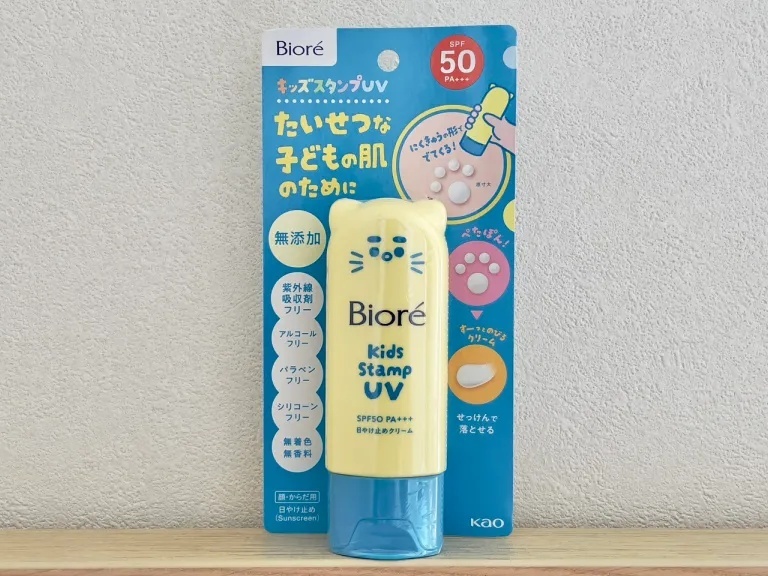
Thankfully, Japan’s Biore brand of sunblock is here to give us a little extra nudge towards taking the time to apply protection with its Kids Stamp UV.

Yes, the name does reveal that this was created first and foremost with kids in mind, but the appeal of cats knows no age limits, and unlike, say, children’s medicine, Kids Stamp UV is just as effective for adults as it is for children, with an SPF50 PA+++ rating.

Right away, the cute feline-eared design for the bottle catches the cat-loving eye, and things get even better when you flip open the cap.

Instead of a single opening, Kids Stamp UV has five, arranged in the pattern of a cat’s paw pads. The bottle is also designed so that instead of squeezing out a stream of liquid, you use it like a stamp, tapping it against your skin to apply the sunblock directly…

…and when you do, you get a series of paw prints, like a little kitty has been walking across your arm, leg, or cheek.

You do still need to rub the lotion in, but while there’s some initial stickiness, it quickly fades away and the Kids Stamp UV sunblock dries nicely, leaving no significant greasiness behind.

If you have kids, a big advantage of Kids Stamp UV is how it makes the process of applying sunblock fun. Our Japanese-language reporter Ninoude Punico tried it out with her 6-year-old, and it immediately turned the regular session of “Sit still! You need this!” into a much more relaxed and happy “OK, let’s get our cat prints on before we go out.”

As a matter of fact, with how easy the sunblock is to apply because of the stamp-style top, Punico’s kid has even started using it without Mom’s help.

▼ The instructions, complete with adorable illustrations, say to apply one “stamp” every 10 centimeters (3.9 inches) or so.

Of course, Biore’s cute and clever design is just as fun and convenient for adult cat fans as it is for kids, and with Japan being the land of kawaii culture, you’re not going to get side-eyed by other adults for using it yourself either.

Being jointly developed by Biore parent company Kao and Aeon Retail, Kids Stamp UV is available at Aeon, Welcia, and Tsuruha supermarkets/drugstores, and we’ll be keeping some handy for mountain- hiking, Gundam-viewing, and other outdoor summer excursions.

Photos ©SoraNews24
● Want to hear about SoraNews24’s latest articles as soon as they’re published? Follow us on Facebook and Twitter!
You’ll never win cash or prizes or cash at this Tokyo pachinko parlor, and that’s why it’s so cool

19 May 2026 at 17:30

Tampopo is part pachinko parlor, part video game arcade, and part museum.

Being a man of culture, when our ace reporter Mr. Sato is out and about in the suburbs and sees on the map that there’s a “game center” (as Japanese arcades are called) on the map, he often goes to check them out. This isn’t because he’s a hardcore gamer (though he’s got some impressive in-game victories under his belt), but because a lot of times suburban arcades have a lineup of retro games, and visiting them feels like taking a trip back in time twenty, thirty, or even 40 years.

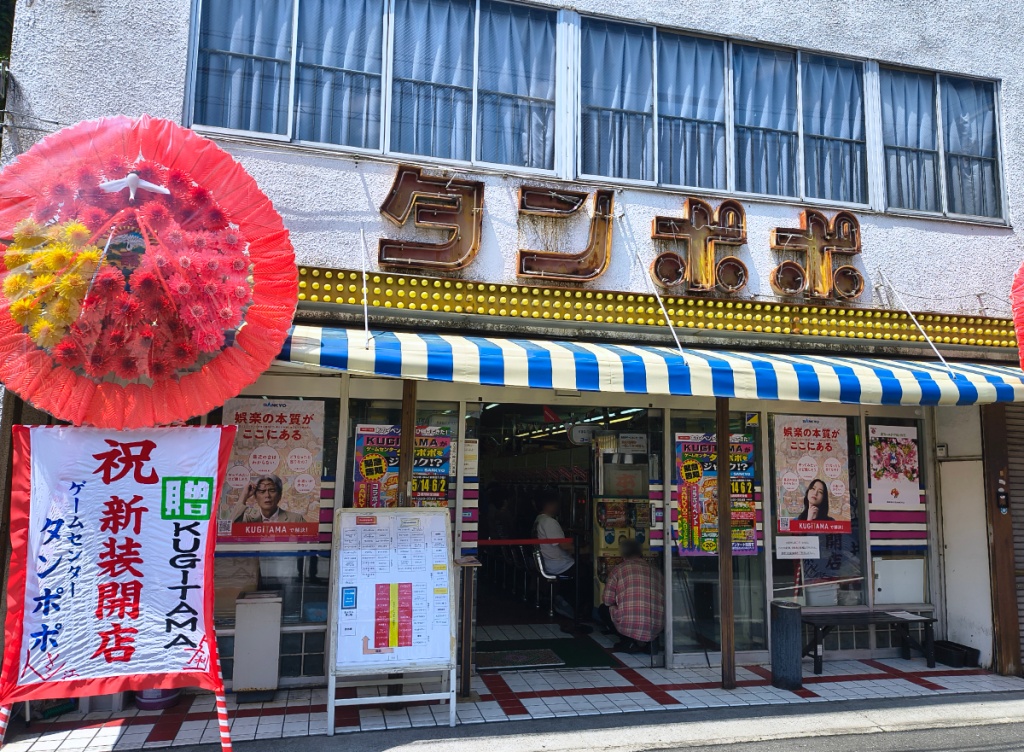
So when Mr. Sato was in Tokyo’s Fussa district, a bit west of the city center, on a recent afternoon and noticed “Game Center Tampopo” (ゲームセンタータンポポ) on Google Maps, and just a three-minute walk from Fussa Station, he decided to pay the place a visit and play some games.

However, when he got there, and took a look inside…

…he saw that the place is packed with pachinko machines!?!

There are a total of 70 pachinko machines inside Tampopo, and not a single conventional video game. As such, “Game center” might seem like a misclassification of the facility, because pachinko parlors, by nature of being a form of gambling, are fundamentally different from game centers, right?

Except, Tampopo isn’t actually a gambling hall, because no matter what you do, you can’t win anything to take home.

Ordinarily, if you win at pachinko you can exchange the balls you’ve won for non-monetary prizes…and every neighborhood that has a pachinko parlor also, conveniently, has a small, nondescript shop (usually just a window set into an exterior wall) nearby that just so happens to be in the business of buying those prizes from people for cash (this whole song and dance is to get around Japan’s laws prohibiting gambling for money on pachinko). But at Tampopo, there are no prizes of any kind given out, regardless of how many balls you may win from their machines.

Why? Take a look at Tampopo’s machines, and you’ll probably notice that they’re all very old-school in design. Modern pachinko machines, pretty much without exception, have video displays and all sorts of other digital bells and whistles. Tampopo’s machines, though, are pretty much entirely analog.

As you might expect from gambling devices, there are a lot of rules about pachinko machines that operators have to follow. Machines have to be periodically certified as functioning properly and fairly, but even if their owners are keeping up with the required maintenance, the machines also have a specified maximum service life, after which they can no longer be legally used for gambling (i.e. the transaction in which players pay money for a chance at winning prizes). Once pachinko machines reach the end of their service period, most of them are scrapped, but Tampopo wants to give them a second life.

Tampopo’s machines are what are called “minashi machines,” meaning that they’re no longer played for gambling, but simply for fun. Instead of purchasing a set amount of balls, players at Tampopo pay for an unlimited amount of balls for a certain amount of time: 1,000 yen (US$6.50) for one hour, 2,000 yen for two hours, or 3,000 yen for a full day, from 10 a.m. to 8 p.m.

After purchasing the ticket you want from a vending machine, the staff will write the ending time of your session on it and place it in a lanyard that you wear while playing.

▼ Mr. Sato’s card, with “until 1:10 p.m.” (13:10まで) written on it

The lack of any possible payout means this isn’t gambling, and the vibe is more like an arcade or retro tech preservation museum. As a matter of fact, back in his youthful days in Shimane Prefecture, Mr. Sato spent about a year working in a pachinko hall when machines like this were still in widespread use, and Tampopo is a cleaner and more pleasant place to spend an extended time (especially since it’s an entirely non-smoking facility) than the parlor he worked in.

Once your session starts, you can grab an entire box of balls and play to your heart’s content.

Free of any worry about winning or losing, Mr. Sato was able to sit back and appreciate the craftsmanship that went into pachinko machines of this era, when every pin, spinner, bumper, and target was a physical part of the playing field.

And should luck not be on your side and you run out of balls…

…you can just go and grab a refill.

Ah, and if you’re wondering why there are boxes of tokens (or “medals,” as they’re called in Japan), that’s because in addition to its 70 pachinko machines, Tampopo also has 19 slot machines, which are also part of its unlimited-play not-for-gambling deal.

While retro video games are enjoying a revival in popularity these days, retro pachinko is something much harder to find, but it’s a fascinating pop culture subcategory in its own right too, and there’s no better place to get a taste of it in the Tokyo area than Tampopo.

Location information
Game Center Tampopo / ゲームセンター タンポポ
Addres: Tokyo-to, Fussa-shi, Honcho 135
東京都福生市本町135
Open 10 a.m.-8 p.m.
Closed Wednesdays (unless Wednesday is a holiday)
Website

Photos ©SoraNews24
Screenshot: Google Maps
● Want to hear about SoraNews24’s latest articles as soon as they’re published? Follow us on Facebook and Twitter!
  • ✇SoraNews24 Japan
  • Suspected yakuza member arrested for having frequent flyer mile account Casey Baseel
    Not quite as glamourous as a secret bank account. For most people doing long-haul domestic travel in Japan, the Shinkansen is their default method of getting from Point A to far-away Point B. However, sometimes it’s just as quick, if not quicker, to fly, especially if you’re starting at one end of the country and going all the way to the other. In addition, while Shinkansen tickets are more or less constant in price, airfares fluctuate, so if you time your trip right, flying can be quicker and
     

Suspected yakuza member arrested for having frequent flyer mile account

19 May 2026 at 15:00

Not quite as glamourous as a secret bank account.

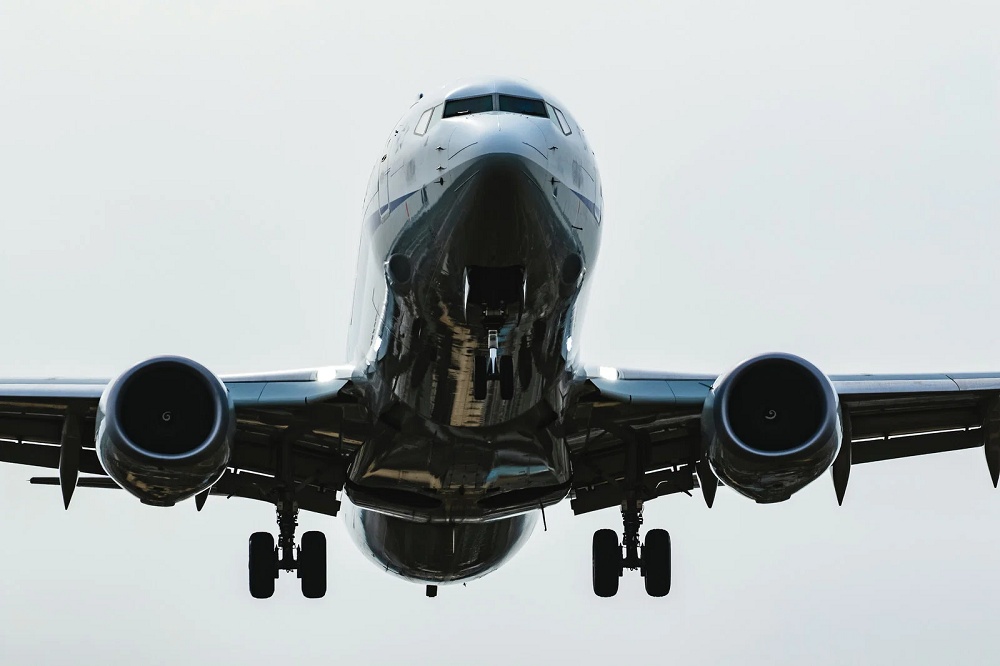
For most people doing long-haul domestic travel in Japan, the Shinkansen is their default method of getting from Point A to far-away Point B. However, sometimes it’s just as quick, if not quicker, to fly, especially if you’re starting at one end of the country and going all the way to the other.

In addition, while Shinkansen tickets are more or less constant in price, airfares fluctuate, so if you time your trip right, flying can be quicker and more economical than taking the train. Taking a plane starts to look like an even better option if you’re racking up frequent flyer miles…unless, that is, you’re a member of the yakuza, in which case trying to get frequent flyer miles can get you arrested.

On May 17, the Fukuoka Prefectural Police arrested Yuta Hirayama, a 42-year-old man from the town of Onojo, Fukuoka Prefecture. According to his arrest report, Hirayama has no officially designated job, but the police say he is a registered member of an organized crime syndicate that’s a subordinate group to the Kudo-kai, a Japanese mafia group based in Fukuoka.

Between June and November of 2023, Hirayama took nine domestic flights with a major Japanese airline, including flights between Fukuoka and Tokyo’s Haneda Airport to visit an acquaintance who was in prison in east Japan. In the process, he accrued 4,224 frequent flyer miles to an account registered in his name. However, the terms of service for the airline’s frequent flyer program includes a clause that members, by using the program, profess that they are not members of a criminal organization. Based on their assertion that Hirayama is a member of such a group, the police say that by using his account to accrue miles, he committed an act of fraud.

As we’ve discussed before, transactions and service contracts with no-yakuza clauses are common in Japan. It’s illegal, for example, for yakuza members to make mobile phone contracts or attend professional baseball games, as telecom providers and sports leagues don’t want to be associated with criminal organizations. Businesses are especially leery of having yakuza as members of loyalty programs that offer any sort of customer credit, since it could be construed as providing them with financial benefits. That’s why, for example, there are supermarket point programs with no-yakuza clauses, and with 4,224 miles within the frequent flyer program that Hirayama was a member of being exchangeable for 4,224 yen (US$27) in flight credit, the airline has a no-yakuza clause as well.

There is an additional wrinkle to this case, though, in that Hirayama had been a member of the frequent flyer program since 2013, but the airline only added its no-yakuza clause in 2022. As such, even if proven to be a member of a criminal organization, Hirayama’s initial entry into the program wasn’t fraudulent. However, the 2022 no-yakuza clause was ostensibly among the periodic terms of service updates that such programs require users to agree to when logging into their account, placing the legal responsibility on yakuza members to read through the new terms and withdraw from the program. So while many people simply scroll down to where they can click “OK” on such updates, if you’re a gangster, you really should read through them.

It’s unclear whether prosecutors will seek jail time for Hirayama, but if he is confirmed to be a yakuza member, his frequent flyer miles will be forfeited.

Source: Asahi Shimbun via Yahoo! Japan News, Yomiuri Shimbun, Mainichi Shimbun
Top image: Pakutaso
Insert image: Pakutaso
● Want to hear about SoraNews24’s latest articles as soon as they’re published? Follow us on Facebook and Twitter!
  • ✇SoraNews24 Japan
  • The Pokémon anime studio’s next project is a Scooby-Doo anime, Yokoso Scooby-Doo Casey Baseel
    Scooby, Scooby-Doo, where are you? Ah, you’re in Japan! Over the past few years, Japan has become one of the world’s most popular destinations for international travelers, with everyone from overseas otaku to major celebrities putting it on their travel itineraries. And soon Japan will be adding a few more high-profile guests, with the announcement of a new Scooby-Doo animated series that’s not only set in Japan, but animated by a major anime studio. Warner Bros. has unveiled Yokoso Scooby-Doo
     

The Pokémon anime studio’s next project is a Scooby-Doo anime, Yokoso Scooby-Doo

19 May 2026 at 13:00

Scooby, Scooby-Doo, where are you? Ah, you’re in Japan!

Over the past few years, Japan has become one of the world’s most popular destinations for international travelers, with everyone from overseas otaku to major celebrities putting it on their travel itineraries. And soon Japan will be adding a few more high-profile guests, with the announcement of a new Scooby-Doo animated series that’s not only set in Japan, but animated by a major anime studio.

Warner Bros. has unveiled Yokoso Scooby-Doo, a new series starring the famous mystery-solving pooch, describing the premise as:

“While visiting Japan on the ultimate foodie adventure, Scooby-Doo and Shaggy unwittingly unleash hundreds of mythical monsters that are causing trouble across the country. With the help of Scooby’s uncle, Daisuke-Doo, along with new friends, a magical girl Yume and gadget whiz Takumi, the group embarks on an all-new mystery filled with monster chasing and fun chaos.”

あのハンナ・バーベラの名作『弱虫クルッパー』こと『スクービー・ドゥ』が…日本にやって来た!?
しかも日本アニメっぽく!?
最新作『YOKOSO SCOOBY DOO!』は
アメリカ限定完全無料配信サービス
『tubi』にて配信決定

日本の妖怪からも逃げまくるシャギーとスクービーを見逃すな! pic.twitter.com/MIXdfpL2RA

— カートゥーン大好きトゥン子さん@海外アニメ紹介! (@newofcartoon) May 18, 2026

While Warner Bros. Animation is listed as the series’ producer, the company has announced that the visuals will come from OLM. Originally named Oriental Light and Magic, OLM is a Tokyo-based anime studio that was founded in 1990, and whose credits include work on Berserk, Inazuma Eleven, and Yo-kai Watch. They’re most famous, though, as the studio that’s been animating the Pokémon anime, all the way since its beginning in 1997. Yokoso Scooby-Doo will also be directed by Itsuro Kawasaki, director of the Pokémon Origins anime.

Yokoso Scooby-Doo (meaning “Welcome, Scooby-Doo”) appears to be a reworking/retitling of the Go-Go Mystery Machine series that Warner Bros. originally announced in 2024.

2024年に発表された
日本を舞台にした「スクービードゥー」の新作「GO GO MYSTERY MACHINE」が
『YOKOSO SCOOBY DOO!』色々と変わって発表

しかも制作はワーナーと日本の「株式会社オー・エル・エム」(アニポケ作ってる会社)と共同

絵柄も何となく日本アニメっぽい pic.twitter.com/l4Ijqi3u1I

💀🐙アクタレマン (@akutareman) May 18, 2026

Looking at the preview visual for Yokoso Scooby-Doo (or maybe we should call it the “key art,” in keeping with anime industry jargon), the goofy-grin Shiba inu is, ostensibly, Scooby’s uncle, Daisuke-Doo. The series’ version of the Mystery Machine sports a cherry blossom design on its fascia-mounted spare tire cover (although in orange instead of sakura-pink), and the van even sports a yellow license plate of the type used by Japan’s kei jidosha class of sub-compact cars.

Yokoso Scooby-Doo will stream exclusively on Tubi in North America, while international distribution will be through Cartoon Network. Frank Welker and Matthew Lillard will reprise their roles as Scooby and Shaggy, respectively, and there’s been no word yet about a Japanese-language dub. There’s also no announced release date yet, but if you’re in the mood for anime takes on classic American cartoon characters right now, there’s the new Looney Tunes anime series to watch.

Source: Variety
Top image ©SoraNews24
● Want to hear about SoraNews24’s latest articles as soon as they’re published? Follow us on Facebook and Twitter!
  • ✇SoraNews24 Japan
  • McDonald’s Japan’s new Chiikawa Happy Meal figures are here![Photos] Casey Baseel
    New tie-up with hit anime comes with anti-scalper strategy. Fast food and anime figures are two of the reliable simple sources of joy in life, and yet there was some trepidation about combining the two of them as McDonald’s Japan launched a collaboration with the Chiikawa franchise last week. Chiikawa Happy Meals went on sale on May 15, but there was worry that the promotion would be marred by the same sort of ugly behavior from scalpers that’s taken place in some of the chain’s previous high-
     

McDonald’s Japan’s new Chiikawa Happy Meal figures are here![Photos]

19 May 2026 at 05:00

New tie-up with hit anime comes with anti-scalper strategy.

Fast food and anime figures are two of the reliable simple sources of joy in life, and yet there was some trepidation about combining the two of them as McDonald’s Japan launched a collaboration with the Chiikawa franchise last week. Chiikawa Happy Meals went on sale on May 15, but there was worry that the promotion would be marred by the same sort of ugly behavior from scalpers that’s taken place in some of the chain’s previous high-profile partnerships.

Because of that, McDonald’s is taking some extra precautions in order to make it harder for would-be-resellers to buy the Chiikawa Happy Meals in bulk, and even popular Japanese second-hand goods site Mercari has pledged to remove posts from sellers attempting to flip the figures for a profit. McDonald’s restrictions were tightest on the day of the Chiikawa Happy Meals’ release, with sales limited to users of the McDonald’s app and capped at four Happy Meals per time block (morning or afternoon/night).

And you know what? The rules seemed to achieve their purpose, at least at the branch where we got our four Chiikawa Happy Meals. There were no massive lines, no one walking out with a dozen orders just for themselves, and no one just taking their toys and leaving uneaten food on the restaurant counter or littered on the street outside.

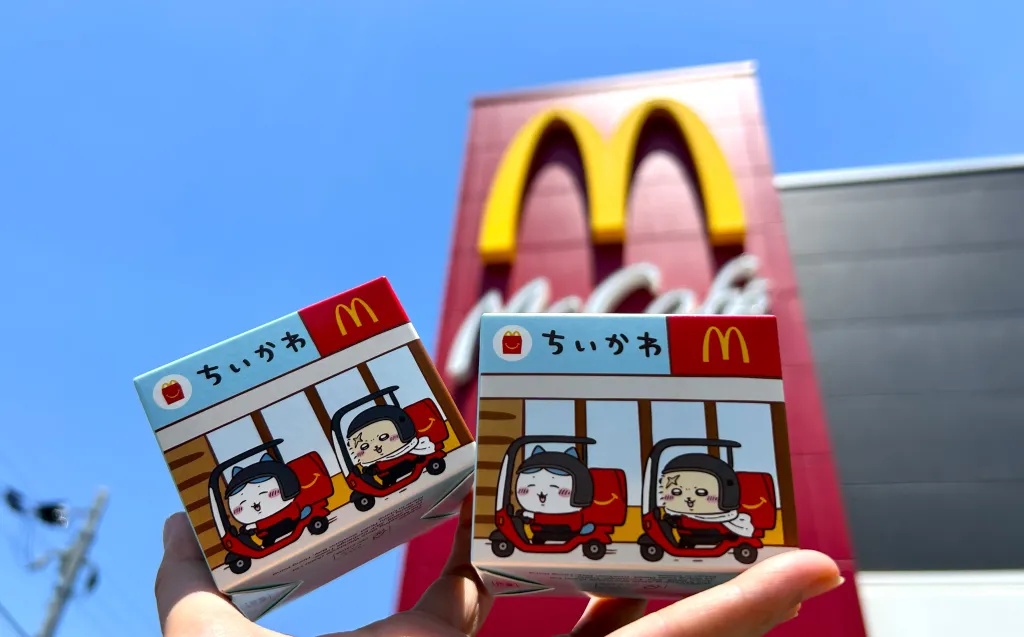
Each Happy Meal comes with one of four figures of the Chiikawa cast dressed in McDonald’s uniforms, so we ordered four meals, keeping our fingers crossed that we’d be lucky enough to get the full set.

▼ We got ourselves two Chicken McNugget Happy Meals and two cheeseburger ones, each priced at 540 yen (US$3.50), so we were pretty much set for lunches for the next few days.

And to our great joy, as we opened up the four figure boxes one by one, each of them had a different figure waiting for us inside!

Not only are they adorable, there’s even a bit of inspiration from Chiikawa lore in their designs. For example, Rakko, seen on the far right in the photo above, is depicted in the Chiikawa manga and anime as owning a car and being a skilled driver, so he’s dressed in the uniform of a McDonald’s Japan delivery person, as is Hachiware.

Also part of our set of four is Kuri-Manju (second from the lest in the above photo), the alcohol-loving character with a head shaped like a chestnut dumpling (Chiikawa can be a very unique franchise). Perhaps due to his regularly inebriated condition, Kuri-Manju is not part of the delivery team, and is instead dressed in the uniform of a McCafe by Barista crew member, in charge of McDonald’s Japan’s fancier dessert and beverage subdivision, which sometimes even has its own order counter inside the restaurant. Finally, there’s Chiikawa, who, fittingly for the series’ protagonist, is dressed in a McDonald’s manager’s uniform.

Each of the figures is about eight centimeters (3.1 inches) tall, compact enough to easily find space for on a shelf or your desk, but big enough to still provide a palpable Chiikawa aura.

▼ McDonald’s figures are quite a bit bigger than the ones beef bowl chain Matsuya gave out in their most recent Chiikawa collaboration, as you can see here.

In addition, the figures have holes on the bottom so that you can use them as pencil/pen toppers too.

As is becoming increasingly common with Japanese Happy Meals, McDonald’s is releasing its Chiikawa ones in two waves, with the first lasting until May 28, then a new set of four figures coming in as a second batch from May 29 to June 11, and hopefully the anti-scalping strategies continue to be effective in round two.

Photos ©SoraNews24
● Want to hear about SoraNews24’s latest articles as soon as they’re published? Follow us on Facebook and Twitter!

  • ✇SoraNews24 Japan
  • Mister Donut’s beyond super soft and chewy beyond mochi mochi donuts have returned Casey Baseel
    Mocchurin are back, and they brought a new friend with them. As Japan’s leading donut chain, Mister Donut is always cooking up new treats, but last year they invented some new words too: mocchuri and Mocchurin. “Mocchuri” was the descriptor they came up with for something that’s extra mochi mochi, which is itself a Japanese word for something with a soft, chewy texture, like you’d find in a mochi rice cake. Mocchurin, meanwhile is the name Mister Donut gave to a new line of mocchuri donuts tha
     

Mister Donut’s beyond super soft and chewy beyond mochi mochi donuts have returned

19 May 2026 at 01:00

Mocchurin are back, and they brought a new friend with them.

As Japan’s leading donut chain, Mister Donut is always cooking up new treats, but last year they invented some new words too: mocchuri and Mocchurin. “Mocchuri” was the descriptor they came up with for something that’s extra mochi mochi, which is itself a Japanese word for something with a soft, chewy texture, like you’d find in a mochi rice cake. Mocchurin, meanwhile is the name Mister Donut gave to a new line of mocchuri donuts that were on sale for a limited time last summer, and were so soft that it almost felt like we could drink them.

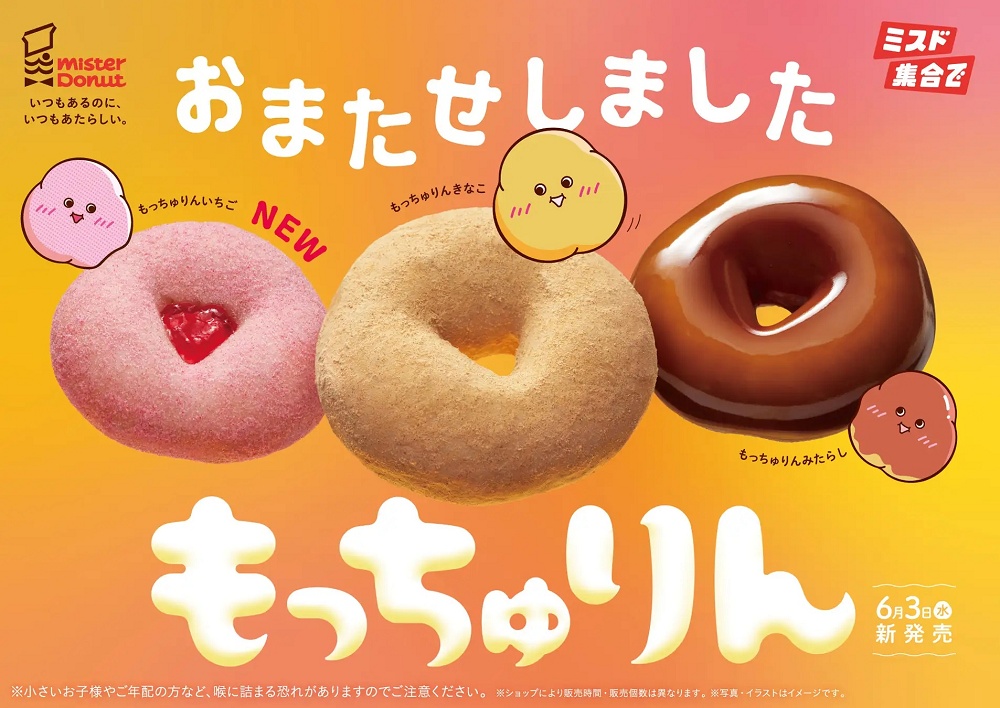
Now Mister Donut is welcoming Mocchurin back to its menus, and with a brand-new member of the family. Last year’s four Mocchurin all took their cues from traditional Japanese sweets, and two of those will be returning. First we have the Mocchurin Kinako, coated with roasted soybean powder.

▼ If you’ve never had kinako/roasted soybean powder, it’s a little like a sweet cinnamon in terms of flavor and texture.

Also making an encore appearance is the Mocchurin Mitarashi, basted with the sweet soy glaze that’s spread on mochi dumplings.

Finally, the Mocchurin series will step out of the traditional Japanese sweets flavors with the Mocchurin Ichigo, or Mocchurin Strawberry, with a strawberry filling and powdered with strawberry sugar.

With the expansion of the flavor lineup, the Mocchurin mascot ensemble grows larger too, with the introduction of a strawberry character.

And because of how pillowy soft the Mocchurin are, they come on their own individually sized paper trays, which are adorable too.

The kinako Mocchurin is priced at 216 yen (US$1.40), the mitarashi at 226 yen, and the strawberry 237 yen. They’ve all gone on sale as of May 14 though Mister Donut’s online/mobile order system, and will be available for regular at-the-register purchase starting June 3. The kinako and mitarashi donuts are scheduled to be available until mid-August, but you’ll have to move more quickly to grab the strawberry, as it’s only projected to be around until late June, though Mister Donut promises that this is only round one of the Mocchurin release, with other, as yet-unrevealed flavors in the works as well.

Source, images: PR Times
● Want to hear about SoraNews24’s latest articles as soon as they’re published? Follow us on Facebook and Twitter!

❌
SoraNews24 Japan