Normal view

  • ✇El País in English
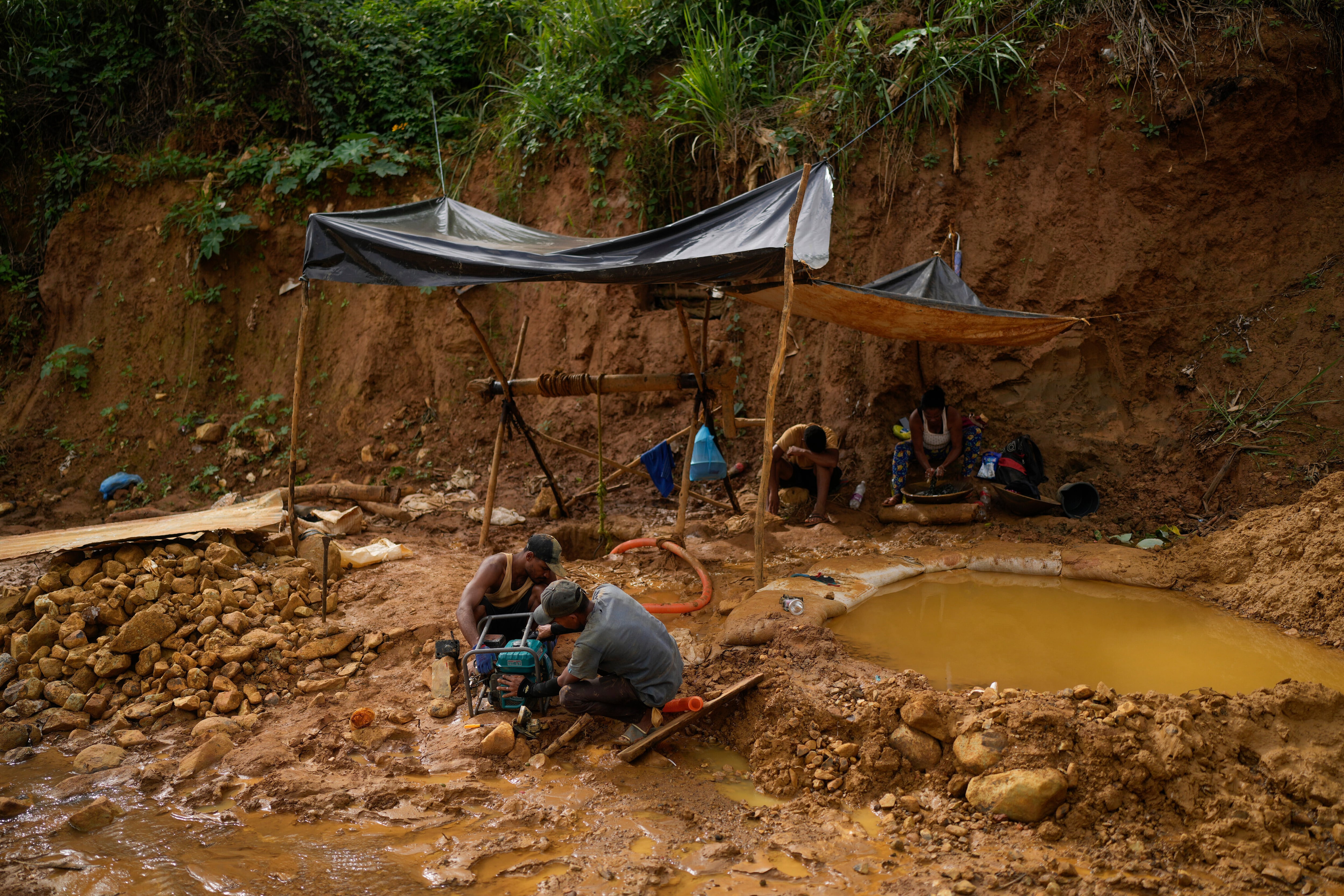
  • Venezuela identifies new mosquito capable of transmitting malaria in mining region Kaoru Yonekura
    Ítalo Pizarro is a teacher and leader of the Indigenous Pemón community of San Miguel de Betania. He has never been a miner, but he lives surrounded by mines in the Sifontes municipality of Bolívar state, Venezuela — one of the epicenters of both mining activity and malaria transmission in the country. He has had malaria five times, most recently in 2015, 2016, and 2017. Now the disease is once again a concern: one of his five‑year‑old students has malaria for the eighth time, and her mother for
     

Venezuela identifies new mosquito capable of transmitting malaria in mining region

19 May 2026 at 15:36

Ítalo Pizarro is a teacher and leader of the Indigenous Pemón community of San Miguel de Betania. He has never been a miner, but he lives surrounded by mines in the Sifontes municipality of Bolívar state, Venezuela — one of the epicenters of both mining activity and malaria transmission in the country. He has had malaria five times, most recently in 2015, 2016, and 2017. Now the disease is once again a concern: one of his five‑year‑old students has malaria for the eighth time, and her mother for the fifteenth.

Seguir leyendo

© Matias Delacroix (AP)

Mining in Venezuela, January 22.

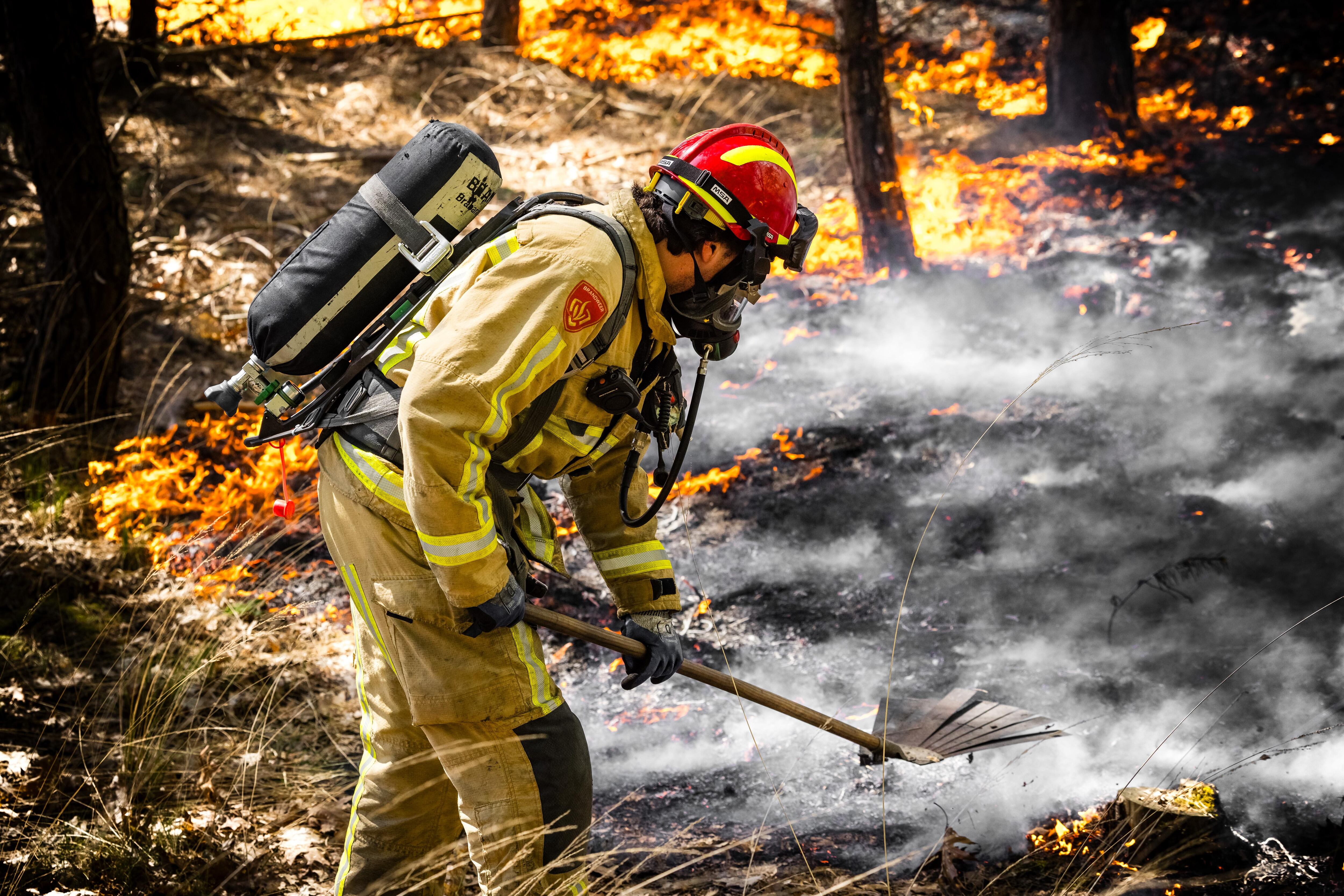
160 million hectares burned and sea temperatures at record highs: 2026 is shaping up to be a year of extreme warming

12 May 2026 at 08:55

The first half of 2026 has already provided clues that this will be another record-breaking year linked to global warming, according to scientists and meteorological organizations. These signs range from wildfires across the planet to high ocean surface temperatures and record-low levels of Arctic sea ice. Scientists anticipate a second half of the year with even higher than normal temperatures due to the onset of El Niño, a natural climate pattern that increases surface water temperatures in the tropical Pacific, ultimately impacting the entire globe. Several experts are already pointing to a high probability that 2026 will end as the second-warmest year on record, or even exceed the previous mark set in 2024.

Seguir leyendo

© ROB ENGELAAR (EFE)

German firefighters tackle one of the fires that occurred last week in the Netherlands.
❌
Subscriptions