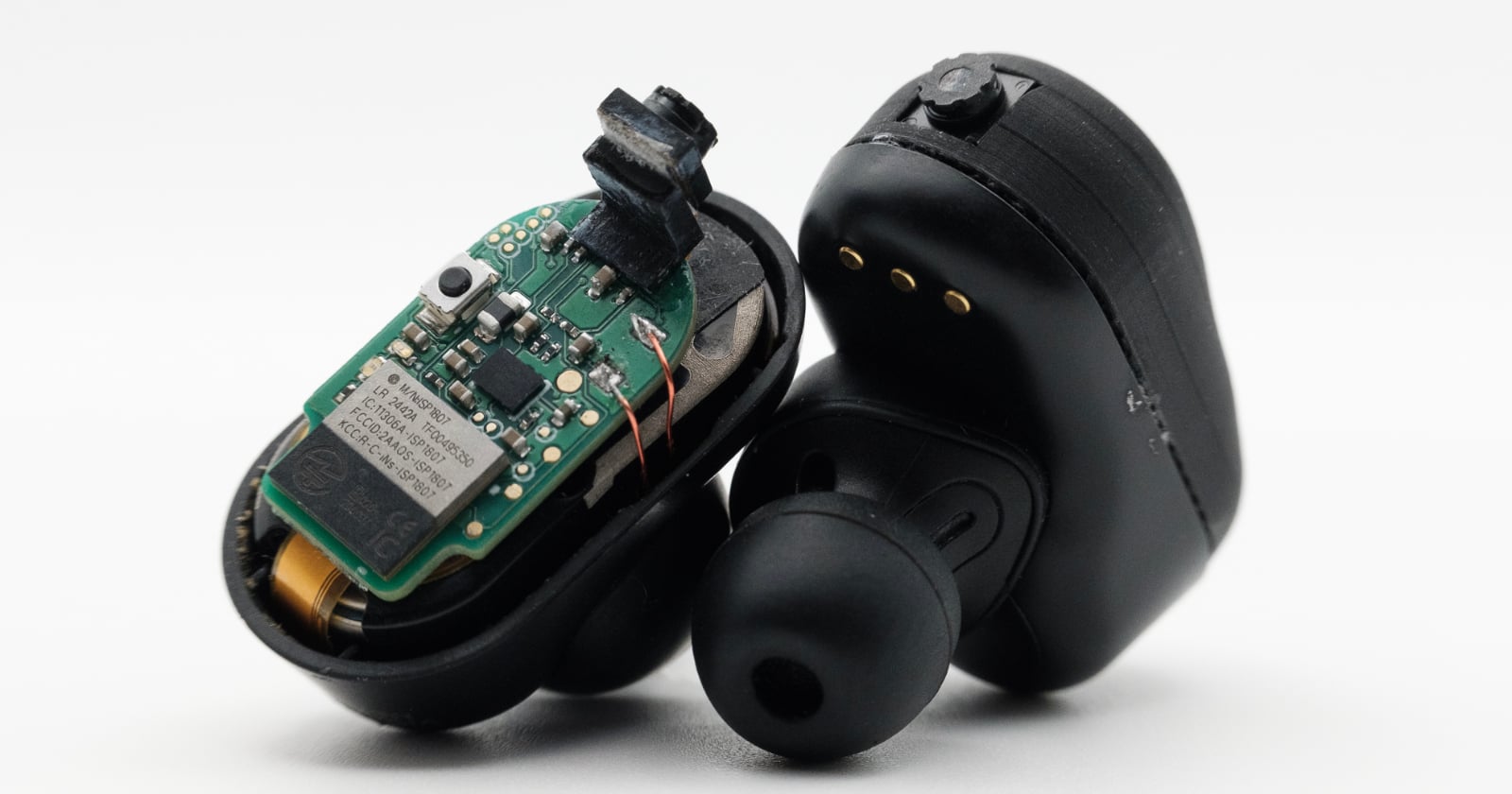
Scientists have built tiny cameras into off-the-shelf wireless earbuds that capture low-resolution images to allow users to talk with an AI system about what is in front of them.
[Read More]
Scientists have built tiny cameras into off-the-shelf wireless earbuds that capture low-resolution images to allow users to talk with an AI system about what is in front of them.
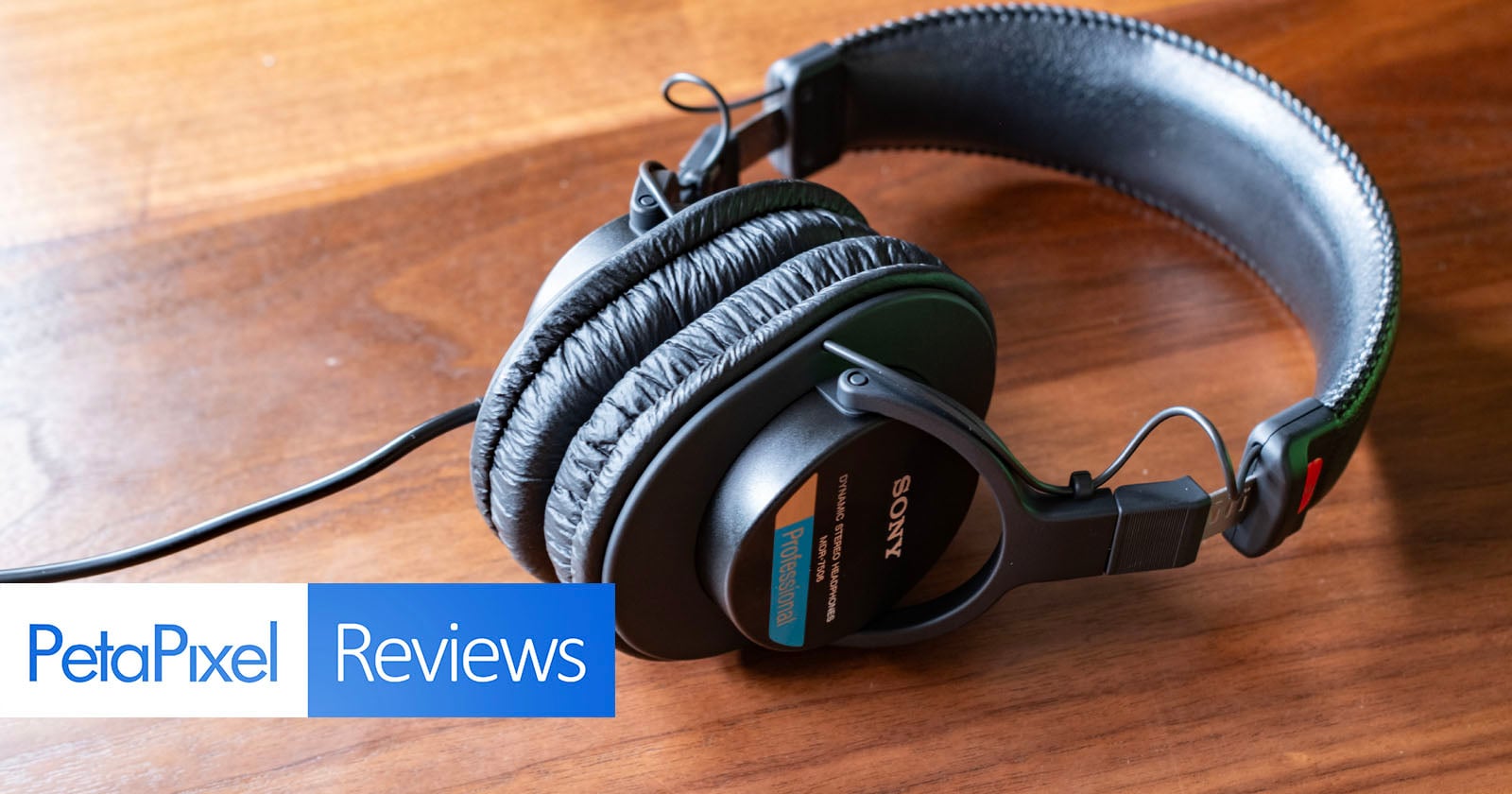
PetaPixel is expanding its coverage into headphones, but specifically their use through the lens of how a videographer would use them. In the field, at their desk, and while traveling, every videographer and editor has them, and the standard by which they all should be judged is the Sony MDR-7506.
[Read More]
PetaPixel is expanding its coverage into headphones, but specifically their use through the lens of how a videographer would use them. In the field, at their desk, and while traveling, every videographer and editor has them, and the standard by which they all should be judged is the Sony MDR-7506.
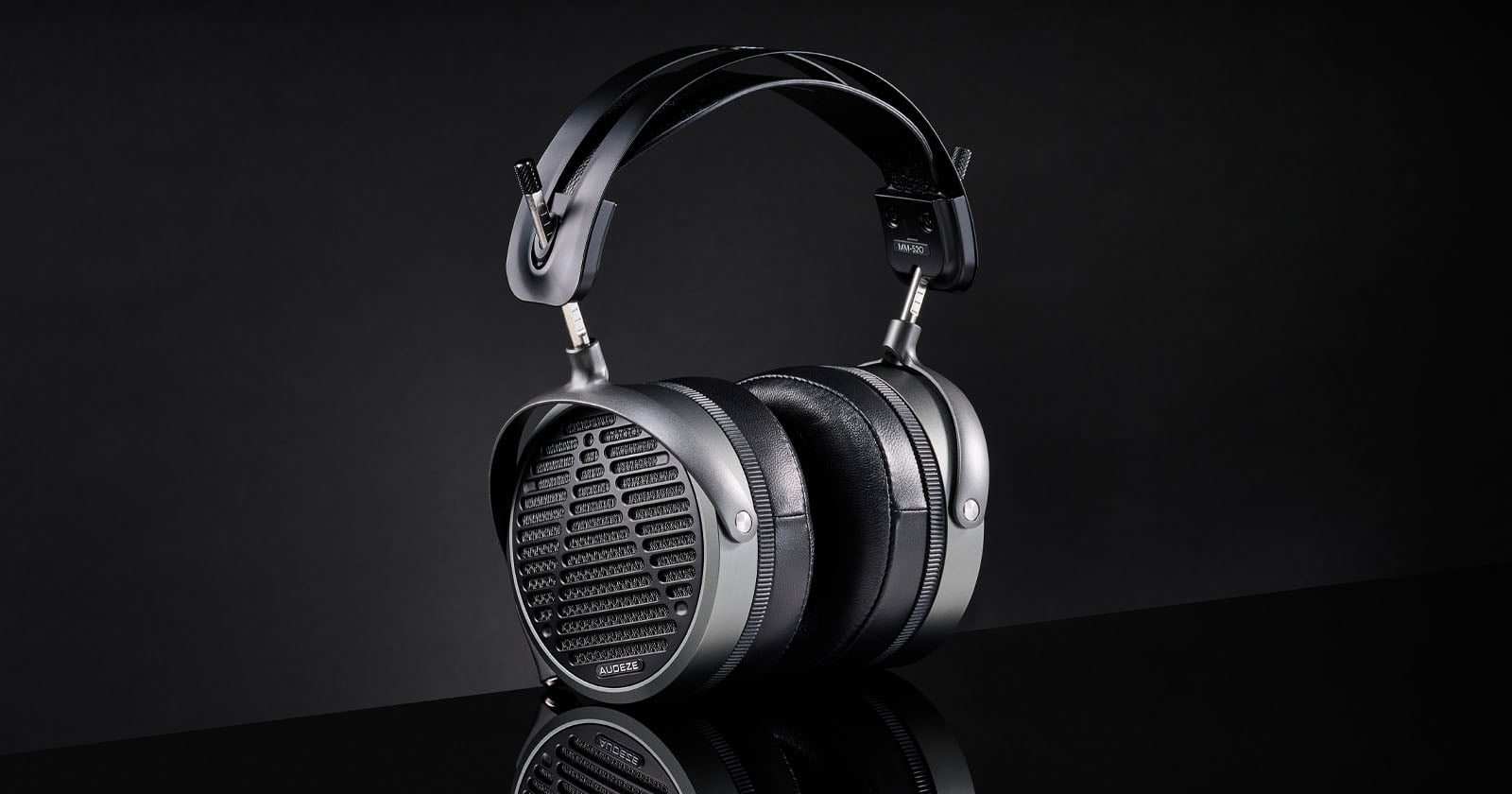
Audeze (prounounced "odyssey") has announced the MM-520 studio headphones, a special version of the company's existing open back MM-500 monitors that promise to boost lows without sacrificing mid-range neutrality.
[Read More]
Audeze (prounounced "odyssey") has announced the MM-520 studio headphones, a special version of the company's existing open back MM-500 monitors that promise to boost lows without sacrificing mid-range neutrality.
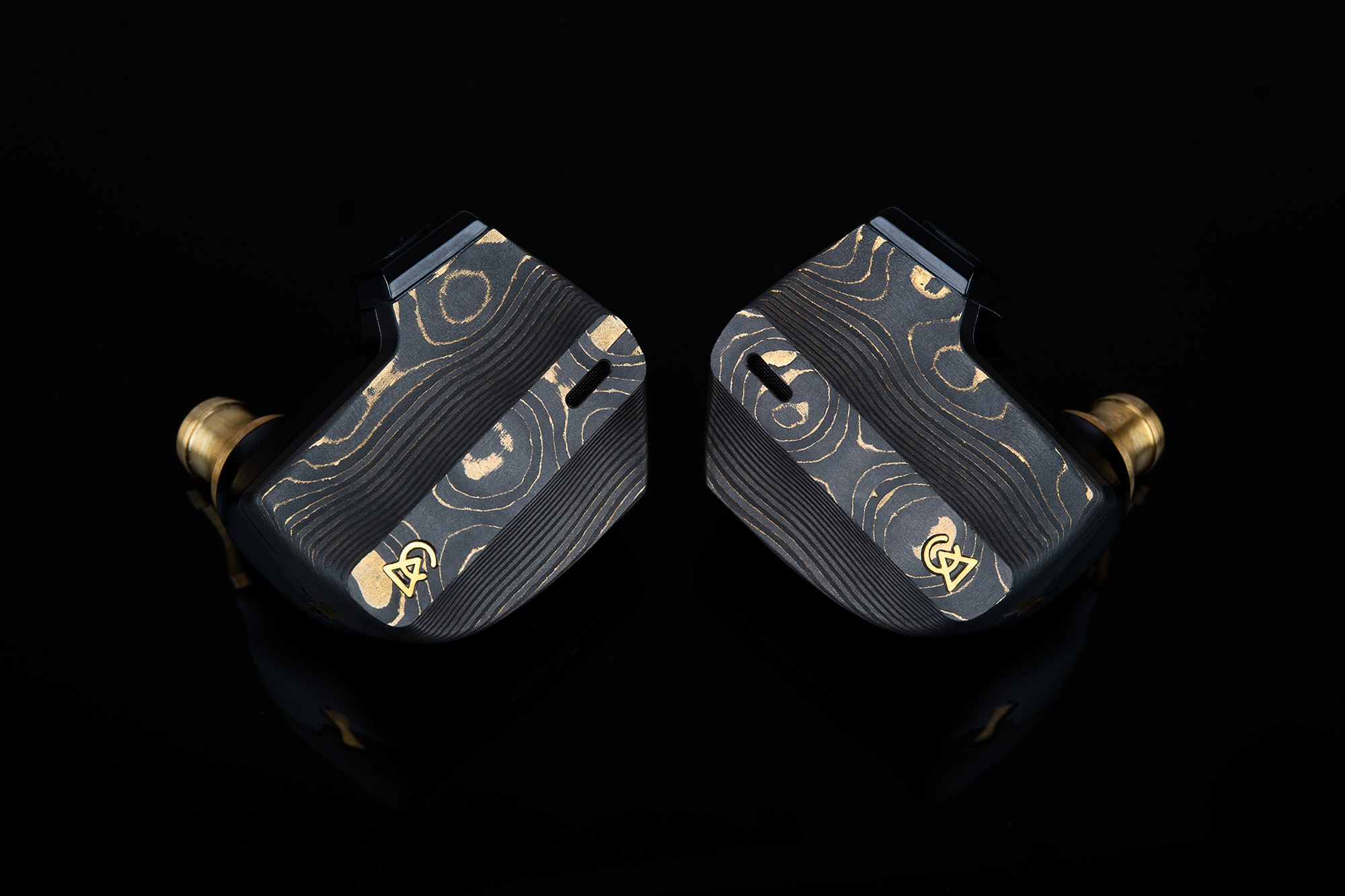
Portland, Oregon’s Campfire Audio launched in 2015 as the logical continuation of founder and lead engineer Ken Ball’s ALOaudio. ALO, or Audio Line Out, was a company obsessed with the signal chain. And Campfire Audio emerged to produce hand-assembled in-ear monitors capable of transforming what the bespoke cables and boutique portable amps were transporting. With the 2016 introduction of the Andromeda [an IEM whose 10th anniversary edition we’ll have more to say about in the future], Campfire A
Portland, Oregon’s Campfire Audio launched in 2015 as the logical continuation of founder and lead engineer Ken Ball’s ALOaudio. ALO, or Audio Line Out, was a company obsessed with the signal chain. And Campfire Audio emerged to produce hand-assembled in-ear monitors capable of transforming what the bespoke cables and boutique portable amps were transporting. With the 2016 introduction of the Andromeda [an IEM whose 10th anniversary edition we’ll have more to say about in the future], Campfire Audio’s distinctive industrial enclosures were established alongside a layered and lucid house sound, the result of acoustic chamber experimentation focused more on overall organic timbre than eking out every millimeter of transients. That changes, however, with the introduction of the Chimera—a summit-fi statement that sets out to add all possible technicalities and physicality to the spaciousness-first foundation.
Campfire Audio
The Chimera is a $7,500, nine-driver platform for quad technologies, including Campfire firsts. Its architecture combines an all-new 10mm True-Glass dynamic driver for lows and low-mids, a dual-diaphragm balanced-armature driver for midrange detail, two high-frequency BAs, four Sonion EST (electrostatic) super-tweeters, and a shell-embedded 10mm bone-conduction driver for low-frequency resonance (the first time Campfire has integrated such a component). A targeted pressure value, acoustic routing, vintage ceramic-film capacitor, and a “Master Track” final-stage tuning damper in the nozzle contribute to dynamic control and coherence. Early impressions from CanJam Singapore suggest this complexity doesn’t stand in the way of articulate texture in a gently U-shaped, sometimes W-shaped, very protean monitor that, with the right eartips, is fast while weighty, precise but more about rich presence, and never preoccupied with injecting itself into the audio. And, at 5.5Ω @ 1kHz with a rated sensitivity of 94dB SPL @ 1kHz/14.6 mVrms, the Chimera isn’t difficult to drive from a range of DAC/amp/DAPs to achieve full expression of its 5Hz – 20kHz frequency response.
Further helping justify the cost are the materials, including CNC-machined billet magnesium finished with a durable PVD coating, a carbon fiber-brass Damascus faceplate, machined brass nozzle, custom fasteners and vents, 2-pin connectors, plus an ALOaudio Valence-6 cable featuring copper + silver-plated copper conductors and 4.4mm balanced termination developed for maximum synergy. There’s also a black leather zipper case, two-pocket mesh Breezy Bag, ear tip selection, and various cleaning tools.
It’s a healthy sign when consumers have the ear of a company that wants their ears. Marshall heard from the market that there was a desire for ultra-portable on-ear headphones with active noise cancellation, and the end product is the new Milton A.N.C. It brings familiar design language and flagship flourishes into what has typically been a less feature-packed form factor. Until now.
Marshall
It’s a healthy sign when consumers have the ear of a company that wants their ears. Marshall heard from the market that there was a desire for ultra-portable on-ear headphones with active noise cancellation, and the end product is the new Milton A.N.C. It brings familiar design language and flagship flourishes into what has typically been a less feature-packed form factor. Until now.
At $229.99, the Milton A.N.C. is positioned between the Major V and Monitor III A.N.C. [literally in one of the pictures below]. It adopts the textured surface, brass logo, multidirectional control knob, and customizable M-Button of the Monitor III A.N.C. (for toggling ANC/Transparency mode, cycling EQ settings, or going directly to a Spotify playlist, etc.). But it does it in a foldable form factor similar in size to the Major V. That’s where the similarities to the Major V end, however. The build and built-in tech have far more in common with the bigger brother.
Larger, detachable, replaceable earpads with softer memory foam improve comfort and passive noise attenuation. Combined with six optimally placed microphones and a next-generation adaptive algorithm that adjusts noise cancellation in real-time, the Milton A.N.C. blocks out noisy environments so you can make the most of the new custom-tuned Hi-Res Audio-certified driver system. That certification means it can deliver a frequency range of 20Hz – 40kHz and handle sources up to 24-bit/96 kHz. To do this, Milton A.N.C. features audio over USB-C alongside Bluetooth 6.0 with LE-Audio plus support for SBC, AAC, and LC3, as well as advanced-resolution LDAC with a compatible source. Adaptive Loudness ensures the Marshall sound signature comes through clearly when ambient intrusions increase, and proprietary spatialization processing, based on the “True Stereophonic” spatial sound of Marshall’s Bluetooth speakers, widens the soundstage.
Completing the package is a replaceable battery capable of 80 hours of wireless playtime without ANC and 50+ hours with ANC. We’ll share more thoughts on listening and longevity once we’ve had time with a pair.
In the market for something less portable but more colorful? Marshall has also released a purple crushed-velvet ACTON III Marshall X Hendrix 60th Anniversary Edition [$299,99, below left], as well as a matching, far more indulgent halfstack redesign of the 1959 HW and 1960AHW Cab guitar amp accompanied by a custom Jim Dunlop Fuzz Face pedal [$4,999, below right].
In 2016, Sony introduced the MDR-1000X, establishing a legacy of active noise-canceling headphones that have accompanied commuters, frequent flyers, and remote workers for a decade. To celebrate 10 years of blissfully isolating iterations, Sony has introduced the 1000X The ColleXion [X = 10, you see]. Building on the premium ANC platform of 2025’s WH-1000XM6, this anniversary edition elevates the design language and digital signal processing into a luxury victory lap.
In 2016, Sony introduced the MDR-1000X, establishing a legacy of active noise-canceling headphones that have accompanied commuters, frequent flyers, and remote workers for a decade. To celebrate 10 years of blissfully isolating iterations, Sony has introduced the 1000X The ColleXion [X = 10, you see]. Building on the premium ANC platform of 2025’s WH-1000XM6, this anniversary edition elevates the design language and digital signal processing into a luxury victory lap.
At $649, The ColleXion is almost $200 more than its functionality-focused sibling. What you get for that additional outlay is a mix of “emotional value” materials and refined acoustic architecture. Plastic is replaced by stainless steel for the arms, buttons, and other accents, while a custom vegan leather is integrated across the enclosure, replaceable earpads, and expanded head cushion for a seamless appearance and increased comfort. Adding to the sense of elegance and ease, the inner housing has been enlarged, while the overall profile has been slimmed by more than 5mm.
To ensure the sonic output doesn’t suffer from reduced displacement, the ColleXion features a newly developed 30mm soft-edge unidirectional carbon driver. Compared to a carbon fiber weave, this material has increased rigidity, allowing reduced distortion even under pressure, as well as enhanced high-frequency reproduction. Further improving the signal/noise ratio is circuitry with 1.5x the copper foil to reduce resistance. On the software side, a new Integrated Processor V3 enables The ColleXion to be the first headphones with DSEE ULTIMATE upscaling/Edge-AI sound enhancement, as well as three selectable 360 Reality Audio spatial upmix modes (Cinema, Music, Game). All this has been tuned in collaboration with GRAMMY-winning mastering engineers.
All of this comes in a magnetically secured, clutch-like carrying case with an integrated handle [shown below].
What remains the same is the QN3 processor, plus 12 strategically placed AI beam-forming microphones for optimized noise cancellation and call clarity. Some passive isolation has been traded for pressure relief, so the WH-1000XM6 will still offer the highest level of ANC, but the ColleXion shouldn’t lag far behind. And we’ll know for sure and share our thoughts once we spend some time with a pair in the near future.
Plan to stick with the WH-1000XM6, but in the mood for a new colorway? Sandstone, shown below, joins Platinum Silver, Black, Sand Pink, and Midnight Blue. Still the same top-tier noise cancellation and customizable sound. Still $459.

 Login
Login