
Normal view

  • ✇Popular Science
  • Yes, you can be allergic to water Jennifer Byrne
    Your immune system has one job: to protect you. And most of the time, it does that job like a pro.  But occasionally it gets a bit overzealous, even paranoid. It mistakes harmless, even wonderful things—flowers, peanuts, cats—for threats, and attacks them (and you—mostly you) with a senseless, chaotic vengeance. For most allergy sufferers, this might mean giving up a few tasty foods, staying inside during high pollen counts, or rehoming the cat—or, more realistically, the person allergic t
     

Yes, you can be allergic to water

17 May 2026 at 12:11

Your immune system has one job: to protect you. And most of the time, it does that job like a pro. 

But occasionally it gets a bit overzealous, even paranoid. It mistakes harmless, even wonderful things—flowers, peanuts, cats—for threats, and attacks them (and you—mostly you) with a senseless, chaotic vengeance.


For most allergy sufferers, this might mean giving up a few tasty foods, staying inside during high pollen counts, or rehoming the cat—or, more realistically, the person allergic to the cat. But for a tiny number of people, the immune system decides to take aim at one of the most essential substances on earth: water.

Yes, it is possible to be allergic to water. And the condition is even stranger than it sounds.

“Imagine not being able to go into the pool, or the lake, or the ocean,” says dermatologist Dr. Amir Bajoghli, who has treated a patient with this rare condition. “My patient also has to take much faster showers, as you might imagine. It definitely interferes with quality of life.”

Yes, you can be allergic to water

The medical term for an allergy to water is aquagenic urticaria, a form of hives. The condition is so rare that only an estimated 100 to 150 cases have ever been reported. However, researchers believe many more cases go undiagnosed: When a patient comes in complaining of hives, “it could be water” is probably not the first thing that leaps to mind.

Close-up view , covered in red, itchy rash with fingers frantically scratching inflamed skin. Allergy Awareness
People with this rare condition break out in hives like these when exposed to water. Image: Getty Images / Yuliia Kokosha

“Honestly, a lot of general physicians aren’t even aware of it,” says Bajohgli, an adjunct professor at Georgetown University School of Medicine. “It’s rare, and it’s not on their radar.”

Although scientists don’t fully understand exactly how aquagenic urticaria works, they believe water itself isn’t the culprit. Rather, it appears that certain people’s skin responds differently to water contact, setting off a reaction in the skin’s outermost layer. This triggers the body’s mast cells (immune cells that sound the alarm during allergic reactions), which releases histamine, the troublemaking chemical responsible for allergic responses. 

Within minutes of water touching the skin, a person with aquagenic urticaria will develop raised, intensely itchy welts. The reaction typically lasts anywhere from 30 minutes to an hour, and the longer the exposure, the more severe the symptoms.

You can still drink water, but sweating can be a problem

Interestingly, and luckily, aquagenic urticaria does not interfere with the body’s need for life-sustaining hydration. In other words, drinking water is fine. When water is swallowed and processed by the gut rather than absorbed through the skin, it doesn’t trigger the same immune response, Bajoghli says.

“The gut, just like the skin and the lungs, is one of the first forms of defense,” he says, “but in this case, somehow, it’s not eliciting the response in the gut the way it does in the skin.”

Bajoghli notes that some patients with aquagenic urticaria do react to their own sweat, although his patient does not. Sweat, he explains, involves an entirely different biological process than external water making contact with the skin.

Scientists believe an unidentified substance in the skin may be triggering this reaction, although much remains unknown. 

“It’s still, medically, for us, a mystery,” he says.

How to test if you’re allergic to water

For better or worse (mostly better), water is inescapable. Because of its ubiquity, and also because aquagenic urticaria is something of a medical unicorn, it often takes a while for patients or doctors to connect the dots. 

Related 'Ask Us Anything' Stories

Once it occurs to the patient and provider that water could be the culprit, diagnostic testing is fairly straightforward. It typically involves applying water-soaked compresses to the skin and waiting. In most positive cases, symptoms appear within five minutes, although the test can take up to 30.

“We wait 30 minutes before we call it negative,” Bajoghli says.

The importance of very quick showers

So, what is life like for a person whose body treats H₂O as a sworn enemy? For Bajoghli’s patient, an active teenager involved in sports, the condition reshapes even the most basic daily routines. Among other things, this means really fast showers. 

“When he showers for about two minutes, the symptoms are more subdued and milder in nature,” Bajoghli says. “If he takes a longer shower, they’re more severe and they persist longer.”

The good news is that aquagenic urticaria is unlikely to cause a major allergic reaction. It is, however, chronic; patients should not expect it to resolve on its own.

Treatment options do exist, however. Bajoghli’s patient takes an antihistamine called cyproheptadine, which reduces symptoms enough to make that two-minute shower manageable. Timing is important: taking the antihistamine about an hour before water exposure helps maximize its effectiveness.

For patients who need more relief, Bajoghli says a newer drug called omalizumab has shown promise.

For now, the mechanisms behind aquagenic urticaria, including the identity of the substance—or antigen—that triggers it, remain poorly understood, and that knowledge gap makes it difficult to develop more targeted treatments.

“We’re really looking forward to finding out what that antigen is,” Bajoghli says, “and hopefully one day solving this.”

In Ask Us Anything, Popular Science answers your most outlandish, mind-burning questions, from the everyday things you’ve always wondered to the bizarre things you never thought to ask. Have something you’ve always wanted to know? Ask us.

The post Yes, you can be allergic to water appeared first on Popular Science.
  • ✇Popular Science
  • Neanderthal ‘dentists’ treated cavities 59,000 years ago Margherita Bassi
    Neanderthals (Homo neanderthalensis) were once considered to have been extremely primitive and unsophisticated compared to us humans (Homo sapiens). However, continued research into our long-lost cousins has revealed that these extinct hominids were not quite as archaic as they seemed to early anthropologists.  While archeologists have found that Neanderthals pulled out food from their teeth with toothpicks and may have even used medicinal plants as antibiotics, researchers still aren’t sure
     

Neanderthal ‘dentists’ treated cavities 59,000 years ago

13 May 2026 at 18:00

Neanderthals (Homo neanderthalensis) were once considered to have been extremely primitive and unsophisticated compared to us humans (Homo sapiens). However, continued research into our long-lost cousins has revealed that these extinct hominids were not quite as archaic as they seemed to early anthropologists. 

While archeologists have found that Neanderthals pulled out food from their teeth with toothpicks and may have even used medicinal plants as antibiotics, researchers still aren’t sure about the extent of their medical care abilities. Now, new research published in the journal PLOS One indicates that they were capable of complex dental interventions, which adds a series of cognitive and physical updates to the Neanderthal story. 

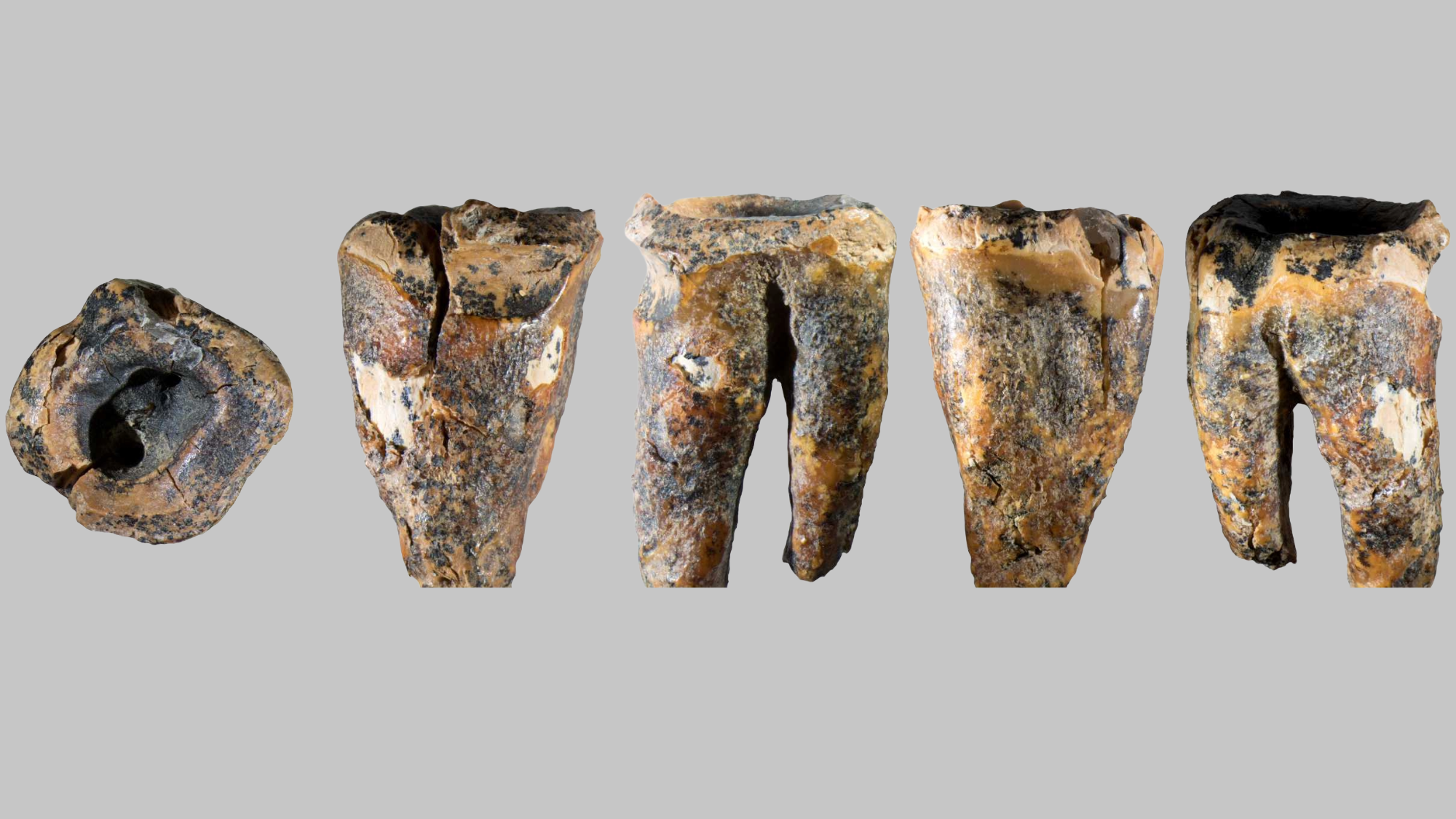
A team digging in Chagyrskaya Cave in southern Russia’s Altai region found a single Neanderthal molar that is approximately 59,000-years-old. The tooth features toothpick grooves along its sides, and a deep hole in its center that reaches into the pulp cavity. Tooth pulp is the jelly-like material that holds blood vessels, nerves, and connective tissue. 

Using three modern human teeth, the team showed that it’s possible to make a hole of the same shape and same patterns of microscopic grooves by drilling with a stone point similar to tools that were previously discovered in Chagyrskaya Cave. Andrey Krivoshapkin, a co-author of the study and a researcher at the Institute of Archaeology and Ethnography at the Siberian branch of the Russian Academy of Sciences, tells Popular Science that the team eliminated all other interpretations.

For example, “natural wear from chewing could expose a pulp chamber over time, but it would not widen the chamber or create a deep, irregular concavity with smooth, rounded edges. Dental trauma, such as a fracture, would leave sharp, irregular margins and crackings, not the polished, rounded contours we see,” he explains. 

They also ruled out taphonomic, geological, and chemical processes. “So while we always remain open to new interpretations, the evidence overwhelmingly supports deliberate human intervention,” he says.

Related Neanderthal Stories

Krivoshapkin and his colleagues also identified ante-mortem (before death) wear on the concavity walls and edges, showing that after the hole was made, the tooth continued to be used. In other words, the Neanderthal continued to chew and process materials with this tooth. According to Krivoshapkin, if the drilling had happened after the individual had died, the edges of the hole would be sharp and fresh and not polished in the slightest. 

“So the wear proves two things: first, the procedure was performed on a living person, and second, the intervention was successful enough that the tooth continued to function. That is what makes this a medical treatment rather than just a curious modification,” he explains.

The team also found changes in dentin mineralization in the tooth that aligns with serious cavities. Ultimately, Krivoshapkin and his colleagues argue that the hole in the tooth represents a Neanderthal dental operation that dug out the infection. And yes, it would have been painful—they didn’t have laughing gas 59,000 years ago. But as with dental surgery today, getting rid of the damaged part of the tooth lessens the pain from the infection. 

This intervention carries a whole set of implications about Neanderthal cognitive abilities.The tooth suggests that Neanderthals potentially could identify the source of pain, decide how to treat it, use the necessary manual dexterity to execute the operation, and withstand the intervention’s pain to diminish future pain. It represents the first time such behavior has been shown in non Homo sapiens, and it predates the earliest-known human example by over 40,000 years. 

This abstract causal reasoning in Neanderthals “goes far beyond the instinctive self‑medication seen in other primates,” Krivoshapkin explains. “Along with other recent discoveries this finding challenges the old stereotype of Neanderthals as cognitively inferior to us, showing that they were not failed humans but successful, innovative people in their own right. And on a deeply human level, it reminds us that the impulse to treat disease and relieve suffering is not uniquely modern, it is ancient and part of our shared hominin heritage.”

The post Neanderthal ‘dentists’ treated cavities 59,000 years ago appeared first on Popular Science.

  • ✇Popular Science
  • A medieval Scot rocked a 20-carat gold dental bridge Andrew Paul
    Today, extensive tooth repair or replacement often requires the installation of a dental bridge made from durable resin and metal. That said, the procedure is nothing new. Archaeological examples of dental bridges date back thousands of years across cultures around the world. Recently, researchers discovered the oldest variant ever found in Scotland, but it’s anything but inconspicuous. According to a study recently published in the British Dental Journal, the medieval dental bridge excavated in
     

A medieval Scot rocked a 20-carat gold dental bridge

6 May 2026 at 15:22

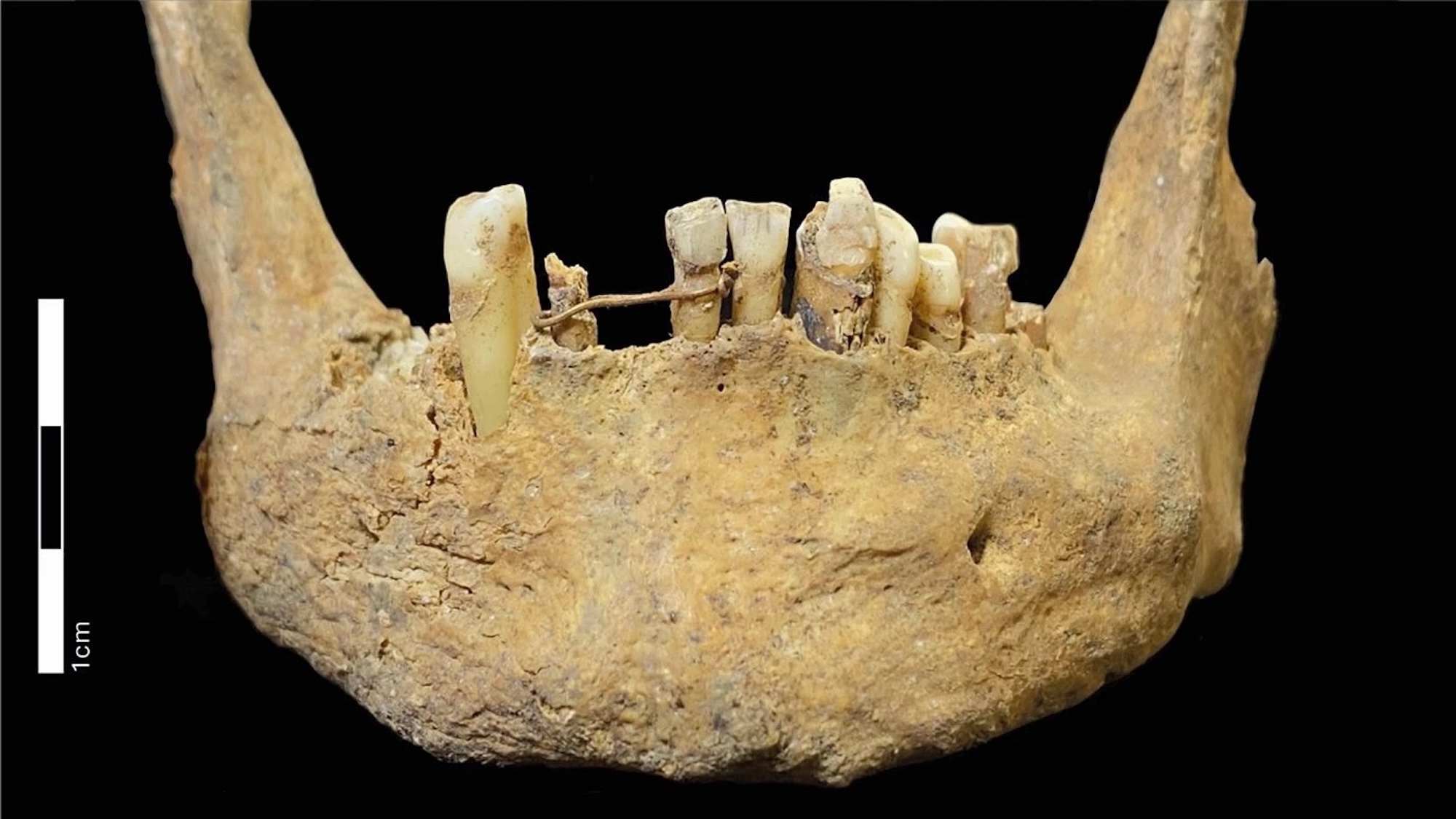
Today, extensive tooth repair or replacement often requires the installation of a dental bridge made from durable resin and metal. That said, the procedure is nothing new. Archaeological examples of dental bridges date back thousands of years across cultures around the world. Recently, researchers discovered the oldest variant ever found in Scotland, but it’s anything but inconspicuous. According to a study recently published in the British Dental Journal, the medieval dental bridge excavated in Aberdeen was crafted using 20-carat gold.

Simplified bridges made from silver or gold wire called dental ligatures date back to at least 2,500 BCE in ancient Egypt. In some cases, funerary preparers installed them in the recently deceased to make their bodies appear more “complete” for the afterlife. However, it took until the Middle Ages before more complicated dentistry spread throughout Europe. Even then, primary texts suggest tooth maintenance likely wasn’t performed by doctors or surgeons.

“During the Middle Ages, teeth were often treated by barbers, or dentatores, who were individuals that specialized in teeth.”University of Aberdeen archaeologists wrote in their study.

Few dental ligature artifacts exist from England prior to the 17th century, and none of them were found in Scotland before the team’s analysis. That is until 2006. A team digging on the grounds of East Kirk of St. Nicholas Kirk in Aberdeen (“kirk” is Scottish for “church”) uncovered a trove of skeletal remains including the skull in this study.. The team recently reexamined 100 of the roughly 900 individuals in the collection—only one of which featured a dental ligature.

35x magnification of the knotted end of the dental ligature. Credit: Dittmar, et al.
35x magnification of the knotted end of the ligature. Credit: Dittmar, et al.

X-ray spectroscopy, scanning electron microscopy, and radiocarbon dating filled in many gaps about the person’s identity. Based on their findings, the researchers believe the remains belonged to a middle-aged man who died in Aberdeen sometime between 1460 and 1670. Dental evidence also revealed his bridge had been installed long before his death.

The 20-carat gold alloy ligature’s existence and composition suggests that the man was not only wealthy, but well connected in his community. Although they can’t definitively know if he received care in Aberdeen, records show around 22 goldsmiths worked in the area during that era. These artisans were likely skilled enough to craft and securely knot the wiring.

The reasons for receiving the implant were probably “multifaceted,” according to the study’s authors. Physical appearance during the Late Medieval and Early Modern eras was often culturally tied to one’s character.

“The appearance of a person and their perceived health was linked to one’s sins,” they explained. “As such, the social importance of an individual’s smile encouraged those who were able to afford such treatments to seek them out.”

Apart from being the first dental discovery of its kind in Scotland, the artifact underscores just how long humans have balanced the complex interplay between wealth, beauty standards, and personal health.

The post A medieval Scot rocked a 20-carat gold dental bridge appeared first on Popular Science.

Africa: HIV Prevention and Treatment Services Faltering, Warns UNAIDS

15 May 2026 at 07:46
[UN News] Decades of gains in the fight against AIDS are under growing threat as donor funding declines and community-based health services collapse in some of the world's most vulnerable countries, the head of the joint UN programme on HIV/AIDS warned on Thursday.
  • ✇TheHill - Just In
  • DOJ says Yale's medical school discriminated based on race in admissions Nathaniel Weixel
    The Department of Justice (DOJ) accused the Yale School of Medicine of race-based discrimination in its admissions, alleging Thursday that the school favors Black and Hispanic students over white or Asian students with the same test scores.  The finding came after a yearlong investigation that reviewed the school’s internal data and policies to determine if it was acting in accordance with a 2023 Supreme Court decision that...
     

DOJ says Yale's medical school discriminated based on race in admissions

14 May 2026 at 21:02
The Department of Justice (DOJ) accused the Yale School of Medicine of race-based discrimination in its admissions, alleging Thursday that the school favors Black and Hispanic students over white or Asian students with the same test scores.  The finding came after a yearlong investigation that reviewed the school’s internal data and policies to determine if it was acting in accordance with a 2023 Supreme Court decision that...

❌
Subscriptions