Normal view

Brazil’s booming pet economy: Last call for Brazilian startups to join Leap Venture Studio Cohort 10

13 March 2026 at 14:55

As of 2026, Brazil is home to one of the largest pet populations in the world, trailing only behind China and the U.S. with over 168 million registered pets. 

The country represents the largest and most mature pet care market in Latin America, reflecting a broad shift in how households view animals: increasingly humanized and essential to family life. 

More widely, Brazilian culture has recently come under international spotlight for its hard stance in favor of animal rights and welfare. In February 2026, thousands marched across the country demanding justice for “Orelha” (Ear), a “community dog” who was killed by three teenagers in the southeastern city of Florianopolis.  

The impact extended beyond civil society. On Thursday, March 12, Minister of Institutional Relations Gleisi Hoffmann announced the “Orelha Dog” decree, which toughens penalties for animal abuse – named as a tribute to the late Florianopolis pet. 

This intensification of pet-human bonds has become increasingly evident since the COVID-19 pandemic, as adoption rates have risen significantly – driving higher demand for food, veterinary services, and a wider range of pet wellness products that adapt to living standards in Brazil. 

A booming pet economy

The pet food industry in Brazil is expected to grow at an estimated annual rate of 7.5% through 2026, and the current market value is estimated to reach $14 billion USD by the end of the year, incentivizing startups and innovation in the region. 

E-commerce is also becoming a leading market in Brazil, with over 40.6% of online revenue coming from virtual pet shops, and attracting foreign investment via imports, as well as accelerator opportunities now arriving to the wider region.

The U.S. Department of Agriculture, in fact, reports that Latin America is the third-largest market for U.S. dog and cat food exports, importing $162 million in 2024 – which represented an 11% increase from 2023. Growth is expected to continue as major companies expand production in the region. 

On the innovation front, Brazil also has 140 PetTech startups, driven by high pet ownership rates, urbanization, and foreign investment in major hubs such as São Paulo.

Key players focus on health management, e-commerce, and services, including Petz, DogHero, Zee. Now, PetCamApp and S2 Pets. Several of these firms are leveraging AI for pet IDs, health tracking, and logistics, responding to the wider demand for platforms that uphold the wellbeing of loved furry companions. 

Growth opportunities for Brazilian entrepreneurs

As Brazil’s petcare economy continues to grow, global investors and innovation platforms are increasingly seeking opportunities in the region to incentivize growth for the next generation of pet-care startups. 

Among them, Leap Venture Studio, a pet care startup accelerator, is currently accepting applications for the tenth cohort of its flagship program. The accelerator supports early-stage startups through a 12-week hybrid program (2 weeks in person, 10 online), providing mentorship, marketing support, and $200,000 in funding.

The accelerator began in 2018 through a partnership between Mars, the company behind pet-care brands such as Royal Canin, Whiskas, and Pedigree, and Michelson Found Animals, an animal welfare organization. Since then, the program has invested in a portfolio of 57 companies across nine Cohorts that span 17 markets, extending the accelerator experience to various business models. 

For the upcoming season, Leap has announced a new partnership with TAW Ventures, an investment firm founded by Jane Lauder focused on pet health, wellness and longevity. Leap’s announcement of this partnership describes TAW’s presence as offering Cohort 10 companies even greater strategic guidance as they prepare for commercialization, market entry, and sustainable growth.

By offering early-stage founders funding, mentorship, and access to a global industry network, Leap Venture Studio seeks to bring new technologies and services to a rapidly evolving pet-care market while encouraging more entrepreneurs from Latin America to join its portfolio.

Startups in Latin America that have already worked with the accelerator program include OliverPets in Argentina, CuidaMiMascota in Mexico, and Tobipets in Costa Rica. 

What ultimately matters for growth 

Modern technologies are increasingly reshaping the pet-care sector, as startups focus on services that pet owners can easily access through apps and digital platforms. 

Across Latin America, growing startup ecosystems in innovation hubs such as São Paulo are helping entrepreneurs develop solutions that can scale across the region.

Rising foreign investment from major industry players is also accelerating the expansion of Brazil’s pet economy, creating new opportunities for founders to address emerging consumer needs. These include technologies and services focused on pet longevity, senior pet care, wellness monitoring, and more accessible veterinary solutions.

As pets are increasingly recognized as family members, their longer lifespans are reshaping the industry’s priorities. An aging pet population, combined with the broader humanization trend, is driving demand for preventative health tools, specialized nutrition, and digital services that help owners manage their animals’ well-being throughout their lives.

Brazil, as both a regional and global example of pet prioritization, is set to become an innovative PetTech benchmark. 

Leap Venture Studios is seeking Latin American founders in the PetTech industry for their Cohort 10 program, with applications closing on March 29, 2026. Apply here

Featured image: Benoît Deschausaux via Unsplash+

Disclosure: This article mentions clients of an Espacio portfolio company.

The post Brazil’s booming pet economy: Last call for Brazilian startups to join Leap Venture Studio Cohort 10 appeared first on Brazil Reports.

The post Brazil’s booming pet economy: Last call for Brazilian startups to join Leap Venture Studio Cohort 10 appeared first on Latin America Reports.

  • ✇Vox
  • There’s a new threat to the World Cup. FIFA might not be ready. Gabriel Matias Castilho
    Nuno Mendes of Paris Saint-Germain wipes away sweat from his forehead during the FIFA Club World Cup 2025 final match between Chelsea FC and Paris Saint-Germain at MetLife Stadium on July 13, 2025, in East Rutherford, New Jersey. | Robin Alam/ISI Photos/ISI Photos/Getty Images This story was originally published by Inside Climate News and is reproduced here as part of the Climate Desk collaboration. Sávio Bortolini Pimentel just missed getting on the roster to represent his national tea
     

There’s a new threat to the World Cup. FIFA might not be ready.

9 June 2026 at 11:45
a soccer player wipes sweat from his forehead with his jersey shirt
Nuno Mendes of Paris Saint-Germain wipes away sweat from his forehead during the FIFA Club World Cup 2025 final match between Chelsea FC and Paris Saint-Germain at MetLife Stadium on July 13, 2025, in East Rutherford, New Jersey. | Robin Alam/ISI Photos/ISI Photos/Getty Images

This story was originally published by Inside Climate News and is reproduced here as part of the Climate Desk collaboration.

Sávio Bortolini Pimentel just missed getting on the roster to represent his national team, Brazil, at the 1994 FIFA World Cup in the United States.

At the time, he was a 20-year-old professional player with the Rio de Janeiro team Flamengo. He recalls other players telling him after the fact that the weather during some matches was just too hot. And the heat was “intense,” they said, during the final match at the Rose Bowl in Pasadena, California, under a 32 degree Celsius (90 degrees Fahrenheit) sun, when Brazil prevailed over Italy.

Players in the upcoming 2026 FIFA World Cup in June and July face an even greater risk of unsafe temperatures than they did in 1994 — the last time the World Cup was held in the United States — according to estimates from researchers at Imperial College London. Human-induced climate change has made these conditions significantly more likely in the 16 host cities in the US, Mexico and Canada, according to the report

The report predicted that five games could take place in unsafe heat, up from three games in 1994. The report used a threshold for unsafe temperatures that may require postponements based on wet bulb globe temperatures of 28°C (83°F), which is recommended by FIFPRO, the international player’s union. Wet bulb globe temperatures are calculated based on a variety of factors — including the sun, humidity, and temperature — to show the stress on the human body. FIFA also uses wet bulb globe temperatures but currently considers postponing matches only at levels exceeding 32°C (90°F)

Chris Mullington, a consultant anesthetist at the Imperial College London who presented the report at a webinar, explained why soccer uses wet bulb temperatures to calculate if weather conditions are safe for players.

a sign in a soccer stadium displays the message: “cooling break” with fans seated below

“A 30 [degrees] Celsius [86°F] day in dry, breezy conditions is very different from a 30 [degrees] Celsius [86°F] day with high humidity, strong sun, and little wind,” he said. “High humidity reduces the evaporation of sweat, limiting the body’s primary cooling mechanism.”

Sixty current and former professional soccer players from around the world recently issued an open letter urging FIFA to update its heat guidelines for events happening under dangerous heat before the World Cup.

“It can make you feel light-headed, dizzy, experience fatigue, muscle cramps and worse. You can run less and it becomes impossible to play with the same intensity as with more average temperatures,” the players wrote.

The players also asked the league to do what it can to ease the climate change crisis by dropping fossil fuel sponsors and changing game schedules to reduce travel and the league’s fossil fuel footprint.

Friederike Otto, professor of climate science at the Imperial College London and one of the authors of the report, said the increased risk for hotter temperatures shows climate change is having a real and measurable impact on the viability of holding World Cups during the northern hemisphere summer. The final match of the tournament, scheduled to be played on July 19 at the MetLife Stadium in New Jersey, has a 12.5 percent chance of exceeding the 26°C (7°F) mark and a 3 percent chance of reaching 28°C (83°F).

“That the World Cup Final itself — one of the biggest sporting occasions on the planet — faces a non-insignificant risk of being played in ‘cancellation-level’ heat [28°C or 83°F] should be a wake-up call for FIFA and fans, highlighting the urgent need to realize that there is no aspect of society not affected by climate change,” Otto said.

The 2022 World Cup, held in Qatar, was moved from summer to winter because of the threat of extreme heat. Last summer’s Club World Cup, held in 12 locations around the United States, served in many ways as a prelude for this year’s World Cup. In that tournament, no games were postponed due to heat, even though temperatures soared above 32°C (90°F).

The Imperial College report shows nearly a quarter of all World Cup games are likely to be played in temperatures higher than 26°C (79°F), and about 5 matches are expected to occur above 28°C (83°F) — almost double the number from the 1994 World Cup.

The risk for athletes

Under severe heat and dehydration, athletes’ heart rates rise, their muscles fatigue faster, and they sweat more. “Your body is trying to prevent the rapid rate of rise of your body temperature; it’s just a protective mechanism,” said Douglas Casa, chief executive officer of the Korey Stringer Institute, a nonprofit based at the University of Connecticut that works to educate and prevent heat illness and sudden death in athletes and laborers.

Under extreme conditions, around 40°C (104°F), Casa said, the body enters into the volitional exhaustion phase: the point during exercise where you voluntarily stop because you feel unable to continue doing the same movements. 

Sávio said players now are likely more resilient to the heat.

“There are athletes that are more used to the cold than to the heat — that’s normal,” he said. “But today’s athletes are much more prepared, and even more so than in 1994, due to the evolution of preparation techniques, equipment, and products.”

But training only goes so far. Sávio, who won bronze with the Brazilian team during the 1996 Summer Olympics in Atlanta and is now retired from soccer, said athletes feel the heat on the pitch much more dramatically. 

“If we’re looking at 35°C [95°F], like what happened in 1994 when we even heard of matches played at 40°C (104°F), then yes, it’s increasingly demanding,” he said. “The pace is automatically reduced.” 

But there are alternatives, even if FIFA does not choose to postpone eligible matches. Casa urged FIFA to make aggressive cooling strategies available at all stadium locker rooms. He also recommended extending hydration breaks from the mandated three minutes to six, as the heat could influence the athletes’ recovery from one game to the next.

“Do you realize people could easily be 103 or 104°F [40°C] when they come in at halftime?” Casa said. “My point is, if you have 15 minutes and you get in quickly at the stoppage, you could have 10 or 11 minutes of aggressive cooling: rotating freezing cold wet towels over your whole body, going into a cold plunge, anything like that.”

The risk for fans

Casa said he is not against playing games in the heat, but high temperatures and dehydration at the World Cup can lead to lower-quality soccer games. 

“Why not give the fans who just spent a fortune on these tickets the best quality game that they could possibly watch with these elite soccer players?” he asked.

Kevin Muneton Ramirez, a 27-year-old American-Colombian dual citizen, is excited to watch the Portuguese star Cristiano Ronaldo play in what is expected to be his last World Cup. He bought tickets for the June 27 match in Miami between Portugal and Colombia, and he expects his home country’s team to win the game.

Muneton Ramirez said, as a fan, he does not really mind games when the players get exhausted at the end.

“The game turns into a different game, it’s more ‘mentality,’” he said. “The one that commits less mistakes is the one that ends up winning.”

For fans, Casa said FIFA should at least include free water-filling stations inside stadiums. Fans could fall ill as a result of overwhelming heat and dehydration, even if they’re not moving too much.

According to FIFA’s stadium code of conduct, last updated on June 2, fans are not allowed to bring empty containers that can be refilled at a water fountain or dispenser. Bottles containing “baby milk and sterilized water in containers” or liquids that a fan requires for medical reasons are allowed with approved documentation. 

Muneton Ramirez does not usually go to stadiums to watch soccer.

“But if I have the opportunity to go to a World Cup…at least once in my lifetime, I’d go to any game,” he said.

Co-Pays For GLP-1 Weight Loss Drugs To Rise If They’re Even Covered

GLP-1 weight loss drugs like Ozempic, Zepbound and Wegovy are the biggest contributor to rising prescription spending. And that will trigger co-payments to rise.

© UCG/Universal Images Group via Getty Images

The Historian Who Listens to the Muses

At times, it felt as if the entrance to the Julio Antonio Mella Provincial Library was no longer in Camagüey but at a crossroads of centuries: ancient Greece, nineteenth-century Cuba, Dickens’s Europe, Eva Perón’s Argentina, Gaitán’s Colombia. As Félix Julio Alfonso López spoke, time seemed to open like a fan.

  • ✇Collider
  • 'Good Luck, Have Fun, Don't Die's Ending is Actually Perfect Molly DeCastro
    Gore Verbinski’s newest black comedy, Good Luck, Have Fun, Don’t Die, follows a charismatic, shifty time traveler played by Sam Rockwell as he storms a Los Angeles diner in an attempt to recruit a small but mighty rag-tag group of heroic strangers to navigate one incredibly chaotic mission. Their goal: to stop a rogue form of artificial intelligence from destroying the world as they know it, a cartoonish take, and a very real warning regarding the insatiability of society's dependence on technol
     

'Good Luck, Have Fun, Don't Die's Ending is Actually Perfect

8 June 2026 at 14:32

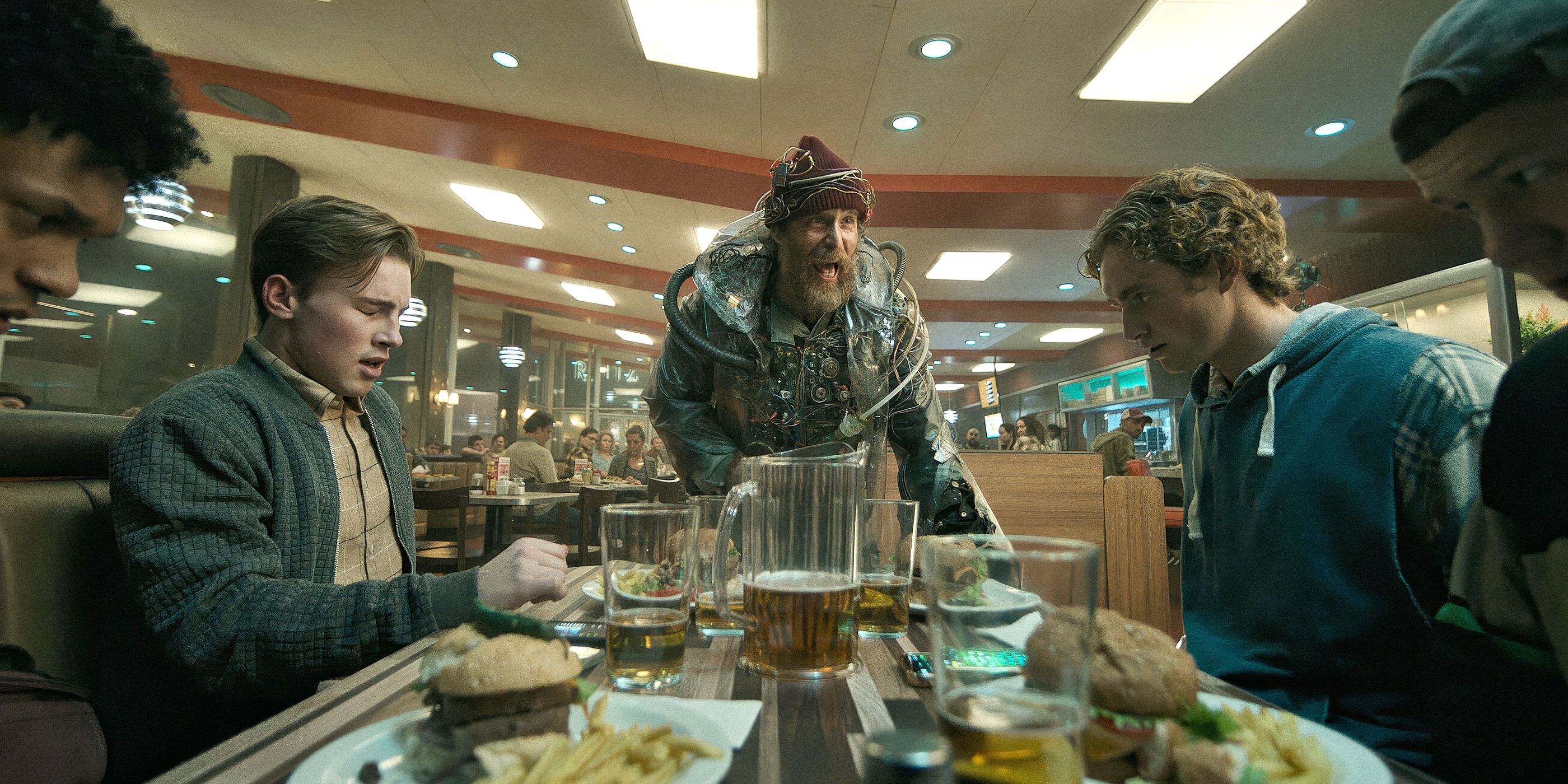
Gore Verbinski’s newest black comedy, Good Luck, Have Fun, Don’t Die, follows a charismatic, shifty time traveler played by Sam Rockwell as he storms a Los Angeles diner in an attempt to recruit a small but mighty rag-tag group of heroic strangers to navigate one incredibly chaotic mission. Their goal: to stop a rogue form of artificial intelligence from destroying the world as they know it, a cartoonish take, and a very real warning regarding the insatiability of society's dependence on technology.

BatchMark Pro Delivers Fast Watermarking and EXIF Data Overlays

18 May 2026 at 17:28

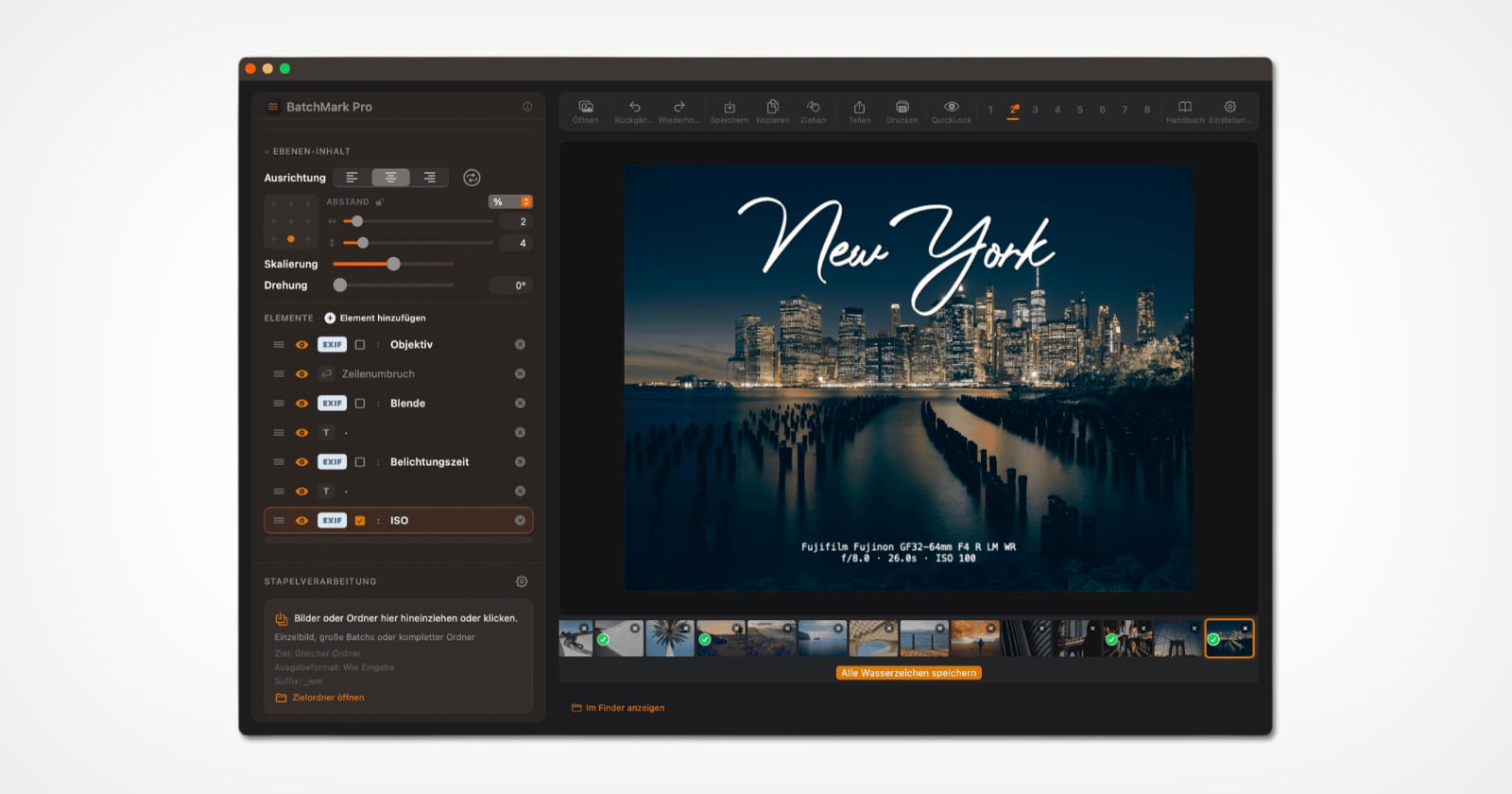
A photo editing software interface shows a night view of New York City with the words “New York” overlaid. Editing tools and sliders appear on the left, image details below, and other photo thumbnails at the bottom.

A new macOS utility called BatchMark Pro promises to simplify one of the more repetitive parts of a photographer’s workflow: adding watermarks, logos, copyright text, and technical metadata to exported images quickly and consistently.

[Read More]

💾

  • ✇Collider
  • Netflix Officially Has This 2025 Crime Thriller Masterpiece With an 'IT: Welcome to Derry' Star Thomas Butt
    It's been quite some time since Gus Van Santhas been in the spotlight. To many's surprise, the visionary director had been away from the big screen for seven years until his inspiring feature-film comeback, Dead Man's Wire, which opened in a limited capacity in 2025, expanded into theaters early in 2026, and is now on Netflix. Best known for sensitive dramas and sympathetic portraits of societal outcasts, like My Own Private Idaho, Good Will Hunting, and Milk, Van Sant seems like an unlikely cho
     

Netflix Officially Has This 2025 Crime Thriller Masterpiece With an 'IT: Welcome to Derry' Star

30 May 2026 at 12:46

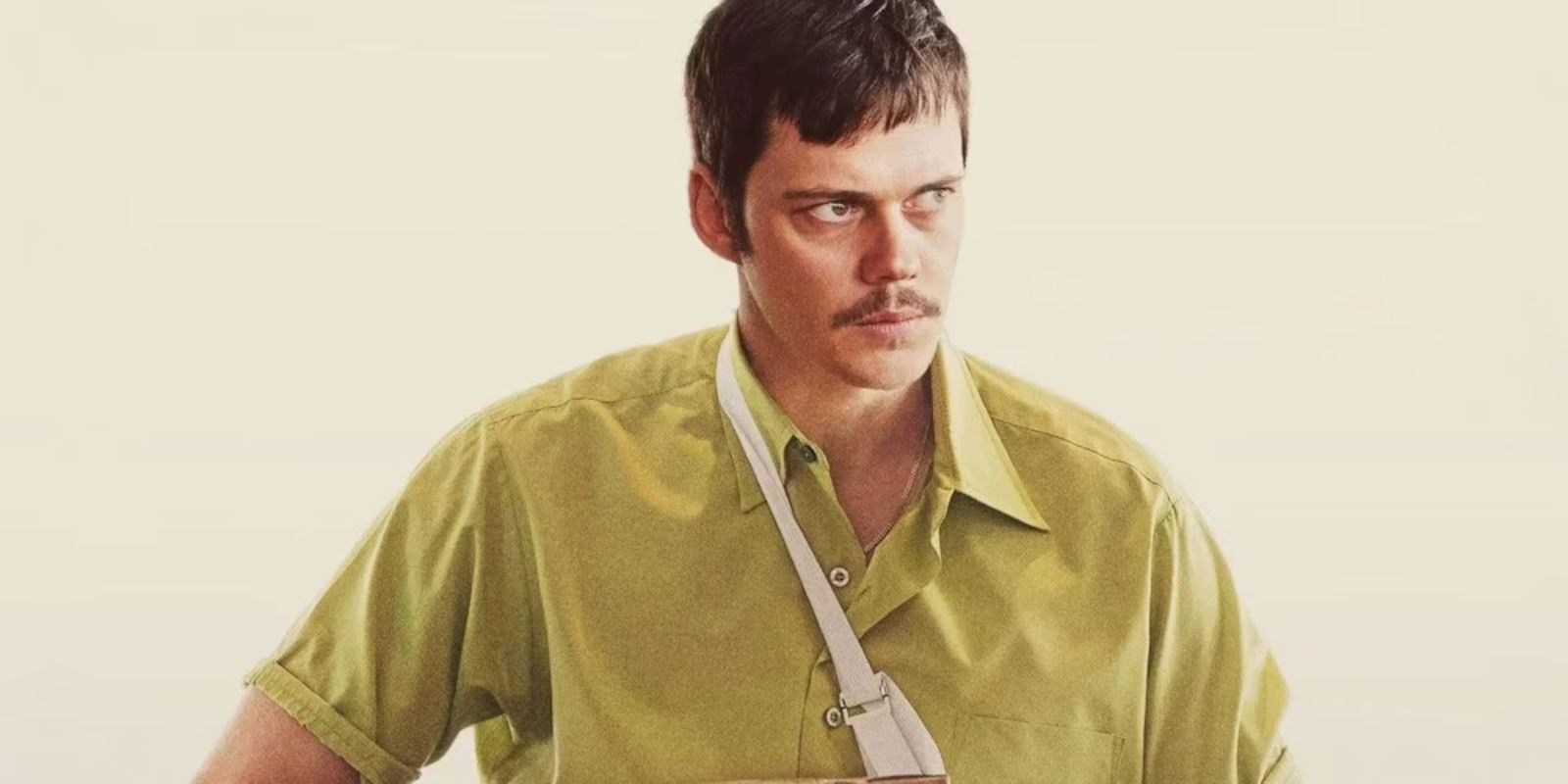
It's been quite some time since Gus Van Santhas been in the spotlight. To many's surprise, the visionary director had been away from the big screen for seven years until his inspiring feature-film comeback, Dead Man's Wire, which opened in a limited capacity in 2025, expanded into theaters early in 2026, and is now on Netflix. Best known for sensitive dramas and sympathetic portraits of societal outcasts, like My Own Private Idaho, Good Will Hunting, and Milk, Van Sant seems like an unlikely choice for this biographical crime drama/thriller about a hostage crisis in the 1970s, but the versatile filmmaker returned to his early roots as an indie director making anarchic crime thrillers and pitch-black comedies like Drugstore Cowboy and To Die For. This overlooked film is due for a reappraisal now that it's widely available for all audiences, and, luckily, it features a compelling performance by the star of IT: Welcome to Derry, Bill Skarsgård.

❌
Subscriptions