Normal view

  • ✇El País in English
  • Life without the internet in Iran Aresu Eqbali
    “And suddenly one morning, we felt lost from one another.” This is how Mehrnoosh Shahhosseini, a 52-year-old fashion designer from Tehran, remembers the hours following Israel and the United States’s first aerial attacks on February 28, the same day that Iranian officials blocked internet access out of “security concerns.”Seguir leyendo
     

Life without the internet in Iran

17 May 2026 at 04:05

“And suddenly one morning, we felt lost from one another.” This is how Mehrnoosh Shahhosseini, a 52-year-old fashion designer from Tehran, remembers the hours following Israel and the United States’s first aerial attacks on February 28, the same day that Iranian officials blocked internet access out of “security concerns.”

Seguir leyendo

Iranian designer Mehrnoosh Shahhosseini organizes the shoes she stores in her home and has not been able to sell, due to a lack of internet connection.

© Majid-Asgaripour (via REUTERS)

A woman walks past a mural celebrating the Iranian people in Tehran on May 5, 2025.
  • ✇Malay Mail - All
  • Meta introduces Incognito Chat with Meta AI for private AI conversations Alexander Wong
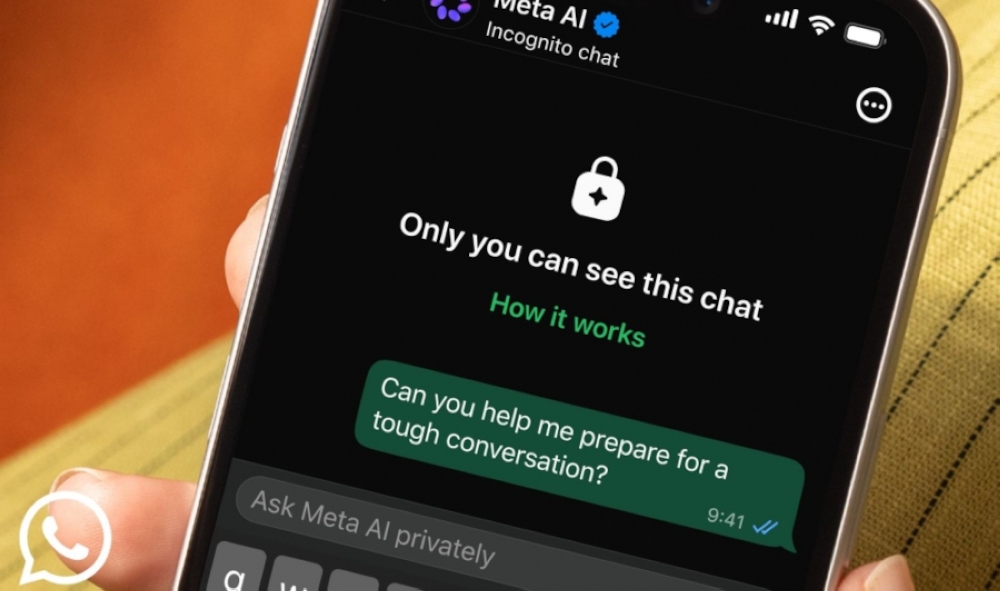
    KUALA LUMPUR, May 14 — Meta has announced a new feature called “Incognito Chat with Meta AI”, which it claims enables completely private conversations with AI on WhatsApp and the Meta AI app.According to Meta, the new feature is built on its “Private Processing” technology and is designed to ensure that conversations remain inaccessible to anyone else, including Meta itself.The company said current “incognito-style” AI modes offered by other apps may still allow
     

Meta introduces Incognito Chat with Meta AI for private AI conversations

14 May 2026 at 09:24

Malay Mail

KUALA LUMPUR, May 14 — Meta has announced a new feature called “Incognito Chat with Meta AI”, which it claims enables completely private conversations with AI on WhatsApp and the Meta AI app.

According to Meta, the new feature is built on its “Private Processing” technology and is designed to ensure that conversations remain inaccessible to anyone else, including Meta itself.

The company said current “incognito-style” AI modes offered by other apps may still allow providers to see incoming questions and outgoing responses.

In contrast, Meta claims its Incognito Chat is designed so that no one can read your conversation, not even Meta themselves.

Meta added that when users start an Incognito Chat with Meta AI, the conversation becomes a private temporary session that only the user can access. Messages are processed in what Meta describes as a secure environment that even the company cannot access.

The company plans to expand Private Processing to additional AI features in the coming months. — SoyaCincau pic

By default, conversations are not saved and messages disappear automatically after the session.

Meta said the feature is aimed at users who may want to ask sensitive questions or share private information involving finances, personal matters, health, or work-related data with AI tools.

The company plans to expand Private Processing to additional AI features in the coming months.

This includes a new “Side Chat” feature for WhatsApp, which would allow Meta AI to privately assist users based on the context of an ongoing chat without interrupting the main conversation.

Meta said Incognito Chat with Meta AI will roll out gradually on WhatsApp and the Meta AI app over the coming months.

You can learn the technical details about Private Processing from Meta’s technical whitepaper published via its AI research portal. — SoyaCincau 

‘They’re using my images to sell products’: Influencers angry with Instagram over the new feature

30 April 2026 at 15:05

In April 2011, content creator Julia Berolzheimer launched her Instagram account and blog. More than 15 years later, she occupies a prominent place in a saturated and competitive world. She boasts nearly 1.5 million followers on Instagram and is recognized on Substack as one of the 10 most influential authors in the fashion and beauty category with her “Trade Offs” posts. Therefore, her voice carries weight. That’s why, when she published a lengthy post on Substack last February titled “Instagram Is Stealing Our Content to Sell Knockoffs — and Yours Could Be Next,” it quickly went viral. According to Berolzheimer, the social network had used images of her posted on the platform to sell products associated with her name. Through the “Shop the look” button, the app recommended products similar to those featured in the image. The problem is that these products, linked to the influencer’s image, weren’t recommended by her at all, but by the social network itself. “When followers click on it Instagram serves them product suggestions generated by AI. Not my affiliate links. Not brands I chose. Not products I’d recommend,” she writes. She adds that, while her look consisted of “pieces I’d carefully selected from designers I love and personally support,” the purchase suggestions provided by the social network were “cheap knockoffs and random items from brands I’ve never heard of, attached to my image, under my name.” Berolzheimer, according to her account, was unaware of this until one of her followers alerted her. And she discovered that it wasn’t an isolated incident, but a new feature in testing mode, implemented only for some users. The influencer also points out that if that purchase button generated any sales and any profit, she received nothing: “They’re using my images to sell products for their own profit.”

Seguir leyendo

© Moritz Scholz (Getty Images)

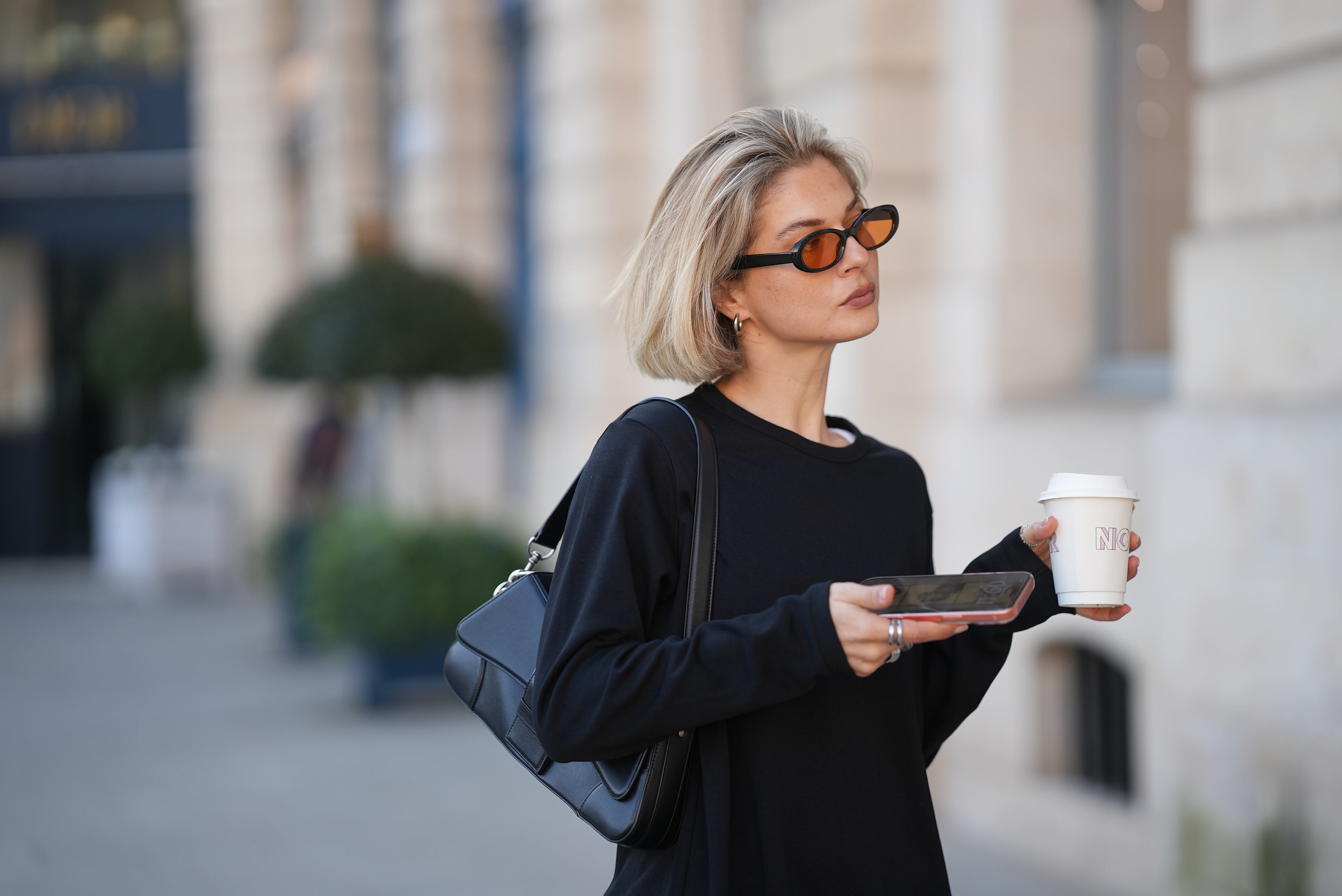
The 'influencer' Laura Wittek.

Modern cults are replacing leaders with ‘life coaches’: ‘They mimic the capitalist logic of influencers’

12 April 2026 at 04:00
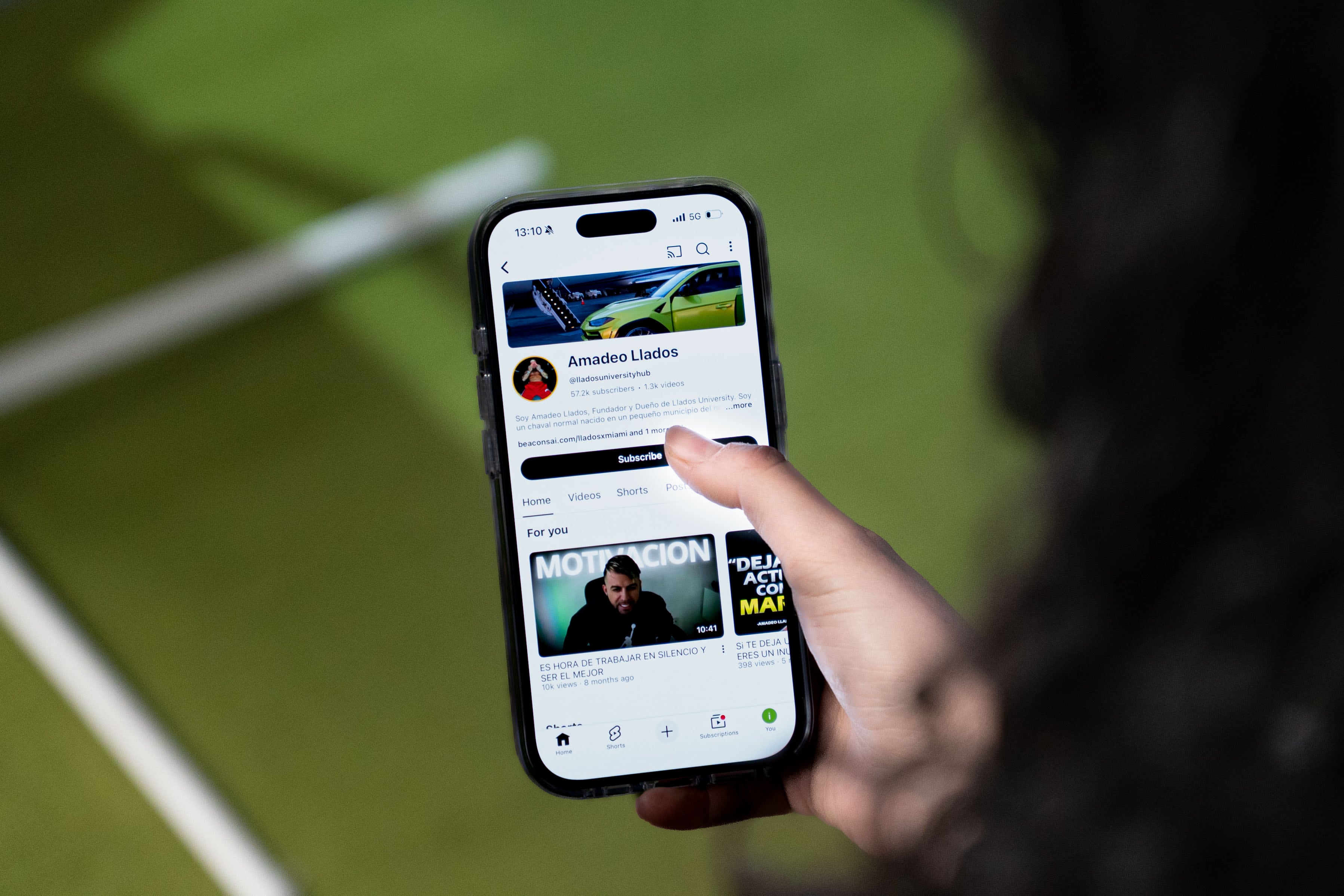
A young woman watches a YouTube channel on her cellphone.

It all starts in front of a screen, in the most innocent way possible. Accepting a friend request on Facebook. Following an influencer. Signing up for a study skills course about investing in cryptocurrencies. Entering a Roblox minigame. These are all gateways into a labyrinth of psychological manipulation that, in just a matter of months, can end with the innocent internet user trapped in a cult-like community, isolated and ruined. This mental and physical kidnapping occurs — and this is the worst part — voluntarily.

Seguir leyendo

❌
Subscriptions