
 Login
Login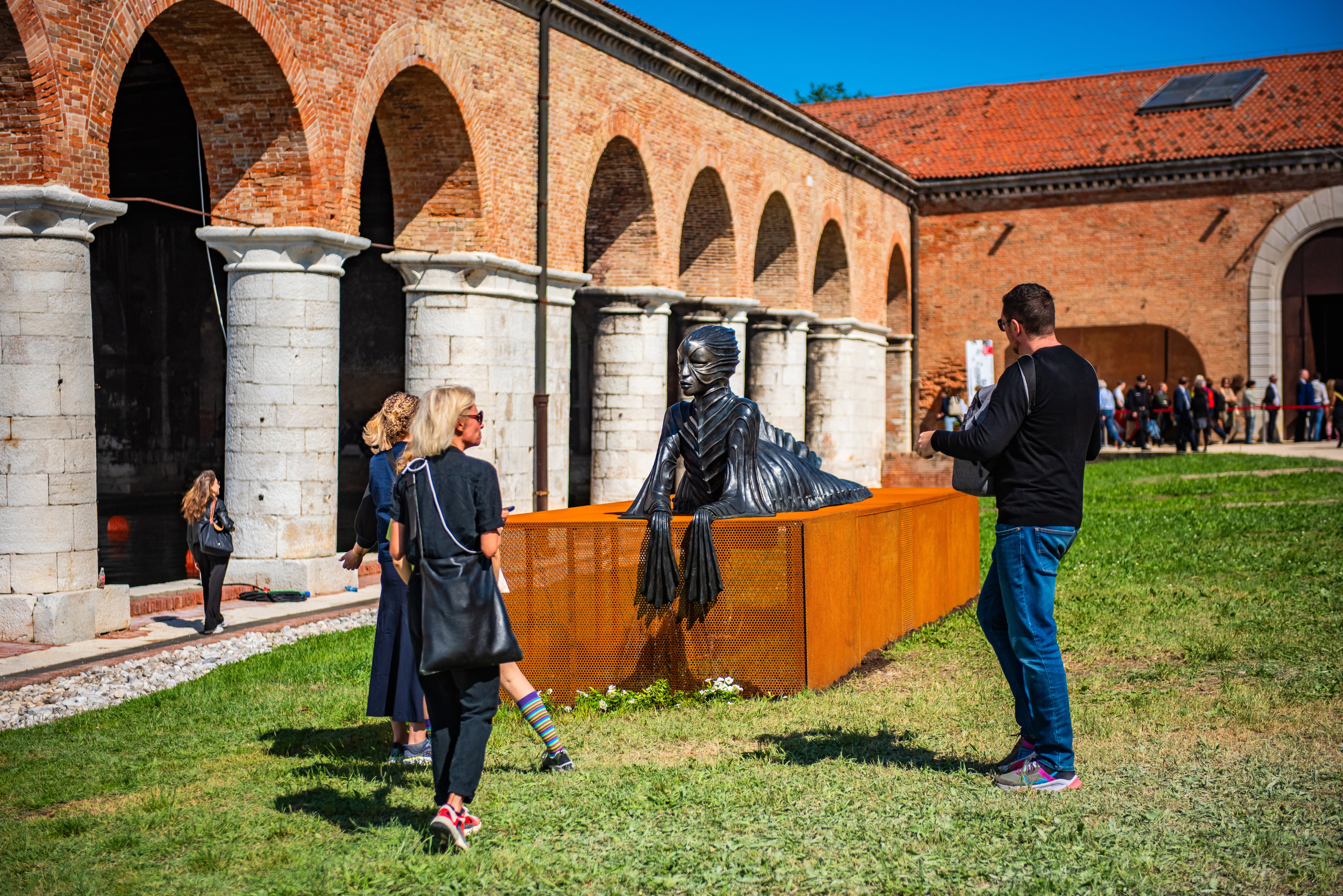


The Global South takes center stage in the art world: Could its cultural hegemony reshape geopolitics?
24 May 2026 at 04:00
A line circles the globe at roughly 30 degrees north of Mexico: it dips, rises and wavers, dividing the world along economic lines. In Asia, it climbs and then drops to exclude Japan, Australia, and New Zealand from the “South.” This world map, split by what became known as the Brandt Line, appeared in the 1980 UNESCO report North–South: A Programme for Survival, coordinated by then–German chancellor Willy Brandt. The line blurred the familiar Cold War geography — even softening the contours of the Non‑Aligned Movement, born at the 1961 Belgrade summit and led by Yugoslavia, India, Egypt, Indonesia, and Ghana as a way to distance themselves from both sides of the Iron Curtain.

© Simone Padovani ( GETTY IMAGES )
