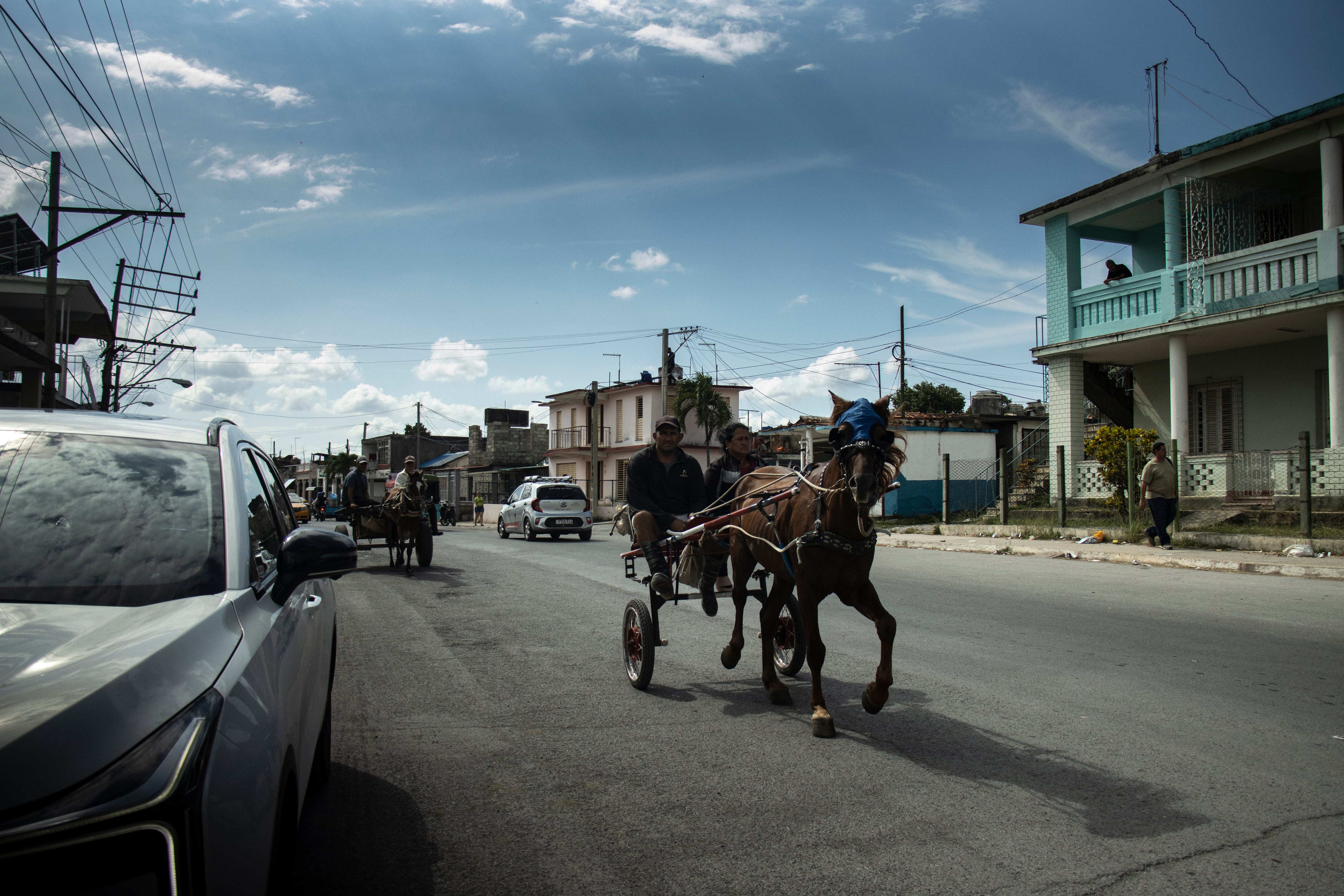
When she first saw the news on Facebook, she thought it had to be one of those hoaxes that circulate on social media. It was too implausible, an absurdity. But shortly afterward the principal of the school where she works forwarded to the teachers’ group chat a message that opened with the classic tone of a war dispatch: Information from the Revolutionary Government. Then she had no doubts. The information was real. The CIA director had just met in Havana with the senior leadership of the Cuban
When she first saw the news on Facebook, she thought it had to be one of those hoaxes that circulate on social media. It was too implausible, an absurdity. But shortly afterward the principal of the school where she works forwarded to the teachers’ group chat a message that opened with the classic tone of a war dispatch: Information from the Revolutionary Government. Then she had no doubts. The information was real. The CIA director had just met in Havana with the senior leadership of the Cuban security and intelligence apparatus.
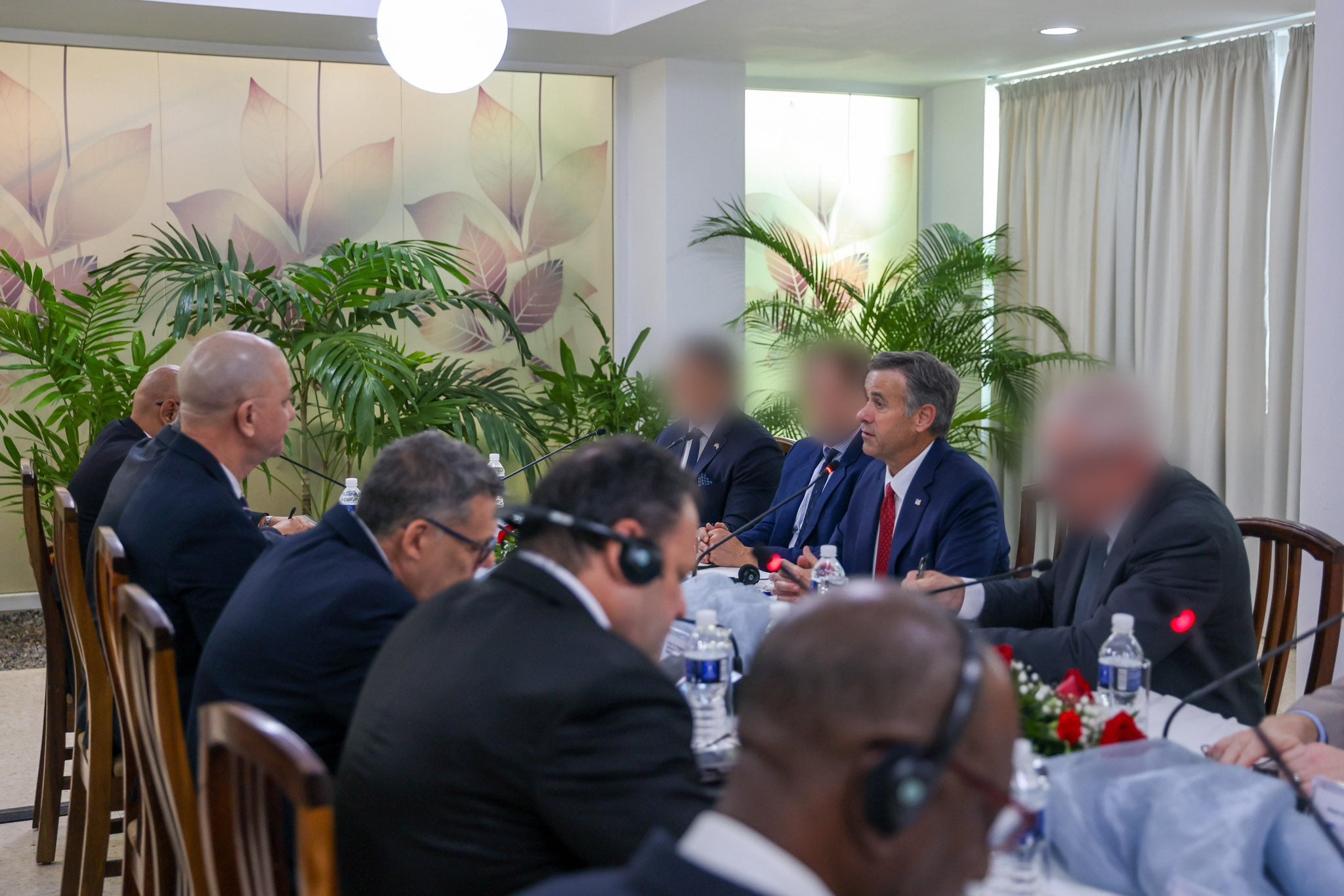
In a solemn-looking meeting room in Havana, the CIA director sat at the same table as the Cuban Interior Minister and the head of Cuban intelligence. An unthinkable image, almost heretical, for so many decades, became a reality this Thursday. The meeting, photos of which were released by the U.S. intelligence agency itself, is so far the biggest milestone in the two months of opaque negotiations underway between Washington and Havana. The symbolic event, where both sides announced their commitme
In a solemn-looking meeting room in Havana, the CIA director sat at the same table as the Cuban Interior Minister and the head of Cuban intelligence. An unthinkable image, almost heretical, for so many decades, became a reality this Thursday. The meeting, photos of which were released by the U.S. intelligence agency itself, is so far the biggest milestone in the two months of opaque negotiations underway between Washington and Havana. The symbolic event, where both sides announced their commitment to “seriously address economic and security issues,” comes at a moment of maximum weakness for the Castro regime, suffocated like never before by the energy embargo imposed since the end of January by Donald Trump.
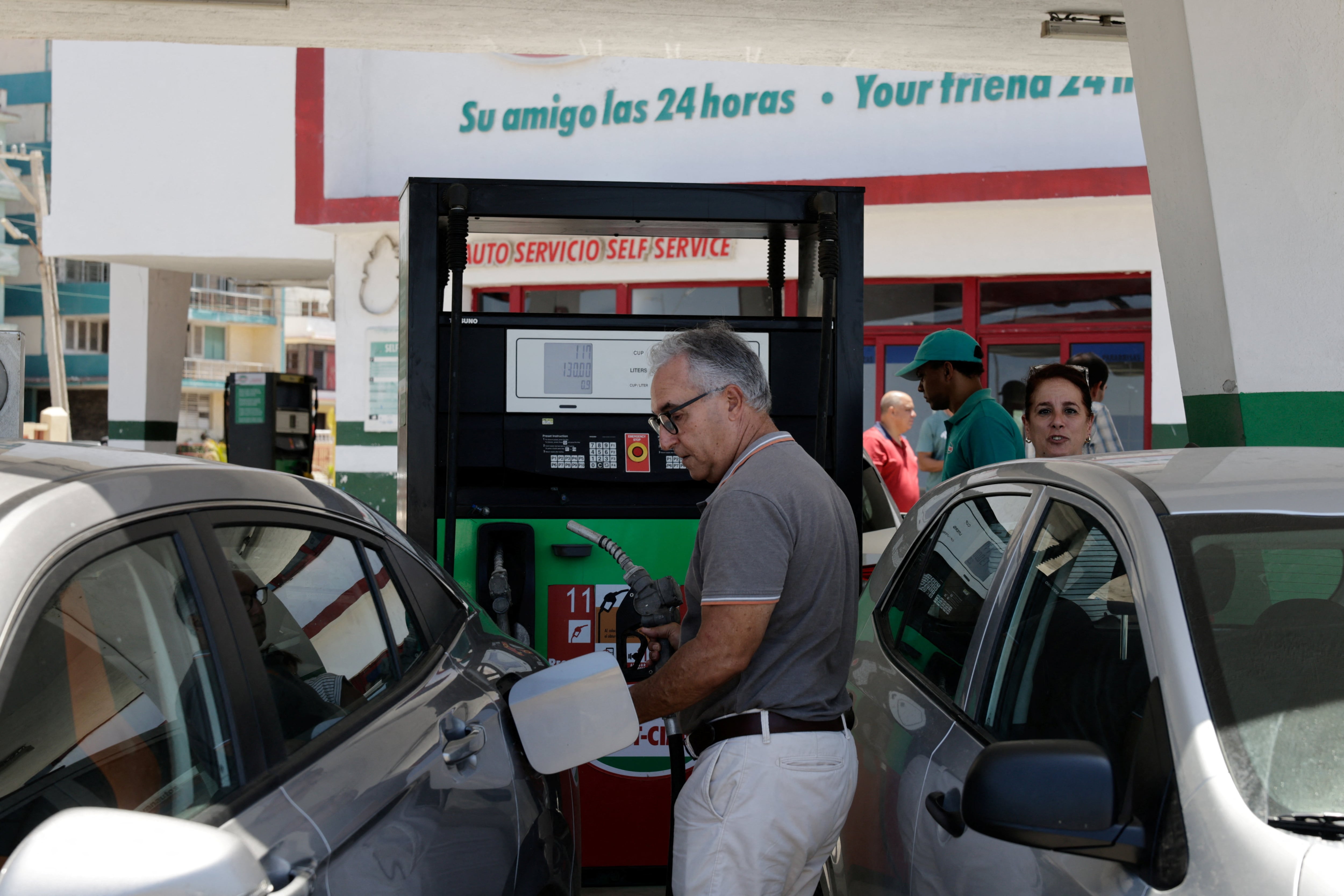
Cuba is definitively out of fuel. Cuban Minister of Energy and Mines Vicente de la O Levy announced Wednesday afternoon that the country has not a single drop of diesel or fuel oil left, vital for powering the country’s ailing electrical grid, which suffers from constant and increasingly prolonged blackouts. “We have absolutely no fuel oil, absolutely no diesel. We have no more reserves,” the minister explained in a televised statement. “Cuba is open to anyone who wants to sell us fuel,” he adde
Cuba is definitively out of fuel. Cuban Minister of Energy and Mines Vicente de la O Levy announced Wednesday afternoon that the country has not a single drop of diesel or fuel oil left, vital for powering the country’s ailing electrical grid, which suffers from constant and increasingly prolonged blackouts. “We have absolutely no fuel oil, absolutely no diesel. We have no more reserves,” the minister explained in a televised statement. “Cuba is open to anyone who wants to sell us fuel,” he added, without mentioning the strict energy embargo imposed by the United States, which is tightening its grip while simultaneously maintaining an open channel of negotiation with the Castroist regime, which is seeking some room to maneuver while the population struggles to survive.
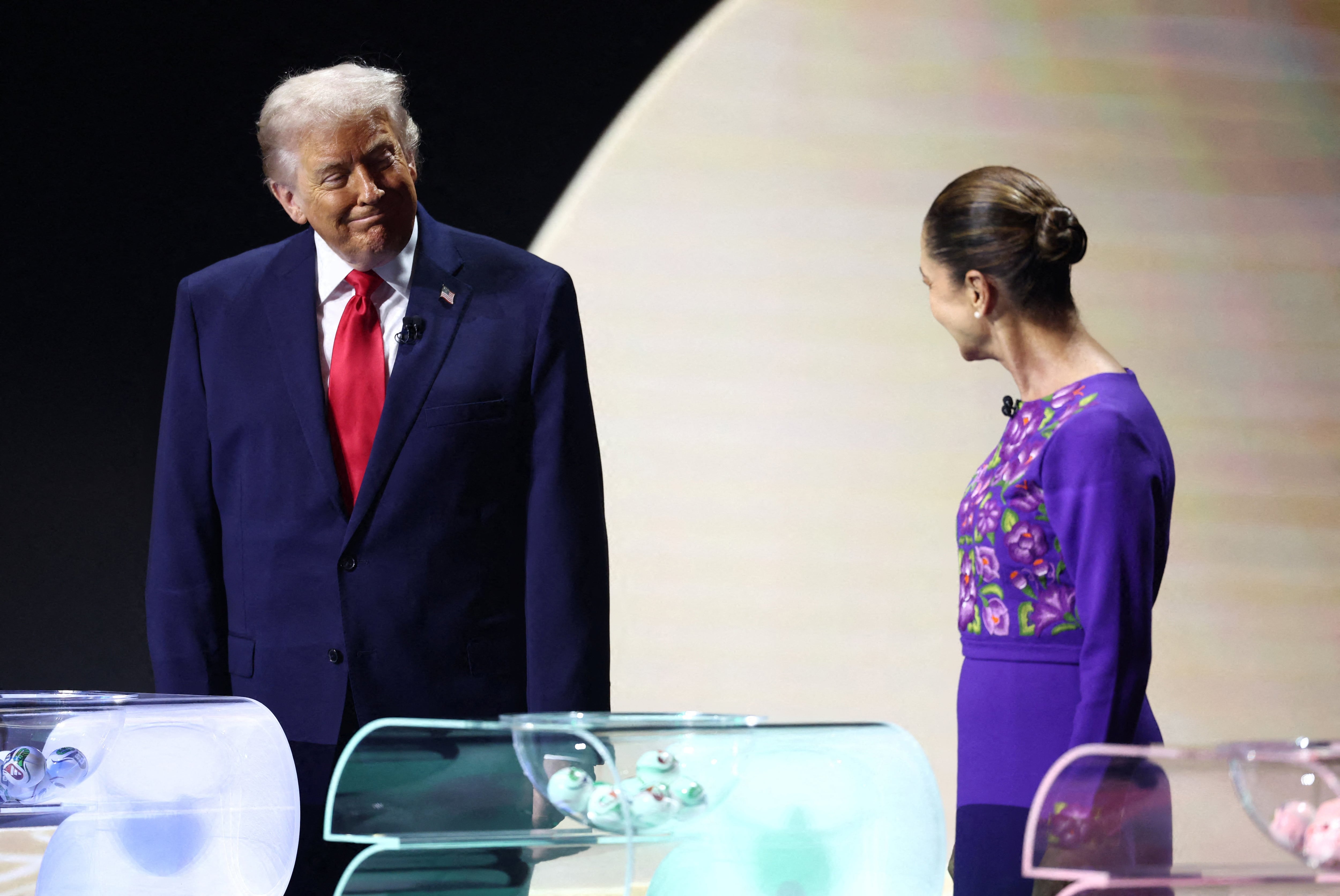
Bilateral relations between the U.S. and Mexico have entered a new phase — more critical, and with increasingly little room for manoeuvre for Mexico. After the U.S. Department of Justice indicted the governor of Sinaloa and nine other senior officials last week, everything suggests this is only the prelude to a more aggressive U.S. campaign against the links between politics and organised crime. Seguir leyendo
Bilateral relations between the U.S. and Mexico have entered a new phase — more critical, and with increasingly little room for manoeuvre for Mexico. After the U.S. Department of Justice indicted the governor of Sinaloa and nine other senior officials last week, everything suggests this is only the prelude to a more aggressive U.S. campaign against the links between politics and organised crime.
As she was driving out of party headquarters, five vans with dark‑tinted windows cut her off. She doesn’t remember how many men got out, but they were dressed in black, their faces covered with balaclavas, and they carried rifles. From that moment on, everything becomes hazier. They pushed her into the back seat of one of the vehicles, blindfolded her, and began driving in circles around Culiacán, the capital of the Mexican state Sinaloa. There was no physical or verbal abuse, just veiled threat
As she was driving out of party headquarters, five vans with dark‑tinted windows cut her off. She doesn’t remember how many men got out, but they were dressed in black, their faces covered with balaclavas, and they carried rifles. From that moment on, everything becomes hazier. They pushed her into the back seat of one of the vehicles, blindfolded her, and began driving in circles around Culiacán, the capital of the Mexican state Sinaloa. There was no physical or verbal abuse, just veiled threats like “we’ve got half of Culiacán here” or “we can take you home whenever you want.” Nearly nine hours later, as the sun began to rise over the soft hills surrounding the city, Paola Gárate had her blindfold removed and was released near a supermarket. It was Sunday, and in just a few hours, the polls would open to choose Sinaloa’s next governor. Dazed but relieved, that was how the election day began for the president of the Institutional Revolutionary Party (PRI) in Sinaloa.
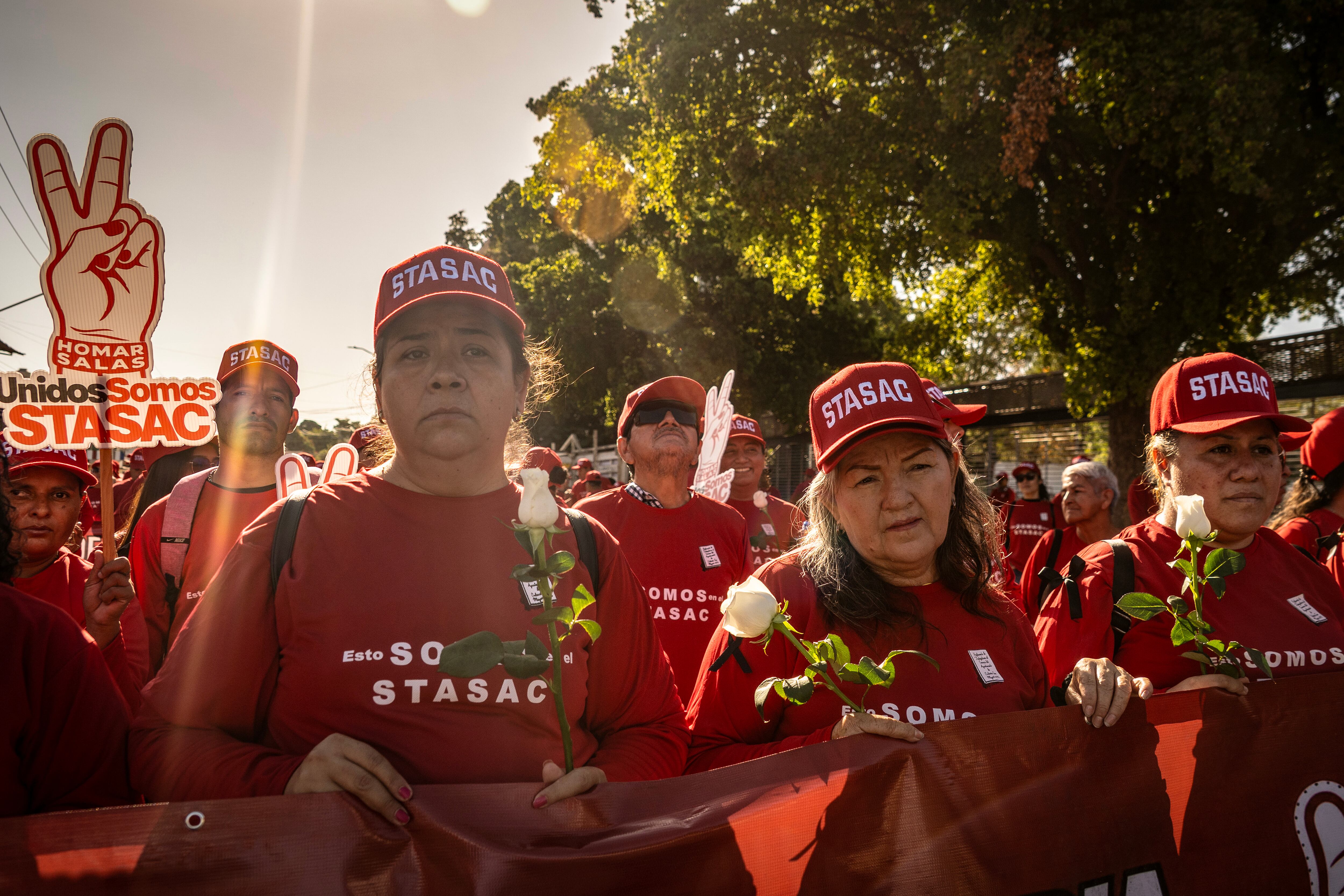
Members of the Mexican military patrolling the perimeter of the Brisas del Humaya neighborhood after an armed group attacked Homar Salas, the leader of the STASAC union.
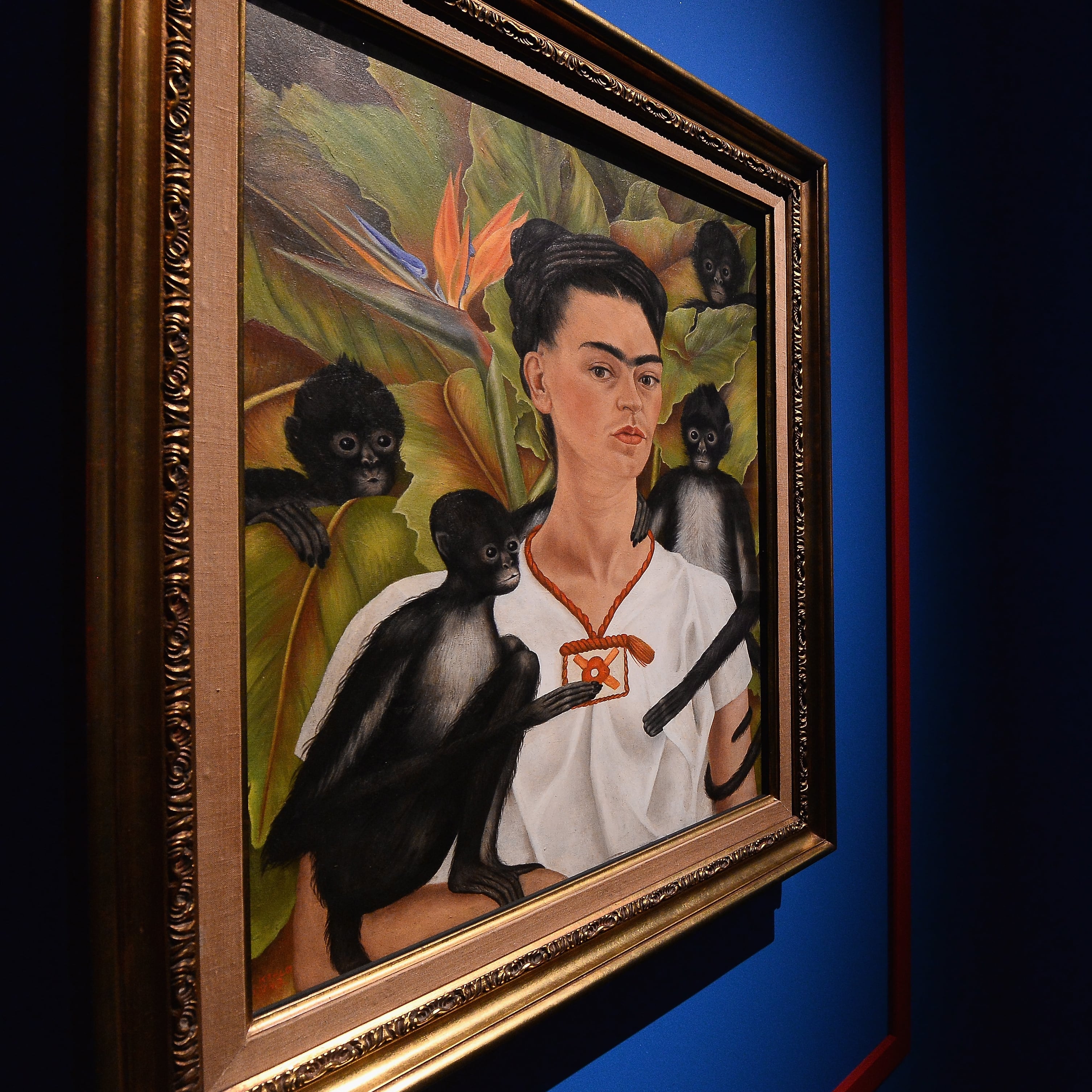
The fate of a few artworks by Frida Kahlo, Diego Rivera, and José Clemente Orozco has Mexico on edge, to the point of practically becoming a matter of state. Ever since the announcement early this year of a long-term agreement to transfer the Gelman collection to the Spanish banking giant Banco Santander, which will be responsible for the management (including conservation, research and exhibition) of part of one of the most significant collections of 20th-century Mexican art, a formidable contr
The fate of a few artworks by Frida Kahlo, Diego Rivera, and José Clemente Orozco has Mexico on edge, to the point of practically becoming a matter of state. Ever since the announcement early this year of a long-term agreement to transfer the Gelman collection to the Spanish banking giant Banco Santander, which will be responsible for the management (including conservation, research and exhibition) of part of one of the most significant collections of 20th-century Mexican art, a formidable controversy has erupted, forcing Mexican President Claudia Sheinbaum to step in and try to clarify the situation.

 Login
Login