Normal view

‘I hope our comrade Cepeda wins’: Armed groups are poisoning Colombia’s elections

15 May 2026 at 18:14

A high-pitched voice, recorded somewhere in Guaviare, at the gateway to the Amazon in southern Colombia, echoed across the country on Thursday.

Seguir leyendo

© Santiago Saldarriaga (AP)

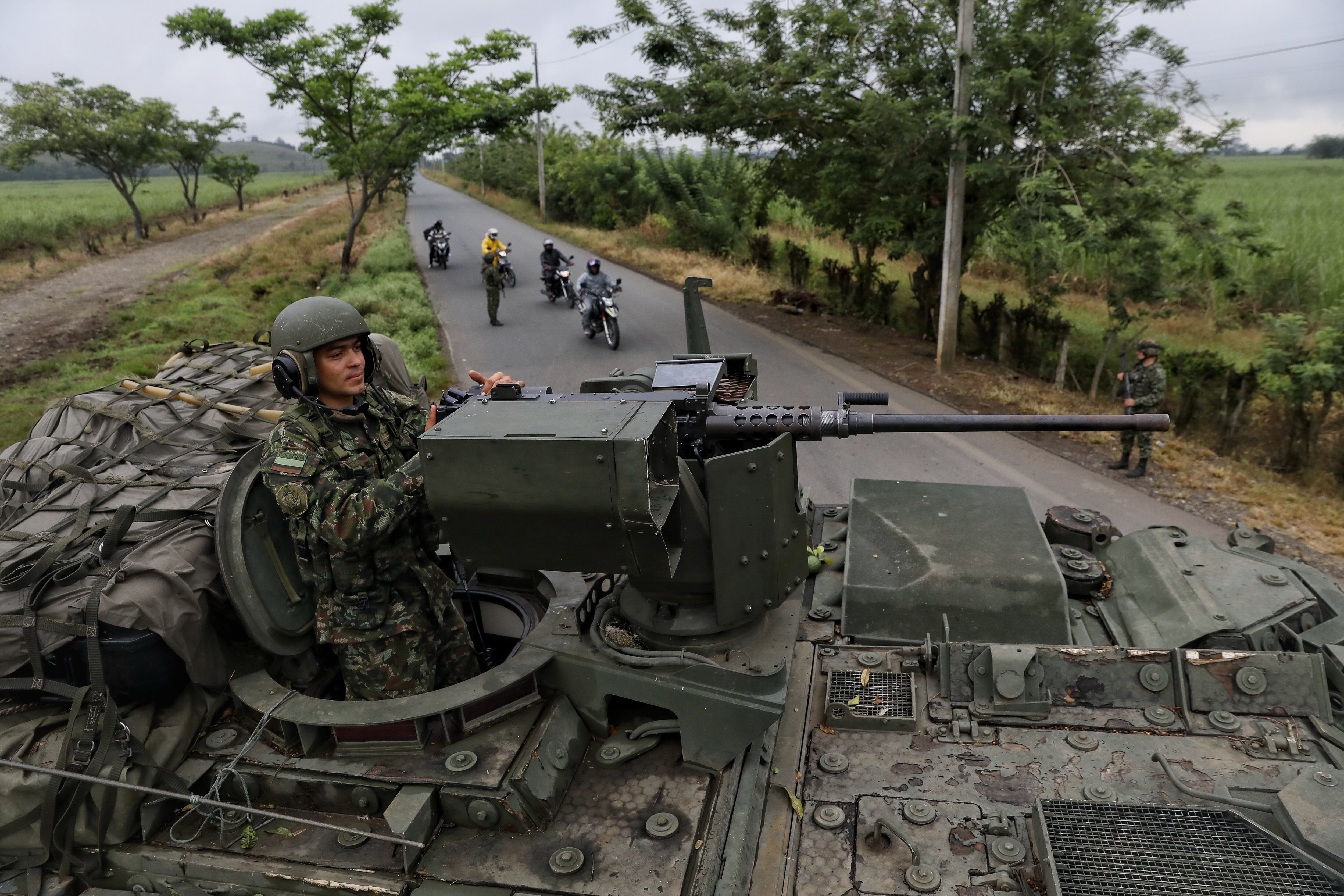
Army personnel provide security during the presidential primaries in Jamundi, Colombia.

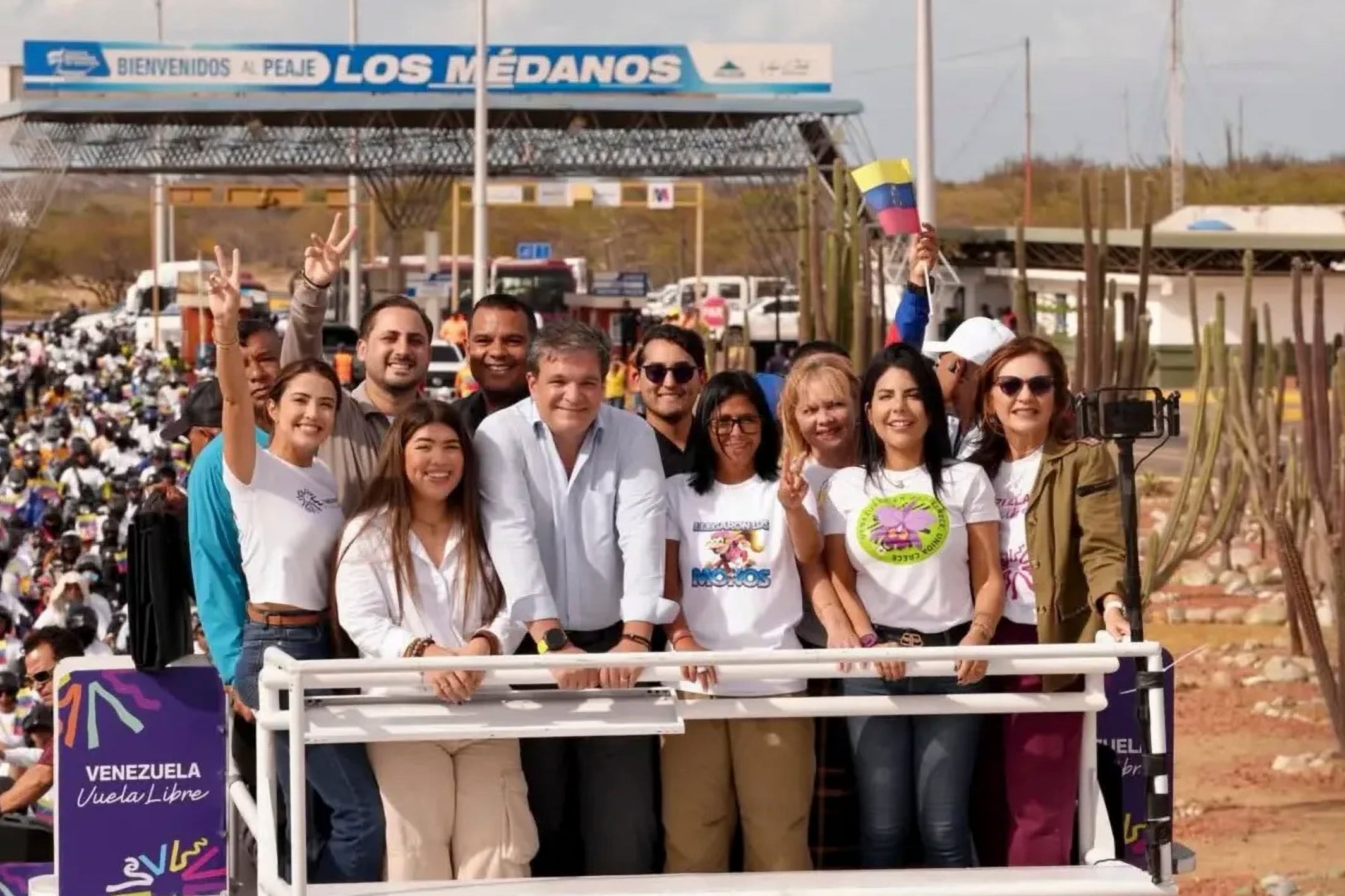
The soap opera of the Chavista influencers: a search for likes or an internal schism?

Much has been written about the capture of Nicolás Maduro, the U.S. intervention, and the rise of Delcy Rodríguez, but a veil of caution has silenced the internal indignation within Chavismo—especially among its more radical sectors—as they find themselves without a president and subjected to U.S. imperialism. This silence has projected an image of unity during the worst crisis the Bolivarian Revolution has ever faced, but tjat was until some of its loudest voices unleashed an online war in recent days, breaking the taboo surrounding the betrayal and the role of the Rodríguez siblings in this new era. While the opposition watches this soap opera with glee, the lingering question is whether this friendly fire is merely a fleeting social media spat or the expression of a serious schism within the Chavista ranks.

Seguir leyendo

© Cedida

Delcy Rodríguez during a pilgrimage in Carcas.

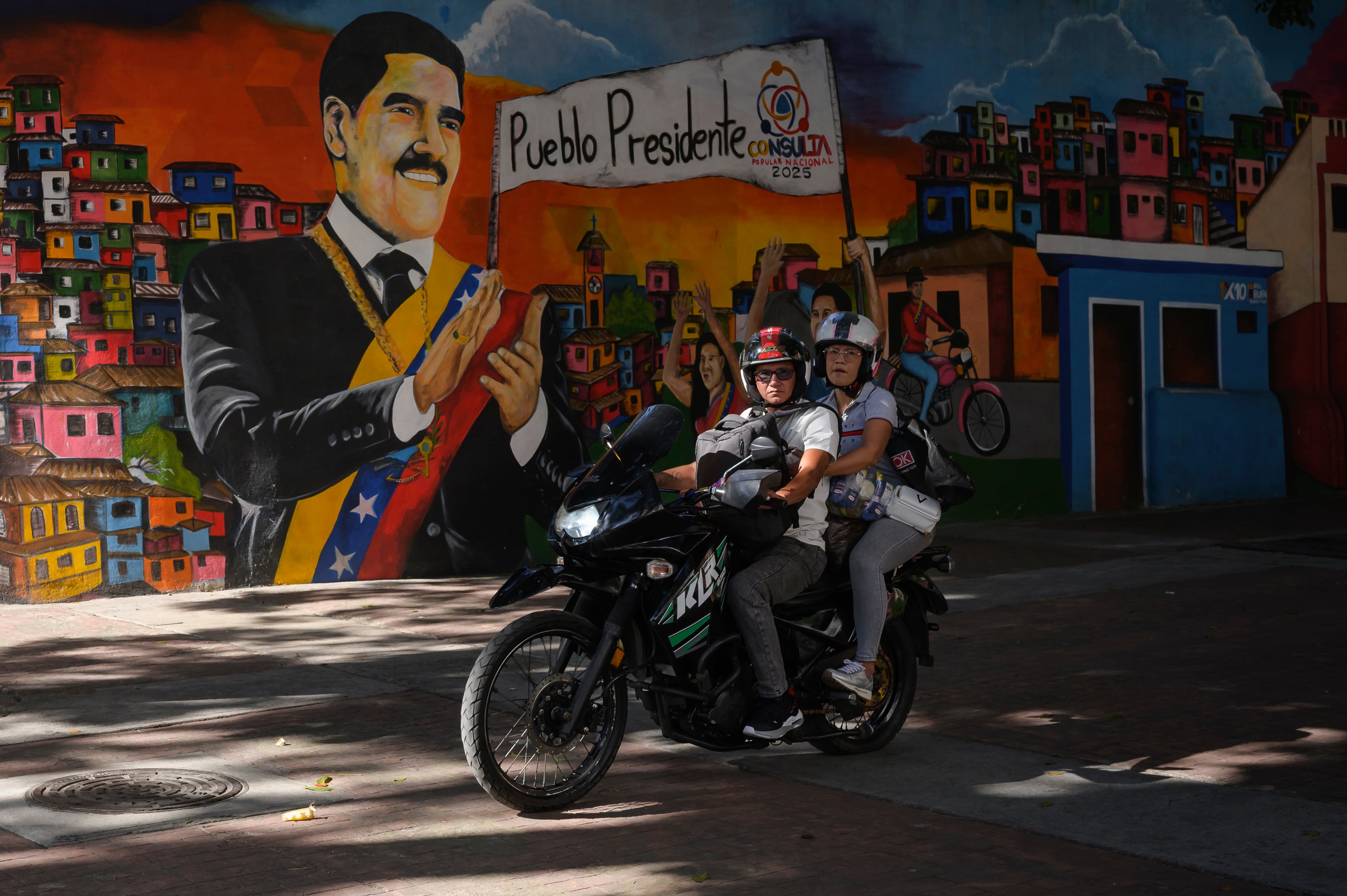
Venezuela through the polls: Venezuelans trust Chevron more than their own president

People walk past a mural of Nicolás Maduro in Caracas, Venezuela on November 22, 2025.

For years, it’s been difficult to gauge opinions in Venezuela. Not because there’s any shortage of them, but because expressing one has carried a very high cost. During Nicolás Maduro’s final years in power, polling stopped altogether. Some pollsters had to go into hiding, and people began responding to any political question with “don’t know” or “no answer.”

Seguir leyendo

Internal purges and external tutelage: Venezuela’s Chavista regime rebuilds its faith on Maduro’s ruins 

3 May 2026 at 04:00
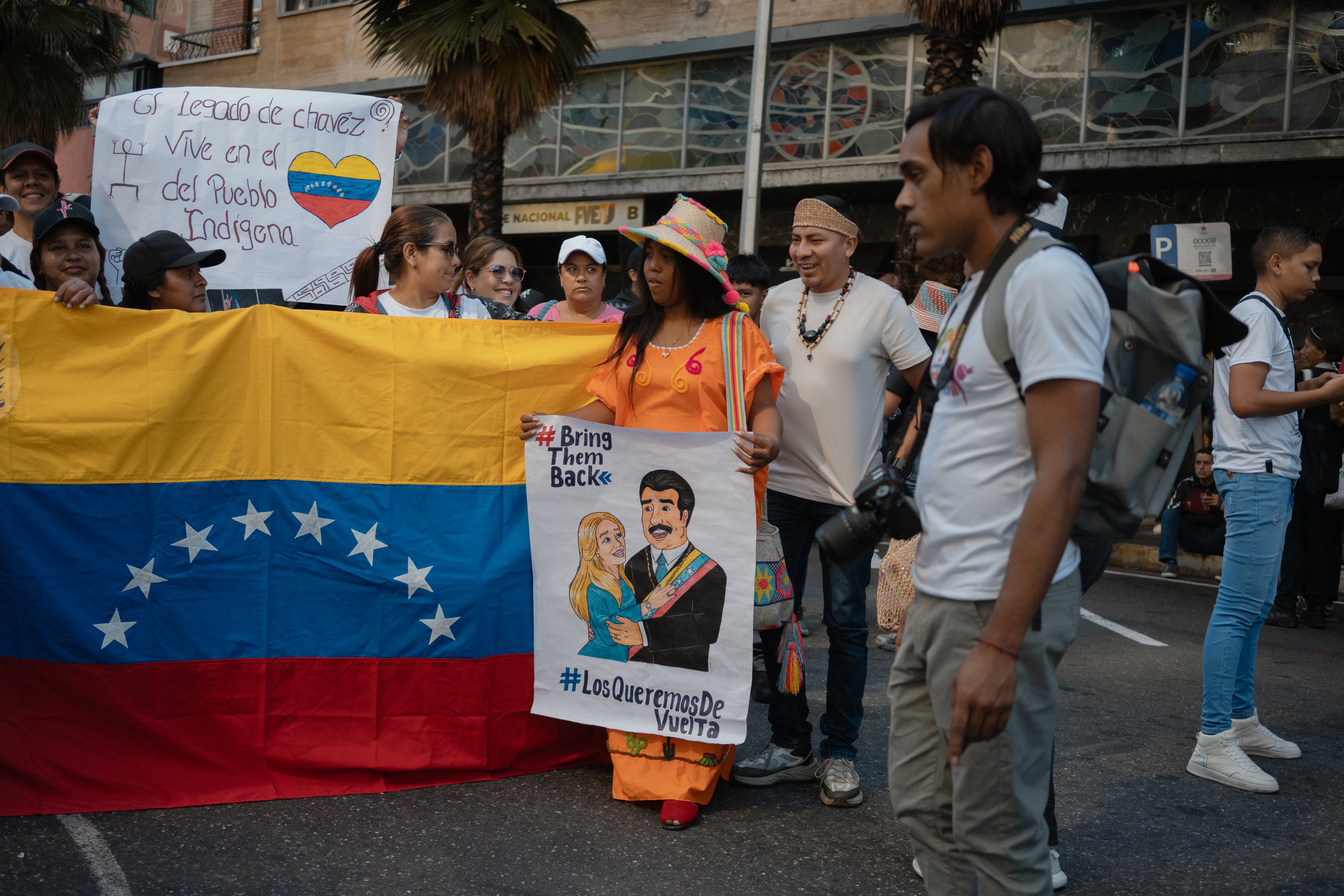
A woman holds a sign with images of Nicolás Maduro and former First Lady Cilia Flores, during the peace march in Caracas on April 9, 2026. 

For months, Venezuela’s Chavista regime prepared to die, but not to emerge badly wounded. Of all the scenarios considered during Donald Trump’s offensive against Nicolás Maduro, the president being captured alive wasn’t on anyone’s radar. “I had never held a pistol or a rifle in my life... and I prepared myself [for] months to face any situation that might arise. But [I didn’t expect] this one,” says a prominent member of the ruling United Socialist Party of Venezuela (PSUV), founded by former president Hugo Chávez, who governed from 1999 until his death in 2013.

Seguir leyendo

A woman holds a sign with images of Nicolás Maduro and Cilia Flores at the peace march.Jorge Rodríguez at the Legislative Palace in Caracas, Venezuela, on April 10, 2026. Dairobi Orta Brito, pictured in downtown Caracas, Venezuela, on April 15, 2026. 

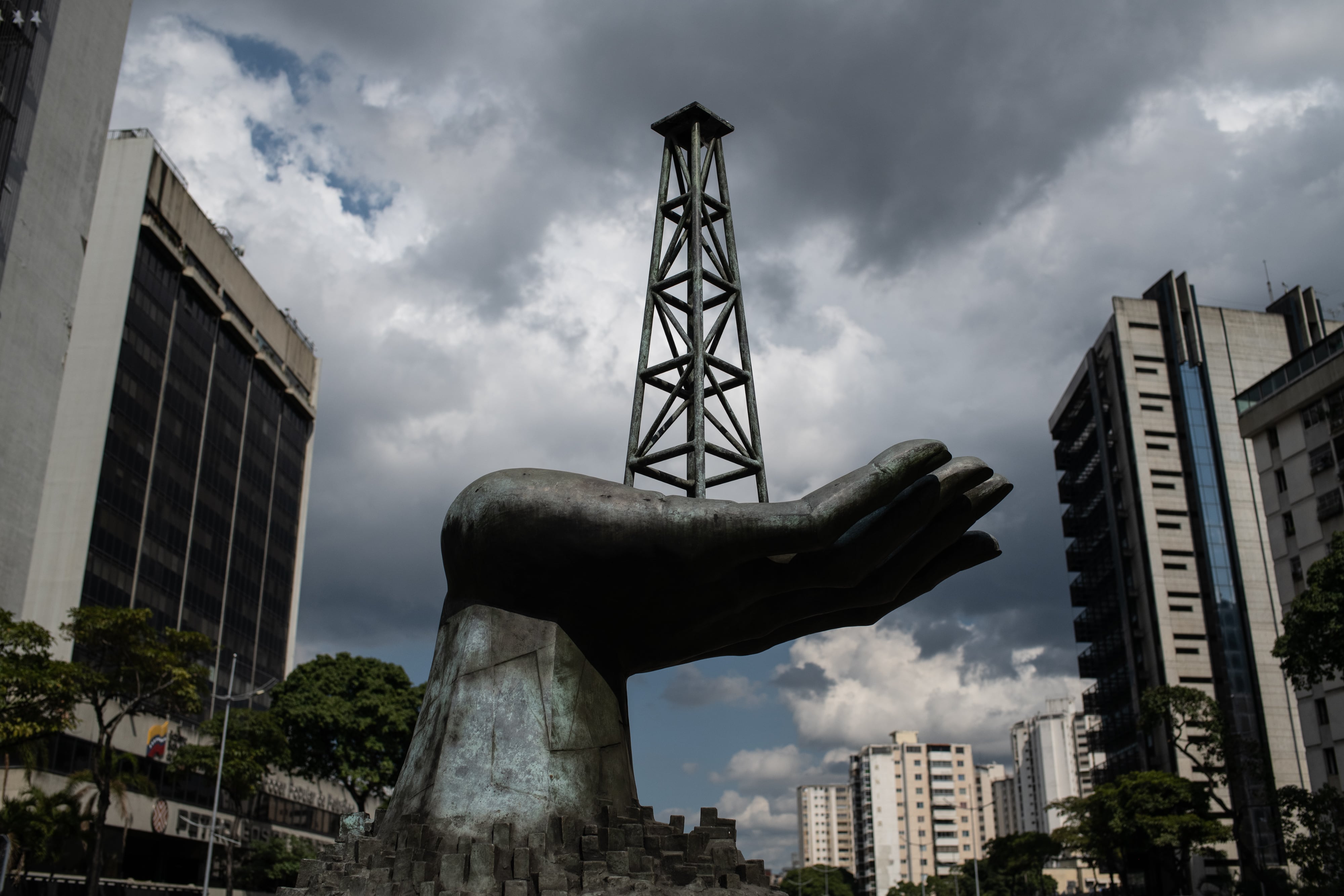
‘Have you been to Caracas yet?’: the question investors are asking about Venezuela

At an elite club in northern Bogotá, some fifty Colombian investors listened last Tuesday to a statement that sums up Venezuela’s current economic situation better than any report. It was uttered by Ángel Cárdenas, infrastructure manager at CAF, the Development Bank of Latin America and the Caribbean: “Among investors in the region, the debate is no longer whether the country represents an opportunity or a risk. The question is whether or not you’ve already been to Caracas.” After years of freefall, the country with the world’s largest oil reserves has returned to the global radar.

Seguir leyendo

© Carlos Becerra (Bloomberg)

Petróleos de Venezuela headquarters in Caracas, in March 2023.
  • ✇El País in English
  • Brutal terrorist attack in Colombia exposes the standoff between armed groups and the state María Martín
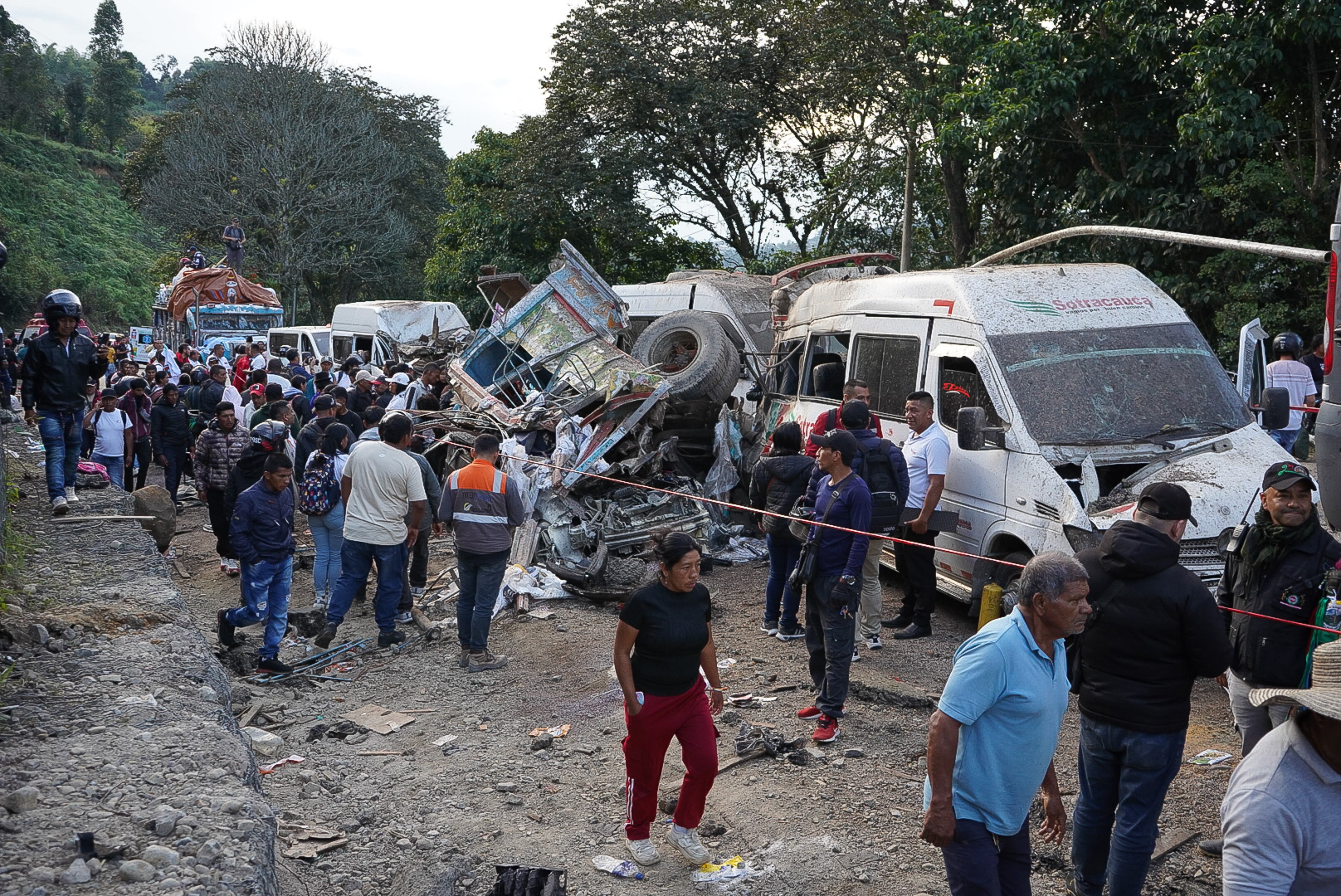
    An explosion rocked a road in the department of Cauca, in southwestern Colombia, last weekend, leaving at least 20 dead in one of the deadliest attacks against civilians in Colombia’s violent history. The attack, attributed to the front commanded by alias Iván Mordisco — leader of the main dissident group of the former Revolutionary Armed Forces of Colombia (FARC) — is not an isolated incident: it is the latest chapter in an ongoing power struggle between armed groups and the Colombian state, an
     

Brutal terrorist attack in Colombia exposes the standoff between armed groups and the state

28 April 2026 at 13:34

An explosion rocked a road in the department of Cauca, in southwestern Colombia, last weekend, leaving at least 20 dead in one of the deadliest attacks against civilians in Colombia’s violent history. The attack, attributed to the front commanded by alias Iván Mordisco — leader of the main dissident group of the former Revolutionary Armed Forces of Colombia (FARC) — is not an isolated incident: it is the latest chapter in an ongoing power struggle between armed groups and the Colombian state, and a direct blow to the “total peace” platform on which President Gustavo Petro came to power.

Seguir leyendo

© Sebastian Marmolejo / Zuma Press (Sebastian Marmolejo / Zuma Press)

Emergency services respond to the attack in Cauca, Colombia, on April 25.

Why the thaw between Colombia and Venezuela works in Trump’s favor

27 April 2026 at 14:10
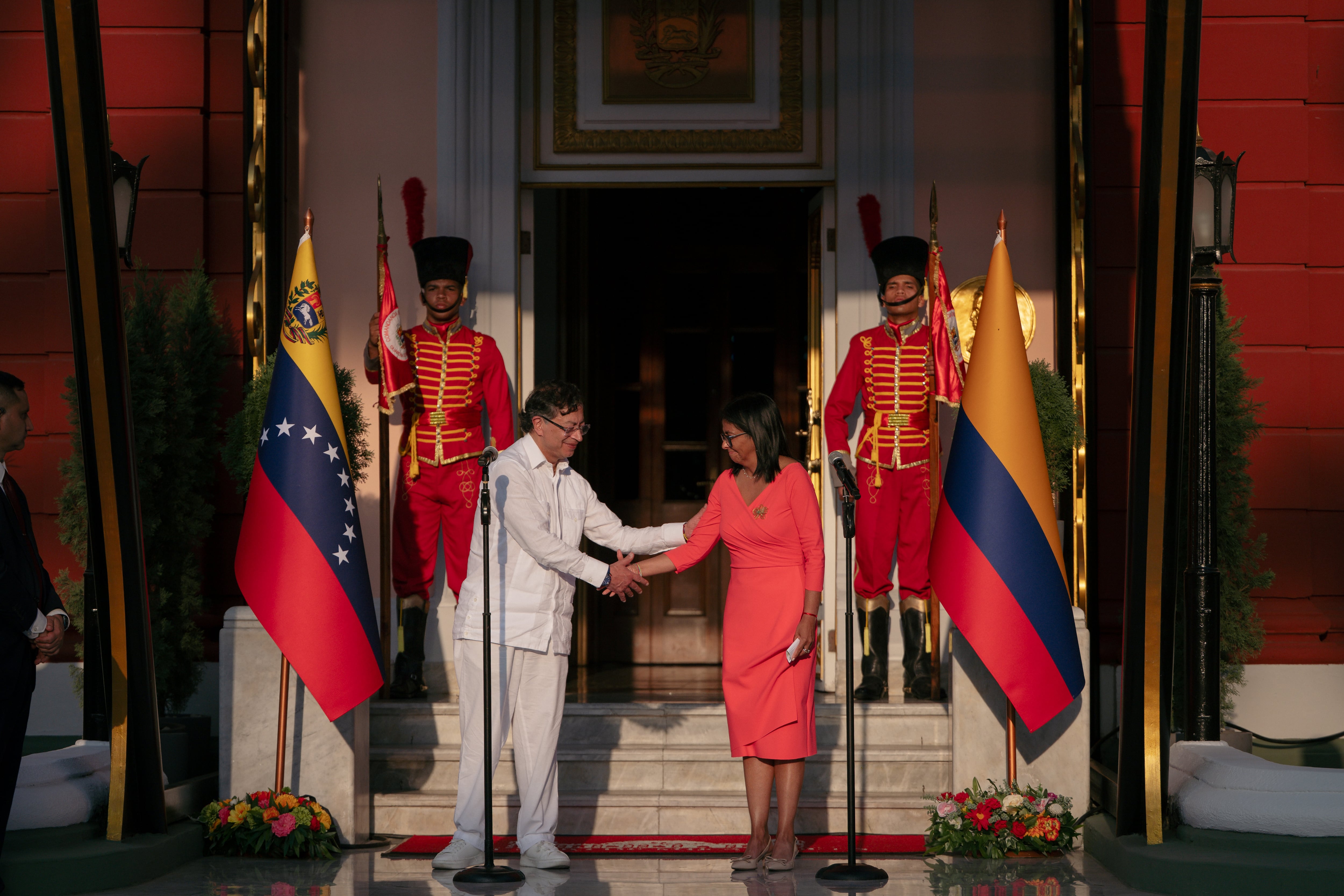
Gustavo Petro and Delcy Rodríguez at the Miraflores Palace in Caracas, Venezuela on April 24.

It was a bilateral meeting, but a third country had a major interest in what was being discussed. The encounter on Friday April 24, in Caracas between the acting president of Venezuela, Delcy Rodríguez, and the Colombian president, Gustavo Petro, wrapped with an important statement: the two countries will draw up joint military plans and open mechanisms to share intelligence “immediately.”

Seguir leyendo

  • ✇El País in English
  • Venezuela, a provisional country Javier Lafuente · María Martín
    There are two pairs of eyes that have shaped the lives of Venezuelans for more than two decades. Symbolic eyes, once adorning building facades, t-shirts, and the city’s staircases. They were the eyes of Hugo Chávez: a gaze designed to suggest authority, surveillance, omnipresence. A gaze that, even after his death in 2013, remained, as if power no longer needed a body, only presence. Seguir leyendo
     

Venezuela, a provisional country

27 April 2026 at 01:31
.

There are two pairs of eyes that have shaped the lives of Venezuelans for more than two decades. Symbolic eyes, once adorning building facades, t-shirts, and the city’s staircases. They were the eyes of Hugo Chávez: a gaze designed to suggest authority, surveillance, omnipresence. A gaze that, even after his death in 2013, remained, as if power no longer needed a body, only presence.

Seguir leyendo

A woman holds a sign of Hugo Chávez at a march organized by Chavismo in Caracas, on April 9.Nancy Peñaloza, the mother of political prisoner José Moreno, protests in front of the Legislative Palace last February.Diners at the Dos Puntos restaurant in Caracas, on April 11.Workers and retirees clash with the Bolivarian National Police in downtown Caracas.A woman gets off a bus in downtown Caracas.A woman watches the sunset on Bolivar Avenue.
❌
Subscriptions