
Normal view

  • ✇Social Lifestyle Magazine
  • Living Like It’s 1999: Influencer Shaina Helm on Nostalgia and Modern Influence Meghan Forte
    For many millennials, the 1990s and early 2000s were not just a time period, they were a feeling. It was an era defined by glossy teen magazines, Friday night rituals in front of the TV, and unforgettable pop culture moments that still live rent free in our minds today. Now, one influencer is turning that nostalgia into a vibrant digital experience, bringing those cherished memories back to life for thousands of followers online. What began as a sentimental moment after seeing photos of her g
     

Living Like It’s 1999: Influencer Shaina Helm on Nostalgia and Modern Influence

30 March 2026 at 23:45

For many millennials, the 1990s and early 2000s were not just a time period, they were a feeling. It was an era defined by glossy teen magazines, Friday night rituals in front of the TV, and unforgettable pop culture moments that still live rent free in our minds today. Now, one influencer is turning that nostalgia into a vibrant digital experience, bringing those cherished memories back to life for thousands of followers online.

What began as a sentimental moment after seeing photos of her grandmother’s renovated home quickly turned into something much bigger. Inspired to revisit her childhood, she began digging through old pictures and keepsakes. On a whim, she shared a vintage magazine flip through on TikTok, and the response was immediate. Viewers were thrilled to revisit the pages they once adored, and her nostalgic content quickly found a loyal and enthusiastic audience across TikTok and Instagram.

Read along for my interview with influencer Shaina Helm, known for her vintage magazine flip throughs and nostalgic content. You can find her on Instagram at @imstuckin.1999. It was such a pleasure to speak with her for Social Lifestyle Magazine.

Meghan: What inspired you to start your journey as an influencer?

Shaina: I have always been a pretty nostalgic person. I’ve had a nostalgia themed Tumblr account since 2016, but it really picked up for me in 2021 on TikTok. It’s kind of a funny, sad story. My mom showed me one day what the inside of my grandma’s house looked like after people had renovated it. It just made me very nostalgic, and I started looking through my old stuff and old pictures. That’s when I decided to post a magazine flip through on TikTok, and people loved it! I was doing pretty well on TikTok and decided to hop on over to Instagram too to reach more people with my nostalgia.

Meghan: Was there a defining moment when you realized this could become more than just a hobby?

Shaina: I’m not sure I can think of one specific moment. Mainly when I see how many people get excited over the old magazines and catalogs. Even celebrities have commented and even messaged me about them! It makes me realize I need to keep posting them so they are not forgotten. It’s very rewarding when I can unlock a memory for someone. There’s so much from our childhood that we tend to forget about.

Meghan: Why is looking back at the 1990s and the Y2K era meaningful to you personally?

Shaina: Things back then just felt so much more comforting and safe. Things changed in my life at a very young age, so looking back and thinking about a time that brought a lot of joy helps me feel more calm, and I can escape the craziness of reality for just a moment.

Meghan: Who were some of your favorite stars from the 1990s, and are there any influencers today who give you that same energy?

Shaina: Oh boy, there were so many of them! I mean, growing up with Mary-Kate and Ashley, they were a huge influence on me! I also loved Christina Ricci, Larisa Oleynik, Melissa Joan Hart, Claire Danes, Danielle Fishel, I could go on! As far as today’s influencers, there are some like Taylor Swift, Ariana Grande, and Zendaya who have had a huge impact on the younger generation today.

Meghan: Which show from ABC’s TGIF lineup was your favorite growing up, and what made it stand out to you?

Shaina: Sabrina the Teenage Witch for sure!! Also Boy Meets World, Step by Step, and I can’t forget Two of a Kind, even though it was only one season. They just really knew how to make good television shows back then!

I mean, Sabrina was a favorite because I loved anything witch related, but also because she was relatable when it came to being different and just trying to fit in at school. Boy Meets World was such a relatable and enjoyable show about relationships, like best friends, girlfriends and boyfriends, siblings, parents, and teachers. Step by Step was hilarious, the comedy was great on that show! Two of a Kind because of Mary-Kate and Ashley, of course! The whole TGIF night was literally an event every week for people, and I wish we still had something like that.

Meghan: In your opinion, what valuable life lessons can television shows from the 1990s and early 2000s teach youth today through streaming platforms?

Shaina: Basically, just to have a big heart and enjoy moments with friends and loved ones, and be there for them when they need you. Also, to be kind and have empathy for others.

Meghan: If you could time travel back to the 1990s, who would you most want to meet and why?

Shaina: That’s a tough decision! I mean, little me would have for sure wanted to meet like JT, Devon Sawa, and all the boy bands! I have actually met so many 90s celebrities in the past few years because of 90s Con. I was even able to meet Shannen Doherty before she passed away.

Meghan: Which 1990s or millennial teen magazine was your favorite to read?

Shaina: Oh man, I think I might have to say both Bop and Seventeen magazine. Those two are probably the most nostalgic for me. I had a subscription to both. But all of them were great in their own ways! I loved them all. I would sit at the magazine rack while my mom grocery shopped, scanning through them, and then beg her for one. If she said yes, it was so hard to pick the right one!

Meghan: How do you find some of your best featured 1990s items, or are they entirely from your own personal collection?

Shaina: Some items are from my childhood. I wish I had kept a lot more than I did! The rest I have bought from various sources like thrift stores, flea markets, eBay, Mercari, friends on Instagram, Facebook Marketplace, and antique stores!

In a digital landscape that rarely slows down, Shaina Helm has carved out a space where nostalgia is not just remembered, it is relived. Through each carefully shared magazine page and rediscovered memory, she invites her audience to step back into a time when life felt a little simpler and a lot more magical. What she has created goes beyond content, it is a community bound by shared memories and a collective appreciation for the past.

As her following continues to grow, one thing is certain: nostalgia is not going anywhere. Thanks to Shaina, the spirit of the 1990s and early 2000s is alive, thriving, and only a scroll away. Be sure to check out her Instagram for a daily dose of throwback joy. It is the kind of content that brings back that TGIF feeling, when the highlight of the week was simply sitting down and enjoying something that made you smile. Thank you, Shaina, for the interview!

Shaina Helm Instagram Profile 

Shaina Helm LinkTree Profile 

Shaina Helm Tumblr Profile 

The post Living Like It’s 1999: Influencer Shaina Helm on Nostalgia and Modern Influence appeared first on Social Lifestyle Magazine.
  • ✇Social Lifestyle Magazine
  • The Future of Albums Might Be Playable—And This Artist Already Proved It Meghan Forte
    “Since childhood, I’ve always been drawn to the musical side of everything—theme songs in shows and movies, pro wrestling entrance songs, and video game soundtracks, of course. Music enhances visual and interactive media, but the opposite is also true, and I unfortunately never get the luxury of working with other creative people. The universe seems to jump through hoops to make all roads lead to doing it all yourself, which is how I ended up as a producer and musician in the first place. I end
     

The Future of Albums Might Be Playable—And This Artist Already Proved It

21 May 2026 at 13:27

“Since childhood, I’ve always been drawn to the musical side of everything—theme songs in shows and movies, pro wrestling entrance songs, and video game soundtracks, of course. Music enhances visual and interactive media, but the opposite is also true, and I unfortunately never get the luxury of working with other creative people. The universe seems to jump through hoops to make all roads lead to doing it all yourself, which is how I ended up as a producer and musician in the first place. I end up teaching myself how to play instruments, mix and master, and be a photographer and video editor. I wasn’t going to rely on Konami or Nintendo to come looking for me, so I added game developer to the list.”

These are the powerful words from the artist I Am Kassandra for Social Lifestyle Magazine. It is an honor to learn more from the artist, who describes their musical style:

“As a listener, my music preference has always been all over the place, and it’s pretty much been the same as an artist. When I was ‘daxelin,’ you can hear a sort of genre switch from album to album. The future of I AM KASSANDRA’s musical style is going to get very hard to describe, but for this album, being a gaming experience, the switch happens almost track to track.”

When asked if any songs or soundtrack moments from this release feel especially meaningful—whether creatively, emotionally, or in relation to the game itself—the artist shares:

“‘A Song’ and ‘RAGE QUIT!!!’ were in the beginning stages of writing way before this album was even an idea. I was at a bit of a breaking point, and my existential obsession with science and trying to truly understand the universe was beginning. ‘A Song’ was a song, ‘RAGE QUIT!!!’ was a poem, and it all followed the first line: ‘Sometimes when I wake up, I wish I never did.’ That ended up being just a part of the song, and it kind of turned into this ‘final boss’-type concept, where you reach the end of reality.

“When it came time to make a stage for it in the game, it evolved into this ‘what if’ idea. What if people are seeing UFOs? What if people are being abducted? But what if the ‘aliens’ are actually people—conducting experiments and surveillance right above everyone’s heads, while also gaslighting them into believing they’re something else entirely? The concept helped dial the song back a bit, which it needed. The original poem was much darker, and I would have never shared it.” 

Pulling from a deep well of nostalgia and ambition, the artist reflects on the roots of the project and the impact they hope it leaves behind:

“As I said, I was a big fan of video game soundtracks—Donkey Kong Country, EarthBound, Street Fighter II—and the way every fighter had such a memorable stage song. I would love for EVERYTHING IS ERROR to resonate with an audience as a whole, but this project allowed me to have a full-circle moment, whether it goes viral or not. I had a lot of fun and frustration making this game, but it’s actually out now on iOS and Android, and I had no idea what I was doing less than half a year before its release. Even if you don’t like the game or soundtrack, I would hope you could take something away from that.”

But if that chapter was about arrival, what comes next is about reinvention. Turning the page, this artist doesn’t hold back when it comes to the future, collaborations, and a creative shift that feels as personal as it is uncompromising:

“I think I got myself worked up earlier over my lack of collaborations haha, I want to see my inbox flooded from all the creative peoples of LA after this! Honestly, as excited as I am about this project being completed, I’m equally excited for it to be behind me. This album was a collection of work that spans three years. Three years ago ‘a song’ was released as ‘Song’ under daxelin (now pulled from streaming services). To be candid, some of it feels dated for where I’m at as a person, in turn as an artist. As experimental as this album may (or may not) sound to an audience, I still thought about the audience, I think we all do, to some degree, even when we think we don’t. I will not be doing that in the future. I don’t know how to explain it without sounding like some cliché ‘I make music for me,’ or like I’m now going to make a 15 minute song of silence where a lone doorbell chimes at 11:11. I’m saying I will create outside of the performative acting world of ‘civilization,’ the hypocrisies, the political storylines, the instigative puppet masters and their angry puppets, and all of the things that keep the average human distracted from their very own existence. There is this game we play, where we all go out and pretend we aren’t a collective consciousness, thinking, and saying the same wild things as our neighbors, behind closed doors, in our heads, maybe packaged in different words. I will create, and I will decide if it is appropriate to have an average human audience, one that pretends, after.”

To close, the artist, I am Kassandra  reflects on the unexpected evolution of the project, revealing how a simple idea quickly grew into something far more ambitious:

EVERYTHING IS ERROR didn’t begin as a game—but it became one through expansion and experimentation.

“It was originally released in November 2025,” the artist explains. “After that, I wanted to make music videos that felt like game stages. So I taught myself coding. Then animation. Then character design. Then everything else.”

That process quickly escalated into full-scale reinvention.

“I ended up pulling the album, rebuilding it, and reworking everything to function as both a soundtrack and a playable experience. By April 2026, both the game and album were complete and released together.”

I AM KASSANDRA is a music producer, artist, and game developer. Thank you Kassandra, for your time with Social Lifestyle Magazine

I Am Kassandra Links:

Spotify Profile

Mobile Experience: iOS / Android

Soundtrack: Apple Music

 I Am Kassandra Official Website

The post The Future of Albums Might Be Playable—And This Artist Already Proved It appeared first on Social Lifestyle Magazine.

From Loneliness to Connection: Thriving in Your Golden Years with Hollywood’s Psychiatrist

17 April 2026 at 18:45

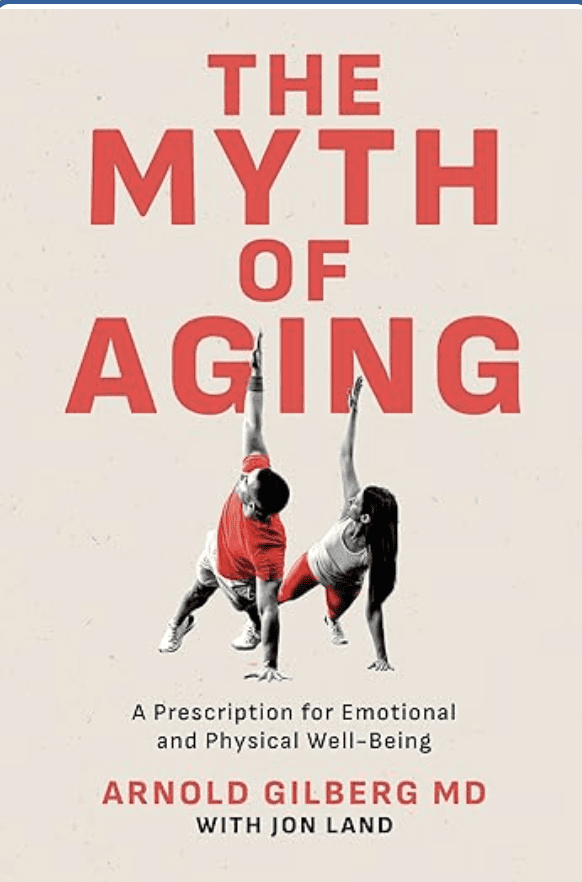
At a time when so many feel overwhelmed and uncertain about what it truly means to thrive, Dr. Arnold Gilberg, MD, PhD, offers a fresh perspective. In his book, The Myth of Aging, he challenges outdated ideas about growing older and reveals a vision of aging as a season of vitality, purpose, and freedom. Through movement, mindset, curiosity, gratitude, and human connection, Dr. Gilberg shows how even small daily habits can transform mental health and enrich life.

Well-being, he says, doesn’t require a dramatic life overhaul. Change begins with perspective—and one small act of movement.

“The first thing they need to do is develop a better attitude about living—that’s the first exercise they need to perform. They have to acknowledge that life is a roller coaster, that they may be in the midst of a dip, but things are going to get better. To help get there, they can try very simple physical activities—walking half a block, joining a TV or web-based exercise class, yoga or tai chi. Even a few minutes can make them feel alive and capable of moving and feeling better.”

This connection between body and mind is more than metaphorical; it is biological. Research shows that movement profoundly affects the brain and the body.

“All the latest research, including a 2023 study from Washington University School of Medicine, suggests that parts of the brain that regulate movement are intrinsically connected to networks responsible for thinking and planning. Other studies, notably from the National Institute of Health, indicate that how we feel about ourselves is rooted in the body’s gut microbiome, which benefits from exercise. When you feel better physically, your attitude improves, and the brain begins to see new possibilities that therapy alone may not achieve.”

This mind-body link also shapes purpose, engagement, and fulfillment.

“The first thing we need to do is accept that the mind and body are connected. They’re unified. Start each day waking up grateful for being alive, and it becomes easier to establish a routine of regular physical activity.”

At 89, turning 90 in six months, Dr. Gilberg embodies his philosophy: curiosity and engagement have no age limit.

“Staying engaged means being curious about everything. Engagement and involvement are synonymous. You have to be involved to maintain a healthy mental attitude, and that has to be a vital part of life. That’s why my book, The Myth of Aging, is so critical—it shows ways to become more involved with the world around you. You can’t wait for tomorrow. Enjoy new experiences and endeavors at any age.”

Gratitude, he emphasizes, is transformative.

“Being grateful for everyday life is not just an expression that sounds good. Someone who is grateful naturally enjoys life more. It’s about focusing on the positive, engaging in new experiences, and removing negativity. The reverse is like living in a dark room where you can’t see the beauty around you. Gratitude opens your eyes.”

He also addresses a modern dilemma: loneliness in a hyperconnected world.

“I see patients who boast about their social media friends and followers, but they’re still lonely. Human beings need physical connection. Social media is superficial and cannot provide the connection we need. Real connection comes from relationships or communities of like-minded people who understand and accept each other. Building community takes effort. If it doesn’t come to you, go out, find it, and develop it. Time is better spent there than scrolling endlessly through feeds.”

The Myth of Aging challenges the idea that aging equals decline.

“People who age are still vital and have tremendous knowledge and experience to share. Aging is not decline—it’s shameful that society views it that way. That’s why I wrote The Myth of Aging: to debunk stereotypes and show that we can continue contributing and seeking new experiences at any age.”

The book is more than a guide—it is a manifesto for living fully, every day. Dr. Gilberg encourages readers to embrace the small, intentional acts that shape mental and emotional well-being: a short walk, a moment of gratitude, a curiosity pursued, a real-world connection nurtured. Each choice, he suggests, compounds over time, creating a life that feels rich, engaged, and alive.

In a world that often equates youth with relevance, Dr. Gilberg offers a luxurious alternative: a life of depth, meaning, and elegance that grows more refined with age. The closing pages of The Myth of Aging remind us that the journey is ongoing, that engagement is timeless, and that the best years are not behind us—they are unfolding now, for anyone willing to approach life with curiosity, gratitude, and courage.

Aging, he concludes, is less about counting years and more about living them—with intention, connection, and joy. 

The Myth of Aging is now available for purchase. 

Amazon Link 

The post From Loneliness to Connection: Thriving in Your Golden Years with Hollywood’s Psychiatrist appeared first on Social Lifestyle Magazine.
  • ✇Social Lifestyle Magazine
  • Behind the Pages of The Hollywood Fix: Richard Kirshenbaum on Fame and Storytelling Meghan Forte
    From shaping iconic brands to unveiling the hidden drama of Hollywood, Richard Kirshenbaum has long operated at the rarefied intersection of creativity, strategy, and cultural influence. Whether championing the next generation of artists through the Princess Grace Foundation or bringing the intrigue of classic Hollywood to life in his novel The Hollywood Fix, he has built a career defined by vision, discretion, and unmistakable taste. His trajectory is less a profession than a signature—a lastin
     

Behind the Pages of The Hollywood Fix: Richard Kirshenbaum on Fame and Storytelling

6 April 2026 at 22:45

From shaping iconic brands to unveiling the hidden drama of Hollywood, Richard Kirshenbaum has long operated at the rarefied intersection of creativity, strategy, and cultural influence. Whether championing the next generation of artists through the Princess Grace Foundation or bringing the intrigue of classic Hollywood to life in his novel The Hollywood Fix, he has built a career defined by vision, discretion, and unmistakable taste. His trajectory is less a profession than a signature—a lasting imprint on the architecture of modern storytelling and image-making. In this conversation, we step into the world of a true arbiter of style and substance, exploring the insights and instincts that have shaped his singular journey.

Before diving into his personal reflections, Richard first examined the intricate machinery behind celebrity itself—the unseen work of managing fame and public perception. At the heart of our discussion, it became a striking reminder of what truly defines a Hollywood icon and the quiet orchestration behind the illusion. He stated:

“Stars still need handling, and very often the most successful of them have great publicists behind the scenes who handle and manage their public image. There are those who think they can do it themselves and then sometimes, unfortunately, make every mistake in the book. One must remember, it is often important not only what you do but what … you don’t do. And the American public can build up a star and also tear them down. Take the Royal family, for example. The press has been quite messy, and there are those within their ranks that think they can go it alone. Clearly, they cannot. One must remember, behind every great star is a great publicist and team … and they are PR stars as well. My dear friend Susan Magrino, Martha Stewart’s longtime publicist, has done an incredible job. Martha is, of course, unbelievable … but so is Susan. Martha and Susan, as a team, have created both longevity and icon status for her. Martha’s breakthrough cover of Sports Illustrated Swimsuit Issue in 2023 just didn’t happen on its own. It needed great PR thinking and execution to pull it off. Bravo!”

His observations underscore not just the mechanics of publicity, but the deep cultural fascination that surrounds stardom, which leads naturally to Hollywood’s broader allure.

Reflecting further on the public fascination with celebrity, Kirshenbaum offered a compelling perspective on why Hollywood’s allure has always felt larger than life:

“America, unlike Europe, does not have royalty, and Hollywood stars—and especially in the early days of Hollywood—gave the public our version of royalty; someone to admire, aspire to, and believe in. In its day, the Hollywood star system was both conservative, bullying, and also very paternalistic. The studios wanted the public to believe in their idea of perfection, and the stars needed to live up to that. Of course, this was impossible, and whitewashing scandals between the two World Wars was prevalent. It worked, though, as the public were more naive then and would accept and believe what the studios and press told them. This, of course, was a smokescreen, as the stars were all imperfect. The great star Tallulah Bankhead once quipped, ‘I am as pure as the driven slush.’”

It’s this fascination with the hidden stories behind the spotlight that inspired Richard to explore fiction, allowing him to dramatize the tension and intrigue of Hollywood’s Golden Age.

Turning from image-making to storytelling, he expanded on his latest work, the novel The Hollywood Fix, and what inspired him to set the story during the Hollywood Golden Age:

“Any great novel needs tension, and given the conservative mores of the 1930s and 1940s, the star system existed at a time when scandals were more scandalous and the drama was heightened for everyone involved.”

He went on to reveal that the story draws from real historical events, blending fact and fiction to create authenticity.

“The scandals in the book or fixes were all based on real Hollywood Fixes from that era. As an example, what would happen if you were a single female star who got pregnant and wanted to keep the baby? In the book, when my character, the movie star Mirielle Montaigne, secretly has the baby in order to keep it, she puts the baby in an orphanage and then adopts the baby and raises it as her adopted child. This, in fact, was based on a real story and fix that happened when Loretta Young had Clark Gable’s baby out of wedlock, which was taboo at the time. The daughter, Judy Lewis, didn’t know Gable was her father until she was much older and also noticed her large ears.”

Expanding on the broader context of that era, he continued:

“The level of control studios exerted over their stars was amazing but also quite terrifying. They had morals contracts and controlled the stars’ images, creating lavender marriages, insisting on abortions, and even changing names, nationalities, races, and looks. I thought this offered an incredible backdrop to write a novel and create that level of tension on which great fiction exists. I am so pleased with the result; my novel The Hollywood Fix is out on Amazon to wonderful, gratifying reviews.”

Before Hollywood became the canvas for his storytelling, Richard honed his understanding of culture and consumer behavior through branding, which would later inform his work with stars and storytelling.

Reflecting on his early career days at Target, Kirshenbaum recalled:

“At Swatby Kirshenbaum we know that brands that truly succeed are brands that create a new category, culture, or an idea that hasn’t been done before. Quality, service, and execution can then add to creating brand longevity in bringing something to the table that did not exist. This all fulfills a need and desire for an increasingly discerning consumer. These next-level brands all possess an overall strategy and platform people understand, covet, and aspire to. My early work for Target was such a brand. It was the first to combine department store aspirations for a large discount retailer. Our breakthrough fashion/housewares campaign and popularizing the Target ‘Bullseye’ logo created a new way to provide the American public with a ‘high/low’ shopping alternative. I actually had trouble finding a well-regarded fashion photographer to shoot the campaign at the time and had to prevail on my friendship with the great Matthew Rolston. Target was the first to offer department store taste and style to a price-conscious consumer, and for that they get flowers and are still relevant.”

This talent for recognizing and cultivating creative potential extends beyond branding into his passion for nurturing the next generation of artists.

“I am very honored to have been elected to the Board of Trustees of the Princess Grace Foundation. The Foundation provides essential grants to artists in the entertainment space, and as a creative businessman, it is an organization that is near and dear to my heart. The arts are often underfunded and underappreciated, and the recipients are the next great stars. This year at our Gala, we honored Jon M. Chu, who directed Wicked, and who had been a grant recipient when he was starting out. He credits the Foundation for being there at a critical stage in his career development. The Foundation, under the auspices of H.S.H. Prince Albert of Monaco, is committed to furthering his mother, the late Princess Grace’s legacy, of giving back to the arts and artists. It has been very fulfilling personally to help nurture the next generation of young performing artists and creative people who are so deserving, as they are the stars of tomorrow.”

Just as he champions others, Richard reflected on the mentors who shaped his own creative sensibilities—particularly the women whose wit, courage, and insight left lasting impressions.

And perhaps it is in those quieter, behind-the-scenes moments where Kirshenbaum’s sensibility is most clearly defined. Reflecting on the early influences that shaped his voice, he points to an unexpected but formidable force: comedy legend Joan Rivers.

“She paid $8 a joke,” he recalled, noting how even the smallest assignments carried lasting weight. More importantly, she imparted a lesson that would stay with him throughout his career: ‘Richard, now this joke is very funny but it has two punchlines. You need to only have one punchline at the end and let it… breathe.’”

In that simple directive lay a philosophy of precision, restraint, and timing—a principle that continues to guide Kirshenbaum’s work in branding, storytelling, and shaping cultural narratives. In a world driven by noise, true mastery is knowing not only what to say but, just as importantly, what to leave unsaid.

An accomplished author, playwright, and the CEO and founder of NSG/SWAT, Kirshenbaum generously shared his expertise with Social Lifestyle Magazine, and we are grateful for his insights.

Professional Website Amazon Link

The post Behind the Pages of The Hollywood Fix: Richard Kirshenbaum on Fame and Storytelling appeared first on Social Lifestyle Magazine.

  • ✇Social Lifestyle Magazine
  • Becoming Visible: Where Medicine, Mentorship, and Identity Meet Meghan Forte
    In a field often reduced to surface-level assumptions, The DNA of a Doctor: How Upbringing, Culture, and Unbridled Ambition Curates Achievement offers a more nuanced perspective on plastic surgery—and the identity behind it. Blending clinical expertise with lived experience, Dr. Smita R. Ramanadham examines the intersections of culture, ambition, and self-definition. Her work moves beyond the operating room, tracing a path shaped by resilience, representation, and a persistent rethinking of what
     

Becoming Visible: Where Medicine, Mentorship, and Identity Meet

26 April 2026 at 14:52

In a field often reduced to surface-level assumptions, The DNA of a Doctor: How Upbringing, Culture, and Unbridled Ambition Curates Achievement offers a more nuanced perspective on plastic surgery—and the identity behind it. Blending clinical expertise with lived experience, Dr. Smita R. Ramanadham examines the intersections of culture, ambition, and self-definition. Her work moves beyond the operating room, tracing a path shaped by resilience, representation, and a persistent rethinking of what confidence truly means.

“I wanted to create something I wish I had during my younger, more formative years,” she shares. “Like many first-generation children, I had to learn how to navigate both identity and ambition. There were moments when I didn’t see anyone who looked like me in the spaces I was entering.” Those experiences became the foundation of her work, reframing personal history into a broader narrative of visibility and endurance.

Her upbringing remains central to her voice today. “I was fortunate to grow up with supportive, hardworking parents who built a strong foundation for our family and guided us as best they could as immigrants to this country,” Dr. Smita R. Ramanadham says. “They raised me to be hardworking and disciplined, placing a strong emphasis on education and faith so I could achieve independence and security in life.”

Over time, she says, understanding evolved on both sides. “While they did encourage me to get married early, they were equally clear that they did not want me to settle or compromise my future,” she explains. “Seeing my dedication and work ethic ultimately reassured them, and I think that became the most important factor in earning their support.”

Still, she returns to what often remains unspoken. “While my story isn’t unique, it’s one that isn’t often talked about—especially the internal conflicts of forging your own path both culturally and professionally,” she says, a perspective she hopes will help others feel seen in their own journeys. Through her writing, she seeks to expand that visibility. “I wrote this book in the hope that others can see themselves in it.”

Within her book, Dr. Ramanadham addresses the cultural lens through which plastic surgery is often viewed. “Despite the progress made in recent years, plastic surgery still carries a negative stigma,” she says. “There’s a common misconception that these procedures are rooted in vanity, but that perspective overlooks a much deeper truth.”

At its core, she explains, plastic surgery is about confidence—“not about transforming into someone else, but about aligning how you feel on the inside with what you see on the outside.” “Many of us experience discomfort with certain aspects of our bodies, even when those changes are completely natural—whether from pregnancy, breastfeeding, aging, or weight fluctuations,” she notes. “These concerns can meaningfully impact our self-esteem and how we show up in our daily lives.”

“And when we feel our best, that confidence extends far beyond appearance—it influences how we engage with our families, our work, and the world around us.”

For Dr. Ramanadham, clarity is not inherited but built through intention. “That clarity comes from honest self-reflection and the courage to trust your instincts, even when they go against the grain,” she says. “Ultimately, you are the one who has to live with your decisions.” She also emphasizes the importance of the environment in shaping confidence and direction. “I strongly believe in the power of your environment. Surrounding yourself with like-minded people can make all the difference. Sometimes, it only takes one voice of encouragement—someone who believes in you—to spark the confidence needed to pursue your ambitions.” Choose your circle wisely, because the right support system can help you stay grounded in who you are while pushing you toward who you want to become.”

Mentorship threads through every stage of her journey. “I’m grateful to say that I’ve had meaningful mentors throughout every stage of my life, starting with my parents,” she says. “Watching their work ethic, their deep faith, and their determination shaped me in ways I didn’t fully appreciate at the time.”

In medical training, that guidance took a more formal shape. “During medical school, one of my most influential mentors was a general surgeon who recognized my enthusiasm early on and encouraged me to pursue surgery. That kind of validation and support at a pivotal moment made a lasting impact on me,” she notes. Later, community became a catalyst. “These women inspired me to think beyond traditional paths, ultimately giving me the confidence to become a business owner and take control of my career.”

Mentorship, she believes, is continuous rather than linear. “Mentorship, in all its forms, has been one of the most powerful forces in my journey and a reminder of how important it is to both seek guidance and, in time, give it back.”

Ultimately, her philosophy centers on presence rather than perfection. “For me, plastic surgery is not vanity, but empowerment, self-assurance, and the ability to live more fully as the best version of yourself.”

Her hope is simple, though expansive in reach. “My greatest hope is that even one person feels inspired to reach for their dreams,” she says. “I hope they take a moment to look inward and recognize that everything they need to succeed is already within them. When you trust yourself and honor your own path, you give yourself the freedom to build a life that is not only successful, but deeply fulfilling.”

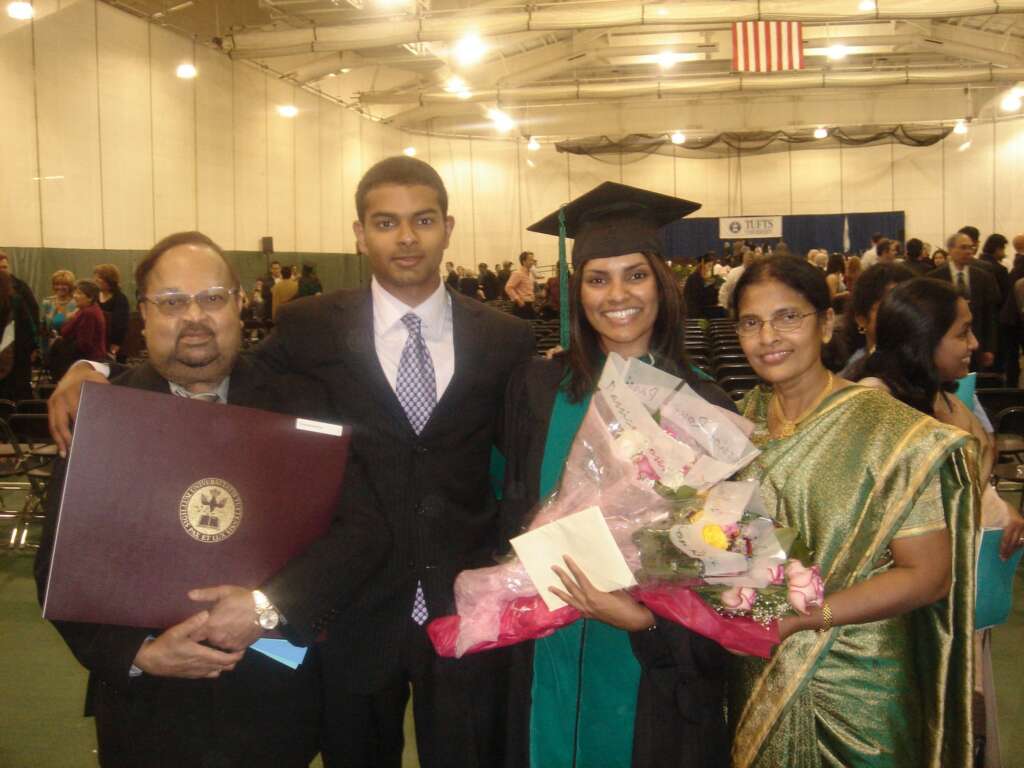
Dr. Smita R. Ramanadham is a board-certified plastic surgeon and founder of SR Plastic Surgery P.C., with practices in Montclair and East Brunswick, New Jersey. She earned her medical degree from Tufts University School of Medicine and completed her surgical training at the University of Texas Southwestern. She also serves on the Advisory Board for IT Cosmetics, contributing to advancements in skincare and beauty innovation.

The book is available on Amazon and Barnes & Noble.

Professional Website

TikTok: @thedrsmita

Instagram: @thedrsmitaAmazon Link

The post Becoming Visible: Where Medicine, Mentorship, and Identity Meet appeared first on Social Lifestyle Magazine.

  • ✇Social Lifestyle Magazine
  • Celebrating the Next Generation: The Princess Grace Summer Soirée Meghan Forte
    As the golden light of a Hamptons summer evening gives way to cocktails and conversation, guests will gather amid a setting inspired by the timeless glamour of Monte Carlo and the sun-drenched elegance of the South of France. Hosted by Princess Grace Foundation Trustee Richard Kirshenbaum and his wife, this intimate Crown Patron soirée will celebrate culture, creativity, and community while honoring the enduring legacy of Princess Grace of Monaco and her vision of nurturing the next generation o
     

Celebrating the Next Generation: The Princess Grace Summer Soirée

10 June 2026 at 21:23

As the golden light of a Hamptons summer evening gives way to cocktails and conversation, guests will gather amid a setting inspired by the timeless glamour of Monte Carlo and the sun-drenched elegance of the South of France. Hosted by Princess Grace Foundation Trustee Richard Kirshenbaum and his wife, this intimate Crown Patron soirée will celebrate culture, creativity, and community while honoring the enduring legacy of Princess Grace of Monaco and her vision of nurturing the next generation of performing artists.

More than a social occasion, the gathering serves as an introduction to the Princess Grace Foundation-USA’s extraordinary mission and the remarkable artists whose careers it has helped launch. Award winners in film, theater, and dance will join trustees, Crown Patrons, Guild members, Monegasque officials, and distinguished guests, creating the kind of meaningful exchange that has long defined the Foundation’s unique community. The evening will also recognize this year’s Princess Grace Awards honoree, acclaimed filmmaker and director John M. Chu, whose artistic journey began as a Princess Grace Award recipient before achieving international acclaim.

The soirée reflects the Foundation’s ongoing commitment to cultivating a community of supporters who understand the essential role of the arts in society. At a time when creative pursuits can too easily be overshadowed by more immediate concerns, the Foundation remains steadfast in its mission to champion emerging talent and ensure that artistic excellence continues to flourish for generations to come.

For Richard Kirshenbaum, hosting this special evening in Sagaponack is both a personal honor and a meaningful way to share the Foundation’s inspiring work with new audiences. Ahead of the Summer Soirée, Social Lifestyle Magazine sat down with Kirshenbaum to discuss the vision behind the event, the importance of fostering connections through the arts, and why Princess Grace’s dream of supporting exceptional young artists remains as relevant today as ever.

It is an honor to speak with Richard Kirshenbaum in anticipation of the Summer Soirée and to share his insights with readers of Social Lifestyle Magazine:

Meghan Forte: What inspired the vision for this Summer Cocktail Soirée?


Richard Kirshenbaum: This is a Crown Patron event for the Princess Grace Foundation—a summer cocktail soirée designed to introduce new people to the Foundation’s mission and its grants supporting the next generation of performing artists, while honoring the legacy of the late Princess Grace of Monaco. The theme and visual cues are inspired by summers in Monte Carlo and the South of France, bringing a sense of elegance and ease to the evening.

Meghan Forte: How does this event reflect the spirit and mission of the Princess Grace Foundation-USA?

Richard Kirshenbaum: The event brings together past and present award winners in film, dance, and theatre, along with trustees, Crown Patrons, younger Guild members, and Monegasque officials. By connecting guests directly with this community, they gain a real understanding of the Foundation’s mission—to nurture and support the next generation of great performing artists.

Meghan Forte: What makes this event unique? 

Richard Kirshenbaum: This is a social summer cocktail soirée. It is designed to feel relaxed and inviting, allowing for connection in a more informal setting among friends.

Meghan Forte: Why was Sagaponack chosen as the setting for this gathering?

Richard Kirshenbaum: My wife Dana and I wanted to host a Hamptons event for the Foundation. It felt like the perfect setting—intimate and ideal for bringing people together in the spirit of summer.

Meghan Forte: How important are intimate gatherings like this in building long-term support for the arts?


Richard Kirshenbaum: Social gatherings like this are incredibly important. They create opportunities for like-minded people to connect, while also educating guests about the Foundation’s work and its extraordinary roster of award winners. These personal connections help build lasting support.

Meghan Forte: Why does supporting emerging artists feel especially urgent right now?


Richard Kirshenbaum: With so many pressing needs in the world, the arts can sometimes be overlooked. Yet it’s crucial that we continue to invest in and support the arts and culture, ensuring that new voices and creative talent have the opportunity to thrive.

Meghan Forte: If this event inspires one lasting takeaway for guests, what do you hope it is?


Richard Kirshenbaum: I hope guests leave with a deeper appreciation for the legacy of Princess Grace of Monaco and her vision of supporting the next generation of performing artists—and feel inspired to be part of continuing that dream.

When the evening draws to a close, its legacy will linger—carried through new connections, shared inspiration, and a renewed appreciation for the arts. What begins as a summer gathering in Sagaponack will become something more enduring: an invitation to be part of a legacy that champions creativity and nurtures future talent. In that sense, the soirée is not an ending, but a beginning—one that continues to bring Princess Grace’s vision to life for generations to come.

Thank you to Mr. Richard Kirshenbaum for taking the time to speak with Social Lifestyle Magazine. His continued dedication to the arts is truly inspiring and helps create meaningful opportunities for the next generation of artists.

Richard Kirshenbaum Professional Website

Richard Kirshenbaum Instagram Profile 
The Princess Grace Foundation USA  Website

The post Celebrating the Next Generation: The Princess Grace Summer Soirée appeared first on Social Lifestyle Magazine.

❌
Subscriptions