Normal view

Ambrozio and other slaves in Brazil who saved money to buy their freedom

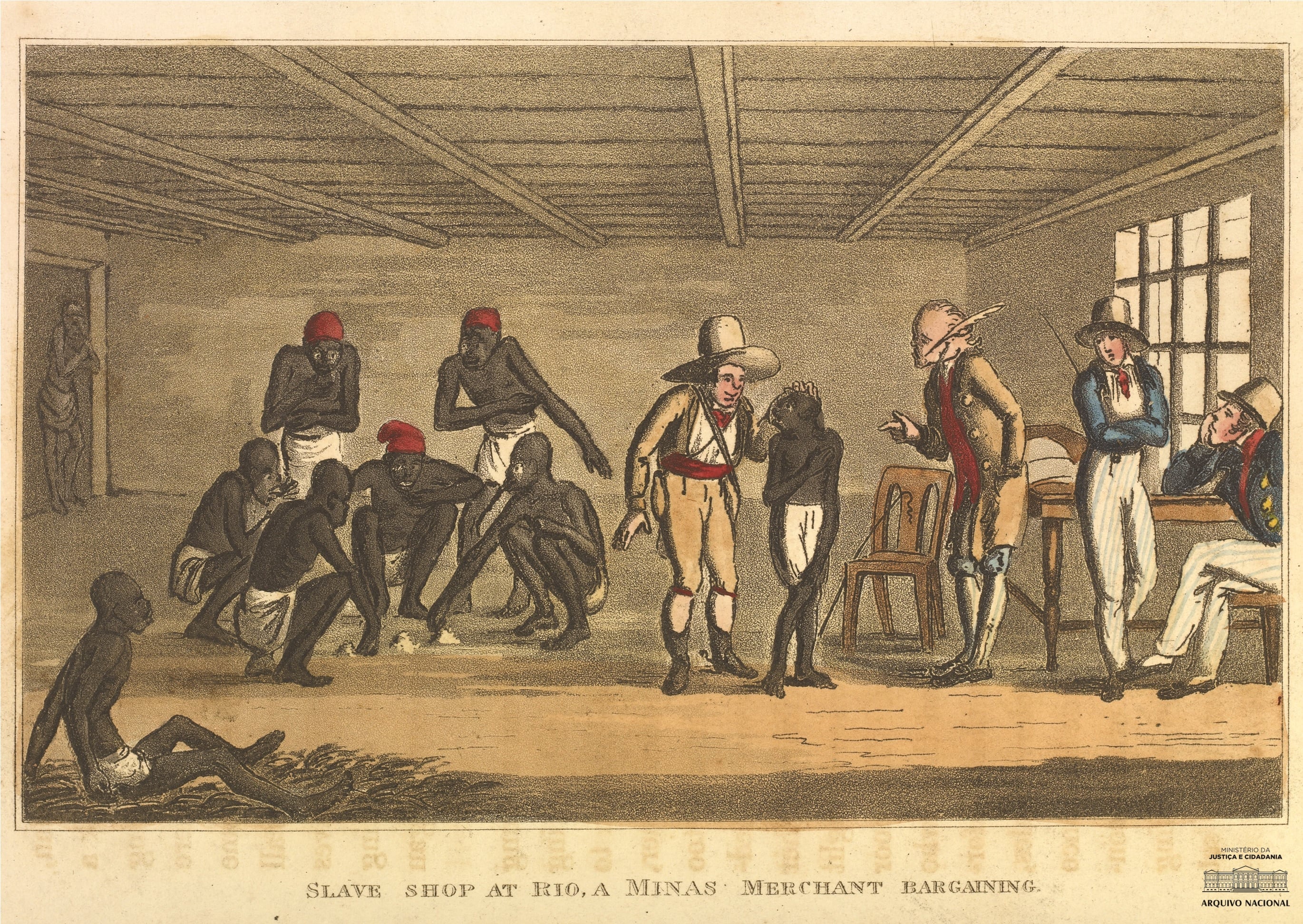
We know his name was Ambrozio, that he was a slave, and that in 1887 he personally signed the documents opening a savings account in his name at a Brazilian public bank: Caixa Econômica Federal. At that time, the debate on the abolition of slavery — a milestone that would come the following year — was very much alive in Brazil because, in the rest of the Americas, the children of the slave trade were already free men and women.

Seguir leyendo

© Archivo Nacional de Brasil

The slave market of Rio de Janeiro. Printed by Geo. B. Whittaker, 1826.
  • ✇El País in English
  • Brazil and its 81 million debtors: a country full of families drowning in debt Naiara Galarraga Gortázar
    Signs that Brazil is a brutally unequal country are an everyday occurrence. This very week, the fact was unequivocally on display. While the percentage of indebted Brazilian families reached a new record at 80%, making its way into the electoral debate, the reaction of a judge to the fear of losing the extravagant privileges of the bureaucratic elite has left the public stunned. Not to mention, generated scandal. “Soon we won’t even be able to pay the bills,” complained the magistrate. Eva do Am
     

Brazil and its 81 million debtors: a country full of families drowning in debt

Signs that Brazil is a brutally unequal country are an everyday occurrence. This very week, the fact was unequivocally on display. While the percentage of indebted Brazilian families reached a new record at 80%, making its way into the electoral debate, the reaction of a judge to the fear of losing the extravagant privileges of the bureaucratic elite has left the public stunned. Not to mention, generated scandal. “Soon we won’t even be able to pay the bills,” complained the magistrate. Eva do Amaral Coelho, who is white, went even further: “Soon, judges will be like those civil servants working under slave-like conditions.” Last month, Coelho earned about $18,000 in salary and bonuses. Her fellow citizens know it thanks to Brazil’s transparency laws.

Seguir leyendo

© Cris Faga (Getty Images)

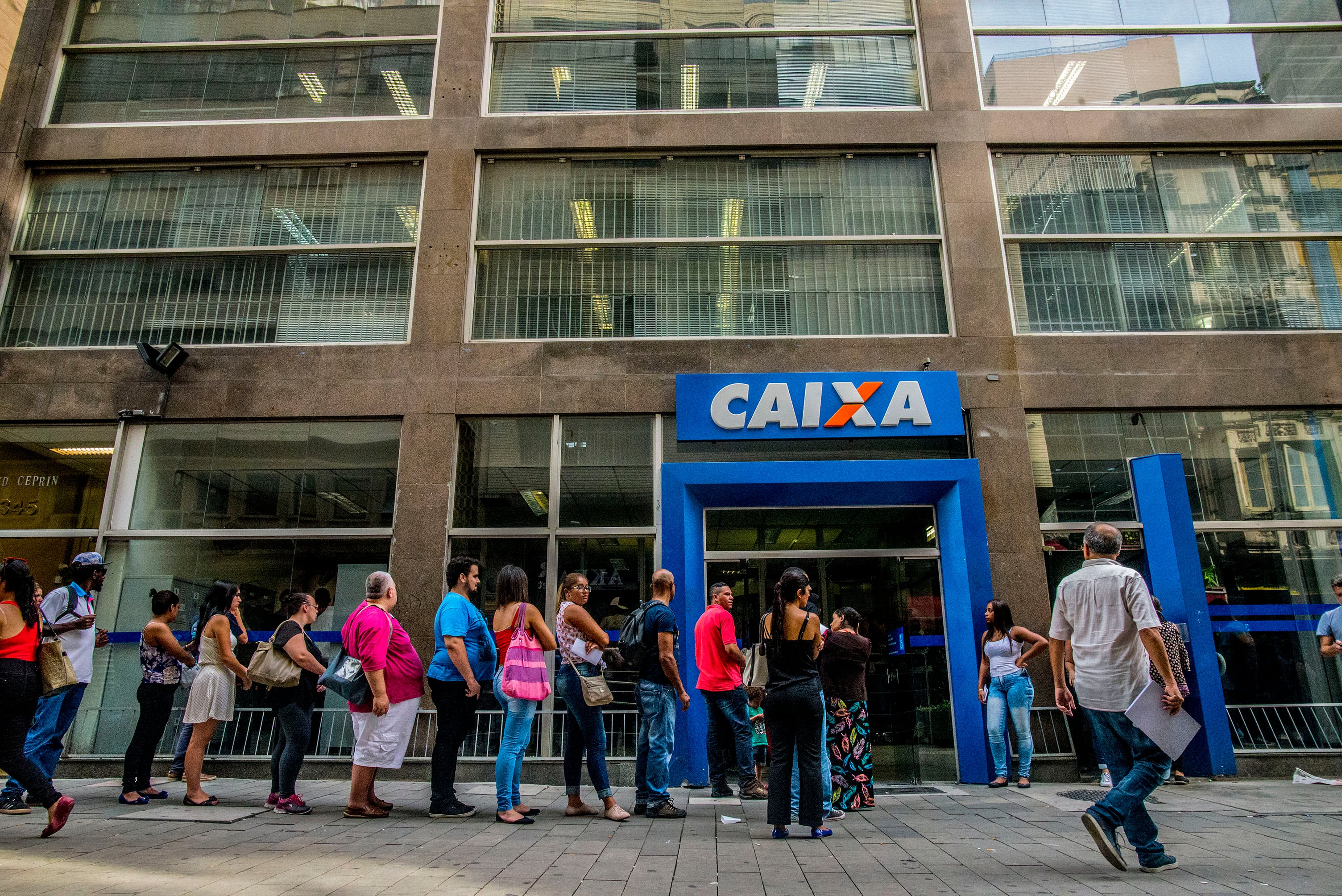
Customers line up outside a Caixa bank location in São Paulo.
❌
Subscriptions