Normal view

I’m a doctor who helped rename PCOS to PMOS – a 10-year process of listening to 14,000 patients and health professionals speak on how to improve care

PMOS affects multiple organ systems beyond the ovaries. champpixs/iStock via Getty Images Plus

A disease’s name can have a significant influence on its diagnosis and treatment – or lack thereof. Polycystic ovary syndrome, or PCOS, is a condition that affects millions of people worldwide. For decades, doctors thought the condition mostly affected the ovaries, but its misleading name has left many people undiagnosed and at risk of developing several related chronic conditions at a young age.

In a study published on May 12, 2026, in the medical journal The Lancet, an international team of researchers and health professionals formally announced the renaming of the condition to polyendocrine metabolic ovarian syndrome, or PMOS. Dr. Melanie Cree, a pediatric endocrinologist at the University of Colorado Anschutz, was part of the team behind the renaming.

The Conversation asked Dr. Cree to guide readers through this decade-long renaming process and explain what this renaming means for the future of PMOS care.

What is PMOS?

Polyendocrine metabolic ovarian syndrome, or PMOS, is a condition that affects many parts of the body – hormones, metabolism, mental health, skin and the reproductive system. The signs and symptoms of this complex condition often start in the teenage years and continue after menopause.

PMOS affects approximately 1 in 8 women globally, amounting to over 170 million women worldwide. However, it is estimated that 70% of women with PMOS may not know they have this condition.

Person pricking finger with blood glucose monitor
People with PMOS are at higher risk of developing metabolic conditions, such as Type 2 diabetes. Javier Zayas Photography/Moment via Getty Images

Most people with PMOS have higher insulin levels than those without the condition, and this contributes to worse metabolic disease, including Type 2 diabetes, high cholesterol, high blood pressure, excess liver fat, weight gain and obstructive sleep apnea.

A 2025 study of over 87,000 women in the United States found that more than 45% of those with PMOS had a metabolic disease diagnosis – such as prediabetes, diabetes, high blood pressure or high cholesterol – compare to around 25% of those without PMOS. Additionally, over 16% of those with PMOS had problems getting pregnant, compared to under 4% of those without PMOS.

Why change PCOS to PMOS?

A global call from patients and health professionals started in 2015 to establish a more accurate and appropriate name for the condition. The previous name, polycystic ovarian syndrome, or PCOS, is imprecise and confusing to patients, families and physicians.

The average time to diagnosis takes more than a year and often requires visits to multiple providers, in part due to confusion around the condition’s name.

A 2015 study found that 85% of patients thought ovary cysts were the primary feature of the condition. The old name overemphasized the role of the ovary in this condition and did not describe how PMOS can affect many body systems. There is no increase in abnormal cysts on the ovary, only partly developed eggs – which form a fetus when its mature form is fertilized by sperm – that can look like cysts.

Confusion over the signs and symptoms of PMOS has contributed to not only delayed diagnosis and fragmented care but also stigma and anxiety about the condition and disengagement with care.

What was the process to change the name?

Over the course of 10 years, an international team of health professionals and researchers and I discussed renaming PCOS. Our expertise spanned various disciplines, including obstetrics and gynecology, endocrinology, pediatrics, dermatology, radiology, primary care, nutrition science and psychology.

The first eight years of this process included two rounds of global surveys of patients and health professionals in 2015 and 2023. Over 14,000 participants across regions and disciplines contributed their voices across both rounds. From these surveys, we found that 86% of patients said they wanted to change the name of the condition. Doctors and health professionals also strongly supported changing the name, believing that the benefits would outweigh the risks.

Renaming PCOS to PMOS was a global effort.

In the past two years of this process, we brought together leading academic, clinical and patient organizations to establish a formal approach to change the condition’s name. This involved iterative global surveys and consensus workshops to identify key principles, acceptable terminology and ways to implement changes that are feasible and easily communicated.

Participants prioritized scientific and medical accuracy, clarity, ease of pronunciation, avoiding stigma, and cultural appropriateness. The majority preferred an updated name that reflected the endocrine, metabolic and ovarian features of the condition, rather than retaining the existing acronym or adopting a generic term.

This renaming process highlighted the importance of inclusivity and thoroughness in renaming a disease. It also established a basis for implementing the name change worldwide.

The new name – PMOS – is clearer and more accurate, better reflecting what the condition really is because it was shaped by people who live with it every day and those who care for them.

How will renaming PCOS to PMOS change care?

Our hope is that professional and patient education on the new name will allow specialists to better diagnose, study and treat PMOS.

Many people with PMOS are not tested for metabolic disease, even though they are at a higher risk of developing Type 2 diabetes and heart disease at younger ages compared to those without PMOS. If people with PMOS are checked for metabolic problems earlier, these conditions can be prevented or treated.

Over the next three years our team will be working to help patients, health professionals, governments and researchers around the world transition from using PCOS to PMOS. The new name will be included in the 2028 update to the international guideline on the condition.

Patients with PMOS were the biggest drivers to change the name of the condition – their voices made it happen, and their continued advocacy will improve care.

The Conversation

Melanie Cree receives funding from the National Institutes of Health an research product donation from Abbott. She has consulted for Eli Lilly, Novo Nordisk, Roche pharmaceuticals and diagnostics, Chiesi and Neurocrine, though companies these would not benefit from this article.


Health authorities work to contain cruise ship hantavirus outbreak

The cruise ship MV Hondius sits anchored off Praia, the capital of Cape Verde, on May 5, 2026, before setting course for Spain on May 6. AFP via Getty Images

The MV Hondius, a Dutch cruise ship with a deadly outbreak of hantavirus, was on its way to the Canary Islands on May 7, 2026, after evacuating three ill passengers for treatment.

The World Health Organization confirmed the outbreak on May 4, noting a total of seven infections, with three deaths since the outbreak began in early April. An eighth case was confirmed on May 6.

Because of the illness’s one- to eight-week incubation period, additional cases may still be identified. Health officials around the world are monitoring passengers who disembarked from the ship in the early days of the outbreak in late April. Health officials emphasize, however, that the risk to the public from the outbreak is low.

I’m a medical epidemiologist – here’s what you need to know about the virus and how the outbreak is playing out.

What is hantavirus?

Hantavirus isn’t just one virus but a group of closely related viruses found throughout the world. Their natural reservoir is rodents, such as wild mice, rats and moles. Infected rodents don’t get symptoms, but the virus replicates in their cells. It sometimes spills over into other animals, including humans, and can cause severe disease and even death.

There are two general types of hantaviruses. Old World hantaviruses, typically found in Europe and Asia, generally affect the kidneys. Their mortality rate in people is 15% or less.

New World hantaviruses, such as the one causing the outbreak on the Hondius, occur in North and South America. The best-known strains of this type are the Andes virus, the strain that was confirmed in the cruise ship outbreak, and the Sin Nombre virus, which likely caused the death of Betsy Arakawa, Gene Hackman’s wife, in March 2025.

These viruses generally affect the lungs and are fatal in about 40% of cases. Symptoms start with a flu-like illness and can progress quickly to intense inflammation in the lungs that leads to lung and heart failure.

A person with a hantavirus infection may experience symptoms anywhere from a week to eight weeks after exposure. There is no treatment; doctors can offer only supportive care, such as hydration, artificial respiration or dialysis.

How do these viruses spread?

Cases of hantavirus infection are rare. The Centers for Disease Control and Prevention recorded 890 cases in the U.S. from 1993, when surveillance began, through the end of 2023.

The vast majority of cases occur in China, with thousands of cases caused by Old World hantavirus strains occurring annually.

Most often, people become infected with these viruses by inhaling aerosolized urine or droppings from infected rodents. Imagine a cabin infested with mice infected by the virus – sweeping the cabin would shake up dust from the mouse urine and droppings, distributing it through the air and enabling people to inhale the viral particles. There’s a smaller risk of getting ill through direct contact, such as by being bitten by an infected rodent or by touching its saliva.

Health officials are tracking people who left the ship before the outbreak was identified.

The worry on the cruise ship is human-to-human transmission. Epidemiologists had previously found hints that the Andes virus may be transmitted from one person to another under certain circumstances, such as close, sustained contact in close quarters, like a small cruise ship.

What do investigators think happened on the cruise ship?

The Hondius, now carrying close to 150 passengers, started out in Argentina on April 1 and was sailing north on a 33-day journey.

There were no reports of rodents on the ship, so it’s unlikely the illness started there. According to news reports, the people who first got sick had been touring Argentina and Chile for months beforehand. Researchers speculate they likely got infected during an activity in which they were exposed to a rodent carrying the disease or its excrement.

Given these viruses’ weekslong incubation period, these people may have been feeling fine when they boarded the ship, before eventually falling ill. They may have then spread Andes virus to others through breathing shared air or other close contact in close quarters.

What happens now?

The ship is now traveling to Spain, and multiple patients are being evacuated along the way.

Also, researchers are tracking 29 people who disembarked from the ship on April 24, before the outbreak was identified. People who had significant exposure will likely be quarantined to watch for symptoms and be isolated if symptoms develop.

Residents of three U.S. states are being monitored. Dutch officials announced on May 7 that a flight attendant who was not a passenger but briefly interacted with a passenger was hospitalized with possible hantavirus symptoms.

Is the situation dangerous?

Health officials can’t rule out that additional hantavirus cases may emerge in the cruise ship outbreak, but beyond the ship the risk remains low. That’s because most cases of hantavirus, including Andes virus, are acquired directly from rodents or their excrement and not from other humans.

It’s important to note, however, that even on vacation, people should pay attention to risks for infection – particularly as they may be very different from the ones they’re used to at home.

The Conversation

Daniel Pastula does not work for, consult, own shares in or receive funding from any company or organization that would benefit from this article, and has disclosed no relevant affiliations beyond their academic appointment.

Poop tests and blood tests join colonoscopy as options for colorectal cancer screening

Screening is essential to prevent and effectively treat colorectal cancer. Varlay/iStock via Getty Images Plus

It’s increasingly common to see headlines and social media conversations about the rise in colorectal cancer among younger adults. In fact, the growing incidence of colorectal cancer in people under age 50 helped drive the American Cancer Society’s 2018 decision to recommend lowering the recommended age for average-risk screening from 50 to 45.

Riding on the momentum of increasing public awareness of colorectal cancer, the society has now released updated screening guidelines in May 2026 to include new tests that reflect the latest science and could improve access to care.

I am a public health researcher who has spent nearly 20 years developing colorectal cancer prevention programs and studying ways to improve screening guidelines. Offering more options for screening can help detect cancer earlier or prevent it altogether.

What’s new in the updated screening guidelines?

The updated guidelines have added two additional screening options.

The first option is an at-home screening test that checks stool samples for hidden blood and other molecular markers that may indicate the presence of colorectal cancer. The guidelines recommend taking these tests every three years.

The other option is a blood-based screening test that can be done at a doctor’s office. Patients who refuse a colonoscopy or a stool-based screening test can choose this test.

Notably, the updated guidelines still offer patients a choice between a stool test and a direct visual exam – such as a colonoscopy – as the primary screening methods.

Person sitting in chair, hands pressed against abdomen
Talk to your doctor about potential cancer symptoms. Keeproll/E+ via Getty Images

It is also still recommended that adults with an average risk of colorectal cancer should start screening at age 45, and keep getting screened until age 75 or, if recommended by a doctor, beyond that.

Which colorectal cancer screening test is better?

For people with a family history of colorectal cancer or genetic or hereditary syndromes – or signs and symptoms of colorectal cancer, such as blood in the stool – a colonoscopy is the only recommended test.

If you are age 45 and at average risk, your doctor may recommend the stool tests and blood tests. Because these are new options, however, many doctor’s offices may not be immediately offering the tests.

Ultimately, the best test is the one that gets done.

Can I do a blood or stool test instead of a colonoscopy?

Colonoscopy remains the preferred screening test for colorectal cancer. It’s the only option for those experiencing signs and symptoms of colorectal cancer, and it’s the recommended test for those who are at increased risk. Those with an average risk may still be recommended to receive a colonoscopy.

Will Smith documented his first colonoscopy.

Stool tests do not require the same amount of preparation as a colonoscopy and are widely used. The new stool tests have evolved in their ability to detect polyps and abnormal cells in samples.

The new blood tests are recommended only if a patient refuses a colonoscopy or a stool test. It is important to note the new blood tests are not as sensitive as the other tests for preventing cancer, though science is advancing to provide more options.

Bottom line (pun intended): A colonoscopy will also be required if a stool or blood test results in a positive or abnormal finding.

What are early symptoms of colon cancer?

There are often no early signs or symptoms of colorectal cancer, so starting screening at age 45 is a must, especially if you have a family history or genetic risk of developing colorectal cancer.

Common symptoms of colorectal cancer include blood in the stool, change in bowel habits or stool, pain, or unexplained weight loss of 10 or more pounds.

If you notice these symptoms, regardless of your age, talk to your doctor and consider requesting a colonoscopy.

How can I reduce my risk of colon cancer?

To reduce your risk of colorectal cancer, people who are at average risk of the disease should begin screening at age 45.

Pay attention to your body. Note any concerning changes or symptoms, and have open conversations with your healthcare provider.

Healthy lifestyle choices can also help reduce your risk of colorectal cancer. This includes at least 30 minutes of physical activity each day, eating a balanced diet rich in fruits and vegetables and limiting processed foods. Reducing your alcohol intake and avoiding smoking and vaping can also lower your risk of colorectal and other cancers.

The Conversation

Andrea Dwyer receives funding from National Cancer Institute, Centers for Disease Control and Colorado Department of Public Health and Environment. Andrea Dwyer is affiliated with the National Colorectal Roundtable and National Navigation Roundtable of American Cancer Society and Fight Colorectal Cancer.

Breakthrough drug nearly doubles survival with advanced pancreatic cancer – an oncologist explains how daraxonrasib overcame an ‘undruggable’ disease

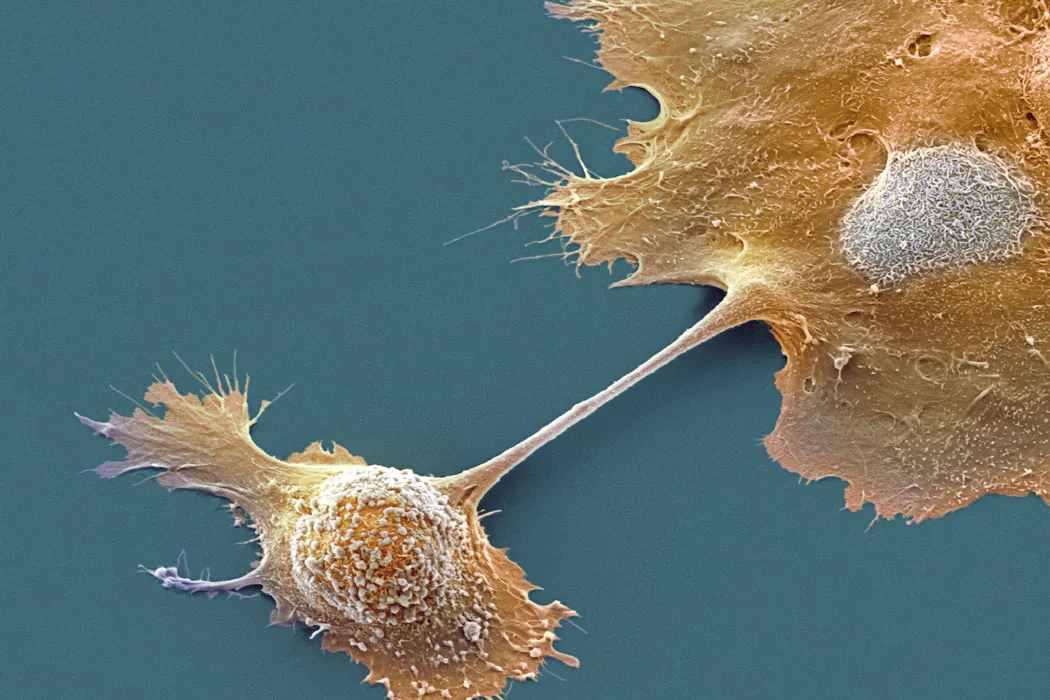
Pancreatic cancer has been notoriously difficult to treat. Steve Gschmeissner/Science Photo Library via Getty Images

For a long time, the likelihood of surviving pancreatic cancer has been extremely low. For patients who were diagnosed with metastatic pancreatic cancer between 2015 and 2021, about 97% died within five years of their diagnosis.

Pancreatic cancer is so deadly in part because there are no effective screening tests, and it rarely causes noticeable symptoms in its earliest stages. By the time a patient experiences signs, such as jaundice – a yellowing of the skin – or abdominal pain, the cancer has often already spread to other organs.

As a gastrointestinal oncologist and researcher specializing in early-phase clinical trials, I have seen the critical need for more effective therapies for patients with pancreatic cancer. For decades, successfully targeting the central mechanism that causes the vast majority of pancreatic cancers was considered impossible.

However, that narrative is rapidly changing with a new drug that can shut down the key protein that drives pancreatic cancer, nearly doubling survival rates for patients with advanced stages of the disease.

‘Undruggable’ tumors

The standard treatment for advanced pancreatic cancer has historically relied on chemotherapy, potent drugs designed to kill rapidly dividing cells. While chemotherapy can slow the progression of the disease, its effectiveness is often limited by the ability of pancreatic cancer cells to develop resistance against these drugs.

Model of the 3D structure of KRAS, resembling a rough-looking blob with a molecule tucked inside
KRAS (blue) has been difficult for drugs to target. Fvasconcellos/Wikimedia Commons

Pancreatic cancer’s success lies in its genetics. More than 90% of pancreatic tumors are driven by mutations in a gene called KRAS. This gene codes for proteins that function as switches that turn cell growth on and off. When the KRAS gene is mutated, the switch becomes permanently stuck in the “on” position, commanding cancer cells to multiply endlessly.

For decades, scientists considered KRAS to be “undruggable.” The surface of the protein is exceptionally smooth, lacking the molecular pockets that standard drugs require to bind to and turn the switch off.

Because existing drugs haven’t been able to target this protein, treatment for pancreatic cancer has primarily relied on toxic drugs that act more like blunt instruments than precise tools. Chemotherapy attempts to control the disease through widespread cell destruction, causing significant collateral damage to healthy tissues that lead to side effects.

What is daraxonrasib?

A new drug called daraxonrasib offers a critical advance in treating metastatic pancreatic cancer.

Daraxonrasib is taken daily by mouth. Instead of binding to KRAS directly, it attaches to a molecule called cyclophilin A in cells that helps fold proteins into their final 3D structures. This protein complex is then able to bind to the active KRAS protein and shut down its ability to signal cancer cells to multiply.

The company developing the drug, Revolution Medicines, presented results on May 31, 2026, from its Phase 3 clinical trial of 500 patients with metastatic pancreatic cancer who had received prior treatment. Compared to standard chemotherapy, daraxonrasib nearly doubled overall survival from 6.7 months to 13.2 months after diagnosis. Overall, daraxonrasib reduced the risk of death for metastatic pancreatic cancer patients by 60%.

Daraxonrasib nearly doubled survival for patients with advanced pancreatic cancer compared to chemotherapy.

The most common side effect is a prominent skin rash, which affected more than 86% of patients in the study. Patients also frequently dealt with stomatitis – painful swelling and sores inside the mouth – as well as diarrhea, nausea and vomiting. However, patients taking daraxonrasib were far less likely to stop treatment due to severe side effects compared to chemotherapy, and they had improved quality of life with reduced pain.

Next steps for daraxonrasib

By successfully targeting the specific genetic mutation that drives the vast majority of pancreatic cancers, researchers have demonstrated that this “undruggable” disease is treatable with targeted therapy.

The immediate next step is regulatory review of the drug’s readiness for the clinic. With data now officially published, Revolution Medicines will use these findings to seek formal approval from the Food and Drug Administration and other global regulatory bodies.

Because advanced pancreatic cancer is notoriously difficult to treat, breakthrough therapies that demonstrate this kind of significant survival benefit are often granted expedited or priority review. When daroxonrasib becomes available to patients will depend on the review timeline. Should the drug obtain approval, it could be available in clinics within months.

For the broader landscape of drug development, this milestone represents a likely shift in pancreatic cancer treatment. I expect more clinical trials exploring combination therapies pairing KRAS inhibitors with other drugs to prevent tumors from developing resistance to treatment.

Should daraxonrasib succeed, it could help set the stage for more precise, personalized and effective treatments for pancreatic cancer in the years to come.

The Conversation

Christopher Lieu does not work for, consult, own shares in or receive funding from any company or organization that would benefit from this article, and has disclosed no relevant affiliations beyond their academic appointment.

World Cup creates perfect conditions for infectious diseases to spread – here are the biggest threats health experts are watching for

When the 2026 FIFA World Cup begins on June 11, 2026, matches will be played across 16 cities in the United States, Canada and Mexico. Millions of fans will arrive through multiple airports and will pack into stadiums, airports, hotels, bars and public transit systems over five weeks.

That makes the World Cup not just a sporting event but a weekslong experiment in global mixing that creates a perfect environment for infectious diseases to spread. Events of this scale rarely cause major outbreaks, but they do create opportunities for outbreaks and for health systems to be tested.

The possibilities range from the dramatic but unlikely (an imported Ebola case) to the much more probable (flu and measles spreading through crowded venues) and the largely overlooked (spikes in sexually transmitted infections and mosquito-borne diseases gaining footholds in new areas).

As an infectious diseases physician studying how outbreaks affect peoples’ health, and an avid soccer fan – I root for the Colombian team – I have been watching closely as public health experts prepare for the event.

Here are some of the infectious disease threats they are monitoring as the world’s largest sporting event kicks off:

Ebola – scary but unlikely

In May 2026, the World Health Organization declared a global health emergency over an Ebola outbreak in the Democratic Republic of Congo and Uganda caused by a rare strain called Bundibugyo, which kills roughly 1 in 3 people it infects.

No approved vaccines, rapid diagnostic tests or treatments exist for this strain. And the global response has been complicated by deep cuts to international health aid and the U.S. withdrawal from the World Health Organization.

If a case is detected, rapid identification and isolation are critical to prevent further local transmission.

Still, the risk of Ebola reaching a World Cup stadium is very low. That’s because the virus spreads only through direct contact with bodily fluids like blood or saliva, not through the air, and infected people aren’t contagious until they show symptoms.

The U.S. has banned entry for non-U.S. citizens and green card holders who have been in the affected countries in the past 21 days and is screening all passengers traveling from affected areas. It is also urging European countries to embrace similar procedures as World Cup travel picks up. Mexico and Canada also have travel restrictions in place.

A stadium packed full of World Cup fans
Crowds at a Moscow stadium during the 2018 World Cup show that this massive sporting event is a weeks-long experiment in global mixing that creates a perfect environment for infectious diseases to spread. Claudio Villa - FIFA/FIFA via Getty Images

Measles, flu and COVID-19 – the bigger dangers

The more likely threats for soccer fans attending the World Cup are respiratory infections — illnesses spread by coughing, sneezing and breathing in crowded spaces.

Of special concern is measles, which is surging in the United States as well as in Canada and Mexico. As of June 4, the U.S. Centers for Disease Control and Prevention has confirmed 2,030 cases of measles in the U.S. in 2026 – close to the total count for all of 2025 and significantly higher than in previous years.

Measles is one of the most contagious infectious diseases on the planet. A single infectious traveler passing through Denver International Airport in 2025 triggered an outbreak of at least 10 cases. An infected fan in the stands, at an airport or in a bar could easily cause an outbreak.

On top of that, the 2025–2026 flu season reached a 30-year high, and COVID-19 continues to cause an estimated 290,000 to 450,000 hospitalizations per year. And big gatherings can amplify the risk of transmission.

In the background, avian influenza H5N1 — the bird flu circulating in dairy cows and poultry — has caused 70 human infections in the U.S. since 2024. No person-to-person spread has been detected, but scientists are watching closely for mutations that could change that.

Mosquito risks

Mosquito-borne diseases add another layer of risk to health authorities and travelers, especially for matches in southern U.S. and Mexican host cities during peak summer mosquito season.

Dengue – a tropical virus that causes high fever, severe body aches and sometimes life-threatening complications – set a U.S. record in 2024, with nearly 3,800 cases. That was a 359% jump over the prior 14-year average.

Most cases occurred in travelers returning from the Caribbean and Central America. Still, locally acquired cases have cropped up, mainly in Los Angeles.

There’s also the risk that fans will bring infectious diseases from their home countries.

Yellow fever, a potentially deadly viral infection, is absent from the U.S. but remains a threat to fans traveling from parts of Sub-Saharan Africa and South America, where the disease is native. A 2024 yellow fever outbreak in South America outside the Amazonian jungle, where transmission generally occurs, hinted that its spread to urban areas is possible.

And Oropouche virus, a once-obscure mosquito-borne illness, exploded across Latin America in 2024 in the largest epidemic ever recorded, with over 8,000 confirmed cases in Brazil alone. Although infection is usually mild, it can have dangerous complications such as brain inflammation and bleeding disorders and can harm a developing fetus. No vaccines or treatments exist.

Travelers carrying these infections may need medical care, but familiarity with them among U.S. physicians tends to be low. There’s also a small risk that illnesses may spread locally through mosquito bites.

Public health experts are scaling up disease monitoring and making other preparations to help keep World Cup travelers safe.

Sexually transmitted infections under the radar

One category of possible risk that’s getting less media attention is sexually transmitted infections.

About 1 in 5 international travelers engages in casual sex, according to one study, and nearly half of those encounters are unprotected.

Mpox, a viral infection that spreads through close physical contact, continues to circulate in the U.S and is a particular concern at large public events. Syphilis is also seeing a global resurgence.

Public health in action

Public health authorities across the U.S., Canada and Mexico have scaled up monitoring efforts amid preparations for keeping World Cup travelers safe.

In the U.S., a coalition of academic institutions, companies, nonprofits and public health organizations led by Georgetown University and nonprofit healthcare provider MedStar Health, called the Health Security Operations Center, will be keeping close tabs on disease transmission during the event. But some experts have raised concerns about U.S. resilience to public health threats at the World Cup due to significant cuts to public health infrastructure since 2025, including to the CDC.

Fans can take several steps of their own to protect themselves. They can make sure their routine vaccinations – especially measles, flu and COVID-19 – are up to date; practice safe sex; use mosquito repellent; and stay home or wear a mask if they feel sick.

The Conversation

Andrés Henao receives funding from University of Colorado Asnchutz Medical Campus

World Cup creates perfect conditions for infectious diseases to spread – here are the biggest threats health experts are watching for

When the 2026 FIFA World Cup begins on June 11, 2026, matches will be played across 16 cities in the United States, Canada and Mexico. Millions of fans will arrive through multiple airports and will pack into stadiums, airports, hotels, bars and public transit systems over five weeks.

That makes the World Cup not just a sporting event but a weekslong experiment in global mixing that creates a perfect environment for infectious diseases to spread. Events of this scale rarely cause major outbreaks, but they do create opportunities for outbreaks and for health systems to be tested.

The possibilities range from the dramatic but unlikely (an imported Ebola case) to the much more probable (flu and measles spreading through crowded venues) and the largely overlooked (spikes in sexually transmitted infections and mosquito-borne diseases gaining footholds in new areas).

As an infectious diseases physician studying how outbreaks affect peoples’ health, and an avid soccer fan – I root for the Colombian team – I have been watching closely as public health experts prepare for the event.

Here are some of the infectious disease threats they are monitoring as the world’s largest sporting event kicks off:

Ebola – scary but unlikely

In May 2026, the World Health Organization declared a global health emergency over an Ebola outbreak in the Democratic Republic of Congo and Uganda caused by a rare strain called Bundibugyo, which kills roughly 1 in 3 people it infects.

No approved vaccines, rapid diagnostic tests or treatments exist for this strain. And the global response has been complicated by deep cuts to international health aid and the U.S. withdrawal from the World Health Organization.

If a case is detected, rapid identification and isolation are critical to prevent further local transmission.

Still, the risk of Ebola reaching a World Cup stadium is very low. That’s because the virus spreads only through direct contact with bodily fluids like blood or saliva, not through the air, and infected people aren’t contagious until they show symptoms.

The U.S. has banned entry for non-U.S. citizens and green card holders who have been in the affected countries in the past 21 days and is screening all passengers traveling from affected areas. It is also urging European countries to embrace similar procedures as World Cup travel picks up. Mexico and Canada also have travel restrictions in place.

A stadium packed full of World Cup fans
Crowds at a Moscow stadium during the 2018 World Cup show that this massive sporting event is a weeks-long experiment in global mixing that creates a perfect environment for infectious diseases to spread. Claudio Villa - FIFA/FIFA via Getty Images

Measles, flu and COVID-19 – the bigger dangers

The more likely threats for soccer fans attending the World Cup are respiratory infections — illnesses spread by coughing, sneezing and breathing in crowded spaces.

Of special concern is measles, which is surging in the United States as well as in Canada and Mexico. As of June 4, the U.S. Centers for Disease Control and Prevention has confirmed 2,030 cases of measles in the U.S. in 2026 – close to the total count for all of 2025 and significantly higher than in previous years.

Measles is one of the most contagious infectious diseases on the planet. A single infectious traveler passing through Denver International Airport in 2025 triggered an outbreak of at least 10 cases. An infected fan in the stands, at an airport or in a bar could easily cause an outbreak.

On top of that, the 2025–2026 flu season reached a 30-year high, and COVID-19 continues to cause an estimated 290,000 to 450,000 hospitalizations per year. And big gatherings can amplify the risk of transmission.

In the background, avian influenza H5N1 — the bird flu circulating in dairy cows and poultry — has caused 70 human infections in the U.S. since 2024. No person-to-person spread has been detected, but scientists are watching closely for mutations that could change that.

Mosquito risks

Mosquito-borne diseases add another layer of risk to health authorities and travelers, especially for matches in southern U.S. and Mexican host cities during peak summer mosquito season.

Dengue – a tropical virus that causes high fever, severe body aches and sometimes life-threatening complications – set a U.S. record in 2024, with nearly 3,800 cases. That was a 359% jump over the prior 14-year average.

Most cases occurred in travelers returning from the Caribbean and Central America. Still, locally acquired cases have cropped up, mainly in Los Angeles.

There’s also the risk that fans will bring infectious diseases from their home countries.

Yellow fever, a potentially deadly viral infection, is absent from the U.S. but remains a threat to fans traveling from parts of Sub-Saharan Africa and South America, where the disease is native. A 2024 yellow fever outbreak in South America outside the Amazonian jungle, where transmission generally occurs, hinted that its spread to urban areas is possible.

And Oropouche virus, a once-obscure mosquito-borne illness, exploded across Latin America in 2024 in the largest epidemic ever recorded, with over 8,000 confirmed cases in Brazil alone. Although infection is usually mild, it can have dangerous complications such as brain inflammation and bleeding disorders and can harm a developing fetus. No vaccines or treatments exist.

Travelers carrying these infections may need medical care, but familiarity with them among U.S. physicians tends to be low. There’s also a small risk that illnesses may spread locally through mosquito bites.

Public health experts are scaling up disease monitoring and making other preparations to help keep World Cup travelers safe.

Sexually transmitted infections under the radar

One category of possible risk that’s getting less media attention is sexually transmitted infections.

About 1 in 5 international travelers engages in casual sex, according to one study, and nearly half of those encounters are unprotected.

Mpox, a viral infection that spreads through close physical contact, continues to circulate in the U.S and is a particular concern at large public events. Syphilis is also seeing a global resurgence.

Public health in action

Public health authorities across the U.S., Canada and Mexico have scaled up monitoring efforts amid preparations for keeping World Cup travelers safe.

In the U.S., a coalition of academic institutions, companies, nonprofits and public health organizations led by Georgetown University and nonprofit healthcare provider MedStar Health, called the Health Security Operations Center, will be keeping close tabs on disease transmission during the event. But some experts have raised concerns about U.S. resilience to public health threats at the World Cup due to significant cuts to public health infrastructure since 2025, including to the CDC.

Fans can take several steps of their own to protect themselves. They can make sure their routine vaccinations – especially measles, flu and COVID-19 – are up to date; practice safe sex; use mosquito repellent; and stay home or wear a mask if they feel sick.

The Conversation

Andrés Henao receives funding from University of Colorado Asnchutz Medical Campus

❌
Subscriptions