 Login
LoginIndia’s Most Celebrated Photographer Raghu Rai Dies
27 April 2026 at 17:32

India's most celebrated photographer, Raghu Rai, who spent more than five decades documenting the country, has died.

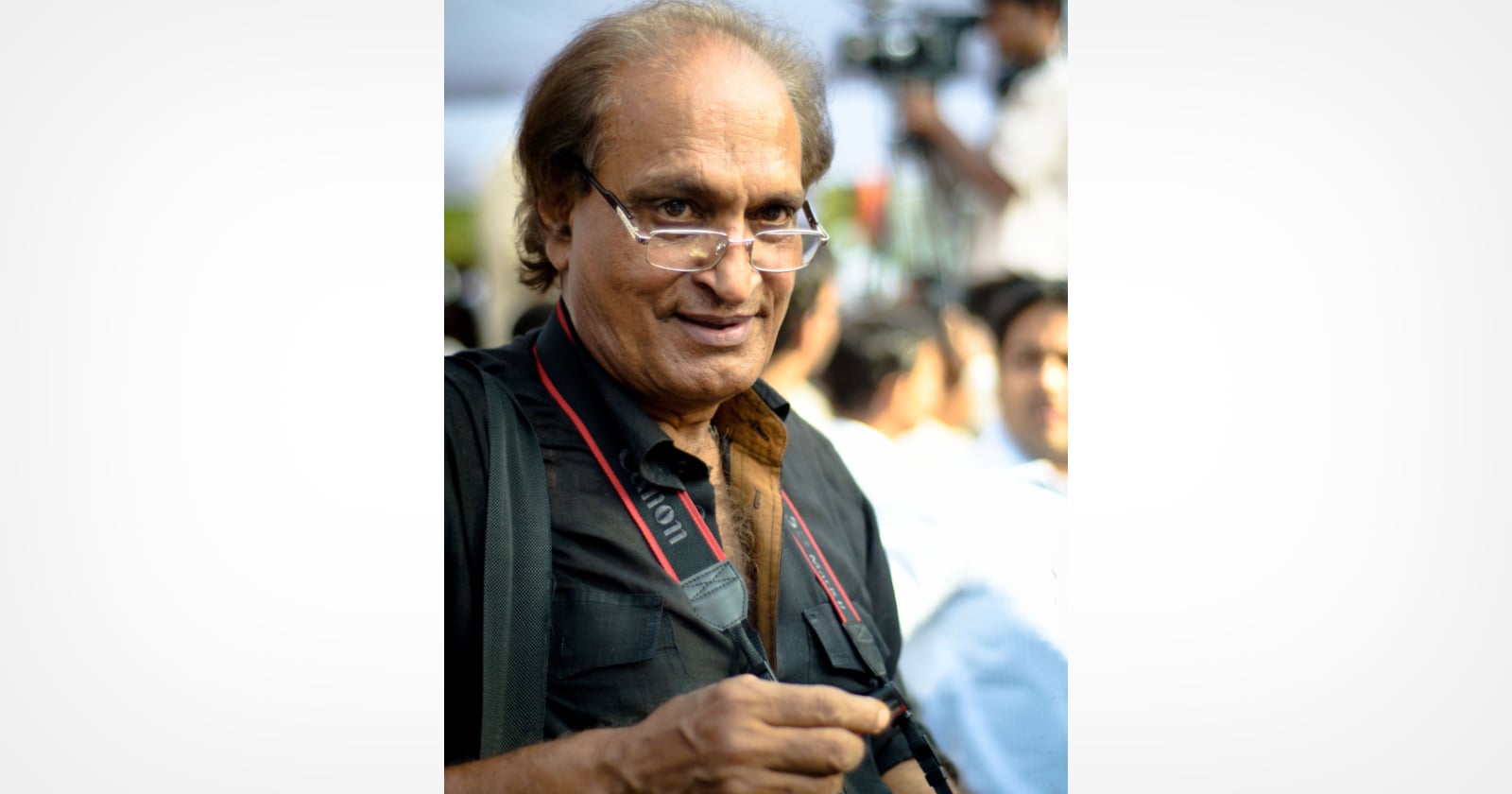


India's most celebrated photographer, Raghu Rai, who spent more than five decades documenting the country, has died.
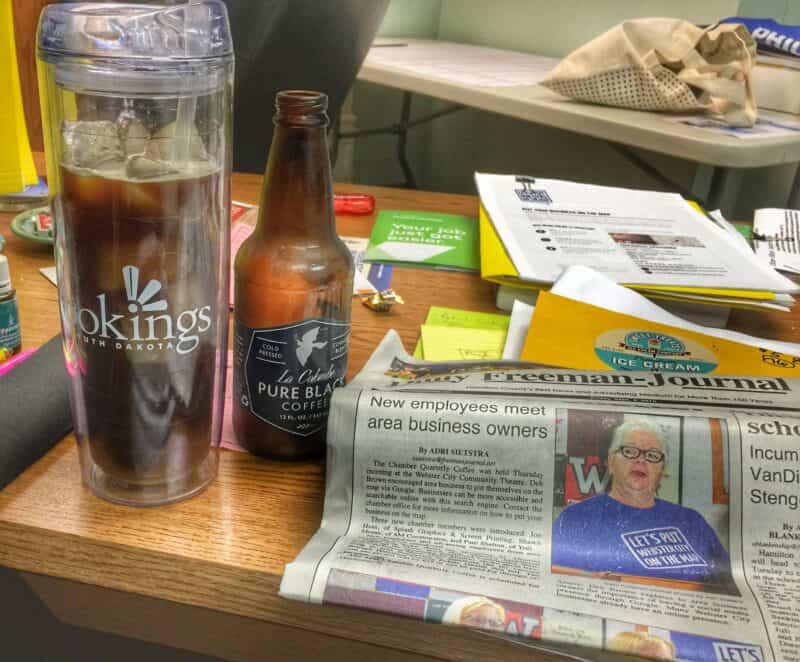
Hometown newspapers are small businesses, just like the hardware store, the cafe, or the auto repair shop. They’re not just “media.” They’re employers, sponsors, storytellers, and neighbors, and their work ripples through every corner of the community.
This year, collaboration is a focus of ours at SaveYour.Town, and I want to talk about how newspapers and local businesses can truly work together. Both sides bring value. Your newspaper can be an incredible resource for your business, and your support helps keep local journalism strong.
Newspapers still do something better than almost anyone else: they get local information in front of local people. When you’ve got something to share—a new product, an event, a success story—send a press release to every paper you can: your hometown, nearby towns, and regional outlets.
A good advertising department won’t just print your story, they’ll help you build on it. They might mock up ads, stop by your business, or help turn that small piece of news into a bigger presence. Local stories and local advertising work hand in hand, keeping attention, dollars, and pride right where they belong: in your community.
If they don’t do this automatically, you can do it yourself: mockup your own ad and ask about it when carrying the press release.
In one small town, the local newspaper ran photos of everyone who bought a seat in the Save the Webster Theater fundraiser. People cut out their pictures, shared them, and proudly showed them off. That’s the magic of local journalism—it celebrates people, connects neighbors, and turns ordinary moments into community pride.
No social media algorithm can do that. Only someone who knows the people and the place can.
What could you do like that in your community?
Marketing in newspapers used to be the way to reach your audience. Now, it’s part of a mix that includes social media, email newsletters, and websites. Successful newspapers have adapted; they’re publishing both online and in print, meeting readers where they are.
Your local paper might even offer digital ads, social media promotions, or direct marketing campaigns. Those “new ways” are built on the trust and relationships newspapers have earned over decades. Going digital doesn’t replace print—it expands your reach while keeping your connection local.
Your hometown paper already captures the heartbeat of your community—business updates, church events, reunions, and celebrations. Now’s the time to think about how to collaborate more deeply.
How can your business and your newspaper co-create campaigns, share stories, and build relationships that last? When you work together, everyone benefits. The stories are richer, the economy is stronger, and the sense of pride runs deeper.
Supporting your local newspaper is part of “shop local.” A town that values its local news invests in its own future. When local media lose revenue, you feel it—in fewer stories, less coverage, and fewer opportunities to connect. Supporting your paper means investing in your town’s voice—and your business benefits from that, too.
Newspapers can strengthen their community connection by telling their own story. Don’t assume people know what you do—show them.
Many of you already show up at council meetings, Friday night games, and ribbon cuttings. You share obituaries, honor rolls, and community milestones—let us know where to find those stories online, too.
A simple “Work With Us” webpage or one-sheet can make advertising easier for local businesses. Include who your readers are, which sections perform best, and when seasonal peaks happen. That turns your newspaper from “a place to buy ads” into “a partner that helps small businesses grow.”
Here’s what could go on that page or a simple one-sheet:
Small businesses and newspapers need each other. Let’s move beyond “Do you want to buy an ad?” and instead ask, “How can we work together long-term?”
Try things like:
These steps can turn newspapers from simple ad vendors into trusted community partners and problem-solvers.
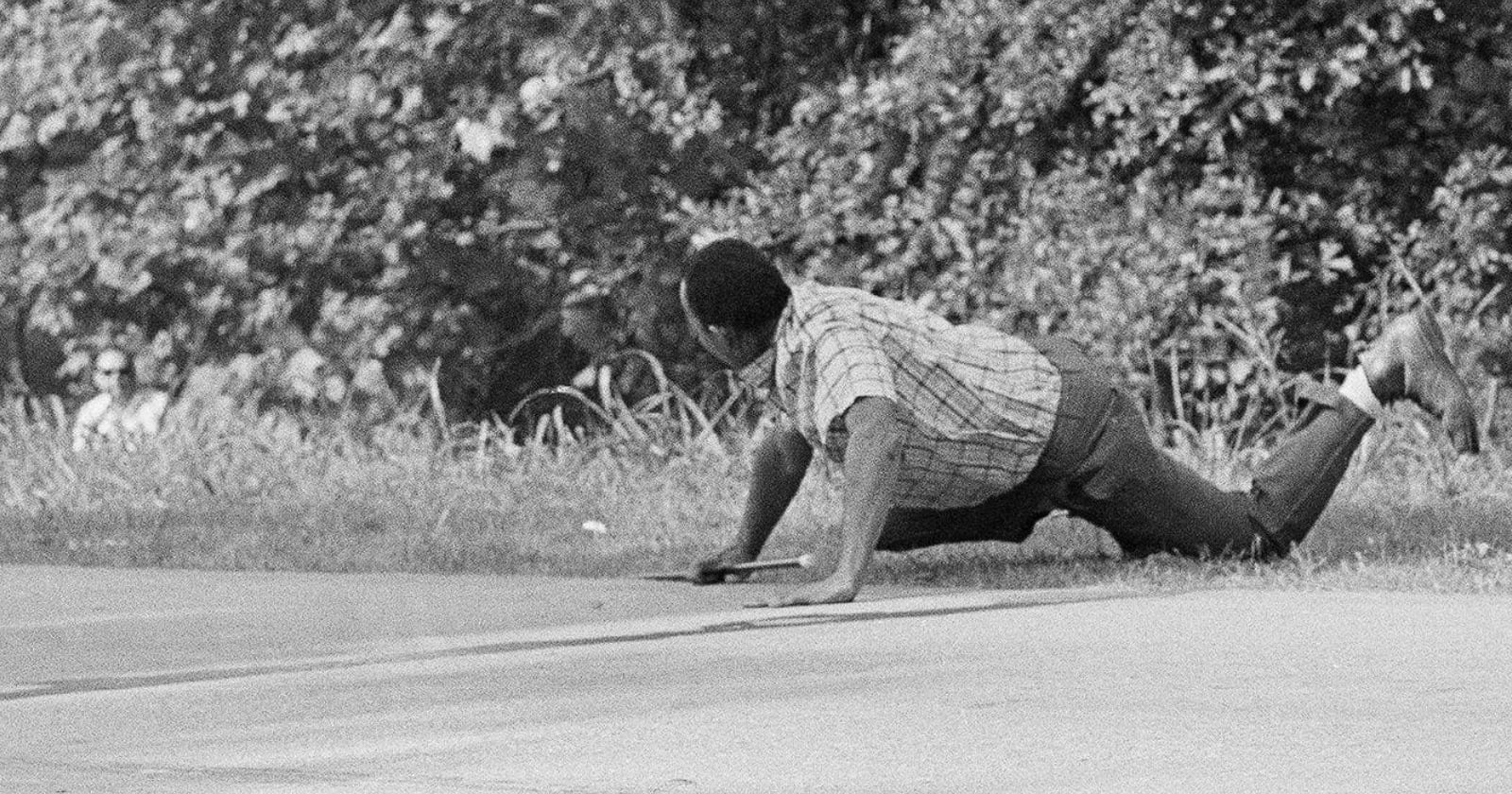
Jack Thornell, the Associated Press photographer whose picture of an assassination attempt on civil rights activist James Meredith in 1966 won a Pulitzer Prize, has died.
Medellín, Colombia – Argentine President Javier Milei banned some 60 journalists from the country’s Presidential Palace today.
The formerly accredited reporters had their fingerprint access withdrawn from the building’s security system today, with Milei citing claims of espionage and Russian funding.
This is the latest in a pattern of repression of press freedom during Milei’s presidency, with rights groups denouncing increased harassment against members of the media.
According to local media, the journalists who once reported from the government headquarters daily were told that they would not be permitted entry to la Casa Rosada on Thursday morning.
Milei attacked journalists on his X account, calling them “corrupt, bribed” and accusing them of “breaking security laws”.
The president and his followers have since circulated the slogan #NOSALP via X, meaning “No odiamos lo suficiente a los periodistas” (“We do not hate journalists enough”).
Milei justified the ban by citing a recent criminal complaint by the Casa Militar, the presidential security unit, against journalists from Todo Noticias (TN), a local news station.
Two TN journalists were accused of espionage after pictures from the interior of la Casa Rosada were broadcast on the news channel, something the Casa Militar claims could expose political or military secrets.
Javier Lanari, a member of Milei’s communications team, similarly claimed via X that today’s ban was a “precautionary measure following allegations of illegal espionage made by the Casa Militar.” No further details explaining the move were given and no official statement has been released.
This latest blanket ban also follows the prohibition earlier this month of journalists from various Argentinian outlets who were reported to have been involved in an alleged Russian disinformation campaign in the lead-up to the 2024 elections.
In the wake of Milei’s decision, members of Congress from across the political spectrum denounced the move, presenting a draft resolution calling for the immediate reopening of la Casa Rosada to the media.
Marcela Pagano – a lawmaker and former member of Milei’s party La Libertad Avanza – also filed a criminal complaint against the libertarian president later in the day, comparing the exceptional decision to the repression of the country’s military dictatorship.
“Restricting journalists’ freedom of expression is the first step towards silencing any dissenting voice, a situation we in Argentina have experienced during our country’s darkest hours,” she said via X.
Her criminal complaint accuses Milei, Lanari, and Sebastián Ignacio Ibáñez (head of the Casa Militar) of supporting a decision that constitutes “continuous and irreversible damage” to the “republican system, to freedom of the press, to the right to public information and to the professional practice of journalism.”
Featured image credit: AP Photo/Natacha Pisarenko.
The post Javier Milei bans dozens of journalists from Argentina’s Presidential Palace appeared first on Latin America Reports.
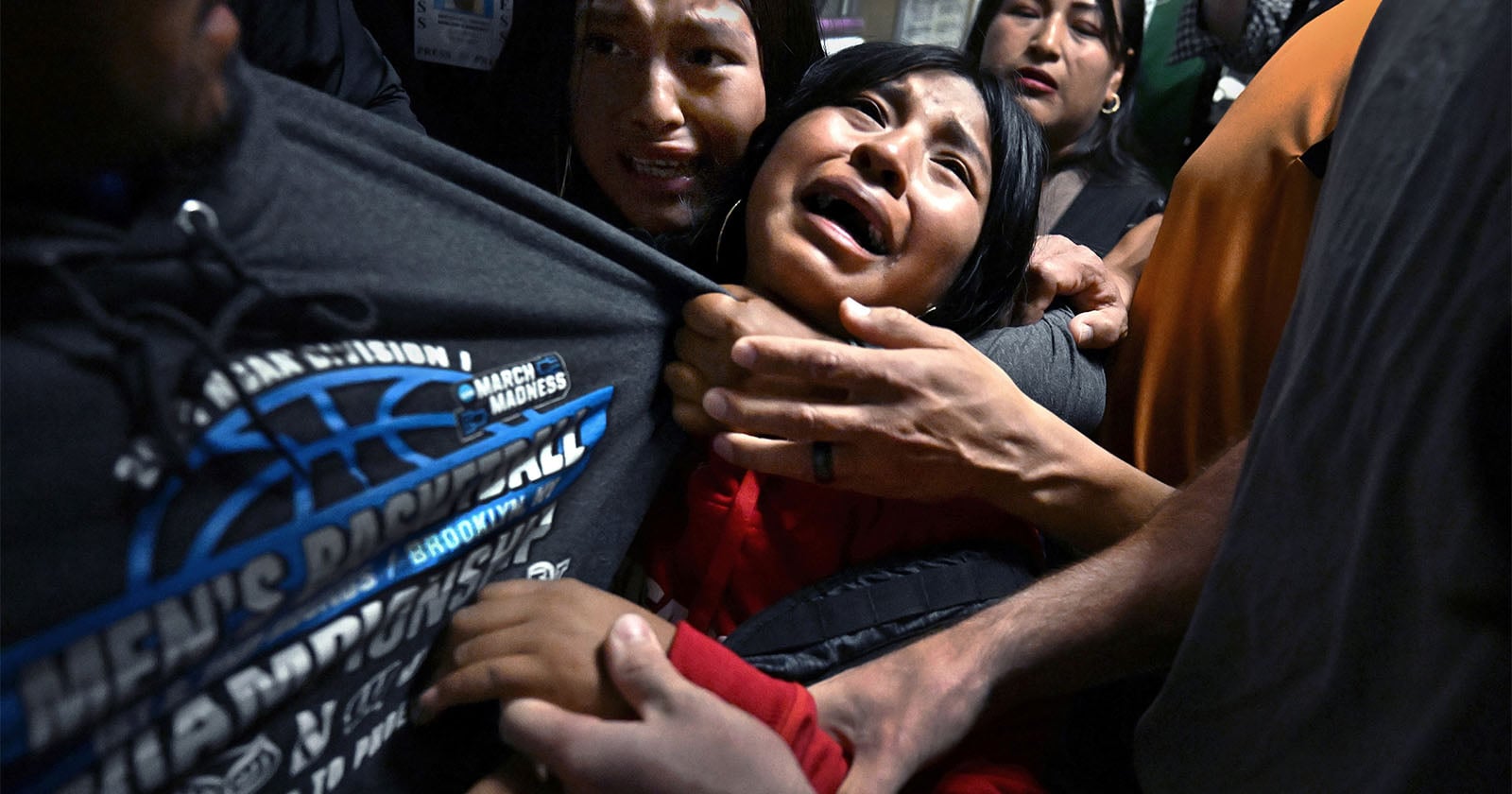
World Press Photo announced the winners of its annual competition earlier this month, highlighting powerful and poignant photojournalism from around the world. Today, World Press Photo unveiled its Photo of the Year for 2026.
