
Normal view

Efforts to control hantavirus outbreak reach global scale while cases in Spain and France fuel uncertainty

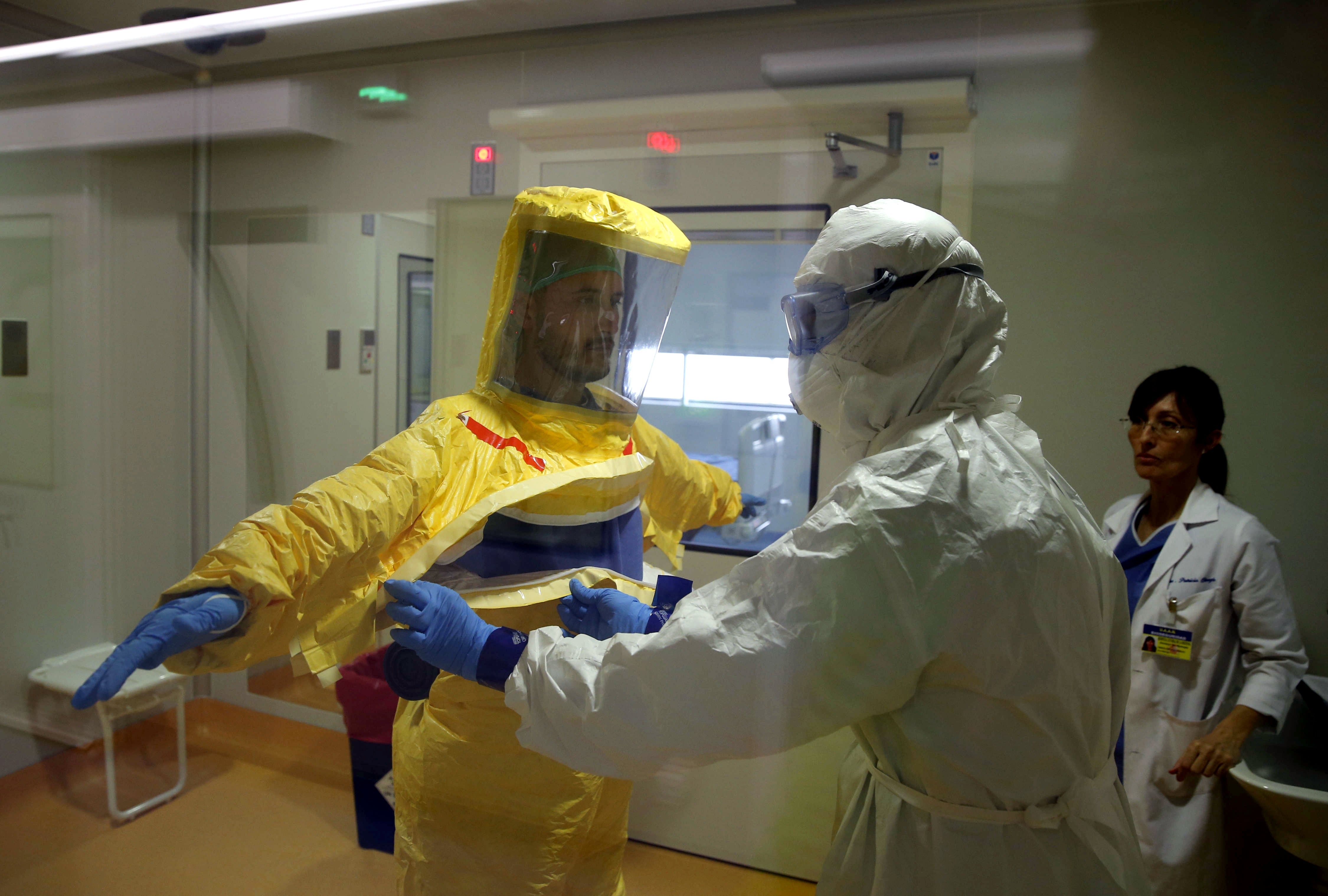
High-Level Isolation Unit at the Gómez Ulla Military Hospital in Madrid.

With the disembarkation of the Antarctic cruise ship MV Hondius progressing and with reports that there were no people with symptoms on board, experts and health authorities were confident during the early hours of Monday that the health crisis created by the hantavirus outbreak was entering a final phase that could be long —quarantines last up to 42 days— but without cause for major concern.
Seguir leyendo

Anchoring off Tenerife, small‑boat transfers and talks with 22 countries: The difficult return home for the hantavirus cruise passengers

8 May 2026 at 07:36

Two days before the MV Hondius arrives in Granadilla de Abona, a municipality in Tenerife, in Spain’s Canary Islands, several questions remain about how and when each passenger will be able to return home. It is clear that the 14 Spaniards will be transferred by military plane to Madrid to quarantine at the Gómez-Ulla Hospital, but it is unclear how long this quarantine will last, or what will happen if any of them refuse to self-isolate. For the other 133 passengers, of 22 different nationalities, their repatriation will depend on negotiations with their governments.

Seguir leyendo

💾

©

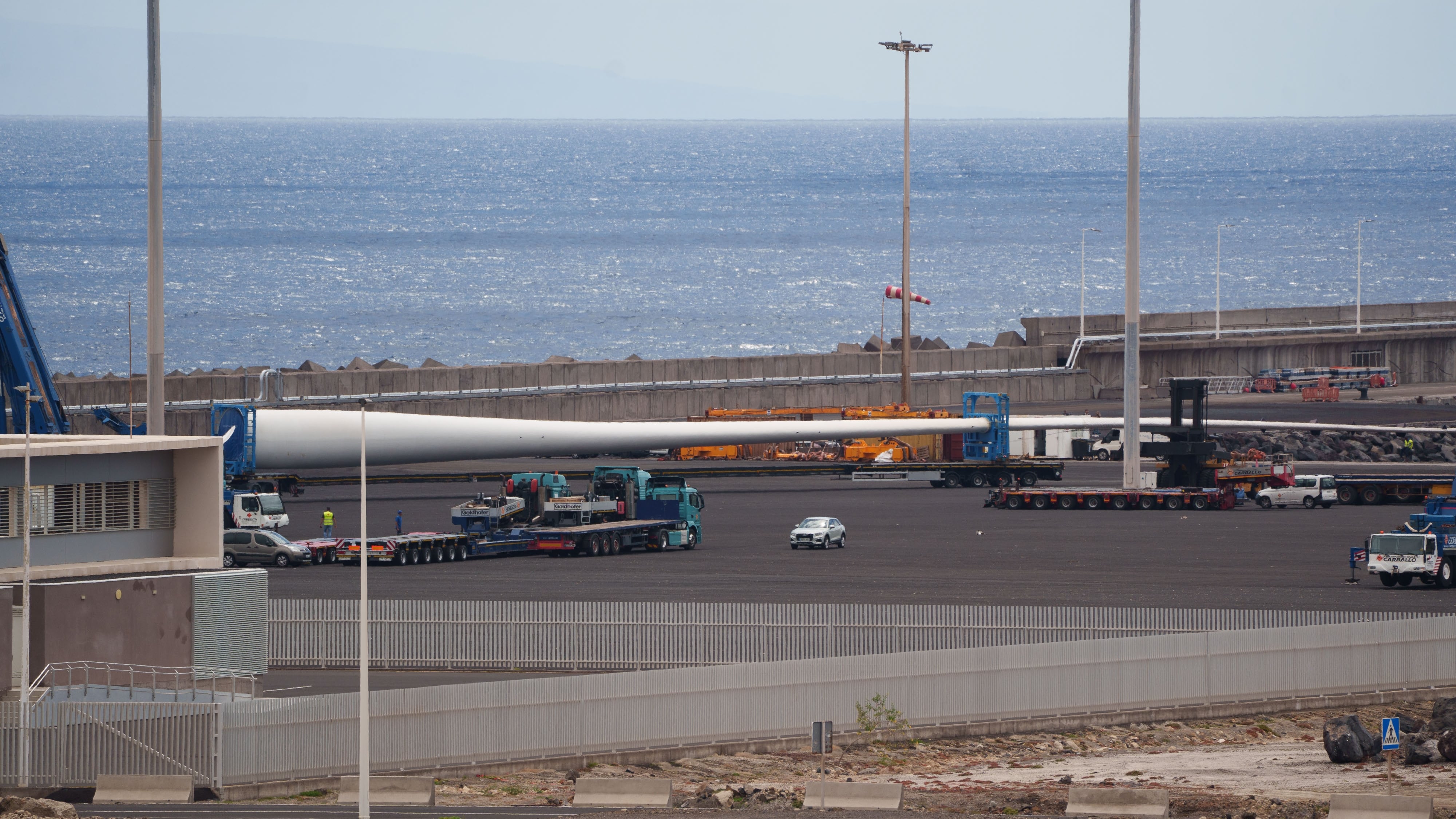
Puerto de Granadilla, in Tenerife, where the 'MV Hondius' will be anchored.

Cruise ship passengers trace the origin of the hantavirus outbreak: ‘It’s being said here that it may have been the Dutch couple’

7 May 2026 at 09:36

Initially, investigators looked for mice as the source of the infection, but this may have been the wrong lead. The hantavirus outbreak detected on the cruise ship MV Hondius has eight infected individuals. Three people have died, one remains in intensive care in Johannesburg, South Africa, and another one is in a hospital in Switzerland. Given that they had all shared spaces and activities, it was believed that it might be a case of group infection, through inhaling aerosols of rodent feces, urine, or saliva. This is the most common way to become infected with hantavirus. It is possible that they all entered the same enclosed area containing mouse droppings, and inhaled the same contaminated air.

Seguir leyendo

© Peter Dejong (AP)

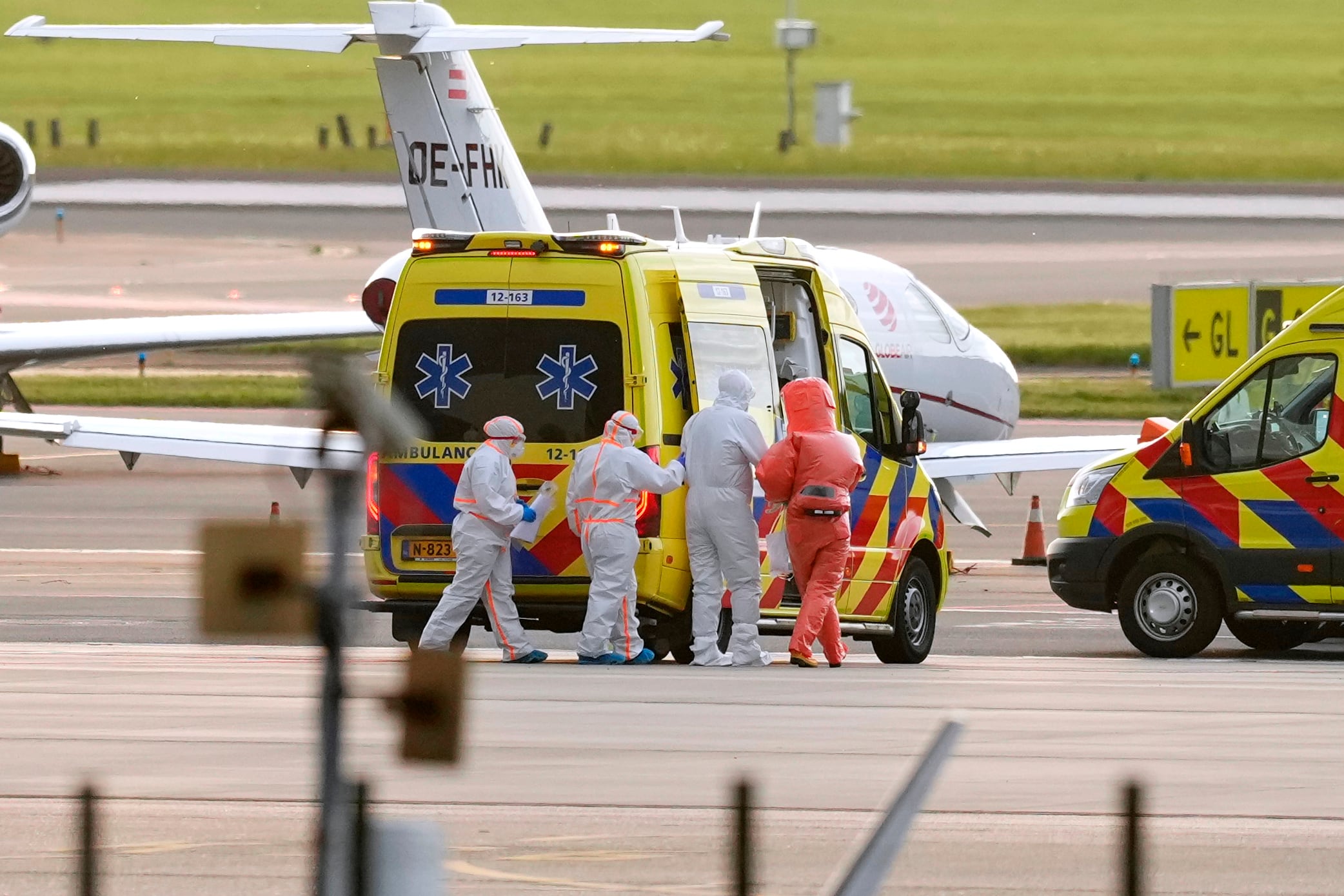
Medical personnel escort patients evacuated from the MV Hondius cruise ship at Schiphol Airport, Amsterdam, this Wednesday.
❌
Subscriptions