Normal view

  • ✇El País in English
  • Immunotherapy rejuvenates the lungs and shows a new way to eliminate aged cells Nuño Domínguez
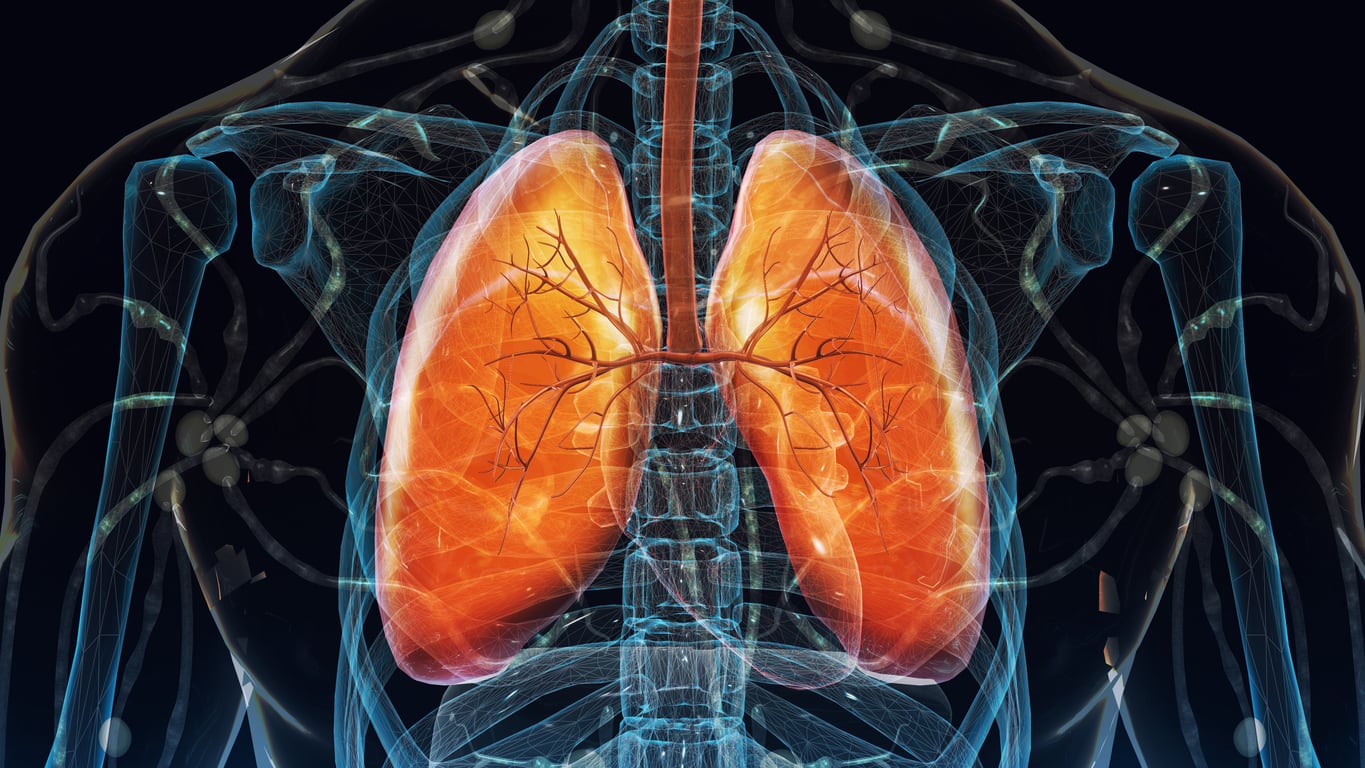
    One of the main drivers of aging is the accumulation of aged cells in tissues. For reasons not entirely understood, with age, the body accumulates senescent cells that do not die, and that benefit one of the suspected culprits behind the body’s deterioration over the years: inflammation. Now, a team led by Harvard University researcher David Lagares has found a possible way to reverse this process in the lungs, one of the organs whose cells deteriorate over time and can lead to diseases such as
     

Immunotherapy rejuvenates the lungs and shows a new way to eliminate aged cells

14 May 2026 at 14:39

One of the main drivers of aging is the accumulation of aged cells in tissues. For reasons not entirely understood, with age, the body accumulates senescent cells that do not die, and that benefit one of the suspected culprits behind the body’s deterioration over the years: inflammation. Now, a team led by Harvard University researcher David Lagares has found a possible way to reverse this process in the lungs, one of the organs whose cells deteriorate over time and can lead to diseases such as fibrosis, an incurable condition that primarily affects people over 65.

Seguir leyendo

© iStock

Hantavirus brings back old conspiracy theories: It’s not a new pandemic, nor a mystery virus, nor cured with zinc

The hantavirus outbreak on the luxury cruise ship MV Hondius has reignited old hoaxes and conspiracy theories on social media. As with the COVID-19 pandemic in 2020, hordes of misinformation and seemingly serious claims, lacking any scientific basis, have once again spread around this new outbreak, which is of a completely different scale and nature than the pandemic of six years ago.

Seguir leyendo

© @DrTedros

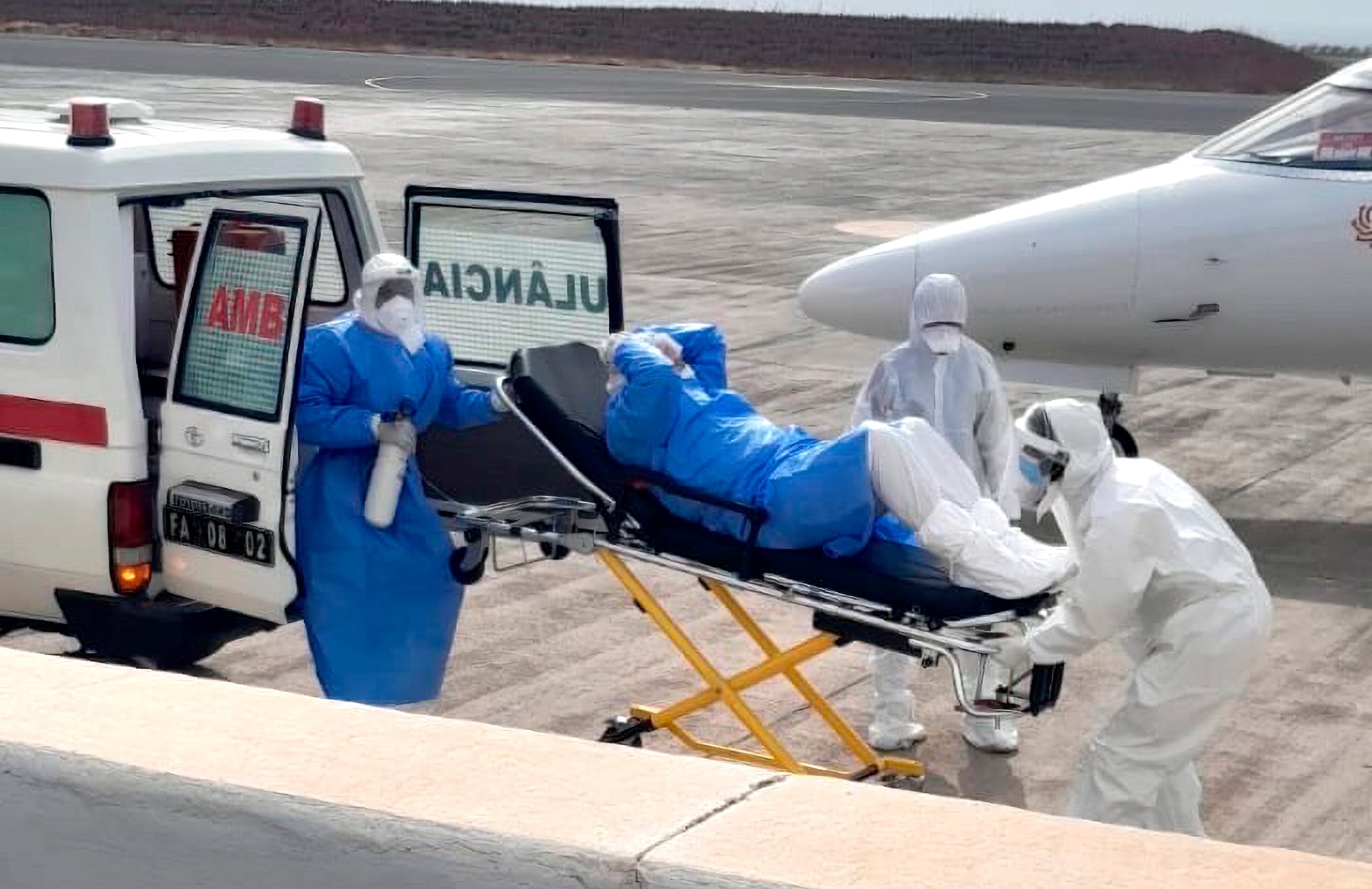
A passenger with symptoms of hantavirus infection is evacuated from the ship yesterday in Praia.

How was hantavirus transmitted? A visual explanation of the ‘MV Hondius’ outbreak

The first patient involved in the hantavirus outbreak boarded a ship in Ushuaia, Argentina, unaware that he was carrying the virus that would trigger a health crisis. The passenger and his wife, both Dutch, had been traveling around Argentina for weeks before boarding the MV Hondius, an expedition ship. The leading hypothesis is that they “were infected off the ship,” according to the WHO.

Seguir leyendo

  • ✇El País in English
  • Why hantavirus bears little resemblance to Covid-19 Pablo Linde
    Fernando Simón’s reappearance in some media outlets, claiming that the risk of hantavirus is “very low” for Spain, has reminded many people of the initial public statements made by the director of Spain’s Coordination Center for Health Alerts and Emergencies (CCAES) before Covid-19 became a pandemic. While infectious diseases do have a degree of unpredictability, this situation is completely different; hantavirus bears little resemblance to SARS-CoV-2.Seguir leyendo
     

Why hantavirus bears little resemblance to Covid-19

6 May 2026 at 13:34

Fernando Simón’s reappearance in some media outlets, claiming that the risk of hantavirus is “very low” for Spain, has reminded many people of the initial public statements made by the director of Spain’s Coordination Center for Health Alerts and Emergencies (CCAES) before Covid-19 became a pandemic. While infectious diseases do have a degree of unpredictability, this situation is completely different; hantavirus bears little resemblance to SARS-CoV-2.

Seguir leyendo

© Susan Montoya Bryan (AP)

Frannie Twohig, a researcher and doctoral candidate, prepares samples of inactivated material as part of hantavirus research at the Center for Global Health at the University of New Mexico Health Sciences Center in Albuquerque, May 4.
❌
Subscriptions