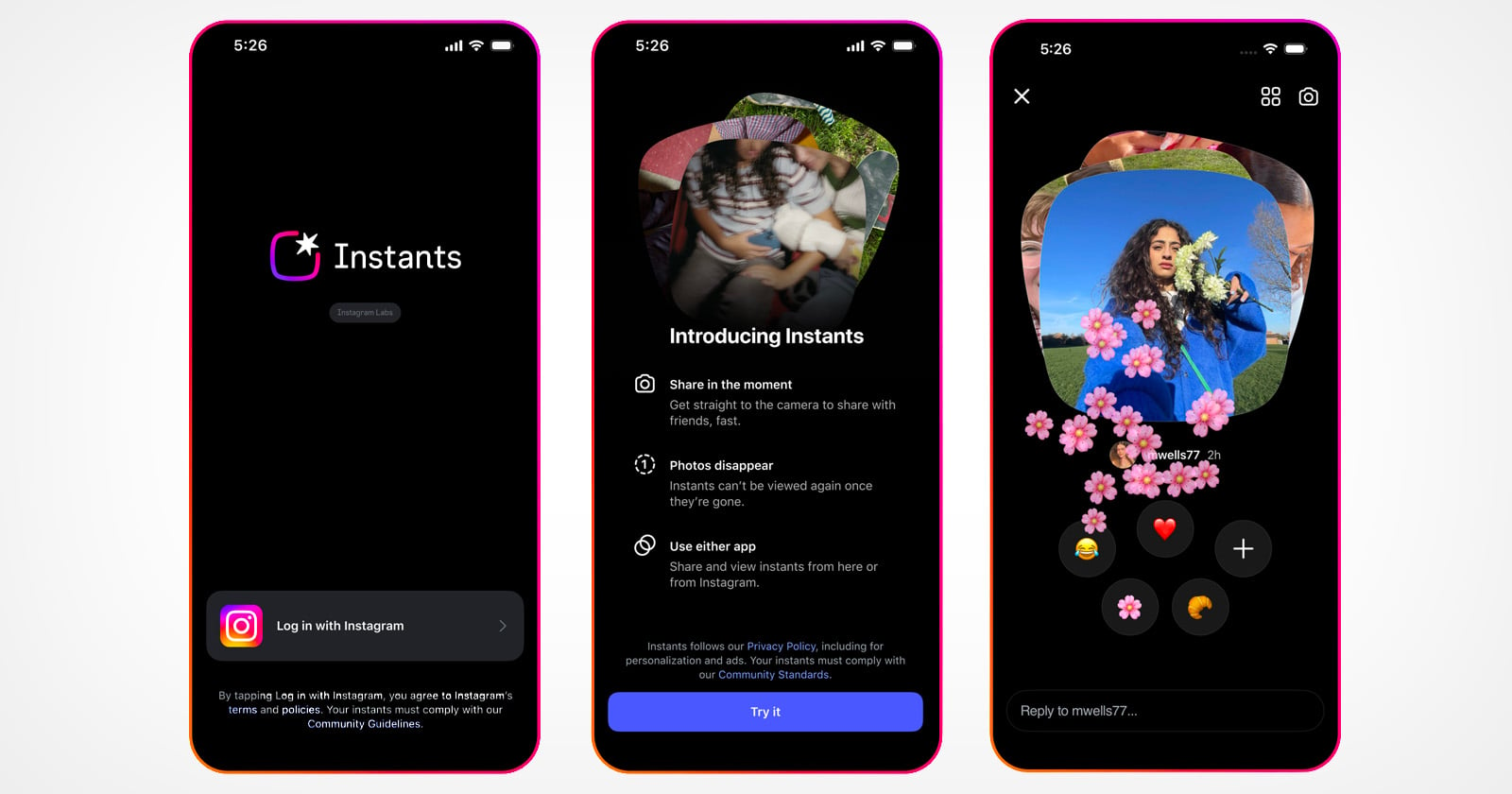
Instagram has launched a new feature called Instants, a disappearing photo-sharing system designed around fast, unedited sharing with close friends. Available both inside Instagram and through a new standalone Instants app, the feature pushes even further into real-time photography and casual social sharing, with a strong emphasis on authenticity and privacy.
[Read More]
Instagram has launched a new feature called Instants, a disappearing photo-sharing system designed around fast, unedited sharing with close friends. Available both inside Instagram and through a new standalone Instants app, the feature pushes even further into real-time photography and casual social sharing, with a strong emphasis on authenticity and privacy.
Chris Brown isn’t begging for anyone to like his music.
After Pitchfork called his new album Brown “a real piece of s--t" the “Beg for It” singer didn’t hold back, shared his expletive-filled...
Chris Brown isn’t begging for anyone to like his music.
After Pitchfork called his new album Brown “a real piece of s--t" the “Beg for It” singer didn’t hold back, shared his expletive-filled...
A man has been ordered to pay Kim Kardashian more than $167,000 in legal fees after he sued her for mistakenly posting his photo on Instagram and falsely identifying him as a Texas death row inmate.
[Read More]
A man has been ordered to pay Kim Kardashian more than $167,000 in legal fees after he sued her for mistakenly posting his photo on Instagram and falsely identifying him as a Texas death row inmate.
YouTube, TikTok, and Instagram are facing a flood of AI-generated content aimed at children. It’s easy and quick to create, and production is rampant. But it has the inherent flaws of AI-generated video: visual inconsistencies, narrative gaps, and a lack of realism. While it’s still too early for comprehensive studies, experts have already raised concerns about the impact of these videos on children’s cognitive development.Seguir leyendo
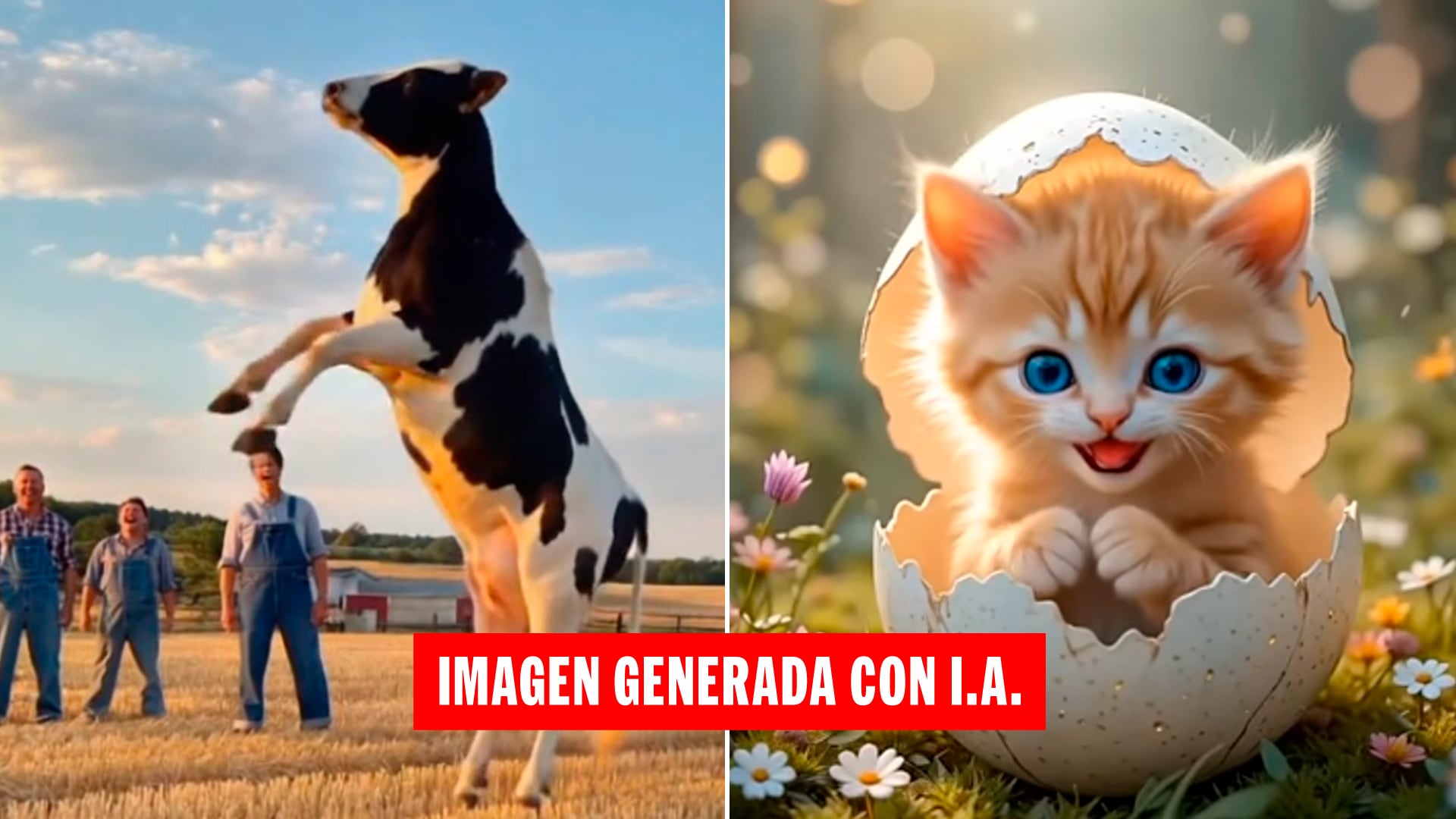
YouTube, TikTok, and Instagram are facing a flood of AI-generated content aimed at children. It’s easy and quick to create, and production is rampant. But it has the inherent flaws of AI-generated video: visual inconsistencies, narrative gaps, and a lack of realism. While it’s still too early for comprehensive studies, experts have already raised concerns about the impact of these videos on children’s cognitive development.
Social media has turned into a kind of teleshopping channel where almost everyone presents themselves as an expert. It’s become a breeding ground for health products and hacks — many of them unsupported by evidence or backed by evidence that is forced or taken out of context. With minimal effort, these tricks promise users better health and fixes for problems such as lack of sleep, a widespread issue that, according to recent data from the Centers for Disease Control and Prevention (CDC), affect
Social media has turned into a kind of teleshopping channel where almost everyone presents themselves as an expert. It’s become a breeding ground for health products and hacks — many of them unsupported by evidence or backed by evidence that is forced or taken out of context. With minimal effort, these tricks promise users better health and fixes for problems such as lack of sleep, a widespread issue that, according to recent data from the Centers for Disease Control and Prevention (CDC), affects around one in three U.S. adults.
Meta has threatened to shut down Instagram, Facebook, and WhatsApp in New Mexico amid a child safety court battle, as state prosecutors push for fundamental changes to the company’s social media platforms.
[Read More]
Meta has threatened to shut down Instagram, Facebook, and WhatsApp in New Mexico amid a child safety court battle, as state prosecutors push for fundamental changes to the company’s social media platforms.
In April 2011, content creator Julia Berolzheimer launched her Instagram account and blog. More than 15 years later, she occupies a prominent place in a saturated and competitive world. She boasts nearly 1.5 million followers on Instagram and is recognized on Substack as one of the 10 most influential authors in the fashion and beauty category with her “Trade Offs” posts. Therefore, her voice carries weight. That’s why, when she published a lengthy post on Substack last February titled “Instagra
In April 2011, content creator Julia Berolzheimer launched her Instagram account and blog. More than 15 years later, she occupies a prominent place in a saturated and competitive world. She boasts nearly 1.5 million followers on Instagram and is recognized on Substack as one of the 10 most influential authors in the fashion and beauty category with her “Trade Offs” posts. Therefore, her voice carries weight. That’s why, when she published a lengthy post on Substack last February titled “Instagram Is Stealing Our Content to Sell Knockoffs — and Yours Could Be Next,” it quickly went viral. According to Berolzheimer, the social network had used images of her posted on the platform to sell products associated with her name. Through the “Shop the look” button, the app recommended products similar to those featured in the image. The problem is that these products, linked to the influencer’s image, weren’t recommended by her at all, but by the social network itself. “When followers click on it Instagram serves them product suggestions generated by AI. Not my affiliate links. Not brands I chose. Not products I’d recommend,” she writes. She adds that, while her look consisted of “pieces I’d carefully selected from designers I love and personally support,” the purchase suggestions provided by the social network were “cheap knockoffs and random items from brands I’ve never heard of, attached to my image, under my name.” Berolzheimer, according to her account, was unaware of this until one of her followers alerted her. And she discovered that it wasn’t an isolated incident, but a new feature in testing mode, implemented only for some users. The influencer also points out that if that purchase button generated any sales and any profit, she received nothing: “They’re using my images to sell products for their own profit.”

 Login
Login