An exhibition commemorates the 70th anniversary of the landmark publication of Gordon Parks’ color images of the segregated South in Life magazine
[Read More]
SINGAPORE: An Indian content creator living in Singapore has received a lot of attention after her recent Instagram video, where she highlighted the fact that picking fruit that fell from public trees can come at a very high price.
“Mango / $5000 fine #Singapore #Indian currency 3.74 lakhs,” wrote Priyanka Sinha (@ppriyankasinha) in the caption of her May 9 post.
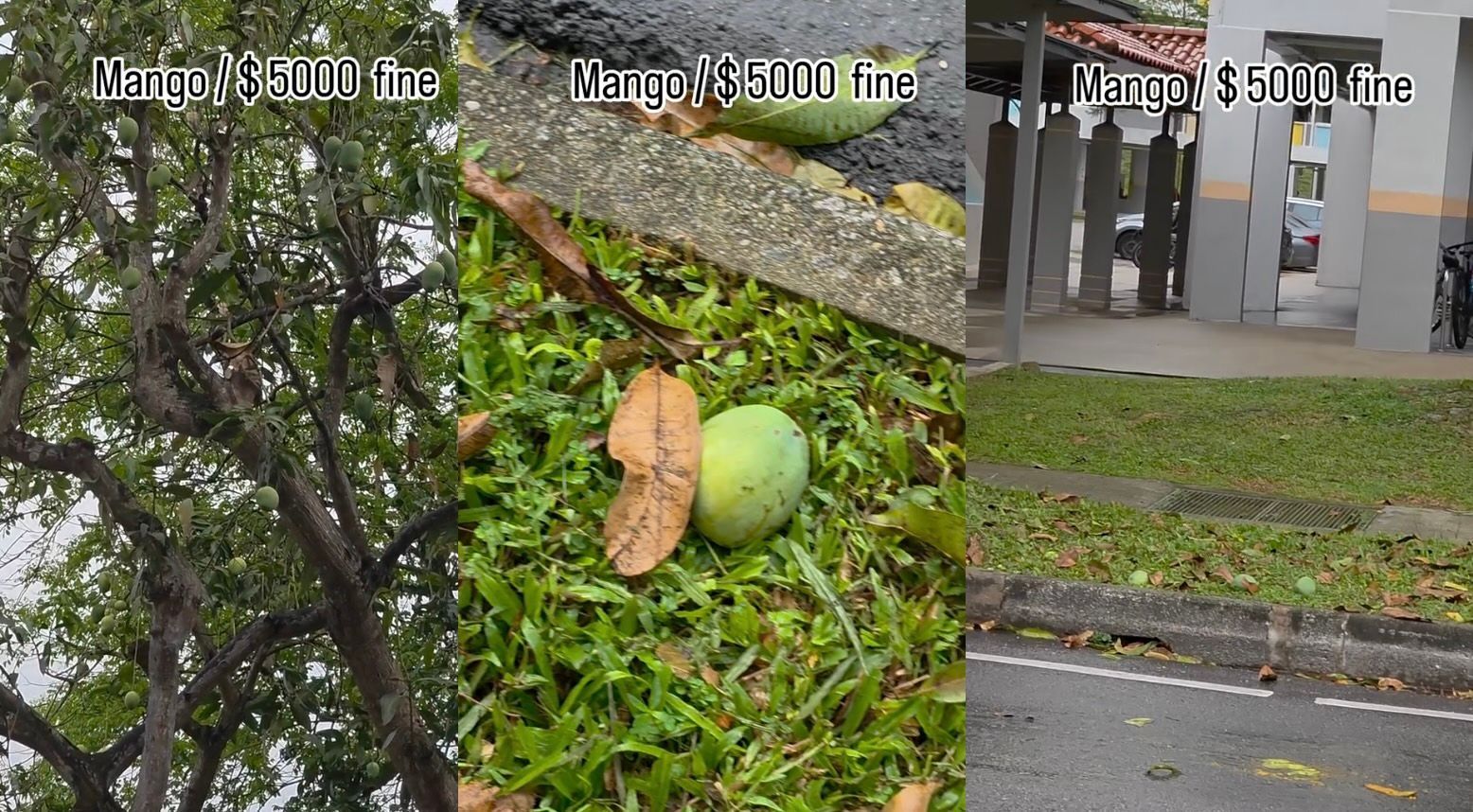
In it, she showed fallen mangoes on what appeared to be the grounds of an HDB block, as well as those that are still on a tree.
Her po
SINGAPORE: An Indian content creator living in Singapore has received a lot of attention after her recent Instagram video, where she highlighted the fact that picking fruit that fell from public trees can come at a very high price.
“Mango / $5000 fine #Singapore #Indian currency 3.74 lakhs,” wrote Priyanka Sinha (@ppriyankasinha) in the caption of her May 9 post.
In it, she showed fallen mangoes on what appeared to be the grounds of an HDB block, as well as those that are still on a tree.
Her post seems to have puzzled other Instagram users, who asked about the reason why people would be fined for picking the fruit.
A couple of commenters wrote that “India is the best,” where the laws aren’t as strict as they are in Singapore. The post created quite a stir in India, where it was covered by a number of local media outlets.
Since it’s mango season in Singapore as well as other parts of Asia, including India, Ms Sinha’s warning is a timely one for those who may be unaware that under the city-state’s Parks and Trees Act, fruit growing on public land is considered government property. You can neither collect fruit that falls to the ground nor pluck fruits that are still on trees without permission from the National Parks Board (NParks). Otherwise, as she pointed out, people may face fines of up to S$5,000.
The law does not just apply to fruit, however, since even cutting the leaves of plants found on public ground is not permitted.
In January 2018, a worker from Bangladesh was seen taking leaves from a Syzygium myrtifolium tree, which is also known as the Kelat Oil or Red Lip tree. After pictures of a notice of offence that he had been issued were shared on social media, his employer appealed to NParks on his behalf, and his composition fine was reduced to a warning.
Other offenders have not been so lucky. An individual who took two Kopsia singapurensis saplings, which are critically endangered, was slapped with a S$3,000 fine.
In 2019, Lawrence Wong, who was then Minister of National Development, said in Parliament, “NParks manages most of the trees on state land. Members of the public who wish to pluck fruit from trees, or collect fruit that has dropped from trees on state land, should approach NParks for permission.” /TISG
The Hong Kong government has introduced a string of measures to manage ecotourism hotspots in Sai Kung and Lantau Island, as a surge in visitors is expected during China’s upcoming Golden Week holiday.
The Agriculture, Fisheries and Conservation Department (AFCD) said in a statement on Wednesday that it would deploy drones and additional staff to patrol several hotspots – including Sharp Island and High Island Reservoir’s East Dam in Sai Kung, as well as Shui Hau on Lantau – from Friday to T
The Hong Kong government has introduced a string of measures to manage ecotourism hotspots in Sai Kung and Lantau Island, as a surge in visitors is expected during China’s upcoming Golden Week holiday.
The Agriculture, Fisheries and Conservation Department (AFCD) said in a statement on Wednesday that it would deploy drones and additional staff to patrol several hotspots – including Sharp Island and High Island Reservoir’s East Dam in Sai Kung, as well as Shui Hau on Lantau – from Friday to Tuesday.
Large crowds at Sharp Island, Sai Kung, on October 1, 2025. Photo: Greenpeace.
The announcement comes two days before Labour Day, a public holiday in Hong Kong and the start of a five-day Golden Week holiday in mainland China.
“In addition, the AFCD will conduct joint patrols with the Food and Environmental Hygiene Department (FEHD) during the holiday to remind visitors not to litter, and the FEHD will also strengthen the cleaning of public areas on the island,” it said. “The AFCD will conduct joint sea patrols with the Marine Department and the Police to maintain order.”
The government has faced criticism over its management of ecological hotspots, especially after overtourism and visitors’ environmentally degrading behaviour during last year’s Golden Week holiday.
Jim Chu, assistant director at AFCD, said on RTHK on Wednesday that authorities expected 1,000 people to descend on Sharp Island daily during the Labour Day Golden Week – far higher than the average of 600 to 800 visitors during regular weekends and public holidays.
Sharp Island, Shui Hau
The coastal areas of Sharp Island and Shui Hau on Lantau Island are currently not designated as country parks, marine parks, or marine reserves, the AFCD said in the statement.
It also said it had installed footfall counters at the pier of Sharp Island and in Shui Hau to monitor visitor numbers and would set up booths and distribute leaflets to educate tourists about environmental protection and conservation.
“The AFCD is currently promoting environmental protection awareness among visitors through various publicity and educational efforts,” it said.
AFCD drone monitoring above the Po Pin Chau viewing platform near the East Dam of High Island Reservoir in Sai Kung. Photo: GovHK.
The AFCD will also cooperate with the WWF-Hong Kong to set up public education booths.
AFCD staff will “explain or advise” visitors if they display any potential behaviour that could cause ecological damage, such as damaging, disturbing, feeding, or collecting marine life, or entering the water near corals.
Greenpeace criticised the measures this week, saying they were advisory and lacked deterrence, describing them as “a toothless tiger.”
According to the NGO, the government is promoting 22 sites with high ecological value as tourist attractions, but they are not protected by Hong Kong’s environmental ordinances because they lie outside designated country parks and marine parks.
Sai Kung campsites
The AFCD also said it would step up monitoring of campsites at Ham Tin Wan, Sai Wan, and Long Ke Wan in Sai Kung East Country Park to reduce littering and maintain cleanliness.
AFCD staff member promoting environmental protection in a countryside campsite in Hong Kong. Photo: GovHK.
“The AFCD will deploy additional staff day and night to patrol, be stationed, enforce regulations against violations, and use drones and CCTV systems to assist in monitoring the campsites,” it said.

 Login
Login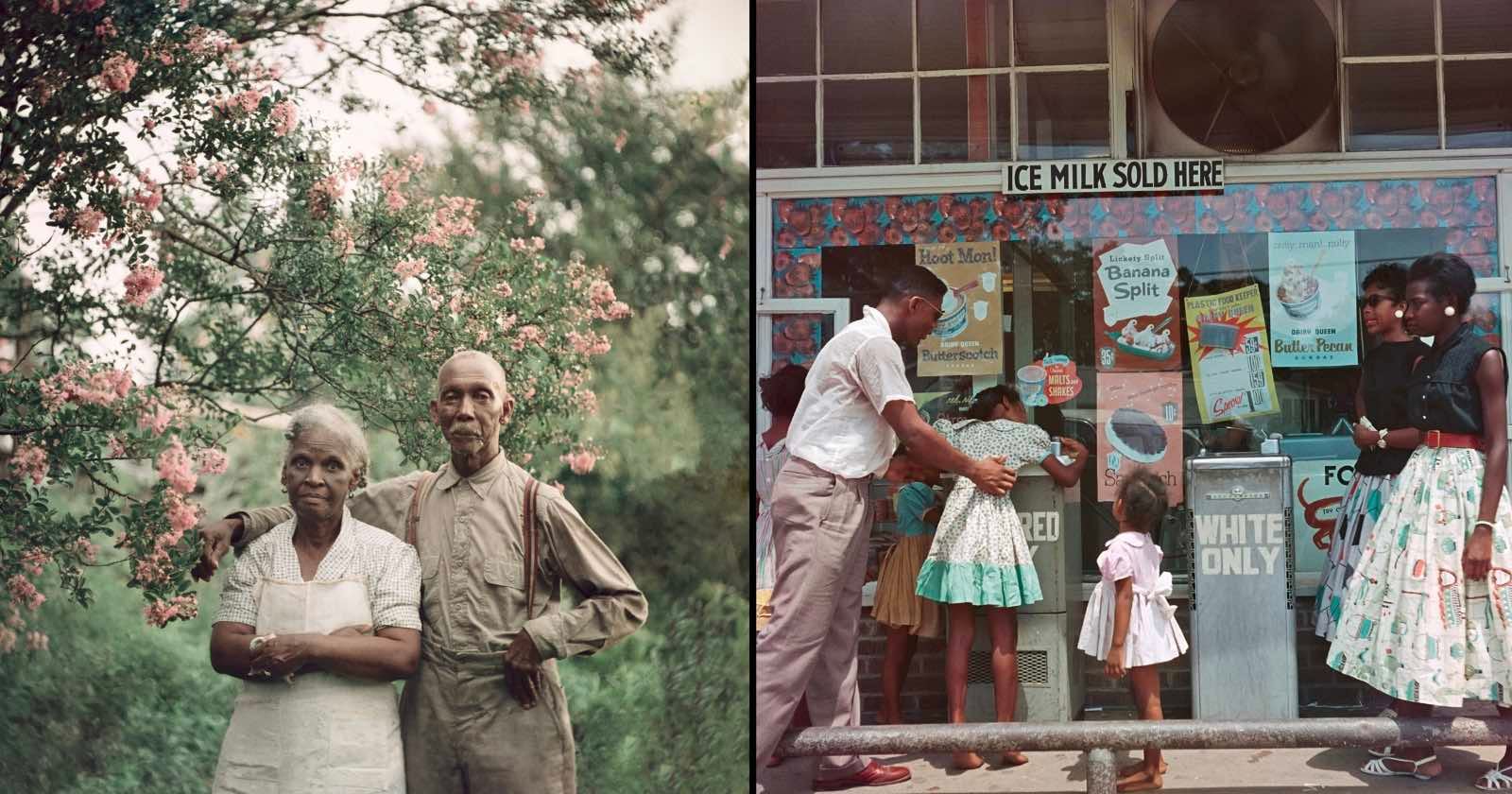


:max_bytes(150000):strip_icc():format(jpeg)/thrillz-indoor-park216-05152026-f1ac0f44f49740009d83809109a3eac4.jpg)
:max_bytes(150000):strip_icc():format(jpeg)/celebrities-at-disney-051226-59de6530d4584d38bc551b5a3df6a6f6.jpg)
:max_bytes(150000):strip_icc():format(jpeg)/Meghan-Markle-with-family-051126-d5c784a798964bc6aead1d58e04b8d3b.jpg)

:max_bytes(150000):strip_icc():format(jpeg)/Phaedra-Parks-two-Kids-All-About-Her-Sons-Ayden-and-Dylan-tout-6991791aa7994a4bbdfc2b717c6b0130.jpg)

