Normal view

  • ✇El País in English
  • Washington describes protests in Bolivia as an attempted ‘coup d’état’ Macarena Vidal Liy
    The protests in Bolivia against the government of Rodrigo Paz — which began with a series of strikes earlier this month and have erupted into a nationwide movement, particularly in La Paz, the seat of government — represent an attempt at a “coup d’état.” That was the unequivocal statement made on Tuesday by U.S. Assistant Secretary of State Christopher Landau, after revealing that he had just spoken by phone with Bolivia’s conservative president.Seguir leyendo
     

Washington describes protests in Bolivia as an attempted ‘coup d’état’

20 May 2026 at 13:50

The protests in Bolivia against the government of Rodrigo Paz — which began with a series of strikes earlier this month and have erupted into a nationwide movement, particularly in La Paz, the seat of government — represent an attempt at a “coup d’état.” That was the unequivocal statement made on Tuesday by U.S. Assistant Secretary of State Christopher Landau, after revealing that he had just spoken by phone with Bolivia’s conservative president.

Seguir leyendo

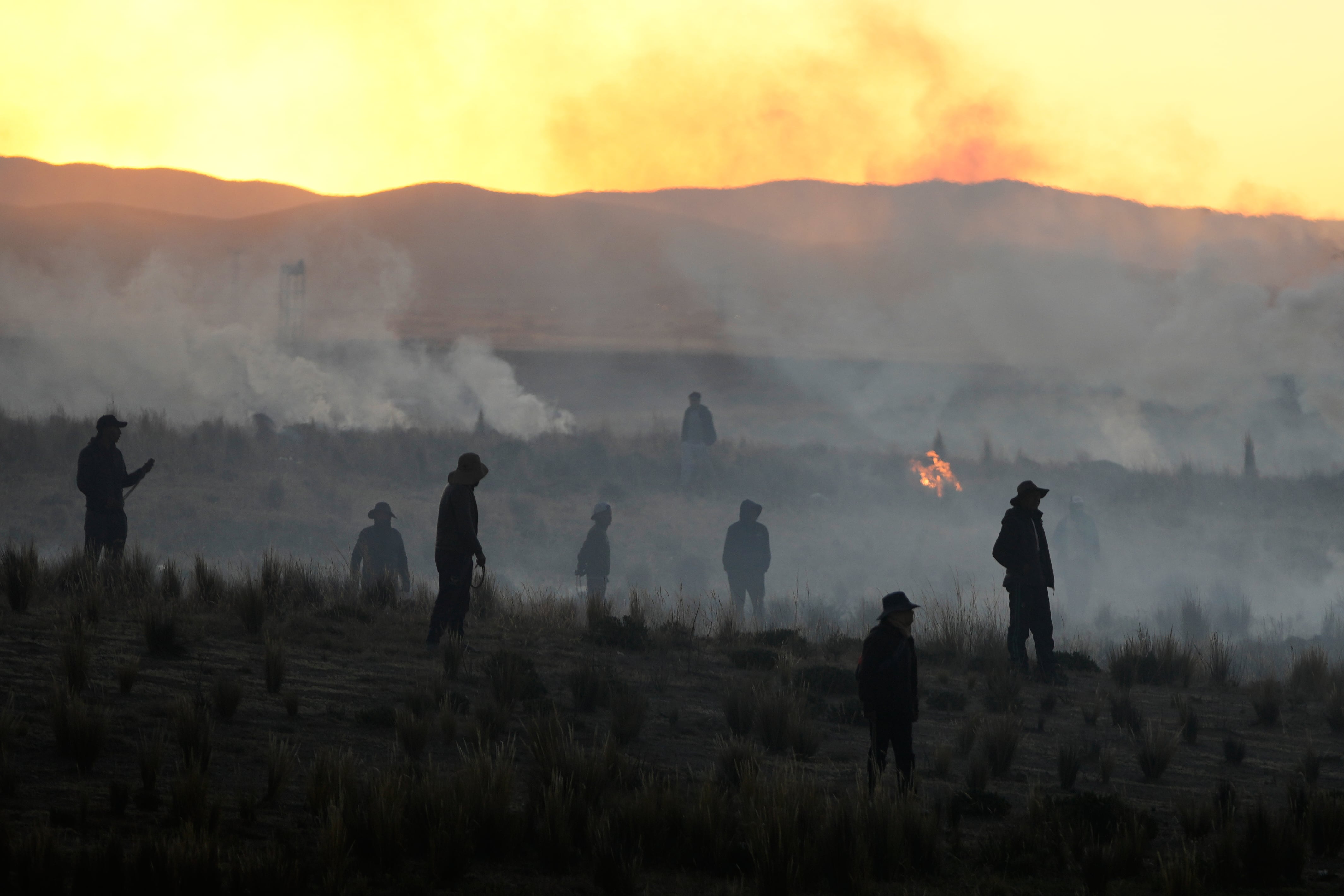
© Juan Karita (AP Photo/Juan Karita)

Anti-government protests near El Alt, Bolivia, on May 16.

Massive protest against cuts to public universities in Argentina: ‘It is our future as a society, as a people’

13 May 2026 at 11:12

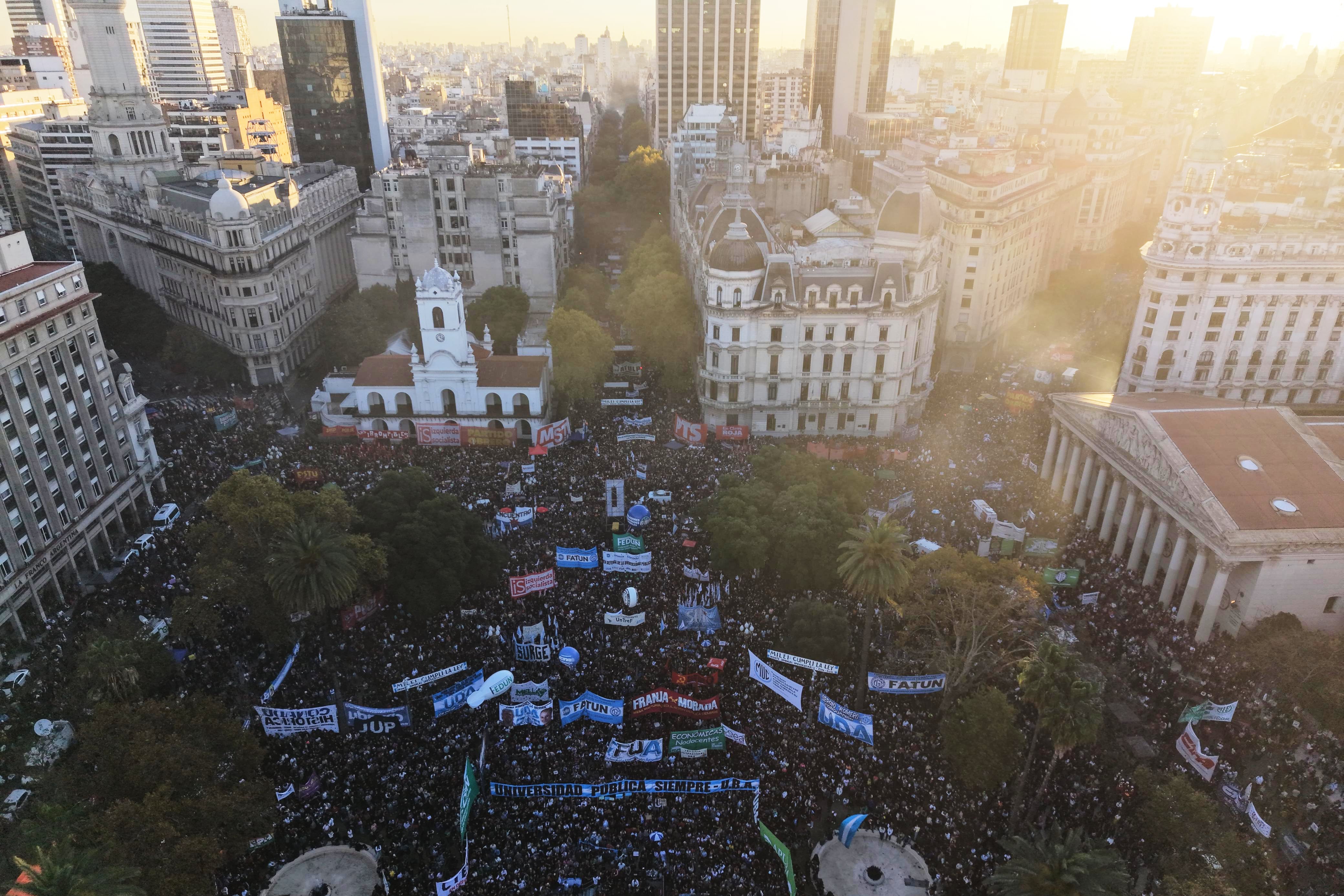
Enormous banners erected across Plaza de Mayo and the surrounding avenues in downtown Buenos Aires repeated the same slogan: “Milei, comply with the law.” Hundreds of thousands of people chanted it this Tuesday as they marched to demand that Argentina’s hardline government halt its cuts to public universities and release the funds approved by Congress. “The funding of the national university system is in a critical state, and the main cause is that the national government is failing to comply with the basic democratic and constitutional rule: to uphold the university funding law, which establishes a minimum level of resources that ensures the normal functioning of the system,” denounced academic authorities, faculty members and students in a joint statement read at the main protest event. The administration of Javier Milei labeled the federal university march an “opposition act” and reiterated that it will not release the requested funds.

Seguir leyendo

© Rodrigo Abd (AP)

Aerial view of the protest in Buenos Aires, this Tuesday.

In Argentina, professors, students and university authorities march against Milei’s cuts

12 May 2026 at 09:01

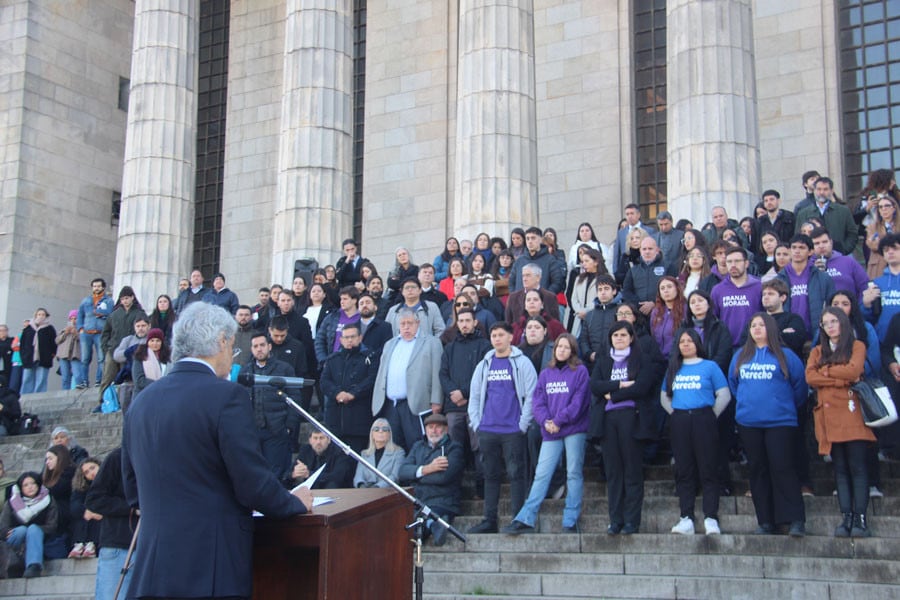
On Avenida Córdoba, one of Buenos Aires’ busiest avenues, one lane remains closed. With desks set up on the asphalt, about 50 economics students listen to a professor who, while sketching on a plastic whiteboard, tries to rise above the noise of cars and buses. The same scene was repeated this Monday on different streets and squares in the Argentine capital, as well as in other cities across the country.

Seguir leyendo

© UBA

Dean Leandro Vergara gives a public lecture on the steps of the Law School on Monday.

‘Hondurasgate,’ the alleged US and Israeli interference plot to destabilize Mexico and other progressive governments

7 May 2026 at 11:57

The United States and Israel, with the help of Honduras, are allegedly positioning themselves on the geopolitical chessboard to control spheres of influence in Latin America. The news outlet Diario Red en América Latina and the website Hondurasgate have revealed, in an investigation based on leaked audio recordings, the interventionist intentions of leaders of the global right. One piece of evidence, released at the end of April, claims that former Honduran president Juan Orlando Hernández, pardoned by Donald Trump from his 45-year sentence for drug trafficking — with the support of the Republican president himself, his Argentine counterpart Javier Milei, and the current Honduran administration — are conspiring to create a channel for disseminating fake news with the intention of spreading misinformation and destabilizing the governments of Brazil, Colombia, and Mexico.

Seguir leyendo

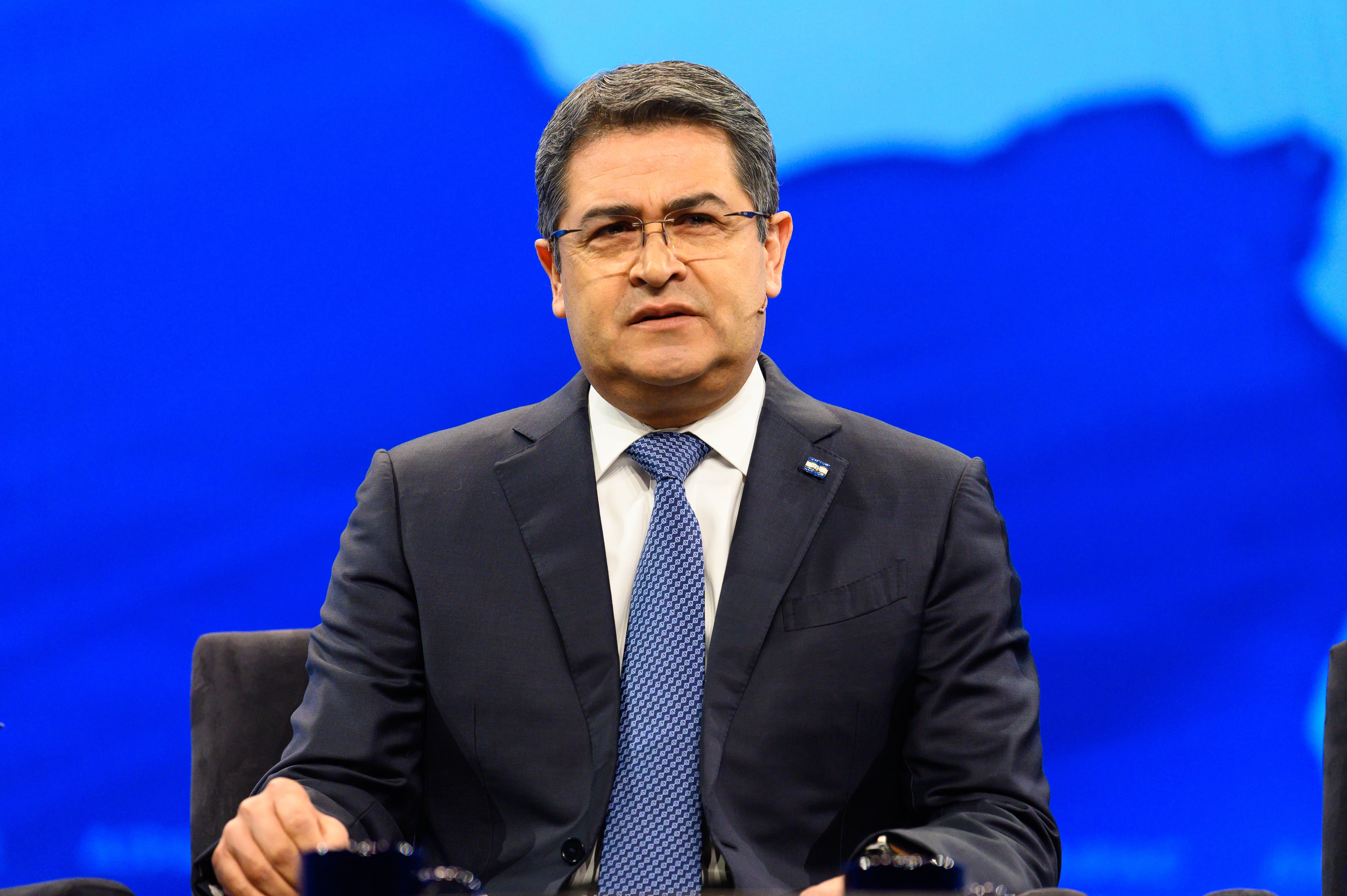
© Michael Brochstein (LightRocket vía Getty Images)

Juan Orlando Hernández in Washington on March 24, 2018.
  • ✇El País in English
  • Trips, properties, and cash payments: Suspicions of corruption plague Milei’s chief of staff Javier Lorca
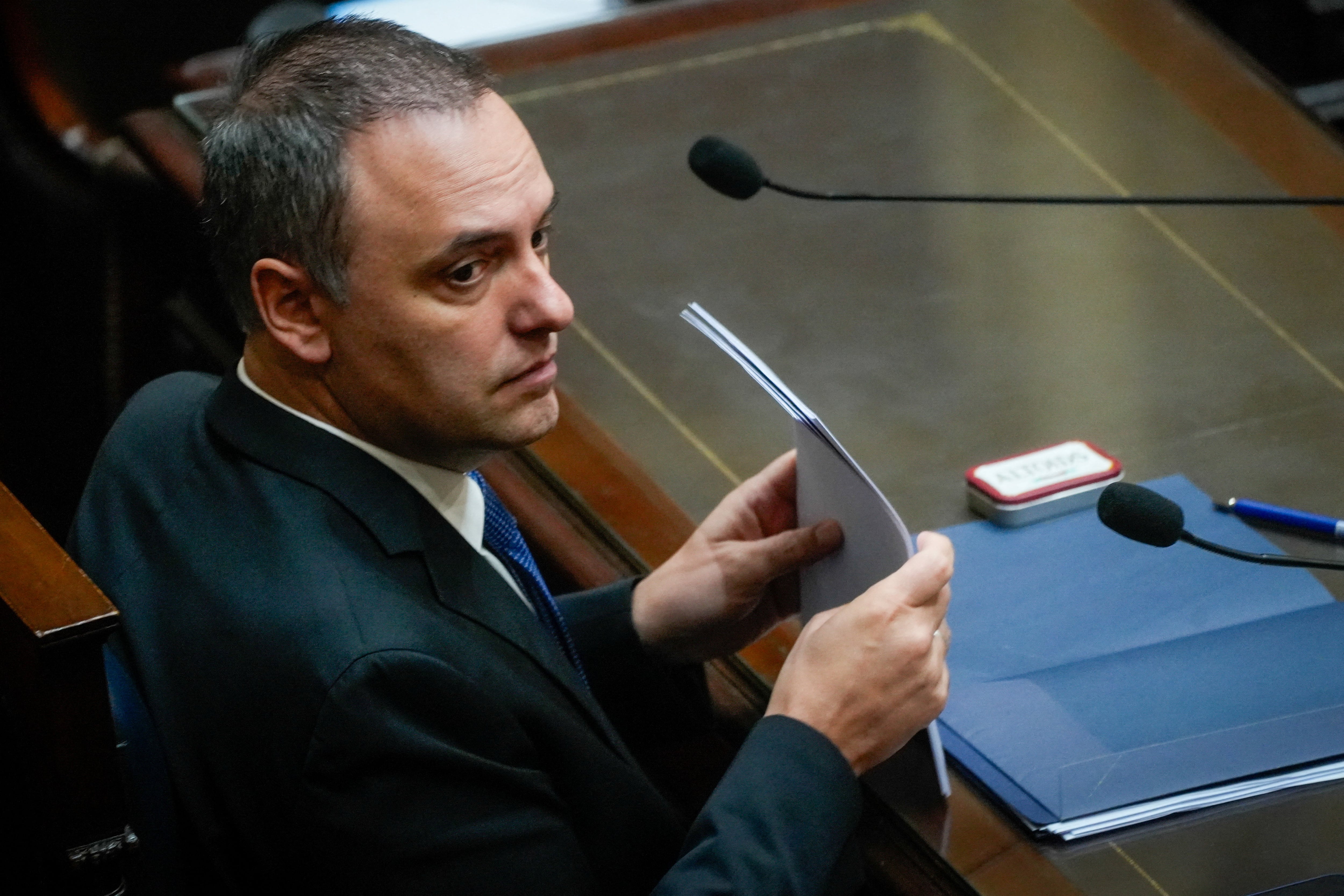
    Corruption cases continue to plague Javier Milei’s government. Cabinet Chief Manuel Adorni reappeared before the local press on Monday and denied illicit enrichment, but just minutes after his statement, new developments emerged in the legal case investigating him: a supplier testified that Adorni paid him $245,000 in cash without an invoice for lavish renovations on one of the properties he has acquired since becoming a public official. Meanwhile, a new scandal has reached the courts regarding
     

Trips, properties, and cash payments: Suspicions of corruption plague Milei’s chief of staff

5 May 2026 at 12:23

Corruption cases continue to plague Javier Milei’s government. Cabinet Chief Manuel Adorni reappeared before the local press on Monday and denied illicit enrichment, but just minutes after his statement, new developments emerged in the legal case investigating him: a supplier testified that Adorni paid him $245,000 in cash without an invoice for lavish renovations on one of the properties he has acquired since becoming a public official. Meanwhile, a new scandal has reached the courts regarding millions of dollars in irregular expenses detected at Nucleoeléctrica Argentina, the company that operates Argentina’s nuclear power plants. These expenditures include payments for five-star hotels, beach services, hair salons, bars, duty-free shops, and cash withdrawals.

Seguir leyendo

© Mariana Nedelcu (REUTERS)

Manuel Adorni at the National Congress in Buenos Aires, April 29.

In Argentina, corruption scandals encircling Milei’s government come before Congress

29 April 2026 at 13:31

Argentina’s chief of Cabinet, Manuel Adorni, has become a liability for President Javier Milei. The luxury trips he took with his family and the properties he purchased after entering government are under judicial investigation and have tanked his public image, which is now the worst among all ministers: seven in 10 Argentines disapprove of him.

Seguir leyendo

© Agustin Marcarian (REUTERS)

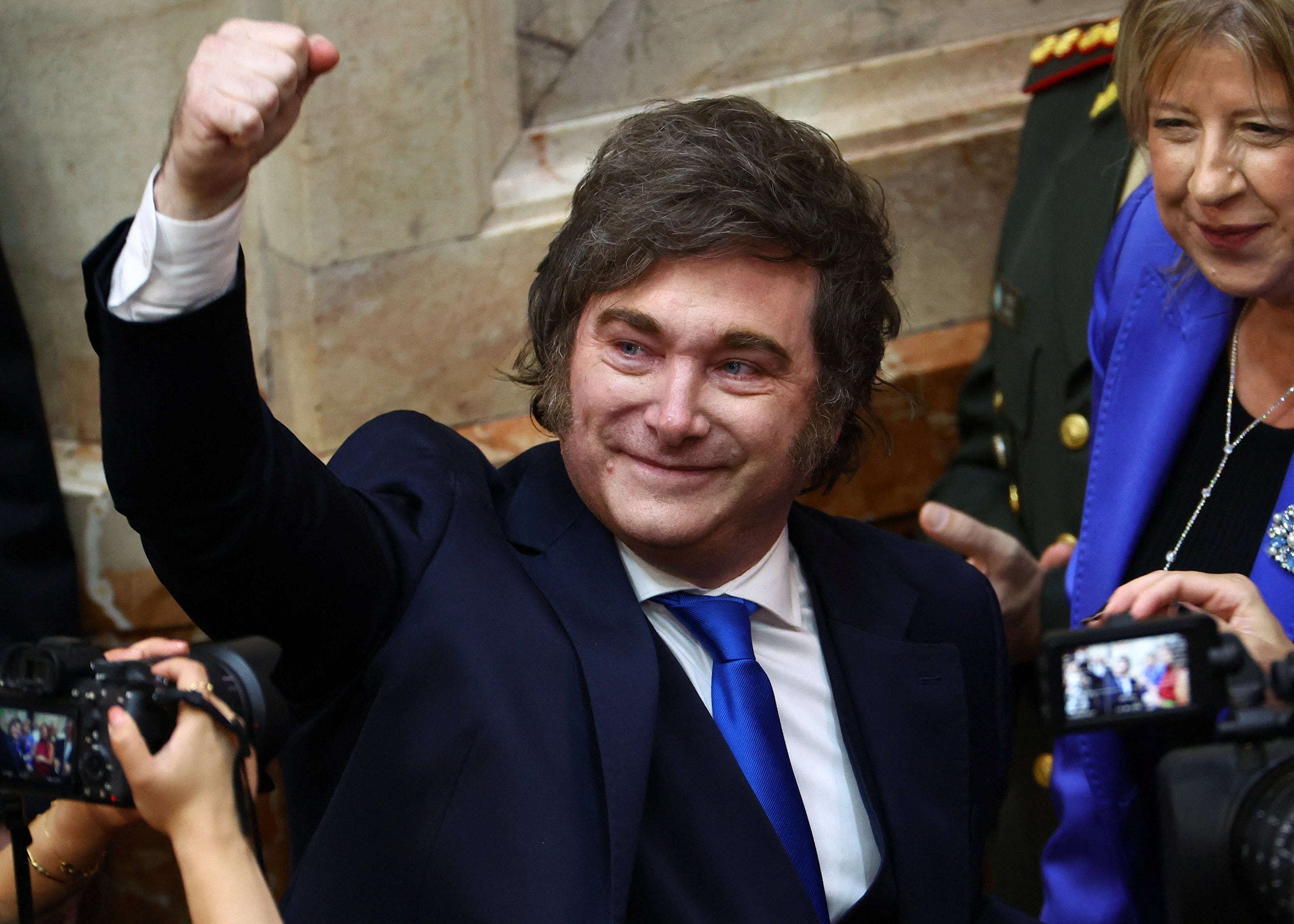
Javier Milei at the Congress of Argentina, on March 1.

World Bank prepared to guarantee up to $2 billion in loans for Argentina

17 April 2026 at 23:02
World Bank President Ajay Banga (left) with Argentina’s Economy Minister Luis Caputo (right) Image Source: Luis Caputo via X

Buenos Aires, Argentina – The World Bank announced on Thursday that it is preparing to back up to US$2 billion worth of loans in order to help Argentina refinance its debt at a lower cost.

The loans – which Argentina is negotiating with private banks – would be repayable over six years, and would be almost fully backed by two World Bank institutions: the International Bank for Reconstruction and Development and the Multilateral Investment Guarantee Agency, Bloomberg reported.

Meanwhile, the IMF is gearing up to disburse another US$1 billion of the $20 billion it had made available to the country last year, as the White House rallies support for its ally, Argentine President Javier Milei. 

The guarantee will come as welcome news for Milei, who has seen his approval drop to a low of 36.4% in recent polls as monthly inflation soared to its highest rate in a year

The World Bank’s announcement followed a meeting between Argentina’s Economy Minister Luis Caputo and World Bank President Ajay Banga. 

Caputo posted a photo with Banga on social media after the announcement, captioned “Thank you Ajay and team!”

The minister is currently in Washington for IMF meetings, as he looks for funding in order to refinance Argentina’s debt. He told investors earlier this week that Milei’s government will not need to access global capital markets this year due to cheaper financing options.

Argentina is reportedly negotiating an interest rate of about 5%, which would be a far better outcome than the 9% bond yields that it faces if it returns to global capital markets. 

A separate agreement was reached with the IMF on Wednesday, which will see Argentina gain access to US$1 billion if approved by the organization’s executive board. 

The country already has an ongoing US$20 billion IMF program and access to an additional US$20 billion through a swap line with the U.S. Treasury.

In the World Bank Group’s announcement released on Thursday, it also “reaffirmed its strong support for Argentina’s reform efforts to strengthen the conditions for growth, investment, and job creation, including measures to improve financing conditions and reinforce market and investor confidence.”

The post World Bank prepared to guarantee up to $2 billion in loans for Argentina appeared first on Argentina Reports.

The post World Bank prepared to guarantee up to $2 billion in loans for Argentina appeared first on Latin America Reports.

  • ✇Latin America Reports
  • Politicized memory dominates 50th anniversary of Argentina’s military coup Louis Brettkelly
    Tens of thousands of people descended Tuesday onto the Plaza de Mayo under a clear Buenos Aires sky to mark 50 years since the 1976 military coup that triggered seven years of brutal dictatorship.  From 1976 until the return of democracy in 1983, human rights organizations estimate that 30,000 people were killed; leftists, students, trade unionists were tortured, bound and tossed from helicopters into the Atlantic, pregnant women were imprisoned until giving birth, then executed, their childr
     

Politicized memory dominates 50th anniversary of Argentina’s military coup

24 March 2026 at 23:39

Tens of thousands of people descended Tuesday onto the Plaza de Mayo under a clear Buenos Aires sky to mark 50 years since the 1976 military coup that triggered seven years of brutal dictatorship. 

From 1976 until the return of democracy in 1983, human rights organizations estimate that 30,000 people were killed; leftists, students, trade unionists were tortured, bound and tossed from helicopters into the Atlantic, pregnant women were imprisoned until giving birth, then executed, their children kidnapped by military families.

Thousands of people remain missing. Thousands of families continue to search for their disappeared, sifting through the dust of mass graves, hoping a fragment of bone may lead to an identification that can bring peace. 

Doubting memory

Every 24 March, thousands of people — politicians, human rights organizations, the Abuelas de Plaza de Mayo, a charity dedicated to identifying the children torn from their mothers’ arms — march in memory. 

In the 21st century, after to and fro-ing between amnesty laws and prosecutions in a tumultuous return to democracy, commemorating the coup and the victims of the Dirty War that followed, respecting the institution of memory and the work of human rights organizations was somewhat guaranteed.

The election of libertarian Javier Miliei to the presidency in 2023 challenged this consensus. Miliei has sought to undermine the Nunca Más report which documented the military junta’s crimes. He has ridiculed human rights organizations and cut their funding. He has described the dictatorship as a “war” of equal sides. 

On Tuesday, as has become tradition for Milei, he posted a video to his social media accounts to mark the anniversary. In 2024 and 2025, his videos challenged the purported death toll of the Dirty War. This year, a 75-minute long film encouraged Argentines to search for “complete memory” that “combats the biased and vindictive view” of his left-wing predecessors, accusing them of using “biased memory” as a “tool of manipulation.”

Politicized memory

Milei’s video politicized memory and used the 50th anniversary as an opportunity to bash his opponents, namely former President Cristina Fernandez de Kirchner who is on house arrest for corruption charges. 

The more than ten separate marches that converged on the Plaza de Mayo also rooted their commemoration in the politics of today. Many, as well as carrying posters and banners branded with ‘Never Again’ and ‘Where are the disappeared?’, held placards demanding Kirchner’s release. One of the largest parades marched past Kirchner’s balcony where she makes regular appearances. On Tuesday, video footage showed Kirchner waving to the crowd as they chanted for her freedom. 

When, in the afternoon, each of the parades had made it to the square, delegates of different human rights organizations took to the stage. Argentine newspaper La Nación reported one representative said “the imprisonment and political ban imposed on Cristina Fernández de Kirchner, former President of Argentina, following a trial marred by gross irregularities, during which an attempt was made on her life, deserves our concern and condemnation.”

Other speakers tied the atrocities of the dictatorship to the incumbent government. Mayra Mendoza, the leftist Mayor of Quilmes, told the crowd Milei and the junta leaders “must be linked together” for both are loyal to neo-liberal economic policies. 

The Peronist Governor of Buenos Aires Province, Axel Kicillof, levied similar accusations: “Fifty years after the coup, public squares across the country are more crowded than ever. This is in response to a government that is pursuing the same economic policies that the military dictatorship imposed through state-sponsored terrorism.”

Tuesday’s commemoration became much more than an act of memory. With both sides using the day to plant blows on the other and advance their own political agendas, the extent of division in Argentina became one of the day’s largest takeaways, somewhat overshadowing touching acts of commemoration and the pain of those still searching for answers 50 years later .

Featured Image: People march to the Plaza de Mayo in Buenos Aires on the 50th anniversary of the 1976 military coup

Image Credit: Axel Kicillof via X

The post Politicized memory dominates 50th anniversary of Argentina’s military coup appeared first on Latin America Reports.

❌
Subscriptions