
 Login
Login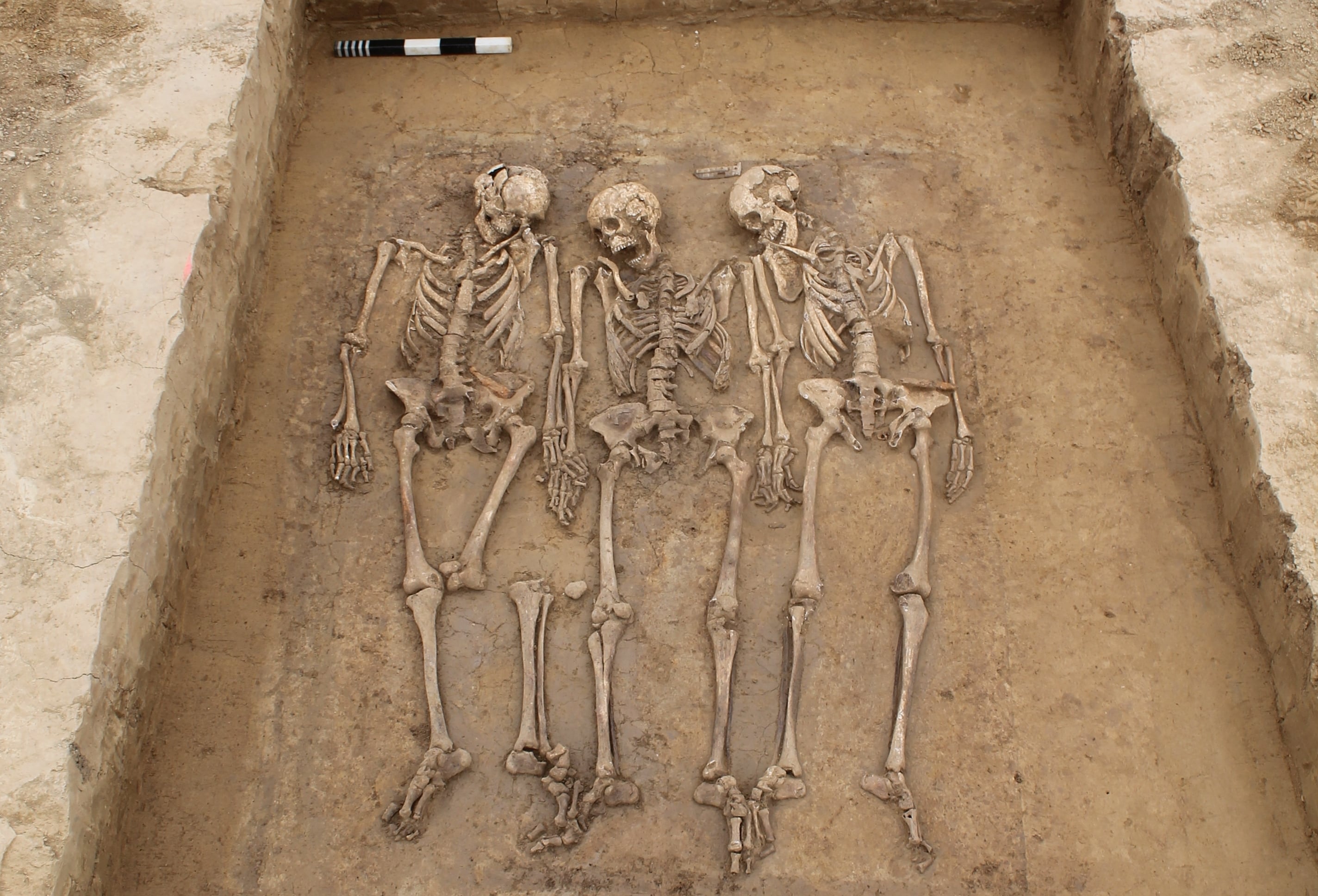


Genetics reveals that the fall of the Roman Empire shaped Europe’s population
29 April 2026 at 15:27
For centuries, along the entire northern border of the Roman Empire, local inhabitants coexisted with Roman citizens and their slaves, as well as the legionaries who guarded the Roman Limes, the imperial frontier. But there is no evidence that they mixed extensively. However, everything changed with the fall of Rome: a study of bodies buried in some 20 cemeteries in Germania shows that, without the rule of lex romana, local inhabitants, citizens, slaves, and legionaries began to intermingle. The study, published in Nature, also describes the families of these groups, their life expectancy, and the prevalence of orphanhood among young children at the beginning of the Middle Ages.

© Kreisarchäologie Landshut/ Richter
