Reading view

How the food industry shapes your child’s fussy eating
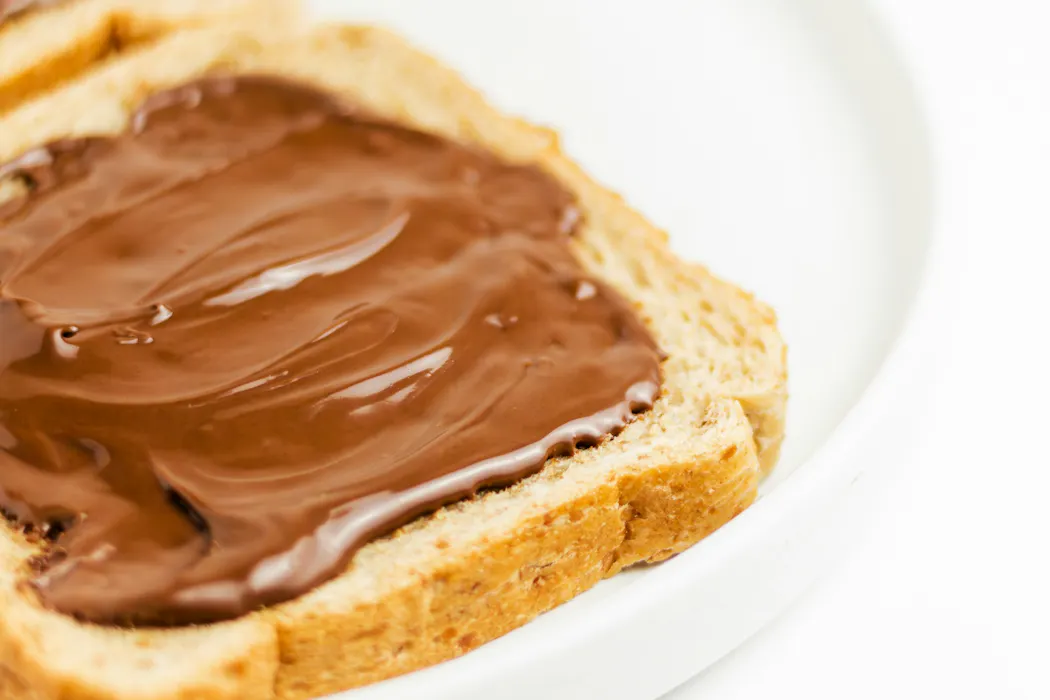
Imad 786/Unsplash

Your toddler demands a Bluey-themed yoghurt and has a tantrum when offered something else. If it’s not a Nutella sandwich, your child’s lunchbox comes home uneaten. And the dinner table can become a battleground unless there are sausages, chicken nuggets or pizza on the plate.

These examples of fussy eating are everyday experiences for many parents.

Fussy eating, also known as picky or selective eating, is common, and can be frustrating. It’s often seen as a child or parenting issue. But it’s not merely shaped by what parents do, or the characteristics of the child.

Our new research suggests food fussiness and children’s eating habits are also shaped by commercial interests in food.

This includes mass produced foods that are high in sugar, salt and additives, combined in irresistible combinations and that are heavily promoted to children to maximise sales.

This has important implications for children’s health, and sets up tensions between what parents want their children to eat, and what they’ll actually eat.

What is ‘fussy eating’?

Fussy eating refers to having strong preferences for specific foods. Sometimes it involves not trying new foods, eating a limited variety of foods, or avoiding foods with a specific taste, texture or appearance.

Most research estimates 10–30% of children two to six years old are considered fussy eaters, peaking at around three years old.

The origins of food fussiness lie in the age-old practice of learning which foods are safe to eat and provide enough energy. This is why we often like sweet foods and not bitter ones.

Today, food companies capitalise on this biology of survival. They engineer and market foods to appeal to children, and in ways that confuse their parents.

What we did and what we found

We interviewed 34 parents of children aged one to 18 years old about their children’s eating habits and how they navigated them.

Parents talked about how they felt pitted against powerful food companies that influenced their children’s tastes.

Their comments also revealed fussy eating in children older than most earlier research presumes. We found this is developing in the primary school years when children are exposed to more ultra-processed foods.

Here are some of the common themes.

1. ‘Pester power’

Parents felt responsible for teaching their children about healthy eating, yet this was challenging with so much food marketed directly to children.

Such concerns of children’s “pester power” have arisen with concerted efforts by food corporations to market foods designed to maximise shareholder returns.

One mother of three pre-school and primary school-aged children talked about marketing “bad” foods to kids or placing them in reach:

[…] my 2-year-old is always like Bluey!!! […] You almost don’t want to take your kids to the supermarket […] Of course, my kids [are] gonna throw a tantrum – you’ve got a lollipop at his eye level.

2. Conflicting information

Parents today are swamped with misleading, confusing and often false information about food. This makes it challenging for parents to discern what’s healthy or unhealthy.

A mother of three primary school aged-children said:

You think you’re getting something that’s actually healthy because […] on the packaging, it says it’s healthy. So you trust it […] but it’s actually not.

3. Impossible binds

Social situations that normalise processed foods influence the foods children see as desirable and place parents in impossible binds. A father of three pre-school and primary-school aged children said:

My son used to love hummus. But everyone else around eats doughnuts or chips […] It’s a battle that we’re not gonna win.

In this context, many parents were concerned about pushing healthy food too hard. They worried this could have the opposite effect in the longer term. A mother of two primary school aged children said:

It’s a Catch-22 […] if I put Nutella toast in his lunch box, he’ll eat it. But then do I stay strong and not put shit in his lunch box, knowing that he’s going to be starving and be horrible at the end of the day? […] I don’t want to make it a huge thing because I worry about making food a problem.

Fostering compassion and government action

Dietitians advise parents not to pressure children about food. They say not to hide vegetables, and not to use food as a reward. Instead, they suggest eating together at a table, and persisting with offering healthy options.

Our findings suggest this advice falls flat if it doesn’t consider the commercial food environment. We suggest that more compassion, rather than shame, is needed towards parents about the food they provide.

Fussy eating can be a symptom of commercial interests in selling certain kinds of products. Recognising this may encourage people to demand governments do more to support children’s healthy eating.

Ultimately, food fussiness is much more than arguments at the dinner table. It is also a challenge that involves governments and the food industry.


We would like to acknowledge the following co-authors of the study mentioned in this article: Imogen Harper, Katherine Kenny, Holly A. Harris and Fiona Wright.

The Conversation

Juliet Bennett receives funding from the Charles Perkins Centre Jennie Mackenzie Research Fund, the Faculty of Arts and Social Sciences, University of Sydney, and a family foundation grant.

Alex Broom has received ARC funding and is currently ARC Academic Director (Social, Behavioural & Economic Sciences).

David Raubenheimer receives funding from the ARC and NHMRC.
  •  

What the hit new show Off Campus gets right in its portrayal of sexual violence

Prime Video

In a media landscape where sexual violence is largely normalised, the hit new show Off Campus is a refreshing pivot.

Created for Amazon Prime by showrunners Louisa Levy and Gina Fattore, the series explores the devastating impacts of sexual violence on young women. But it does so with sensitivity, and without gratuitous depictions of said violence.

Normalising sexual assault onscreen

Off Campus, a romantic college drama based on author Elle Kennedy’s novel series of the same name, is enjoying plenty of popularity right now. This is mainly due to its ridiculously attractive leading men and women, coupled with steamy (consensual) sex scenes and cheesy romance.

Season one follows college junior Hannah Wells and her fake dating scheme-turned-romance with star hockey-player Garrett Graham.

In a main subplot, we learn Hannah was drugged and raped by a classmate, Aaron Delaney, at a party. She was 15 when it happened.

But Hannah’s experience of assault chronologically takes place before the first episode. The incident is only hinted at subtly, through flashbacks.

Instead, the focus is on her life in the aftermath of sexual assault. This is the kind of representation post-#MeToo activists have been advocating for. Here, the reality of violence against women is addressed, but not viscerally depicted.

Contemporary series and films have a plethora of narrative plots predicated on graphic depictions of violence against women. Yet little has been done to address this.

As gender studies experts Stephanie Patrick and Mythili Rajiva explain, onscreen rape depictions continue to “rehearse gendered scripts, positioning women as sexual objects onscreen for the pleasure of audiences and/or male protagonists”.

These portrayals are now a pervasive part of screen culture, spanning genres and audiences.

Game of Thrones (2011-19), for instance, had multiple violent depictions of rape of prominent female characters, including Daenerys Targaryen, Cersei Lannister and Sansa Stark.

Similarly, Teen drama 13 Reasons Why (2017-20) also depicted both the rape of the central character Hannah Baker and the gang rape of minor character Tyler Down.

Both shows, though wildly different, demonstrate a heinous interest in showing the violation of bodies for entertainment.

What do we audiences get out of watching this, other than gnawing discomfort? And why do such shows remain highly watched, despite the controversy they attract?

Do we need to see sexual violence?

One might argue depictions of sexual assault and violence may make viewers more invested in the issue, and therefore more empathetic towards the experience of survivors.

Feminist film scholar Debra Ferreday says “like fans, feminists are intimately invested in practices of remediation and in the creation of transformative works” – and are therefore more likely to respond to these depictions with an activist mindset.

But, it’s not that simple.

There is also the potential to re-traumatise viewers who have experienced sexual assault, something showrunners are starting to take into account. And this has partly driven the rise of intimacy coordination in the industry. In the words of screen and media scholar Inge Sørensen:

the ways in which nudity, sex and intimacy are […] directed and acted on and off set are no longer only an ethical issue for […] cast and crew members on discrete productions. It is an industry concern with potentially significant financial and reputational consequences for any production.

There is also the potential for graphic depictions of sexual assault to desensitise viewers and normalise predatory and/or violent behaviour, particularly with reference to young men.

We can sen the effects of this in regards to shows such as Game of Thrones, wherein a number of online users argued the fantasy setting provided justification for the violent rape scenes. They saw no issue with them.

The Off Campus approach

Enter Off Campus. Alongside the main plot of Hannah and Garret’s budding attraction, we get glimpses into Hannah’s post-traumatic stress.

She confides in Garrett about her inability to orgasm, is hesitant to drink at parties, and feels guilty the only result of her legal trial against her abuser was the alienation of her family in their hometown in Indiana.

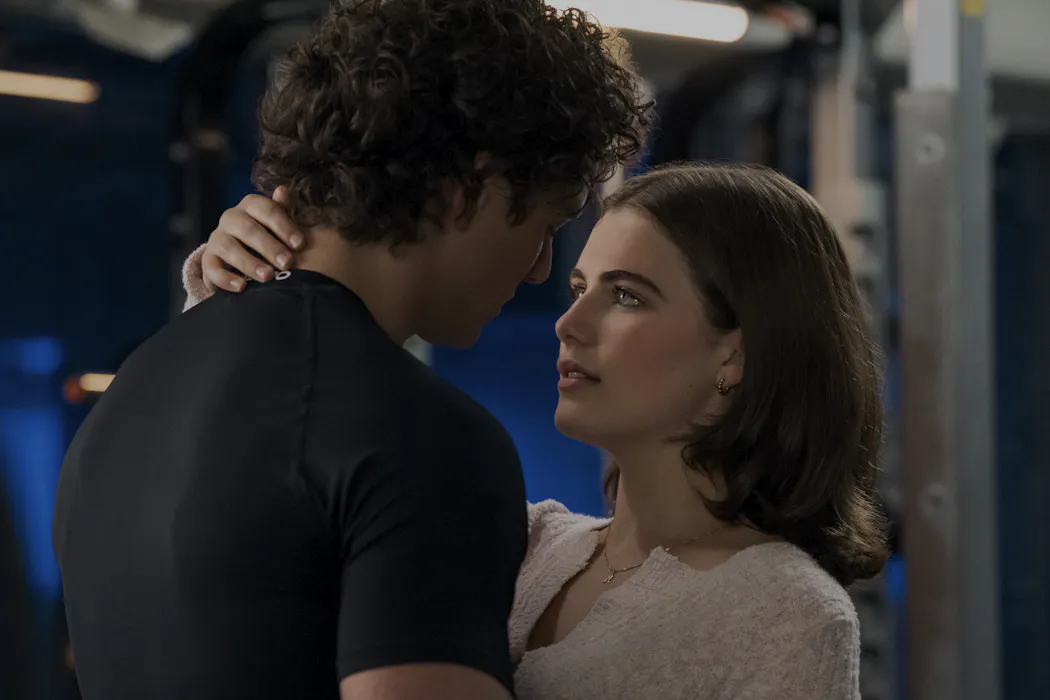
Hannah eventually confides in her family and friends, who rally around her. Prime Video

These moments come to a crux in episode seven, when Aaron plays against Garrett in a hockey game, and Hannah is too traumatised to attend. She isolates herself, struggles with overwhelming anxiety and avoids Garrett’s calls.

This scene mirrors the experience of many victim/survivors, who fear they will not be believed, or their assault won’t be taken seriously. Hannah’s beliefs reflect pervasive rape myths and stereotypes that shroud victim/survivors in doubt and shame.

Off Campus successfully touches on these problematic ideologies, before challenging a legacy of storylines that have helped endorse rape myths and minimise the effects of sexual violence.

Hannah eventually reaches out to her family and friends, who rally around her. Her mum, for instance, tells her she has “nothing to be sorry for”.

Hannah’s performance in the college’s pop showcase symbolises a final reclamation of self. Prime Video

Almost a decade on from #MeToo

The series’ overall sensitive approach suggests at least some showrunners are becoming less interested in violent depictions of sexual assault onscreen.

As we near the ten-year anniversary of the #MeToo movement, violence against women remains high, with an estimated one in five women having experienced sexual violence since the age of 15.

Off Campus marks a pivot away from harmful representation on a macro level, while initiating important conversations around the impact of sexual violence on an individual level. This visibility can steer victim/survivors towards seeking support, and encourage greater empathy and awareness among the broader audience.

The National Sexual Assault, Family and Domestic Violence Counselling Line – 1800 RESPECT (1800 737 732) – is available 24 hours a day, seven days a week for any Australian who has experienced, or is at risk of, family and domestic violence and/or sexual assault.

The Conversation

Bridget Mac Eochagain does not work for, consult, own shares in or receive funding from any company or organisation that would benefit from this article, and has disclosed no relevant affiliations beyond their academic appointment.

  •  

Exoskeletons for people with cerebral palsy are now a reality – but there’s still much to figure out

Cerebral palsy is the most common disability that starts in childhood, affecting about 50 million people worldwide.

Cerebral palsy can impact a person’s ability to move their body. This can result in mobility problems, muscle stiffness or weakness, and abnormal movements. There are often other neurological issues as well, such as epilepsy or visual impairment.

Physiotherapy can help people with cerebral palsy across the lifespan. It uses a range of interventions to improve mobility and function. Conventional physiotherapy includes treadmill training, strength training and task-specific training (such as practising getting in and out of a car).

But there’s another therapy tool that’s been showing promise – exoskeletons. These wearable devices support a person’s body from the outside, helping their posture and movements.

For two decades, lower limb robotic exoskeletons have been a major focus in neurological rehab for adults. The majority of research has been about people with stroke and spinal cord injury.

Can they help with cerebral palsy too? Published in Disability and Rehabilitation Journal, our new systematic review of robotic exoskeletons for cerebral palsy reports promising findings – and more questions to tackle.

From the lab to everyday life

The first exoskeletons to help people walk were developed in the 1960s. These were clunky, complex devices, and took several decades to leave the lab.

Over the past 60 years, exoskeletons have become much more streamlined. In Australia, several have been approved by the Therapeutic Goods Administration in recent years.

There are three main categories of medical exoskeleton. Two of them are essentially stuck in place – these are devices paired with treadmills, such as the Lokomat, and “end-effectors” (static devices similar to an elliptical machine), such as the Innowalk.

The third category are devices which can be used overground, such as the Atlas 2030. With overground devices, users can have more choice in where they move, and interact with their environment more.

They even show promise as longer term assistive devices – something the person might wear in everyday life.

What does the evidence say?

An advisory committee for Australia’s National Disability Insurance Scheme (NDIS) is currently reviewing various supports for people with disability, including robot-assisted gait training.

The results will advise Australia’s peak disability funding body on whether and how to fund therapy with this technology. So, it’s timely to look at the evidence. That’s exactly what our systematic review did.

We asked: what are the effects of wearable overground exoskeleton-assisted therapy on physical, functional, quality of life and participatory domains for people with cerebral palsy? “Participation” refers to being truly involved, rather than just present, in chosen activities.

We included 21 studies representing 241 people with cerebral palsy, with an average age of nine. Then, we extracted and analysed data for all clinical outcomes. This included walking speed, endurance, balance, high-level mobility (running and jumping), strength, goal attainment and more.

Robotic rehabilitation outperformed conventional therapies for four outcomes:

  • walking speed
  • walking endurance
  • balance
  • high-level mobility.

This means using exoskeletons could provide meaningful benefits in these areas for people with cerebral palsy.

For other outcomes, there was not enough data to make recommendations, or results were inconsistent. Skin irritation was reported in some studies, but never prevented ongoing use of the exoskeleton. Where mentioned, user experiences were generally positive, although most studies didn’t evaluate them.

More to discover

Despite our review showing some encouraging benefits of exoskeleton therapy for people with cerebral palsy, there’s much we still don’t know. Very few of the included studies reevaluated outcomes after the person stopped the therapy. So we can’t say whether benefits are sustained.

We also couldn’t categorise results by type or severity of cerebral palsy, or by age. And with only seven adult participants represented in this systematic review, results can be confidently applied to children, but not adults.

There’s some evidence this technology is beneficial, compared to conventional therapy. However, no studies explicitly compared the use of the exoskeleton with the next most equivalent, and more readily available intervention – bodyweight supported treadmill training.

Staff at a hospital in Bilbao, Spain working with a child using the ATLAS 2030 exoskeleton.

Exciting is not enough

Recently, therapy with overground exoskeletons is becoming more available in Australia. Costs for these sessions with trained and experienced clinicians can be supported through NDIS funding. However, currently no scheme in Australia will fund a person to have an exoskeleton of their own.

It’s very common for families to want to “try it all”, particularly new and exciting therapy options. Exoskeletons are definitely exciting and attract significant interest.

However, it’s important that families don’t waste money and time on inappropriate therapies.

Our systematic review supports the use of overground exoskeletons for walking speed, walking endurance, balance and high-level mobility for people with cerebral palsy.

It’s crucial for clinicians to provide appropriate and evidence-based advice on the best treatment options. If someone with cerebral palsy wants to try robotic exoskeleton therapy, the clinician should set clear goals for what results to expect, and step forward with caution.

The Conversation

Nicola Postol does not work for, consult, own shares in or receive funding from any company or organisation that would benefit from this article, and has disclosed no relevant affiliations beyond their academic appointment.

  •  

Extreme heat at the World Cup: are FIFA’s safeguards enough?

On a midsummer day in Miami, temperatures can exceed 32°C with high humidity. In a full stadium of 65,000 fans, it can be several degrees hotter, posing a potential health risk to players.

These are the conditions some teams will endure at the 2026 FIFA World Cup in June-July, the hottest months across much of North America.

FIFA has already acknowledged the risk, introducing cooling breaks in each half of all matches for the first time at a World Cup.

But is this enough to protect players in the heat?

It’s not just the high temperatures

When we talk about heat stress in sport, we are not just referring to air temperature.

What matters for the human body is a combination of heat, humidity, solar radiation and airflow – often summarised by the “wet-bulb globe temperature” index, originally developed in the 1950s to curtail heat illness during military training.

Soccer presents a particular challenge under high wet-bulb globe temperature conditions. Elite players routinely cover 10-13 kilometres per match, repeatedly sprinting, decelerating and changing direction.

This produces substantial internal metabolic heat, while opportunities for heat loss are limited by clothing, match structure, restricted access to shade, airflow or other cooling technologies.

If heat production exceeds heat loss, core temperature rises. This places more strain on the cardiovascular system, elevates perceived effort, impacts performance and increases the risk of exertional heat illness, which can include ailments such as muscle cramps and heat exhaustion. At the extreme end, exertional heat stroke, a life-threatening medical emergency can develop.

What the forecasts show for 2026

Analyses of historical weather data across the 16 World Cup host cities indicate heat stress will be common, particularly for afternoon kick-offs in cities such as Dallas, Houston, Miami, Kansas City and Monterrey.

While some venues such as Dallas, Houston and Atlanta have retractable roofs that can modify temperature and airflow, most matches will be played in open-air stadiums, exposing players to heat stress.

Later kick-offs may only offer limited relief, especially in humid environments where sweat evaporation is impaired.

Until recently, most evidence on heat strain in professional soccer came from experimental simulations. Unpublished field-based research from our laboratory at the University of Canberra, measuring core temperature during real professional matches, provides insight into what players experience during competition.

Our data show that during competitive match-play:

  • average peak core temperature often exceeds 39°C, rising progressively before half-time or full-time

  • players’ peak core temperature can exceed 40°C even in conditions that would not traditionally trigger extreme heat policies and in some cases even when cooling breaks are applied.

Importantly, these observations were documented in elite Australian A-League players who are fit and seasonally heat-acclimatised.

Taken together, this shows elite soccer players can reach and sometimes exceed a 40°C core temperature during matches at wet-bulb globe temperatures that are already considered “high risk” for exertional heat illness.


Read more: Curaçao and Cabo Verde are into the World Cup. What impact can these ‘minnow nations’ make?


Are cooling breaks enough?

Cooling breaks are a sensible and evidence-based safeguard and FIFA’s decision to mandate them in every match at the World Cup is a proactive step.

Cooling breaks – particularly when combined with cold fluid ingestion and ice towels – can lessen rises in core temperature, heart rate and perceived effort, especially in male players.

However, two important caveats remain.

First, cooling breaks do not prevent large rises in core temperature – they reduce the rate or magnitude of that rise. Even with breaks, players can still reach very high core temperatures.

Second, emerging evidence indicates cooling breaks affect women differently. Although women athletes generally reach lower absolute core temperatures than men during match-play, standard FIFA-style cooling breaks appear to provide smaller additional reductions in physiological strain.

Women get more benefits when in-play cooling breaks are combined with longer half-time breaks, which include cooling in air-conditioned spaces.

In short, universal cooling breaks may help but are unlikely to be sufficient on their own.

What are other sports doing?

Most heat policies in sport rely solely on environmental measures such as the wet-bulb globe temperature index. While useful, these metrics describe the weather, not the physiological strain experienced by players.

Several sports have begun to anchor heat policies to the predicted rise in core temperature, linking environmental conditions and sport specific characteristics – heat production and clothing – rather than relying on environmental conditions alone.

This approach focuses on the body’s ability to maintain thermal balance through sweating – something administrators may increasingly need to consider as matches are played in hotter and more humid conditions.

World Rugby uses a similar approach, but tailored to the sport’s demands and clothing worn, as does Sport Medicine Australia for a variety of recreational sports.

Timing matters, a lot

One of the most effective heat-mitigation strategies requires no ice, no towels and no new technology: avoid playing at the hottest time of day.

Afternoon kick-offs consistently produce the greatest thermal strain because they combine peak solar radiation with high air temperature. Evening matches reduce – but do not eliminate – risk, particularly in humid cities.

From a player safety perspective, match scheduling may be as important as in-game cooling strategies. Yet broadcast considerations have historically driven afternoon kick-offs at World Cups.

An ongoing problem

Heat stress is already being reported more frequently in domestic soccer leagues, continental tournaments and youth competitions.

Heat policies must keep pace with a warming climate.

Protecting player health will require earlier decisions, stronger mitigation strategies and a willingness to rethink when and how matches are played – not just at World Cups, but at all levels of the sport.

The Conversation

Julien Périard has previously received funding from Professional Footballers Australia (PFA), the International Federation of Professional Footballers (FIFPRO) and the Fédération Internationale de Football Association (FIFA).

Brad Clark has previously received funding from Professional Footballers Australia (PFA), the International Federation of Professional Footballers (FIFPRO) and the Fédération Internationale de Football Association (FIFA).

Harry Brown has previously received funding from Professional Footballers Australia (PFA), the International Federation of Professional Footballers (FIFPRO) and the Fédération Internationale de Football Association (FIFA).

  •  

Murray Valley encephalitis can be fatal. With no vaccine, here’s how to stay safe

Posnov/Getty Images

Health authorities in the Northern Territory have issued warnings for residents and visitors to avoid mosquito bites after two people from Alice Springs died from Murray Valley encephalitis.

It’s a reminder that mosquitoes in many parts of Australia can be more than just a nuisance.

Without a vaccine for Murray Valley encephalitis, preventing disease relies on preventing mosquito bites.

What is Murray Valley encephalitis virus?

The virus takes its name from the Murray Valley in southeastern Australia where it was first identified in patients who died during an outbreak in 1951.

Infections are rare, but can be deadly. Most people infected don’t develop symptoms. For those that do, symptoms can range from fever and headache to encephalitis (inflammation of the brain), with coma and paralysis. Around 40% of people who develop symptoms won’t fully recover and about 25% die.

The virus circulates between water birds and mosquitoes, most commonly Culex annulirostris, but a small number of other species may be involved too.

A mosquito in entomological collection of laboratory.
Culex annulirostris is the mosquito most likely to be spreading Murray Valley encephalitis virus in northern regions of Australia. A/Prof Cameron Webb (NSW health Pathology & University of Sydney), CC BY-NC

The virus is detected most years in northern Australia, most notably the Kimberley in Western Australia and the Top End of the Northern Territory.

But when environmental conditions are favourable, the virus can emerge in southern regions of Australia. These conditions are generally associated with increased rainfall and flooding generally brought on by La Niña influenced weather patterns.

The more water there is across the wetlands of the Murray Darling Basin and surrounds, the more likely we are to see high numbers of mosquitoes and waterbirds.

It is suspected that infected birds migrating from northern regions bring the virus south.

The most notable outbreak, in 1974, resulted in 58 cases and 12 deaths across Australia.

During outbreaks in 2011 and 2023, there were 17 and 26 cases respectively with many in southern regions.

When mosquito surveillance programs in northern Western Australia and the Northern Territory detect Murray Valley encephalitis virus, this triggers mosquito control measures and public health messaging. Communities across northern Australia are seasonally reminded of the risk associated with this virus and mosquito bites.

But many tourists, both local and international, also travel across the endemic regions and have been among the cases reported over recent years.

Murray Valley encephalitis can be fatal and impact families and communities.

Murray Valley and Japanese encephalitis are different

Murray Valley and Japanese encephalitis are closely related but different viruses. They are likely spread by the same type of mosquitoes, cause similar disease, and infect similar animals. But there are key differences.

Japanese encephalitis is major health concern in Asia, Southeast Asia and the Western Pacific. After a fatal case in the Northern Territory in February 2021, an unprecedented outbreak of Japanese encephalitis occurred in southeastern Australia beginning early 2022.

By the time the epidemic ended in winter 2022, there had been more than 40 documented human cases, including seven deaths.

Japanese encephalitis virus is now likely to be endemic in northern Australia. Feral pigs are suspected as an important animal host but water birds are crucial too.

There is a safe and effective vaccine against Japanese encephalitis that is locally available. Health authorities are now working on how best to recommend its use against potentially annual activity in northern Australia and occasional outbreaks in southern regions.

But vaccines are not currently available for Murray Valley encephalitis. Scientists are investigating whether the Japanese encephalitis vaccine may provide cross-protection for Murray Valley encephalitis but there is more research to be done.

Unfortunately, for a disease so rarely reported a specific vaccine for Murray Valley encephalitis may never be available.

Is there a greater risk of Murray Valley encephalitis this year?

When there is more water, there are typically more mosquitoes.

Record-breaking rainfall and extensive flooding has occurred across northern Australia this year mainly due to cyclones. This rainfall has created ideal conditions for mosquito breeding and increased mosquito numbers.

This is likely to escalate the health risks. But the spread of mosquito-borne disease also depends the interaction of waterbirds, mosquitoes and people, which can be influenced by a range of factors.

There have been two confirmed fatal cases of Murray Valley Encephalitis in Alice Springs.

The virus has also been detected in mosquito surveillance programs in the Top End of the Northern Territory and northern Western Australia.

The historical period of Murray Valley encephalitis virus transmission risk is from February to July, peaking March to May.

The cold weather of winter will limit mosquito activity so a spread now to southern states is unlikely. The risk in coming spring and summer will be highly dependent on rainfall but predictions are for hot and dry conditions.

A live mosquito on white surface
Mosquito bites are more than just annoying, they can have deadly consequences. A/Prof Cameron Webb (NSW Health Pathology), CC BY-ND

How to protect yourself from Murray Valley encephalitis

With no vaccine or specific treatment for the disease, reducing mosquito bites is the only way to protect yourself from the virus.

When outdoors, wear long-sleeved shirts, long pants and covered shoes when possible.

Avoid areas where mosquitoes are active, especially at times when they’re most active such as dawn and dusk.

When camping, ensure you’re using insect netting or mosquito nets.

Applying insect repellents to all exposed areas of skin will provide the best protection. Formulations containing products that effectively keep mosquitoes from biting, such as diethyltoluamide, picaridin and oil of lemon eucalyptus, are safe and affordable.


Read more: Mozzie repellent clothing might stop some bites but you’ll still need a cream or spray


The Conversation

Cameron Webb and the Department of Medical Entomology, NSW Health Pathology and University of Sydney, have been engaged by a wide range of insect repellent and insecticide manufacturers to provide testing of products and provide expert advice on medically important arthropods, including mosquitoes. Cameron has also received funding from local, state and federal agencies to undertake research into various aspects of mosquito and mosquito-borne disease management.

Bart J. Currie does not work for, consult, own shares in or receive funding from any company or organisation that would benefit from this article, and has disclosed no relevant affiliations beyond their academic appointment.

  •  

Why Australia needs stronger laws to stop dangerous products being sold online

ArtHouse Studio/Pexels

As online marketplaces continue to boom, can consumers be confident the products we buy online are safe?

On Wednesday, independent consumer advocacy group Choice lodged a “super” complaint with the key regulator, the Australian Competition and Consumer Commission (ACCC).

Choice is calling on the ACCC to investigate “a significant volume” of potentially dangerous toys and other banned products it found for sale on various online marketplaces. The regulator must respond within 90 days.

Such scrutiny may belatedly encourage all online marketplaces to take mandatory safety standards more seriously. But the Australian Consumer Law still lacks a general safety provision. This would require businesses to proactively ensure only safe products are put on the market.

Australia is lagging behind the European Union and several other countries, where stronger laws have been in place for decades to try to prevent unsafe products being sold online.

Online marketplaces in the spotlight

Choice’s super complaint came only a day after the ACCC issued takedown notices to Amazon, eBay, Kogan and Fruugo over concerns some of their products may contain small, high-powered magnets banned under Australian law.

Last Friday, the ACCC also announced it was suing online retailer Amazon, alleging kids’ backpacks previously listed and sold on the site failed to comply with mandatory safety requirements for button batteries.

Amazon has reportedly already taken down these listings and contacted affected customers.

But in both cases, these actions relate to bans on, or mandatory safety standards for, specific products. They are not based on a general regulatory requirement for product safety.

Australia lags behind on stronger laws

The EU first implemented a general product safety provision in 1992. The regulations were recently revised and strengthened, including around recall requirements.

Countries including Malaysia, Canada and Thailand have adopted a similar general product safety provision.

From 2019, the Australian government consulted on the possibility of adding a similar measure. But the process stalled, despite online shopping booming since the pandemic.

The problem with a patchwork approach

In practice, this gap in the law means too often Australian regulators only step in to ban or recall dangerous products after people get hurt.

Button batteries illustrate this point. These became subject to a mandatory standard from 2022 – only after multiple deaths and injuries to babies and children who had ingested them.

Australia only has such mandatory standards for 50 product categories. Even for those products (often for babies or kids) some suppliers may continue to deal in them – until caught out through occasional checks by regulators, or an organisation such as Choice, leading to voluntary recalls.

Regulators have further powers to ban or force recalls of unsafe products once already sold. But this too usually only happens after many serious accidents.

A woman helping a child ride a bike
Bicycles are one product category subject to mandatory safety standards. RDNE Stock project/Pexels

Why other protections fall short

Suppliers themselves have some incentives to do the right thing. They don’t want to face fines or the reputational damage that could result from selling unsafe products.

They also face the risk of class actions or compensation claims from consumers.

One avenue is to claim a seller or manufacturer has breached the mandatory consumer guarantee of acceptable quality, including safety.

A second avenue under the Australian Consumer Law is strict product liability. This is Australia’s adaptation of a 1985 EU directive that holds manufacturers liable if a product with a safety defect causes injury or property damage.

But individually, in practice, small-scale harms are not worth consumers bringing even before tribunals. Regulators such as the ACCC do not use their powers to sue on individual consumers’ behalf.

And class-action law firms typically only bring the biggest and easiest claims – plus then mostly settle them (leaving few precedents for other suppliers to use to up their game).

Seller, manufacturer or platform?

A specific limitation for bringing these types of compensation claims is that online platforms such as Amazon have argued (even in the United States) that they are mere intermediaries – not even sellers, let alone manufacturers.

The EU recently tried to close this loophole when updating its Product Liability Directive. An online platform is caught if presenting products leads an average consumer to believe the platform itself, or a seller under its control, is the supplier.

But even then, platforms might avoid such joint liability through disclaimers, which consumers might not understand even if prominently displayed.

Other ways to hold platforms to account

Another argument – included in Choice’s complaint – is that platforms are engaged in misleading or deceptive conduct in trade by offering goods that are unsafe.

This was the uncontested premise of the ACCC’s 2016 case against Woolworths. That litigation then focused instead on the amount of fines – ultimately more than A$3 million in penalties – for misleading consumers by continuing to offer five types of products, despite having received safety-related complaints.

It is unclear whether the ACCC’s current lawsuit against Amazon adds this argument. But similar claims have been made in the US under broader prohibitions on unfair commercial practices (also belatedly being added to the Australian Consumer Law).

Instead, the ACCC’s lawsuit reportedly alleges Amazon commercially possessed or had control of products violating the button battery standard, through its warehousing and so on. This neatly avoids having to prove Amazon was a product supplier or manufacturer.

Prevention is usually better than cure

For online marketplaces operating in Australia, it shouldn’t be too hard to comply with the 50 product-specific standards. Nor should it be too hard to monitor public recalls of risky products. Consumers and non-governmental organisations such as Choice shouldn’t have to do this for them.

Amazon, Ebay and AliExpress have already signed the ACCC’s Australian Product Safety Pledge. This commits them to take various voluntary steps to ensure product safety. In contrast, the revised European regulation mandates stricter duties.

To keep Australian consumers safe, the government should similarly strengthen Australia’s laws. This includes revisiting product liability provisions and reviving consultation on adding a general safety provision to our consumer protection laws. Prevention is usually better than cure.

The Conversation

Luke Nottage received funding from the Australian Research Council (2017-23) for a joint Discovery Project on "Evaluating consumer product regulatory responses to improve child safety".

  •  

Is milk good or bad for kids? And how much dairy do they actually need?

Catherine Delahaye/Getty Images

If you follow child nutrition content on social media, you’re bound to be confused when it comes to giving your kids milk. Some influencers claim you should avoid milk at all costs, for fear it could cause asthma, allergies or digestive problems. Others say your child probably isn’t drinking enough.

Then there are the different types. Do you give children full cream, low fat or skim milk? Or the array of milk alternatives you can now find on the supermarket shelf? And how much is enough?

Let’s look at the science.

Why we need dairy at every age

It’s important for the small number of people with a cow’s milk allergy or lactose intolerance to avoid dairy.

But for most other children, dairy can provide calcium, iodine, protein and other key nutrients needed for healthy growth and development. It supports key body systems from early childhood through to old age, including:

1. Bone health

Dairy is rich in calcium, helping build strong bones in childhood and maintaining bone health throughout adulthood.

Children who consume enough dairy have higher bone density and some studies link dairy intake with greater height.

Adults who regularly consume dairy tend to have better bone health and lower fracture risk.

2. Heart health

Dairy provides essential nutrients that help regulate blood pressure and support circulation.

Higher consumption of both full-fat and reduced-fat dairy has been linked to healthier hearts in kids and lower rates of heart disease and stroke in adults.

3. Weight management

Contrary to diet-industry myths, dairy supports a healthy weight because it’s high in protein and calcium, which make us feel fuller for longer.

Research shows kids with high dairy intake are less likely to become overweight.

In adults, studies show consuming the recommended daily intake is associated with a lower risk of obesity.

Common concerns about dairy

Some concerns about dairy are valid. But these don’t apply to all children.

Allergy and intolerance

Cow’s milk allergy affects a small proportion of young children, causing hives, vomiting, wheezing or eczema flare-ups. These children need careful medical assessment and may need to avoid dairy.

Lactose intolerance is different. It happens when the body has difficulty digesting lactose, the natural sugar in milk, leading to symptoms such as bloating or diarrhoea. Lactose intolerance becomes more common with age.

Asthma and mucus

Some parents believe dairy worsens asthma or increases mucus production. But research doesn’t support dairy as a cause of asthma symptoms.

Milk can temporarily leave a coating sensation in the mouth and throat that some people interpret as extra mucus. But dairy doesn’t increase mucus production itself.

Nutrition concerns in toddlers

One time parents do need to be careful about dairy intake is during toddlerhood.

During the transition to solid foods, drinking too much milk can reduce children’s appetite for iron-rich foods and increase the risk of iron deficiency.

That’s why health professionals encourage a balance between milk and iron-rich solid foods during toddlerhood.

What the guidelines say

Australia’s dietary guidelines recommend daily dairy consumption from 12 months.

One serve equals:

  • one cup (250 ml) of milk
  • two slices (40 grams) of hard cheese or half a cup (120g) of ricotta
  • three-quarters of a cup (200 grams) of yoghurt.

The number of serves recommended varies by age, sex and life stage:

  • toddlers, 1–1.5 serves
  • girls aged 2–8, 1.5 serves
  • girls aged 9–11, 3 serves
  • boys aged 2–3, 1.5 serves
  • boys aged 4–8, 2 serves
  • boys aged 9–11, 2.5 serves
  • teens, 3.5 serves
  • adults aged 19–50, 2.5 serves
  • women aged 51+, 4 serves
  • men aged 51–70, 2.5 serves
  • men aged 70+, 3.5 serves.

The guidelines also recommend consuming mostly reduced-fat dairy from the age of two.

However, many experts argue this recommendation is based on older assumptions about saturated fat that are increasingly being challenged by newer evidence.

What type of milk is best?

Full-cream, low-fat and skim milk all provide essential nutrients. The only real difference is the calorie and fat content. Full cream milk contains around 3.5% fat, low-fat milk is 2%, while skim has less than 0.2%.

While this leads people to believe reduced-fat milks are better, we now understand dairy’s saturated fat behaves differently from the saturated fat in processed foods, such as sausages and cakes, and has neutral or positive effects on heart health.

So whether your family prefers full-fat, low-fat, or skim, all are healthy options.

Plant-based milks are not nutritionally equivalent to dairy milk, and many contain less protein, iodine and naturally occurring calcium. However they may suit some families’ preferences.

For children who need an alternative due to allergy or intolerance, calcium-fortified soy milk is generally considered the closest nutritional substitute. Unlike other plant-based milks, it provides a comparable amount of both protein and calcium.

How to boost your family’s dairy intake

Many Australians fall short of the recommended dairy intake, while discretionary food consumption is well above recommended levels.

So, a simple way to get more dairy into your family’s diet is to swap discretionary snack foods for dairy-based choices, such as switching from biscuits to small tubs of yoghurt.

You can also introduce more dairy to your diet by:

  • spreading ricotta on toast
  • adding yoghurt to cereal
  • including cheese in salads or on sandwiches
  • using milk or yoghurt to make sauces creamier.

Just watch for added sugars in yoghurts – opt for plain versions and sweeten them with fruit or honey.


Nick Fuller is the author of Healthy Parents, Healthy Kids – Six Steps to Total Family Wellness. His free, practical recipe ideas can be found at feedingfussykids.com.

The Conversation

Nick Fuller works for the University of Sydney and RPA Hospital and has received external funding for projects relating to the treatment of overweight and obesity.

  •  

What does the ‘avant-garde’ look like today? Two new novels give very different answers

Wassily Kandinsky -- Inner Alliance (1929) Public domain, via Wikimedia Commons

Giada Scodellaro’s Ruins, Child and Anna Poletti’s Hello, World? are very different books. Scodellaro won the 2024 Novel Prize; her book stitches together a history of Black feminist poetry, theory and prose. Poletti’s novel is a work of queer erotic introspection, investigating the limits of domination and submission.

There’s not much to connect them in terms of style, theme or ambition. If there is a common anchor, it is that both dispense with the traditional mechanisms of narrative. They abandon conventional chapter and paragraph forms, prioritising “fragments” as the unit of construction.


Ruins, Child – Giada Scodellaro (Giramondo)

Hello, World? – Anna Poletti (Puncher & Wattmann)


Because of this experimental approach, these books might be considered “avant-garde”. This is a loaded term that originally referred to soldiers who scouted ahead of the army. The military metaphor was attached, in the 19th and early 20th centuries, to writers and artists who worked in spaces yet to be cleared by human consciousness.

Sometimes, but not always, these artists were aligned with progressive politics, and sought to use their works to help people imagine a different, more liberated future.

Neither Ruins, Child nor Hello, World? attempt this gesture. Scodellaro’s novel is interested in the experience of “lateness”; Poletti’s uncovers some of the bonds that make personal progress a fraught project. Both dwell in a kind of political melancholy where the priorities are not revolution, but survival and care.

If these are the radical novels charting new territory in the 2020s, they raise an important question: what does the “avant-garde” look like today?

Hello, World?

Anna Poletti is an Australian queer and feminist media-studies scholar who works in Utrecht. The endorsements on the back cover of her book come from Chris Kraus and McKenzie Wark, heavy hitters of theory and postmodern literature.

Hello, World? follows Seasonal, a genderqueer academic, who moves to the Netherlands for a job. After they break up with their long-term partner, they undergo a sort of katabasis: a journey into the underworld of their deeper sexual drives.

The book compares itself to Pauline Réage’s erotic novel The Story of O and the work of the notorious French libertine the Marquis de Sade. It spends most of its time exploring Seasonal’s dominant/submissive relationship with Laszlo, a self-exiled Hungarian.

The Kraus endorsement calls the book “radical”, and it’s true that it depicts a kind of relationship that is usually kept hidden. Poletti goes to the root of kink culture, trying to chart the ethics that sustain a relationship ultimately built on structured violence.

But the fragmentary approach, which moves between vignette-paragraphs and long text-message exchanges, allows the author to avoid some of the more intense moments between the characters. The book often stops just short of showing us the interior of the erotic relationship. It is elliptical about things that might be interesting for a reader of queer erotica.

That seems to be part of the point. The real subject of the book is the modulations of the relationship, as each character tries to avoid tipping the scales from domination to exploitation.

Seasonal often muses on their relationship to their own trauma. They are troubled when Laszlo uses the language of violence to describe them. It seems neither character can fly by the nets of their cultural and sexual conditioning.

In its exploration of the limits of trauma and violence, Hello, World? does chart somewhat virgin waters. Seasonal is an interesting creation. While they wax theoretical about relationships, they garble judgements about art and politics, declaring no interest in learning about either. They discard their long-term partner with relative ease when he says he won’t have sex with them.

They are straightforwardly dedicated to their own pleasure, in the best Sadean fashion, and largely indifferent to the suffering of those around them.

This complex portrait uncovers some interesting aspects of the doctrine of personal sexual liberation. Seasonal’s fairly uncritical embrace of identity politics and communitarianism leads to a sympathy with some of the arguments of Viktor Orban’s Hungarian nationalism. For all the rejection of the Enlightenment in the novel, the only thing that separates kink from abuse ends up being rational consent.

In the end, Seasonal’s pursuit of sexual freedom makes them into the sort of person they have spent their life rejecting.

As a diagnosis of the politics of self, Hello, World? works quite well. But its deconstruction of progressivism and internalised hetero-patriarchy is not “avant-garde”, nor particularly radical. I wonder what sort of circulation it will have outside the coterie of media-studies lecturers.

Ruins, Child

Like Hello, World?, Ruins, Child is a novel of fragments. But it arranges its fragments in a very different way. It is a tessellate of a huge number of texts drawn from the tradition of Black poetics and radicalism.

The notes identify the main texts as the writings of August Wilson, Toni Cade Bambara, Derek Walcott, Zora Neale Hurston, Langston Hughes and June Jordan. References to art, architecture, music and film are woven through the book.

The image on the front cover is a collage by Lorna Simpson, and collage is certainly one way we might think about Ruins, Child. The narrative is based on Bannu Cennetoglù’s HOWBEIT, a video-art project comprising 128 hours of footage taken between 2006 and 2018. The setting of the novel, Scodellaro explains in her notes, recalls the idea of “The Hill”, a figure of suburban ghettoisation in the work of Wilson and Bambara. The central characters are in constant dialogue with Bambara’s novel The Salt Eaters (1980), which Ruins, Child seems to be remixing.

The novel assembles these parts into a fascinating puzzle, revolving around six characters watching footage taken earlier in their lives. The women live in a crumbling apartment tower, shunted there by a neglectful government. They watch their past selves prepare for a carnival and trade boyfriends, and as the oldest of them, Vonetta, endures a seemingly endless pregnancy. Reality is stretched across decades. We are often left guessing the time and place of a given event.

This indeterminacy of time is right at the heart of the novel. Events seem to be taking place in the not-too-distant future. There is something vaguely prognostic about the world we are creating today: infrastructure and the old forms of society are eroding; the natural cycle of the seasons has given way to extremes of heat and cold.

But this is not an attempt to think about the future, so much as a consideration of what has already been lost. Scodellaro draws on the work of architects Peter Eisenman and Elisa Iturbe, whose theory of “lateness” in architecture is a sort of metaphor for what Ruins, Child is doing with history. Instead of building something new, the novel is picking up pieces. Vonetta, the eternal mother, laughs at people who want to “live in the near future”. She suggests “the mother does not aim for this, she does not think about being avant-garde”.

Philosopher and cultural critic Walter Benjamin mused that ruins, like other fragments, call out for the critic and historian to make them whole again. This means trying to revive the ideas and dreams that went into their creation before they were destroyed.

Ruins, Child brings together the pieces of nearly a century of Black radical writing in a similar gesture of salvation. It dwells in the moments of allegiance and solidarity that have allowed the oppressed to survive in a crumbling world.

Inwards and backwards

Poletti’s hello, world? reflects some cynicism about the progressive project; Scodellaro’s novel explicitly rejects the idea of being “avant-garde”. But neither book has its eyes set on the artistic or political horizon. They turn their eyes inwards and backwards, explaining our failed liberation or saving what they can as the world hurtles to oblivion.

I think both are conservative postures. It may well be that these ways of adapting to our present have contributed to us being where we are. There is a kind of easy melancholy in dwelling on the contradictions of personal politics and stooping to retrieve the relics of the past.

Scodellaro’s book is a wonderfully wrought collage; its clever construction rewards close reading. Poletti’s book has less to offer, though it does carry some important lessons in its slippery portrait of Seasonal.

Neither book is utopian, because neither really believes in politics. That our boldest books are restrained and intimate rather than forward-looking and activist is, I think, as telling a fact about literature in the mid-2020s as anything else.

The Conversation

Giacomo Bianchino does not work for, consult, own shares in or receive funding from any company or organisation that would benefit from this article, and has disclosed no relevant affiliations beyond their academic appointment.

  •  

Feral horse numbers in Australia’s alps are on the rise again. It’s time to act

Theo Clark/Getty

Last year, we noted early signs of recovery in Australia’s high country, following the reduction of feral horse numbers.

These had dropped from 17,000 in 2023 to around 3,000 in 2024 across Kosciuszko National Park, thanks to the management efforts of NSW National Parks staff and contractors.

But horse numbers are already bouncing back. The latest survey data estimate between 6,476 and 16,411 horses now roam the national park.

So, what happened?

A mild summer

The answer is simple. If feral horse eradication is impossible — or politically and legally off the table — then continuous management of horse numbers is essential.

With no aerial culling within the national park in 2025, two factors likely contributed to this rapid rebound.

First, horses move. Control efforts have largely focused on remote parts of Kosciuszko National Park, away from people, trails and roads. Once resident herds in these areas have been culled, horses from surrounding regions – particularly adjacent state forests – likely moved in.

Second, horses breed. After a mild summer with significant rainfall across the high country, most mares will have bred. During Autumn fieldwork, we observed large numbers of foals accompanying herds throughout the region.

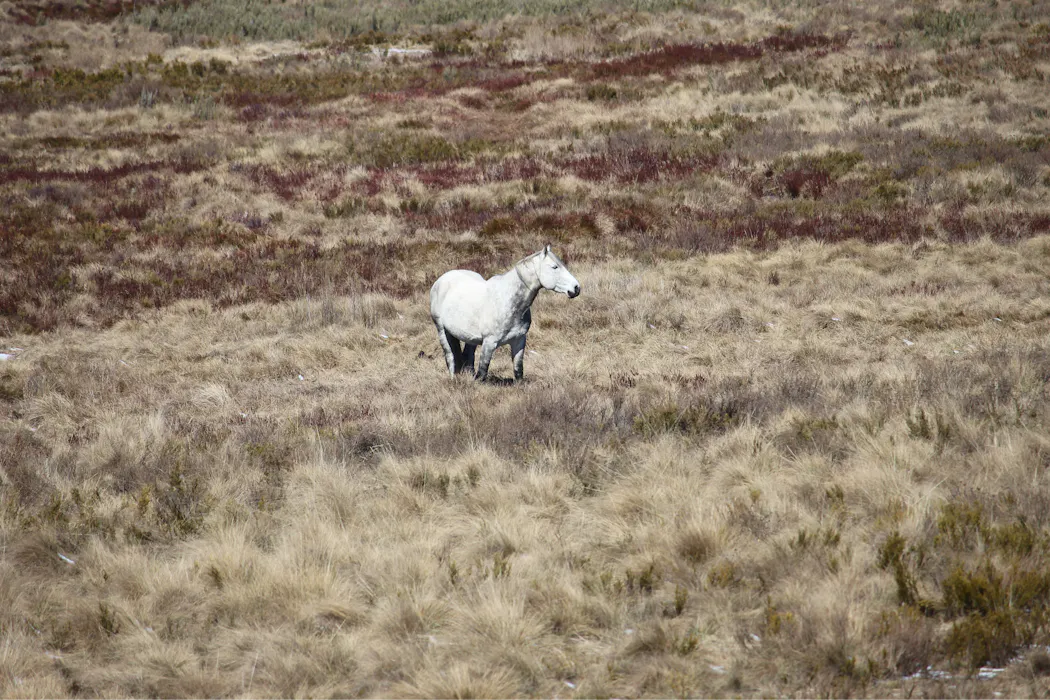
A herd of feral horses in an alpine meadow.
If feral horse numbers aren’t rapidly reduced again, things will get worse for the alpine environment and the horses themselves. crbellette/Getty

A numbers game

If numbers aren’t rapidly reduced again, things will only get worse, both for the fragile alpine environment and the horses themselves. With winter conditions imminent, many horses will struggle to maintain condition as snow covers grazing areas and energy reserves are depleted.

Ironically, some of the strongest opposition to culling overlooks these very real animal welfare consequences. Leaving horse populations unmanaged may ultimately result in prolonged suffering from starvation and exposure, compared with humane control conducted by trained professionals.

Forecast El Niño conditions may further compound these pressures, with drought likely to persist through spring and summer. As water and food become scarce, horses will likely concentrate around creeks, wetlands, alpine bogs, fens and meadows. These are precisely the alpine ecosystems most vulnerable to trampling, grazing and erosion.

And this is where hard-fought gains will be rapidly lost. Banks will become eroded, clear waters fouled and our fabled high plains replaced by overgrazed paddocks.

A long-term effort

We don’t need to look far to see what happens when a population of feral animals goes unchecked. Great Keppel Island, for example, is overrun with a thousand or more feral goats, denuding dune and forcing increasingly exasperated locals to erect fences around their properties

As with horses in Kosciuszko, political hesitancy and delayed action on Great Keppel have allowed ecological damage to escalate while management becomes increasingly difficult and expensive.

New South Wales Environment Minister, Penny Sharpe, recently said the latest Kosciuszko feral horse numbers confirmed the need for “continued management”, required to meet the target of reducing feral horse numbers to 3,000 by mid-2027.

But where did that target come from? It’s a holdover from the repealed Kosciuszko Wild Horse Heritage Act and, when even basic population growth models are applied, the implications become clear. Maintaining a population of 3,000 horses would still require the removal of well over 1,000 animals every two years — indefinitely.

In other words, there is no “set and forget” solution. If horse populations are to remain capped, ongoing culling will be necessary in perpetuity.

Alternative solutions?

Some have suggested that instead of culling, rehoming and fertility control should be used. While many Australians might like the idea of a “brumby” or two grazing in the back paddock, the number of landholders willing and able to care for these animals is far smaller.

Even retired racehorses struggle to find suitable long-term homes once their racing careers end, highlighting the practical limitations of large-scale rehoming programs.

Likewise, although various fertility control options have been suggested, vaccines, intra-uterine devices or surgical sterilisation are all invasive procedures for which horses need to be caught and sedated. These may be effective to maintain a small herd in an easily accessible area. But previous assessments have warned such an approach must be carried out in concert with large scale culling efforts.

Population dynamics vs politics

We don’t have to look far to find other examples of how invasive species management could be improved. In 2016, then New Zealand Prime Minister John Key introduced a bold plan to rid Aotearoa of all introduced predators in the next 30 years.

Predator Free 2050 is the first national-scale initiative to reduce the impacts of introduced predators, capitalising on the invention of new technologies including real-time automated species identification to trap targeted species and mobilising neighbourhoods across the country to join the effort.

Australia faces a different set of challenges — larger landscapes, divided jurisdictions and deeply entrenched cultural and political debates around invasive species management.

But the broader lesson remains the same: meaningful conservation outcomes require long-term commitment, clear targets and the willingness to act before ecological problems become too difficult to reverse.

The Conversation

David M Watson receives funding from the Australian Government (DAFF and DCCEEW).

Patrick Finnerty does not work for, consult, own shares in or receive funding from any company or organisation that would benefit from this article, and has disclosed no relevant affiliations beyond their academic appointment.

  •  

Almost 3 million workers will get a 4.75% pay rise in July. But wages can’t catch up with inflation

Andrew Tanglao/Unsplash, CC BY

Around 2.8 million of Australia’s lowest-paid workers will get a 4.75% pay rise from July 1 this year, after the latest Fair Work Commission annual decision on award wages.

Around 100,000 of the very lowest paid workers, on entry level and minimum pay, were singled out for an almost 6% increase, as rising inflation had left some of them unable to pay their bills.

But even after those pay rises, the commission’s expert panel acknowledged low-paid employees still won’t earn as much in real terms as they did five years ago, when inflation spiked towards the end of the COVID pandemic.

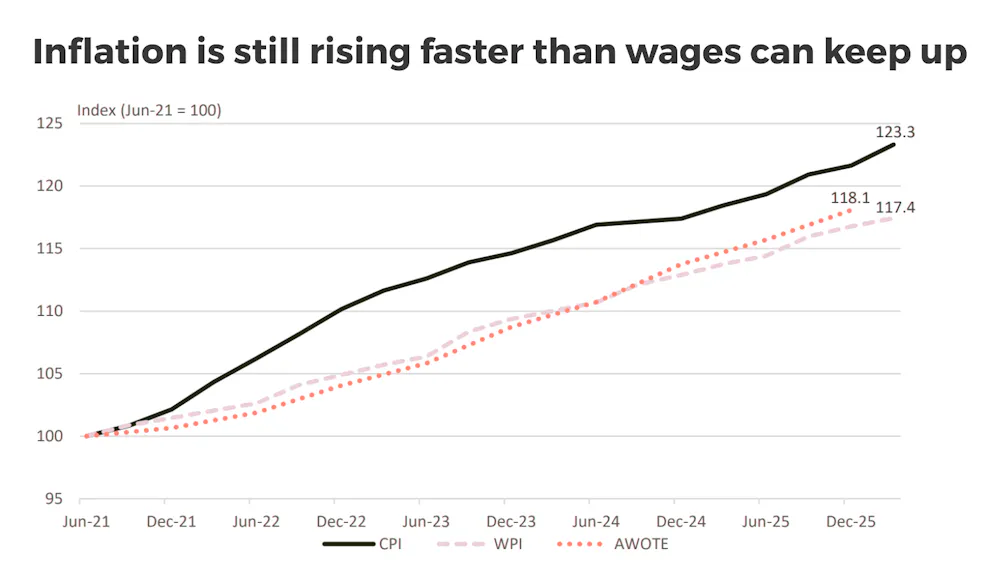
The latest data included in the panel’s decision shows inflation has risen faster than wages since June 2021 – resulting in a real wage cut of 5.9% for average earners.

CPI = Consumer Price Index (inflation). WPI = Wage Price Index, which tracks movements in rates of pay for all employees. AWOTE = average weekly ordinary-time earnings. Note: All data is in original terms. AWOTE is published half-yearly for May and November. Source: ABS, Consumer Price Index, Australia, April 2026; Wage Price Index, Australia, March 2026; Average Weekly Earnings, Australia, November 2025, CC BY-NC

Who benefits from this decision

Announcing the wage rises, Justice Adam Hatcher said this was a “particularly challenging” decision, especially due to the “wild card of the Middle East conflict” and its ongoing price shocks on fuel and other goods.

Amid so much uncertainty, the expert panel said:

we have concluded, regrettably, that it would not be practicable or responsible in the current uncertain circumstances to award a real wage increase for employees reliant on modern award wage rates that would be sufficient to close the real wage gap entirely.

The wage increase starting on July 1 will have the biggest impact on women, part-time and casual workers.

More than 60% of the lowest paid workers are women, with an average age of 34. More than 70% work part-time. They mostly work in four industries: accommodation and food services, health care and social assistance, retail, and administrative and support services.

A 6% rise for the very lowest paid

Around 100,000 of the lowest paid workers will get a 5.97% pay rise.

From July 1, the national minimum wage will be increased from $24.95 an hour to $26.44, or up from $948 a week to $1004.90 per week.

For those starting in entry-level jobs, the lowest award rate for the first six months will rise to $25.74 per hour, or $978.10 per week.

The panel said those increases for the lowest paid 100,000 workers will be followed up with two more rises in coming years.

Future wage rises coming for others

The expert panel said it plans to do more to close the gender pay gap in female-dominated professions.

Over the next few years, this will mean phased-in wage increases for children’s services employees, dental assistants, pathologists, disability home care workers, pharmacists and some other health professionals.

Nurses and flight attendants’ pay will also be examined over the next year.


Read more: Australia’s gender pay gap is narrowing – and the public spotlight seems to be helping


Why wages are struggling to keep up

The expert panel said they didn’t want people to go backwards as inflation keeps rising in the months ahead, so chose a 4.75% rise to at least keep people’s buying power at the level it was a year ago.

However, by my calculations – using their own figures – that still hasn’t happened.

Each year, the panel sets rates for around 21% of Australian workers, on more than 120 different “awards”, which set out minimum terms and conditions of employment.

As a key reference point, the panel looks at the “C10 classification”: the award rate of pay for an entry level tradesperson in manufacturing.

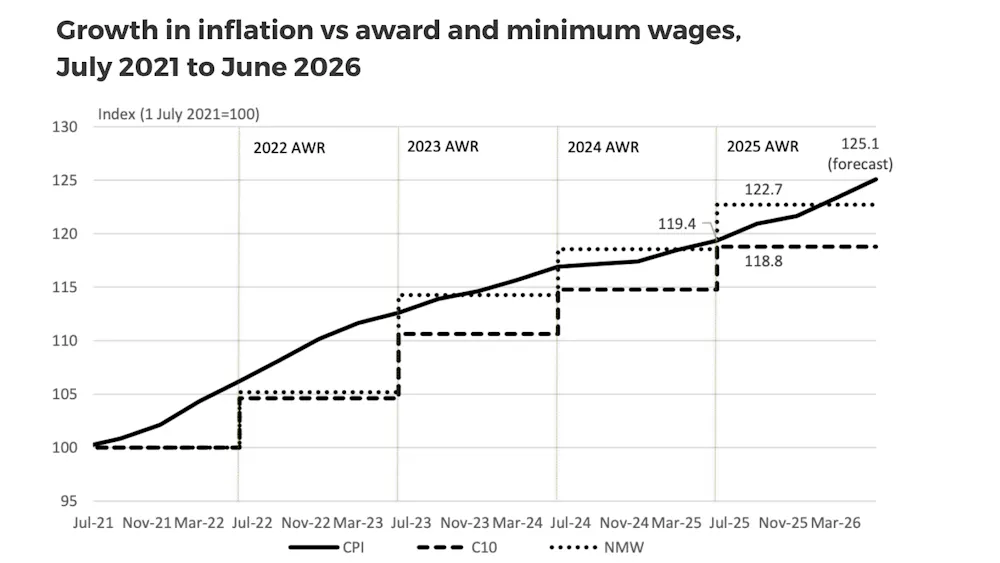
This chart, from today’s decision, shows how inflation has continued to climb faster than the wages of an entry-level tradie, as well as someone on the national minimum wage (NMW).

CPI = Consumer Price Index (inflation), C10 = a rate used to measure typical award wages, NMW = National Minimum Wage. Source: ABS, Consumer Price Index, Australia, April 2026; Fair Work Commission, Modern Awards Pay Database, CC BY

That’s because as you can see – and as the panel itself acknowledged last year – inflation can rise all year, but award wages only increase once a year. This creates a significant fall in people’s real purchasing power between wage increases.

This time last year, the panel noted this had actually resulted in a 14.4% drop in real earnings power for someone on an average award from June 2021 to June 2025.

How does the wage rise compare to inflation?

Inflation was lower than expected last month, partly thanks to fuel discounts that started in April to offset higher oil prices. Those discounts are due to end on June 30.

The monthly consumer price index (CPI) rose 4.2% in the 12 months to April 2026, down from 4.6% in March.


Read more: Interest rates look set to hold, after inflation and fuel costs fell in April. But it’s unlikely to last


Last month, Treasury forecast inflation would peak around 5% in the middle of this year, driven higher by the Middle East war. That’s more than the 4.75% award wage rise.

However, if the war ends and global oil prices ease, inflation is forecast to halve by mid next year, down to 2.5% – back within the Reserve Bank’s target band of 2–3%. That would take the pressure off the bank to keep lifting interest rates, as it’s done three times already this year.

But Treasury also considered a worst-case scenario: that the war drags on and oil prices rise from around US$100 a barrel now to US$200. If that happened, inflation could peak at 7.25% at the end of this year.

What it means for rates and the wealth gap

On balance, this year’s wage decision was conservative, as the expert panel acknowledged themselves by saying they regretted not lifting wages more.

So this decision should not add pressure on the Reserve Bank to lift interest rates in a fortnight, when its board next meets on June 15-16.

Low and middle income earners have not caused Australia’s economic problems. In particular, they are not prime contributors to inflationary pressures.

Just days ago, the Australian Financial Review’s latest Rich List reported Australia produced another 12 billionaires in 2025. Collectively, the top 200’s wealth grew to $707.25 billion – up by 5.9% in the past year.

Contrast that with a real wage cut of at least 5.9% for average earners over the past five years.

Unless next year’s wage review breaks with its timidity and provides for a more reasonable increase, Australian workers are likely to keep seeing their buying power decline for yet another year.

The Conversation

John Buchanan has undertaken research on wages policy for more than 40 years. His most recent work has been supported by funding provided by the Electrical Trades Union, the NSW Nurses and Midwives Association, the Queensland Nurses and Midwives Union, Queensland Teachers Union, Health Services Union and the Australian Salaried Medical Officers Federation (NSW Branch). He has also recently undertaken taken research on the work-health nexus for icare (the NSW government’s workers’ compensation insurer) and Industry Funds Management. He is also a member of the National Tertiary Education Union and an NTEU branch committee member at the University of Sydney.

  •  

Booker winner Douglas Stuart reveals flashes of tenderness in his violent working-class men

Douglas Stuart Martyn Pickersgill/Pan Macmillan

Douglas Stuart’s third novel, John of John, returns to the territory that made his Booker prize-winning Shuggie Bain, and Young Mungo, so unforgettable: the intimate violence of masculinity, and the ways love persists inside families whose members cannot speak or emote plainly to one another.

In Stuart’s Falabay, an imagined town on the Isle of Harris in Scotland’s Outer Hebrides, the wind batters – and people have learned to endure by saying less than they mean.


Review: John of John by Douglas Stuart (Picador)


John Calum (Cal) Macleod returns home from art school in Edinburgh after his father, John, hints at his grandmother’s escalating ailments. For Cal, coming home means regression and constraint. He is indebted, back under the roof of a father who insists, often with overbearing zeal, on obedience and conformity.

In Edinburgh, with dyed hair, new clothes and the agency to publicly express his homosexuality, Cal had begun to assemble a new self. Back in Falabay, Cal is under the roof of his father, a man of unrelenting principle. Control is John’s dialect of love. Proximity must be earned through deference. John forces Cal to listen to bible readings:

because it was too much to ask his son to call him a couple of times a week, or to sit with him by the fire for a few hours and give him all his news. Too much to ask Cal just to be near him.

Intimacy and violence

The Macleods are a weaving family. Stuart, a trained fashion designer, attends to the material textures of that work in imagery of the lanolin that softens and splits skin and fibres that embed themselves in the knuckles of the men.

In two scenes in particular, Stuart demonstrates his skill at writing the tactile and physical. He illustrates John’s attentive care for his son, as well as his violent impulses. After Cal’s hands have been cracked and inflamed by overexposure to artificial heat in the weave shed, John makes him sit, and cares for him “as he might care for any useful tool”.

Cal washed each hand before John dried them on a clean tea-towel. Then John oiled them, rubbing ointment into each knuckle, caressing the webbing between Cal’s forefinger and thumb. Cal winced occasionally, and John went slower, taking care to rub the lotion into the peeling nail beds.

Later, Cal insists on returning the care and tends to his father’s own damaged hands, tweezing wool from John’s inflamed skin and cleaning the wounds. “Look at you two playing nail salons,” Cal’s grandmother, Ella, jokes – yet the intimacy here is unmistakable.

Stuart writes men who are simultaneously opaque to themselves, and overexposed to the community’s judgement.

John polices Cal’s appearance, forbidding him from attending church with neon orange hair, as though colour itself were a provocation. When Cal insists on attending anyway, John beats him in the car.

“He braced his left hand on Cal’s lapel and with his right he punched his son three more times, each blow stronger in its fury and determination.” The beating over, he glimpses his reflection. “Now that the anger had gone, he didn’t know what had possessed him. When he looked in the mirror he saw a devil, and the devil wore his face.”

The scene captures how visibility becomes a moral test in communities trained to prize conformity.

Stuart refuses to excuse John, allowing him full moral agency. Something (the devil) has influenced his behaviour, but John is still the perpetrator. Despite moments of tenderness towards his son, he remains a man who harms people he loves – and crucially, who cannot and will not apologise.

The novel’s most complex reality lies in a truth disclosed early, then handled with delicate restraint: John is in love with his neighbour and childhood friend, Innes. Their relationship is a long, quiet arrangement of glances and hedged intimacies, often reset by John’s fear and Innes’ patience.

“I haven’t had any time alone with you since … I can’t remember when.”
“Cal will be home soon. You have to be patient, please.”
“Am I not the very model of self-control?”
John exhaled as though blowing on a cup of hot tea. Then he nodded slowly. “You are,” he said, “you are.” […] Seeing they were truly alone, he took a step closer. He took Innes’s hand in his, and he stroked the back of it with the side of his thumb.

Stuart gives Innes an eloquent verdict: “It went like this, loving John Macleod. You did it against all reason, against all your better judgement, and in that exact moment he starved the embers into submission, he had the skill to blow on them gentle and ignite them again.” Loving John is an exercise of endurance.

Desire and rejection

For Cal, desire is improvised and punctured by rejection. He answers a lonely-hearts ad and is rebuffed. He fixates on and tries to seduce Innes, an act of longing and misrecognition – a young man reaching for the closest possibility of being known and understood.

If John’s love is performed through maintenance and denial, Cal’s is performed through desperate pursuit. He wants to be seen and held, tenderly.

book cover: John of John

Stuart has a gift for the social contours of villages. In the grudges that accrue and create impenetrable fortresses, Stuart illustrates how family fractures become public currency and harden into comic custom. In Falabay, the MacInnes brothers, Innes and Sorley, share a house without having spoken to each other for 16 years.

Every conversation is duplicated, an arrangement of avoidance, because acknowledgement would concede too much. Cal’s childhood friend, Doll Macdonald, nursing old hurt about Cal “leaving him behind” drinks his life into collapse. Stubbornness provides a kind of safety from ruin. No single slight causes these outcomes, nor could an apology prevent them.

Stuart is attentive to the drawn-out violence of pride and how it makes these men choose solitude over repair, principle over mercy.

Falabay is not glamorised: poverty and precarity pervade the novel, though less centrally than in Shuggie Bain or Young Mungo. Employment is seasonal and signing on (claiming unemployment) becomes an ethical debate whispered over the kitchen table, while the weather decides if your family will eat that night.

Cal’s university debts from Edinburgh haunt the family. In one sharp exchange, John and Cal argue in Gaelic about the dole – is it “dishonest,” or simply necessary?

Controversial on Christianity

Stuart’s handling of religion will be the most controversial element for some readers. It would be wrong to say the novel mocks faith, but it does associate the practise of Christianity with control.

The local minister presides rather than pastors, the congregation is fixated on keeping up social appearances rather than neighbourly care and John is a man who turns Scripture into a blunt instrument of discipline. There’s a matching economy here with the island’s other social systems: faith is kept in working order by policing the boundaries of who belongs.

As a Christian reader, I recognise the ache of filial misunderstanding here, but grace is noticeably absent from the novel. Stuart’s fictional church in Falabay is rendered with nuance, but the faith enacted is mostly a language of pressure: public morality without consolation and doctrine without hospitality.

I longed for a glimpse of forgiveness and repair, especially given the novel’s acute awareness of the ways in which shame distorts the expression of love.

Stuart writes the church in the Scottish Isles as these characters experience it, and he refuses the consolation of counterexample. His refusal is an aesthetic choice as much as a moral one. The novel’s tone remains austere; every consolation is so hard won.

What the novel intricately captures, with unsparing clarity, is how religious performance can lend cover to pride, and how the need to appear righteous can crowd out gentleness and grace.

John of John is a bleak novel, but not entirely hopeless. Tenderness is an event – fleeting, fragile – all the more arresting because of its scarcity. Stuart slows his sentences around these moments: the shoulder‑to‑shoulder quiet after an argument, his grandmother’s silent interventions, the small, comic abrasions of family life.

Readers of Shuggie Bain and Young Mungo will recognise Stuart’s signature: lyrical attention to harm, fierce compassion for children negotiating adult failures, men whose desires costs them dearly, households where harm and love continually conflict.

Falabay may be fictional, but its social world feels unbearably accurate. Stuart has returned to his territory and deepened it.

The Conversation

Caitlin Macdonald is affiliated with The University of Sydney.

  •  

Seahorses and shark fins are illegally trafficked. An AI tool could help stop this crime

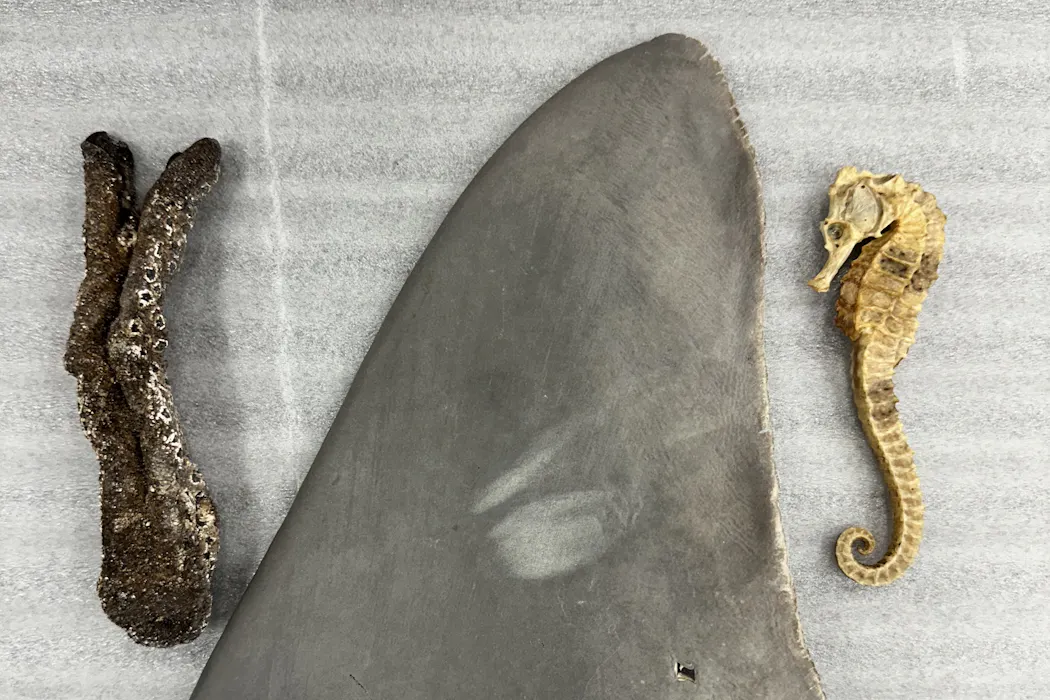
Marine wildlife samples used to create marine detection algorithms. Samples provided by the Australian Museum. Dr Vanessa Pirotta

Shark fins on a plane, seahorses in your bag and sea cucumbers in the post – these are just a few examples of illegal marine wildlife trafficking.

This crime can be hard to detect. But in a new study, published in the journal Frontiers in Ocean Sustainability, we show how artificial intelligence (AI) can be harnessed as a complimentary detection tool to help stop marine wildlife trafficking at international airports and mail facilities.

A global crime

The cross-border trade in live animals, animal parts or products is a global crime, facilitating the flow of billions of illicit dollars each year. It’s known to converge with other criminal activity, including the trafficking in drugs, arms and humans.

The United Nations Office on Drugs and Crime identifies five sources of demand for wildlife trafficking: food, medicine, pets and ornamental plants, specialist collection and adornment.

In some cases, such as pet prestige, people are motivated both by the desire to have a pet and the perceived status it brings to own an exotic animal.

People traffic marine animals too

Wildlife trafficking affects around 4,000 species. Many of the more well-known examples involve land-based animals – ivory from elephant tusks, horns from rhinos and scales from pangolins – the world’s most trafficked mammal.

Closer to home, we also see native Australian reptiles and birds, sometimes shoved in tins, put in socks and packaged up live to be sent overseas.

Marine creatures, unfortunately, are targeted too. This can include live animals such as fish in people’s bags, or dried marine life such as the rise of the seahorse trade and demand for shark fin.

We have small pockets of knowledge of this activity. But the reality is we don’t fully understand how widespread it is.

AI to detect marine wildlife trade

Currently, the best means of detecting illegally trafficked wildlife is humans. And then there are our four-legged friends: biosecurity dogs.

Recently, Australia has also been working to develop the use of AI as a potential means of detecting land-based wildlife in illegal wildlife movements – building on existing detection pathways using 3D X-ray machines fitted with algorithms.

For our latest study, we built on these efforts by developing world-first marine wildlife algorithms. We taught computers to look for shark fins, seahorses and sea cucumbers.

Eight fins illuminated in blue light.
Shark fins scanned under 3D X-ray. Vanessa Pirotta

We did this by collecting a total of 68 samples of dead marine animals, which we scanned in a 3D X-ray machine to create a library of images. We then used this image library to develop algorithms to enable computers to search for what we taught it to look for – in this case, shark fins, seahorses and sea cucumbers.

Samples were scanned alone and then in more complicated scenarios to reflect how people actually traffic marine life. This means if a bag or mail item is hiding a shark fin, seahorse or sea cucumber, the algorithm will be able to flag this to an operator, prompting them to inspect the item.

Out of a total of 298 scans and a training data set derived from these samples, our algorithm had success rates of 95%, 95% and 85% for shark fins, seahorses and sea cucumbers, respectively.

Humans and biosecurity dogs still needed alongside AI

While technology fitted with computer algorithms may help people inspecting luggage or mail, we still need people to verify what computers see. Sometimes the algorithms get it wrong and may miss items.

Despite this, the broader implications of having AI as a second set of eyes searching for trafficked marine life will aid in identifying key trade routes to potentially stop this activity. The next step is relying on implementation of these algorithms at the front lines.

Like computer algorithms and AI, the more we learn, the better we get at detecting and potentially stopping this harmful crime.

The Conversation

Vanessa Pirotta received funding from Rapiscan Systems for this research.

Justine O'Brien receives funding from the San Diego Zoo and Wildlife Alliance; NSW Department of Climate Change, Energy, the Environment and Water; the Australian Research Council; Institute of Museum and Library Services; Great Barrier Reef Foundation; and the Taronga Foundation.

Phoebe Meagher receives funding from San Diego Zoo and Wildlife Alliance and the Taronga Foundation.

Zara Bending serves as a Resident Expert for the Jane Goodall Institute Global and is a Distinguished Research Fellow at the Macquarie University Environmental Law Research Centre.

  •  
❌