Reading view

Neanderthals consumed mollusks as early as 115,000 years ago, especially during the colder months

There was a time when researchers doubted that Neanderthals liked the beach. There was no trace of them in marine environments. It was suggested then that these were more complex ecosystems, requiring skills that only Homo sapiens, modern humans, possessed. Several studies have dismantled this ethnocentrism: Homo neanderthalensis had been feeding from the sea for many millennia before Homo sapiens arrived in Europe. Now, a new study published in PNAS shows that, around 115,000 years ago, in a Mediterranean cave, they used strategies that Homo sapiens would employ much later, such as gathering mollusks in the colder months, when the risk of contamination was minimal and their flavor at its peak.
Seguir leyendo

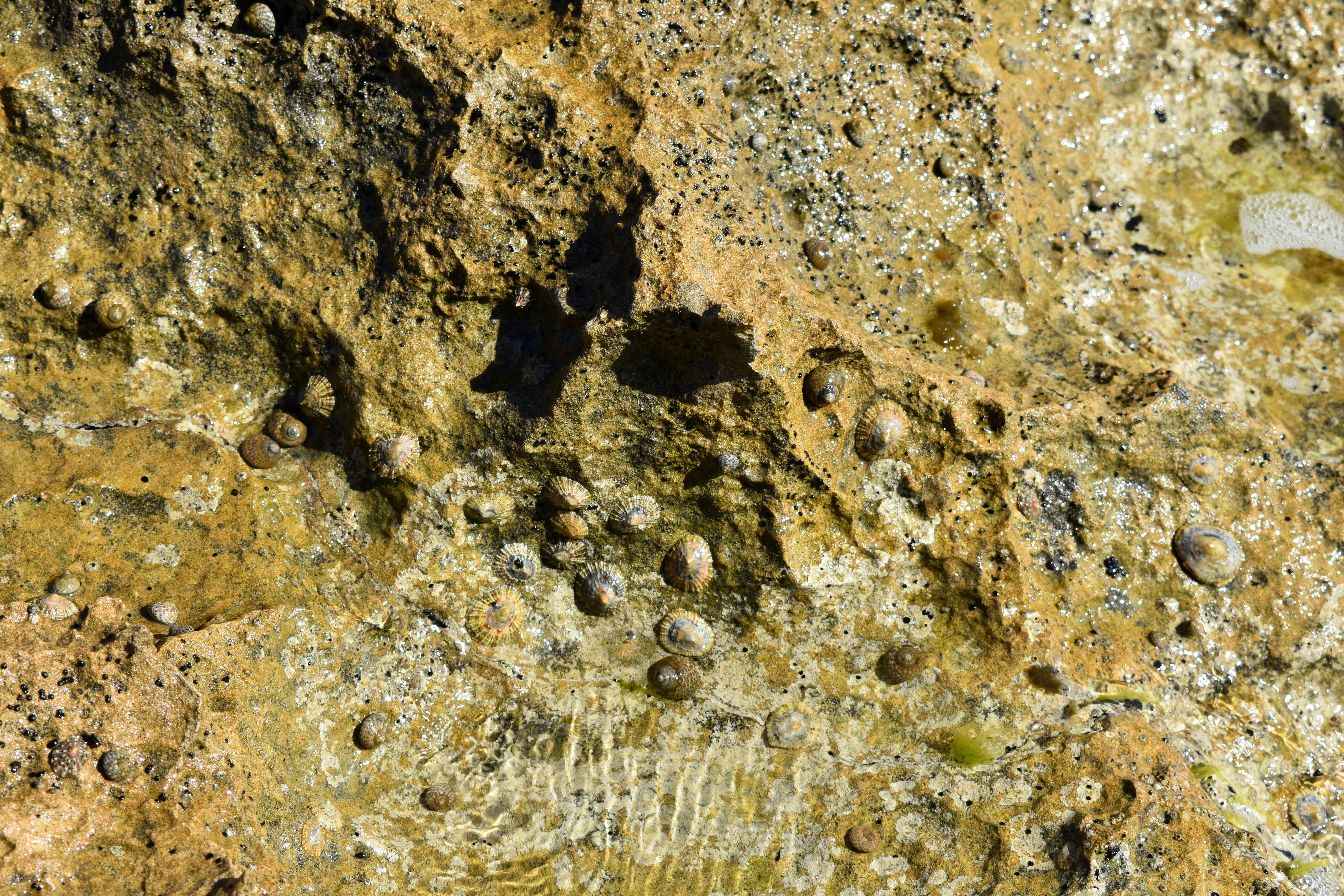
Of the limpets and periwinkles that Neanderthals ate, the former are now endangered in the Spanish Mediterranean. The image shows both species.

© Asier García-Escárzaga

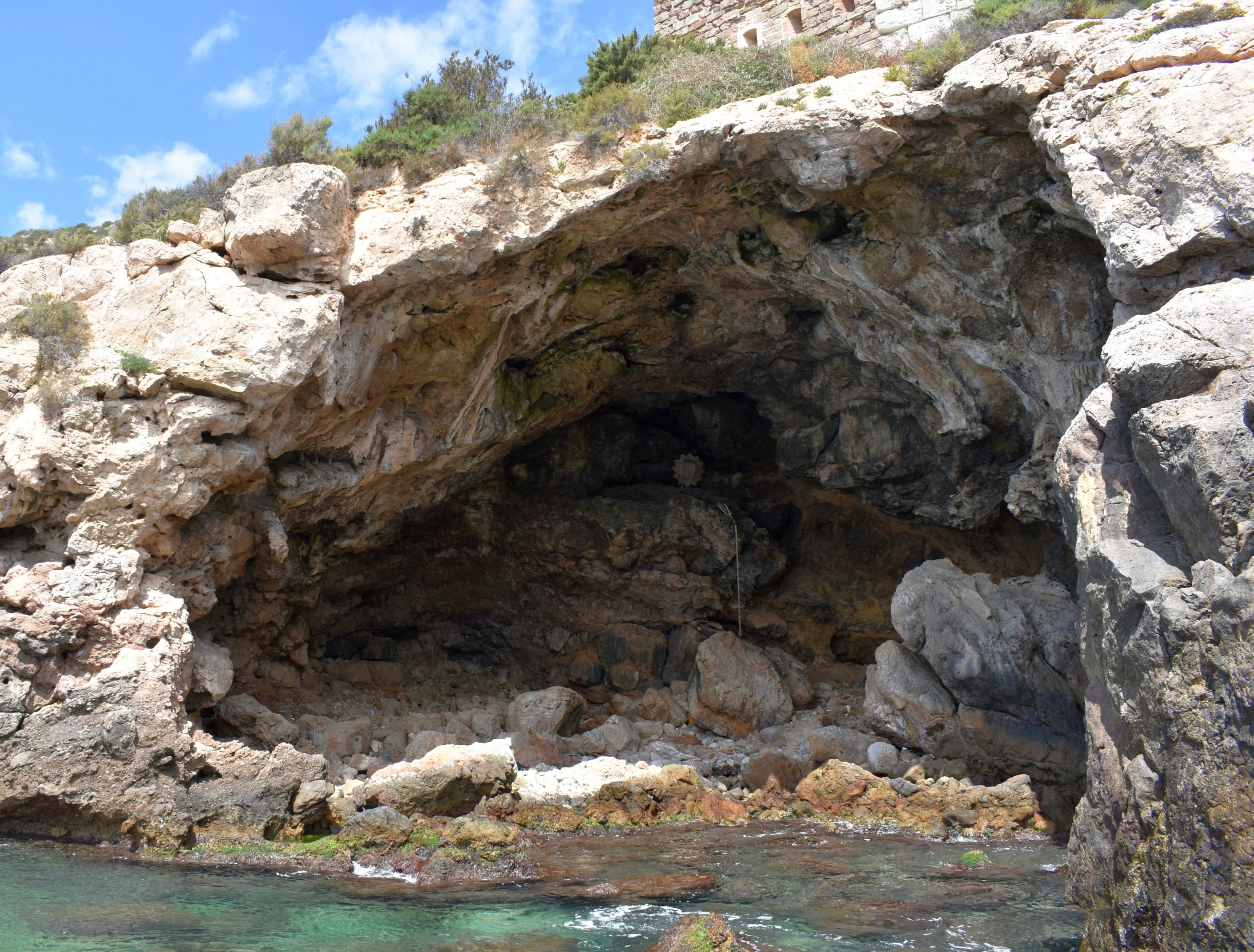
The Los Aviones Cave in Cartagena served as a refuge for Neanderthals for thousands of years. Now, rising sea levels threaten to flood it.
  •  

Protein reveals the oldest episode of sex and procreation among human species

Since humans developed the ability to study DNA extracted from fossils, we have uncovered a mystery that until now had no answer. In the DNA of some human species, including our own, Homo sapiens, there were “super-archaic” markers, vestiges of older, unknown species with which we had interbred and produced offspring. Unable to determine who these genomic intruders were, some scientists called them ghost populations.

Seguir leyendo

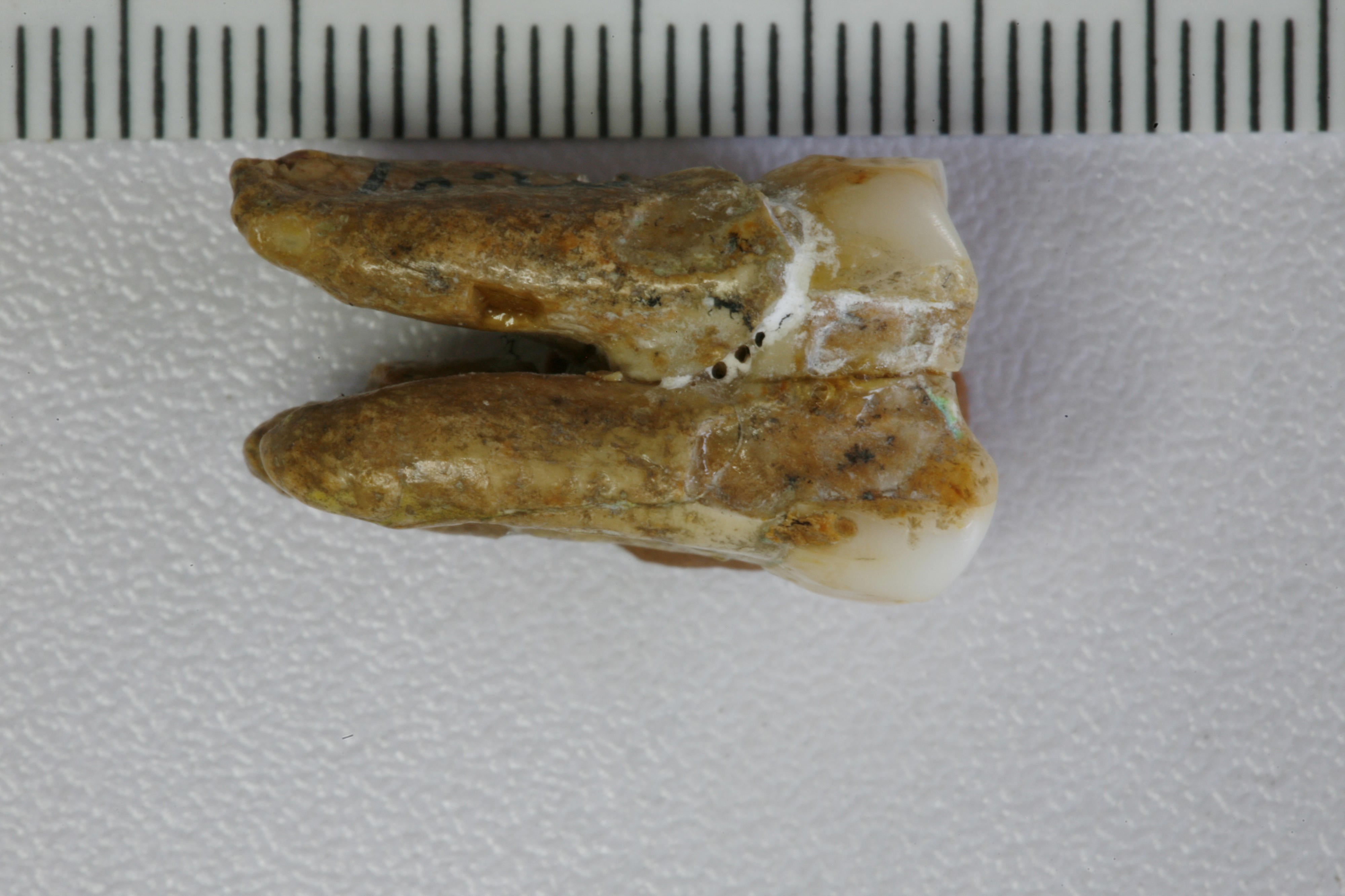
One of the 'Homo erectus' molars analyzed.

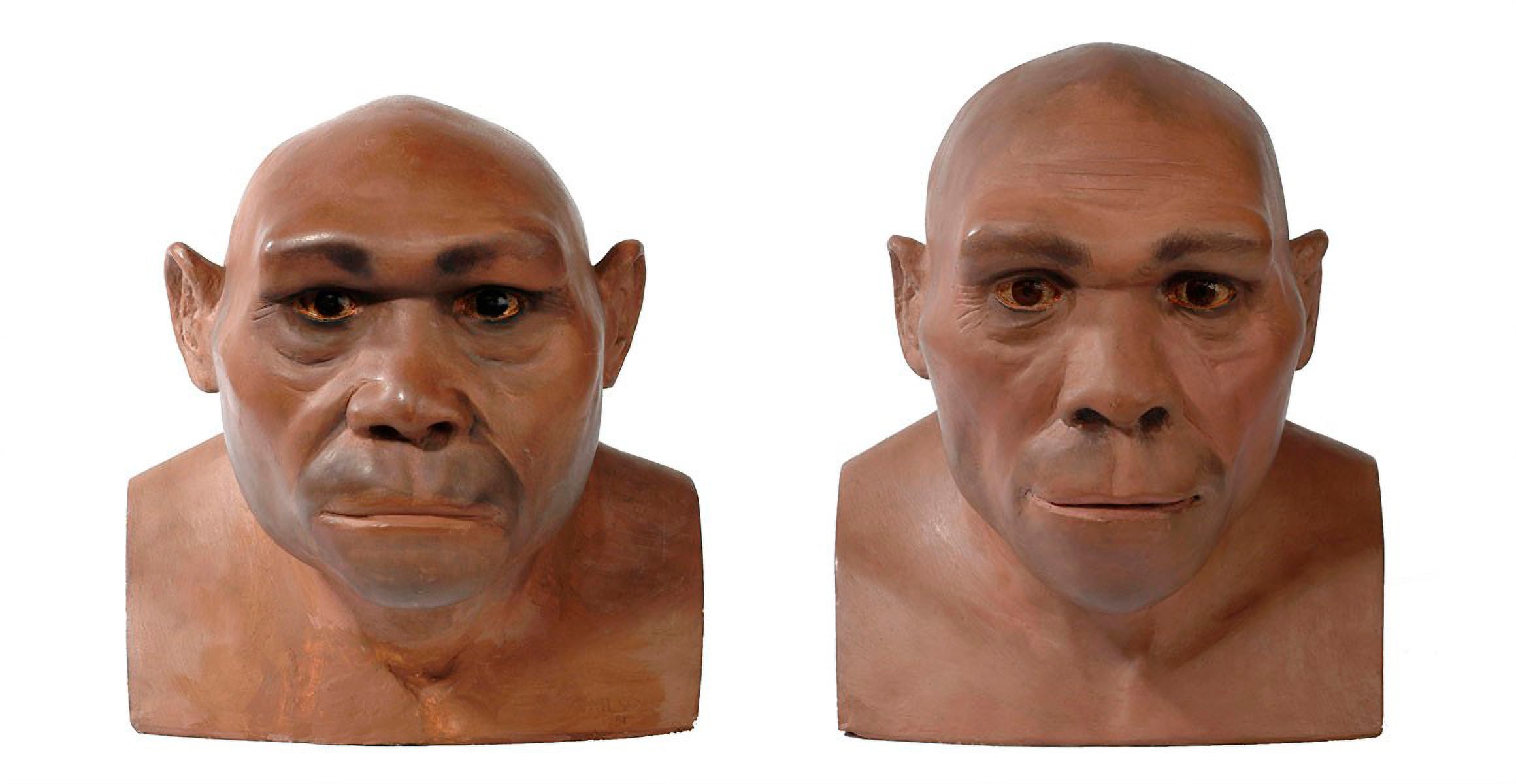
Reconstruction of a 'homo erectus' based on fossils from different locations, in an image from the Natural History Museum.
  •  
❌