Reading view

The fate of the ‘Ursa Major’: Mystery surrounds Russian ship sunk off the coast of Spain carrying nuclear material

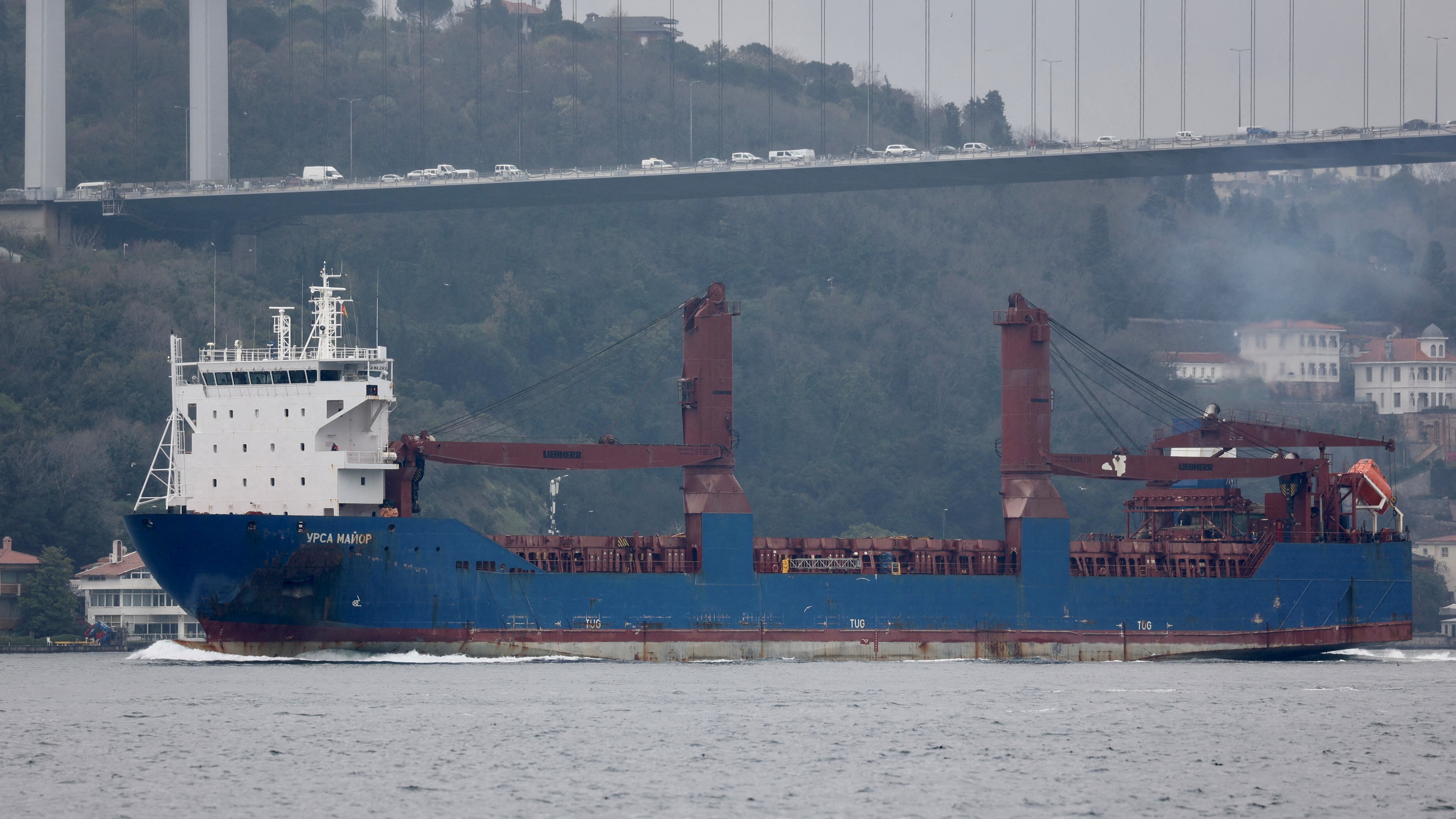
The exploits of Ukrainian espionage, officially acknowledged or not, eventually reach the public eye. Around the second half of December 2024, Kyiv’s intelligence services reported that a Russian ship was damaged and stranded in the Mediterranean. It had suffered, they claimed, an engine problem. The GUR, the Ukrainian Ministry of Defense’s spy agency, identified the vessel as the Sparta. According to Kyiv’s version at the time, it was en route to Syria to transport military equipment. Ukraine never claimed responsibility for any sabotage that might have damaged the enemy vessel. On December 23, 2024, the cargo ship, renamed Ursa Major — although until 2021 it bore the name Sparta on its hull, a long-standing family of Russian ships — sunk to a depth of 2,500 meters off the coasts of Algeria and Spain.
Seguir leyendo

© Yoruk Isik (REUTERS)

The Russian cargo ship 'Ursa Major' in the Bosphorus Strait in April 2023.
  •  

Rzeszów Airport in Poland, Ukraine's wartime air terminal

The Polish airport of Rzeszów is modestly sized, a regional airfield. The Patriot air defense batteries deployed alongside the runway, however, indicate that it handles more than just charter flights. Following the start of Russia’s full-scale invasion of Ukraine in February 2022, Rzeszów became the air terminal for delivering military and humanitarian aid to Kyiv. Those imposing missile defense systems visible from the aircraft windows protect key supplies sent by allies.

Seguir leyendo

© Patryk Ogorzalek/AGENCJA WYBORCZ (Agencja Wyborcza.pl via REUTERS)

Air Force One on the tarmac at Rzeszów airport, March 25, 2022.
  •  

‘People live here’: Neither nuclear disaster nor the Russian invasion has managed to destroy Chernobyl

In Chernobyl, tragedy takes the trouble to give warning. It does so by telephone at 4 a.m. At that hour, the doorbell rang at Alexander Zelentsov’s house on April 26, 1986. His shift at the nuclear power plant didn’t start until four hours later, at 8 a.m., but there was a fire in one of the reactors. Nothing serious, they told him. A car is already on its way to pick you up.

Seguir leyendo

© Alfons Rodríguez (EL PAÍS)

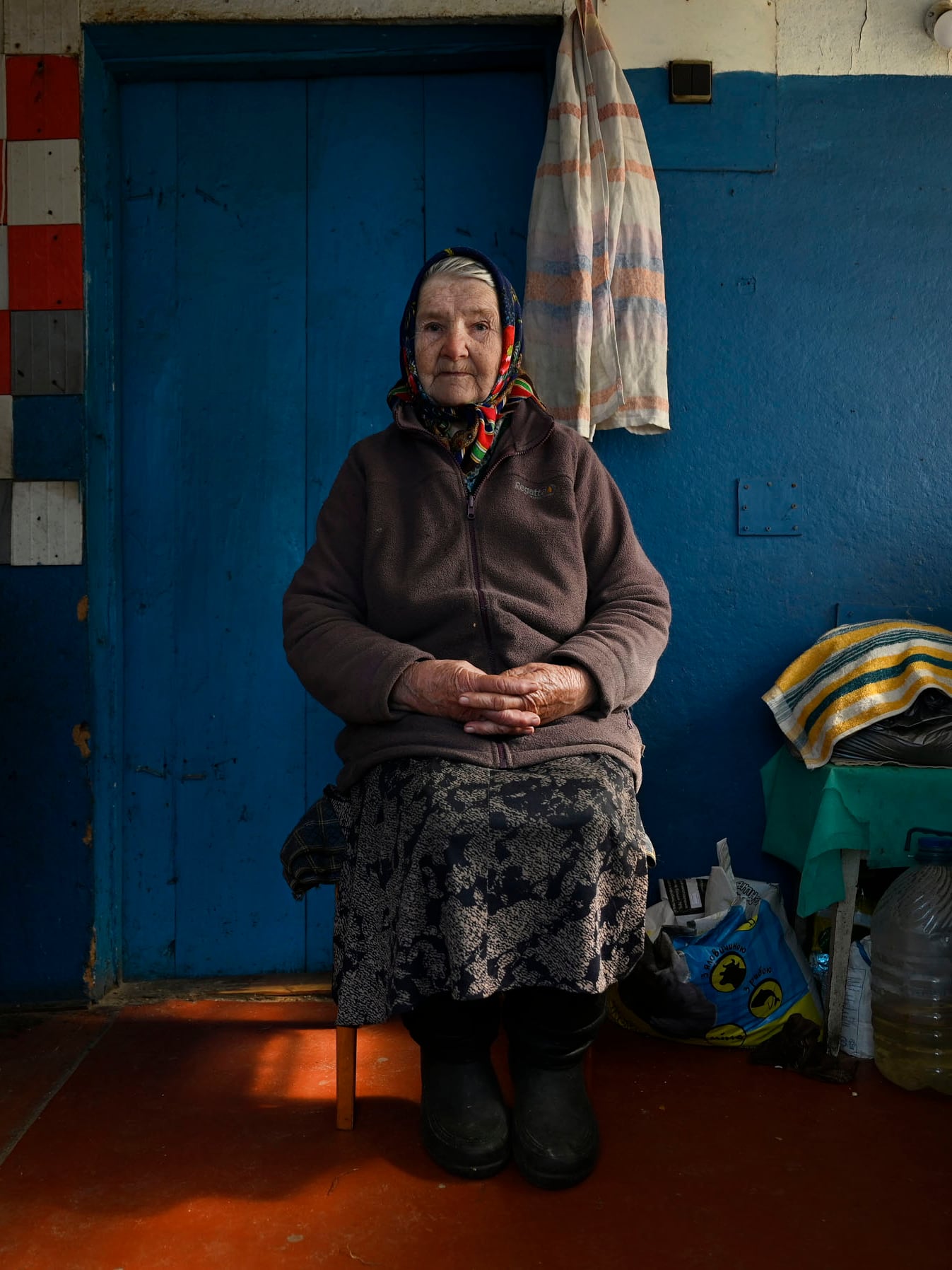
Marusia Zayornaya, 85, is the only resident of the remote village of Kupovate, in the heart of the Chernobyl exclusion zone. In 1986, the year of the disaster, a handful of residents refused to be evacuated. Only a few women are still alive and living in the area. They are known as 'samoselys.'
  •  
❌