Reading view

Two Sustainability Students See Opportunity Hidden in Laundry-Induced Microplastic Pollution

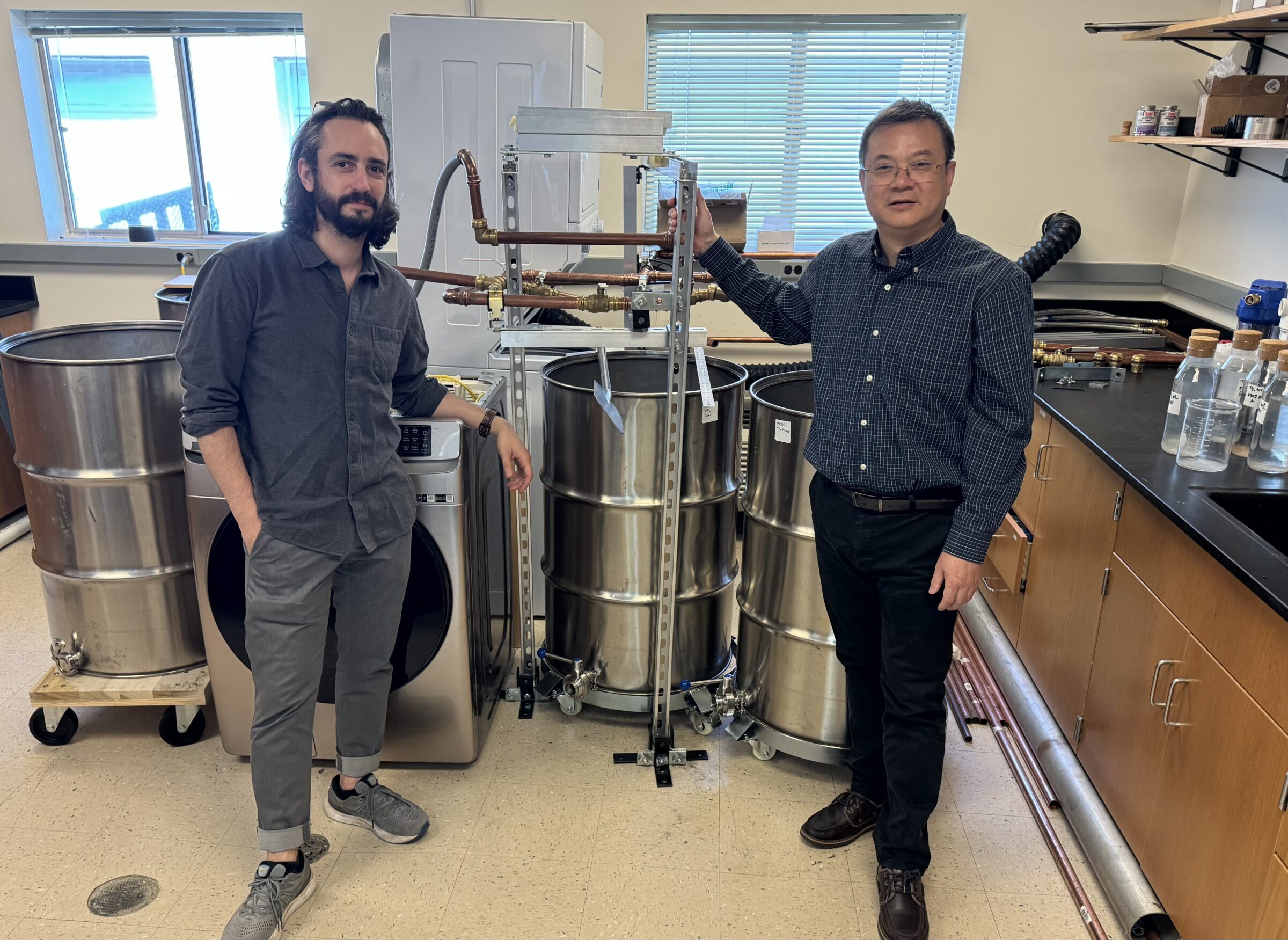
Students and faculty at Columbia’s M.S. in Sustainability Management and Sustainability Science programs turned cutting-edge research on microplastics into Moby Filter, a sustainability startup tackling laundry-induced pollution at its source.

  •  

France imposes RM101m in fresh penalties on Shein for consumer‑law breaches

Malay Mail

PARIS, June 3 — French authorities said today that they had imposed two fines on Shein totalling more than €22 million (RM101 million), citing problems with product traceability, environmental labelling and delivery times.

The new penalties bring the total fines imposed by France against the Asian fashion giant to more than €210 million.

Shein said it was contesting the “disproportionate” penalties, arguing that no consumer harm had been established.

The Singapore-based company has been under fire since it established operations in France. Last year, the discovery of childlike sex dolls on the Shein platform caused outrage in France and prompted greater scrutiny.

Trade Minister Serge Papin said e-commerce platforms “avoid complying with our rules”.

“This is unfair competition, and I am fighting against it,” he said on X.

“Since the discovery of child pornography dolls on Shein, we have decided not to let these platforms get away with it, and we will continue until they completely change their practices — or abandon our market.”

The government’s consumer protection agency DGCCRF imposed the penalties following an investigation targeting several e-commerce platforms, primarily based outside Europe, including Shein.

The first fine of €5.77 million targets Infinite Style Ecommerce Co Ltd (ISEL), which handles sales for Shein.

The DGCCRF accuses Shein of failing to comply with a 14-day period required for consumers to be able to reconsider certain purchases and return them free of charge.

The watchdog also accuses the company of omitting mandatory traceability information, such as the countries where its clothing is woven, dyed and manufactured, and of failing to disclose the presence of microplastics in its fabrics.

Microplastics, primarily found in polyester, are released into the water with every machine wash, posing a serious environmental threat.

The agency also slapped a fine of €16.73 million on Shein’s subsidiary Infinite Styles Services Limited (ISSL), accusing it of violations of consumer law.

“We dispute these findings and consider the fines manifestly disproportionate,” Shein said.

“There has never been any doubt about the fairness of transactions on our platform, or the quality and safety of the products and services offered,” it said.

Following the uproar over the sex dolls, Shein said it immediately removed the products from its marketplace—the section of its website selling third-party products—and banned sex dolls from its site globally.

Campaign groups and politicians accuse Shein of generating environmental pollution, practising unfair competition, selling goods that fail to comply with basic regulations and imposing poor working conditions in its Chinese factories.

In July, France slapped Shein with a €40 million fine, saying it misled customers on price deals and on its environmental impact. — AFP


  •  

Fisheries Dept launches ‘no single-use plastic’ campaign at 56 marine parks across Malaysia 

Malay Mail

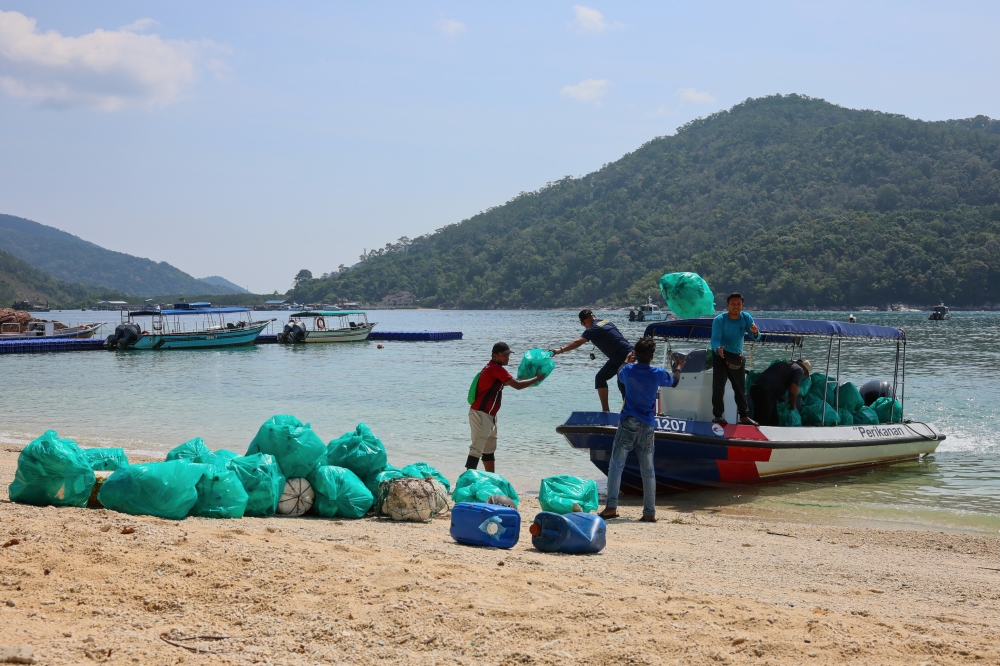
KUALA NERUS, June 8 — The Department of Fisheries Malaysia (DOF) is rolling out a “No Single-Use Plastic” campaign at 56 island marine parks nationwide in a decisive move to protect marine ecosystems from pollution and the growing threat of microplastics.

Fisheries director-general Datuk Adnan Hussain said the campaign, launched in conjunction with World Oceans Day 2026, calls on tourists, resort operators and tourism players to rethink their use of plastic bags when visiting marine park islands.

Visitors, he added, are strongly encouraged to bring reusable containers or eco-friendly alternatives to help reduce the risk of marine contamination.

“We do not encourage tourists to bring plastic bags to the islands, because these plastics will eventually be discarded, polluting the ecosystem and potentially breaking down into harmful microplastics.

“This threatens not just marine life, coral reefs and seagrass but also human health,” he told reporters after the World Oceans Day 2026 celebration at Pulau Redang Marine Park here today.

Adnan said that for now, the approach focuses primarily on awareness campaigns rather than enforcement action or fines.

“We are still studying the matter. If this campaign proves insufficient, appropriate regulations could be drawn up in the future,” he said.

He emphasised that single-use plastics pose a serious threat to the marine ecosystem, as they can be ingested by marine life such as turtles and also have the potential to break down into microplastics that enter the food chain.

He revealed that 548,598 visitors were recorded at Malaysia’s Marine Parks in 2025. Of that total, 64 per cent were recorded in Terengganu’s Marine Parks, which include Pulau Redang, Pulau Perhentian and Pulau Kapas. 

Earlier, DOF and its strategic partners, including the Department of Wildlife and National Parks (Perhilitan), Aquaria KLCC and Universiti Malaysia Terengganu (UMT), launched three programmes in conjunction with World Oceans Day 2026.

It included a coral restoration programme involving the planting of 600 coral nubbins and the release of wildlife on Pulau Redang.

Adnan highlighted that coral restoration is essential for rebuilding reef populations devastated by die-offs and bleaching.

“If we don’t act now, I believe our marine parks will gradually lose their coral reefs and with them, a lifeline for the entire marine ecosystem,” he cautioned.

On a related front, Adnan acknowledged that research on microplastics in Malaysia’s commercial fish is still in its early stages, with much more data needed.

His comments follow scientific studies by the Fisheries Research Institute confirming the presence of microplastics in the marine ecosystem, including in commercial fish species, a clear signal of rising pollution in our oceans.

He said DOF has applied for funding under the 13th Malaysia Plan to expand research, in collaboration with local universities, to better assess microplastic risks in the country’s marine environment.

Also present at the event were Perhilitan director-general Datuk Abdul Kadir Abu Hashim, Terengganu Fisheries director Pang Nyukang, Aquawalk Group Bhd chief executive officer Daryl Foong, and INOS UMT director Prof Dr Zainudin Bachok. — Bernama 

  •  
❌