Reading view

REI just dropped its biggest sale of the year and it’s blowing out apparel, camping gear, and more for clearance prices

Outdoor gear is awesome, but it’s also typically expensive. The REI Anniversary Sale cuts 25% or more off brands like KEEN, Oboz, Smartwool, NEMO, Big Agnes, Mountain Hardwear, Outdoor Research, and Black Diamond, and The North Face. The window runs May 15 through May 25, which is shorter than most retailer sales and a lot easier to plan around than something like Memorial Day weekend.

The deepest discounts in the whole event are a members-only 40% off the REI Co-op Magma 30 sleeping bag and the Half Dome 2 tent, both of which close after Sunday May 17, so move fast if either is on your list. REI Co-op members can also stack the code ANNIV26 for an extra 20% off one full-price item and 20% off one outlet item through the end of the sale. If you’ve been putting off a new tent, boot, or down jacket since last summer, this is the window. Our picks across the whole sale are below, with the strongest deals featured up top and the rest organized by what you’re shopping for.

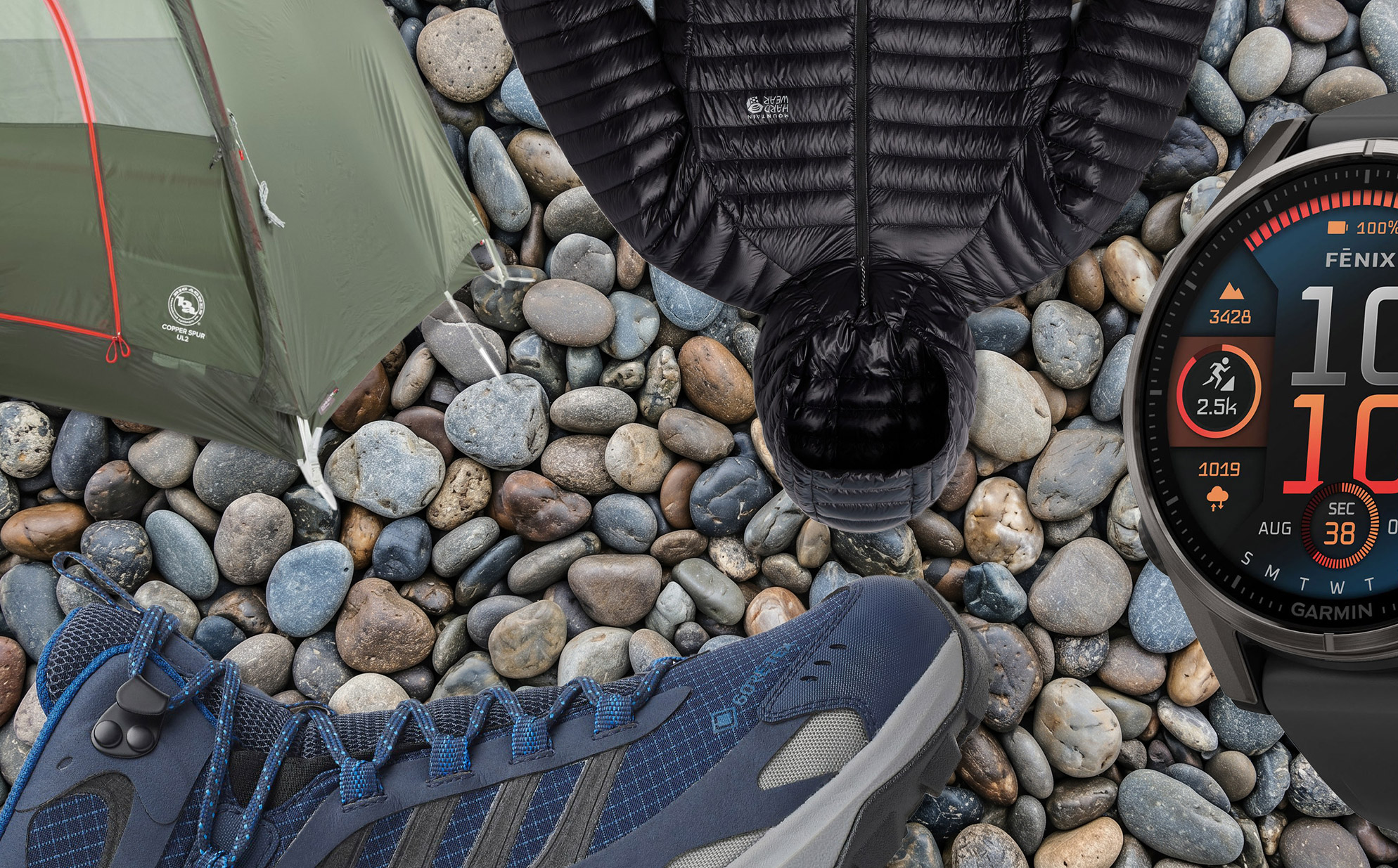
Mountain Hardwear Ghost Whisperer UL Down Hoody (Men's) $363.69 (was $485.00)

See It
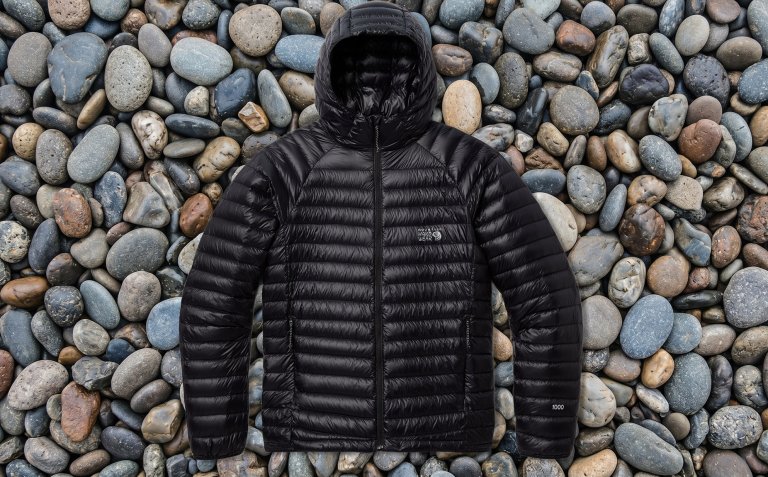
The Ghost Whisperer UL is the lightest down hoody Mountain Hardwear makes, and it’s the most direct competitor to the Patagonia Down Sweater in this entire sale. 1000-fill responsibly sourced down, a shell that weighs next to nothing, and the kind of warmth-to-weight ratio that makes it the obvious answer for ultralight backpacking and alpine fast-packing. $121 off lands it at $363.69, which is the lowest this jacket gets all year.

Merrell Moab Speed 2 Mid GTX Hiking Boots (Men's) $138.69 (was $185.00)

See It
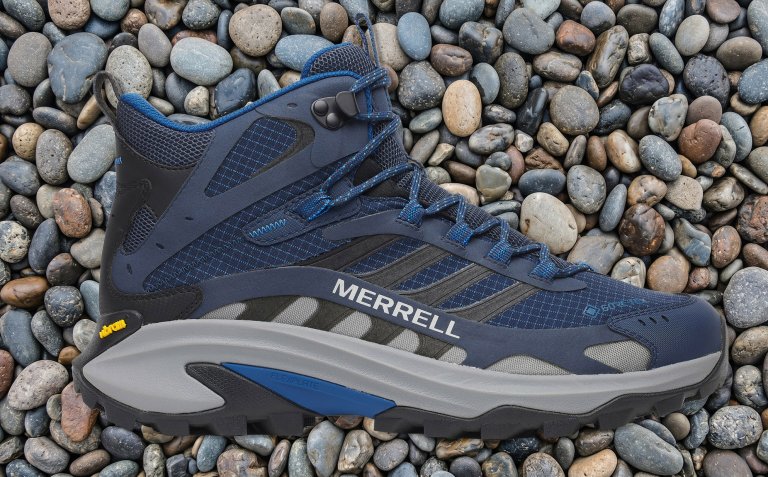
The Moab is the best-selling hiking boot in the United States, and the Speed 2 is the lighter, more athletic version that runs closer to a trail-running shoe than the classic Moab. GORE-TEX waterproof, Vibram outsole, and a midsole that lets you actually move at hike pace. Every Moab 2 and Speed 2 is at 25% off in this sale, so women’s and low-cut versions hit the same percentage if either fits your foot better.

REI Co-op Magma 30 Sleeping Bag $215.39 (was $359.00)

See It
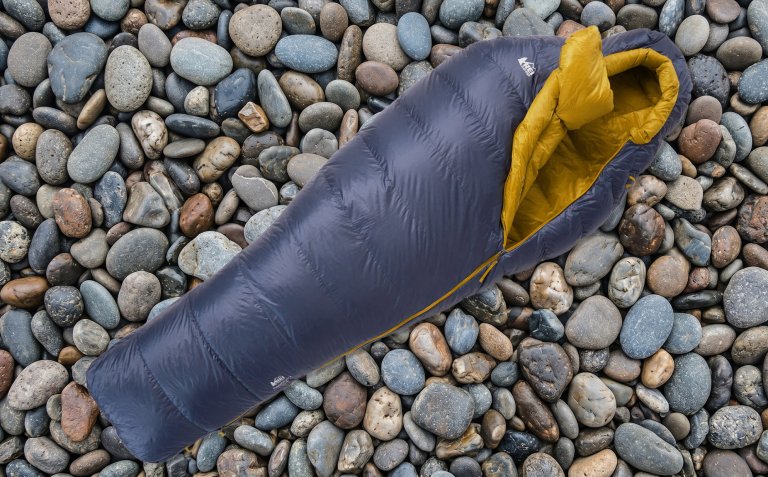
The Magma 30 is the lightest down sleeping bag REI makes under its own label, and it tends to land near the top of best-of lists for three-season backpacking because it splits the difference between weight and warmth without pushing into the premium price tier. The 40% members-only cut is the deepest discount in this entire sale, but it expires after Sunday May 17. If you’re not a member yet, the $30 membership pays for itself on this single item.

Big Agnes Copper Spur UL2 Tent $449.89 (was $600.00)

See It
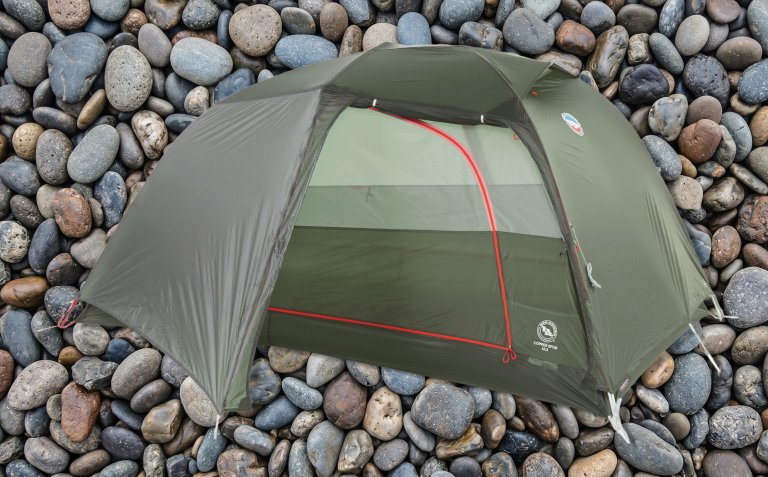
This is the standard in its class. It pitches with two trekking poles or its own pole set, weighs just over three pounds for the two-person version, and has the kind of headroom that makes a small backpacking tent actually feel livable on a wet afternoon.

The North Face Stormbreak 2 Tent $164.99 (was $220.00)

See It
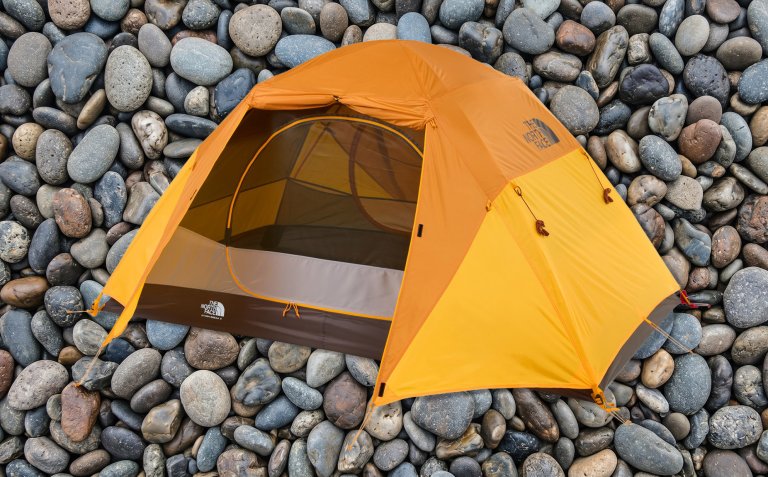
Cheap tents typically don’t last. The Stormbreak is one of the few car-camping tents at this price that doesn’t feel like a single-season disposable. Two doors, two vestibules, an aluminum pole structure that pitches in under five minutes, and weatherproofing that actually holds up in a real downpour. At $164.99 it’s the easiest entry into name-brand backpacking gear in the entire sale.

Garmin fēnix 8 AMOLED Sapphire $849.99 (was $1,100.00)

See It
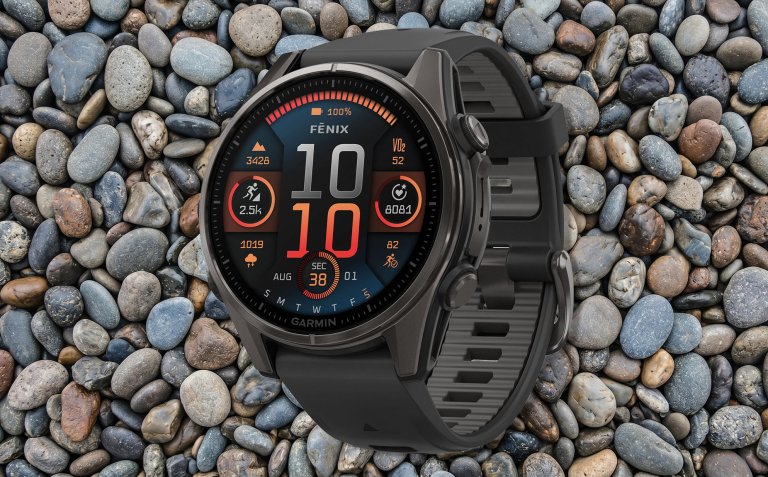
The fēnix 8 sits at the top of Garmin’s multisport watch lineup, and outside of Black Friday window pricing this is the steepest cut we’ve seen on the AMOLED Sapphire variant. You get the brighter display, the scratch-resistant sapphire crystal, built-in flashlight, and the full set of training metrics that make a $1,100 watch feel justifiable for serious trail running and bikepacking.

KEEN Targhee Apex Mid Waterproof Hiking Boots $142.49 (was $190.00)

See It
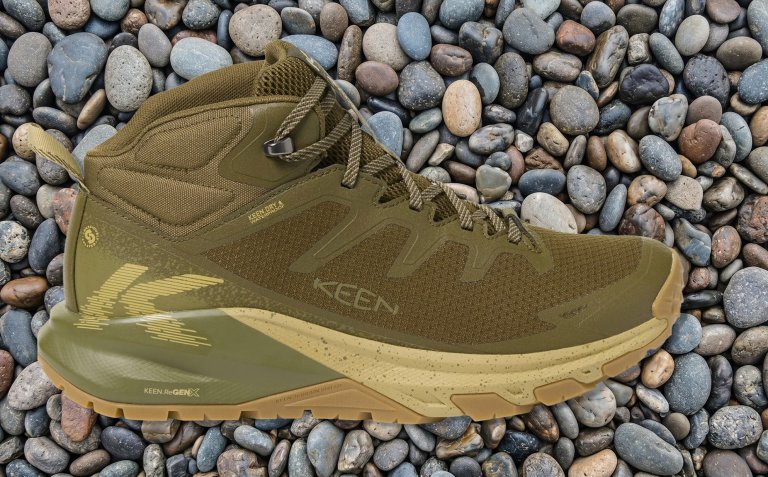
The Targhee line is KEEN’s most-recommended day-hiking boot, and the new Apex update makes it stiffer in the midsole, lighter overall, and faster to break in than the long-running Targhee III it replaces. Waterproof membrane, all-leather upper, and the wide toebox KEEN is known for. The full KEEN catalog is 25% off in this sale, but this is the standout in my opinion.

Yakima OnRamp LX E-Bike Hitch Rack $799.19 (was $999.00)
Electric bikes are heavy, which makes lugging them tricky. The OnRamp LX is built specifically for hauling heavy e-bikes, with a 70-pound-per-bike weight capacity and an integrated ramp so you don’t have to deadlift a 60-pound battery-and-motor bike up to chest height. The 20% off all Yakima racks is the deepest cut they see all year. Same percentage applies across Yakima’s OutPost HD truck-bed rack, SkyBox cargo boxes, and roof boxes.

Tents and shelter deals at the REI Anniversary Sale

NEMO, Big Agnes, and REI Co-op all get the full 25% off across their tent lineups, which makes this the deepest tent sale on the calendar. Two extras worth flagging: REI Co-op members get the Half Dome 2 Tent with footprint for 40% off through May 17, and Mountain Hardwear tents are also included at 25%.

Sleeping bag and pad deals at REI

The REI Co-op Magma 30 bag in the featured section above is the standout, but there’s real value across NEMO and Mountain Hardwear as well. Note that the Magma 30 Down Trail Quilt and Magma 15 are different products from the member-only Magma 30 bag, and they’re available at 25% off to everyone.

Hiking boot and footwear deals at REI

The footwear side of this sale is the most aggressive, with 25% off every pair of KEEN, every pair of Oboz, every Merrell Moab 2 or Speed 2, and selected Altra trail runners and gaiters. Danner, La Sportiva, and selected The North Face boots are also at 25%.

Outerwear and apparel deals at REI

All Outdoor Research clothing and outerwear, all Mountain Hardwear clothing (except Kor Airshell), all Smartwool, all REI Co-op apparel, and selected The North Face are 25% off. The down jacket category is where the real upgrades sit, but the prAna Stretch Zion line and selected KUHL pants are also worth a look if you’re replacing daily-driver hiking pants.

Backpack and travel bag deals at REI

Osprey’s entire pack lineup is at 25%, including the Atmos AG and Aura AG suspension packs that show up on more best-backpacking-pack lists than any other model. Gregory, Black Diamond, and Mountain Hardwear packs are also included.

Bike rack and car rack deals at REI

Yakima and Thule racks are both 20% off across the board. That includes hitch-mount bike racks, rooftop cargo boxes, and roof racks. If you’re thinking about a summer road trip setup, this is the moment.

Outdoor electronics and watch deals at REI

Garmin discounts run across the entire smartwatch and GPS lineup. The fēnix 8 in the featured section is the highest-dollar cut, but the Instinct 3 AMOLED and Forerunner 165 are the easier-to-justify picks if you don’t need every triathlon metric. The inReach Mini 3 satellite communicator is also discounted, which is unusual.

REI Outlet adds 50% off May 19 to 21

From May 19 through May 21, REI Outlet stacks an additional discount on select online-only items, with markdowns reaching 50% off. Members can also apply the ANNIV26 coupon for an extra 20% on one Outlet item. Outlet stock is limited and isn’t restocked, so sizes go fast.

The post REI just dropped its biggest sale of the year and it’s blowing out apparel, camping gear, and more for clearance prices appeared first on Popular Science.
  •  

Hypershell X Ultra S hiking exoskeleton review: Adaptive assistance for every body

I love hiking, but most of my body does not. I have POTS (Postural Orthostatic Tachycardia Syndrome), which sends my heart rate into the 150s during moderate exertion, and Ehlers-Danlos syndrome, which means my joints sit looser than the average hiker’s. My muscles also fatigue earlier, which means the trek back to the car typically feels particularly taxing. These conditions make the Hypershell X Ultra S exoskeleton appealing to me. It weighs less than 5 pounds and adds AI-driven assistance to every step during hiking or even everyday ambulation. Hypershell hosted a group of journalists at the Grand Canyon to experience the assistive device and determine just how much it can help all bodies, including one like mine. [Disclosure: Hypershell provided travel accommodations during the creation of this story.]

What it does

Hypershell X Ultra S

See It

The Hypershell X Ultra S is a $1,999 hip-mounted exoskeleton with motors at both hips, designed to assist your stride during walking and hiking. It weighs 4.7 pounds, thanks in large part to its construction from titanium alloy and carbon fiber [there are also less expensive, less powerful carbon fiber + aluminum versions for $1,499 and $999]. The hardware is paired with what Hypershell calls a HyperIntuition AI motion-control system that can handle a wide variety of terrain, rather than just pulling on your legs to move things along. The company lists 12 terrain modes the system adapts to in real time, including stairs up, stairs down, uphill, downhill, gravel, snow, and dunes. The M-One Ultra motor is rated for 1,000 watts, and a single charge is rated for 30 kilometers, which Hypershell says is enough to cover the famous Bright Angel Trail without a swap. Mine held a full day of testing on one charge with juice left over for normal movement.

A companion app provides access to the controls. There are four modes to choose from before selecting a terrain: eco (assistance with an adjustable strength slider), hyper (more assistance, same slider), transparent (motors disengaged), and fitness (resistance instead of assist). There are physical buttons on the unit, too, but the press sequences for switching modes never became muscle memory for me. The app was always faster, but it’s nice to have a tactile control in case your device is buried in your bag, or you’re wearing gloves.

How it fit

The three-zone lumbar pad sits in a soft pack against my lower back, and over a full day on the trail, I never had a chafe complaint. The hip piece is designed to ride above the belly button, and EDS comes with gut issues that change my shape throughout the day, so the belt slipped down past my navel as the day went on. My middle is not the same shape at 9 a.m. as it is at 4 p.m. Hypershell sells optional shoulder straps for narrower waists and hips, and on my build, I would consider them required. The system adjusts at the hip and the knee, so the fit range itself is wide, but the geometry of where the belt sits is fixed.

On the trail

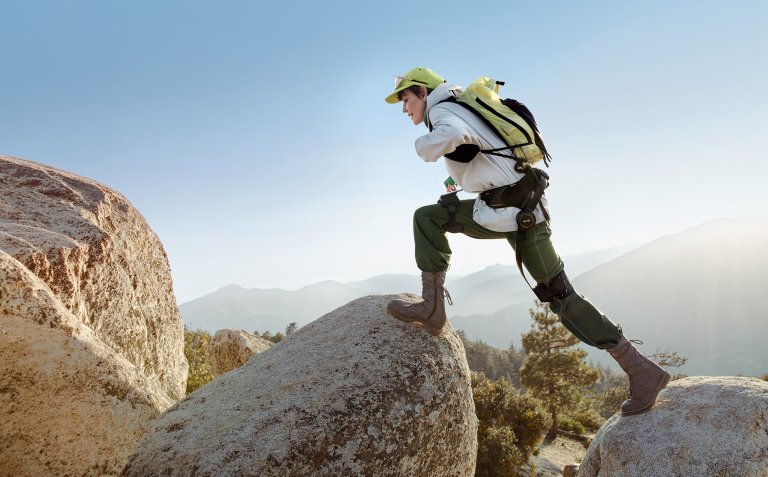
Hypershell X Ultra S exoskeleton on a person jumping over rocks
Parkour! Hypershell

The closest sensation I can compare the assistance to is high knees during a warm-up at the gym. The motors don’t push your legs forward; they take some of the lifting work off the front of your stride. You feel it most when you start moving, less as you settle in, and within a few minutes, I stopped registering it as a sensation and started registering it as energy I still had at the end of the hike.

You feel the AI adjusting to your pace and gait as the terrain changes under you, and the adjustments are small enough that they never rush my stride or lag behind it. The system also tries to keep your gait in alignment. If I turned a hip out or in, the motors pulled me back toward center in a way I could feel. As someone whose joints dislocate easily, I watched for any sense of the device causing or preventing a dislocation and felt neither. It doesn’t assist with balance, and it’s not meant to.

Downhill is where I’m slowest to trust new gear. I’m hesitant on descents in regular hiking shoes, and adding an assist mechanism to a hesitant hiker felt like a steeper learning curve. I worked through it. The Hypershell didn’t pull me down the trail or accelerate my stride in a way I couldn’t override, and I came to trust it on descents in eco mode. It’s a unique sensation, and you get more accustomed to it over time.

Fitness mode was the surprise. It requires increased effort, similar to walking with a resistance band around your legs. The resistance shows up on lunges and on flat walking; it doesn’t engage on squats. For me, the practical effect was proprioception. Hypermobility means I don’t always know where my limbs are in space, and the resistance gave me a constant low-level feedback signal about what my legs were doing. I’m planning to try fitness mode in the gym for the same reason, to see if it can help my body get the feedback it usually lacks during training.

Same hill, three modes

I climbed the same hill in the Grand Canyon three times, switching modes between climbs. In transparent (no assistance), my heart rate ran from 102 beats per minute at the bottom to 158 at the top. In eco, the same hill peaked at 126. In hyper, the highest assist setting, my peak was 118.

The flat-terrain numbers told the same story. Walking at roughly a 2-mile-per-hour pace, my heart rate in transparent mode averaged 128 beats per minute, which is normal POTS territory for me. In eco or hyper, my average dropped to 96 at the same pace. I’m essentially never in double digits in motion. The Hypershell put me there. My conditions made those differences easy to measure. They didn’t create them.

The other measurements I can speak to are softer. My lower extremity functional scale rates me at mild to moderate limitations, and I usually take frequent rest breaks because my muscles tire quickly. I didn’t develop knee pain during testing. I stepped up using either leg with confidence rather than defaulting to the leg I usually favor. My posterior chain felt more engaged. My legs were less fatigued during and after the hike.

The verdict

The Hypershell X Ultra S changes the cardiac and metabolic cost of walking and climbing in ways I could measure on myself, and, while my specific conditions play a role in determining its efficacy, it has the potential to help pretty much anyone who wants some ambulatory assistance. As an adaptive athlete who packs in to a campsite and then loses the next day to soreness, this changes the math on what I can take on. Hike in with assistance, save the legs for the way out. If your hiking problem is more conventional, that you stop on long climbs because your legs are done before you are, the same assist principle should help.

I didn’t test the Hypershell running or making quick directional pivots; my dislocation risk kept me deliberately out of those movements, and the company’s claims about transition response don’t tell me what would happen to my joints if I planted hard and turned. But during normal conditions, it helps and lets people get out and go hiking more easily. That’s a win for everyone.

The post Hypershell X Ultra S hiking exoskeleton review: Adaptive assistance for every body appeared first on Popular Science.

  •  

Snow Peak’s editor-approved camping gear rarely goes on sale, but you can save 20% right now on tents, fire pits, furniture, and more

Snow Peak rarely puts its core lineup of meticulously engineered outdoor gear on sale, which makes its current Camp All Summer Sale a real event. I just spent this past weekend at the sold out Snow Peak Way event at Snow Peak Campfield in Long Beach, WA and I already have an wish list of gear started. A variety of their popular camp gear is 20 percent off, with a handful of items dropped even further. The Takibi Fire & Grill is down to $279.96 (from $349.95), the Jikaro Firering Table is $271.96 (from $339.95), and the Entry Pack TT tent-and-tarp combo is marked all the way down to $362.85 (from $647.95). If you have been keeping a Snow Peak wish list, this is the moment to clear it out.

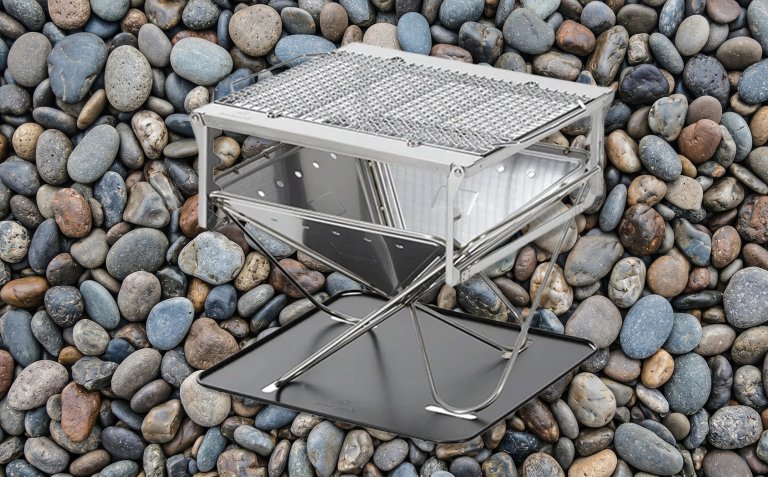
Snow Peak Takibi Fire & Grill $279.96 (was $349.95)

See It


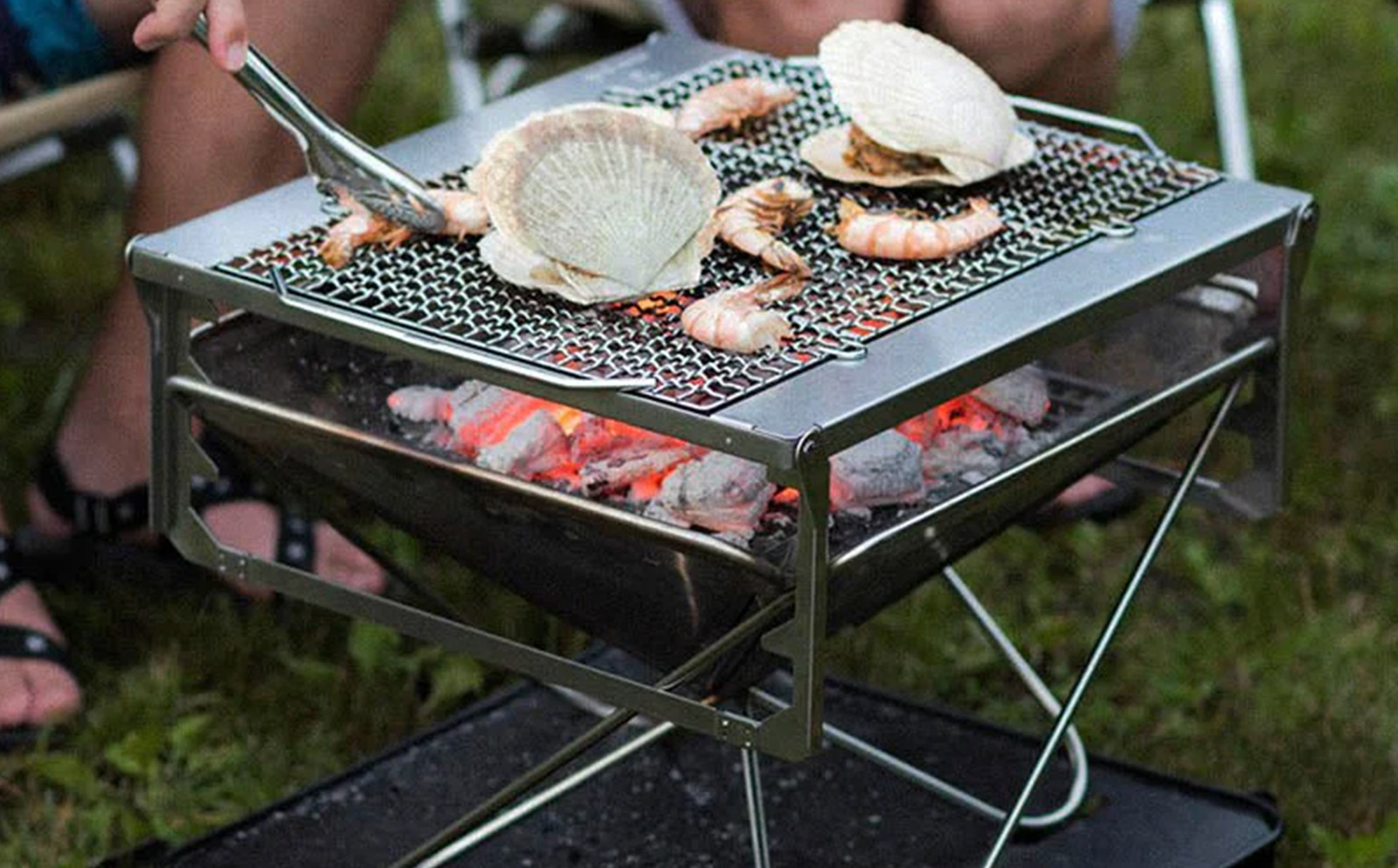
The Takibi Fire & Grill was at the heart of every camp set up this past weekend [Disclosure: Snow Peak provided travel and accommodations for the event]. The Takibi Fire & Grill is Snow Peak’s signature fire pit and one of the most-recommended portable fire pits you can buy. It folds nearly flat for transport, throws off serious heat to those sitting around it, and accepts grill bridges and accessory grates that turn it into a full cooking station. I’m still dreaming of the Takibi fired short ribs we had on Saturday. Snow Peak almost never discounts the Takibi, so $70 off is the kind of cut that pulls it out of “someday” territory and into “this weekend.”

Snow Peak Jikaro Firering Table $271.96 (was $339.95)

See It


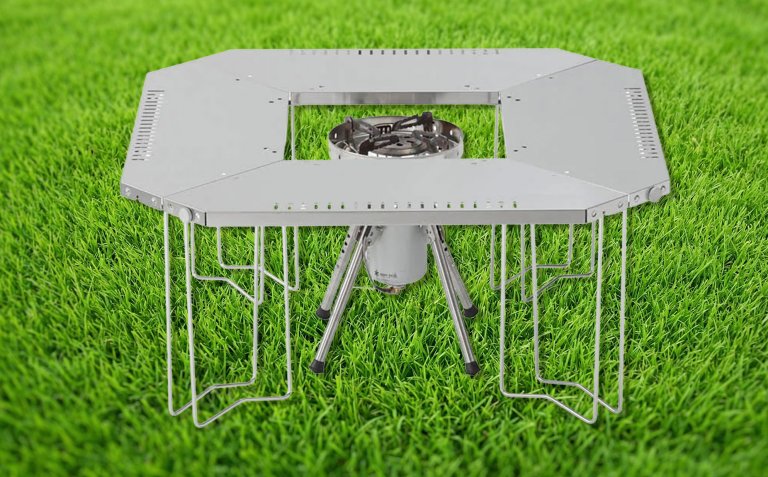
The Jikaro Firering Table turns the Takibi Fire & Grill into the ultimate gathering space. The Jikaro wraps a stainless steel tabletop in a ring around a Takibi Fire & Grill so the whole group can sit close to the flames with food and drinks within reach. It looks like an indulgence until you use it once and realize how much it changes the rhythm of a campsite, since nobody has to balance a plate on their knees or get up for another drink. Snow Peak holds the line on its core lineup, so $68 off the Jikaro is a rare cut.

Snow Peak Entry Pack TT $362.85 (was $647.95)

See It


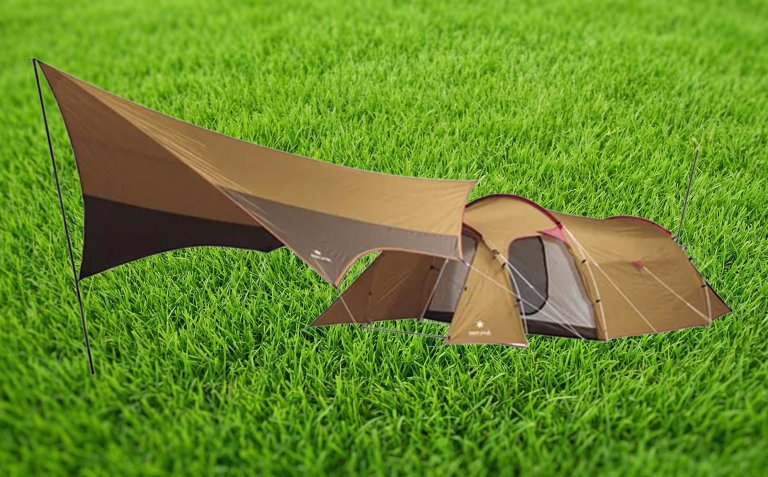
I was able to see a variety of tent and tarp set ups at Snow Peak Way and each setup has its own set of die-hard fans. I was impressed by the luxurious head space inside every style Snow Peak tent and the tarp expands the campsite into a functional living room and kitchen style gathering space. The Entry Pack TT bundles a Snow Peak dome tent with a tarp shelter and pole set, so you walk away with a complete camp setup for less than the price of the tent alone at full retail. At 44 percent off, this is one of the deepest cuts in the sale and a strong starting point for anyone building out their first Snow Peak kit.

Snow Peak Tent and Shelter Deals

Snow Peak’s tents are some of the most coveted shelters in camping, and the big-ticket ones rarely move off retail. Both colorways of the Land Lock, Snow Peak’s flagship family shelter, are $319.80 off, and the Land Nest Shelter in Ivory drops to $799.96.

Snow Peak Tarp and Pole Deals

The Recta Tarp L Set is the standout here at $423.33, a 44 percent cut on a serious group-camping shelter. The Takibi Tarp Octa, designed to pitch over a campfire setup, is also down to $622.36.

Snow Peak Fireplace, Grill, and Lantern Deals

The Pack & Carry Fireplace XL is the biggest fire-pit deal in the sale at $139.97, a 44 percent cut on the largest version of the line. The Pack & Carry L Fireplace at $191.96 is the next size down and a long-running favorite for car campers.

Snow Peak Stove and Burner Deals

The Home & Camp Burner is the clever folding stove that collapses down to a tube about the size of a wine bottle, and it lands at $79.96. Backpackers should look at the LiteMax Titanium Stove, which weighs under two ounces and drops to $43.96.

Snow Peak Cookware and Cast Iron Deals

The Cast Iron Sandwich Skillet drops to $199.96 for the camp version of a stovetop classic, and the full Trek titanium cookset lineup is on sale starting at $35.96 for the smallest 700ml pot.

Snow Peak Tableware Deals

The full titanium tableware lineup is on sale, including the iconic Titanium Spork at $7.16 and the Ti-Double 450 Mug at $39.96. Trek titanium bowls and plates drop to $15.16 each, a 20 percent cut on pieces that Snow Peak almost never discounts.

Snow Peak Coffee Gear Deals

The Field Coffee Master at $147.96 is the full pour-over setup with its own travel case, but the Collapsible Coffee Drip at $23.96 is the piece of gear most people actually pack for a weekend trip.

Snow Peak Chair, Table, and IGT Deals

The IGT Camp Kitchen Low Set and IGT Slim are both $359.96 if you have been eyeing Snow Peak’s modular table system, which are honestly beautiful enough to have on your patio or deck year-round. The Luxury Low Beach Chair drops to $199.96 for the most overbuilt low chair Snow Peak makes.

Snow Peak Cooler and Kitchen Tool Deals

All three Soft Cooler sizes are 44 percent off as part of the discontinued markdown, with the Soft Cooler 38 at $72.77. The Kitchen Tool Set at $79.96 covers tongs, ladle, spatula, and a knife in a single roll, which is the kind of camp kitchen consolidation that pays for itself by the second trip.

The post Snow Peak’s editor-approved camping gear rarely goes on sale, but you can save 20% right now on tents, fire pits, furniture, and more appeared first on Popular Science.

  •  

Grab rare deals on high-end outdoor gear from Huckberry: Filson, Flint and Tinder, Marine Layer, and more

Huckberry kicked off its Memorial Day Weekend Sale with up to 20 percent off a deep cross-section of its catalog, and the long weekend itself is the deadline. The clock runs out Monday, 5/25. The most useful cuts are the ones that aim straight at how you actually spend the weekend, like the Flint and Tinder 365 Chino Short at $62 (was $78), the Filson Dryden Duffel Pack Hybrid at $239 (was $299), and the Taylor Stitch Stevens Linen Herringbone Blazer at $219 (was $398). It’s the kind of catalog that rewards filling a cart with one good short, one good shoe, and one weekend bag rather than chasing a single big-ticket item.

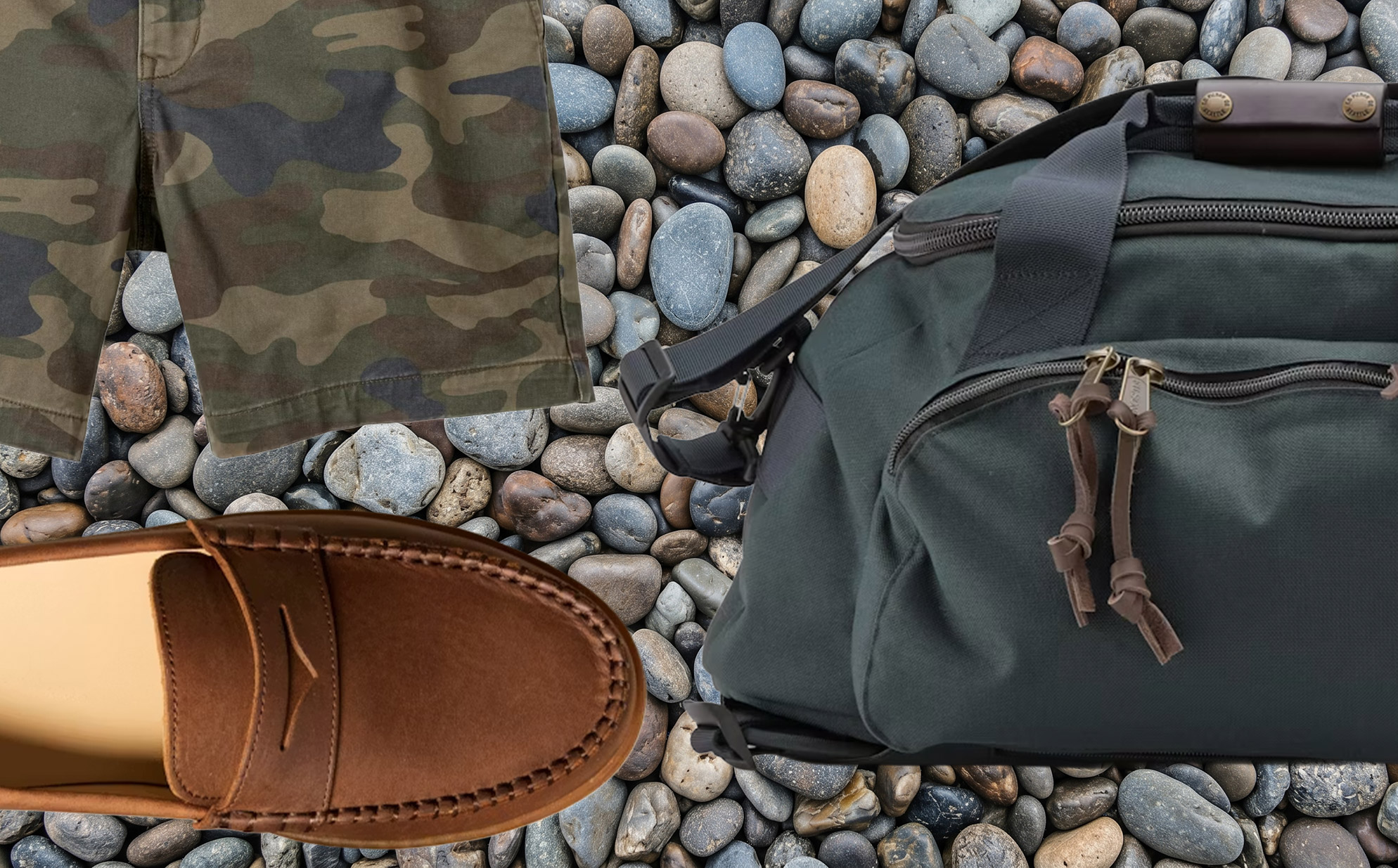
Flint and Tinder 365 Chino Short – 7" $62.00 (was $78.00)

See It

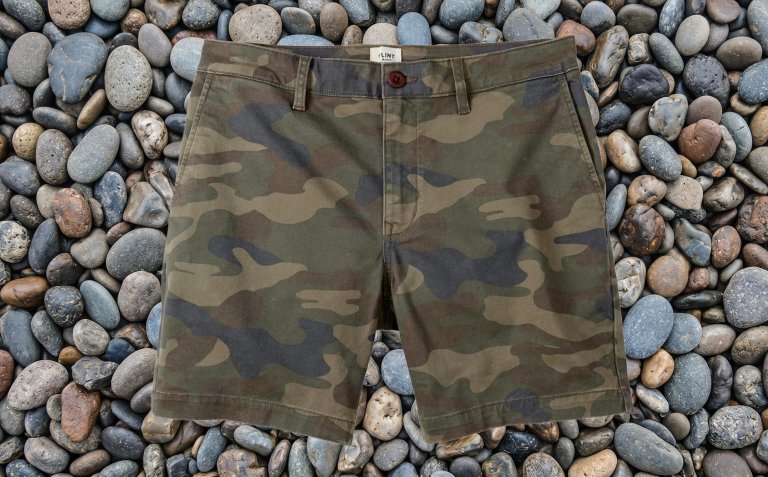
The 365 Chino Short is Flint and Tinder’s everywhere short, with a 7-inch inseam that lands just above the knee and a four-way stretch chino fabric that doesn’t bag out after a day in a beach chair. Sizes go up in inseam (5-inch and 9-inch versions are on sale too) so you can pick your length depending on the pastiness of your thighs. At $62 it’s $16 off, which isn’t the largest dollar cut in the sale, but the 365 line is the most universal recommendation Huckberry sells, and $62 is a fair number to keep two pairs in rotation.

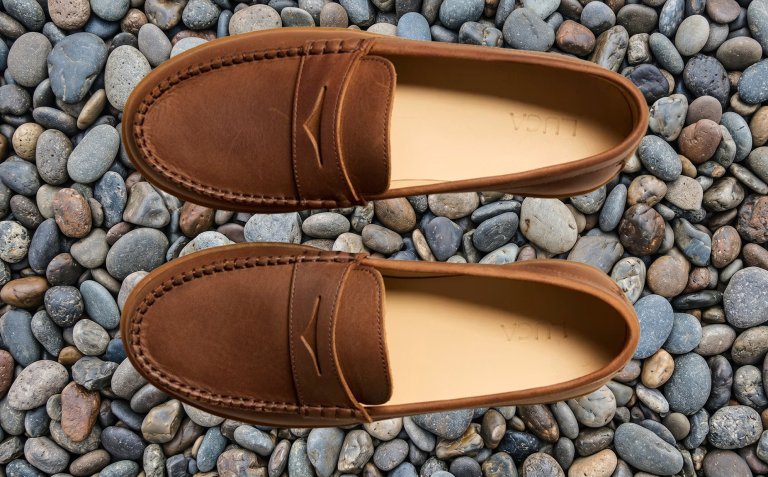
LUCA Terra Penny Loafer $168.00 (was $198.00)

See It

The Terra Penny is LUCA’s softest sell on the loafer-as-sneaker idea, with a leather upper that breaks in like a dress shoe and a cushioned sole that walks like a sneaker. You can slip them on with shorts on the way to a cookout, swap to chinos for the dinner reservation, and never look like you were trying to dress for two occasions at once. At $168 it’s the cheapest the Terra Penny has been on Huckberry in months, and the closest LUCA gets to a one-shoe summer answer.

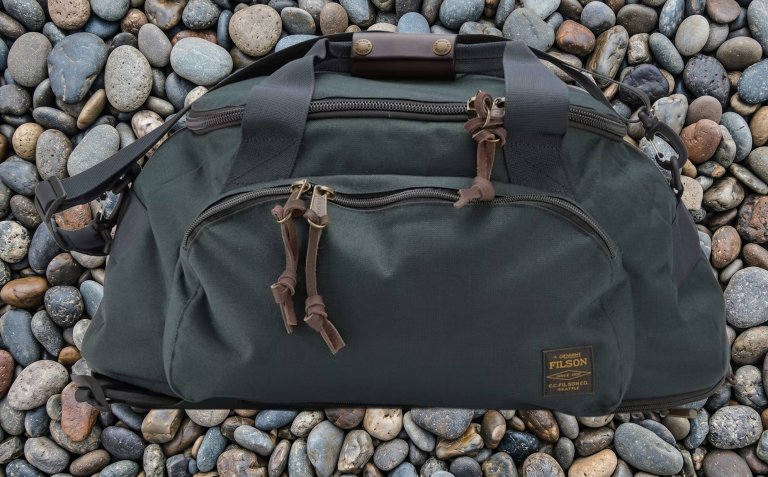
Filson Dryden Duffel Pack Hybrid 46L $239.00 (was $299.00)

See It

The Dryden Duffel Pack Hybrid is a Huckberry-exclusive build of Filson’s ballistic-nylon travel line that splits the difference between a duffel and a backpack, with hideaway shoulder straps that pop out when you need to hike across an airport. At 46 liters it sneaks under the carry-on limit for most US airlines, and the U-shaped opening lays it flat for packing instead of forcing the dig-through-a-tube routine. At $239 it’s $60 off and the most discounted Filson piece in the sale, which is unusual on a brand that rarely shows up below MSRP.

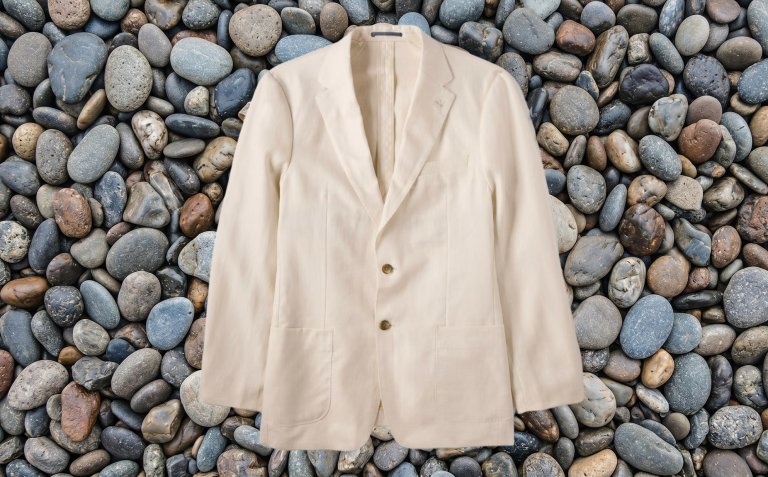
Taylor Stitch The Stevens Linen Herringbone Blazer $219.00 (was $398.00)

See It

The Stevens Linen Herringbone Blazer is the biggest dollar cut in the sale, at $179 off, and it solves the same problem every May. You need a jacket that reads warm-weather without crossing into seersucker territory, and pure linen in a tight herringbone weave is the answer. It’s fully unstructured, which means no shoulder pads and no canvas, so it packs flat into the carry-on for a weekend wedding or rolls into a tote without holding the wrinkles. At $219 it’s the rare case where a linen blazer lands closer to chino-pant money than blazer money.

Huckberry Jacket and Outerwear Deals

Memorial Day is a strange time to shop jackets, but it’s also when the deepest cuts land on last fall’s holdovers. The Flint and Tinder York Quilted Waxed Jacket is the standout here at $104 (down from $298, a 65 percent cut), and the Wills Classic Patch Pocket Suit Jacket follows close behind at $134 (was $298). If you want one piece that earns its keep through fall, the Flint and Tinder Mason Canvas Barn Jacket at $168 is the most-recommended chore-style jacket Huckberry stocks.

Huckberry Shirt, Polo, and Sweater Deals

This is the warm-weather core of the sale, and the deals stack heaviest on Taylor Stitch, Wills, and Relwen polos. The Wills YakWool Crewneck Sweater is the standout at $98 (was $218, a 55 percent cut), and the Flint and Tinder Architect Shirt at $68 (was $98) is the sleeper pick for the kind of shirt you wear weekly without thinking about it.

Huckberry Pants, Shorts, and Denim Deals

The 365 line is the core of the bottoms sale, and Flint and Tinder is running a Buy 2, Save 15 percent stack on top of the existing markdown on select 365 styles. If you wear chinos as often as denim, this is the section to load up on. Proof’s 72-Hour Merino Chino lands deepest at $95 (was $158, a 40 percent cut) and is the closest thing to a one-pant travel answer Huckberry sells.

Huckberry Footwear Deals

Rhodes Footwear is the deepest-cut brand in the footwear section, with three Vibram-soled boot styles down 40 percent. The Astorflex Samaflex Woven Venetian Loafer at $191 (was $298) is the warm-weather standout for anyone who wears loafers without socks, and the Kane x Huckberry Revive AC at $100 (was $125) is the recovery shoe to slip on after a day on your feet.

Huckberry Bag and Travel Deals

Filson rarely goes on sale, so the three Filson pieces in this section are the rarest birds in the catalog. The Dryden Travel Pack at $55 (was $69) is the budget-friendly entry point, and the Flint and Tinder x Rancourt Leather Tote at $185 (was $284) is the leaning-leather alternative for anyone who’s worn through a canvas tote.

Huckberry Watch, Sunglass, Belt, and Hat Deals

This is the small-accessory section where the percentage discounts get aggressive. The Oscar Deen Fraser Sunglasses are half off at $117 (was $235), the Unmarked El Charro Lucky Belt drops to $158 (was $300), and the Huckberry x One of These Days 5 Panel Hat is $25 (was $45). The Huckberry x TIMEX IRONMAN Flix at $103 brings the digital sport watch back as a styling piece without crossing $150.

Huckberry Home, Camp, and Kitchen Deals

This is the section to scroll if you’re stocking a long weekend at a rental house or a backyard cookout. The Sultan Turkish Towel at $18 (was $44) is the largest percentage cut anywhere in the sale at 59 percent off, and the Señor Lechuga x Huckberry BBQ Essentials kit at $30 is half off. Barebones lanterns get the camp section covered, with the Railroad Lantern at $96 being the steel-and-glass piece that lives on a porch year-round.

The post Grab rare deals on high-end outdoor gear from Huckberry: Filson, Flint and Tinder, Marine Layer, and more appeared first on Popular Science.

  •  

Specialized introduces Vado 3 EVO and X, combining robust motor performance with advanced rider convenience and comfort

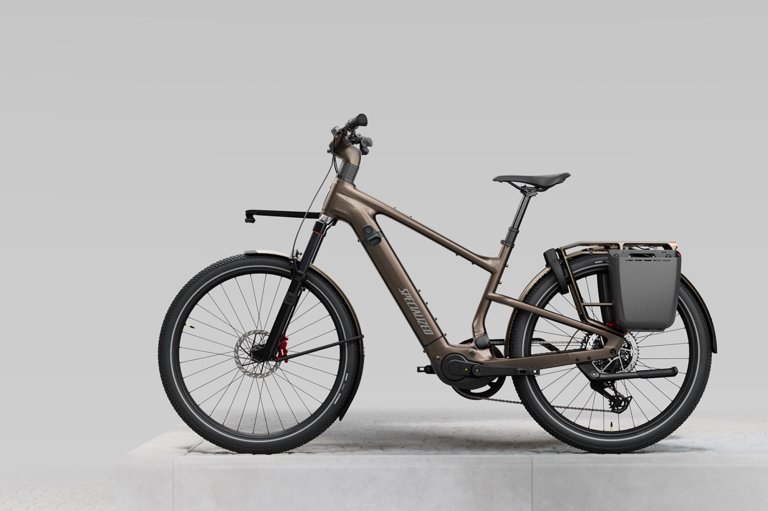
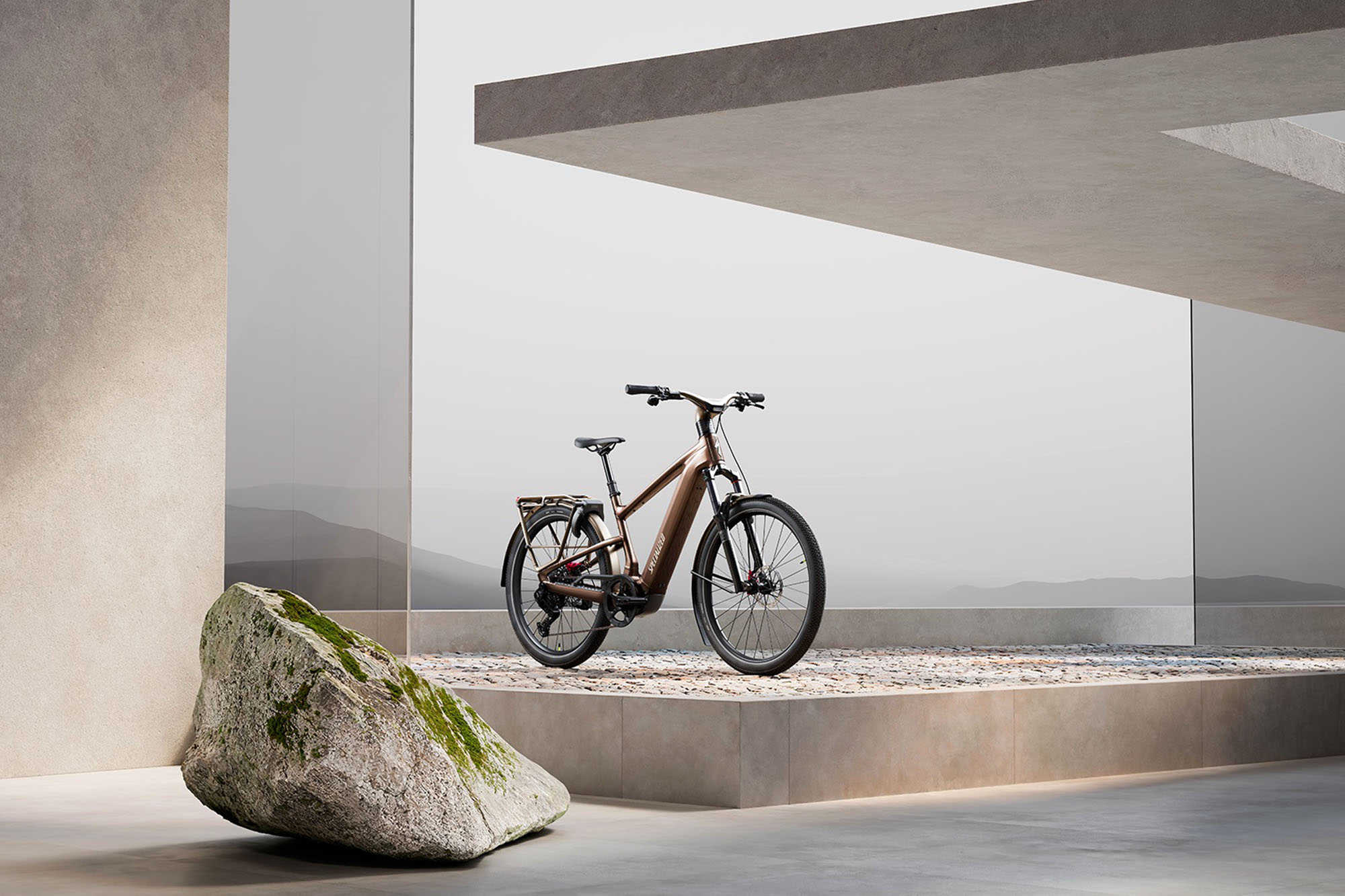
Specialized has long understood that a commuter bike shouldn’t feel like a compromise. A good experience should turn a dreary slog into the best slice of your day, which is why the Turbo Vado has been highlighted in PopSci electric commuter bike coverage: it’s an ebike that means less grind, more glide. The new Turbo Vado 3 EVO takes that city bike and upgrades it for when the road gets patchy, the errand list gets ambitious, and you might want to blow off some post-work steam with a dirt detour. Just add safety accessories.

See It


The core upgrade is that the Vado 3 EVO gets the full-power Specialized 3.1 motor system from the Turbo Levo eMTB: 810 watts of peak power, 105 Nm of torque, and an 840 Wh battery. That means the foundational experience doesn’t change by trim. Specialized claims 0 to 25 kph in three seconds, but the more useful translation is cleaner launches at lights, less strain on loaded climbs, and “SuperNatural” assist that feels pressed into your pedaling instead of dropped on top of it. The motor has also been tuned for quieter, smoother operation (which can be tweaked via app), and the vibration-conscious construction should feel more hushed than hectic.


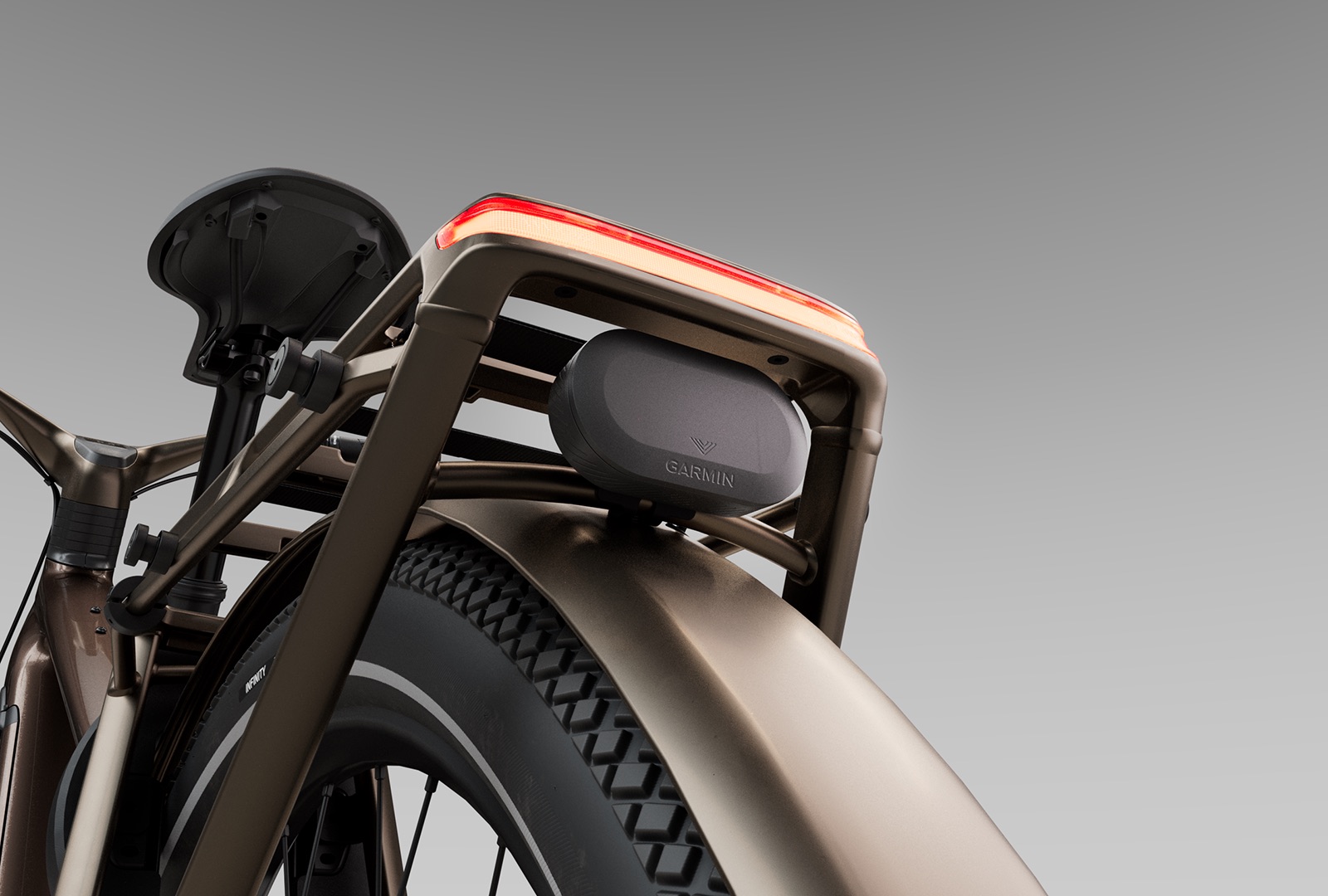
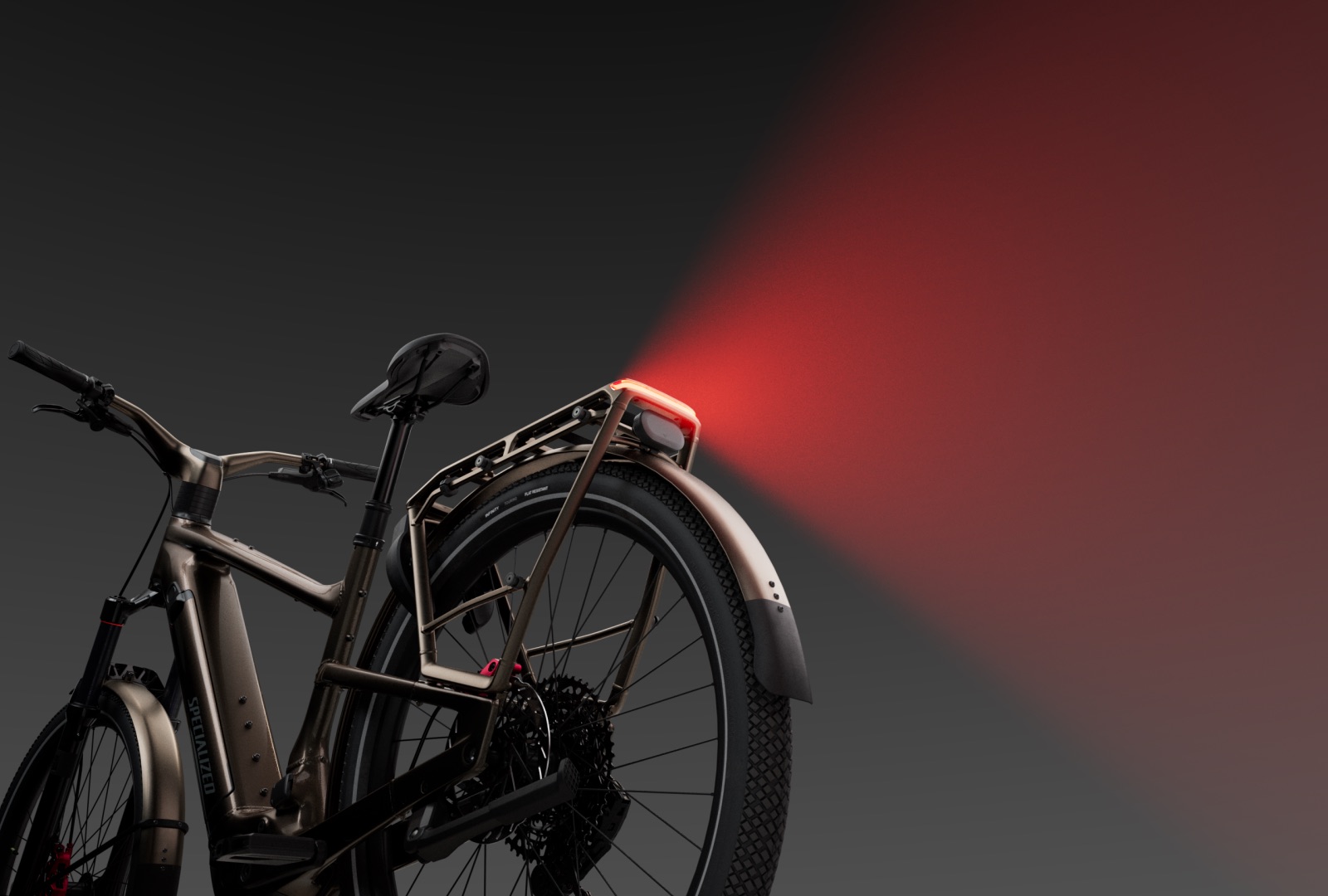
The EVO-specific IP67 chassis, informed by Body Geometry and Ride Dynamics experts to reduce body pressure and increase rider confidence, is what gives the bike its wider comfort zone. A 120 mm suspension fork, 27.5-inch wheels front and rear, and 2.6-inch all-terrain tires offer a planted stance that should take the sting out of cratered streets, rough shoulders, and gravel shortcuts. [A base 4.0 model with Shimano CUES 9-Speed drivetrain plus Shimano BR-MT200 180mm hydraulic disc brakes weighs 63 lbs.] At the 5.0/6.0 trim levels, a lowerable seatpost with 40 mm of built-in suspension at the touch of a button makes for easier feet-flat stops in traffic, then a quick return to a more efficient pedaling height once you’re rolling. Add a MIK-HD-compatible rated for 27 kg rear rack with integrated brake light, optional 10 kg front rack capacity, child-seat approval, trailer compatibility, and multiple mounting points, and the Vado 3 EVO starts to look less like a commuter bike and more like a full-power platform for Monday’s laptop-and-lunch crawl to a Saturday farmer’s market haul, with a school dropoff and/or long ramble in between.

Specialized says the 840 Wh battery is good for up to five hours of ride-anywhere range, and the optional 280 Wh Range Extender pushes total capacity to 1,120 Wh. Charging also sounds unusually painless: the standard 5-amp charger gets the bike full in less than four hours, while the optional Smart Charger can take it from 0 to 80 percent in under an hour. That’s less “overnight recovery,” more “coffee stop with benefits.”


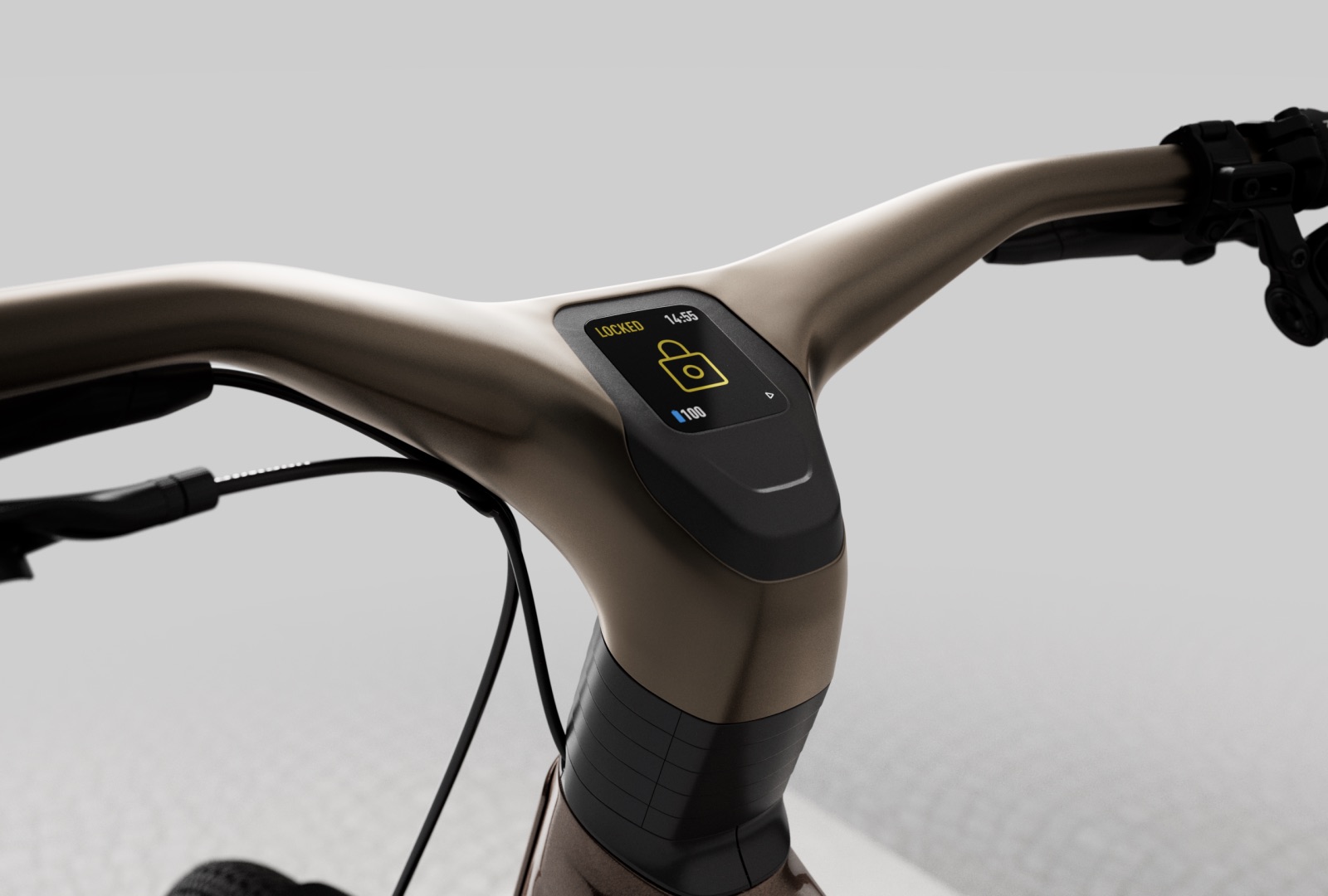
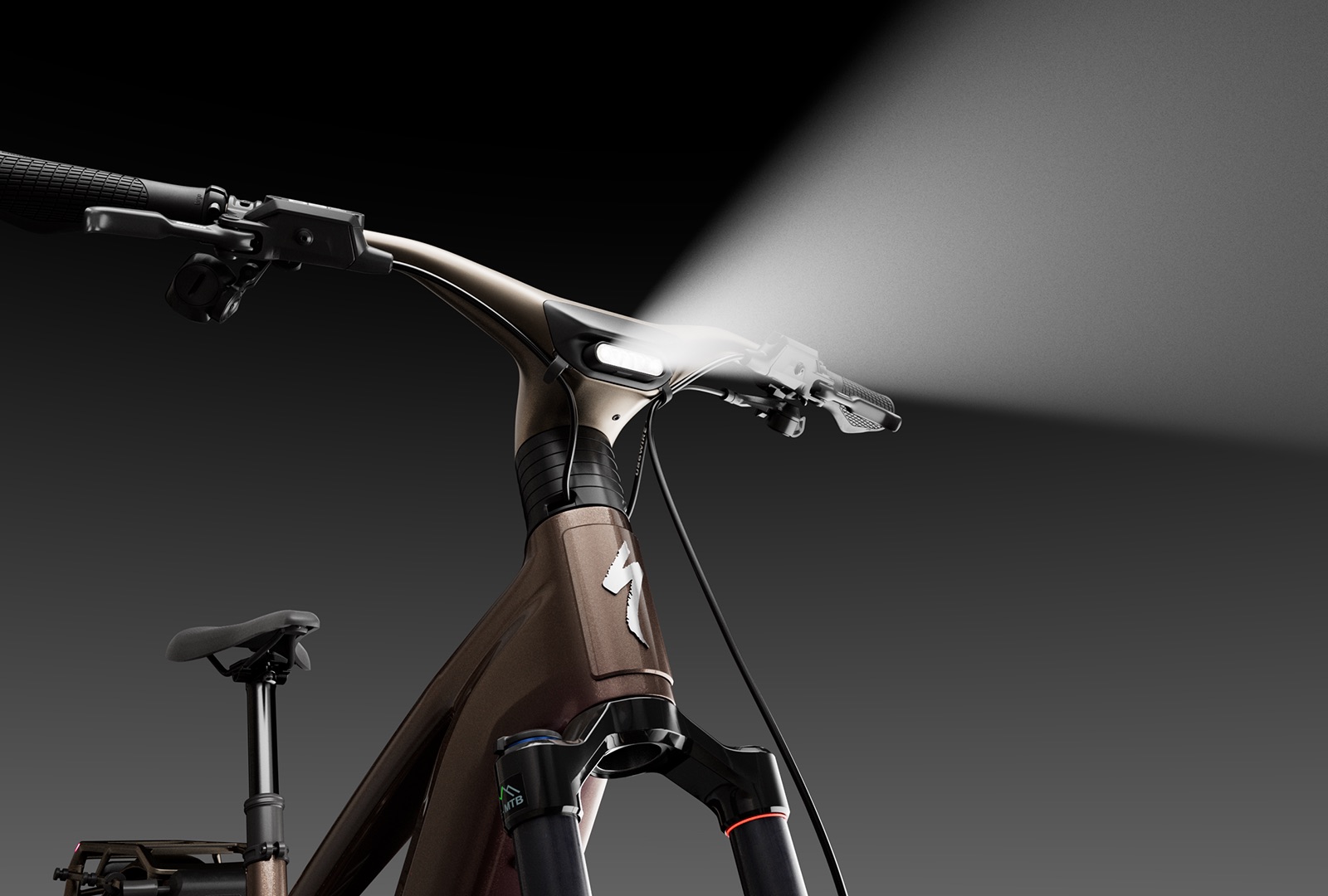
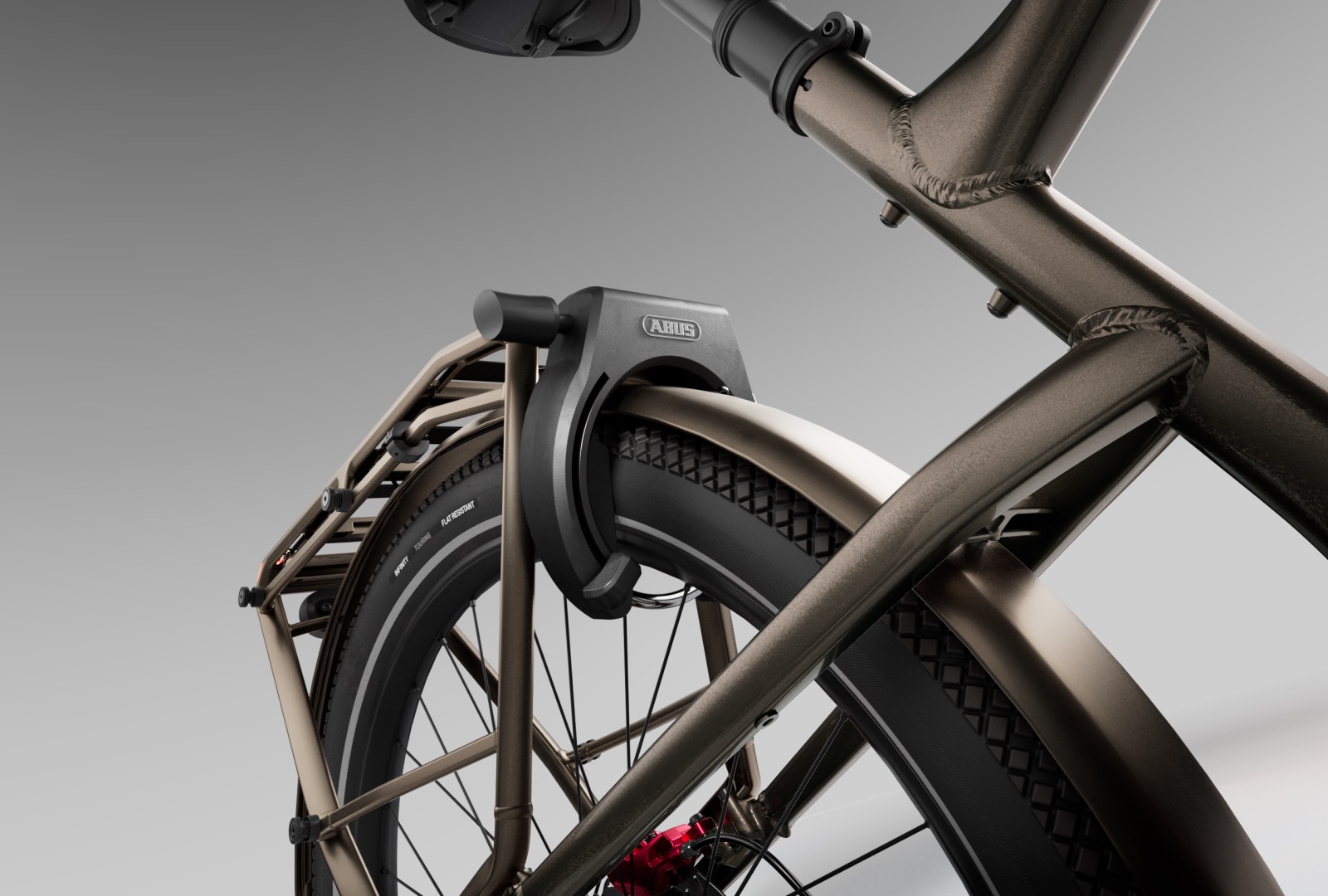
The trim story is refreshingly straightforward. The ride quality, motor output, and battery range stay the same across the line, so the lowest trim still gets the full-fat Vado 3 EVO experience. Move up the ladder to the 5.0 build and you add Shimano 11-Speed RAPIDFIRE PLUS drivetrain, TEKTRO HD-T5040 4-Piston Caliper brakes, plus more of a premium convenience layer: the integrated 2.2-inch touchscreen MasterMind display, low- and high-beam lighting, a manual wheel lock system, optional Quad Lock phone mounting with wireless charging, and Apple Find My. On the 6.0 model, Specialized makes all that stock and piles on even more goodies with a digital lock system, upgraded Rock Shox Psylo suspension fork, SRAM Eagle AXS wireless shifting, a front rack, Garmin radar, custom SRAM DB DB6 brakes, and a more polished metallic finish. [In total, those additions bring the 6.0’s weight up to 68 lbs.]

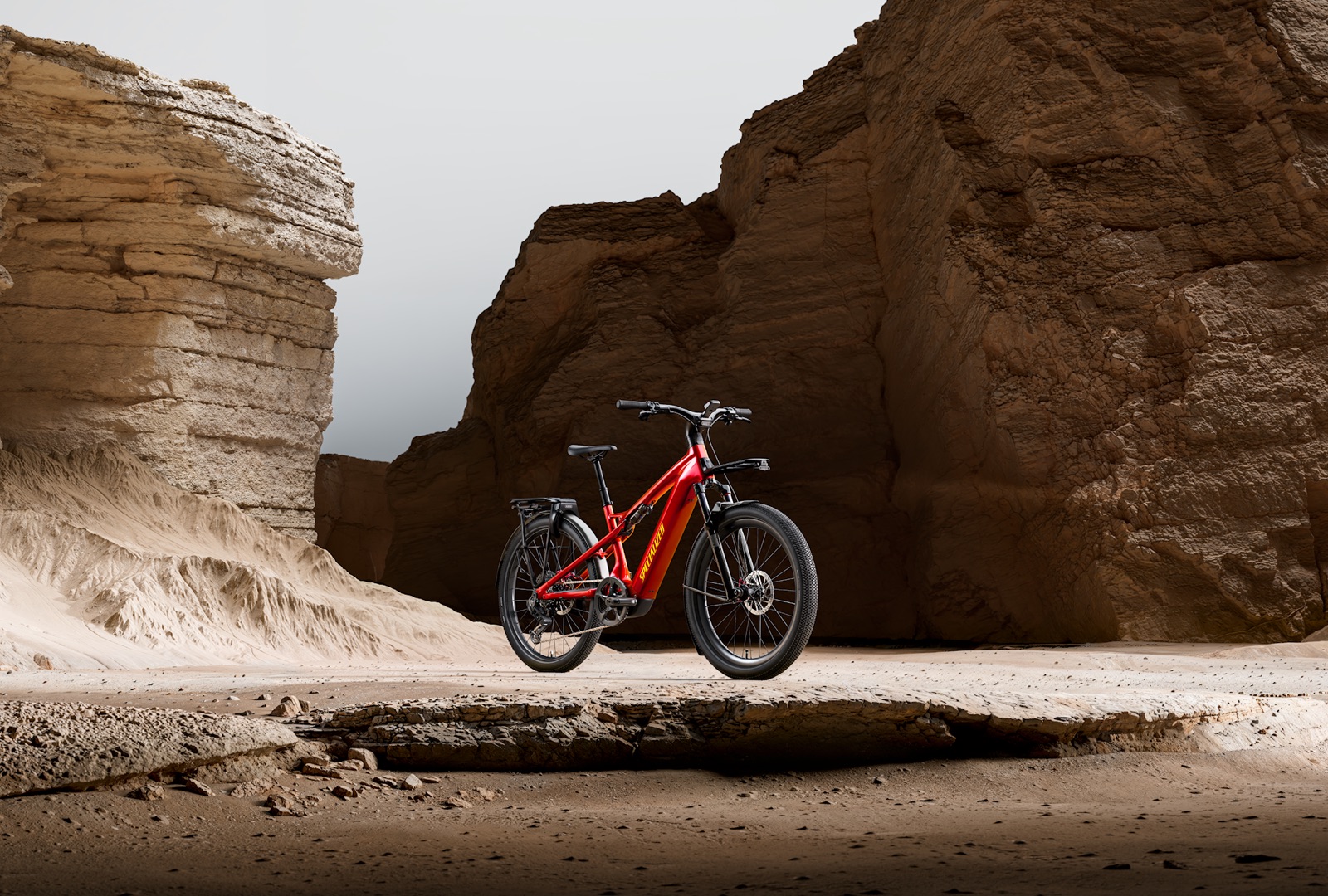
In addition, there is a Turbo Vado 3 X [shown below], which adds 120mm rear suspension to the equation, making it more capable of transitioning from urban to off-road when the mood strikes.

Specialized

With the Vado 3 family, commuting is more purr, less grrrr, and just the beginning of this bike’s daily-life integration.

The Specialized Turbo Vado 3 EVO is available now for $4,499.99 (4.0), $5,199.99 (5.0), or $6,999.99 (6.0).

The full-suspension Specialized Turbo Vado 3 X is available now for $5,499.00 (4.0) and $7,999.99 (6.0, with an exclusive red colorway).

The post Specialized introduces Vado 3 EVO and X, combining robust motor performance with advanced rider convenience and comfort appeared first on Popular Science.

  •  

Jackery already dropped its Prime Day deals on our favorite solar generators and portable power stations

A summer heat wave and a stressed grid have a way of moving backup power up everyone’s shopping list. Jackery’s early Prime Day sale runs through June 22, with the full lineup live on its Amazon store and a few larger bundles exclusive to Jackery.com. Portable power stations start at $129 for the Explorer 240D, the standalone stations climb into whole-home territory, and the deepest cut in the sale takes a loaded Explorer 2000 Plus kit past 60% off. If you have been thinking about getting a solar generator, now is a great time to jump in.

Jackery Explorer 1000 v2 $499.00 (was $799.00)

The mainstream pick, $300 off its list price

See It

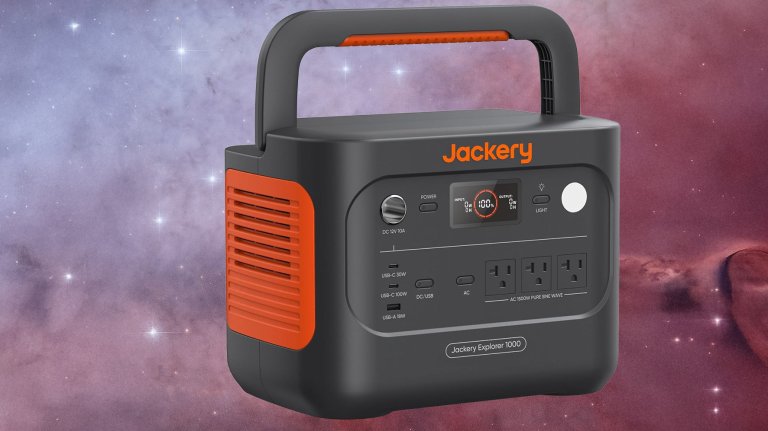
The Explorer 1000 v2 is the size most people should start with, and at $499 it’s down 38% from $799. You get 1,070Wh of capacity and a 1,500W output (3,000W surge) in a 23.8-pound box, enough to run a refrigerator for a few hours or keep phones, a router, and a couple of laptops going through an outage. Jackery rates it for a full wall recharge in about 1.7 hours, or roughly an hour in the app’s emergency mode. It’s the model we’d point most people to first, and it sits in the same class as the units in our guide to the best portable power stations.

Jackery Explorer 300D + 40W Air Solar Panel Bundle $199.00 (was $359.00)

Solar-ready backup for phones and laptops, under $200

See It

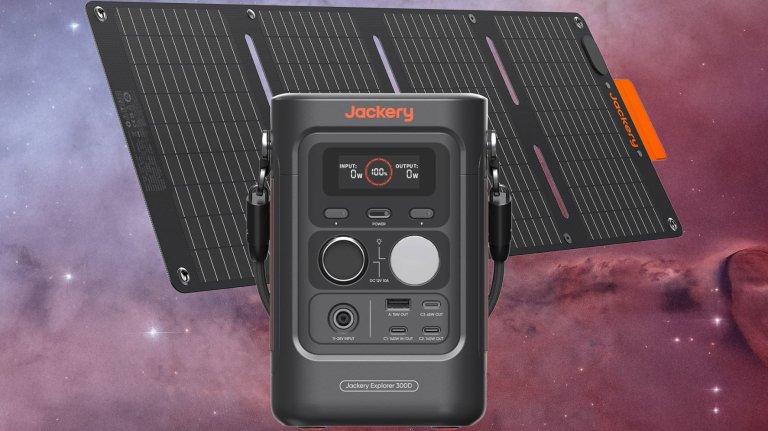
The Explorer 300D bundle pairs a 288Wh LFP power station with a 40W solar panel for $199, the lowest price it’s hit in the past 30 days and 45% off the $359 list. This is a DC unit, with 300W spread across three USB-C ports and one USB-A and no wall outlet, so it’s built for phones, laptops, cameras, drones, and a Starlink Mini rather than a fridge. It weighs 5.5 pounds, its strap doubles as a 140W charging cable, and it refills from zero to 80% in about an hour. I have been using this for an upcoming review and I really like the form factor and performance so far.

Jackery Explorer 2000 v2 $799.00 (was $1,499.00)

Day-long fridge backup at nearly half off

See It

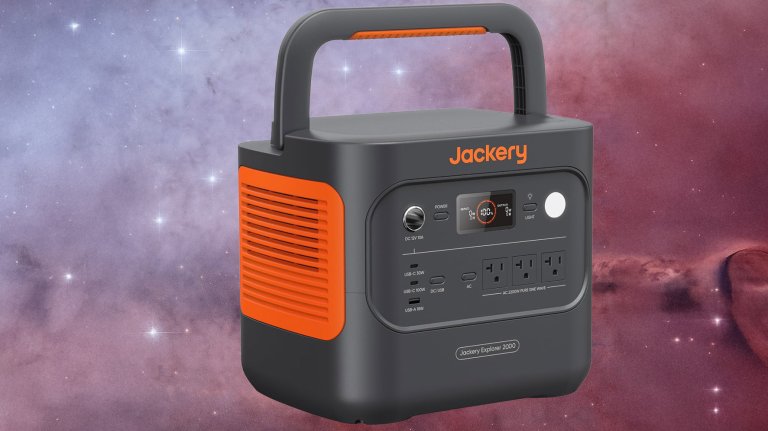
The Explorer 2000 v2 is the one to get if you want real home backup, and 47% off brings it to $799 from $1,499. Its 2,042Wh capacity and 2,200W output can run a full-size refrigerator for most of a day, and the 20-millisecond UPS switching is quick enough to keep a desktop or router from dropping out when the power cuts. A folding handle means you can move it from the office to the kitchen when you need to, and Jackery quotes a 1.7-hour wall recharge, so you’re not waiting on it all afternoon.

More Jackery Deals at Amazon

The rest of the Amazon discounts cover the middle of the lineup. The Explorer 1000 v2 with a 200W solar panel is $699 (46% off) if you want panels in the box, and the HomePower 3600 Plus, a modular system that expands to 21kWh, drops to $1,799 from $2,799.

Jackery.com Exclusive Bundles

Jackery’s steepest discounts live on its own site, where the price covers a power station plus stacked battery packs and panels. The Explorer 2000 Plus 6kWh kit with two 200W panels is the standout at $2,599, down from $6,599, and the rest of these solar generator kits are worth a look if whole-home runtime is the goal. For how the big units stack up, see our guide to the best solar generators.

The post Jackery already dropped its Prime Day deals on our favorite solar generators and portable power stations appeared first on Popular Science.
  •  

I explored Norwegian philosophy and durable, searchable outerwear innovations with Helly Hansen

I’m watching Oslo wake from Vigeland Park, the grass and granite glazed by a North Sea sigh. Hundreds of figures hold poses around me. Angry children, entwined couples, and elders all wear features smoothed by 80-plus winters … and nothing else. Carved and cast by namesake Gustav Vigeland, these nude statues are stripped of uniforms in favor of unifiers. They display no decorations or discernible hierarchies. Yet they share textured stone expressions of unshielded experience. This mineral musculature exists to remind those bearing witness that we are born bare, equal before weather and time. It renders Norwegian humanism into a physical manifesto celebrating intrinsic dignity and communal resilience.

It’s a philosophy that follows me from Oslo’s bustling Havnepromenaden west to the wonky timber alleyways of Bryggen and the rain-varnished, pine-lined Mount Fløyen switchbacks above. It accompanies me north along the rocky slopes and 360-degree fjord views at Bruviknipa

It’s a mindset that seems stitched into the design details coming out of Norwegian technical outerwear company Helly Hansen’s waterfront headquarters. It becomes the lens through which I experience several stimulating days in June 2025, learning about hydrophobic face fabrics, RECCO reflectors for searchability, friluftsliv (“open-air living”), and the annual Open Mountain Month. [Disclosure: Helly Hansen provided travel accommodations during the creation of this story.]


Founded in 1877 by sea-captain Helly Juell Hansen, the brand’s first products were coarse-linen slickers soaked in linseed oil. This workwear was makeshift armor against squalls that could soak sailors and sink fortunes. Today, Helly Hansen patterns that same survival instinct into performance textiles with 3L HELLY TECH membranes and LIFA waterproof/breathable fibers

In a building staring out at the harbor, nestled roughly 70 km north of its origins, the company produces garments that are pressure-tested by lab scientists and professional partners before they ever reach storefronts. These include Search-and-Rescue (SAR) organizations like the Norwegian People’s Aid (NPA), alpine medics, and mountain guides who can’t afford a single wardrobe malfunction.

Whereas Vigeland’s frozen choreography memorializes the cycle of life, Helly Hansen’s taped seams and articulated sleeves celebrate the comfort to go about daily life. From commuting to summiting, a hardshell makes endurance something achievable. From contemplating cultural psychology in a drizzle to a simulated helicopter rescue demo, this clothing enables my curiosity.

My private thoughts on Oslo’s public spaces are echoed in Helly Hansen’s introductory presentation. The company declares its guiding light to be producing professional-grade gear “to help people stay and feel alive.” But its protective gear isn’t meant to separate you from the elements so much as allow you to endure nature’s power.

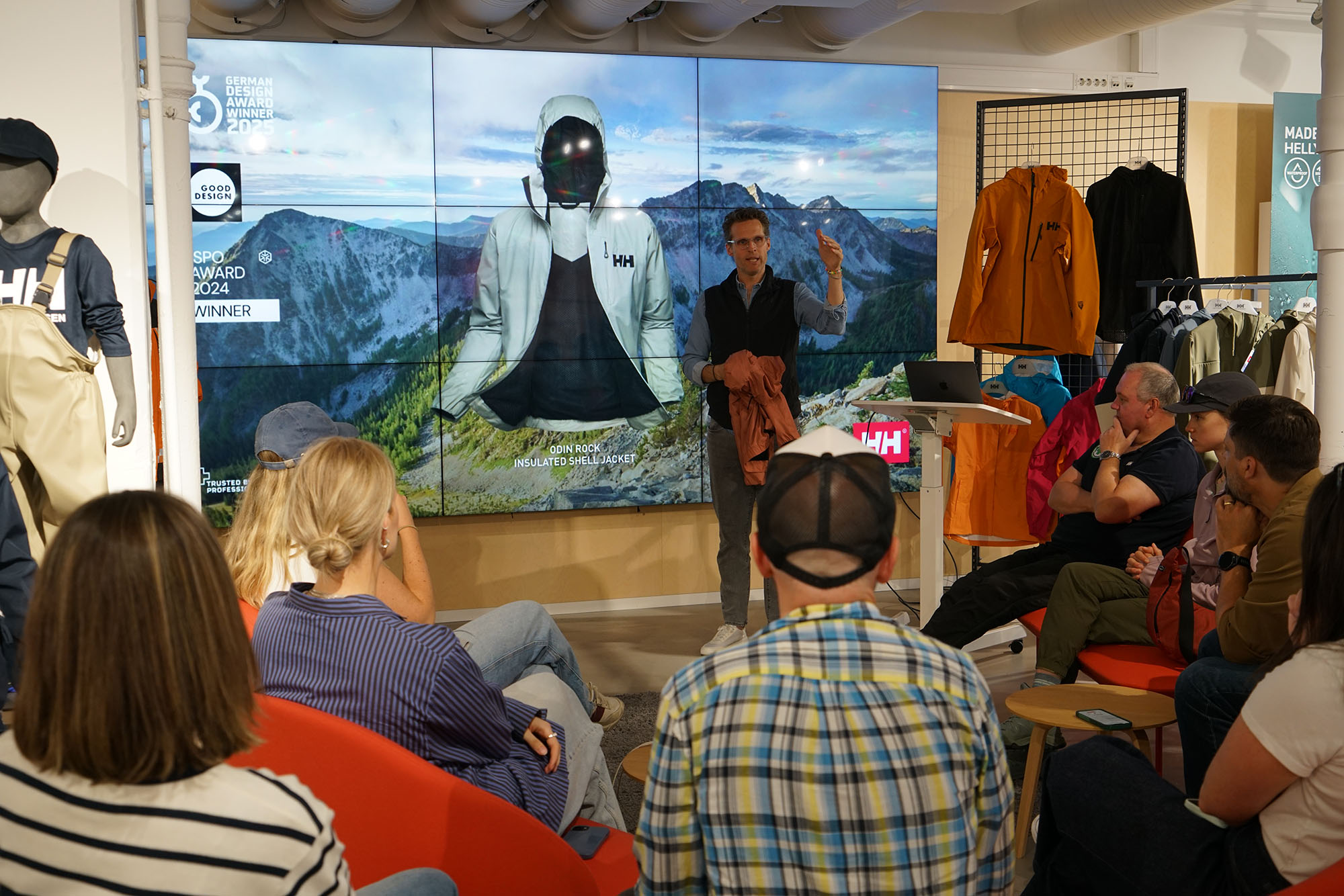
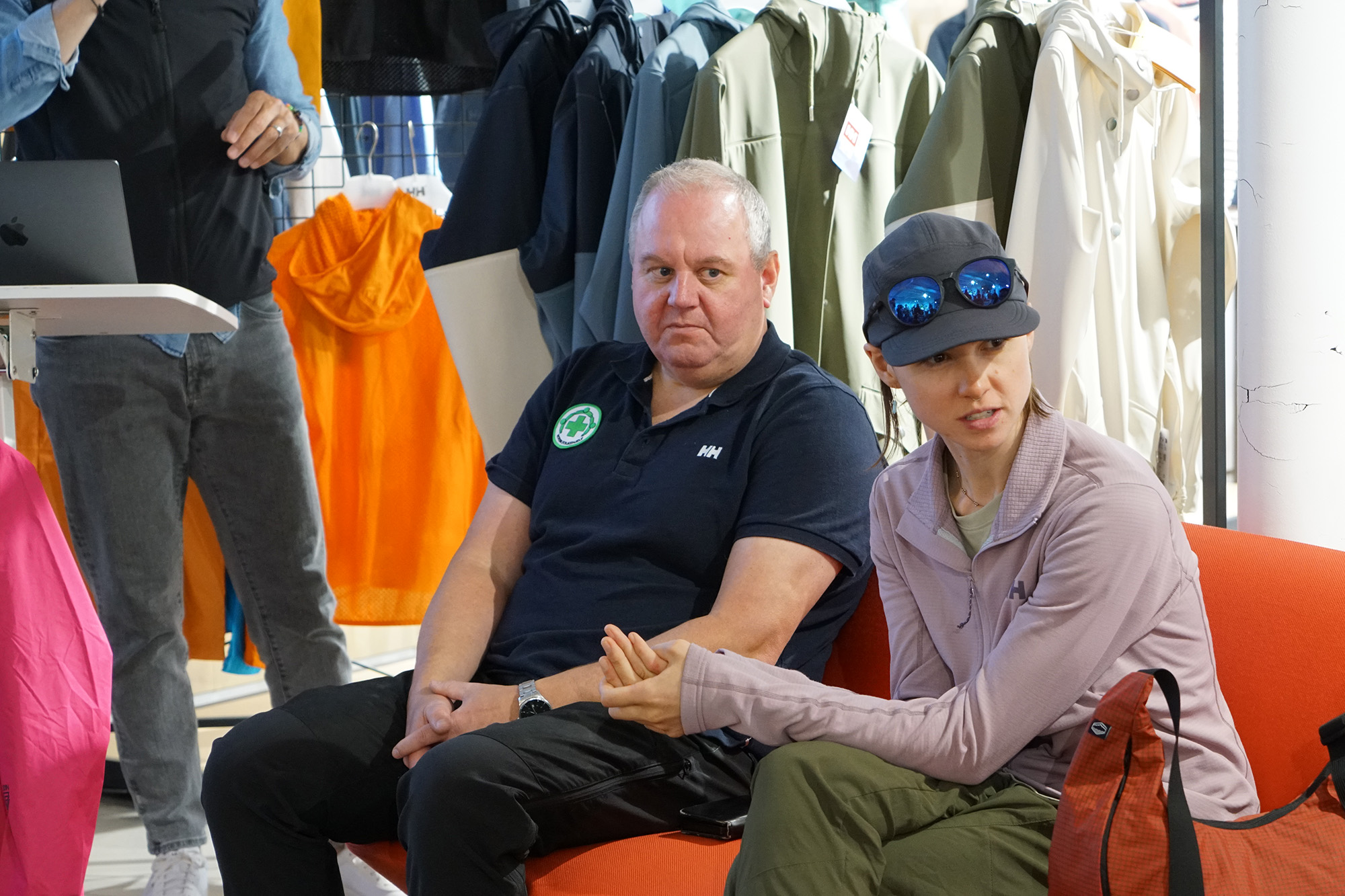
We proceed to a product overview with Philip Tavell, then-vice president at Helly Hansen. He gives us insight into how Helly Hansen delivers its “Trusted By Professionals” promise to 55,000 of them worldwide. It’s a process built on conversations and observations. “Sometimes people say [they need] something but act differently when they actually use the product,” Tavell explains. 

“They make us improve. They make us be curious. They force us to find solutions that we didn’t know existed.”

When Helly Hansen designs a product, the company asks ski patrol, sailors, SAR volunteers, and other sleet-proof stoics to complain about what exists and what doesn’t. They try prototypes, destroy prototypes, and in the process expose what a garment should and could withstand. Their worst-case scenarios inform everyone else’s everyday rainwear.

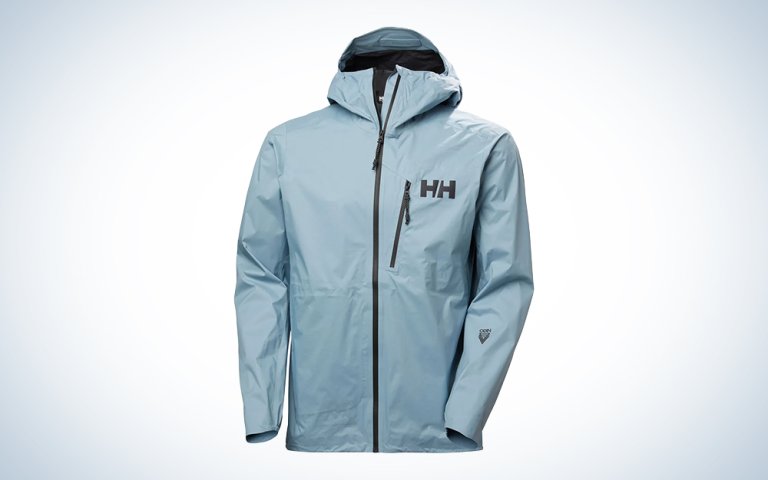
Helly Hansen ambassador Izzy Holmes gives a professional’s perspective on the input that goes into something like an Odin Infinity Minimalist Jacket. Mountain guides were searching for a waterproof, windproof shell in their pack that they “don’t even want to be able to feel,” Holmes explains. But they also needed something they could always count on when fast-moving alpine weather turns. What they (and us) got is just 7.6 ounces but still 3.5 layers, breathable and packable for high-output adventuring. 

And Tavell acknowledges the women’s shell must be built with the same technical ambition as the men’s. Women in the field are doing the same work and facing the same hazards, so they voiced frustration that brands thought they should get a “dumbed-down version.”

Helly Hansen Odin Infinity Minimalist Jacket

An NPA representative reinforces the stakes: when conditions have everybody heading home, volunteers have to go out and help those who can’t get in, and at that point, “we can’t discuss if the clothing is good enough; it should just work.” For this reason, zippers are shortened because a waist belt needs space, and a pocket is removed because a harness makes it ornamental. 

The accumulated failures that inform successful workwear then trickle down to aestheticized rainwear, even if the reflective details that make a SAR uniform recognizable are less likely to. But one thing that’s shared is a repairability focus when new products are constructed. Replaceable zippers, snaps, Velcro, and other mechanical spare parts that can keep a jacket in service are a cornerstone of sustainability.

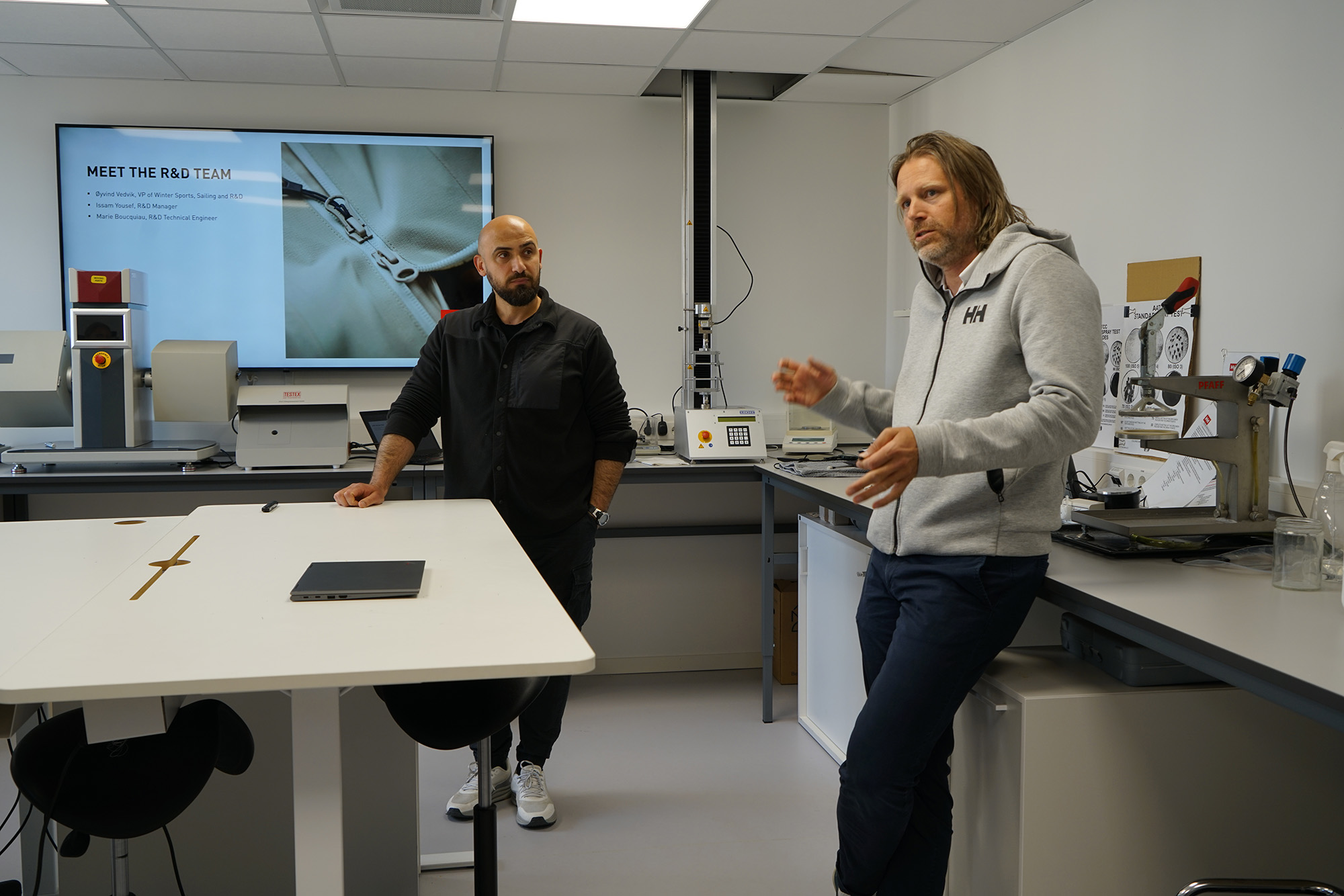
In-the-field anecdotes and accidents make for dramatic scenes and adjusted seams, but the stress tests begin way before fabric sees any vistas for validation. Off an unassuming corridor, Helly Hansen’s lab is where the indignities begin. Here, passing a standard test is merely a starting point. Shedding water for 30 seconds in controlled intervals doesn’t answer the questions asked by real-world exposure, which can last for hours. Something needs to address the grind of rain-soaked backpack straps on shoulders or the rub of salt-stiffened sleeves on sides. Somebody needs to account for the drag of oily hands on zippers or being dried badly, then stuffed into/pulled from a pack repeatedly. 

The lab does its best to recreate and stretch past the conditions most clothes encounter. That means withstanding pressures, wet and dry abrasion, and punctures that bridge the gap between industry expectations and real-life weather, friction, and sweat, not to mention the lazy violence of daily use. We’re shown a waterproof test of the HELLY TECH Professional system that goes up to a 50,000-millimeter hydrostatic-head (HH) rating, though the promise communicated is an expedition-grade 20,000mm to be on the safe side.

Next to more traditional ways of measuring prolonged hydrostatic pressure or air permeability sit the custom chambers. There’s the cut-testing machine built around an actual ski edge, inspired by real Norwegian national team incidents. And then there’s the shock box. First, fabric samples, new and old, are turned into small bags loaded with tennis balls. Then, they are soaked, dropped, tumbled, scraped, contaminated, and just rudely treated with salt, sand, Velcro, sandpaper, and metal edges to watch the material age in fast-forward. 

This accumulated abuse is all part of the proving ground for Helly Hansen’s signature waterproofing technologies. It’s also part of addressing the larger PFAS puzzle facing every shell maker. A waterproof jacket has to keep liquid out and let body vapor escape. And it has to do it through a laminate whose face fabric is absorbing physical punishment. So, it’s the lab’s job to make that contradiction measurable. They take field feedback and provide product managers with data that shows the full picture of what’s achievable.

Resisting wet-out used to be achieved in part with Durable Water Repellent (DWR) chemistries that repelled both water and oils. Per- and polyfluoroalkyl substances (PFAS) treatments moved surface energy down to roughly 6-12, good for both water and oils, we’re told in the lab. But the regulatory and industry-wide transition to PFAS-free hydrocarbon finishes hit roughly 25-30, enough for water repellency but only moderate oil resistance. 

Helly Hansen’s top-tier no-added-DWR solution, LIFA Infinity Pro, took proprietary fibers developed in the 1970s for base layer moisture management and applied advanced textile engineering to heat and stretch them into a waterproof/windproof membrane. They then paired this sweat siphon with a highly breathable backer and a woven, inherently hydrophobic LIFA face fabric. In the lab’s language, the goal is to “let water-hating fabric do all the work by itself,” rather than overloading it with chemical treatments. That system came to market in 2020.

A newer iteration of LIFA Infinity is found in the Odin Infinity Minimalist Jacket. It utilizes a bicomponent ePP microporous membrane made without solvents and a recycled face fabric with a PFC-free DWR to facilitate an even softer, lighter, more pliable product. It’s a lot of invisible engineering … putting chemistry and construction and thought into a garment so reliability is the thing you don’t have to think about. 


If Oslo supplied philosophy, and headquarters provided proof, the next stop offers perspective.

Pack on my back, To Helly & Back playlist of black metal and blackened rock in my ears, we shuffle to early a.m. shuttles. A short flight to Bergen and we’re back on a bus heading to Osterøy, one hour northeast and Northern Europe’s largest inland island. We’re welcomed at Klyvvikje, a greeting complete with folk costumes and hand-hammered artistry made in a blacksmith’s forge on the farm, a property in our hosts’ family for over 100 years. We’ll stay here overnight, not far from the village of Bruvik—though we only see that from above. 

We have just enough time to snack and repack before we hit the trail. We arrive expecting one of the 200 to 240 days of downpours that annually sweep Bergen, the rainiest city in Europe, then continue into the nearby fjords. What we encounter is balmy, suspiciously kind. It’s downright disorienting. Temperatures pushing the 70s, out go the rain layers and out comes the Solen UPF 50+ sun protection. We’re only going on a day hike, but ounces matter when you’re ascending over 500 meters (1,873 ft). We head relentlessly uphill until we summit the Bruviknipa massif at 822 meters (2,697 ft). 

A blue and red Odin AT40 Ski Touring Backpack sporting a red RECCO badge shown on a hike in the fjords above Bruvik, Norway

After many, many stone steps and stacked curves, we’re greeted by a Norwegian flag at the summit register, plus a panoramic view of the Sørfjorden’s deep blue mountain mirror [shown above]. My Cascade Mid-Cut Hiking Boots maintain stability, and Helly Hansen Blaze Softshell Hiking Pants stretch stylishly as we complete our trek, around five hours and 9 kilometers (5.76 mi) round-trip.  

Back at the farm [shown below], we set up our tents along the edge of the property, guests appreciating the hospitality you don’t get hut-to-hut hiking. But if there had been any more space between the farm and the water, we might not have even had to ask permission. Norway’s 1957 Outdoor Recreation Act codified that anyone and everyone has the right to hike through and camp on any land at least 150 meters from an occupied structure. Just leave no trace. This makes it easier to access the 20,000 kilometers of marked hiking trails and over 500 cabins maintained by Den Norske Turistforening, the Norwegian Trekking Association. 

The mountains’ lavender silhouettes soften against the luminous half-light sky as we crowd around a fire and raise Aquavit to a rewarding day of good weather and goodwill. Skål! (“cheers!”) rings out repeatedly alongside the would-be clink of our paper cups. The sun may not want to go to bed, but I do. 

We wake up to homemade waffles and dockside yoga, all safely recovering from yesterday’s calf-burning climb.

But what if we hadn’t? That’s the question posed as part of the morning’s dramatic RECCO demo.

Using a makeshift fjord-side landing pad, pilots from a SAR team based in northern Norway land a helicopter [shown below]. With them are representatives of the Swedish reflector-and-detector system, which is incorporated into several products we’ve been carrying, like the Odin 9 Worlds 3.0 Shell Jacket and Resistor Backpack, and could be key to a successful recovery mission. 

But the product’s origin story begins with tragedy: founder Magnus Granhed lost a friend in an avalanche and, according to RECCO’s Gustav Crenér, “just sort of walked around with a ski pole trying to locate his friends.” From that helplessness came a mission “to make people in the outdoors searchable and help organize rescue, to save lives.”

Developed with friends at Stockholm’s Royal Institute of Technology, the technology [shown below] is almost disarmingly simple at the wearer’s end. The reflector is “a piece of copper, pretty much, with a diode in the middle,” Crenér explains. It weighs about 4 grams, contains no battery, and is “100% passive,” meaning it is always functional unless physically destroyed. These thin metal wafers are easily sewn into garments and equipment: jacket brims, pack top lids or haul handles, near sleeve cuffs or lower legs. They are not typically placed against the chest, however, because the water content of the human body can block effectiveness, especially if a buried wearer is face down.

A detector sends out a radio signal that, when it hits the reflector, echoes back an audio cue rescuers can follow. A handheld version, used by ski patrols, police, military, ambulance personnel, and other professional responders, weighs roughly 950 grams. Crenér describes it as standard avalanche-rescue kit alongside transceivers, dogs, and probes, but he is careful to frame RECCO as “an additional layer of safety,” not a replacement for comprehensive gear or common sense.

The helicopter serves as the ultimate extension of the RECCO detector. An airborne detector, which hangs roughly 10 meters below the helicopter to send energy downward, is about “100 times more powerful” than the handheld unit. Crenér explains that its mass, about 80 kilos, helps hold it steady as it operates about 100 meters up and 100 kilometers per hour, scanning a corridor roughly 100 meters wide. This allows it to cover a square kilometer in six minutes.

All of this is weather permitting, of course. The helicopter system is best deployed for bigger summer searches, like finding a mountain biker, mushroom picker, or hunter. Or for finding a hiker, as we soon see simulated. While the trail we took the day before seemed benign on our idyllic afternoon, that same path could be dangerous once the light dips or someone slips. Taken up in small groups, we do a sweep in the direction of the mountain we traversed. In our headsets, we hear quickening feedback and watch a meter flash red [shown above] as we approach a reflector stashed strategically in a gully.

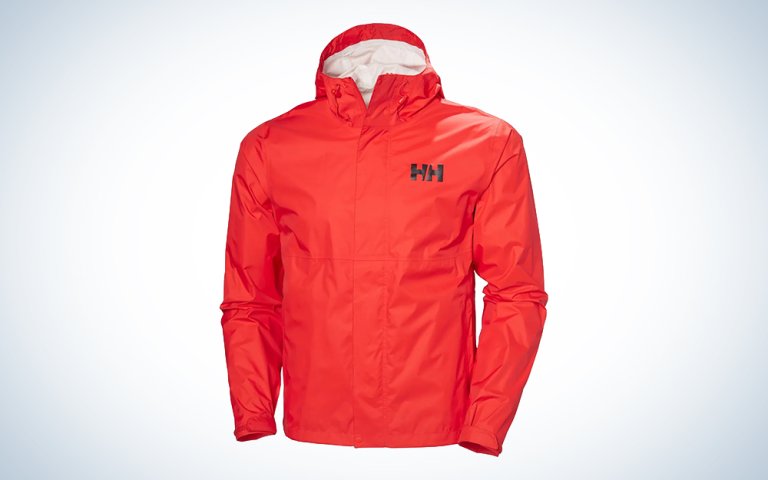
Helly Hansen Loke Jacket

See It

A RECCO-equipped jacket plays an important role for both the wearer and SAR organizations, as reflector sales help place detectors and train personnel without cost to rescue teams. Typically, however, the RECCO badge has been associated with winter and ski wear. Or, at the very least, a premium price point, like the $400+ Odin 9 Worlds or Odin Infinity Minimalist jackets. Helly Hansen, however, saw an opportunity to make more people searchable and fund more detectors in the market, so they started putting RECCO in the 2025 Loke Jacket, its most affordable, high-volume shell. 

After all, Helly Hansen’s annual Open Mountain Month events encourage and empower people to connect with the outdoors and each other (with guidance from professionals). And if you’re going to push for that, part of the social contract is making safety feel less like a luxury upgrade and more like a shared responsibility. 


Two days later, back on land and back in Bergen, it’s finally rainy enough to put the Odin 9 Worlds 3.0 Shell to good use. Taking advantage of my limited time and growing tolerance for precipitation, I wander the harbor’s cobblestone contours, secure in a garment that will hold up. And, should curiosity carry me into some troll-infested, goat-inhabited forest beyond city limits, it could also help a rescue team narrow the search. Helly Hansen can’t make the elements disappear, but it can minimize the messiness of meeting them head-on, a technical expression of the old Scandinavian conviction that there’s no such thing as bad weather, only bad clothing

The post I explored Norwegian philosophy and durable, searchable outerwear innovations with Helly Hansen appeared first on Popular Science.
  •  
❌