Reading view

The CIA crash that opened a fraught month in Mexico–US relations

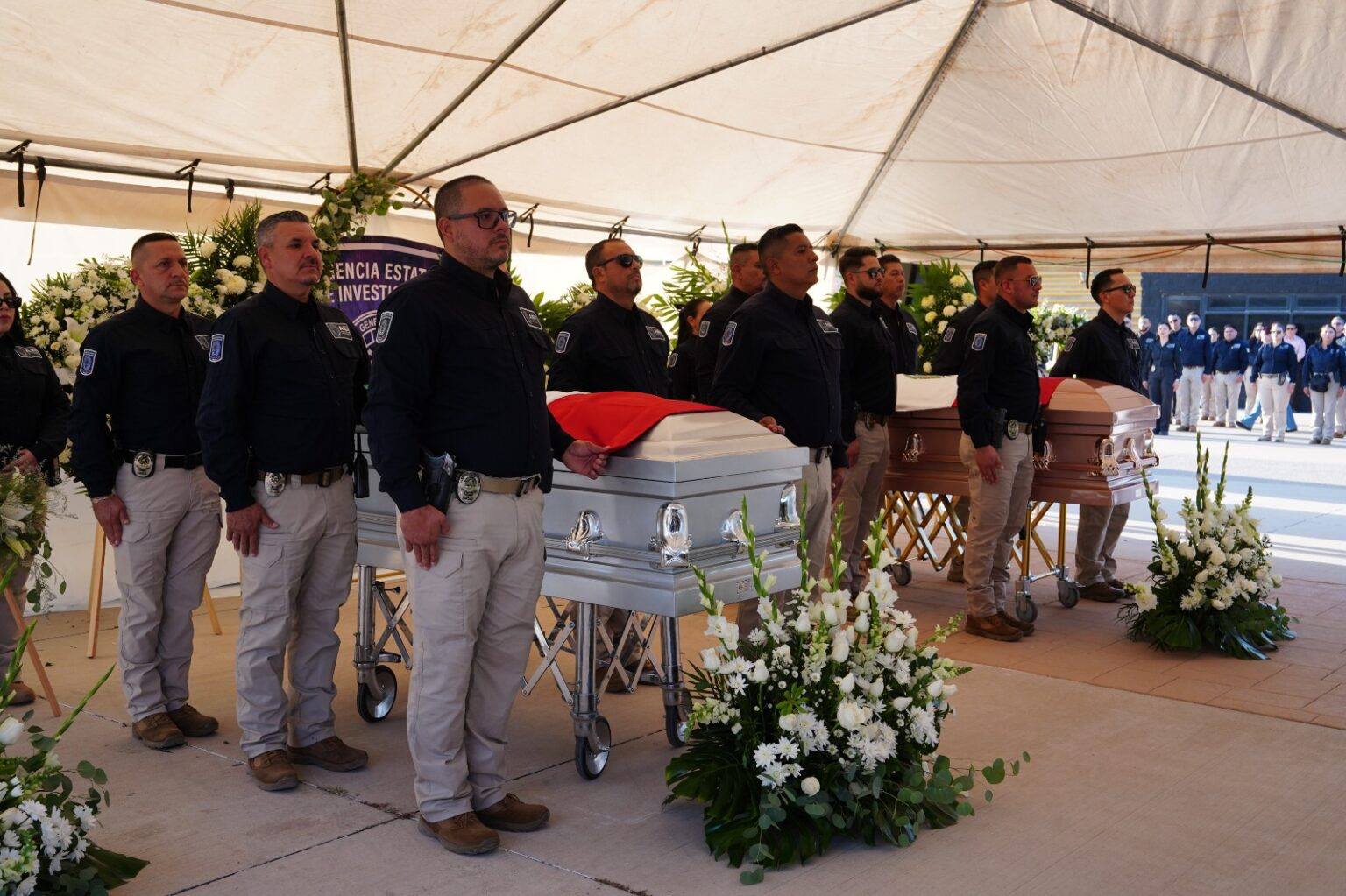
In a country of drug traffickers, savage battles between cartels, and their victims, the spark that set everything off came from a remote spot in an isolated mountain range. In the early hours of April 19, two CIA officers and two agents from the Chihuahua Attorney General’s Office were killed in a brutal car crash. On a road that winds through the gorges of the Sierra Tarahumara, their vehicle plunged into the depths of a ravine. The tragedy itself quickly receded into the background because of what it revealed: U.S. intelligence officers were with Mexican state agents returning from dismantling a huge drug lab. That revelation quickly set the rest of the pieces in motion.
Seguir leyendo

© FISCALÍA DE CHIHUAHUA

Posthumous tribute to the director of the State Agency of Investigation, Pedro Román Oseguera, in Chihuahua.
  •  

The prolific pen of inmate 89914053: El Chapo’s letters from his Colorado prison

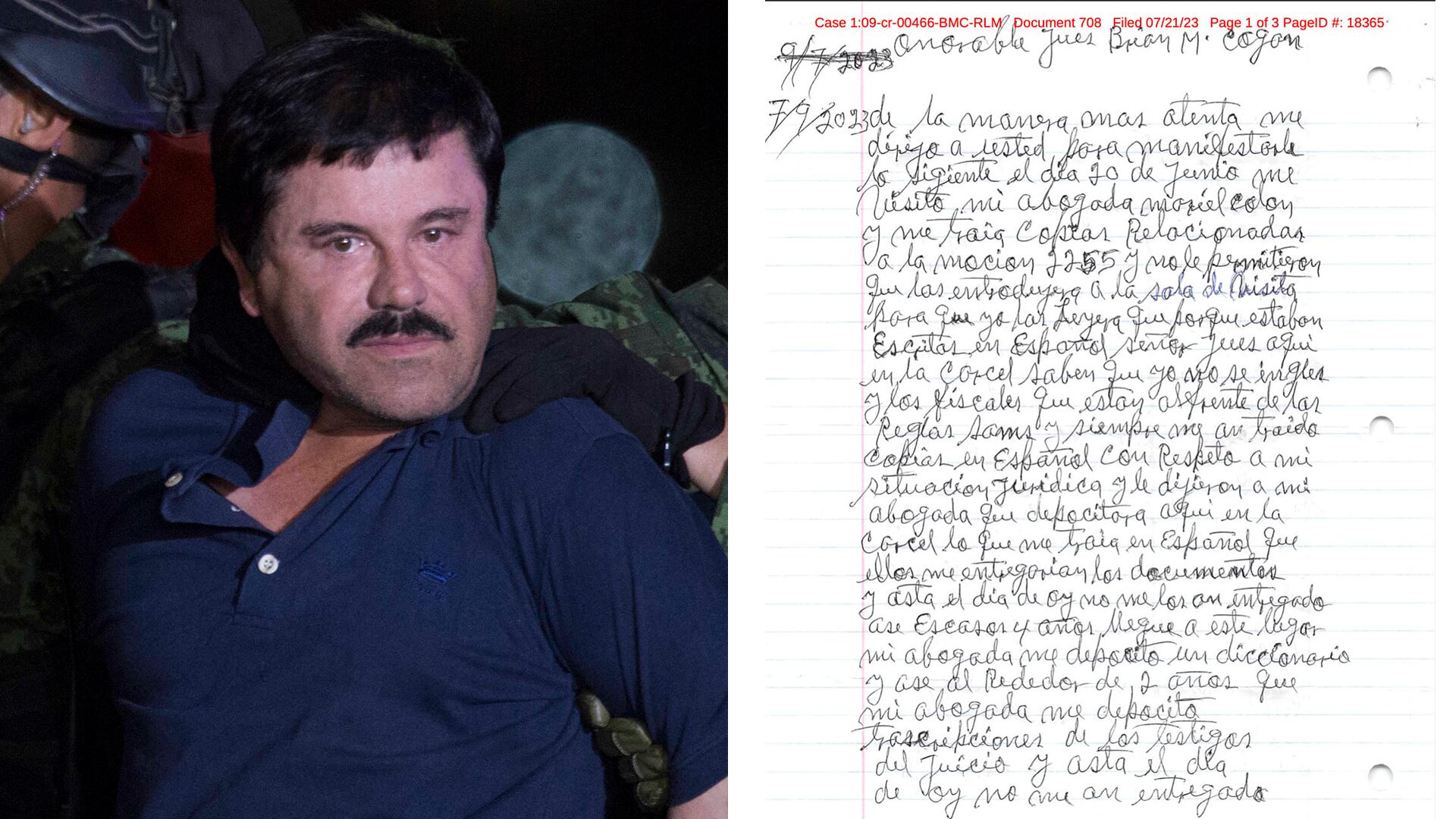
There are two Joaquín Guzmáns. One, known as “El Chapo,” rose to become the world’s biggest drug trafficker. He was feared by his rivals and by the authorities. He spilled the blood of anyone who crossed his path. It didn’t matter if they were members of a rival cartel, or innocent civilians.

Seguir leyendo

© Miguel Tovar (Getty Images), El País

The arrest of Joaquín “El Chapo” Guzmán, on January 8, 2016, along with one of the letters addressed to Judge Brian M. Cogan, from August 2023.
  •  

Roberto Velasco: ‘Mexico’s sovereignty is the first thing that must always be defended’

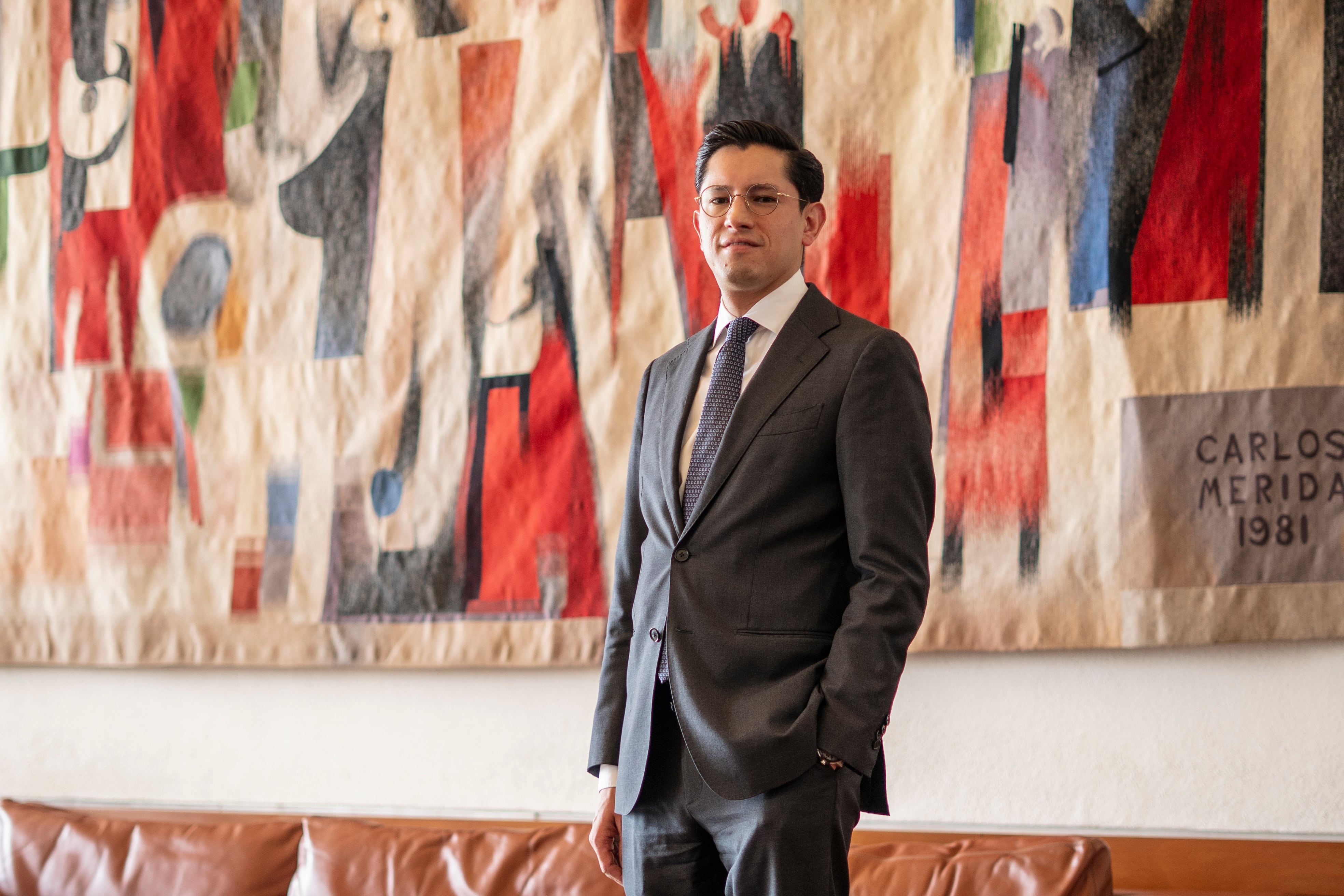
Roberto Velasco Álvarez on May 25.

Roberto Velasco’s first two months at the helm of Mexico’s foreign ministry have been anything but calm. The 38-year-old chief of the country’s diplomacy — who had already served in the role temporarily during his predecessor José Ramón de la Fuente’s illness — is suddenly facing one of the most delicate moments in bilateral relations with the United States since Donald Trump returned to the White House. The death of two unaccredited CIA officers in the Sierra Madre of Chihuahua; the U.S. Department of Justice’s charges against Sinaloa’s governor, Rubén Rocha Moya; the renegotiation of the USMCA trade treaty… All of these issues push Velasco to choose his words with surgical precision, or even to steer clear of certain topics to avoid any hint of conflict. That caution runs throughout the entire conversation, held on Monday.

Seguir leyendo

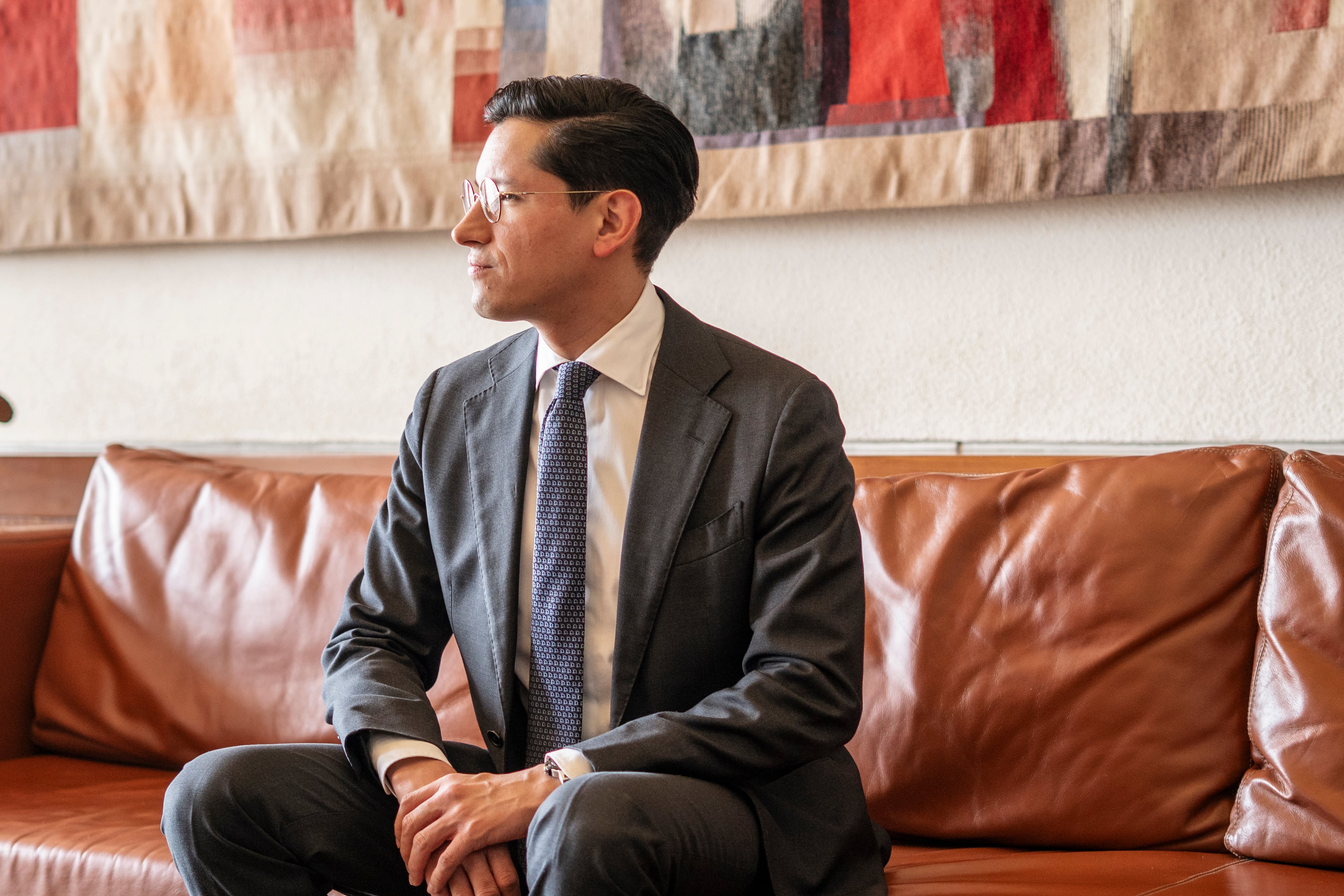
The foreign secretary Roberto Velasco.
  •  

Mexico’s most controversial politician, Rubén Rocha, goes to ground as cartel questions intensify

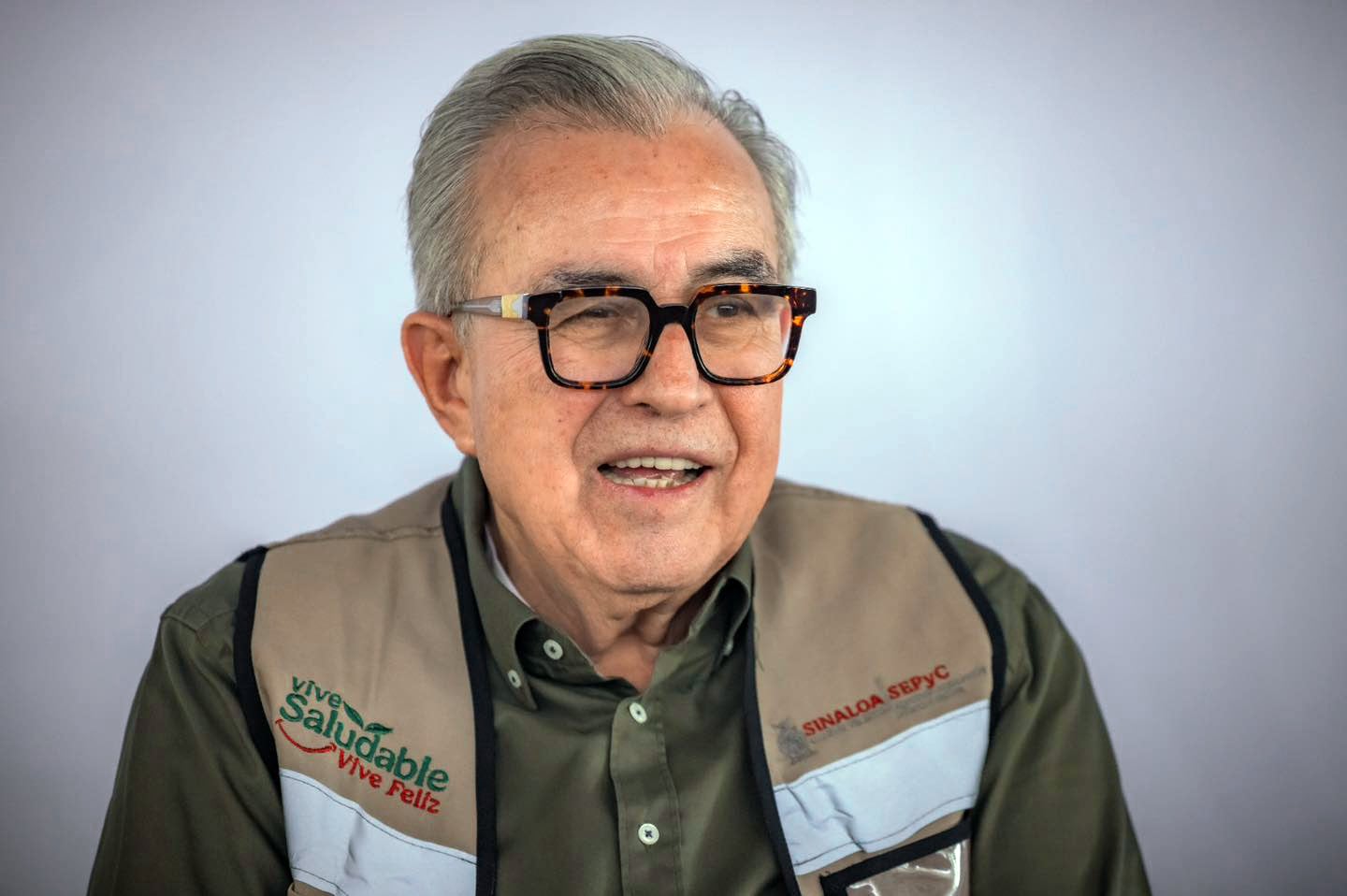
No one has seen Rubén Rocha Moya since the night of May 1, when he announced in a video that he was requesting a leave of absence from the office of governor of Sinaloa. It was then a holiday, Labor Day, and the politician said he needed to stop working, as if in penance after U.S. authorities accused him and nine of his collaborators of alleged ties to factions of the Sinaloa cartel.

Seguir leyendo

© Gobierno de Sinaloa

Rubén Rocha in Culiacán, March 12, 2025.
  •  

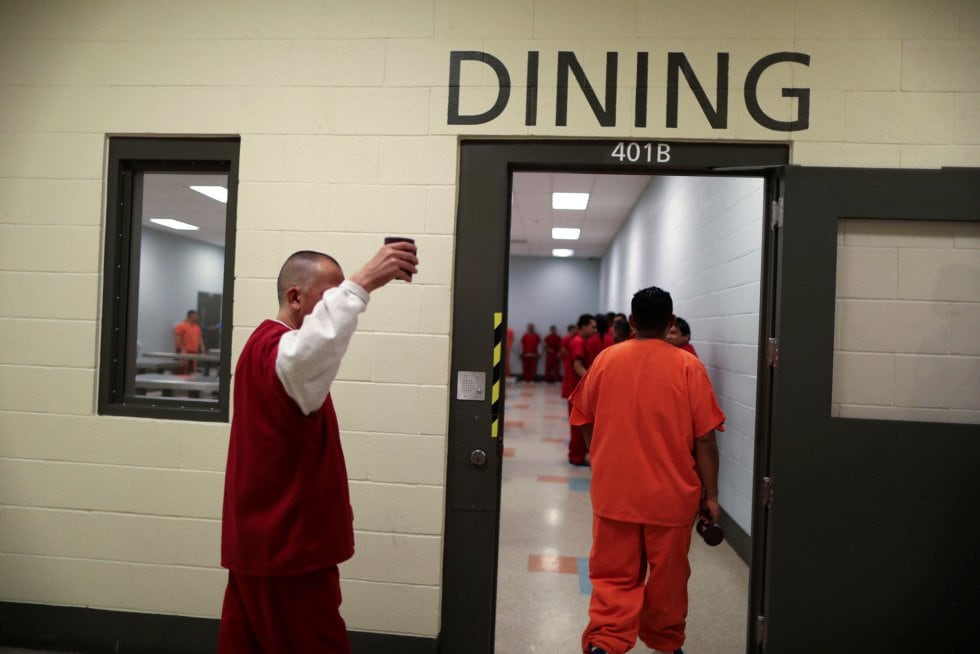
Migrants at the mercy of gangs: ICE detainees forced to live alongside organized crime

Esteban had never heard of the prison gang Los Paisas until he was held at the Adelanto immigrant detention center in California. As soon as he passed through the bars of his housing unit, other detainees made it clear he had to choose: join them or join another group made up of Russians, Indians, Chinese, and Armenians. He understood that doing neither would leave him defenseless, so he accepted. There was no initiation ritual and he was not asked to swear allegiance. The rules were simple: protect your own from violent people, settle internal disputes, and keep a measure of order in a place where authority often seemed insufficient. Over the months, deportations and transfers took away people he knew. They were replaced by newcomers, some of whom did not understand the dynamics of detention. He had to teach them. Before he knew it, Esteban was among the most long-standing members and, without seeking the role, he became one of the leaders of the gang.

Seguir leyendo

© LUCY NICHOLSON (REUTERS)

Detainees at a migrant center in California, in 2023.
  •  

Cabrero Segundo’s exchange

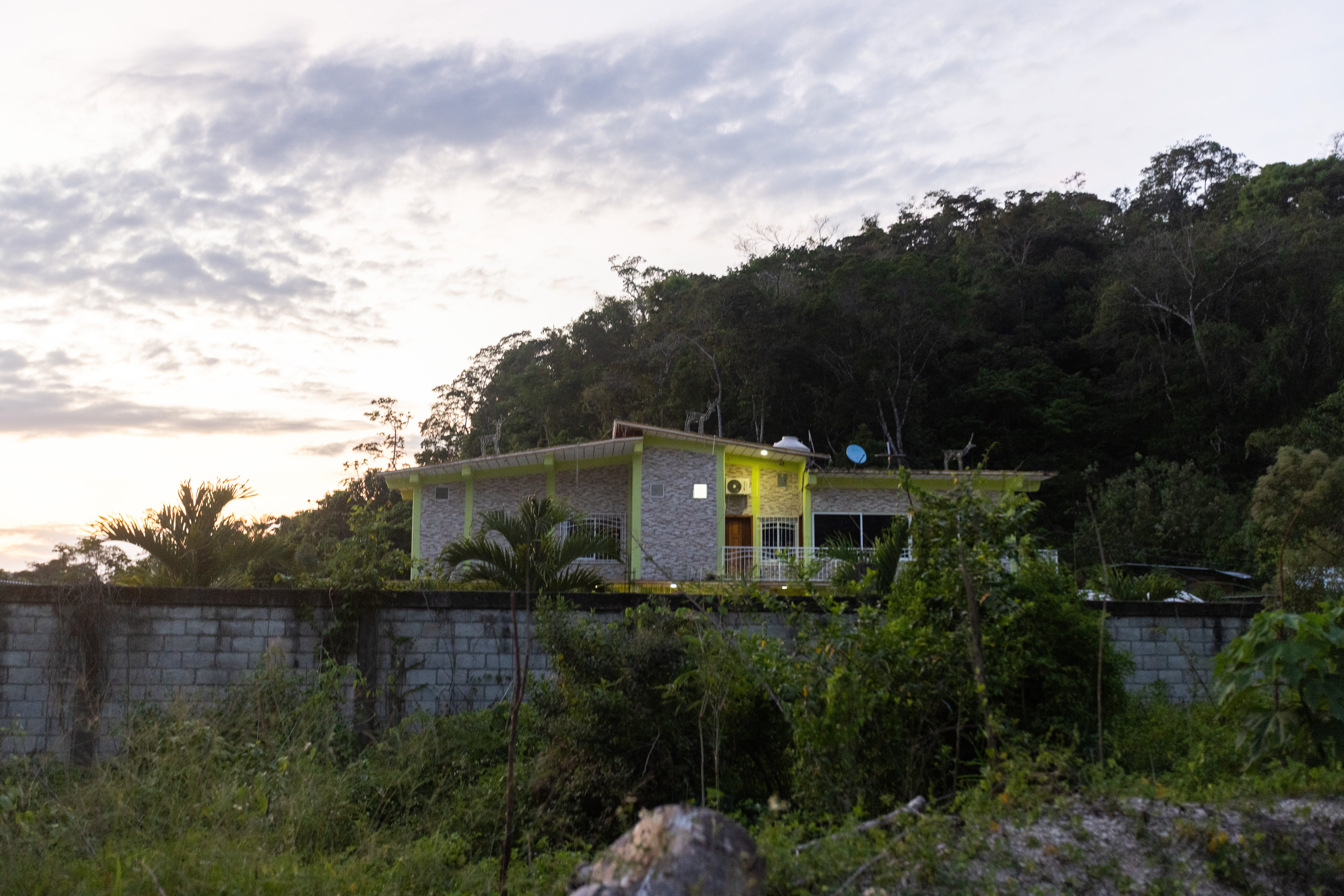
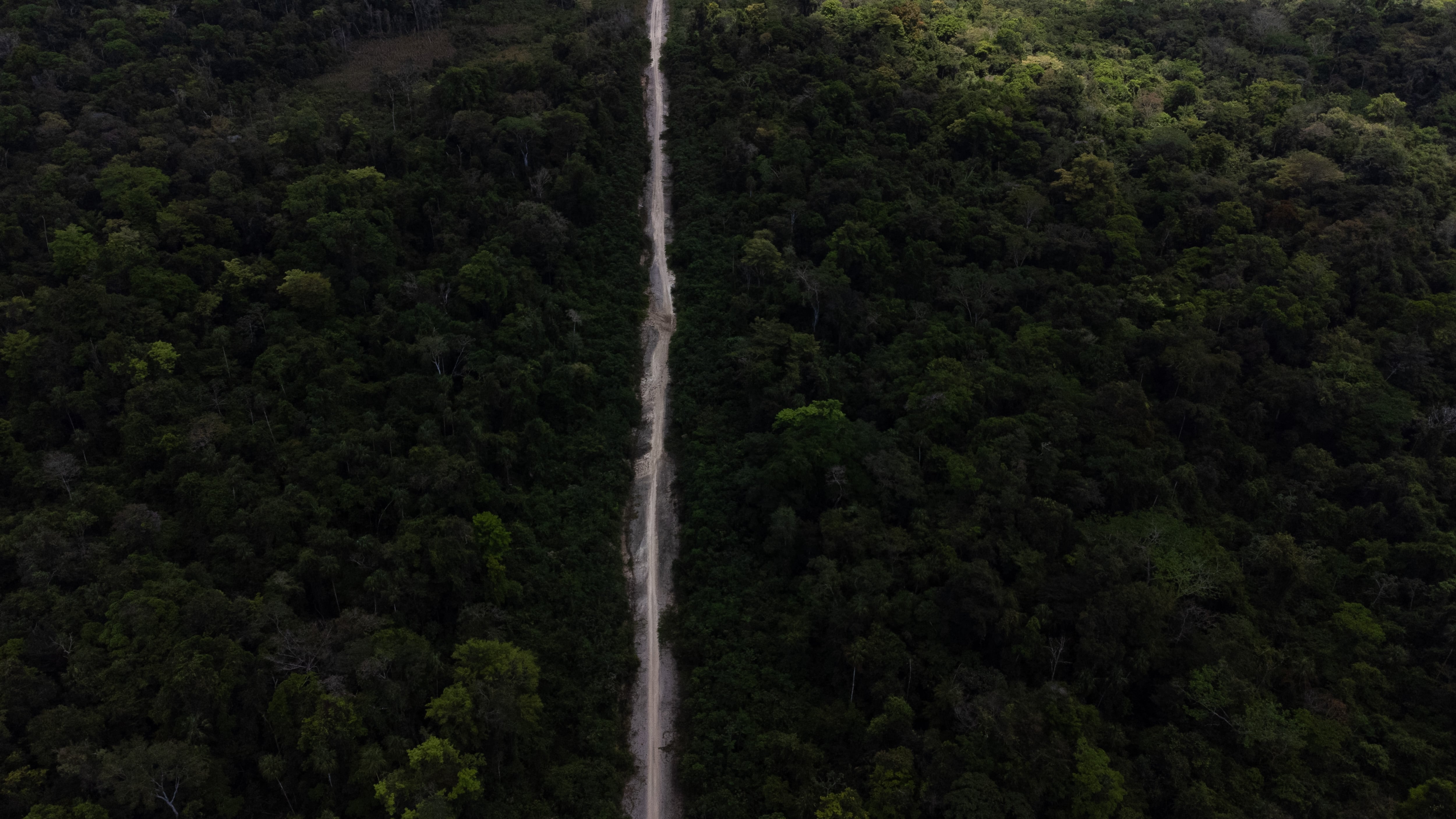
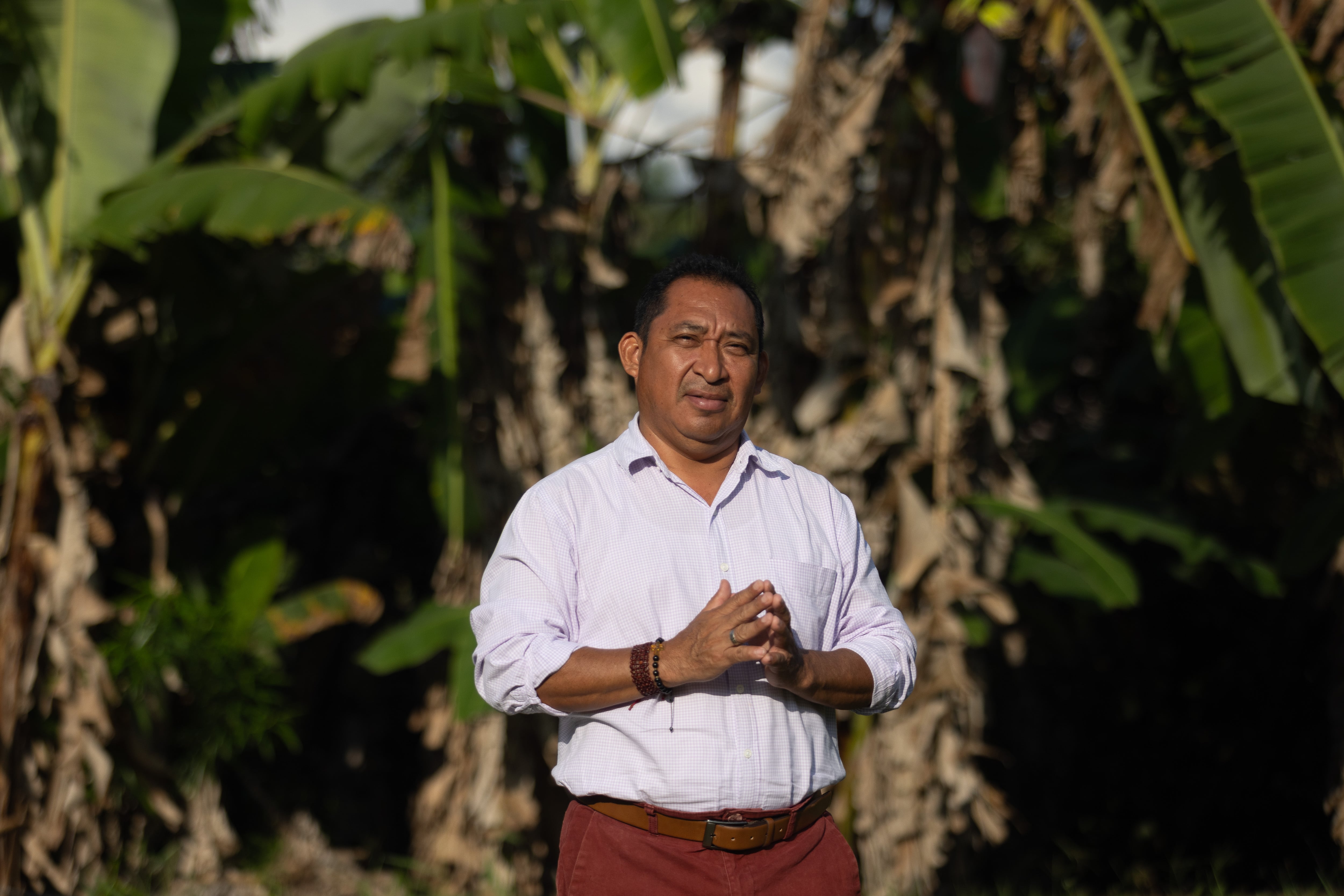
Everything in this story comes back to El Cabra. Everything leads to him, Cabrero Segundo, the “famous Lacandón,” the boss, a man of average height, about five foot five, brown-skinned, with a paunch, a goatee and tattoos: a cross on his left shoulder and a jaguar on his right. An eccentric character. In the film he had made about his life, he cast a hulking actor who was eight inches taller. At the height of his power he built a clandestine airstrip two minutes from his house to receive drug shipments. The night he kidnapped 33 soldiers, disarmed and stripped them — no one in the jungle forgets that — he spent the final hours before dawn snorting cocaine in front of them, using a banknote. El Cabra, a man with ambition.

Seguir leyendo

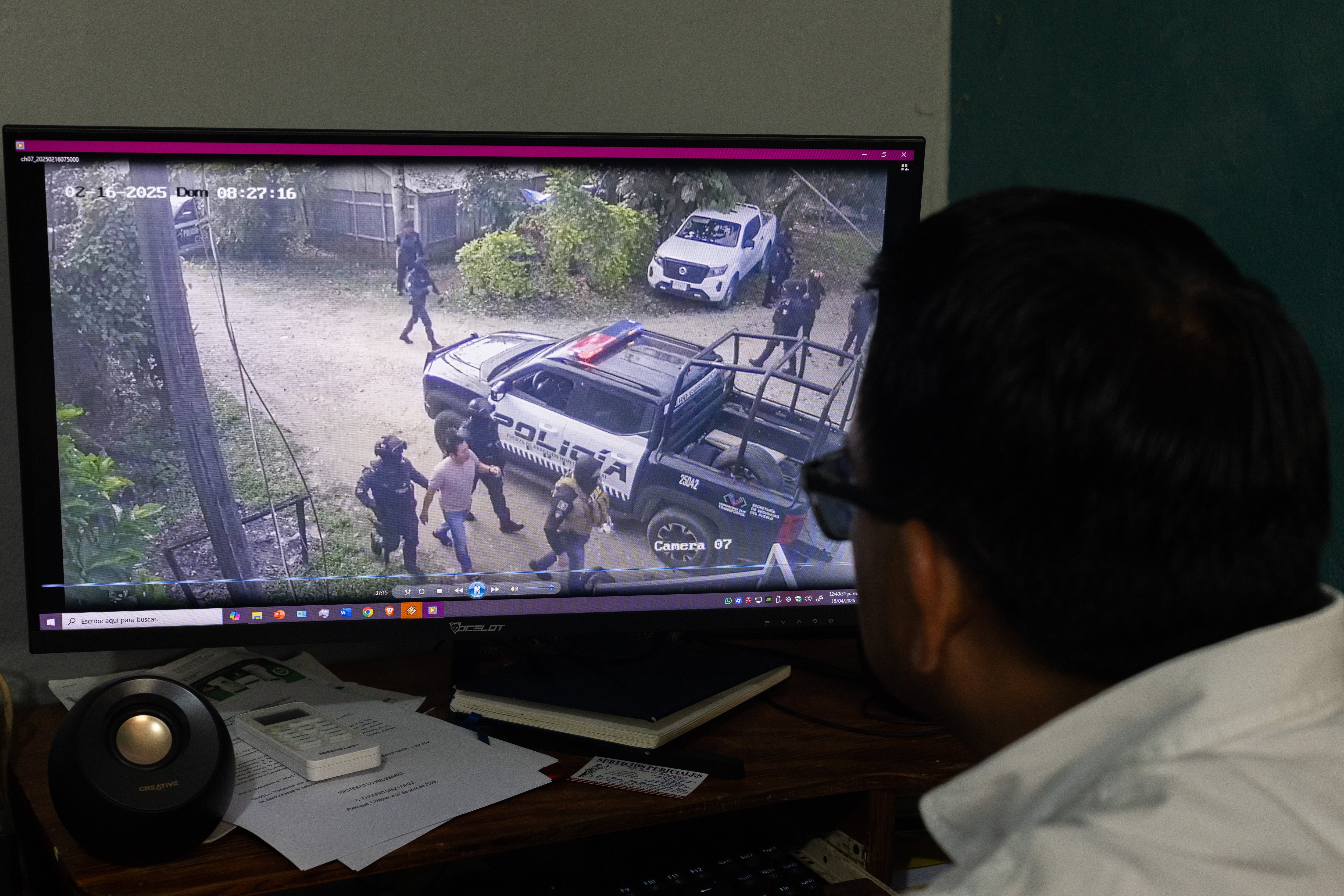
The house that witnesses identify as the property of Cabrero Segundo López, alias 'La Cabra.'View of the old illegal light-plane runway used for drug trafficking in the Lacandon Jungle.Esquivel Cruz, councilor of the municipality of Ocosingo, Chiapas.Lawyer Rufino Gómez shows a video in which Chiapas police carry out the operation in Lacanjá to arrest 20 alleged collaborators of El Cabra, not on the road as the local prosecutor claimed.

Photography and video:

Quetzalli Nicte-Ha

Visual editing:

Gladys Serrano and Mónica González

Layout and design:

Mónica Juárez Martín and Ángel Hernández

  •  

The Julio César Chávez family: Mexico’s most famous boxing dynasty faces a different kind of fight

In the past 10 months, two sons of Mexican boxing champion, Julio César Chávez, have been arrested. The eldest, who shares his father’s name and is known as Junior, was detained last July on charges of arms trafficking, drug offenses, and organized crime. And Last Wednesday, the story repeated itself with his younger brother, Omar, who was arrested in Culiacán, Sinaloa, on suspicion of domestic violence.

Seguir leyendo

© Richard Vogel (AP)

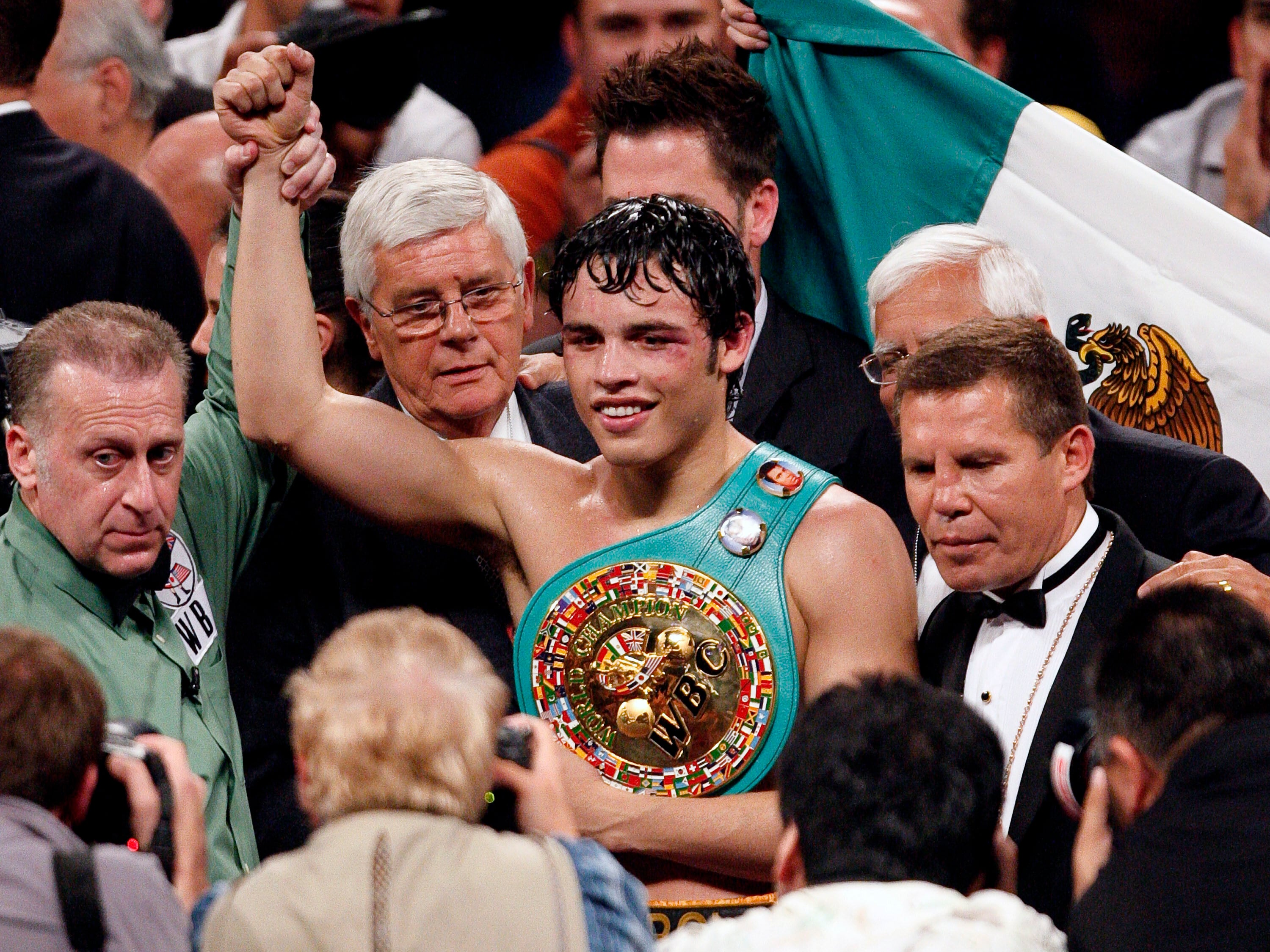
Julio César Chavez Jr. poses with his father in Los Angeles on June 4, 2011.
  •  

Sheinbaum’s approval ratings drop seven points after Sinaloa and Chihuahua crises

Mexico’s president, Claudia Sheinbaum, is going through her most delicate moment just as she reaches a year and a half in office. Faced with multiple open fronts, the president is showing signs of wear, with a seven-point drop in approval since last March. It is the steepest fall so far in her term, although approval ratings remain high at 68%, according to an Enkoll poll conducted for EL PAÍS and W Radio. To the crisis triggered by the indictment of the governor of Sinaloa, along with nine other senior officials accused by a New York prosecutor of collaborating with drug traffickers, is added a worrying economic weakness that threatens the viability of social policies—a flagship of the leftist Morena government. Insecurity, corruption and the economy are the president’s main shortcomings and the principal concern of Mexicans, with rates slightly up since the last poll in early March.

Seguir leyendo

May 16 to 19, 2026.

1,207 interviews with men and women aged 18 and over, with valid voter ID and resident in Mexico.

© Quetzalli Nicte-Ha (REUTERS)

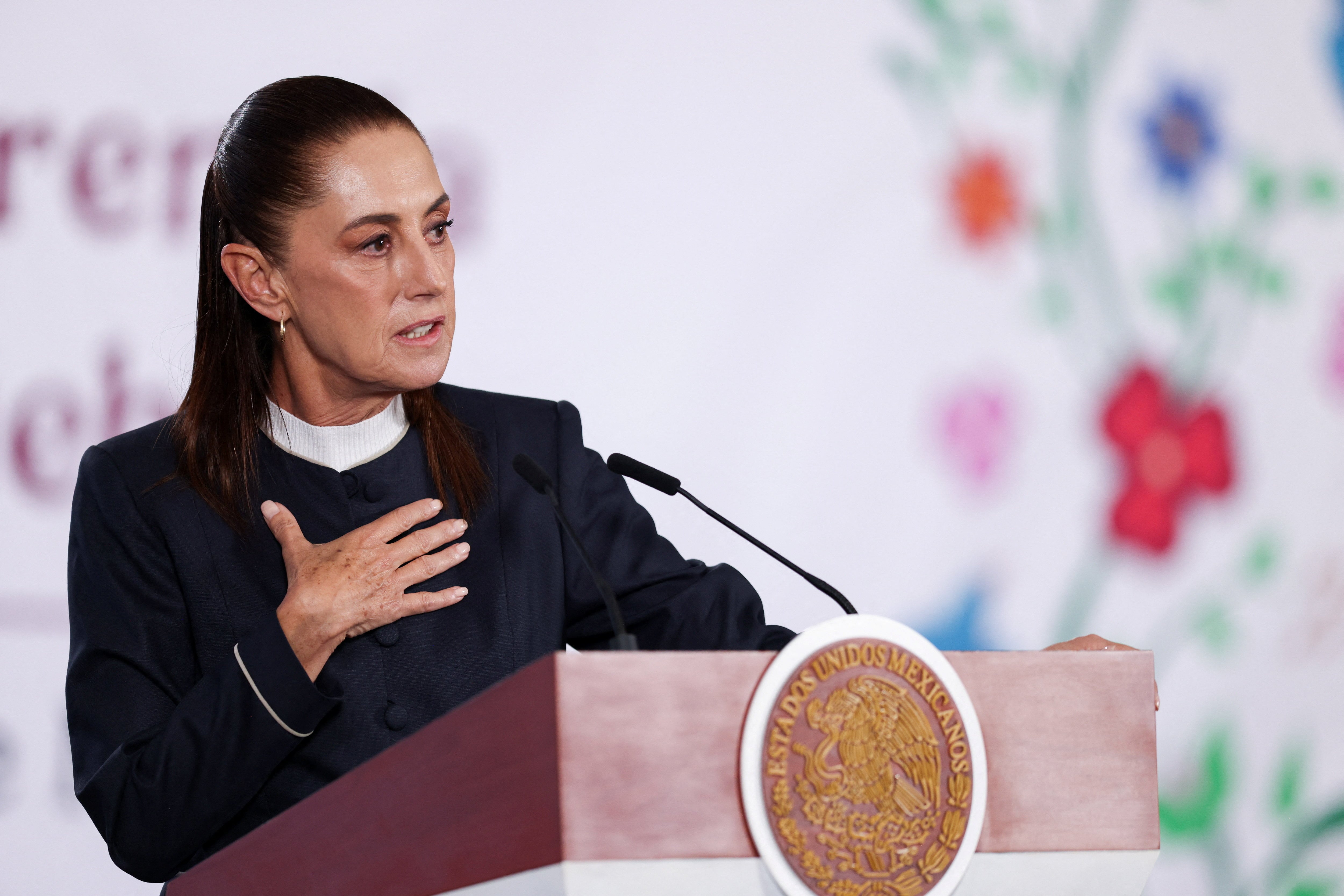
Mexico's President Claudia Sheinbaum speaks during her daily conference on May 26, 2026.
  •  

Sheinbaum reinforces the narrative of success in her security policy amid crisis with the US

Mexico is trying to reposition itself after the blow from the United States, which filed criminal charges against the governor of Sinaloa, Rubén Rocha, and nine other local officials nearly a month ago. Caught out of step, Claudia Sheinbaum’s government is trying to seize the initiative, an intention made visible Wednesday at the National Palace with the appearance of the full Security Cabinet at the president’s daily news conference. At root, it is a message to the White House that the constant criticism overlooks the work that has been done by Mexican authorities — and that it is irritating.

Seguir leyendo

© Gobierno de Estados Unidos

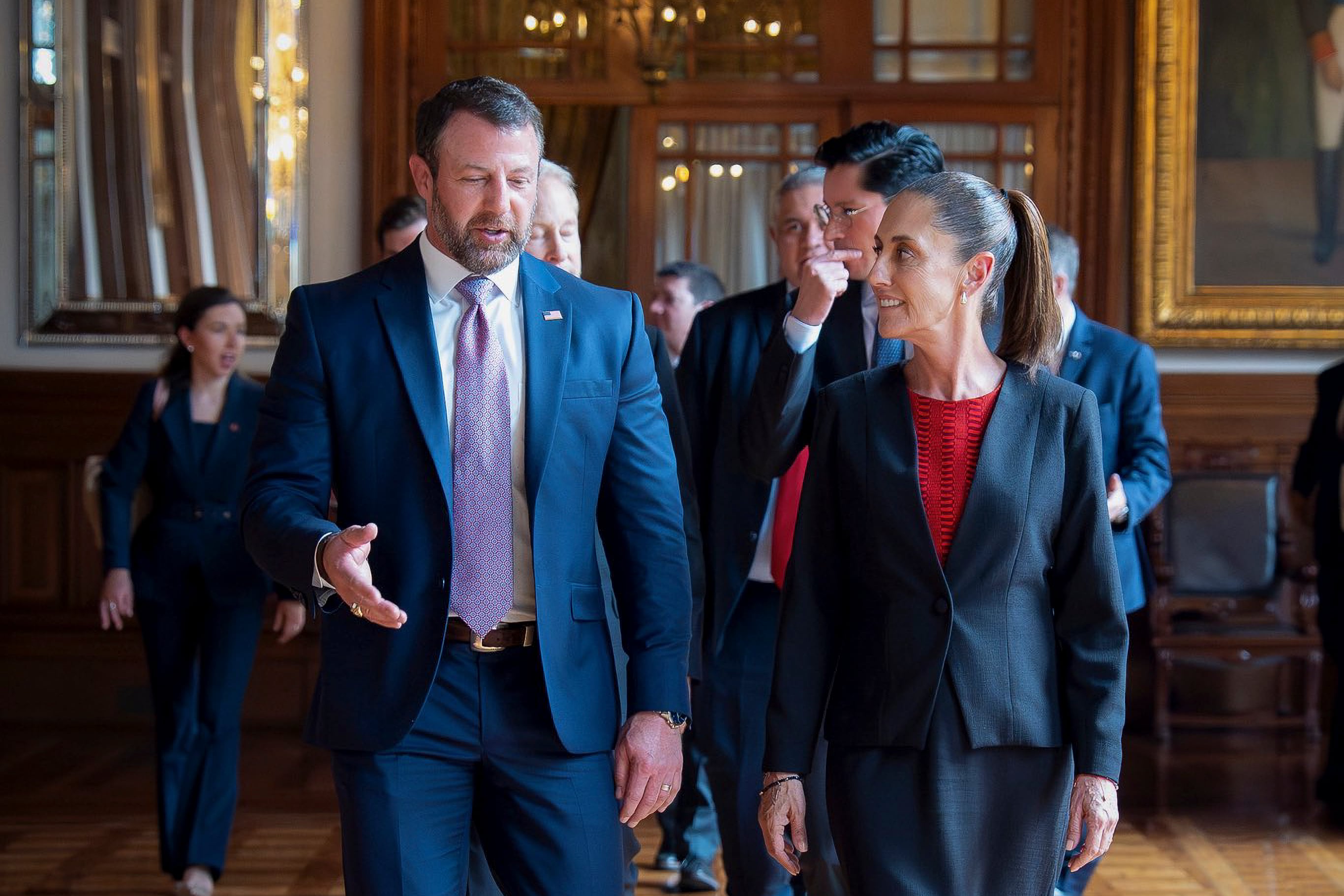
Markwayne Mullin and Claudia Sheinbaum in Mexico City on May 21.
  •  

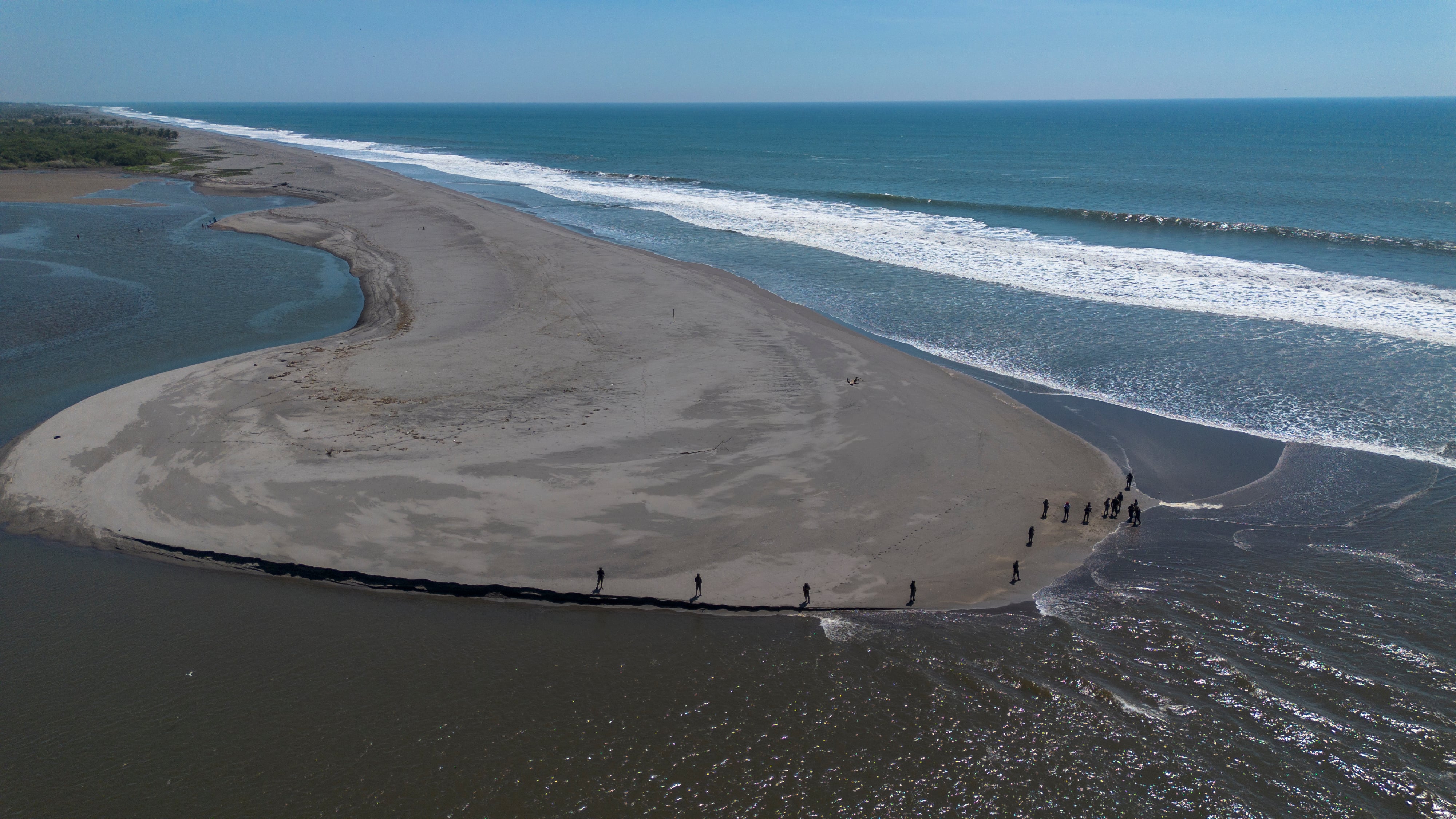
Organized crime weaves a new maritime trafficking network between Mexico and Guatemala

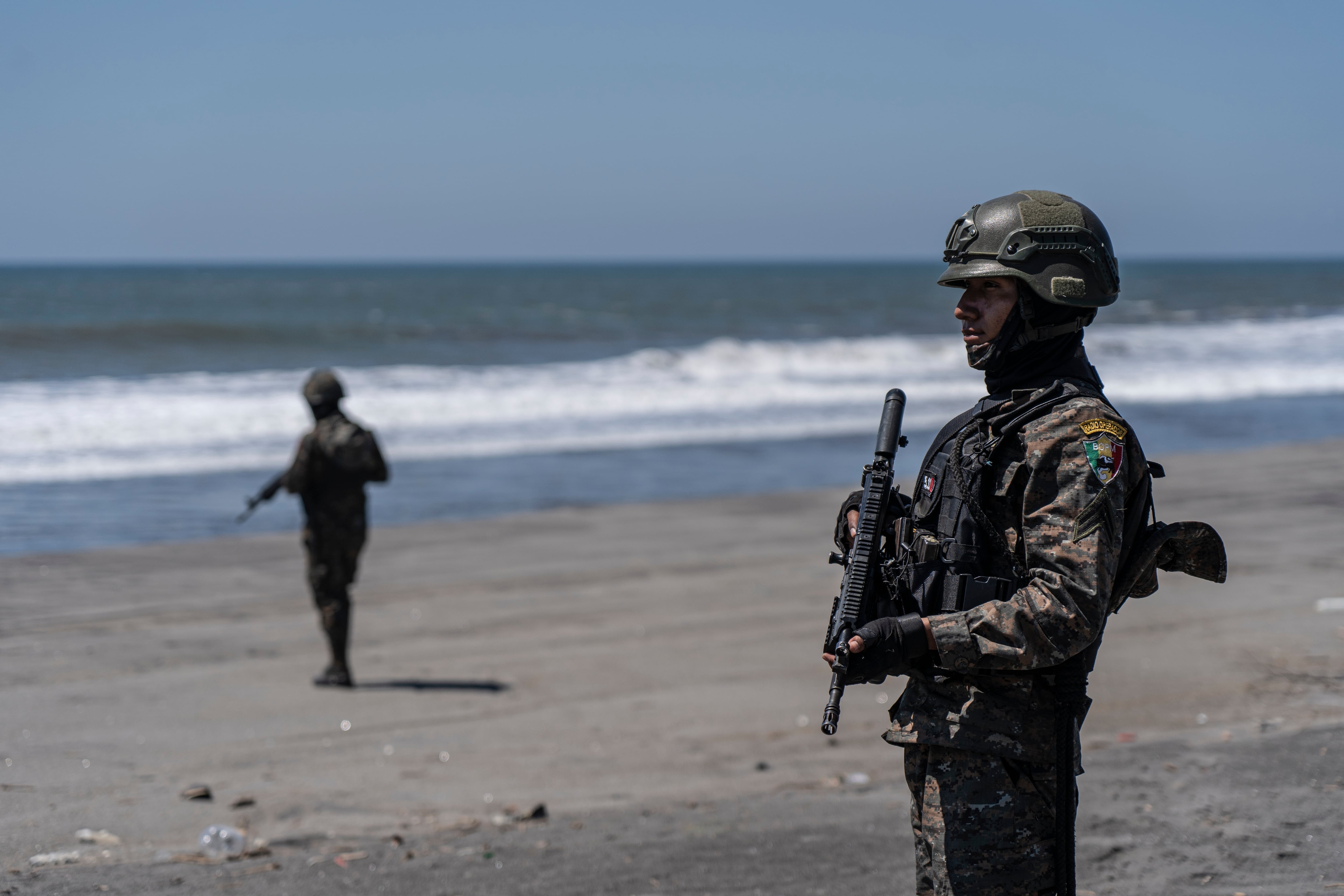
Guatemalan troops patrol the border with Chiapas on February 12, 2024.

Organized crime has returned to the Pacific route for drug trafficking. Since the start of 2026, at least eight vessels have been detected on the “maritime bridge” between Guatemala and Chiapas, Mexico with dozens arrested and several tons of cocaine seized. The detection and interdiction of these speedboats at sea is further evidence of the pressure the United States is exerting on the governments of Mexico and Central America.

Seguir leyendo

Guatemalan troops patrol the border with Chiapas.
  •  
❌