
 Login
Login
Keeping children safe, even in court: Who are the victim liaison officers helping child victims and witnesses through legal proceedings?
PUTRAJAYA, June 10 — Finding the courage to enter a courtroom is a lot to ask of a child, even more so to ask them to testify or recount abuses, what more to identify the accused.
In those moments, a reassuring face can make all the difference. That is where Victim Liaison Officers (VLOs) come in, to help them take that first step through the judicial process by making the unfamiliar feel a little less frightening.
Under the Chief Justice’s Practice Direction No. 1 of 2025 on the Operations of the Mobile Court for Children, a VLO is a Judiciary officer or staff member appointed by the Chief Registrar of the Federal Court to manage matters involving the use of the Children’s Mobile Court in criminal cases involving child victims or witnesses.
Informally, VLOs serve as trusted figures whom children can turn to for guidance and reassurance during court procedures and testimony recording sessions.
“They are the intermediaries between the victims, their families and the court.
“But most importantly, they are volunteers,” explained Registrar of the Subordinate Courts of Malaya Mohammed Mokhzani Mokhtar during a recent interview at the Palace of Justice here.
According to the Registrar’s Office, there are currently 42 active VLOs nationwide — six men and 36 women — serving in courts across every state.
Mohammed Mokhzani said the role played by VLOs under the Children’s Mobile Court initiative reflects the Judiciary’s commitment to ensuring that access to justice is not merely promised but meaningfully realised for vulnerable children.
You’ve got a friend in me
As provided for under the Chief Justice’s Practice Direction, VLOs are generally assigned to proceedings involving cases under the Sexual Offences Against Children Act and remain involved throughout the process.
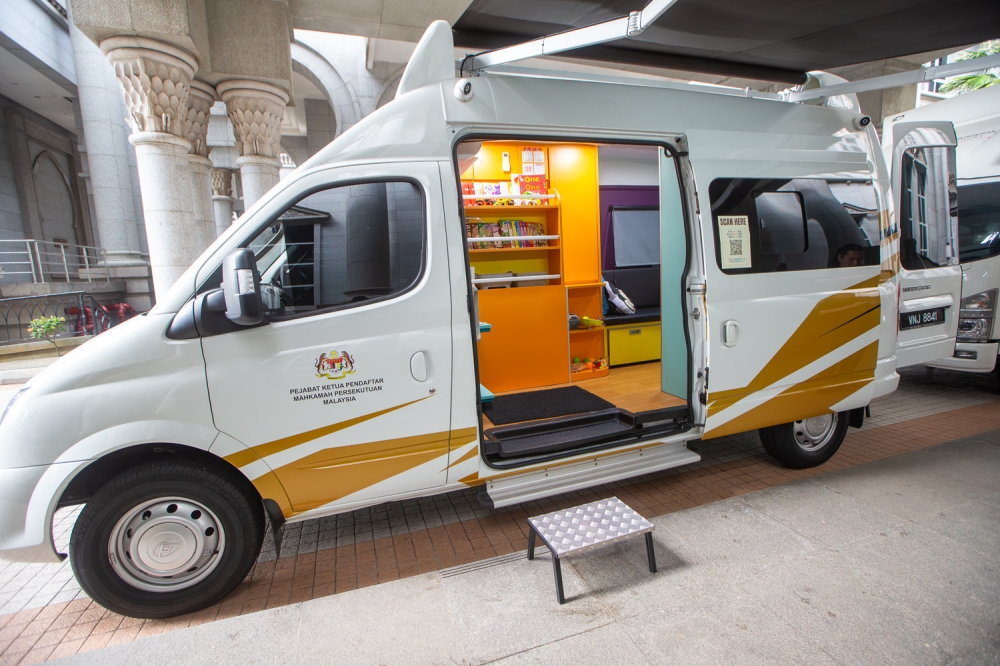
On trial days, VLOs must be ready at least 30 minutes before the Vehicle for Meaningful Redress (VMR) — a specially designated van used to transport child victims and witnesses in criminal trials — arrives at a child’s home.
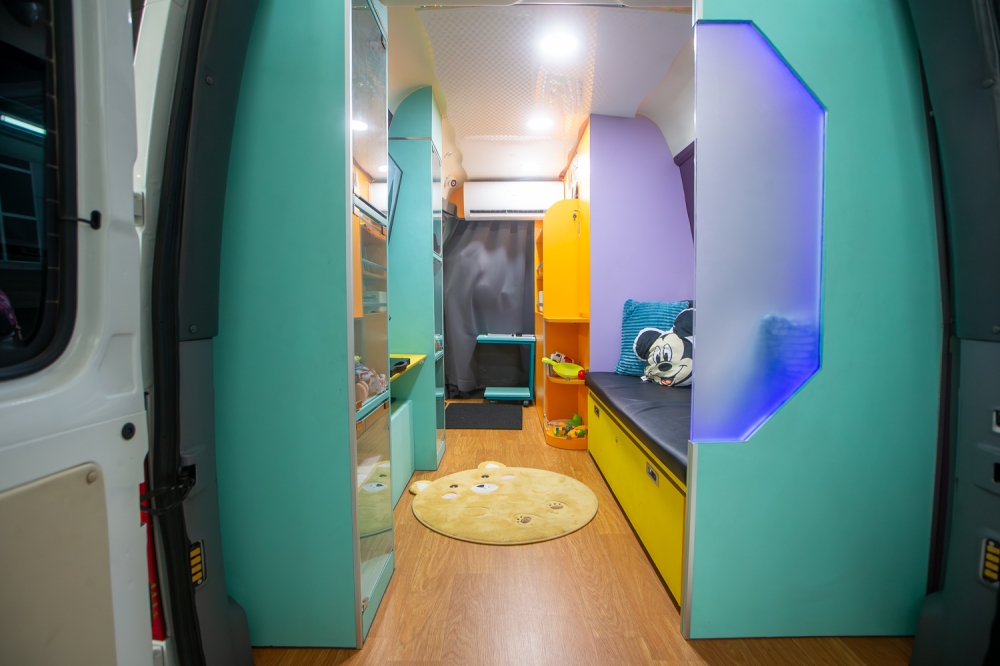
VLOs are then assigned to the Victims’ Nexus to Justice (VNEJ) — a specially equipped mobile child witness room — where they accompany child victims or witnesses throughout proceedings and keep them and their next of kin informed of the court process until the case concludes.
G Ishwary, a VLO attached to the Shah Alam Court Complex, said she introduces herself as kakak (elder sister in Bahasa Malaysia) and in some cases as ‘auntie’, particularly when dealing with younger victims.
This simple choice of address helps create familiarity and trust over time, making it easier for children to open up in what can otherwise be an intimidating setting.
“We also do away with our blazers to be as informal as possible, making us approachable and comfortable for the victims.
“Apart from anatomical dolls, we also have other toys for them to play with to make them more comfortable during our interactions later,” she told Malay Mail.
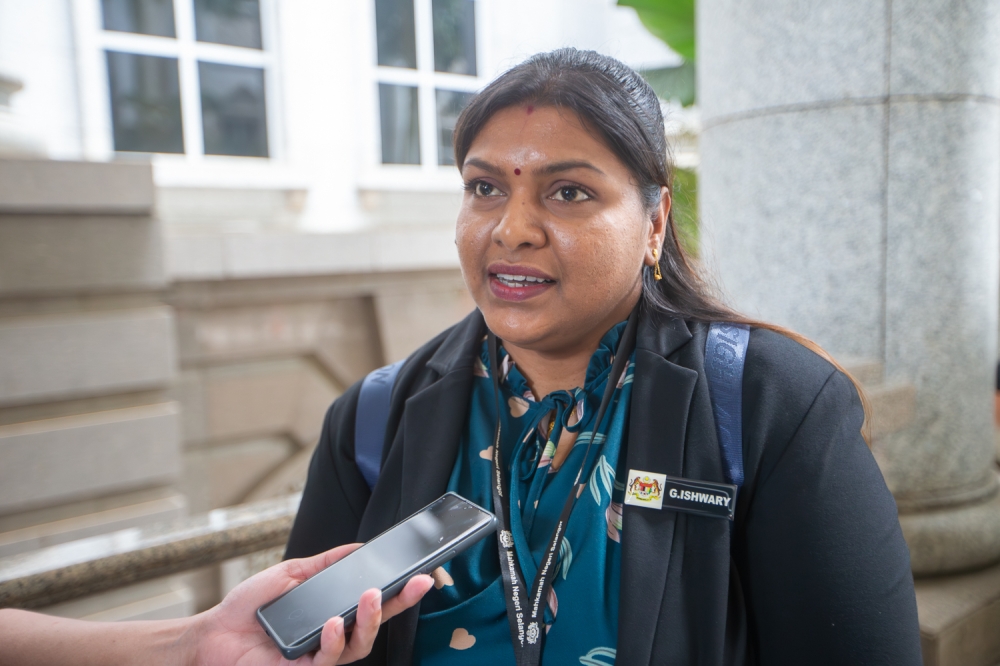
In most of the cases she has handled, Ishwary said child victims or witnesses often hesitate when asked to give testimony, with the process of helping them open up taking time and patience.
In these instances, this reluctance stems from the emotional weight of what the children have endured, making it difficult for them to speak about their experiences in court.
“So we need to ensure they are calm enough to give clear testimony because they are giving evidence via video conference and the court holding the main hearing needs to listen clearly.
“For example, when prosecutors tender court exhibits, we also need to make sure they understand and fully comprehend the content of the documents being shown,” she said.
As an active VLO since the Children’s Mobile Court began in July last year, Ishwary recalled one recent case that left a deep impression on her.
“I remember it was a case in Pahang, and the victim was raped by her stepfather.
“The victim, who is now 15, had already begun giving her testimony on the first day, but on the second day she was hesitant when attempting to describe the incident in detail, and the hearing had to be postponed.
However, when the hearing resumed on the second day, the stepfather pleaded guilty.
“We did not get to finish the trial, but it impacted me greatly because as a stepfather, he raped her not once but twice, and I felt for the victim because she was 12-year-old when it happened,” she said.
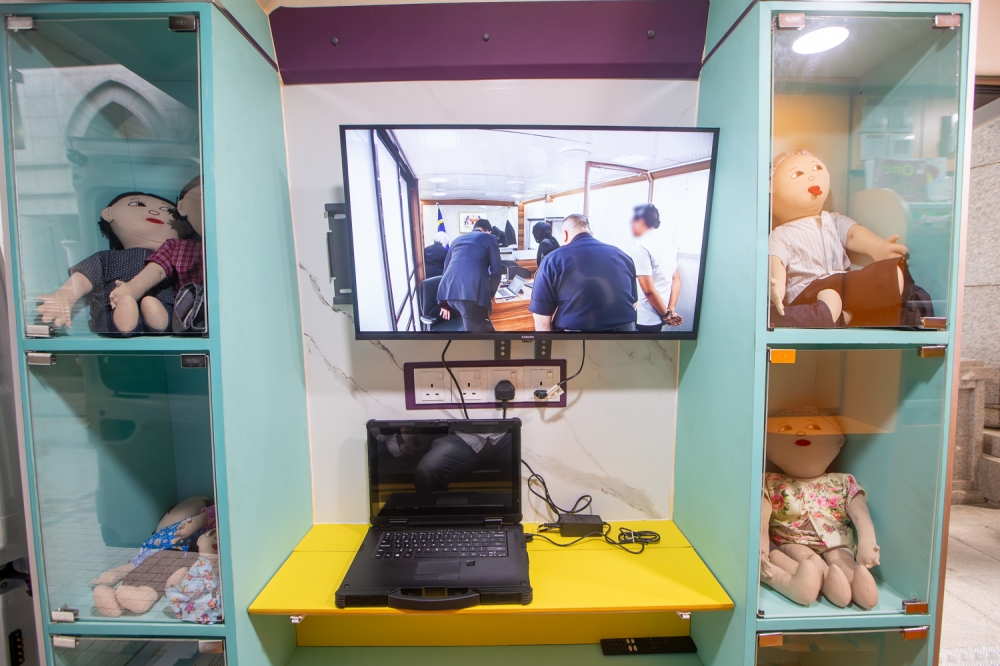
As the Children’s Mobile Court approaches its first anniversary since inception, Ishwary said the VNEJ has been instrumental in safeguarding the welfare of child victims and witnesses, allowing them to provide testimony remotely in a more comfortable environment.
“If they have moved or lack the facilities to attend court, the initiative is very helpful, although they may need time to adjust to it.
“But as VLOs, it is a crucial role that allows us to help victims affected by painful experiences and support them through the process,” she said.


