Now in its fifth year, the annual conference was created to highlight the critical climate-driven health and environmental impacts affecting our shared community.
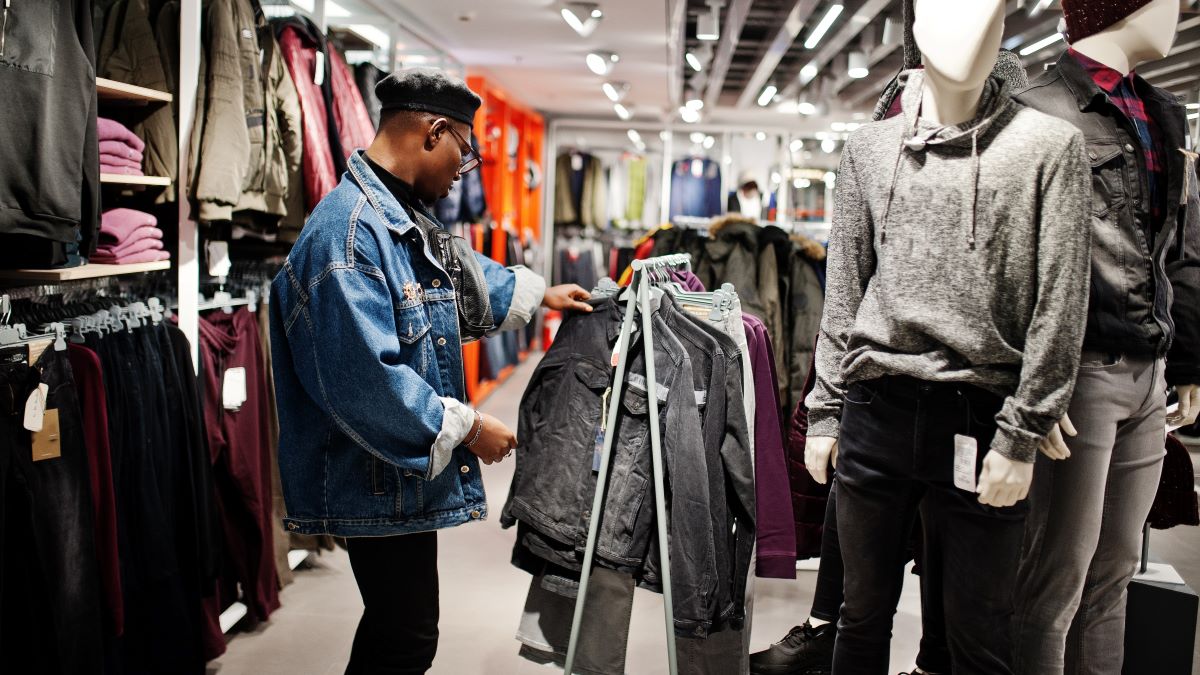
Fashion is a major sustainability challenge in the global economy, and for most of the last decade, it has faced little regulation. That is starting to change. In the past eighteen months, California passed the first U.S. law for extended producer responsibility (EPR) for textiles, France approved strict anti-fast-fashion laws, and the EU set a 2027 deadline for all member states to have a textile EPR program.
Every second, a garbage truck’s worth of clothing ends up in a landfill or is burned somewhere in the world. This isn’t just a figure of speech. The fashion industry produces about 92 million metric tons of waste each year, and if nothing changes, that number could reach 148 million metric tons by 2030.
Meanwhile, the resale market is growing about three times faster than traditional retail. The industry still has a long way to go, but for the first time, there are real systems in place to hold it accountable.
The Scale of the Problem
How big is fashion’s impact? It’s large, debated, and still growing. The fashion industry is responsible for 8 to 10 percent of global greenhouse gas emissions, according to the UN Environment Programme. While experts debate the exact numbers, everyone agrees the problem is getting worse.
The Apparel Impact Institute, a nonprofit supported by brands like H&M, Target, PVH, and Lululemon, reported that apparel sector emissions rose by 7.5 percent in 2023. This was the first yearly increase since 2019, and the group linked it to overproduction, ultra-fast fashion, and more use of virgin polyester, which now accounts for 57 percent of global fiber production.
No matter which numbers you believe, the trend is troubling. Each year, 80 to 100 billion new garments are made. Clothing production has doubled since 2000, and people now wear each item 36 percent fewer times before throwing it away. Synthetic fibers, mostly polyester made from fossil fuels, make up about 57 percent of global fiber production and are expected to increase.
The amount of water used in fashion is huge, even by industrial standards. Making one cotton T-shirt takes about 2,700 liters of water, which could provide drinking water for one person for 900 days. Producing a pair of jeans uses about 7,500 liters. Textile dyeing and treatment is the world’s second-largest source of water pollution, causing about 20 percent of industrial water pollution. ic clothing also sheds microplastics every time it’s washed. The IUCN has estimated that about 35 percent of primary microplastics in the ocean originate from synthetic textiles like polyester, nylon, and acrylic, though the total volume keeps rising as synthetic usage increases.
After technology manufacturing, garment production is still one of the industries most affected by modern slavery and child labor, according to International Labour Organization data. These problems are most common in the early stages of production, such as cotton farms, dye houses, and fabric mills, which are less visible than the brand-name factories.
Fast Fashion, Faster: The Shein and Temu Problem
In the last five years, a new category called ultra-fast fashion has emerged, making older models like Zara and H&M seem slow by comparison. Platforms such as Shein and Temu add thousands of new styles daily, produce items on demand in Chinese factories, and ship directly to customers around the world.
The environmental impact is severe. Shein’s own reports show its greenhouse gas emissions nearly doubled from 2022 to 2023, reaching 16.7 million metric tons of CO₂ equivalent. That’s almost as much as Inditex, Zara’s parent company, which is five times bigger by revenue. In 2024, Shein’s transportation emissions alone were over 8.5 million metric tons, more than three times Inditex’s. Temu hasn’t shared its emissions data, but third-party estimates put its yearly footprint between 4 and 6 million metric tons of CO₂e, mostly from shipping over a million air-freight parcels each day.
These business models not only pass environmental costs onto others, they rely on it. This is the main reason behind the push for new regulations.
The New Regulatory Landscape
For most of modern fashion history, sustainability promises have been voluntary, hard to verify, and mostly ineffective. That is finally starting to change. Three recent developments in the past eighteen months are especially important to watch..
Governor Gavin Newsom signed SB 707 into law in September 2024, making California the first U.S. state with extended producer responsibility for textiles. The law shifts responsibility for end-of-use management of apparel, footwear, and household textiles from consumers and municipalities to the companies that put the products on the market. Producers with less than $1 million in annual global revenue are exempt; everyone else must join a state-approved Producer Responsibility Organization (PRO) that will finance collection, repair, reuse, sorting, and recycling.
Implementation is staged. On February 27, 2026, CalRecycle selected Landbell USA as California’s textile PRO. Producers must register with the PRO by July 1, 2026. A statewide needs assessment runs through 2027, final implementing regulations are due by July 2028, and full enforcement begins July 1, 2030, with fines of up to $50,000 per day for noncompliance.
France’s Anti–Fast Fashion Law
In June 2025, the French Senate passed the most aggressive anti-fast-fashion legislation in the world by a vote of 337 to 1. The law imposes a per-item eco-tax starting at €5 and rising to €10 by 2030 (capped at 50 percent of retail price), bans advertising and influencer marketing of ultra-fast-fashion brands, requires point-of-sale environmental disclosures including carbon footprint and durability data, and carries fines of up to €100,000 for violating the ad ban. Revenue is directed to French sustainable-fashion producers.
The law is clearly aimed at Shein and Temu. In November 2025, French authorities requested that Shein’s fast-fashion platform be suspended for three months over the sale of illicit products — days after Shein opened its first physical retail store in Paris. The European Commission issued a detailed opinion on the French law in September 2025; other EU member states are watching.
The EU Waste Framework Directive
Under revisions to the EU Waste Framework Directive, every member state was required to have separate textile waste collection in place by January 2025 and must have a fully operational textile EPR scheme by 2027. France’s EPR program, which has been operating since 2008, and the Netherlands (2023) are already live. Italy, Spain, and others have draft decrees in public consultation. Outside the EU, Switzerland, Australia, and Chile are developing national frameworks.
In the U.S., beyond California, New York’s Fashion Sustainability and Social Accountability Act (A4631) and Senate Bill S3217A both carried into the 2026 session. Washington State introduced HB 1420 in January 2025; as of March 2026, it remains in committee. None of these have passed.
The Resale Market Is Doing What Regulation Hasn’t
While policymakers work on new rules, consumers are already changing their habits. ThredUp’s 2025 Resale Report says the U.S. secondhand clothing market grew by 14 percent in 2024, five times faster than traditional retail. It’s expected to reach $74 billion by 2029. Globally, the secondhand market could hit $367 billion by 2029, growing 2.7 times faster than the overall apparel market.
There is a clear generational divide. In 2024, 58 percent of U.S. consumers bought secondhand clothing. Among those aged 18 to 44, 48 percent now choose secondhand first when shopping for clothes. Thirty-nine percent of younger shoppers have bought secondhand items through social platforms like Instagram or TikTok Shop.
Resale alone won’t solve fashion’s environmental impact. Extending a garment’s life only helps if it replaces a new purchase. Still, this is the biggest shift in consumer behavior the industry has seen in a generation.
What Sustainable Fashion Actually Means
Sustainable fashion means having a supply chain that is responsible for both the environment and people at every stage. In practice, this includes using fibers that need less water, fewer chemicals, and create lower emissions; manufacturing with renewable energy; ensuring fair wages and safe working conditions; making products that last and can be repaired; and recycling materials into new clothes instead of turning them into insulation or sending them to landfills in places like Ghana or Chile.
It’s a long list, and no brand meets every standard. Still, more brands are making real progress. Patagonia, Eileen Fisher, and Pangaia share detailed impact reports that are checked by outside experts. Brands using leftover fabrics, made-to-order production, and closed-loop recycling are slowly growing. Certifications like Global Organic Textile Standard (GOTS) for organic fibers, Fair Trade Certified for labor, and bluesign for chemical management are meaningful when you see them on a label.
Fashion is still the most greenwashed part of the consumer goods industry. Words like “conscious,” “eco,” and “sustainable” aren’t regulated in the U.S. What really matters are specific certifications, published supply-chain data, and third-party audits—not marketing slogans.
Take Action At Home
Individual choices won’t fix fashion’s big problems, but they do influence demand. That demand can drive companies and lawmakers to make changes. Here are some practical steps, ranked by impact:
Buy less, buy better. The single most impactful choice is reducing the amount of new clothing entering your closet. A capsule wardrobe of durable, versatile pieces worn many times beats any “sustainable” label on a fast-fashion cycle.
Shop secondhand first. ThredUp, Poshmark, Depop, The RealReal, Vinted, and local thrift and consignment stores now offer selection and convenience comparable to traditional retail.
Get familiar with clothing materials. Natural fibers like organic cotton, linen, hemp, and wool usually have a smaller environmental impact at the end of their life than synthetics. Recycled polyester is better than new polyester, but it still releases microfibers.
Use a microfiber filter. Tools like the Guppyfriend wash bag or washing machine filters can catch a lot of synthetic microfibers before they enter the water system.
Repair before replacing. Visible mending, basic tailoring, and simple patches can extend a garment’s life by years.
Take care of your clothes so they last longer. Wash them in cold water, air-dry when you can, and avoid the dry cleaner unless it’s necessary. These steps help reduce emissions and wear on your clothes.
Recycle clothes instead of throwing them away. When something can’t be worn anymore, look for textile recycling options using Earth911’s recycling locator or a store take-back program. Sending clothes to a landfill should be the last resort.
Support new policies. Laws about textile EPR, supply-chain transparency, and anti-greenwashing are being considered in many states. These laws are more likely to pass when people contact their representatives.
Fashion is one of the most obvious ways the global economy affects our daily lives. Because it’s so visible, everyone is part of the problem—but it also means that when change happens, it’s easy to notice.
Editor’ Note: Originally written by Gemma Alexander on April 8, 2022, this article was substantially updated in April 2026.
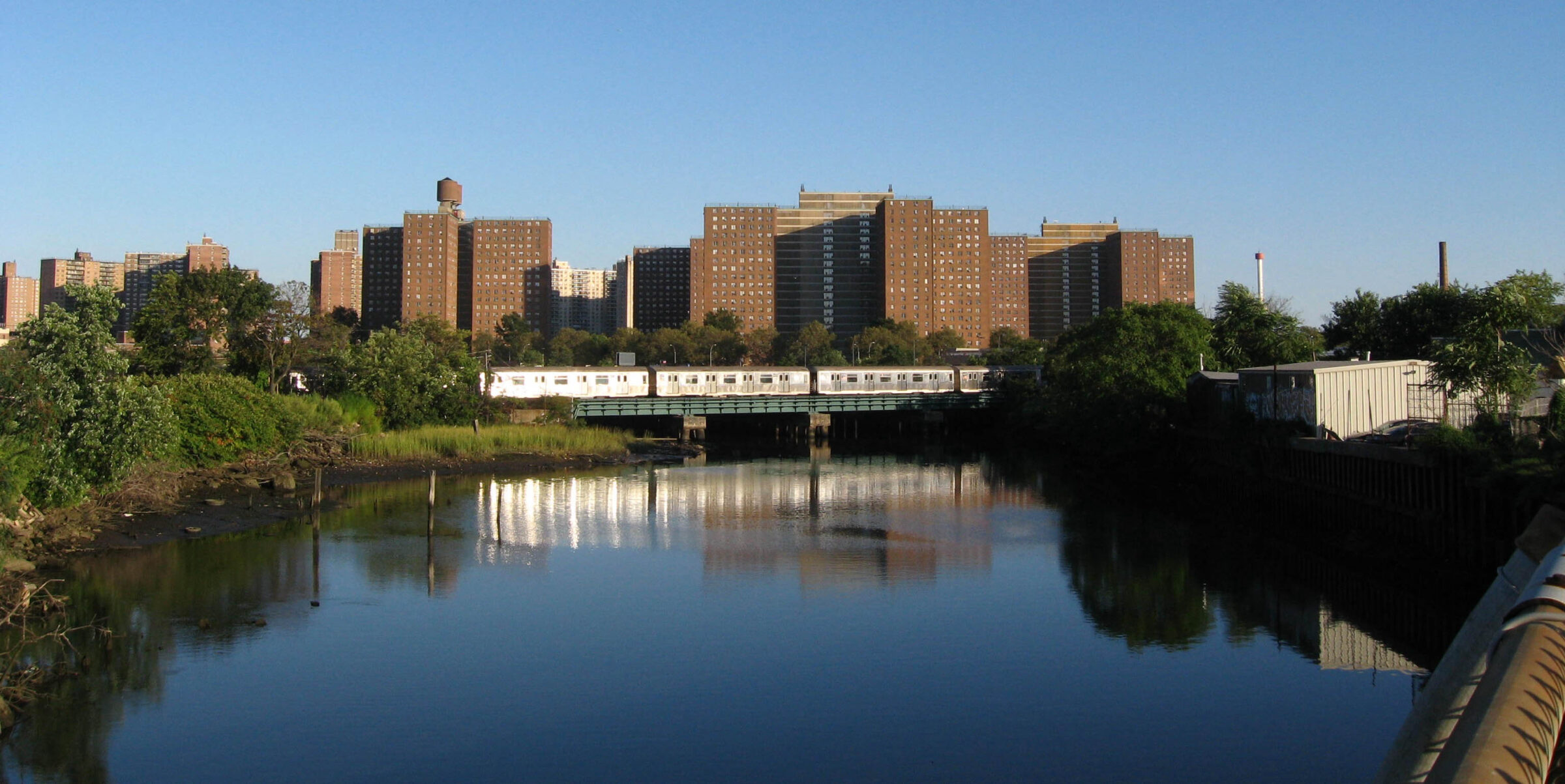
At a recent Climate School event, speaker Memphis Washington discussed the Waterfront Alliance's climate resilience and environmental justice efforts in Coney Island.
“It may sound small, but it’s reshaping daily life.”
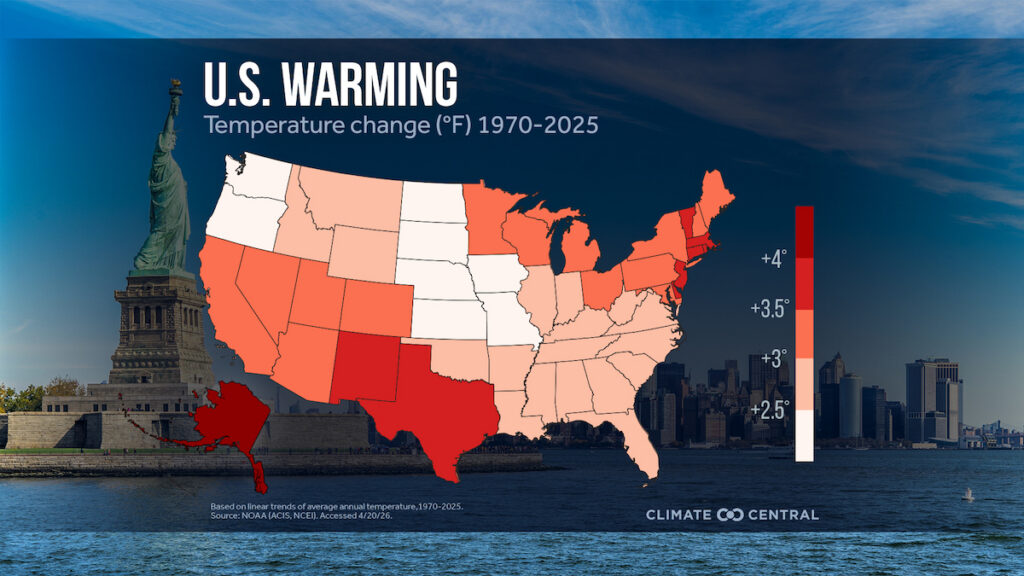
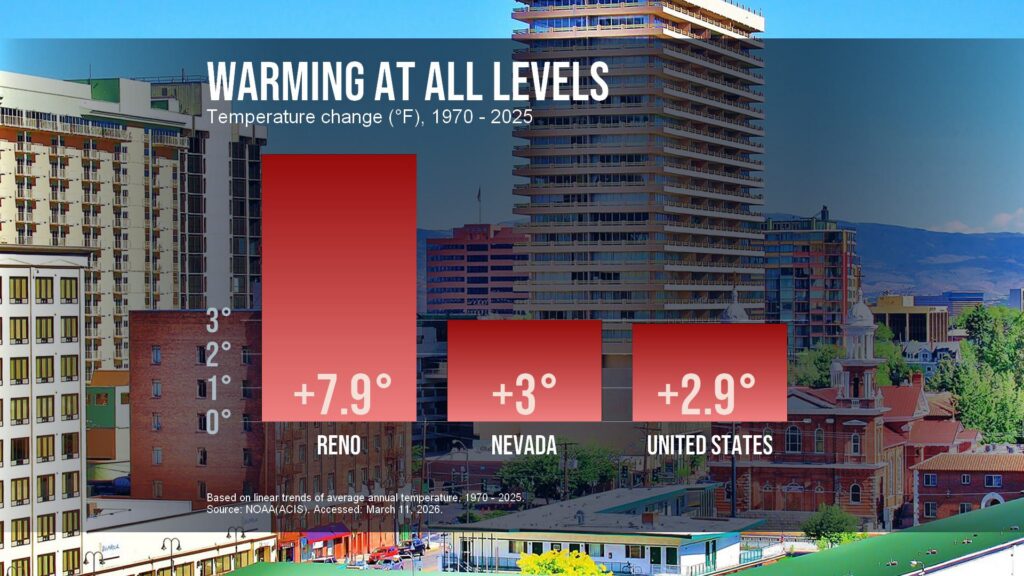
Changes in average annual temperatures in U.S. cities and states show the powerful effects of this increase in heat-trapping carbon dioxide. A new analysis, published today by climate research and communications nonprofit Climate Central, found that since 1970, all 50 states and 99% of major U.S. cities have warmed, with an average city-level increase of 1.6°C (2.9°F).
“It may sound small, but it’s reshaping daily life,” Shel Winkley, a meteorologist at Climate Central, said in a video released alongside the report.
On average, the 49 U.S. states analyzed in the report have warmed by 1.7°C (3.0°F) since 1970. The six states that have warmed the fastest since the first Earth Day are Alaska with a 2.4°C (4.4°F) increase, New Jersey and New Mexico with a 2.1°C (3.7°F) increase, and Delaware, Massachusetts, and Vermont with a 2°C (3.6°F). Trends for Hawaii, which were analyzed separately and not included in the national average, also showed statewide warming.
In 2025, the United States was on average 1.4°C (2.6°F) warmer than the 20th century average. The Paris Agreement, a legally binding global treaty, sets a goal to limit warming to 1.5°C (2.7°F) above preindustrial levels, though some scientists expect that the world has already entered the period of time during which this limit will be breached.
Warming is occurring much faster in some cities than in their respective states, or than the United States as a whole. Check out your city’s data in the Climate Central report. Credit: Climate Central, CC BY 4.0
Warming trends in the United States are most pronounced in the Southwest, where cities have warmed an average of 1.9°C (3.5°F) since 1970. And in some cases, cities are warming much faster than whole states. Three of the five cities that have warmed the fastest since 1970 are in the Southwest: Reno, Nev., with an increase of 4.4°C (7.9°F), Las Vegas, with an increase of 3.3°C (6.0°F), and El Paso, Texas, with an increase of 3.3°C (5.9°F).
The effects are evident at the national, state, and local levels. Temperatures have warmed in 240 of the 242 cities analyzed by Climate Central. Harrisonburg, VA and Monterey, CA were the only two cities analyzed that have not warmed since 1970.
The report highlights some good Earth Day news, however, and points out that solar and wind power generation is at an all-time high in the United States, accounting for 19% of the electricity generated in the country in 2025 despite those industries facing recent headwinds from the federal administration.
“Every fraction of a degree [of warming] that we prevent does matter, for our health, for our communities, and for the world that we’re passing on to the next generations,” Winkley said.
These updates are made possible through information from the scientific community. Do you have a story about science or scientists? Send us a tip at eos@agu.org.
EarthDay.org encourages everyone to invest in the Earth. While that might mean buying stock in sustainable companies, it’s not the only way. Investing in our planet means everyone—governments, businesses, and individuals—doing their part. It’s about building a sustainable green economy, similar to how the world shifted from analog to digital after the space race. Even if you don’t own stocks, you can still support a green economy as a consumer, a citizen, and a community member.
“Everything has to be reinvented in a world of shrinking resources. So why not teach it? Why not embrace it? Why not say we’re going to the moon?” asked Kathleen Rogers, president and CEO of EarthDay.org, in 2022.
Consumers
It’s a common myth that companies only sell what consumers want. If that were true, advertising wouldn’t be such a huge industry. Still, consumers do have influence. If more people chose electric vehicles over SUVs, car companies would offer more EVs and fewer gas-guzzlers.
Consumers can learn more and pick sustainable options. Websites like this one offer tips for finding greener products, from mattresses to shampoo. Every small choice helps, but we can’t solve climate change just by shopping differently.
“We all have hard choices to make and can’t do everything right,” says Rogers. We just have to do the best we can, starting with the most obvious improvements.
“Don’t buy pesticides,” says Rogers. Simply eliminating the intentional purchase of poisons makes a big difference. After that, prioritize choices that either require little effort, like recycling, or that make a big difference in your impact.
But as Michael Maniates, author of The Living-Green Myth, said recently on Sustainability In Your Ear, “It seems to me that our best chance for making a difference is to start thinking, or maybe just thinking harder, about how to be a citizen in community with others, not as a solitary consumer in the checkout line.” He believes green choices are good, but they aren’t enough without getting involved in politics.
Citizens
“Being a conscious citizen is the political piece. It’s register and vote for candidates who have really good plans that will not just promote the economy, but a green one. Because that’s the future,” Rogers said. “There’s some great Republicans on the environment, great Democrats, great Independents. Find them. Find them and vote for them. For the health of our kids, vote green.” If you can’t find a good candidate, become one yourself and run for office.
Don’t underestimate the importance of local elections. EarthDay.org is campaigning for universal climate education in classrooms because schools determine whether kids develop the 21st-century skills that will allow them to make green innovations and discover sustainable climate change solutions.
“If you don’t have an educated public and workforce, who’s going to make the stuff? If you don’t build green consumers, who’s going to buy the stuff? If you don’t educate the kids, who’s going to vote for green politicians?” asks Rogers. If you have kids in school, get involved in the PTA and help ensure kids have access to climate literacy education.
Citizens are also responsible for holding their elected representatives accountable. Write or call your representatives about environmental issues often.
Community
Whether you decide to run for office or prefer to keep your involvement to voting, you can still be an active member of your community. You can join local cleanups, support local businesses—especially regenerative farmers—and plant trees.
EarthDay.org’s Canopy Project primarily works with communities in developing countries. But you can be part of urban reforestation in your own neighborhood.
“We urge people to take tree cover seriously,” says Rogers. Many homeowners see trees as a nuisance because they block views or damage sidewalks. But trees offer much more than just beauty. They provide habitat, store carbon, help reduce the heat island effect—which matters more as summers get hotter—and even filter pollutants.
Even if you can’t plant a tree, you can grow a tomato plant in a pot by your front door or herbs in an apartment window. “It connects us to the natural world in a way nothing else can, and it’s a great educational tool for kids,” says Rogers.
Your workplace is part of your community too, so individuals also play a role in making businesses greener.
“Every industry has opportunities,” says Rogers. Take a look at how your workplace operates. Try to encourage greener choices in your company’s processes and purchasing decisions.
If you can’t manage green consumer choices, citizenship, and community action all at once—or even at all—don’t be hard on yourself.
“Stop blaming us and look at the combination of issues,” says Rogers. No one person has to do it all; we all just have to do the best we can.
Financial and Charitable Investments
One of the most direct ways to back your environmental values is with your investment portfolio and your charitable giving. The sustainable investment market has grown dramatically: assets under management in global sustainable funds reached $3.9 trillion in Q4 2025, up 15% from the prior year, even as ESG investing faced political headwinds in the U.S. That growth reflects a structural shift, not a trend: 88% of global individual investors express interest in sustainable investing, according to a Morgan Stanley survey, with younger generations leading the way.
The options have also expanded well beyond socially responsible mutual funds. Here are several ways to align your money with your values.
Causeway Impact
Doug Heske, founder of Newday Impact Investing and a frequent guest on Earth911’s Sustainability In Your Ear podcast, has built one of the more thoughtful platforms for deploying investment capital to advance environmental and social priorities.
The company’s newest offering, Causeway, brings together high-quality investment portfolios and direct links to vetted nonprofits, so you can see your financial returns and charitable giving in one place. Newday’s portfolios focus on six impact areas: climate action, air and water quality, biodiversity and conservation, healthy soils regeneration, and human equity. A personal impact timeline gives real-time updates from nonprofit partners, letting you track results—from carbon emissions reduced to wells built—alongside your financial performance.
ESG and Clean Energy ETFs
If you want broad market exposure with an environmental focus, ESG exchange-traded funds are the easiest place to start. Large index ETFs from Vanguard (ESGV) and iShares screen for environmental, social, and governance factors while keeping fees low. Expense ratios for major ESG index funds are now between 0.08 and 0.15% per year. Thematic clean energy funds, like the iShares Global Clean Energy ETF and Invesco Solar ETF (TAN), give you more focused exposure to renewable energy, but they are more volatile and work better as smaller parts of your portfolio.
Green Bonds
Green bonds support specific environmental projects such as renewable energy installations, energy-efficient buildings, and sustainable water systems. They have become a major type of fixed-income investment. By 2025, global green bond issuance passed $600 billion each year, with forecasts of about $950 billion in new bonds in 2026. The iShares USD Green Bond ETF (BGRN) offers easy access to investment-grade green bonds for investors who want less risk than stocks but still want to support the environment.
Donor-Advised Funds for Environmental Giving
If charitable giving is your primary goal, a donor-advised fund (DAF) lets you make a tax-deductible contribution now and direct grants to environmental nonprofits over time. Funds like Tides Foundation and Environmental Defense Fund’s giving programs can help channel charitable dollars toward proven climate and conservation organizations. For a more integrated approach, Causeway’s platform (above) connects investment portfolios directly with nonprofit partners, letting impact-oriented investors support both at once.
A quick warning: not all “green” funds are the same. Read fund documents closely, look for clear impact reporting along with financial results, and be wary of ESG labels that don’t have third-party verification. If an investment claims to be sustainable but doesn’t explain how it chooses its holdings, it could be greenwashing.
The first Earth Day was celebrated on April 22, 1970 — 56 years ago — and, goodness, how the world has changed since then. We’ve come a long way since the days of burning our trash and pumping our gas guzzlers with leaded gasoline. In honor of those 56 years, here are 56 important changes and milestones since the first Earth Day.
Legislation
The U.S. government has led much of the environmental charge, starting with the implementation of the EPA (1) in July 1970. Later that year, the Clean Air Act (2) targeted air pollutants, followed by the Clean Water Act (3) in 1972 and the Endangered Species Act (4) in 1973.
Some lesser-known national laws included the Safe Water Drinking Act (5) in 1974, the Resource Conservation and Recovery Act (6) in 1976, the Toxic Substances Control Act (7) in 1976, the National Energy Act (8) in 1978, and the Medical Waste Tracking Act (9) in 1988.
In some cases, states have led the charge. Oregon passed the first bottle bill (10) in 1971, Minnesota’s Clean Indoor Air Act (11) was the first law to restrict smoking in public places (1975), and Massachusetts requiredlow-flush toilets (12) for construction and remodeling in 1988.
Green Innovations: The Early Years
In order to comply with all the laws from the 1970s, we needed new technology to ensure consumers could adhere to the new standards. Consider:
Cars begin displaying fuel economy labels in the mid-1970s (16)
In 1975, all cars are manufactured with catalytic converters to limit exhaust emissions (17)
Chlorofluorocarbons are banned from aerosol cans starting in 1978 (18)
The first curbside recycling program begins in New Jersey in 1980 (19)
In 1986, McDonald’s switches from foam to paper food containers (20)
Mercury is removed from latex paint in 1990, providing a viable alternative to banned lead paint (21)
Earth911 launches the first U.S. recycling directory in 1991 (22)
Energy Star certification debuts in 1992 for appliances and electronics (23)
The U.S. Green Building Council begins in 1993 (24)
The Political Movement
The Green Party (25) launched in 1984, which was just the beginning of green issues entering the mainstream. One Percent for the Planet (26) was founded in 2002 to challenge businesses to donate to environmental causes, and the ISO 14001 standard (27) established environmental management. Companies are now facing pressure to allow employee telecommuting (28).
Things really developed after the release of Al Gore’s An Inconvenient Truth (29) in 2006. NBC debuted Green Week (30) in 2007. Carbon offsets (31) alleviated corporate green guilt. Bisphenol A (32) made us all question plastic purchases. Hybrid vehicles (33) generated tax credits and gas savings. Plastic bag bans gave rise to a reusable bag (34) craze. Fracking (35) and the Dakota Access Pipeline (36) were two of the most hotly contested news stories of the decade, at least until the 2016 election.
Green Tech: The Next Wave
In the past 10 years, emerging green tech has made eco-friendly a way of life, including:
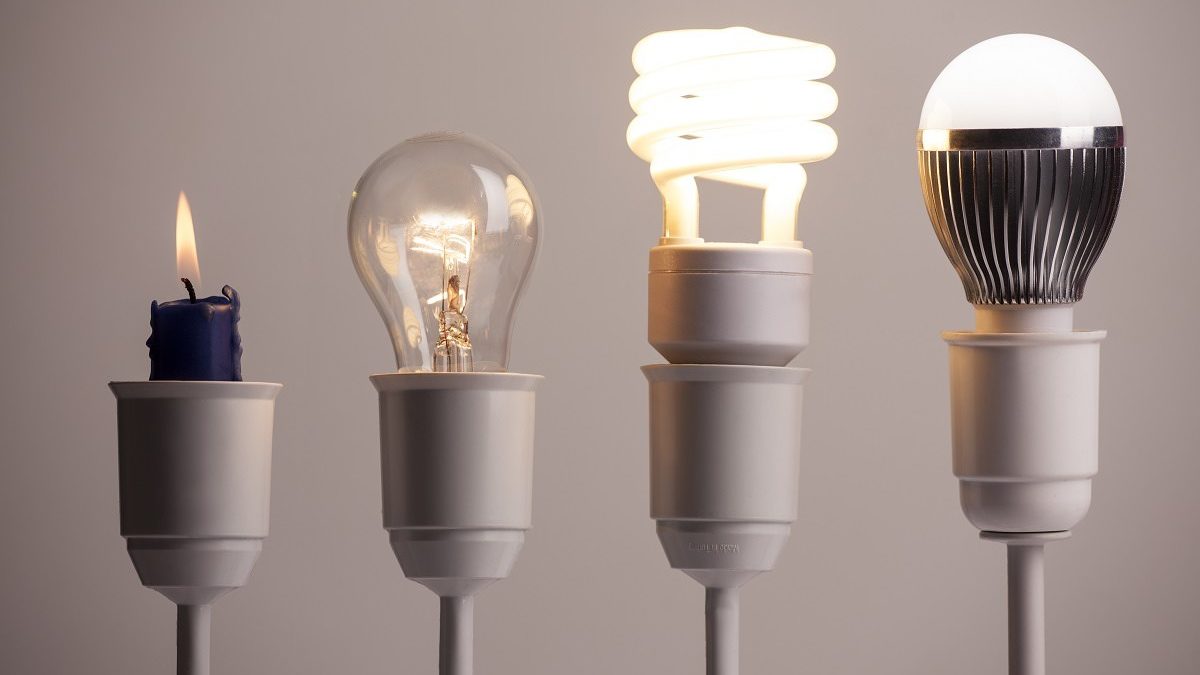
LED light bulbs (37)
Portable solar panels on backpacks and watches (38)
President Biden rejoins the Paris Climate Accord on his first day in office. (51)
The Latest Five: 2022–2026
The pace of innovation has not slowed. Five more milestones have reshaped the environmental landscape since that 51st Earth Day:
The Inflation Reduction Act (52), signed into law in August 2022, became the largest climate investment in U.S. history, directing roughly $370 billion toward clean energy tax credits, EV incentives, methane reduction, and domestic clean manufacturing. Analysts projected it will drive more than $4 trillion in cumulative capital investment over a decade and put the U.S. on track for a 40% emissions reduction by 2030. Sadly, many of its key provisions have been defunded or eliminated by the Trump Administration.
The Kunming-Montreal Global Biodiversity Framework (53), adopted by 188 governments in December 2022, set the most ambitious biodiversity protection commitment in history. Its headline “30×30” target calls for conserving 30% of the planet’s land, freshwater, and ocean areas by 2030, a goal that would require doubling current protected land coverage and quadrupling marine protections.
America’s first commercial direct air capture plant (54), opened by Heirloom Carbon Technologies in Tracy, California in November 2023, marked the arrival of atmospheric carbon removal at commercial scale on U.S. soil. The plant uses limestone to absorb CO₂ directly from the air, with the captured carbon injected into concrete for permanent storage. In May 2024, Climeworks activated the world’s largest direct air capture facility, the Mammoth plant in Iceland, with a design capacity to remove 36,000 tons of CO₂ per year.
Solid-state batteries (55), a next-generation alternative to conventional lithium-ion technology, moved from laboratory promise toward commercial reality between 2022 and 2026. Unlike liquid-electrolyte batteries, solid-state versions are less flammable, achieve higher energy density, and degrade more slowly. In early 2025, Mercedes-Benz began road-testing a prototype EV powered by a lithium-metal solid-state cell that extended driving range 25% over comparable liquid-battery models. Multiple automakers and cell manufacturers now target commercial production between 2027 and 2030.
Perovskite and tandem solar cells (56), a new photovoltaic technology that pairs conventional silicon with thin perovskite layers, pushed solar efficiency into territory once considered theoretical. By 2024, tandem cells in laboratory settings exceeded 34% efficiency — well above the roughly 22% ceiling of standard silicon panels only a few years ago. manufacturers in Asia and Europe began scaling pilot production lines. Because perovskite cells can be printed on flexible substrates, they open the door to solar surfaces on buildings, vehicles, and everyday objects that conventional panels cannot reach.
The past 56 years have been huge when it comes to saving the environment. Expect more to come, including a resurgent EV industry, nuclear fusion, regenerative agriculture, restorative forestry, and more, as costs and the cool factor improve.
Editor’s Note: Originally published on April 18, 2018, this article was most recently updated in April 2026.
 Login
Login