Reading view

Now you can carry the unnerving terror and beauty of Noh masks with you with new pouches from Japan
Practical and horrifying!

Usually when we’re talking about Japanese lifestyle brand Felissimo, we’re highlighting one of their animal-themed creations, like the Shiba Inu-shaped hot water bottle cover or red panda nap cushion. But Felissimo also has a “Museum Division” that draws inspiration from the arts, and who’ve come up with something a little less cute and cuddly looking.
Felissimo has entered into a creative partnership with the Kyoto Kanze Kaikan, or Kyoto Kanze Noh Theater. Noh is Japan’s oldest form of stage theater that’s still performed today, with its origins predating kabuki by more than a century. Noh performers wear masks while on stage, and with many of the stories dealing with demonic possession, madness, and other such chilling topics, the masks too are often unnerving in design, but the amount of undeniably skilled craftsmanship that goes into them also makes them, one could argue, in a way, beautiful.
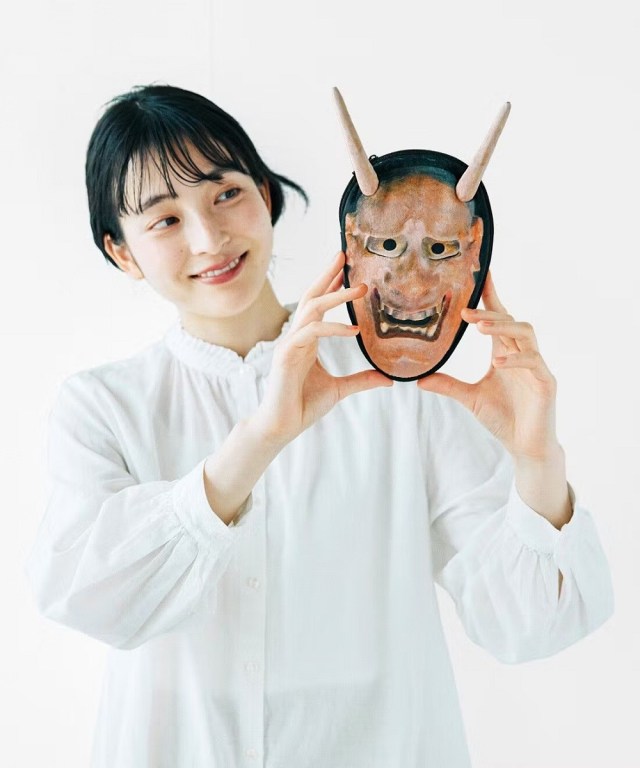
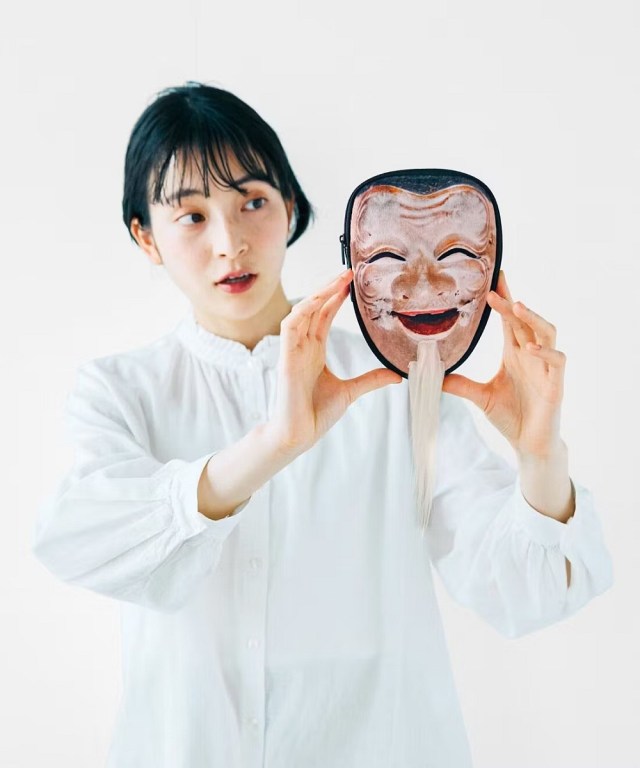
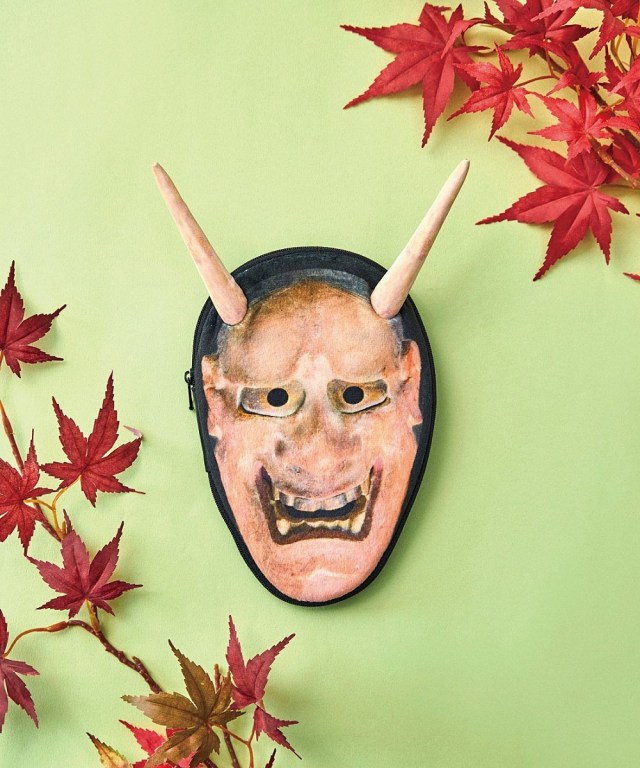
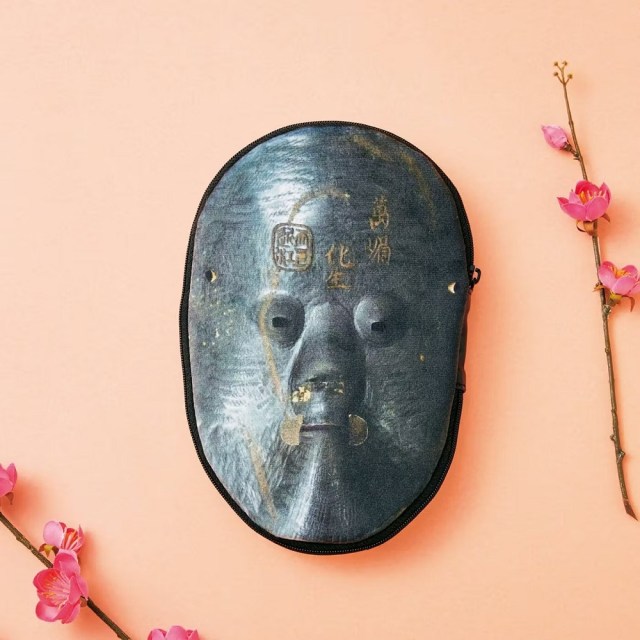
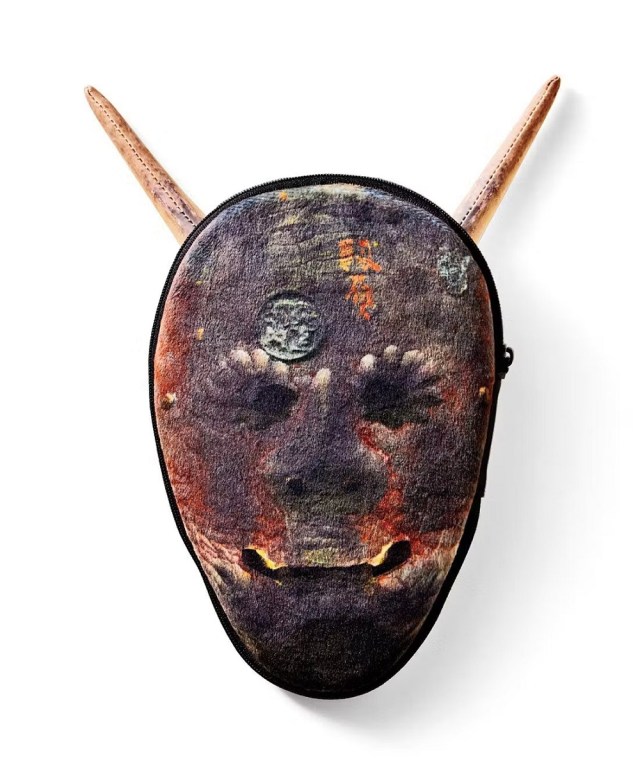
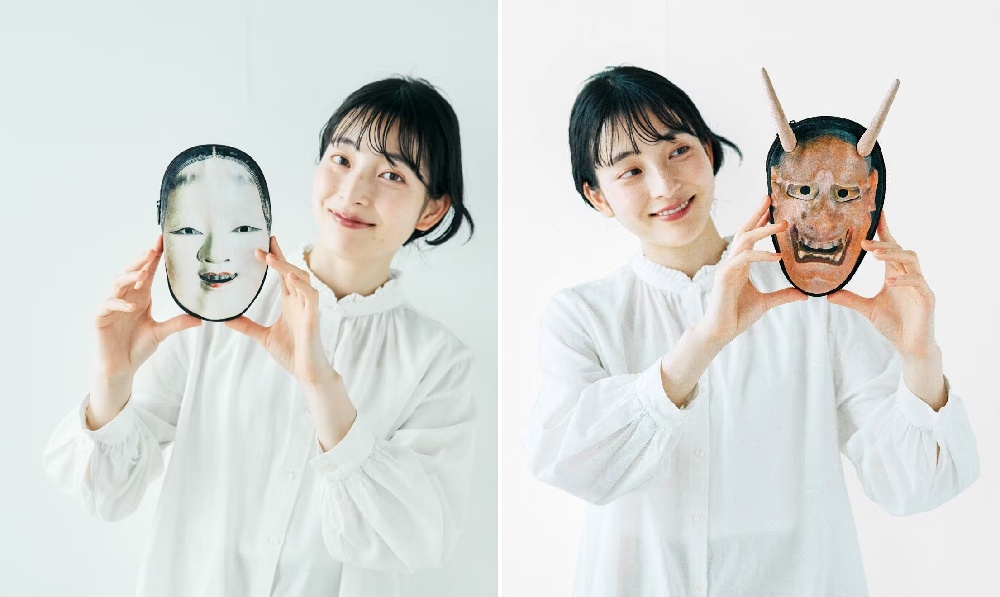
Of course, Felissimo realizes that the average person doesn’t really have many occasions on which to slip on a Noh mask, so they’ve instead applied three classical designs as motifs for organizer pouches. With help from Kyoto Kanze Kaikan, Felissimo has produced a hannya mask pouch, showing a female demon consumed by jealously and sporting intimidating horns, and also a Okina mask, showing an old man with a long beard.
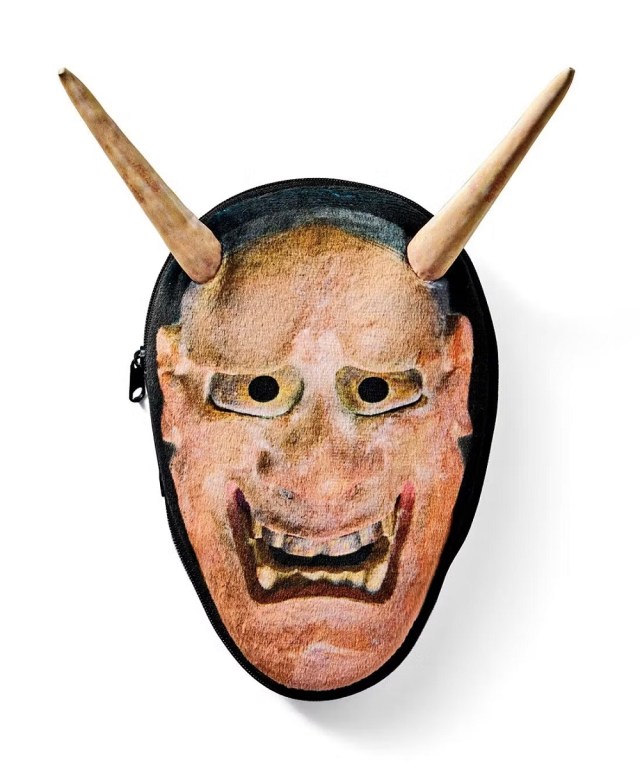
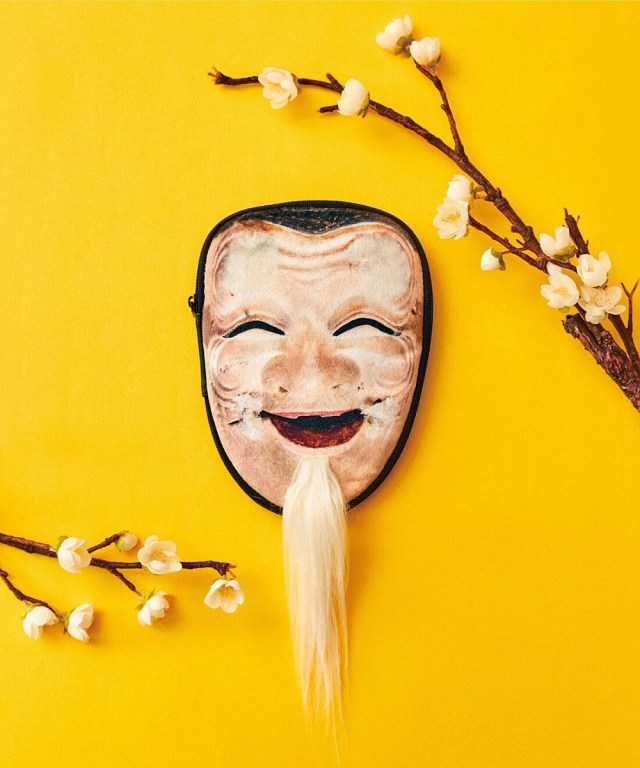
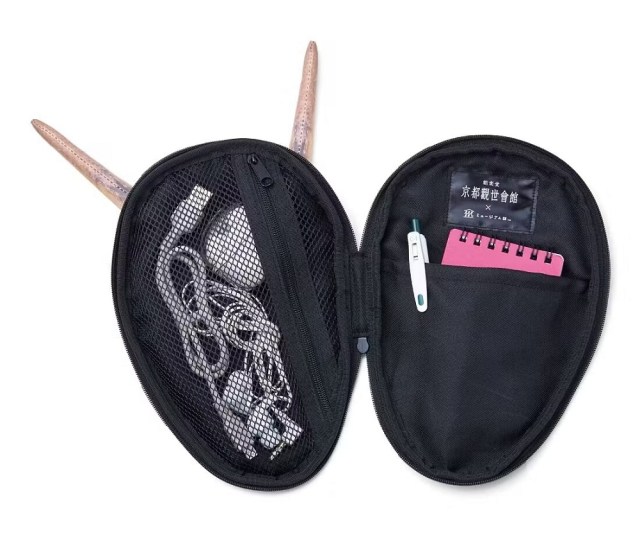
Being roughly the same size as a person’s face, they can actually hold quite a bit of stuff, with interior zippered sections and pockets to keep everything nice and organized.

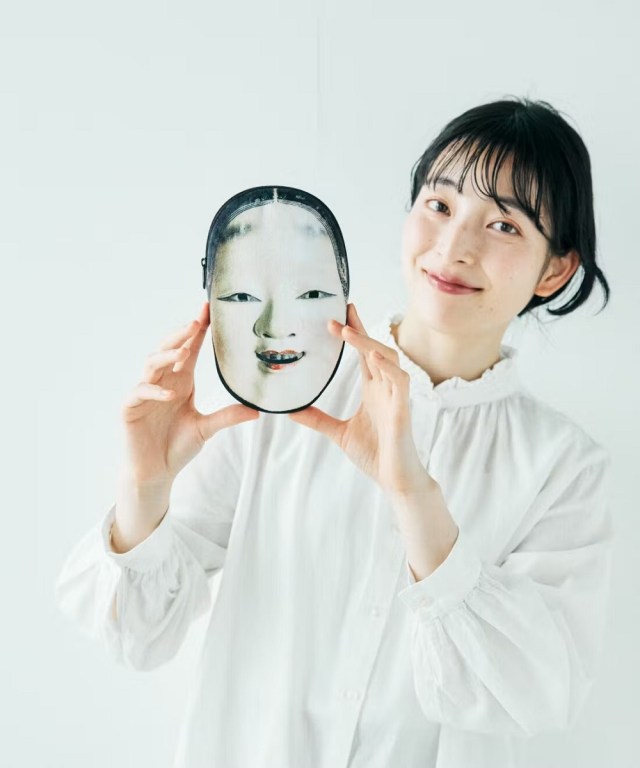
Also part of the lineup is a pouch styled after a Kasei mask. Also known as a manbi mask, this type of mask is meant to create different atmosphere depending on the angle it’s viewed from, switching from a beautiful woman with a demure smile to something bolder or even sinister. The Kasei mask pouch was actually created by Felissimo’s designers prior to the start of their collaboration with Kyoto Kanze Kaikan, but as you can see, they were still able to achieve some terrifying results.
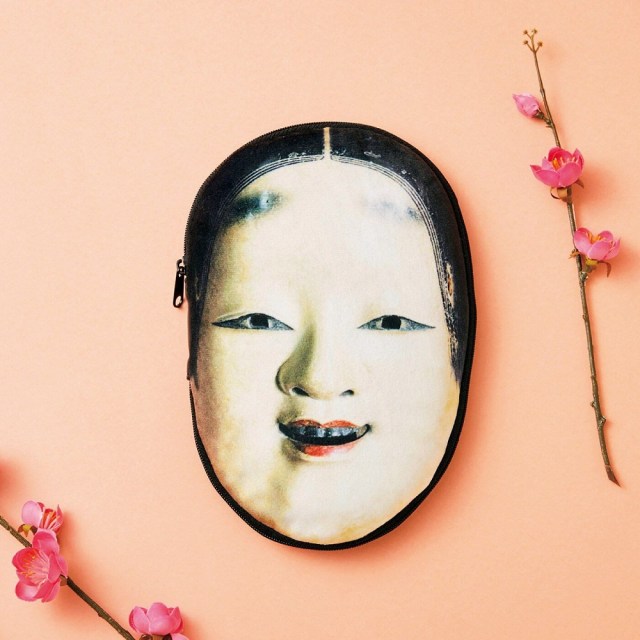
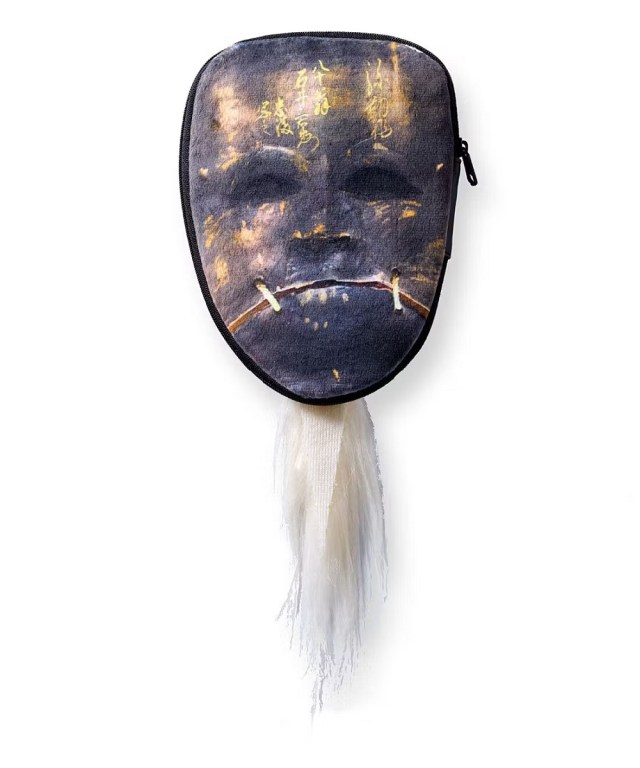
As further proof of just how committed Felissimo was to authenticity, even the backsides of the pouches mimic the interior surface of Noh masks.
The whole lineup is available from Felissimo online store here, priced at 2,860 yen (US$18.50) each. And should you find yourself instead in the mood for something that’s still strange but not quite so scary, don’t forget about Felissimo’s steamy Myaku-Myaku photo album.

Source, images: Felissimo
● Want to hear about SoraNews24’s latest articles as soon as they’re published? Follow us on Facebook and Twitter!
  •  

A Short Film Joins the Timeless Swiss Masked Tradition of Silvesterchlausen

A Short Film Joins the Timeless Swiss Masked Tradition of Silvesterchlausen

In communities throughout Switzerland’s Appenzell Hinterland and Midland regions, a unique tradition with enigmatic origins unfolds around the New Year. Known as Silvesterchlausen, the custom entails a group of boys and men who don remarkable, handmade costumes with masks and headdresses that represent rural, wild, and natural scenes.

Silvesterchlausen,” a dreamy short film by writer and director Andrew Norman Wilson, highlights this regional seasonal event, which occurs on December 31 and January 13. The first date marks the turn of the new year on the Gregorian calendar, while January 13 denotes the same on the Julian calendar. The ornately dressed mummers, in groups of six, polyphonically yodel and ring bells. “The ritual has been performed for at least 500 years, but nobody knows how or why it began,” Wilson says.

Some of the performers’ headwear resembles miniature parade floats, while otherworldly designs made from pinecones, mosses, grasses, and other organic items make some of them appear as though they have emerged directly from the earth. In small, tight-knit municipalities, the tradition is a rare instance of relative anonymity, as familiar residents disappear behind meticulously crafted garments.

The performers, known as Chläuse, practice diligently for a month or so before the event, creating something of a “Chläus fever.” Boys form the groups and “continue throughout their lives until the members are too old to withstand the physical toll of the 18-hour days,” Wilson says, sharing that the participants build significant bonds.

As New Year’s Eve arrives, the mummers connect houses with a red string, literally and figuratively stitching connections within the community. Then, as the Chläuse move through villages and visit homes, local residents provide mulled wine to keep their bodies warm and spirits high.

See the film on Vimeo, and find more of Wilson’s work on Instagram. If you’re in the Upper Midwest, you can experience a taste of this annual tradition in New Glarus, Wisconsin. You might also enjoy Ashley Suszczynski’s incredible and mysterious photographs exploring European masking rituals.

A still from a short film about the Silvesterchlausen tradition in Switzerland featuring men wearing elaborate costumes and headdresses. Text at the bottom reads, "We learned to sing these Zäuerli while milking cows growing up."
A still from a short film about the Silvesterchlausen tradition in Switzerland showing a line of costumed men walking across a snowy hill. Text on the bottom reads, "It's the only time we can disguise ourselves in this small village"

Do stories and artists like this matter to you? Become a Colossal Member today and support independent arts publishing for as little as $7 per month. The article A Short Film Joins the Timeless Swiss Masked Tradition of Silvesterchlausen appeared first on Colossal.

  •  

Myth, Masks, and LEGO: Ekow Nimako’s Elaborate Afrofuturistic Sculptures

Myth, Masks, and LEGO: Ekow Nimako’s Elaborate Afrofuturistic Sculptures

Mythology, landscapes, and technology converge in the meticulous, Afrofuturistic sculptures of Ekow Nimako. Using thousands of black LEGO bricks, the Ghanaian-Canadian artist explores legends and folklore of the African diaspora, creating figurative embodiments of allegorical creatures and spiritual beings. Through a single, modular medium, he highlights a wide range of cultural phenomena, from graffiti writing in his series Building Black GRAPHICA to sprawling metropolises in Building Black CIVILIZATIONS.

Recently, Nimako has been working on a collection inspired by African ceremonial masks, interstellar travel, machines, and geometric forms. Some of the works seen here are currently on view in Building Black AMORPHIA: Spiritual Starships at Harbourfront Centre, which is part of a program celebrating Black culture called ZUUMBA 365.

A sculpture of a mythical being with a baby's body with wings, made from black LEGO bricks

Nimako recently installed a multi-part piece titled “Children of the Rouge Valley” at the Rouge Valley Community Recreation Centre in Scarborough, Ontario, and he’s currently working toward another public installation on a Canadian university campus. Building Black AMORPHIA: Spiritual Starships continues in Toronto through August 31. Find more on the artist’s Instagram, including updates about forthcoming e-store drops.

A sculpture made from black lego bricks inspired by African ceremonial masks in a four-pointed star shape
A sculpture of a mythical being with a human head and torso and tentacles instead of legs, made from black LEGO bricks
A sculpture made from black lego bricks inspired by African ceremonial masks in a stealth triangle shape
A sculpture made from black lego bricks inspired by African ceremonial masks in a cube shape
A detail of sculpture of a mythical being with a human head and torso and a horse's body, made from black LEGO bricks
A sculpture made from black lego bricks inspired by African ceremonial masks in a shape of a diamond

Do stories and artists like this matter to you? Become a Colossal Member today and support independent arts publishing for as little as $7 per month. The article Myth, Masks, and LEGO: Ekow Nimako’s Elaborate Afrofuturistic Sculptures appeared first on Colossal.

  •  
❌