Crochet Rainbow Baby Blanket Introducing the Rainbow Baby Blanket, a design by me, just for you. Using one of my previous designs, the Modern Baby Blanket, I just made a large square instead of miniature squares. The border is slightly different. I've always thought Rainbow Baby Blankets were very pretty, but it was only recently […]
When Dwyane Wade passes his 19-year-old daughter Zaya Wade the proverbial ball, he knows she'll run with it.
"I think we are constantly learning from Zaya," the retired NBA shooting guard told E!...
All Hookers Go To Heaven is a fiction novel by Nova Scotia-born writer Angel B.H. The novel follows Mag, a sex worker from a rural Eastern Canadian town, as she navigates Purity Culture, sexuality, faith, and financial insecurity. Mag questions her conservative upbringing after she develops feelings for another girl while attending an Evangelical Missionary program for youth.
Praise for All Hookers Go To Heaven
“At once fearless and tender, this book is a sex worker heroine’s journey that shimmers with beauty, longing, fierce intelligence, emotional complexity, and bursts of wry humor,” said Chinese-Canadian writer Kai Cheng Thom. “At the heart of this deeply absorbing novel is an unforgettable protagonist whose search for the sacred within herself in a world that routinely dehumanizes and devalues sex workers is sure to linger in readers’ hearts.”
Crooked Teeth by Danny Ramadan
Crooked Teeth is a memoir by Syrian-Canadian author Danny Ramadan. In this rejection of an oversimplified refugee narrative, Ramadan invites readers into his nuanced journey as a queer refugee. Crooked Teeth explores Damascus, Syria’s underground network of queer safe homes, the Arab Spring uprisings throughout the Middle East, and continuous threats against Syria’s 2SLGBTQIA+ community.
Praise for Crooked Teeth
“I take my hat off to Danny Ramadan and his brilliant muses. This is a mesmerizing story of growing up gay in a Muslim Syrian family, of the challenges and joys of finding and creating loving communities, and the miracle not just of physical survival but of an effervescent celebration of the human heart,” said renowned Canadian novelist Lawrence Hill. “Once I began reading, I couldn’t stop until the final page. Countless others will be thankful for this raw, idiosyncratic, utterly compelling account of Danny’s long journey home.”
The Regulation of Desire by Gary Kinsman
The Regulation of Desire is a 2SLGBTQ+ book written by Toronto-born sociologist Gary Kinsman. At the time of its initial publication in 1987, The Regulation of Desire was recognized as the first book-length study of Canada’s sexual regulation. In the third edition of the text (published in 2024), Kinsman analyzes the role that Indigenous liberation and police and prison abolition have in 2SLGBTQIA+ politics.
Praise for The Regulation of Desire
“The 3rd edition of Regulation of Desire by Gary Kinsman is a brilliant, thoughtful and captivating text. It is one that offers us insight into his process of uncovering and disrupting the discourses and practices of whiteness, homonormativity, capitalism and neoliberalism of the contemporary white queer movement in Canada,” said University of Toronto professor Beverly Bain.
“In this new edition, Kinsman reveals how the social organizing of forgetting has worked to subvert the histories of organizing by Black, racialized, queer, trans and two-spirited people. He endeavors to address these erasures by centering the most recent revolts and uprisings by Black and Indigenous and Two-Spirit Peoples.”
a body more tolerable by jaye simpson
a body more tolerable is a poetry collection by Oji-Cree Saulteaux Indigiqueer writer jaye simpson. In a body more tolerable, simpson explores female rage, trans identity, sexuality and Indigenous grief through a series of visceral poems.
Praise for a body more tolerable
“jaye simpson’s a body more tolerable is a singular achievement. Her poetic project, at once forward-dawning and ancestral, both revolutionary and decolonizing, is given total expression in this book,” said Cree poet Billy-Ray Belcourt.
“These poems moved me immensely; there is so much beauty, feeling, and power in all of them. No one is writing like jaye simpson.”
Perfect Little Angels by Vincent Anioke
Perfect Little Angels is a story collection by Nigerian-Canadian writer Vincent Anioke. Set predominantly in Nigeria, the characters in Anioke’s Perfect Little Angels are used as a vehicle to explore themes of self-expression, religion, masculinity, marginalization and 2SLGBTQ+ identity.
Praise for Perfect Little Angels
“The stories in Perfect Little Angels are, by turns, scathing, brilliant, and incredibly compelling. Anioke’s characters wade through startling and at times violent circumstances with tender humanity; they grapple with the harsh consequences of unforgiving traditions and defiant desires,” said Nigerian-Canadian writer and director francesca ekwuyasi.
“With striking lyricism and unexpected plot twists, Perfect Little Angels is deeply moving and thoroughly enjoyable.”
Hayley Kiyoko likes girls like boys do.
And she announced it more than a decade ago with her 2015 hit song "Girls Like Girls." Now, the Lemonade Mouth star shared what she would do if she could...
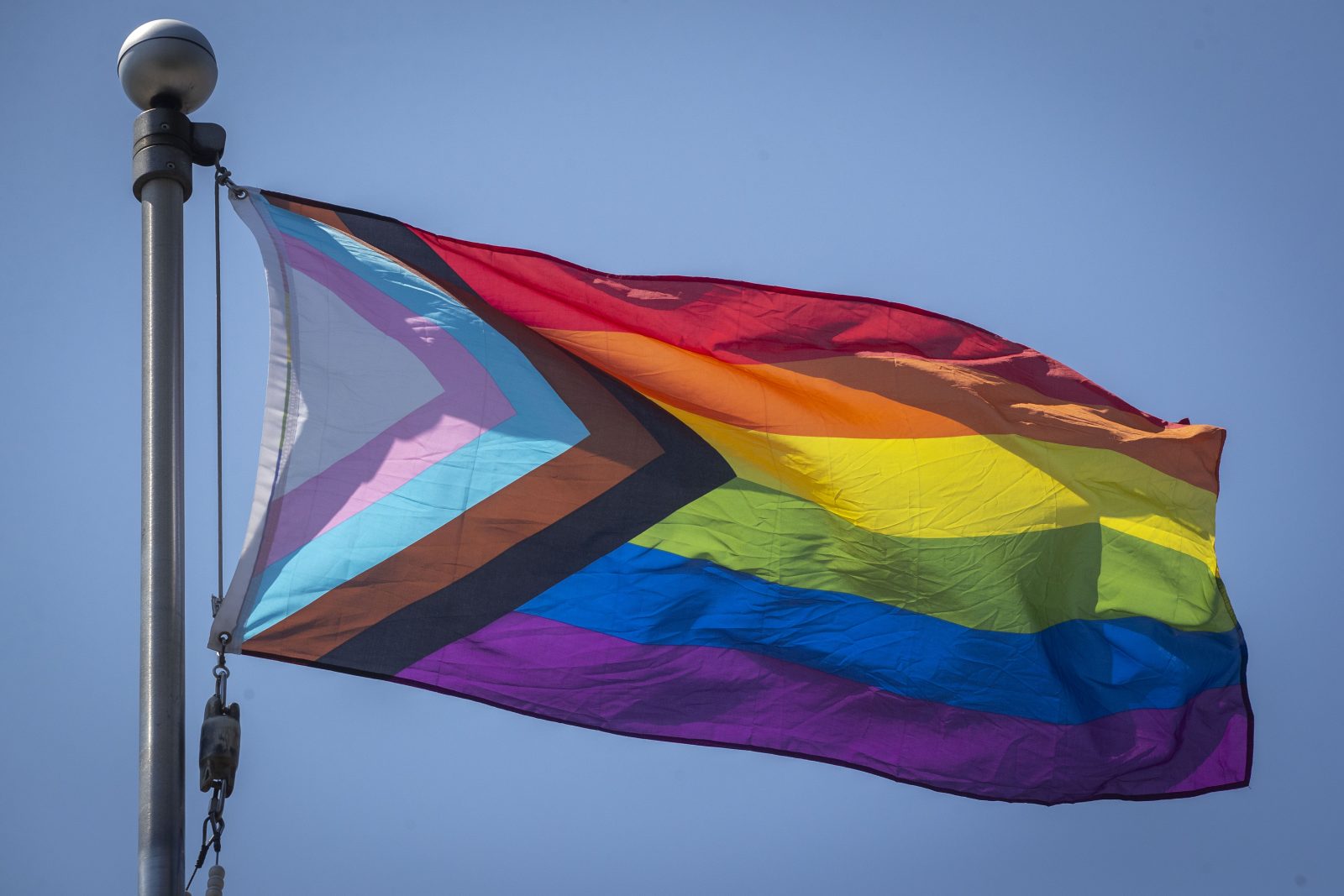
June is widely recognized as Pride Month, but a handful of Republican governors have bestowed alternative titles that both supporters and opponents view as counterprogramming.
From a young age, Kai Schreiber knew she was among those that like it hot.
Discussing the love of fashion that led her to the runways of Valentino, Mugler and Jean Paul Gaultier, and a desire to...
Saba Yamani is a Kyiv-based dental professional and 2SLGBTQIA+ woman who was born in Saudi Arabia and raised in Ukraine. She speaks Ukrainian fluently, completed medical university training in Kyiv, and works at a private dental clinic. She has described being baptized in the Orthodox tradition, coming out, and living through wartime pressures on queer visibility and safety. Yamani has also spoken publicly about refugee-status hurdles, including lacking a Ukrainian passport, while continuing to build her life and career in Kyiv.
Scott Douglas Jacobsen and Saba Yamani discuss how Russia’s full-scale invasion reshaped 2SLGBTQIA+ visibility and risk in Ukraine. Yamani says large Pride marches paused for security, then reappeared with limited, tightly protected actions in Kyiv. She describes prewar and wartime harassment, including online threats and stereotyping based on clothing, and notes sharper stigma in some western regions linked to conservative religiosity. The conversation also covers civil-union advocacy: Yamani recounts a 25,000-signature petition that received a presidential reply but no immediate legal change under wartime constraints, and she emphasizes the stakes for partners’ hospital access and burial rights during active combat.
Scott Douglas Jacobsen: We will focus on the wartime LGBT experience. Has Kyiv Pride been running since the full-scale invasion?
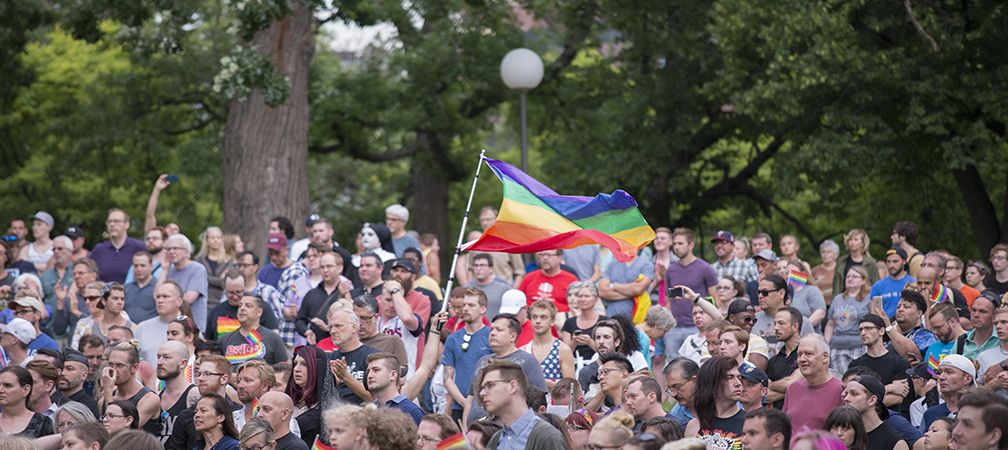
Saba Yamani: Not in the usual way inside Ukraine, especially in the first years of the full-scale war. Large public marches were largely paused or moved abroad for safety. KyivPride later resumed a march in Kyiv under heavy security, with limited attendance.
Jacobsen: Why did they stop? What reasons were stated?
Yamani: Safety: avoiding mass gatherings that could become targets during missile or drone attacks, and reducing the risk of violent clashes.
Jacobsen: Have LGBT citizens in Ukraine been targeted before the war, to your knowledge?
Yamani: Yes. There have been attacks and threats against LGBT people in Ukraine from various extremist and anti-LGBT groups and individuals.
Jacobsen: You mentioned the Right Sector. In what way?
Yamani: Some people I associate with that label, or with far-right circles, have threatened or targeted openly gay people. During the war, many of those people are fighting; some still harass LGBT people online.
Jacobsen: What is the nature of that trolling?
Yamani: Messages such as, “Tell me where you are if you want to get stabbed.”
Jacobsen: So these are openly homophobic threats of violence.
Yamani: Yes.
Jacobsen: How do recipients feel when they read them?
Yamani: I find them funny, possibly because I am a woman. If I were a man, I might feel more threatened because the risk of physical confrontation can be higher. Some homophobic men claim they are “protective” of women; others treat women as objects to degrade. It depends on the person. As a woman, I can be more open about my queerness. I do not think I could be as open right now if I were a man.
Jacobsen: In North American culture, heterosexual men sometimes use accusations of homosexuality to police other heterosexual men, keeping them within rigid gender roles. Is that happening here as well?
Yamani: Yes. Americans have the F-slur. Here, people often use a derogatory term like “pidor” (a slur historically linked to “pederast”), aimed mostly at gay men, though it is also used as a general insult.
Jacobsen: Does it have other meanings, or is it mainly that?
Yamani: It is mainly used at gay men, but it is also used as a broad insult for someone viewed as contemptible.
Jacobsen: Research shows that when LGBTQ adolescents are exposed to this kind of language and bullying during identity formation, mental health outcomes worsen, including higher rates of depression, self-harm, and suicidal ideation and attempts. Is this also a concern in Ukraine, regardless of the war?
Yamani: Right now, I do not feel that it is as severe. The previous generation, yes, absolutely.
Jacobsen: When you say “previous generation,” what age range do you mean?
Yamani: Millennials through baby boomers. In our generation, those born in the 2000s, we have mostly been supportive of each other. At university, I met some men who considered themselves right-wing. During Pride 2019, we were seeing each other. They were banned from attending with us. When I was marching, I saw him standing on a hill above the route. We were walking through Khreshchatyk. He was watching.
He had texted me before the event, saying, “Do not go. It will be dangerous.” It was going to be dangerous because his group planned to attack us, including throwing objects.
Jacobsen: He was the only one who texted you?
Yamani: Yes. Because security and police presence were strong, the situation was mostly controlled.
Jacobsen: So the police were supportive?
Yamani: Yes. There were only two incidents. One man was pepper-sprayed in the face. We had to pass through security checks. We were told not to bring knives or other objects. We could bring water, a bag, milk, and pepper spray. Milk helps reduce the effects of pepper spray. The man who was sprayed had milk, and it helped.
One effective measure involved the metro. Stations along the Pride route were closed to the general public. After the march, we were instructed to remove rainbow clothing before entering the metro. There were three lines—green, blue, and red—and we boarded without public information about stops. There was no online information about the route.
Now, we have Telegram bots and groups that report missile and ballistic threats. Anti-LGBT groups use similar chats. If someone identifies a gay person, they message each other with the location, such as “Spotted a gay person in Pechersk district,” followed by the street name, and people gather.
Jacobsen: That raises an interesting sociological question. Ukrainian culture seems technologically capable and IT-friendly. Not at the level of Japan or South Korea, but highly digitally connected. At some point, that familiarity with technology can become sophisticated coordination. In this case, it is being used to target gay people.
The deeper psychological question is: when they identify someone as gay or queer, how do they decide? What markers are they using? Prejudice often relies on stereotypes. What does their stereotype look like?
Yamani: Every country has its styles and trends. In the 2000s, skinny jeans were popular. In the 2000s, skinny jeans were associated with gay men. Straight men wore baggy jeans. If you wore skinny jeans, you were called a slur. That was one way people targeted others. Now it has reversed. If you wear baggy jeans, you are labeled gay; if you wear skinny jeans, you are considered straight.
Jacobsen: So it is simply a shifting marker of dominant culture.
Yamani: Yes. It is about how we dress and express ourselves. Being queer in Ukraine, especially in Kyiv, is less stigmatized than it used to be. We can express ourselves openly. That also makes it easier for hostile people to identify us. In 2019, people took photos at Pride and later targeted those individuals.
Jacobsen: In a war context, people outside the country often need shorthand explanations. I sometimes use humor, such as saying, “It is cloudy with a chance of missiles,” to ease anxiety. A more direct explanation and analogy is that threat levels vary by region. Large eastern cities face greater danger, while villages in the west face less, though residential areas are still bombed. If we are speaking specifically about being openly queer, how does it vary by region?
Yamani: Western Ukraine is also difficult. Kyiv is relatively open. Western regions can be more conservative because of strong religious influence. Even Lviv has significant homophobia. That is interesting, given its reputation for historic architecture and European culture. Lviv is close to Poland, and Poland has strong conservative and Catholic traditions. Culturally, there are similarities.
Jacobsen: In Poland, Roman Catholicism plays a central role. In Western Ukraine, Eastern Christianity—both Orthodox and Greek Catholic traditions—is influential. What similarities in those religious cultures reinforce homophobia beyond ordinary prejudice?
Yamani: Even young adults our age will stare if I walk down the street with my partner. Older and younger generations both do this. If you rent an Airbnb while traveling in Western Ukraine, you cannot openly say you are traveling with your girlfriend.
Jacobsen: I have heard stories of married or common-law same-sex partners being denied hospital access when one partner is dying. That is one of the worst situations. It reflects a broader international problem for LGBTQ people. It is a recurring global issue.
Yamani: Since 2022, one of the first things we pushed for was legal change. We organized a petition and collected over 25,000 signatures, which meets the threshold for official consideration.
Jacobsen: Was that in Kyiv alone?
Yamani: I am not sure whether the signatures were only from Kyiv or from across Ukraine, but 25,000 signatures are enough to require a response from the president. He replied that he sees us and understands the issue, but under martial law he cannot change the law during wartime.
Jacobsen: Because of the martial law context?
Yamani: Yes. At the time, that was legally accurate. However, recently there was discussion of a proposal that would allow 14-year-olds to marry under certain circumstances, such as pregnancy.
Jacobsen: A side question for the transcript: has Ukraine ratified the Convention on the Rights of the Child?
Yamani: Yes, Ukraine ratified it years ago. In this recent case, the proposal did not pass. Public backlash was intense. I personally wrote that I left Saudi Arabia to avoid being forced into early marriage, and I could not believe such a proposal was being discussed here. Some women responded by asking what pregnant teenagers were supposed to do.
Jacobsen: As if abortion is not part of the discussion. Is abortion legal in Ukraine?
Yamani: Abortion is legal in Ukraine. My concern was that if such laws were adopted, it could signal a broader conservative shift, similar to what has happened in Poland regarding reproductive rights.
Jacobsen: Fourteen is a child.
Yamani: It is a child having a child. At fourteen, I was listening to pop music and worrying about celebrities. That is not an age for marriage. The proposal would have allowed minors who become pregnant to marry. In many cases, pregnancy at that age involves coercion or abuse, especially when the other person is significantly older. We are not talking about consenting adults.
Jacobsen: In many cases, that would amount to statutory rape.
Yamani: Yes. That is why the LGBTQ community was angry. We cannot obtain even civil unions, yet there was discussion of allowing children to marry.
Jacobsen: A civil union, not even marriage.
Yamani: At the same time, many LGBTQ people are serving on the front lines. People ask why they should risk their lives for a country that does not legally recognize their relationships. If something happens to them, their partner may not be allowed to visit them in the hospital or claim their body if they die.
Jacobsen: In ordinary circumstances, when people grow old and one partner dies first, that is tragic but legally straightforward. I have heard cases of same-sex couples who were together for 10-20 years and still had no legal recognition. I did not even know what to say.
Yamani: There was a positive development last year. In the district where I grew up, a court recognized the union of two men.
Jacobsen: Was that recognition by the state or by a religious institution?
Yamani: By the state. The government acknowledged their marriage.
Jacobsen: So it was recognized in civil law, not religious law. That leads back to the earlier point: what is the position of the churches? There can be a difference between official doctrine, church leadership, and ordinary believers.
Yamani: Official religious doctrine opposes same-sex relationships. Many religious people, including those serving in the war, hold that view strongly.
Jacobsen: You can prohibit something in doctrine, but that does not change the reality of people’s lives.
Yamani: Some of the harshest criticism comes from religious individuals who are fighting for the country. They justify killing in war, but object to me loving a woman. They may identify as Christian, yet they focus more on opposing same-sex marriage than on the moral implications of taking a life in combat.
Jacobsen: In their view, they believe they have a legitimate grievance against same-sex marriage, even during wartime. They may see a soldier killing another soldier as lawful under wartime conditions, while considering same-sex marriage morally wrong.
Yamani: Yes, that is their perspective.
Jacobsen: In the United States, similar arguments are made—that same-sex marriage harms the “moral fabric” of the nation. Is that reasoning common here as well?
Yamani: Yes, that is the majority argument.
Jacobsen: And what is the minority argument?
Yamani: Some say, “If you want rights, go to war and fight for them.”
Jacobsen: So the implication is that rights must be earned through military service.
Yamani: Yes. If you are not fighting, you do not deserve to demand change.
Jacobsen: Have there been formal bans on LGBTQ events or cultural expression in Ukraine, either before or after 2014 or 2022?
Yamani: It is not illegal. Events can take place, although they often require significant security. The last Pride event I attended was Kharkiv Pride last summer. It had some protection, but many men still came to shout insults and threats.
Jacobsen: You do not see many women doing that in person.
Yamani: Not in person. Mostly online.
Jacobsen: It becomes complicated online. When someone claims to be a woman posting hostile comments, that identity is difficult to verify. Anyone can misrepresent themselves.
Yamani: I read many of the comments on my posts. When women respond negatively, they say things like, “Go back to your country. Take your girlfriend and go to Africa.” I am not from Africa, but that is the insult they use.
Jacobsen: So it shifts into xenophobia.
Yamani: Yes. They say, “Stop ruining our country. We do not need this here.” They describe queerness as if it were a disease that I am bringing into Ukraine.
Jacobsen: I have heard similar sentiments from women. From my perspective, I am engaging in human rights–oriented work: interviewing, analyzing, summarizing expert views, and documenting lived experience. Having the conversation itself is sometimes framed as subversive, as if discussing LGBTQ rights is equivalent to promoting them. In some contexts where religion is dominant, the reaction can escalate into outright bans. That reflects a broader pattern of cultural and identity-based xenophobia.
Yamani: It also intersects with nationality and race. If you are not perceived as ethnically Ukrainian, and you are openly queer, the hostility can intensify. Prejudice tends to stack categories—nationality, race, sexuality—into a single narrative of “outsider.”
Ukrainians are not always considered “white” in some Western contexts. They are not always treated as fully Caucasian either. There is also a gendered expectation. Some people react with comments such as, “Why aren’t you hitting on me?” as if heterosexual attraction should be the default.
Jacobsen: This connects to a broader discussion. My background is rooted in humanist and secular humanist traditions, as well as Unitarian Universalism, Ethical Culture, and non-theistic Satanist groups. I have held memberships or leadership roles in some of these communities. Although they differ in style—humanists often being more institutionally oriented and non-theistic Satanists more individualistic—they share a similar ethical foundation: human rights, personal autonomy, and equal treatment under the law.
All of these perspectives are grounded in the scientific method and empirical inquiry. The foundation of medical and biological science is evolutionary theory, including natural selection and related developments such as kin and sexual selection. Concepts like race are frequently discussed in social terms, but biologically they reflect variation within a single species.
Yamani: That is why these conversations matter. We use terms like race, identity, and culture to describe lived realities, but we also need to examine how those categories are constructed and how they influence rights, policy, and social attitudes.
Jacobsen: Thank you very much for the opportunity and your time, Saba.
It's the sort of convo no parent wants to botch.
But plastic surgeon Terry Dubrow swears you don't need to approach the topic of your kids' sexuality with surgical precision.
"Act like there are...
This past May, we received a letter from David Shenton on his 75th birthday, in which he thoughtfully answered our interview questions. We warmly congratulate David on his remarkable 40+ year career as a cartoonist and are delighted to feature him on our museum blog this Pride Month. David’s comics have vividly depicted the gritty realities of gay life, since long before the term “LGBTQ+” existed. His latest comic collection “Forty Lies“, published last December, is an autobiography covering his life from his teens to his 70s(with his unique queer knitting patterns) and it is also a chronicle of more than half a century of LGBTQ+ history. New, young readers may be struck to learn that, how until recently living as a gay person, and loving someone as you are could even be considered a crime. This real living record of his struggles with various unreasonable challenges, wrapped in jokes and humor, reminds us of the communicative power of the art form of cartoon. In this interview, we asked David about how he got started as a cartoonist and what motivates him to continue creating to this day.
David Shenton https://www.facebook.com/dscomics/ David Shenton was born on May 20, 1949, in Ashton-under-Lyne, Lancashire. He entered Ashton-under-Lyne College of Further Education in 1965 and Loughborough College of Art in 1967 where he studied printed textiles. He has been a cartoonist since the 1970s, with his comics appearing in The Guardian, various specialist magazines, and most gay newspapers in the UK. His work brings laughter, provokes thought, and offers comfort for the inevitable challenges people face in life. He has also tackled social issues such as same-sex marriage and the AIDS crisis. He posts daily on the DS Comics page on Facebook, works on his knitting, and continues to attend LGBTQ+ events in London and Norfolk.
–Can you tell us about your journey as a comic artist specialising in LGBTQ themes? What inspired you to focus on this genre and cartoons as a form? Are there any particular artists, works, or episodes that have influenced or inspired your creative process? To begin, I’ve never specialized in LGBTQ+ themes. I’m a gay man; I’ve known that since I was a teenager. So these themes are my norm. I started as a cartoonist by accident. I had a well-received painting exhibition in Manchester in the mid-1970s, which had a splendid write-up in The Guardian. I invited the gay press to review it, too. But because the subject matter wasn’t explicit, they didn’t show up. Instead of writing a letter wanting to know what constitutes gay art, I drew them a cynical cartoon. They still didn’t review the exhibition, but liked the cartoon enough to offer me a weekly space in Gay News. This space developed into a four-frame strip and eventually a book. Alongside Kate Charlesworth, we were in both of the gay papers and magazines through the mid-70s, and the 80s and 90s. Sometimes we worked together, documenting LGBTQ+ life in its entirety: politics, music, nightlife, idioms, phases, fashions, more politics, and health.
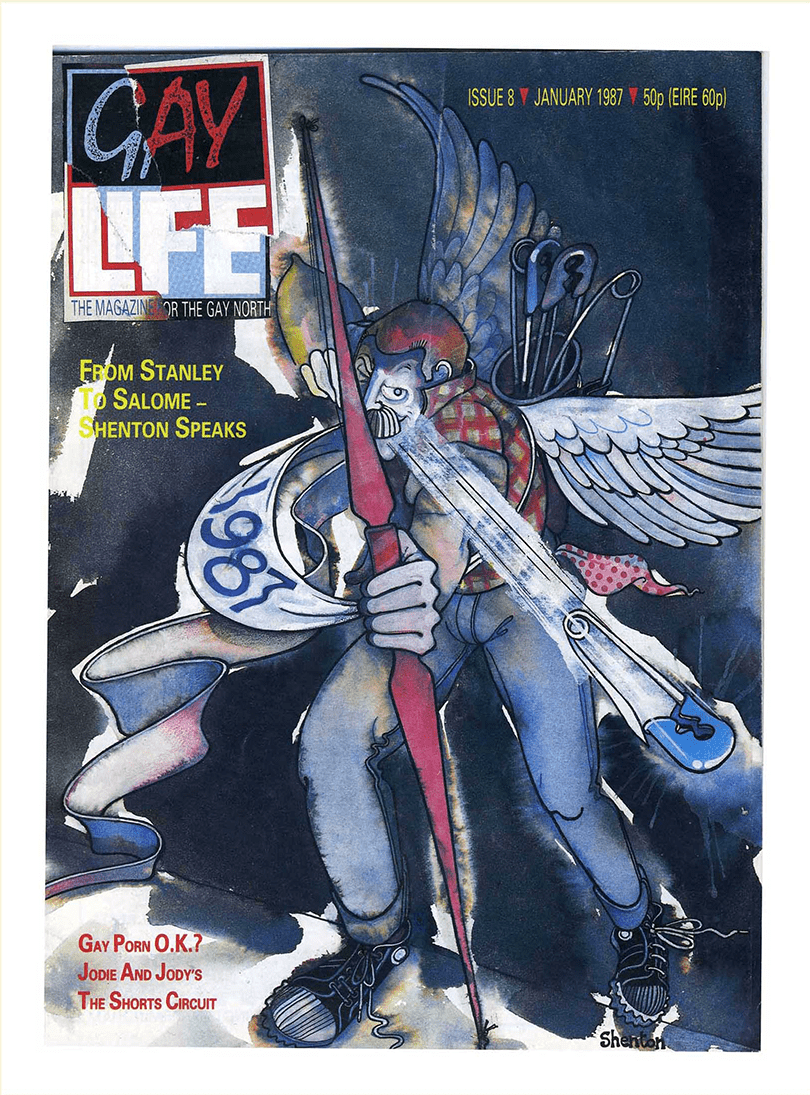
“Gay Life”, 1987
As the years went by, I became an established cartoonist. My focus was all over the place. I had strips in The Guardian and professional publications, such as Solicitor’s Journal, Building Design and The Optician. But the queer cartoons were the personal ones that carried the most clout because they covered issues that mattered to my community through those difficult years. Cartoons can highlight the shortcomings of the government – their acceptance of, and indifference to, growing homophobia, leading to a lack of essential investment in healthcare. The trans community is facing similar problems today.
My creative process had to grow up and become serious with the advent of the HIV/AIDS crisis and the iniquities of Clause 28. I deal with the age of consent in “Forty Lies“, from the viewpoint of my own personal story and the PARTIAL Decriminalisation of the Sexual Offences Act in1967. I was eighteen then and had a boyfriend who was twenty-one. The partial repeal set the age of consent at twenty-one. I was immediately classed as a minor and my boyfriend could be sent to prison as a sex offender. We had to split up. ‘My Four December Weddings’, also a personal story, in “Forty Lies“, tells of the lead up to and legalisation of Equal Marriage in 2014.
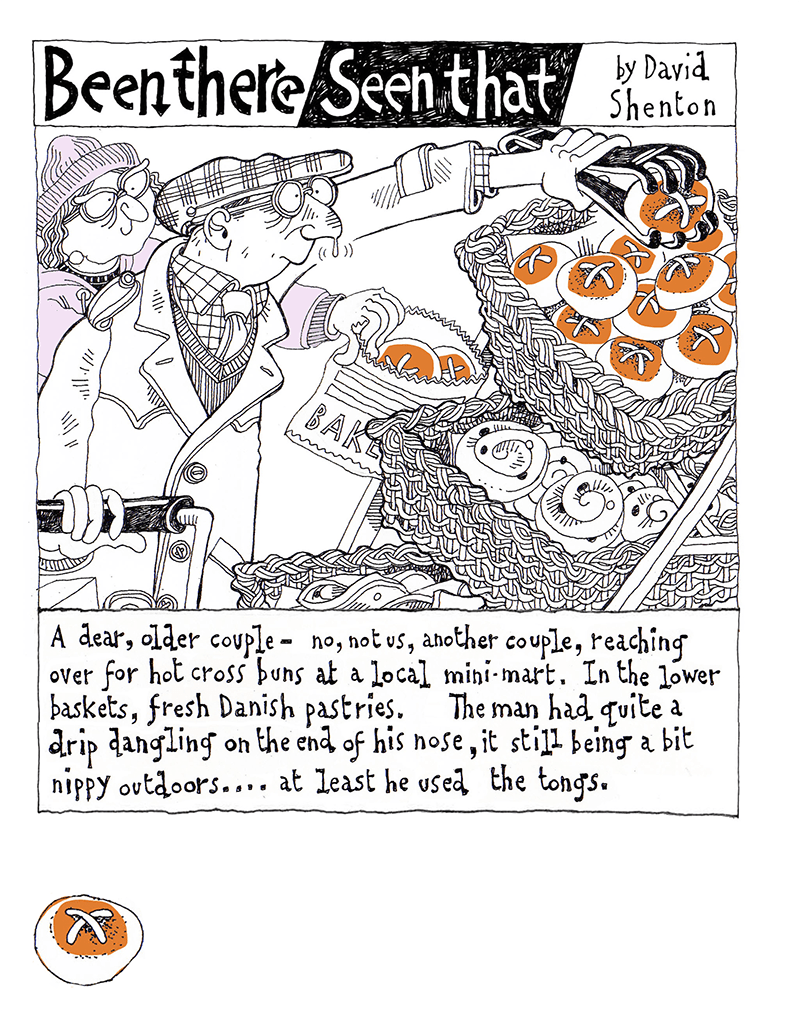
“Been there, Seen that”
I’m from the North West of England where a lot of comedians come from and many people routinely use humour to counter the difficulties of everyday life. Comedy is very serious to handle when politics and events are so dire, but it can be done. I like to be sly and funny, but I’m a kind cartoonist and let people off easily, yet still get my point across.
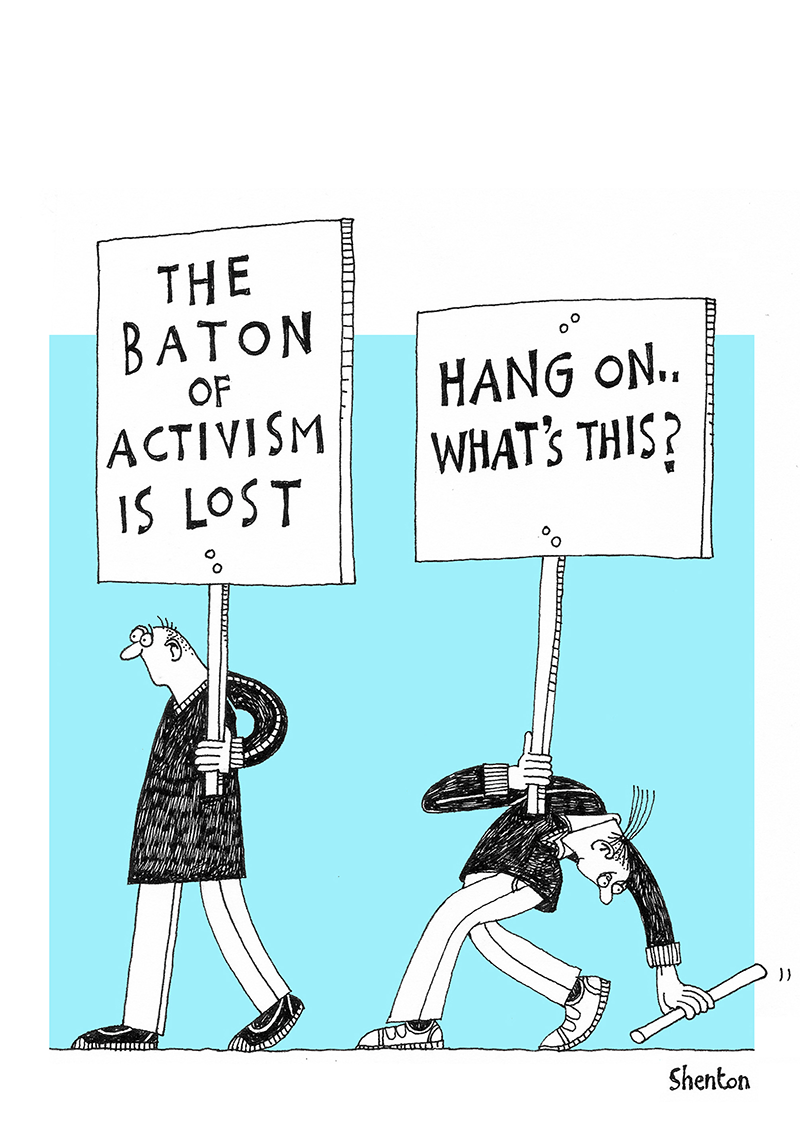
“The Baton of Activism is Lost”
–In “Forty Lies” and ‘My Four December Weddings’, there’s a clear reflection of the evolution of LGBTQ-related environments and legislation in the UK, including milestones like Section 28, change in the age of consent for gay men sex, the AIDS crisis, the legalisation of same-sex marriage and more. Have you noticed any significant shifts in audience reception or mainstream acceptance of LGBTQ comics throughout your over 40-year career? Last week I gave a talk about “Forty Lies” and my work overall to fifty members of the Women’s Institute here in Norwich. They were aware of my sexuality and the LGBTQ+ focus of a lot of my work. This invitation and welcome to their meeting most likely wouldn’t have happened ten years ago. I am openly gay and a named patron of Norwich Pride, so people accept who I am.
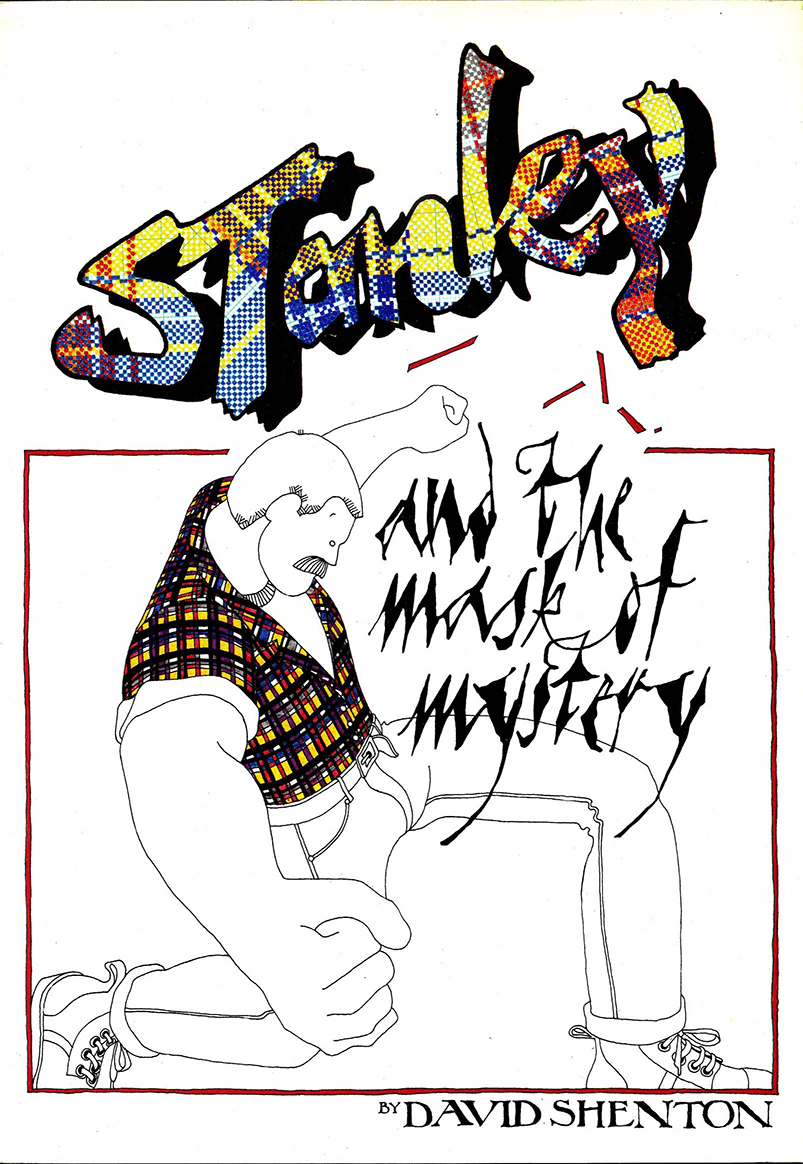
–Can you share some of the most memorable reactions or feedback you’ve received about your comics and activities? The most important reaction to my work, I suppose, is that I’ve made a career doing something I love. I’ve had eight books published; all are out of print now, except “Forty Lies”, which came out last year. The first one, “Stanley and the Mask of Mystery “(1983) was the first LGBTQ+ graphic novel to be published in Europe, and perhaps in the world. It sold very well in the USA.
“Stanley and the Mask of Mystery”, 1983
I was once kidnapped and held to ransom in a pub by the Sisters of Perpetual Indulgence, and was only released when the pub coughed up £40 for AIDS research. In 2022, I received the Orfeo Imago Award, from Sweden, which honors outstanding contributions to LGBTQ+ art, photography and sculpture. Incidentally, this year it was awarded to Durk Dehner, the Tom of Finland Foundation President. In 2022, I was also made a patron of Norwich Arts Centre.
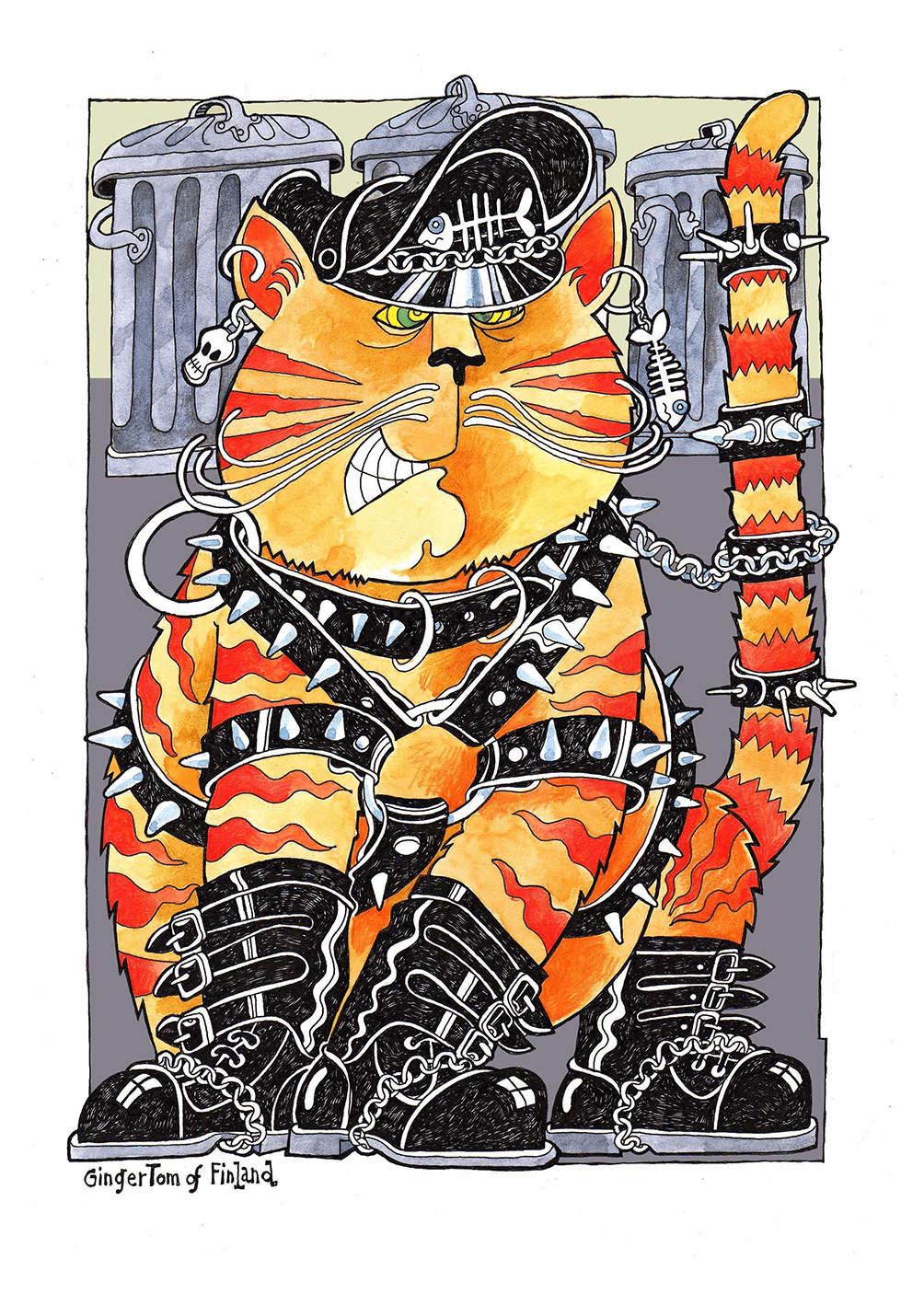
“Ginger Tom of Finland”
-As you continue to update your Facebook page almost daily with your cartoons, have you noticed any changes in the response from your readers or in your creative process compared to when your work was primarily published through traditional means? How has the internet as a platform influenced your approachand motivation to creating and sharing your cartoons? When Facebook first came out I knew it could be useful. I was still cartooning and drawing illustrations, mainly for Cambridge University Press. All the weekly gay newspapers had disappeared, some gone forever and others becoming online publications. And the monthly gay lifestyle magazines had no use for political cartoons. So my LGBTQ+ platforms had gone. I therefore decided to upload my cartoons onto a dedicated Facebook page called These Foolish Things. This brought my queer work back into public notice, and revived my career. Through this page, I’ve produced cartoon collections and stories, printed out and sold as zines. These zines culminated in being noticed by a book publisher, who offered me “Forty Lies“. Also, my embroidered and knitted craftivist pieces have been shown in The Cartoon Museum and Sheringham Museum, and acquisitioned by the Castle Museum in Norwich and Queer Britain in London.
–Can you share any upcoming projects or plans you have? “Forty Lies” has brought offers of conducting workshops in London, in Queer Circle and Queer Britain this summer. I haven’t stopped drawing and creating, and will do until I can no longer hold a pencil. There is still a long way to go before LGBTQ+ issues worldwide are resolved, and discrimination and hatred are replaced with equality and peace.
*All images were provided by David Shenton, and the copyright of these images belongs to him.
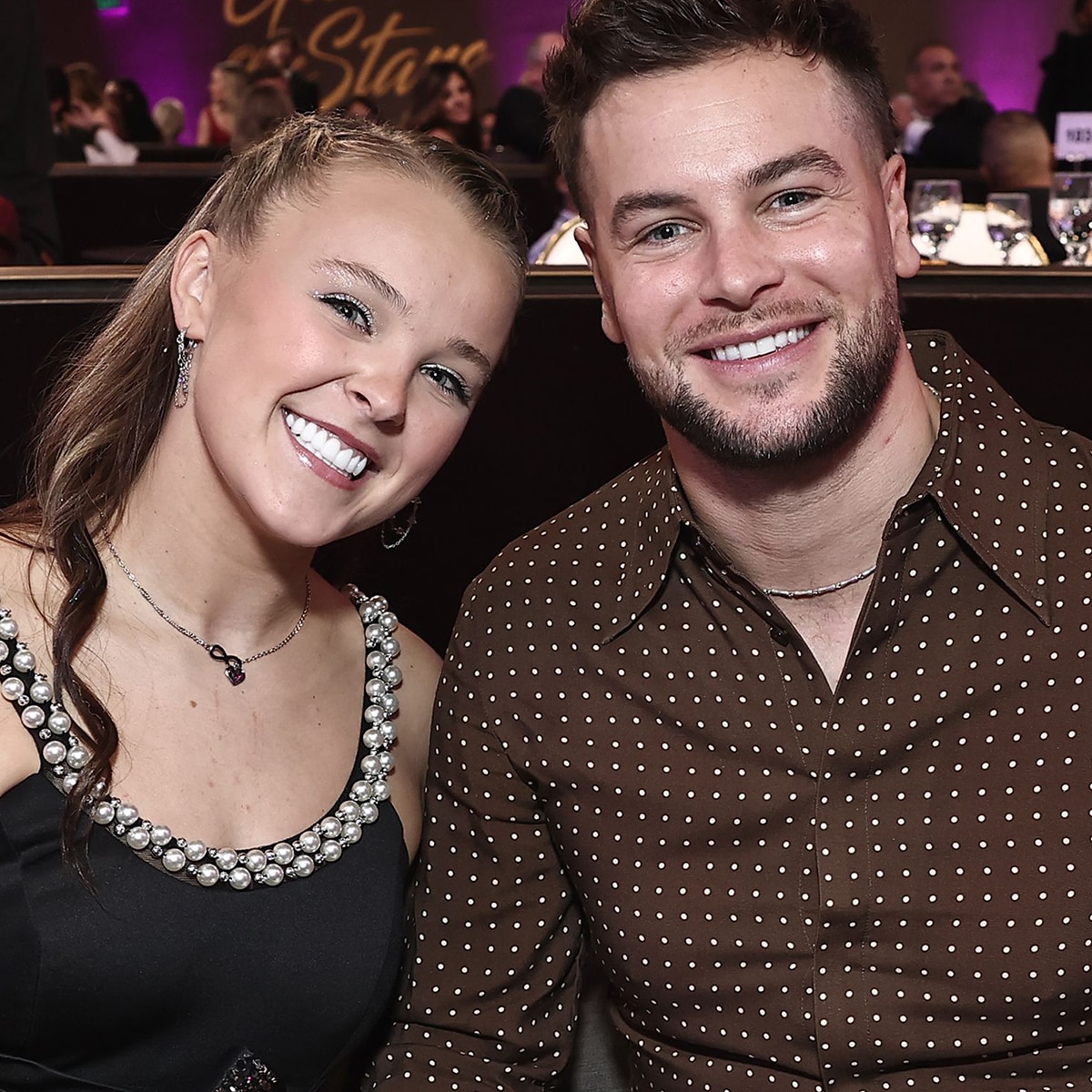
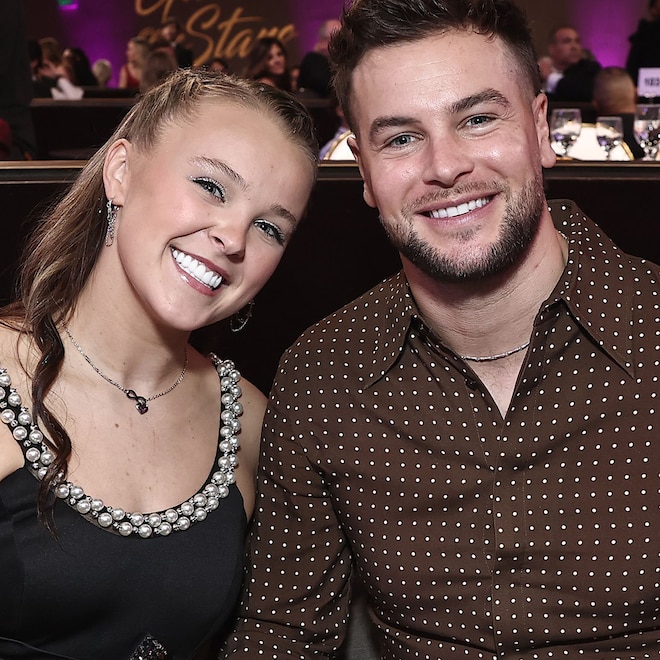
JoJo Siwa continues to dance through life’s revelations.
When the Dance Moms alum entered the Celebrity Big Brother UK house in April 2025, she never anticipated she’d emerge with a new partner....
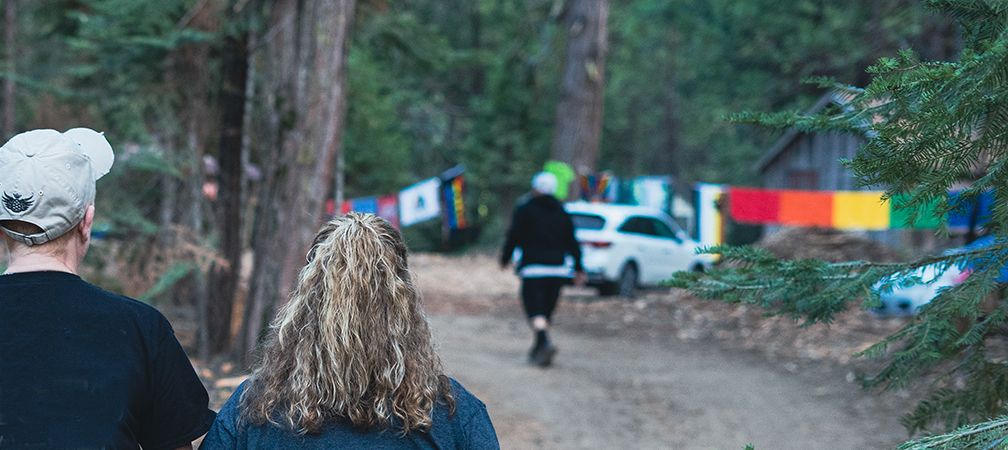
Recently, there has been an increase in the number of conservation groups working with the 2SLGBTQIA+ (Two-Spirit, lesbian, gay, bisexual, transgender, queer, intersex and asexual) community to host events. This has signalled a new wave of support for 2SLGBTQIA+ people in the environmental movement; and not only is there a growing demand for this programming, but it is also essential.
2SLGBTQIA+ Positivity in Wild Spaces
Ontario Nature spoke with conservation organizations hosting 2SLGBTQIA+ events, gaining valuable insights into how these initiatives are being developed and delivered.
Conservation Halton was established more than 60 years ago to protect our communities from flooding and erosion. Ontario Nature spoke with their Communications Specialist, Tamanna Kohi, about their approach to 2SLGBTQIA+ inclusivity, “When we received the accreditation from Canada’s 2SLGBTQIA+ Chamber of Commerce, we placed Rainbow Registered window decals at our park visitor centres. A park visitor pointed out how proud they are to support [our] parks and added that they felt seen and safe knowing we are committed to building a culture of inclusivity for all our communities.”
This year, the Bruce Trail Conservancy (BTC) and its nine Bruce Trail Clubs also received Rainbow Registered designation. In a press release announcing the accreditation, Laura Tuohy, Manager of Community Engagement at the BTC, emphasized the importance of ensuring everyone feels welcome on the trail.
“People in 2SLGBTQIA+ communities deserve to feel safe, comfortable, and welcome to explore the Bruce Trail and be part of its future, whether that be through self-guided adventures, joining guided hikes, or taking part in volunteer activities,” says Tuohy.
Tuohy told Ontario Nature that participating in Pride events helped BTC better understand barriers people face when accessing outdoor recreation. “Attending Pride events has given us the opportunity to hear peoples’ apprehensions about going on organized group hikes and have direct conversations with people in the 2SLGBTQIA+ community,” she says, “With that feedback, we started our Rainbow Hike program the following year to provide a safe space for 2SLGBTQIA+ folks and allies.”
2SLGBTQIA+ Groups Break Through
If nature is to be for everyone, it must make itself so through active facilitation. Naming 2SLGBTQIA+ positivity and engaging in events, media and outreach that supports the community is a step forward.
The BTC’s approach is yielding impressive results. Tuohy shared, “We are inspired each day by [our] mission ‘preserving a ribbon of wilderness, for everyone, forever.’ … But we recognize that it’s not enough to say, ‘for everyone’, we have to demonstrate it, invite participation, facilitate safe spaces, and work to remove barriers to inclusion.”
As Rosalyn Endlich, Natural Environment Specialist with the City of Toronto elaborated, “Relationship building and supporting existing community networks is essential … we were grateful to partner with Friends of Hanlan’s, a queer landscape-based community advocacy group. Collaborating with them helped us reach additional people and support those that had already laid groundwork and built demand for engagement events.”
The groups operating at the intersection of sexual identity, gender identity, and nature programming are filling a gap for 2SLGBTQIA+ people and offering a service to the community.
“We also use the natural world as our guide … as natural ecosystems are more resilient and better able to adapt to change when they are biologically diverse, organizations and movements are stronger when they are diverse and inclusive,” says Tuohy, “When we are facing parallel crises of climate change, biodiversity loss and loss of connection to nature, we need to come together and involve as many people as possible in finding solutions.”
Endlich echoes, “For queer people to come together in a community event to plant and care for a queer space was something special. Now, whenever folks visit this beach, they hopefully will feel even more connected and invested in the space. Also, it was meaningful on a personal level both for our 2SLGBTQIA+ staff and folks who attended this event to all get to work together and see ourselves represented in forestry and environmental stewardship.”
And Kohi adds, “Conservation Halton’s Pride in Nature kick-off event, Birds of All Feathers, is hosted at Mountsberg Conservation Area. Staff, volunteers and event attendees are always excited to attend the event dressed up in their Pride gear,” Kohi adds. “The event features educational signage with animal facts that represent Pride out in nature — for example, the endangered species, Jefferson Salamander is a species with ‘unisexual reproduction’, meaning that females reproduce through cloning. … This was a great opportunity to showcase the diversity of nature.”

 Login
Login
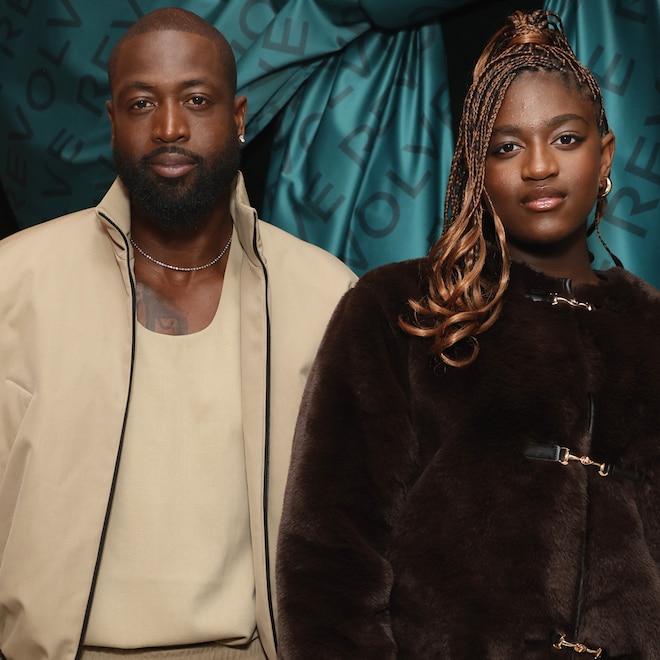 When Dwyane Wade passes his 19-year-old daughter Zaya Wade the proverbial ball, he knows she'll run with it.
"I think we are constantly learning from Zaya," the retired NBA shooting guard told E!...
When Dwyane Wade passes his 19-year-old daughter Zaya Wade the proverbial ball, he knows she'll run with it.
"I think we are constantly learning from Zaya," the retired NBA shooting guard told E!...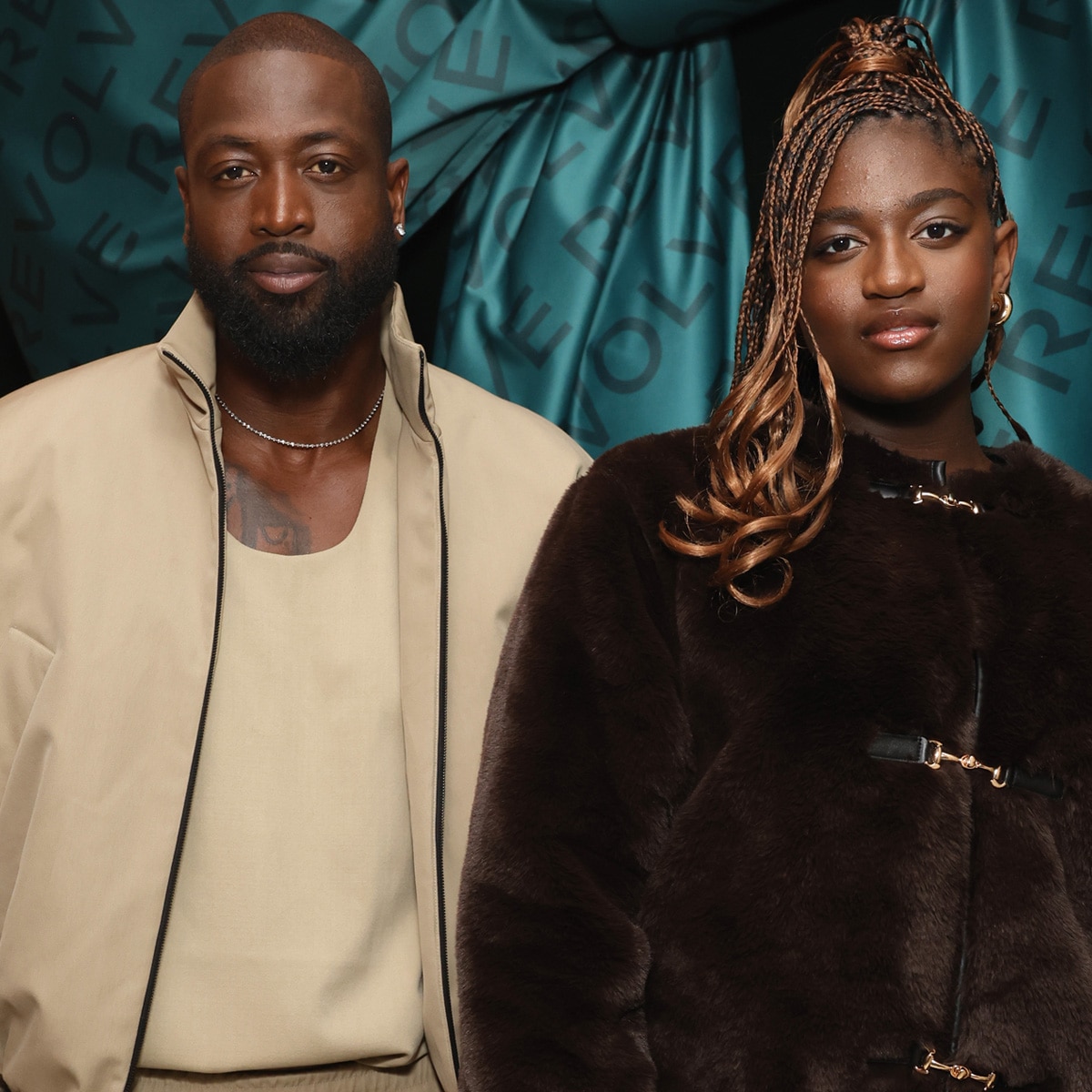

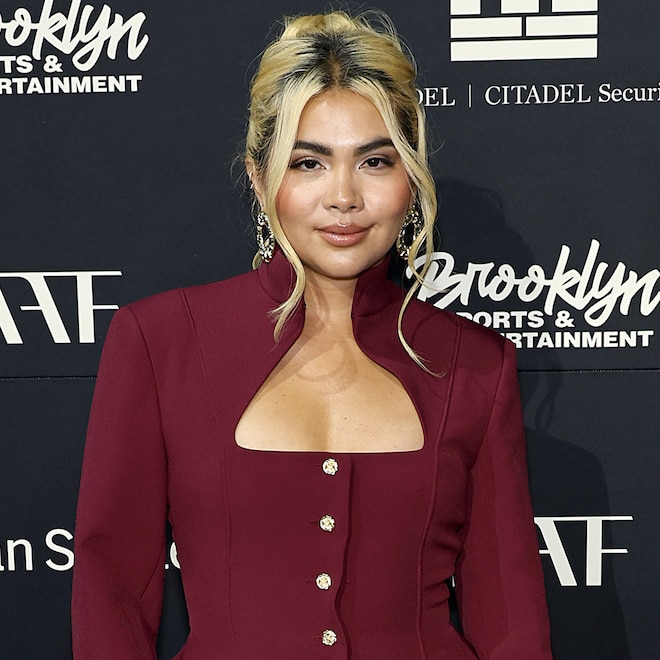 Hayley Kiyoko likes girls like boys do.
And she announced it more than a decade ago with her 2015 hit song "Girls Like Girls." Now, the Lemonade Mouth star shared what she would do if she could...
Hayley Kiyoko likes girls like boys do.
And she announced it more than a decade ago with her 2015 hit song "Girls Like Girls." Now, the Lemonade Mouth star shared what she would do if she could...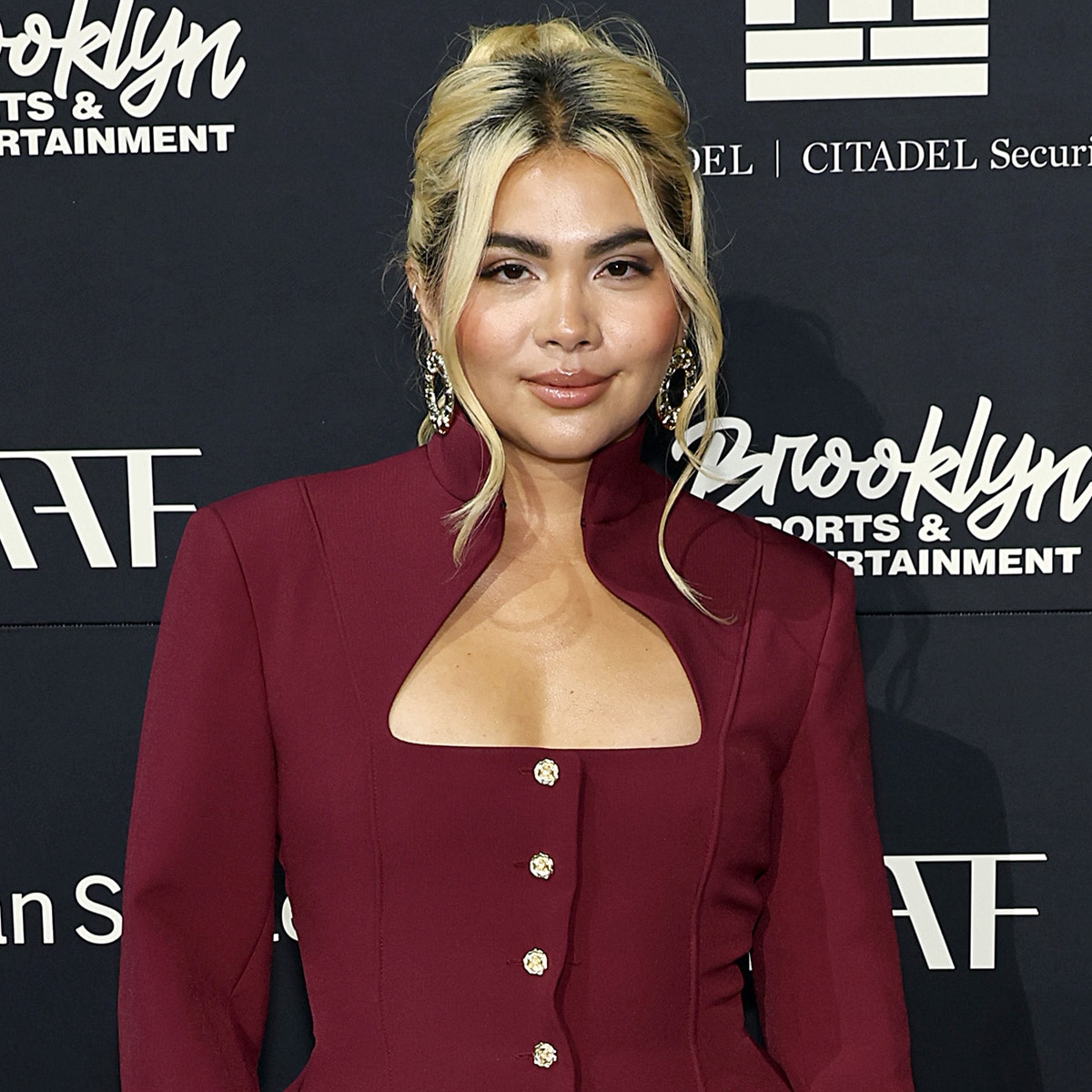
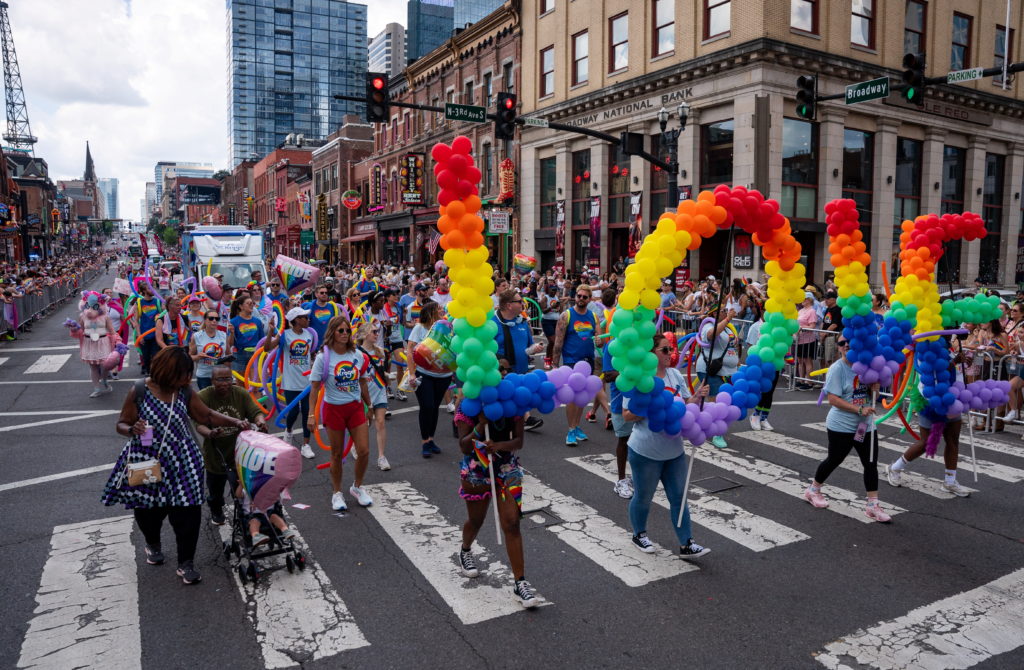
 From a young age, Kai Schreiber knew she was among those that like it hot.
Discussing the love of fashion that led her to the runways of Valentino, Mugler and Jean Paul Gaultier, and a desire to...
From a young age, Kai Schreiber knew she was among those that like it hot.
Discussing the love of fashion that led her to the runways of Valentino, Mugler and Jean Paul Gaultier, and a desire to...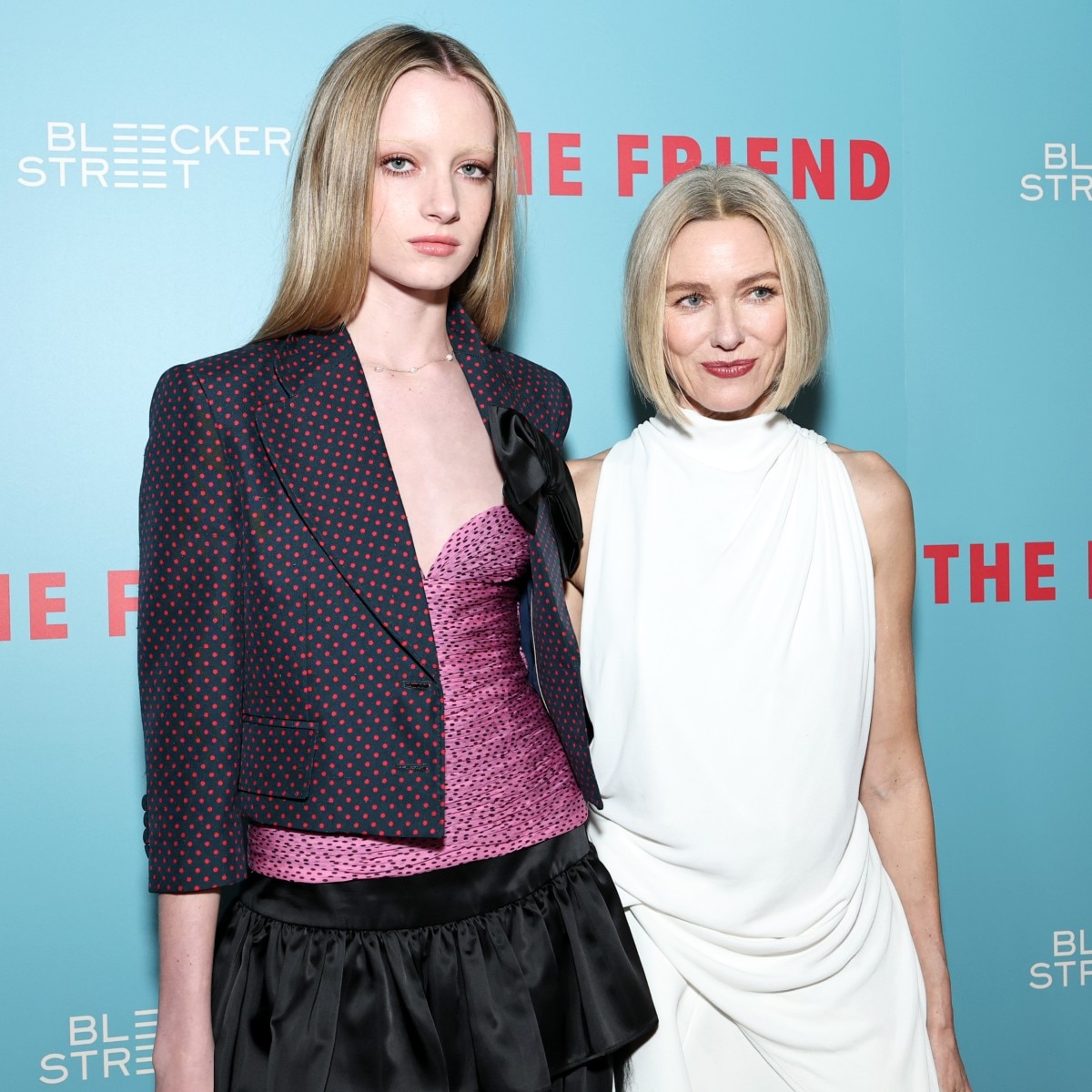


 It's the sort of convo no parent wants to botch.
But plastic surgeon Terry Dubrow swears you don't need to approach the topic of your kids' sexuality with surgical precision.
"Act like there are...
It's the sort of convo no parent wants to botch.
But plastic surgeon Terry Dubrow swears you don't need to approach the topic of your kids' sexuality with surgical precision.
"Act like there are...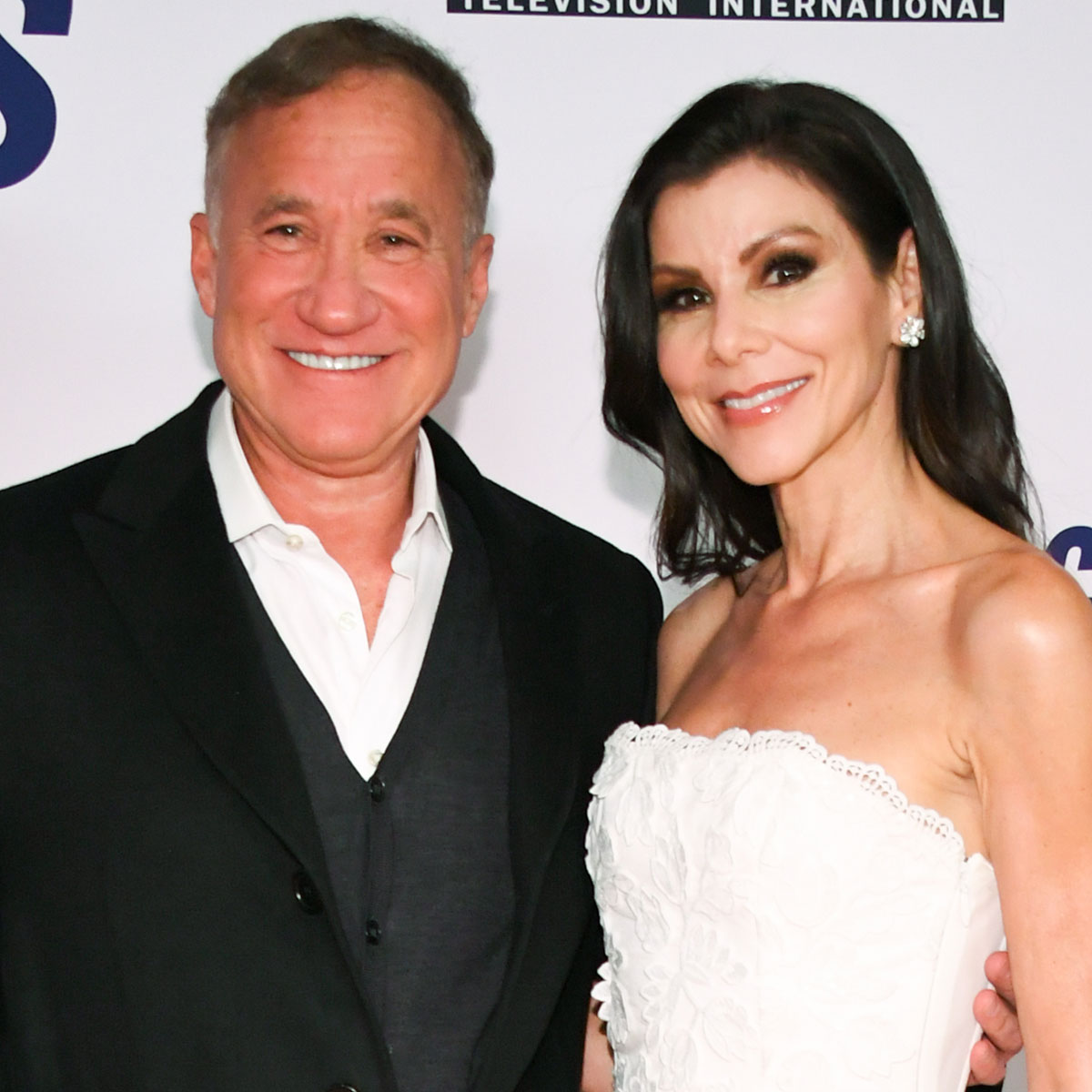
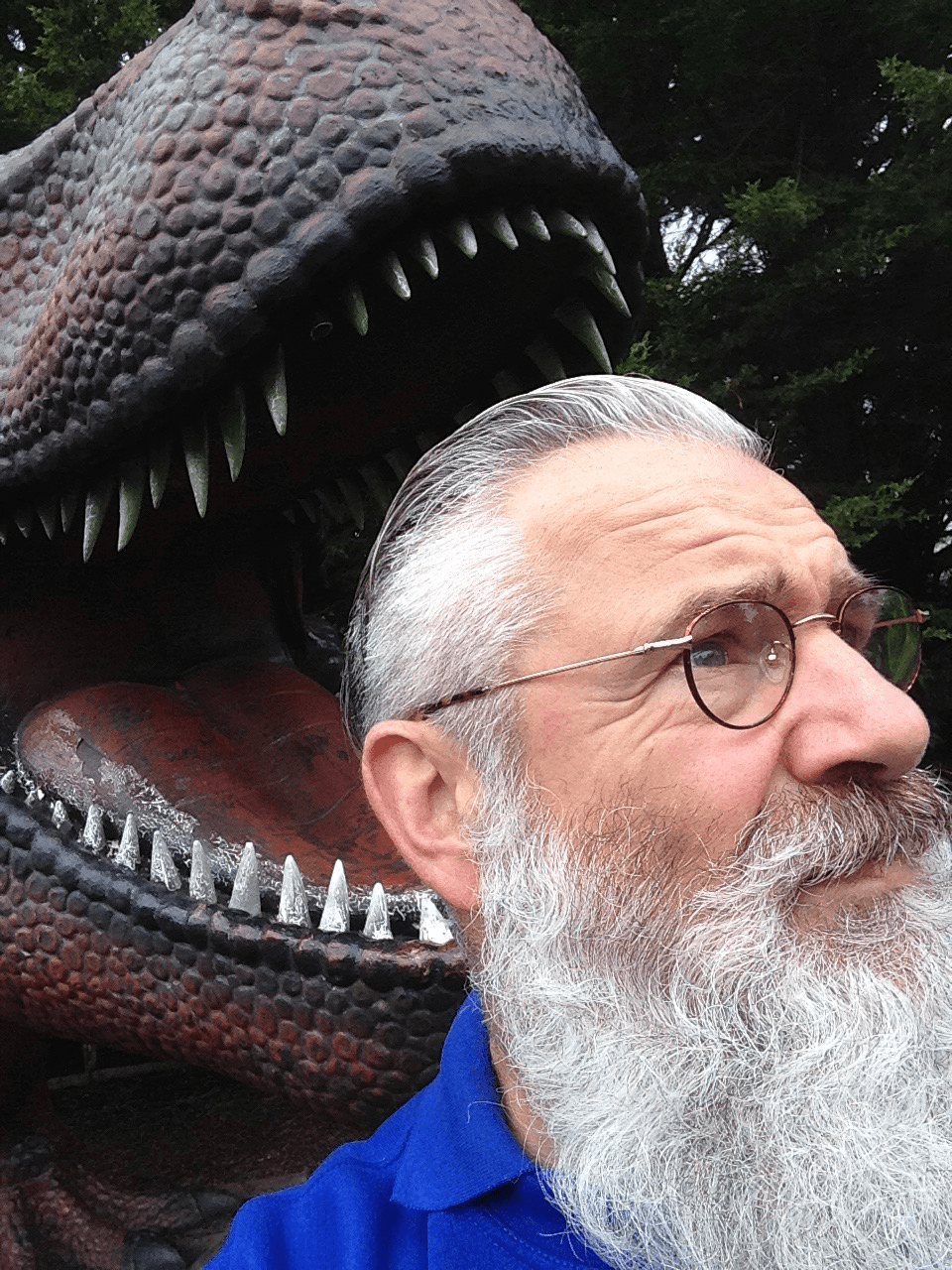


 JoJo Siwa continues to dance through life’s revelations.
When the Dance Moms alum entered the Celebrity Big Brother UK house in April 2025, she never anticipated she’d emerge with a new partner....
JoJo Siwa continues to dance through life’s revelations.
When the Dance Moms alum entered the Celebrity Big Brother UK house in April 2025, she never anticipated she’d emerge with a new partner....