
 Login
Login
Five Canadian artists who play the music of social change


Mustafa
Mustafa is a Sudanese-Canadian hip-hop and folk artist. Mustafa has used his musical platform to condemn genocide.
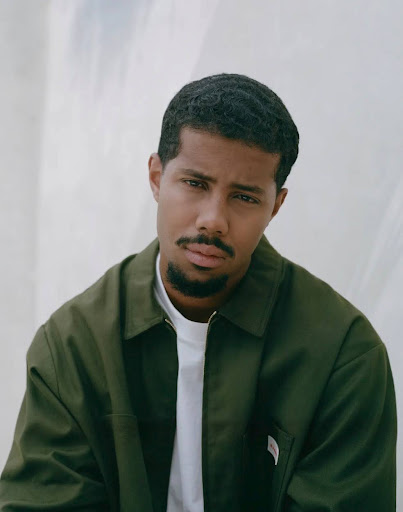
After writing an open letter urging former Canadian Prime Minister Justin Trudeau to show support for Gaza, Mustafa organized two Artists for Aid benefit concerts. Ticket sale proceeds from the first concert went to Human Concern International, a Canadian organization that provides humanitarian aid to Gaza and Sudan. The second concert raised money for War Child UK’s work in Gaza and Sudan.
“In the last few years I visited both my homeland, Sudan, & Palestine. My visit to both had a principal intention, to connect with artist communities, with young organizers — for parallels of sorrow and hope and faith,” he said in his message announcing the first Artists for Aid.
“The violence in both nations seized the dream. Here it is revived for me in some way. The intention remains, on this evening we give our voices to make room for theirs.”
Nemahsis

Palestinian-Canadian artist Nemahsis had her recording contract terminated in October of 2023 after she shared pro-Palestinian content on social media. She spent the next few months trying to find a label to distribute her debut album. The only offer that she received fell through.
Nemahsis and her team then made the decision to release two singles, “you wore it better” and “stick of gum” independently. The “Stick of Gum” music video was filmed in her family’s hometown of Jericho, Palestine.
“We want to show Palestine in a light that has never been seen,” she said to Q’s Tom Power about the “Stick of Gum” music video. “Some people didn’t even know Palestine existed until October, and now we want to show them in a way where we’re humanized again.”
Leith Ross
Leith Ross is a Winnipeg-based singer-songwriter who is originally from Manotick, a neighbourhood in Ontario just south of Ottawa, that they described as “conservative and cut-off” to NME. Ross’ 2020 project Motherwell explored their feelings about identity, belonging and coming out as trans non-binary.

Their 2023 debut album, To Learn, was inspired by the safe community they found in Winnipeg after isolating years in Toronto as a student at Humber Polytechnic (then called Humber College). Ross’ passion for community carried over to their 2025 album I Can See The Future, particularly the album’s title track.
“It refers to this depth of understanding about the world that then allows you to believe that the world is good or will be good,” they said to The Line of Best Fit. “And, maybe, that belief extends to you as an individual knowing that you are doing your best and that you deserve to live and continue to try to do your best.”
Debby Friday
Debby Friday is a Toronto-based Nigerian-Canadian electronic artist who uses music to tackle the nuances of being both Black and 2SLGBTQIA+.

She spent most of her childhood moving around Montreal and shared in an interview with RANGE that the city’s grit and social intermingling have shaped her context.
In an interview with Loud And Quiet, she said that her music is aggressive because she exists in a world that is aggressive towards her Black and 2SLGBTQIA+ identities and her body.
“There is a whole stigma around being an angry queer black woman. I’m just really tired of it, it’s very un-nuanced,” she said. “The energy I have in my music is about not being afraid to embody that confrontation.”
Although Friday feels the weight of the realities of oppression, she still feels the need to challenge it by not conforming to society’s rules about what a Black woman should act or sound like.
“Change is a violent force. It doesn’t often happen quietly or nicely. It’s what brought the universe into being, it’s what allows society to progress. It’s an aggressive force,” she said to Loud And Quiet.
“The energy I have in my music is about not being afraid to embody that aggression. The things that come up in our cultural artefacts are just a reflection of what is going on in our collective consciousness. I’m aggressive about changing the world, I’m not going to apologise for that.”
CEC
CEC is a Winnipeg-based artist whose music blends genre (R&B and jazz) and language (English and Spanish).

Their passion for helping underrepresented artists inspired them to create The Clubhouse alongside Canadian indie-pop artist Lana Winterhalt. The Clubhouse is a studio and community hub in Winnipeg that provides training for women and 2SLGBTQIA+ people.
In 2025, CEC was chosen as one of seven producers for the Women in the Studio National Accelerator hosted by Music Publishers Canada. The program helps Canadian women and non-binary producers with their branding, financial literacy and technical skills.
When talking to The Manitoban about the program’s uniqueness, CEC acknowledged how difficult it is to find producers and engineers that aren’t men.“It’s really interesting and important that there are programs like this every year that happen, to specifically train women and non-binary people,” they said to The Manitoban. “Every year, there’s a new cohort of six or seven professionally trained producers that come out of it.”
The post Five Canadian artists who play the music of social change appeared first on rabble.ca.
