Reading view

As America approaches its 250th anniversary, The Federalist remains an indispensable guide to understanding the constitutional system and the nation’s enduring independence

Without the series of essays known as The Federalist, the U.S. Constitution might never have been ratified. wingedwolf, iStock/Getty Images Plus

More people are talking about the Declaration of Independence now than they likely have for decades, largely because of the festivities, exhibits, historical commemorations and other public events associated with the upcoming 250th anniversary of American independence.

But even as they discuss the historical meaning, purpose and ideas of the declaration, they should remember that independence was only the first step in becoming a nation.

Despite laying out the purposes of the new nation, the declaration did not say what kind of government the new United States should have. That discussion was left for later debates, leading first to the Articles of Confederation and then, ultimately, to the Constitution.

Yet, fully understanding the Constitution requires referring to the another crucial founding-era document: The Federalist, known to many as The Federalist Papers. Without it, the Constitution may not have been ratified, and it has helped guide American government and law for the past 2½ centuries.

A political cartoon from 1788 showing columns, each labeled after a state, being placed upright by a hand extending from a cloud, labeled 'United they stand - divided fall.'
An early Federalist political cartoon from the Massachusetts Centinel, Jan. 16, 1788, in which the standing pillars are states that have ratified the Constitution. Library of Congress

Drive for ratification

Under the Articles of Confederation, adopted by the Continental Congress in late 1777, the national government was exceptionally weak, unable to levy taxes or tariffs or enforce treaty obligations. Moreover, the states often abused their authority, both over their own citizens and with regard to each other. For example, states would often impose tariffs on each other’s goods, even if those goods were moving only from Virginia to Maryland and vice versa, thereby inhibiting the development of a national market and hamstringing internal trade.

The Constitution sought to correct these problems by creating a much stronger national government able to protect itself from national security threats, both foreign and domestic, and secure liberty at the same time.

Those supporting ratification adopted the name Federalists on the idea that they supported strengthening the national government, which was often described as a federal union. Their opponents, who sought to defeat the Constitution’s ratification, were then dubbed the Anti-Federalists, much to the latter’s consternation.

While there were a variety of Federalist authors writing to support the Constitution during the ratification debates in 1787-88, the essays of The Federalist were specifically co-authored by Alexander Hamilton, James Madison and John Jay under the collective pseudonym “Publius.”

The practical political purpose of the essays was to convince New York to ratify the Constitution. Nine states had to ratify to put the Constitution into effect, yet it was recognized that without key states such as New York, Virginia, Massachusetts and Pennsylvania, the Constitution – and more broadly the union – could not survive.

Thus, even though 10 states ratified before New York, enabling the Constitution to go into effect, New York’s ratification remained essential.

Each of The Federalist’s 85 essays – 51 by Hamilton, 29 by Madison and five by Jay – were addressed “To the People of the State of New York.” Nearly all were published in New York newspapers as op-eds, with some republished in other states. They were meant to be read and thought about by an interested and educated public, as the authors understood the importance of public opinion not simply to the ratification process but to any democratic system.

Ratifying the Constitution was the immediate goal of The Federalist. But in making their arguments, the authors went further, addressing fundamental questions of politics by laying out the political theory that underlies that Constitution.

In short, The Federalist sits at the intersection where theory meets practice.

Advancing political science

In “Federalist 1,” Hamilton breaks down major issues to be considered in deciding whether to adopt the Constitution: the utility of the union; the defects of the Articles of Confederation; the need for energetic government; how the Constitution is analogous to the New York constitution; how the Constitution will preserve liberty and prosperity; and how the Constitution creates a republican government. Such a republican government is defined by Madison in “Federalist 39” as a government with powers derived from the people and administered by representatives for a period of time.

Reflecting the political debate, however, the authors had to be flexible with their writing plans as they responded to the arguments made by their Anti-Federalist opponents.

Yet, even in that dynamic environment, there are two consistent themes that contribute to The Federalist’s timelessness.

The first theme revolves around what Hamilton in “Federalist 9” calls “the science of politics.” Hamilton and Madison frequently address the ideas of past political philosophers and the traditional assumptions of what republics were supposed to look like.

This is most evident in “Federalist 10” where Madison overturns the long-held belief, articulated most clearly by the French philosopher Montesquieu and embraced by the Anti-Federalists, that republics needed to be small to preserve liberty.

Madison shows that, on the contrary, it was a large republic that could best deal with the problem of factions and preserve liberty by preventing any faction from gaining a majority, thereby providing “a republican remedy for the diseases most incident to republican government.”

Similarly, in “Federalist 70,” Hamilton explains that a single strong executive is not inherently monarchical and antithetical to republican government, but rather is essential to a republic’s proper operation. “Energy in the Executive is a leading character in the definition of good government,” he wrote.

The Federalist advanced political science itself, changing the conception of what a republic was and could be.

An almost 250-year-old portion from a newspaper column, entitled 'The FEDERALIST. No I.'
A section from Federalist No. 1, published in New York on Oct. 27, 1787, by the Independent Journal, also known as The General Advertiser. Library of Congress

Accounting for self-interest

A second theme is the recognition of how human motivations interact with institutions.

Past philosophers, such as Aristotle, emphasized the necessity of virtue in both the people and their rulers, and Montesquieu argued that virtue was the defining principle of republics.

But Hamilton and Madison, focusing more on historical experience than theory, emphasized the need for institutions to account for the self-interested behavior of officeholders.

This emphasis is evident at the very beginning when Hamilton asserts in “Federalist 1” that a clean debate on the merits of any public proposal “is a thing more ardently to be wished than seriously to be expected,” and that some people will be driven by personal interests.

In “Federalist 51,” Madison provides the clearest articulation of this view with his famous statement, “Ambition must be made to counteract ambition. The interest of the man must be connected with the constitutional rights of the place.”

In their view, it is not enough to rely on the virtue of officeholders. But we can arrange our institutions in such a way that our low, base, self-interested human nature may be channeled to ultimately serve a higher public good.

This is not, however, to say that The Federalist is a cynical work.

Enlightened statesmen not always at the helm

In “Federalist 55” Madison points out that “there are other qualities in human nature which justify a certain portion of esteem and confidence.”

That optimistic statement is followed by his observation, “Republican government presupposes the existence of these qualities in a higher degree than any other form.”

Republics rely on the people having some measure of public virtue to work. The key insight Madison brings out is that such higher qualities alone cannot be relied upon.

The institutions created by the Constitution are set up to be functional, but they are also built to account for the kind of human beings who will inhabit them. As Madison succinctly put it in “Federalist 10”: “Enlightened statesmen will not always be at the helm.”

Thomas Jefferson called The Federalist “the best commentary on the principles of government which ever was written.” It remains the most systematic and important exploration of our constitutional system.

As Americans celebrate the 250th anniversary of American independence, it is worth reflecting on the institutions that have facilitated the endurance of that independence. You can find no better guide to that reflection than The Federalist.

The Conversation

Jordan Cash does not work for, consult, own shares in or receive funding from any company or organization that would benefit from this article, and has disclosed no relevant affiliations beyond their academic appointment.

  •  

Baloch insurgency: Suicide bombs and uptick in violence threaten Pakistan, regional security

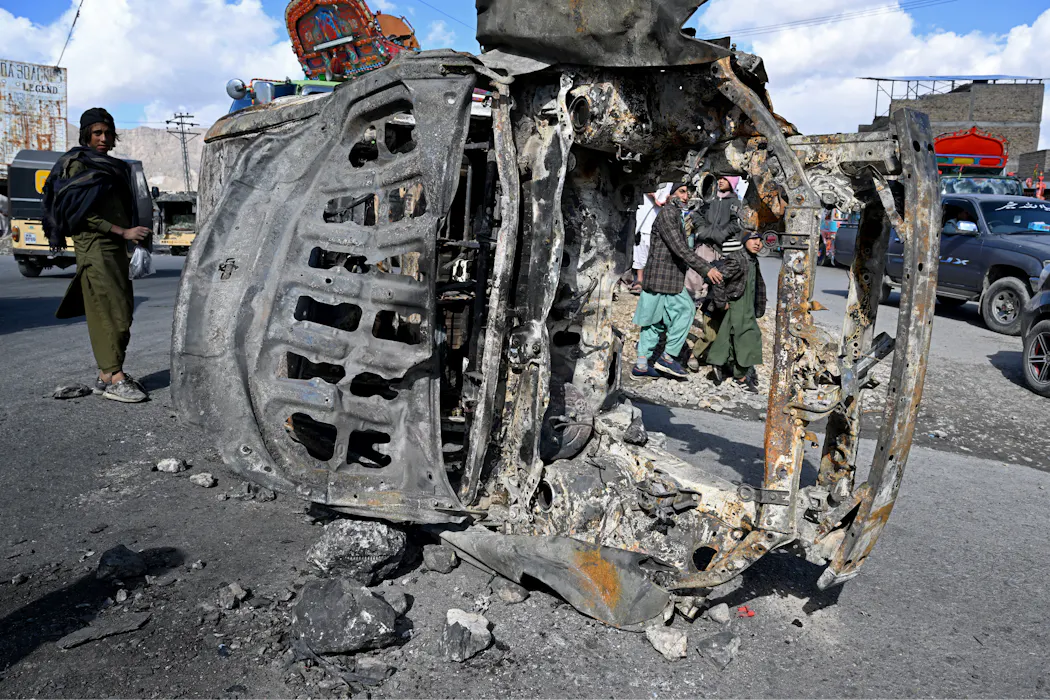
The aftermath of an attack by Baloch separatists in Quetta, Pakistan, on Feb. 1, 2026. Banaras Khan/AFP via Getty Images

In the space of 10 days in late April 2026, insurgents in Pakistan purportedly carried out 27 attacks in the country’s southwest province of Balochistan, killing at least 42 military personal. Then, on May 11, authorities announced that a suicide bombing plot on the capital, Islamabad, had been foiled. Authorities arrested a girl over the incident – a nod to militants’ increasing use of young Baloch women to carry out attacks.

These incidents represent the latest flaring up of a long-running insurgency in Pakistan’s largest province and home to around 15 million people.

For a rundown of what you need to know about the Baloch insurgency and groups involved, The Conversation turned to Amira Jadoon and Saif Tahir, experts on militant and terrorist organizations currently researching such groups’ operational activities and strategic messaging in Afghanistan and Pakistan.

What is the Baloch insurgency about?

Pakistan’s southwestern province of Balochistan has long been the site of resistance and armed movements involving Baloch, an ethnic group of an estimated 8 million to 10 million people that straddles parts of Pakistan and Iran.

Their insurgency is rooted in both contemporary and historical grievances. Its origins trace back to the contested annexation of the princely state of Kalat in 1948, months after the partition of British India into India and Pakistan, and the resulting confrontations between Baloch tribal leaders and the newly formed Pakistani state.

While the insurgency long remained a low-level struggle framed around Baloch marginalization and economic exploitation, it turned violent in the early 2000s with the rise of militant factions, including the Balochistan Liberation Army, or BLA, in 2000 and the Balochistan Liberation Front, or BLF, which was revived in 2004 under current leader Allah Nazar Baloch decades after its 1964 founding. The insurgents’ goals vary, from greater autonomy and control over the province’s natural resources to full independence.

Baloch militants generally cast their emergence as a nationalist rebuttal to the Pakistani government’s long-standing narrative, which states that the unrest is driven by a handful of tribal chiefs resisting development rather than a broad-based movement.

In practice, the contemporary insurgency has expanded well beyond its tribal base, and Baloch militant groups have invested heavily in strategic communications that directly challenge the Pakistani state’s framing.

Today, Baloch militants’ propaganda targets the local educated youth, including women. They play on existing grievances over enforced disappearances, state repression and resource extraction. Balochistan is home to significant deposits of copper, gold, natural gas and coal, including at the Reko Diq mine, one of the world’s largest undeveloped copper and gold reserves. Yet the province remains Pakistan’s poorest.

Baloch militants’ efforts are designed to broaden the insurgency’s appeal, adding an urban, middle-class layer to what was once a primarily tribal revolt that casts itself as a struggle to defend the Baloch “motherland” and achieve national liberation.

The Baloch insurgency has emerged as one of Pakistan’s most consequential internal security challenges. In 2025, the BLA claimed 521 attacks and 1,060 security-force fatalities, though independent monitoring records substantially fewer attacks, at around 254 events, in Balochistan over the same period.

Two Baloch militants’ operations bookend the recent escalation. In March 2025, BLA fighters hijacked the Jaffar Express – a heavily used passenger train connecting Quetta, the capital of Balochistan, to Peshawar in northwestern Pakistan – holding more than 350 passengers in a 30-hour siege. In April 2026, the group announced a new naval wing, the Hammal Maritime Defence Force, following its first maritime attack on a Pakistan coast guard vessel near Jiwani, in Gwadar district.

These tactical innovations have been reinforced by deliberate efforts at broadening the support base for Baloch separatism. The 2018 formation of Baloch Raji Ajohi Sangar, an alliance of Baloch militant groups, and the 2020 entry of the non-Baloch Sindhudesh Revolutionary Army, a Sindhi separatist group based in neighboring Sindh that has extended Baloch militants’ operational reach into Karachi, signal an expanding ethno-regional coalition aimed at broadening the geographic and ideological scope of the insurgency.

Why the uptick in violence now?

Four converging factors explain the recent escalation.

First, the Pakistani state’s crackdown on peaceful political space in recent months has accelerated social discontent. Following the March 2025 Jaffar Express attack, prominent Baloch rights defender Mahrang Baloch was arrested under anti-terrorist laws, while three protesters were shot dead at a peaceful sit-in in Quetta.

As nonviolent avenues close, aggrieved civilians become more receptive to Baloch militants’ recruitment narratives.

Second, Baloch militants have acquired U.S. weapons left behind in Afghanistan during the 2021 withdrawal, including M4 and M16 rifles fitted with thermal optics. Recent reports have linked the arms used in the Jaffar Express attack directly to abandoned U.S. stockpiles in Afghanistan.

Third, militant operational collusion has deepened between the Balochistan Liberation Army and the Tehrik-i-Taliban Pakistan, the latter ranked by the Institute for Economics and Peace as the world’s fastest-growing insurgent group in 2024.

Despite the groups’ divergent ideologies, the cooperation appears to have produced clear tactical convergence, including town takeovers, the use of suicide bombings, and sniper and ambush tactics.

Finally, Baloch groups have excelled in the effective use of social media to influence and recruit educated young people, including women.

A man in a gun stands in the middle of a street.
A policeman stands guard near the blast site in Quetta after an attack by Baloch separatists on Jan. 31, 2026. Adnan Ahmed/AFP via Getty Images

The BLA’s elite Majeed Brigade has formalized a women’s wing, and the use of female suicide bombers has now spread across multiple Baloch factions. At least five known cases have been reported since 2022.

The deployment of women is strategic: Female operatives present a softer public face and yield both reputational and tactical benefits, evading security profiling, expanding target reach and amplifying media impact.

Has the insurgency been affected by the Iran war?

Tehran’s destabilization creates new tactical space for insurgents. Ethnic Baloch communities straddle the Pakistan-Iran border, and the BLA already maintains a presence in Iran’s Sistan and Baluchestan province.

The “Greater Balochistan” narrative promoted by Baloch nationalists, which envisions the reintegration of Baloch lands across both states, is gaining traction on the Iranian side. Moreover, weaker border enforcement gives militants greater freedom to move, recruit and coordinate.

Cross-border trade flows have dropped sharply since the war in Iran began, but the disruption is more likely to expand than to shrink Balochistan’s illicit economy over time. As state enforcement weakens on both sides of the border, the cross-border fuel and narcotics smuggling networks that Baloch militants tax and target are likely to expand further.

The cross-border problem had already escalated to interstate confrontation. In January 2024, Iran and Pakistan exchanged tit-for-tat strikes on Baloch militant groups operating across their shared border.

Counterterrorism coordination between the two countries remains modest, and attacks have continued, including the killing by militants of Pakistani migrants inside Iran as recently as April 2025.

With Iran’s stability weakening, these dynamics are likely to deepen, potentially raising tensions between Islamabad and Tehran over separatists in the future.

How are Pakistan-US relations affected?

The Baloch insurgency is now also an increasingly important focus of a warming U.S.-Pakistani relationship.

In August 2025, the U.S. State Department designated the BLA and its Majeed Brigade as foreign terrorist organizations – a move Islamabad had long pressed for.

Months later, the U.S. Export-Import Bank approved US$1.3 billion for the Reko Diq copper-gold project in Balochistan, its single largest critical minerals investment to date.

The current insurgency directly contests Pakistan’s capacity to deliver security in Balochistan. The Reko Diq mine lies in the same district where Zareena Rafiq, a BLF-affiliated female suicide bomber, struck a base of Pakistan’s federal paramilitary force on Nov. 30, 2025.

Further, in April 2026, a BLF commander declared that the group would target all foreign companies operating in Balochistan, regardless of country of origin.

Yet the present alignment between the U.S. and Pakistan is transactional: Its durability depends on Pakistan delivering on counterterrorism, mediation with Iran and mineral access.

Meanwhile, absent a counterinsurgency approach that addresses the underlying political and social drivers of the Baloch insurgency – including state repression, political marginalization and resource grievance – the broader U.S.-Pakistan reset is unlikely to deliver the stability its investments require.

The Conversation

The authors do not work for, consult, own shares in or receive funding from any company or organization that would benefit from this article, and have disclosed no relevant affiliations beyond their academic appointment.

  •  

A lot of ‘recycled’ plastic is being burned overseas – and causing widespread pollution linked to health problems

Workers prepare to burn imported plastic waste at a dump in East Java, Indonesia, in 2018. Ulet Ifansasti/Getty Images

Picture a pile of trash the size of Manhattan and taller than one and a half Empire State Buildings. That’s how much plastic waste the world is predicted to be generating every year by 2050 if nothing is done to change course.

It’s easy to think of recycling as the solution, but the vast majority of plastic waste now ends up in landfills, or worse.

A large amount of plastic waste gets shipped overseas. In a new study, my colleague and I analyzed what happens when plastic waste is shipped to lower- and middle-income countries, where open burning is a common way of dealing with excess waste. The result, we found, is pronounced increases in toxic air pollution.

Hundreds of thousands of tons of plastic waste thrown in recycling bins in the US actually ends up getting shipped to other countries.

Plastic waste burning and health impacts

Between 40% and 65% of total municipal solid waste is openly burned in low- and middle-income countries, largely as a result of 2 billion people around the world having no municipal solid waste collection.

Open burning occurs both intentionally and unintentionally, the latter when open dump sites containing organic waste spontaneously combust due to heat generated as the waste degrades.

A woman carries a basket with plastic waste from a large pile in a room.
A worker carries a basket of plastic waste, wood and coconut husks to be used as fuel to fry tofu at a factory in Sidoarjo, Indonesia, in 2025. Burning waste is a common way to cut fuel costs, but studies have found high levels of microplastics in the tofu from these factories, toxic ash inside the buildings and hazardous levels of air pollution. Robertus Pudyanto/Getty Images

When plastic burns, it releases particularly toxic air pollutants. Fine particles can penetrate deep into people’s bodies, along with gases that include carbon monoxide, styrene gas and hydrogen cyanide. It also releases persistent organic pollutants such as polycyclic aromatic hydrocarbons and dioxins. These particles and gases have been linked to health risks ranging from respiratory and cardiovascular disease to cancer and reproductive and neurological disorders.

The ash from open burning can also contaminate soil and groundwater with persistent organic pollutants, heavy metals and other toxicants, creating more chances for people to be exposed to them through food and water.

The global plastic waste trade

Large amounts of plastic waste are shipped around the world – some to be recycled and much to simply be disposed of in landfills or incinerated. In 2024, 9.34 million metric tons of plastic waste imports were reported, according to the United Nations.

Where this exported plastic waste ends up has been shifting.

In 2018, China stopped importing plastic waste, causing the total amount of plastic waste moving among countries – at least through official channels – to drop dramatically. Between 1992 and 2016, China’s plastic waste imports made up 45% of global imports.

In 2018, the flow moved to other countries, largely in Southeast Asia but also other locations, including Turkey. In 2018, Indonesia became a net importer of plastic waste. The majority of this waste came from Western Europe, Australia and North America.

What happened to Indonesia’s air quality

We harnessed data from multiple monitoring systems, including satellite observations and cargo ship tracking signals, to understand where these plastic waste imports went and how much air pollution was released by openly burning this waste.

As of 2020, the World Economic Forum and Indonesia’s government estimated that 48% of Indonesia’s plastic waste is openly burned.

We found that particulate matter air pollution – of great concern for health – increased an average of 3.3% at the locations of large open waste dump sites in Indonesia after China’s ban in 2018-19 relative to expected business as usual, based on data from 2012-17. We found increases up to 1.68 micrograms per cubic meter.

Based on risk estimates from a global study of mortality associated with long-term exposure to outdoor fine particulate matter, this corresponds to an approximate 1.5%, 1.9% and 3.5% increase in mortality risk from chronic obstructive pulmonary disease, lung cancer and lower respiratory infections, respectively.

New constraints on the plastic waste trade

In 2021, Indonesia restricted the import of nonhazardous waste to 15 specific ports and in 2025 banned the import of plastic waste altogether.

In mid-2025, Malaysia followed suit, allowing plastic waste only from countries that have ratified the Basel Convention on the Control of Transboundary Movements of Hazardous Wastes and their Disposal – a treaty that the U.S. has never ratified.

For these bans to be effective, these countries must also find ways to contend with illegal plastic waste shipments and paper imports contaminated by plastic waste.

A sankey flow chart shows where plastic waste went in 2024.
Where plastic waste exports went in 2024. The chart does not include waste disposed of within the country where it was produced. UN Comtrade, Ellen Considine, created with Flourish, CC BY-ND

Meanwhile, negotiations for an international, legally binding treaty on plastic waste, started in 2022, have stalled. In mid-2024 the European Union did pass a new regulation on waste shipments, prohibiting exporting plastic waste to countries outside the group of wealthy countries in the Organization for Economic Cooperation and Development from November 2026 to at least May 2029.

The effectiveness of these and future policies at reducing air pollution – and other kinds of environmental degradation – can be evaluated using methods like ours.

Ways to reduce plastic waste

As of 2021, only 5% to 6% of U.S. domestic plastic waste was recycled, according to estimates from the advocacy group Beyond Plastics and Bennington College. It is now even harder to export plastic waste to other countries that could “recycle” it.

Part of the problem is lack of capacity: The Association of Plastic Recyclers estimates that current plastic reclamation facilities in the U.S. and Canada could at most increase their plastic recycling by 35% to 44%, depending on the type of plastic, leading to a total recycling rate of 7% to 9%.

Ultimately, both decreasing plastic use and increasing recycling will likely be needed to solve the problem. Beyond consumer choices, packaging reuse – creating packaging and return systems that put the same materials back to work – can reduce the need for new plastics.

Recycling experts call for harmonized design standards to help streamline processing and deliver higher-quality recycled plastics, as well as extended producer responsibility fees or taxes to raise the cost of producing products that aren’t recyclable. The fees can provide needed funding to scale up recycling and other programs to reduce generation of plastic waste.

Since 2021, seven states have enacted extended producer responsibility laws focused on packaging: Maine, Oregon, California, Colorado, Minnesota, Washington and Maryland. However, it will take time to see the effects. Colorado’s final implementation plan, authorized in 2022, was approved only in late 2025. The first payment of extended producer responsibility fees to the Colorado Department of Public Health and Environment are scheduled to begin in mid-2026.

Ultimately, reducing and better managing our nation’s plastic waste can help prevent global health harms.

The Conversation

Ellen M. Considine does not work for, consult, own shares in or receive funding from any company or organization that would benefit from this article, and has disclosed no relevant affiliations beyond their academic appointment.

  •  

People with premenstrual dysphoric disorder have higher rates of suicidal thinking, planning and attempts

Premenstrual dysphoric disorder is a severe form of premenstrual syndrome. SimpleImages/Moment via Getty Images

People with premenstrual dysphoric disorder – a more serious form of premenstrual syndrome, commonly known as PMS – are more likely to experience suicidal thoughts and behaviors than people without it.

That is a key finding of our recent systematic review, published in the journal Administration and Policy in Mental Health and Mental Health Services Research.

We searched for information on suicidality – meaning the risk of suicide and encompassing a spectrum of thoughts, plans and behaviors intended to end one’s life – in people with this disorder. We found 18 studies, which spanned more than 2 million people who menstruate.

The likelihood of experiencing suicidal thoughts and behaviors in people with the disorder varied depending on the study and the way the participants were identified, but in general these thoughts and behaviors were relatively common.

In a study in adolescents with premenstrual dysphoric disorder, or PMDD, almost one-third of participants reported suicidal thoughts or behaviors. Similarly, in a study in adult women with the condition, a quarter of respondents reported thinking about, considering or planning suicide. Rates were high in women who lived with PMDD alongside other mood disorders, such as depression.

Why it matters

PMDD is a long-term condition, officially recognized in 2013, that may affect up to 6% of people who have periods. It has long been considered a severe form of PMS but differs because it causes serious mood and emotional problems and is a chronic, lifelong condition.

To be diagnosed, a person must meet strict criteria, which can make it harder for some people to get the right diagnosis. A formal diagnosis requires that people track their symptoms and rate them against specific criteria over at least two menstrual cycles. Our new finding – that people with the disorder may have a higher risk of suicidal thoughts and behaviors compared with those without it – shows how important it is to identify and treat this condition without delay.

Researchers do not yet understand the exact causes of PMDD.

In the studies we reviewed, we found that reported rates of suicidal thoughts and behaviors varied a lot – from as low as 0.011% in a large group of people with premenstrual disorders to as high as 86% in a worldwide group of patients with confirmed PMDD.

This wide range suggests that the results depend heavily on how the studies were done, who was included and how the disorder was defined and measured. When in the menstrual cycle people were evaluated might also affect this, as research shows that suicidal thoughts and behaviors are strongly linked to hormonal changes during the menstrual cycle.

What still isn’t known

A great deal more research is needed to understand how suicide risk can change during the menstrual cycle.

Though we didn’t find any studies that tested treatments to address suicidal thoughts and behaviors in people with PMDD, there are evidence-based treatments for PMDD that can improve well-being, including antidepressants, hormonal contraceptives, hormone-blocking agents, cognitive behavioral therapy and lifestyle changes, such as dietary changes and exercise.

For people living with PMDD and their caregivers, seeking support is essential. For clinicians, learning to recognize and treat PMDD is a priority.

If you or someone you know is in crisis and are based in the U.S., call the 988 Suicide & Crisis Lifeline to speak with a trained listener, or text HELLO to 741741. Both services are free, available 24/7 and confidential. If you are a reader from outside the U.S., please use a helpline like the one above (for a list of resources in other countries, see here) or speak to a healthcare professional.

The Research Brief is a short take on interesting academic work.

The Conversation

The authors do not work for, consult, own shares in or receive funding from any company or organization that would benefit from this article, and have disclosed no relevant affiliations beyond their academic appointment.

  •  

How ‘monoculture’ became a catchall for two opposing anxieties – that we no longer share enough, and that we all share too much

Have algorithms and AI flattened popular culture the way industrial farming flattened the prairie? alffoto/iStock via Getty Images Plus

When “The Late Show with Stephen Colbert” aired its final episode on May 21, 2026, critics lamented more than the end of a television program.

It was a nightly ritual that millions of Americans participated in, with Bloomberg media reporter Lucas Shaw describing its cancellation as one more sign of “the decline of monoculture.”

Eulogies for “the monoculture” have appeared elsewhere. In fall 2025, BuzzFeed announced “the death of celebrity monoculture.” The Ringer asked whether summer 2025 was the “summer without monoculture.”

In all of these uses, the word describes a vanished era of shared cultural experience, a time when most people watched, listened to and talked about the same things.

But “monoculture” gets pulled in a different direction, too. Other writers, like cultural critic Kyle Chayka, have used it to describe the opposite problem: a sense that the culture today is becoming too uniform, too flattened, too much the same everywhere you look.

When the same word is used as a lens to view the world in different ways, something else is usually going on.

As a marketing professor who studies culture and consumer behavior, I find the current usage of “monoculture” telling. The word comes from agriculture, and tracing its journey from the farm to the algorithm reveals quite a bit about a tension many people are feeling right now: a craving for connection and community that coincides with a longing to stand out as unique.

From the farm to the feed

“Monoculture” began as an agricultural term in the early 20th century to describe planting a single crop across a large area of farmland. The practice was efficient and profitable, but it was also risky. Single-crop fields are more vulnerable to pests, disease and weather shocks. They also displace the smaller, scrappier ecosystems that once occupied the land.

The word migrated into cultural criticism in the 1980s and 1990s. Music writers like Robert Christgau and later Chuck Klosterman used it to describe a media landscape dominated by a handful of TV networks, magazines and record labels.

Much of the agricultural meaning came along for the ride. When people complain about “creeping monoculture” today, they’re often referring to the way the algorithms, artificial intelligence and the economics of the attention economy have flattened popular culture the way industrial farming flattened the prairie.

For example, urban studies scholars have traced how independent coffee shops across North America have come to look strikingly alike, with the same exposed brick, vintage furniture and tattooed baristas.

“Whether it’s popular fashion, architecture or interior design, idiosyncrasies are collapsing into a generic, hegemonic aesthetic,” they write, and it’s due, in part, to the way “social media algorithms promote the visuals that users are most likely to engage with.”

A bird's eye view of identical-looking homes in a suburban development.
Many cultural critics worry that a hegemonic aesthetic is taking hold across fashion, architecture and design. RoschetzkyIstockPhoto/iStock via Getty Images Plus

Generative AI is starting to foment the same dynamic. A study published in January 2026 found that when generative systems are allowed to run on their own, they quickly converge on what researchers call “visual elevator music” – generic, familiar outputs that strip away quirks and kinks. The technology that promises infinite variety, it turns out, has a strong pull toward sameness.

The original problem with monoculture in farming is the same one people now see in culture: Efficiency at scale crowds out the small, the spontaneous and the strange.

What people are actually responding to

But there is another way the word gets used, and it points in a different direction.

People mourning the loss of monoculture are rarely mourning the loss of aesthetic diversity. They are mourning the experience of shared attention, the sense that a lot of people were oriented toward the same thing. When commentators eulogized “The Late Show” as the end of a nightly ritual, this is largely what they meant.

In 1983, the series finale of “M-A-S-H” was watched by an estimated 106 million Americans. Finales from other shows – “Cheers” in 1993, “Seinfeld” in 1998 and “Friends” in 2004 – were also watched by huge swaths of the public.

There’s still the Super Bowl, which reliably pulls in 100 million-plus U.S. viewers. But in terms of weekly television and pop music releases, the shared cultural experience that once defined American life appears to have gone by the wayside.

So while some people worry that the culture is becoming too uniform, others worry that it is becoming too fragmented. “Monoculture” gets used in both cases because the word captures something a lot of people are struggling to name: a sense that the relationship between individuals and the larger culture they live in has become harder to navigate.

Nearly half of the U.S. population in 1983 watched the series finale of ‘M-A-S-H.’"

Standing out and belonging

This is where my own field has something useful to add.

Consumer researchers have spent decades studying how people balance two competing desires that turn out to be central to almost every cultural choice: the desire to belong to a group, and the desire to express something distinct about oneself.

My research on bicultural consumers – people who hold two cultures at once, like a first-generation Chinese American who navigates the traditions of family life at home and mainstream American culture at school or work – looks at how they manage this tension.

In my research, I found that biculturals prefer and choose "paradox brands” – brands that hold seeming contradictory meanings – more often than other consumers do. Burberry signals both centuries-old heritage and modern fashion. Range Rover holds rugged utility and luxury refinement in the same vehicle. For people who already live with contradictions every day, brands that don’t force a single identity choice feel right.

That tension is exactly what all the monoculture talk is reaching for. When people lament the death of monoculture, they are often missing the experience of belonging, of sharing references and emotional beats with millions of strangers. When they lament the rise of monoculture, they are often worrying about the cost of that belonging, the way being part of a mass audience can feel like a flattening of who you actually are.

The agricultural metaphor captures both sides. A monoculture is productive precisely because it concentrates resources. It is fragile precisely because it leaves no room for what doesn’t fit.

What the word can’t quite say

There is one thing “monoculture” struggles to capture, and it shows up clearly in events like Bad Bunny’s Super Bowl halftime show.

By raw attention, the performance drew 128 million U.S. viewers and set a global cross-platform record with more than 4 billion views in 24 hours.

But the reception was far from uniform. To some viewers, it was a Spanish-language celebration – long overdue – of Latin Americans, both inside and outside the U.S. Some conservative critics, however, objected to a predominantly Spanish-language performance headlining America’s biggest broadcast.

Scholars of culture and branding have long understood that shared cultural moments work by giving a range of different people a common cultural experience, not by forcing them to interpret it in the same way. Marketing scholar Douglas Holt’s foundational work on iconic brands showed that the most powerful cultural symbols succeed because they let different audiences find different meanings in the same thing.

The word “monoculture” cannot quite hold that part of cultural experience – and it might be why people keep reaching for the term, only to see it slip through their fingers.

The Conversation

Maria A. Rodas does not work for, consult, own shares in or receive funding from any company or organization that would benefit from this article, and has disclosed no relevant affiliations beyond their academic appointment.

  •  

What’s wrong with how US and Uganda plan to stop Ebola spreading

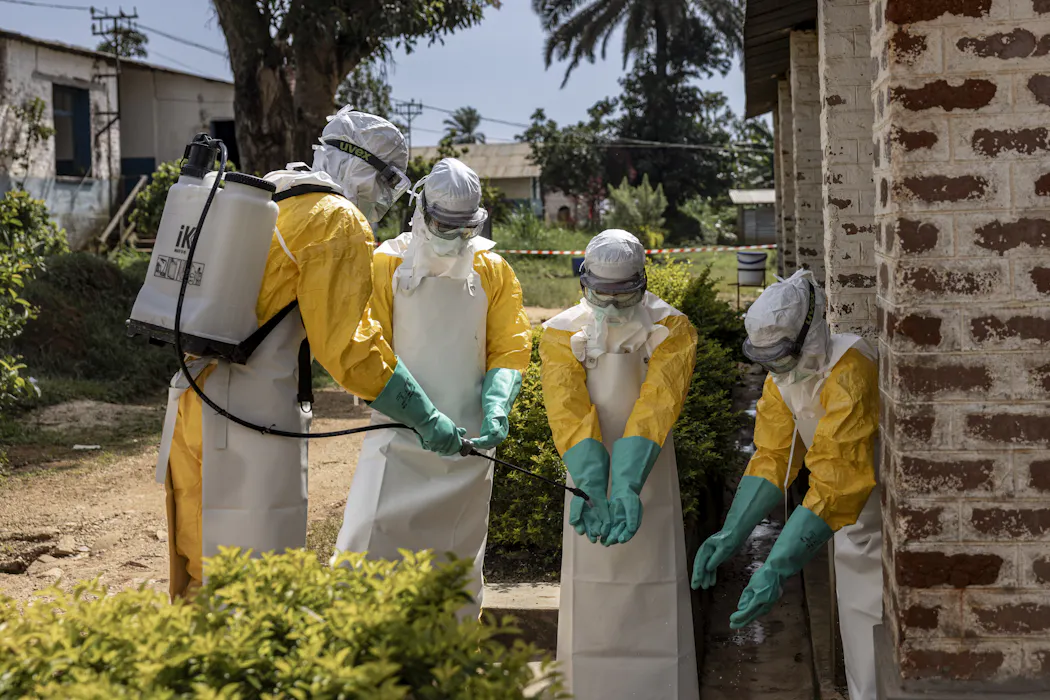
The Democratic Republic of Congo is scaling up health operations to contain the Ebola epidemic. Michel Lunanga/Getty Images

As public health workers in the Democratic Republic of Congo work to rein in a growing outbreak of a rare Ebola virus, other countries are establishing protocols for keeping their own populations safe.

As of May 27, 2026, Congo has reported more than 1,000 suspected and confirmed cases, and more than 250 deaths, according to the U.S. Centers for Disease Control and Prevention. Neighboring Uganda has also reported seven cases and one death. Several Americans who were in the region have been exposed.

Measures such as screening incoming travelers and isolating those who have been exposed, announced by the U.S., Canada and other countries, are scientifically proven ways to effectively address outbreaks.

But recent decisions by two countries stand out because they are not supported by epidemiological evidence – and because they reflect a surprisingly similar way of thinking about outbreak control: On May 27, Uganda closed its border with Congo. Only a narrow set of exceptions apply, mostly for emergency aid workers, and those who cross the border will be subject to health screening and supervised isolation. The following day, the United States announced plans to send exposed Americans from affected countries to a quarantine facility in Kenya, a country with no Ebola cases – though as of May 29, a Kenyan court has blocked the move.

Uganda closed its border with Congo to prevent the spread of Ebola, but public health history suggests this is not a great idea.

These are very different policies, but both rely on a common assumption: that creating geographic distance from a threat provides protection. However, surveillance, isolation and response capacity are often more important. And both the Ugandan and U.S. moves have drawn criticism from public health and medical experts who argue that managing outbreaks depends more on detection and monitoring than distance alone.

And both decisions emerge from a long-running debate in public health: whether controlling where people are located is more effective than investing in the systems that identify, monitor and treat disease.

As an epidemiologist studying infectious disease outbreaks, I think a look at the history of border restrictions and closures during epidemics helps explain why scientific consensus usually recommends against them.

Land borders are challenging to ‘close’

The instinct to seal borders during outbreaks goes back centuries. Venice’s 14th-century “quarantino” was one of the earliest organized attempts by a state to regulate movement in the name of collective health. It worked because the unit of control was a ship: a discrete location that could be anchored offshore for a period of time.

A land border is a fundamentally different problem. As trade networks crossed continents, epidemic control encountered something maritime quarantine never had to solve. You cannot easily anchor people at a land border.

By the 19th century, repeated cholera outbreaks had made the problem international. European powers responded with waves of uncoordinated border closures and trade restrictions that caused enormous economic damage without reliably stopping transmission.

A four-panel etching from 1833 showing people trying to disembark from a boat and go ashore.
Sealing a border is easier when people arrive by sea than by land. Wikimedia Commons

In 1874, governments from around the world met in Vienna for the Fourth International Sanitary Conference to address a problem that sounds remarkably modern: how to control infectious diseases crossing borders without crippling trade and travel. Delegates explicitly rejected border closures and land quarantine as “unworkable and consequently useless.”

The modern descendant of those 19th-century conferences is a set of global laws called the International Health Regulations. Their core purpose is straightforward: Make it safe for countries to report outbreaks honestly, without fear that doing so will trigger economic punishment or travel bans.

Incentive problem at the heart of global health

The entire modern global health surveillance system rests on a single premise: Countries need to report outbreaks quickly, without fear of automatic economic punishment for doing so. If declaring an outbreak triggers immediate border closures and travel bans, governments have a powerful incentive to delay reporting.

This concern is not hypothetical. During the first SARS outbreak in 2003, China’s delays in official reporting, driven in part by concern about economic fallout, contributed directly to the global spread of the disease. This prompted the World Health Organization to publicly accuse a member state of placing the world at risk. The International Health Regulations were most recently revised in 2005 in direct response to that failure.

When the WHO declared the current Ebola outbreak a public health emergency of international concern on May 17, it explicitly warned against border closures and travel restrictions, saying that these moves “have no basis in science.” That’s because such actions push movement to informal border crossings that are not monitored and “can also compromise local economies and negatively affect response operations from a security and logistics perspective.”

For example, a mother trying to get a sick child to a clinic just across the border may not stop because the formal crossing is shut. The Uganda-Congo border is several hundred miles long and crossed by numerous footpaths beyond formal border posts, which many people use daily to visit family or to trade.

The public health system loses the ability to test, isolate or trace those interactions. This matters especially for Ebola, which transmits only after symptoms begin – meaning a person who can actually spread the virus is already identifiable through symptom screening, making case detection and isolation far more effective than geographic restriction.

U.S. plans to establish quarantine facilities in Kenya for Americans exposed to Ebola have drawn strong pushback.

The U.S. decision to send exposed Americans to a quarantine facility in Kenya reflects a related instinct – to keep the virus off native soil. But exposure has already occurred, so the public health question is no longer how to prevent entry but how to monitor potentially exposed people safely and effectively. The plan is particularly controversial because it would transfer potentially exposed individuals to a country with no Ebola cases of its own, despite the U.S. already possessing specialized facilities designed for exactly this purpose.

The Infectious Diseases Society of America criticized the plan, noting that the United States has already invested heavily in specialized Ebola treatment centers specifically designed to care for patients with highly dangerous infectious diseases. It warned that building and staffing a new unit in Kenya during an active outbreak raises questions about resources, timing and quality of care.

Border restrictions do not work alone

Some countries did use border closures effectively during COVID-19 – New Zealand, Australia and Taiwan sharply restricted international travel while pairing those measures with intensive testing, quarantine and contact tracing. But specific circumstances made those cases work: restrictions before the virus began spreading widely in the community, island geography that naturally limited informal crossings, and aggressive internal measures running in parallel.

Remove any of those elements and the effectiveness drops sharply. In these examples, the act of closing the border did not work alone. It bought time for setting up the infrastructure for testing and contact tracing.

These circumstances don’t apply to Uganda’s border closing. Researchers estimate the virus had been transmitting for approximately six weeks, and Uganda already has seven confirmed cases. A closure here is not a moat.

Governments face real pressure to act visibly during outbreaks, and border restrictions are easier to communicate to a worried public than investments in surveillance infrastructure. Those incentives are understandable.

But history suggests that outbreaks are controlled less by where people are located than by whether governments can identify cases quickly, trace contacts, isolate infections and maintain public trust. In other words, borders alone do not stop outbreaks. The real work happens inside them.

The Conversation

Katrine L. Wallace does not work for, consult, own shares in or receive funding from any company or organization that would benefit from this article, and has disclosed no relevant affiliations beyond their academic appointment.

  •  

Dark patterns on the web are designed to manipulate you – why aren’t they all illegal?

Website designs that try to change your behavior cross a line when they outright deceive. Fizkes/iStock via Getty Images

You open a free app to do one simple thing. Before you even start, a full-screen message asks whether you want to try the paid version. The “Start free trial” button is large, bright and hard to miss. The option to keep using the free version is smaller, buried at the bottom. The same prompt appears again tomorrow. And the day after that.

A lot of people look at screens like that and think, “Surely this has to be illegal.” We even have a name for them, “dark patterns.” They feel pushy. They waste time. They seem designed to wear you down. But in most cases, they are perfectly lawful.

“Dark pattern” is not a legal term with a clear boundary. It is a broad label for digital designs that nudge, pressure, confuse or trap users. As a legal scholar who studies consumer protection and digital design, I think the most important thing for readers to understand is that the label “dark pattern” covers a broad spectrum.

Some of that spectrum is just annoying. Some of it is aggressive salesmanship. And some of it crosses the line into deception or coercion. Federal and state consumer protection laws are mostly aimed at that last category. They do not ban every design choice people dislike, only those that trick or coerce.

Annoying isn’t illegal

smartphone screenshot of images of a well-dressed young man
The ‘X’ in the upper right corner of this ad, for users to click to dismiss the ad, appears after the ad has been displayed for a moment. The ad also has an ‘X’ in the upper left corner, which is part of the image in the ad. Some users might click the ‘X’ on the left to dismiss the ad but instead be sent to the ad’s website. Possibly annoying but not illegal. Screen capture by Gregory Dickinson

That reality may sound unsatisfying, but it is not unusual. Offline life is full of things that are irritating but not unlawful. Think of the cashier who asks whether you want to sign up for the store credit card, then points out the discount you are turning down, then asks again. Most people know exactly what is happening. They roll their eyes, say no and try to shop somewhere else next time.

The same is true online. A repeated pop-up can be obnoxious. A guilt-inducing button can be tacky. But consumers recognize ordinary annoyance for what it is. In many cases, the market answer is simple: Close the app, ignore the pitch or take your business elsewhere.

Similarly, law does not ban persuasive sales pitches just because they are effective. A car salesperson who keeps steering you toward the upgraded model is trying to influence your choice. So is the airline clerk who offers travel insurance. So is the restaurant server who asks whether you want dessert. Salesmanship is nothing new. Digital design often borrows from familiar techniques.

That helps explain why lawmakers cannot simply outlaw “manipulation.” And so many interfaces are built to persuade, openly and lawfully.

What crosses the line

What the federal FTC Act and analogous state consumer-deception statutes usually care about is not whether a design is annoying. They focus on whether the design is likely to mislead a reasonable consumer. That is the core idea in modern consumer protection law.

So a design is likelier to be unlawful when it hides key facts, makes an optional choice look mandatory or tricks people about the effect of the button they are pressing. A fake countdown timer, a disguised ad, a misleading one-click purchase button or a cancellation path that looks finished when it is not are all different from ordinary hard selling. Those designs do not just pressure users; they can deceive them.

That is also why the app maker’s intent is not always the key question. In many consumer protection cases, a company does not get a free pass just because no one said, “Let’s trick people.” The legal question is often about effect: What would a reasonable user likely understand from this screen?

Research on dark patterns reinforces that concern. Even relatively mild designs can push people into choices they would not otherwise make. And regulators have increasingly focused on subscription flows, hidden fees and cancellation obstacles for exactly that reason.

image of a website form with a pop-up box in front of it
The instructions for this web form and the pop-up box that appears when users click ‘Continue’ indicate that the form has required fields. The form uses the word ‘mandatory,’ which could lead some users to believe that the form itself is required in order to continue when it is instead optional. Possibly annoying but not illegal. Screen capture by Gregory Dickinson

Why it feels like dark patterns are everywhere

One reason people might think there are no laws against dark patterns is that they see them so often. But that frequency reflects that the term covers a wide range of conduct, from lawful nagging to outright deception.

It also reflects enforcement limits. Regulators cannot chase every irritating screen on every app and website. They have to prioritize the worst cases. That leaves a lot of borderline conduct in the wild, which makes the whole problem feel bigger and murkier to ordinary users.

So when people ask why there is not a law against dark patterns, the best answer is that there already is, but the law does not prohibit every annoying or high-pressure design. It targets lies, misleading cues and coercive obstacles.

That line can be fuzzy. But the fuzziness is not a mistake. It is what you get when the law tries to separate persuasion from deception in a world full of both.

The Conversation

Gregory M. Dickinson does not work for, consult, own shares in or receive funding from any company or organization that would benefit from this article, and has disclosed no relevant affiliations beyond their academic appointment.

  •  

Who are hospital ethics consultants, and why should you care?

End-of-life decisions can be complicated, and ethics consultants may help families and care teams navigate them. LPETTET/E+/Getty Images

Imagine the following scenarios:

A surgeon prepares to amputate a patient’s foot to save his life, but the patient refuses the procedure. His decline in thinking and memory raises doubts about his ability to consent, and he has no family or friends to help with the decision.

A 17-year-old declines a liver transplant, while her mother insists on going forward with the lifesaving surgery.

Siblings stand divided at the bedside of their 85-year-old mother with dementia, one rejecting a feeding tube, the other calling it a basic human necessity.

I am a hospital ethics consultant, and these are the kinds of situations my colleagues and I regularly encounter. Yet many people are unaware that hospital ethics consultants even exist – or that they can ask for one.

Who are hospital ethics consultants?

Healthcare ethics consultants are trained to help patients, families and clinicians navigate difficult medical decisions.

They could be called in situations where healthcare staff struggles with providing procedures such as cardiac resuscitation that are unlikely to benefit the patient and might even cause more pain and suffering. They could also be called when it is unclear who has authority to consent for a patient’s care, or when end-of-life decisions are complicated and resources are limited – such as ICU beds and ventilators during COVID-19.

Ethics consultants come from a range of disciplines: physicians, nurses, social workers, chaplains, lawyers and philosophers who have specialized training and experience in clinical ethics. Since 2018, ethics consultants are increasingly pursuing formal certification through the American Society for Bioethics and Humanities.

What is their origin?

The modern field of bioethics emerged from the 1947 Nuremberg Doctors’ Trial, where Nazi physicians were prosecuted for conducting brutal medical experiments on imprisoned people.

This led to the 1947 framework outlining ethically acceptable human research called the Nuremberg Code, written by a panel of American judges. The 1979 Ethical Principles and Guidelines for Protections of Human Subjects of Research, called the Belmont Report, followed the Nuremberg Code. The Belmont Report turned the ethical ideals of respect for persons, beneficence – to do good – and justice into a regulatory framework to protect vulnerable and marginalized medical research participants in the U.S.

In the 1980s, many of these ethics protections moved from the research lab to the patient bedside. During this time, lifesaving technologies such as the ventilator, dialysis machine and organ transplantation created new, difficult ethical questions: When should life support end? Who decides? And what happens when there aren’t enough resources?

A series of court cases and laws expanded patients’ rights, with the Patient Self-Determination Act, a 1990 law which upheld patient rights to refuse or accept medical treatment, marking the key turning point.

A ventilator connected to a patient shows vital readings on a blue screen in a hospital room.
Lifesaving technologies have revolutionized medicine, but they also raise ethical questions about who receives care when resources are scarce. Jackyenjoyphotography/Moment via Getty Images

High-profile court cases exposed the ethical dilemmas around end-of-life care and patient self-determination. The 1976 case, In re Quinlan, involved Karen Ann Quinlan, a young woman in a persistent vegetative state whose family sought permission from the court to withdraw her ventilator.

Following In re Quinlan was the 1990 case, Cruzan v. Director, Missouri Department of Health, which affirmed that adults have the right to refuse life-sustaining treatment.

Both cases became touchstones for how ethics consultants and care teams navigate the life‑and‑death decisions that have become routine in an era of life‑sustaining technology.

Today, most hospitals have some formal process for addressing ethical concerns in patient care.

What do ethics consultants actually do?

A member of the healthcare team usually requests an ethics consult when they face conflict or uncertainty about the care of a patient. Patients and families can also request an ethics consultation, but in reality, few know this option exists or feel empowered to use it.

The ethics consultant’s first task is to gather as much information as possible from everyone involved to understand the full context of the case. Importantly, ethics consultants do not make treatment decisions; they assist the people who do.

Imagine a loved one with advanced dementia who is in the intensive care unit with respiratory failure and is on a ventilator. The physician believes further treatment will prolong suffering; the family is not willing to let him go.

An ethics consultant would be called by the family or healthcare team to slow things down, provide space to reflect, and help navigate the situation. The ethics consultant will often meet with everyone involved to ensure that all voices are heard and that the patient’s wishes remain central to the discussion.

As part of the ethics review, the ethics consultant would draw on their knowledge of policies, laws and ethical precedent about withdrawing life-sustaining treatment to provide some guardrails for the situation. In this case, a legal guardrail might be that the physician cannot remove the ventilator without the family’s consent.

Rather than making a decision, the ethics consultant would then outline the ethical options available from which the patient, family, and healthcare team can choose.

Why are ethics consultants a valuable resource?

Ethics consultants are trained to help people work through not just the medical facts, but the deeply human questions beneath them: What counts as an acceptable quality of life? How do we weigh hope against suffering? How can we know what a patient would want if they cannot speak for themselves?

In these moments, decisions can feel urgent and heavy, and communication can easily break down. Ethics consultants don’t take decisions away from patients or families, and they don’t replace the role of clinicians. Instead, they help ensure that everyone understands the situation, that different perspectives are heard and that the conversation stays grounded in the values and goals of the patient.

They also bring something that families often don’t realize they need until tensions rise: a calm, measured presence. By clarifying misunderstandings, naming sources of conflict and guiding difficult conversations, they help families and care teams find a way forward together.

The choices may still be painful – and there may be no perfect answer – but with the right support, those decisions can feel more thoughtful, more shared and more aligned with what matters most.

The Conversation

Jennifer McCurdy does not work for, consult, own shares in or receive funding from any company or organization that would benefit from this article, and has disclosed no relevant affiliations beyond their academic appointment.

  •  

Chief Purpose Officers: A leadership solution or another management fad?

Chief Purpose Officers: Do firms really need them? For decades, the shareholder primacy model dominated corporate strategy, often displacing explicit discussions of broader organizational purpose. Today, in a world shaped by AI, economic uncertainty, and constant organizational change, many stakeholders want companies to stand for something more than short-term results. As a result, the term “purpose”, defined as the reason a firm exists in society, has become a powerful business buzzword, especially following the Business Roundtable’s 2019 statement on corporate purpose. However, the more companies talk about purpose, the fewer employees seem to believe them.

Research suggests corporate purpose may be “too good to be true”. Employees increasingly experience purpose rhetoric as vague, superficial, and disconnected from everyday work realities. Companies make ambitious promises about values and responsibility to connect with society, yet the day-to-day remains dominated by growth targets, efficiency pressures, and quarterly results.

Employees notice the gap between what organisations say and what they actually do.

The emergence of CPOs and the importance of being ‘purpose-driven’

This growing complexity has fostered a new executive role that has quietly emerged: the Chief Purpose Officer, or CPO.

Ubisoft, Virgin Atlantic, Cisco, Sephora, and KPMG, to name a few, have introduced purpose-focused leadership roles in recent years.

Their task is simple in theory but difficult in practice: making sure a company’s stated purpose influences real decisions. Rather than competing with financial goals, CPOs help clarify how purpose and performance can be aligned, especially when leaders face difficult trade-offs about growth, stakeholders, and long-term responsibility.

Our recent study of 44 Chief Purpose Officers across industries such as gaming, travel, and beauty found that these executives work at the intersection of strategy, culture, and ethics to transform their organisations into more purpose-driven entities.

They help by connecting lofty purpose statements to the reality of organisational life.

In practice, this means asking difficult questions during leadership meetings:

  • Does a business decision align with the company’s long-term direction and with its purpose?
  • When does growth undermine the organisation’s purpose?
  • How does the company create value for society? And where its activities cause harm, what changes are needed to transform the business?

Some CPOs redesign hiring and reward systems so employees are evaluated partly on their contributions to strengthening the organisation’s purpose. Others develop “purpose metrics” that executives discuss alongside financial performance.

Some examples are surprisingly concrete. One executive told us their company had ended relationships with clients whose practices conflicted with its values. Another described leadership meetings where executives openly discussed their emotional reactions to climate-related events. Some make purpose visible in simple, tangible ways. One CPO, for example, created a “light bulb wall”: each time an employee acts in a way that brings the organisation’s purpose to life, a new bulb is switched on. Over time, the wall becomes a visible reminder that purpose is enacted through everyday decisions and small, repeated actions.

At first glance, CPOs’ practices may appear unusual. In reality, they reflect a deeper transformation in management itself, trying to integrate moral and emotional considerations into strategic decision-making.

CPOs set out to reshape how organisations think about their societal role. They foster emotional engagement around shared values. They build relationships across stakeholders and departments. And they embed purpose into tangible structures such as incentives, metrics, and governance systems. In short, they attempt to transform abstract ideals into operational reality.

Can CPOs really make a difference?

The big question is whether companies need a dedicated executive for this work. While the role may overlap with functions such as HR, CPOs add value by linking purpose to long-term strategy and governance. As purpose is not static, CPOs support purpose evolution. They ensure that decisions reflect the organization’s responsibilities toward employees, customers, and communities, turning purpose into a practical guide for business.

Critics argue that Chief Purpose Officers risk becoming symbolic figures with little real influence. If one executive champions purpose while finance and operations teams control the actual decisions, nothing changes.

As a result, in some organisations, the role can become a form of corporate theatre: a visible commitment to values without meaningful structural reform. And lastly, purpose is also difficult to measure. Unlike sales or profits, its impact is harder to quantify. That makes it easy for sceptics to dismiss the role as another management fad.

Our research suggests that CPOs only make a difference under certain conditions.

  1. The organisation must genuinely use purpose as a decision-making filter and link purpose with strategy.

  2. The CPO must have both legitimacy and authority. They must report directly to the CEO and participate in strategic meetings.

  3. Leadership must visibly model purpose, especially when it conflicts with short-term profit. If the CEO abandons purpose when it becomes inconvenient, the entire effort collapses into theatre.

When these conditions are present, organisations can change in tangible ways. Hiring practices evolve. Supplier relationships shift. Incentive systems are redesigned. Purpose begins to shape everyday decisions and becomes strategically relevant.

So, do firms need Chief Purpose Officers? Increasingly, yes.

In a business world marked by technological disruption, social pressure, and growing distrust of corporate rhetoric, firms face pressure from all directions at once. They must remain profitable, innovate quickly, attract talent, respond to social expectations, and adapt to technological change. Purpose does not replace these goals. It helps connect them.

This is where Chief Purpose Officers can make a difference.

Their role is about helping organisations clarify what they stand for when facing difficult trade-offs and competing priorities.

CPOs cannot solve these tensions alone. But they can help organisations turn purpose from a marketing message into a tangible, organisational reality that can be experienced in the workplace.

Why Europe needs CPOs

Society is raising the bar for responsible business. The European Union’s Corporate and Sustainability Reporting Directive and Green Deal now require large firms to align finance and operations with stated sustainability commitments and report on their impact. Yet compliance alone does not create purpose.

A company may report strong environmental performance while still lacking a clear reason for existing beyond shareholder returns. A Chief Purpose Officer is one emerging and fragile answer that helps close this gap by ensuring that a company’s purpose genuinely shapes financial and operational decisions, driving the transformation of European businesses toward more responsible and sustainable models.

Ones to watch

List of top executive appointments dedicated to upholding best practices:

  • Richard Boele, Chief Purpose Officer, KPMG Australia
  • Alexandra Michat, Chief Purpose Officer, Exo Travel
  • Simon Cheetham, Chief Purpose Officer, Andrew Property & Purpose
  • Priya Srinivasan, Chief People and Purpose Officer, Coty
  • Laura Dunne, Chief Purpose and Proposition Officer, Lincolnshire Co-op
  • Caroline Jeanteur, Chief Purpose Officer, Ubisoft.

Paradoxically, several CPOs in our study suggested that their ultimate success would be to make the position less necessary over time by embedding purpose into the organisations systems, routines, and decision-making processes.

Yet the very emergence of the Chief Purpose Officer points to a broader shift in modern capitalism: companies are increasingly expected to demonstrate how their purpose shapes how they create value, govern themselves, and respond to society’s demands.


The full research on how to implement purpose in organisations is available in “Dynamic Strategifying: How do Chief Purpose Officers make purpose strategic and strategy purposeful?”, published in Long Range Planning (2025), and “Too good to be true? The ambivalent consequences and managerial challenges of purpose implementation,” in European Management Review (2026).


A weekly e-mail in English featuring expertise from scholars and researchers. It provides an introduction to the diversity of research coming out of the continent and considers some of the key issues facing European countries. Get the newsletter!


The Conversation

Les auteurs ne travaillent pas, ne conseillent pas, ne possèdent pas de parts, ne reçoivent pas de fonds d'une organisation qui pourrait tirer profit de cet article, et n'ont déclaré aucune autre affiliation que leur organisme de recherche.

  •  

We tested the new World Cup ball – this is what you need to know about how it will fly, dip and swerve

Small variations in the ball can influence how it behaves once it leaves the foot. Robbie Jay Barratt/AMA/Getty Images

Every four years, the men’s World Cup delivers some certainties. The pitch dimensions are tightly regulated, offside is signaled with a flag, and referees end the match with a blast of a whistle. But one key piece of equipment is changed on purpose: the ball.

Adidas, which has supplied World Cup soccer balls since 1970, introduces a new match ball for every tournament, and with that comes fresh aerodynamic calculations for players. How will it fly through the air, weave and dip?

For the past 20 years, my engineering colleagues in Japan and England and I have put the new balls through their paces, investigating soccer ball aerodynamics. Our work begins by putting balls in wind tunnels to measure drag, side and lift forces. We use the measurements from these tests in trajectory simulations that tell us how the ball will behave in a real-game setting.

Putting the 2026 World Cup ball through the wind tunnel test.

That may all sound a little academic, and we do produce an academic paper on our findings. But what our data indicates could mean the difference between a goal or a miss for strikers, a save or a blunder for goalkeepers, and jubilation or heartache for fans.

At the World Cup, the ball is the most important piece of equipment in the biggest tournament of the world’s most popular sport.

This year’s ball, the Trionda, is especially interesting. When FIFA and Adidas unveiled it in fall 2025, the first thing many people noticed was the color and the paneling.

An orange ball and a black and white ball are under a trophy.
Earlier World Cup balls used many panels; modern balls use far fewer. Manfred Rehm/picture alliance via Getty Images

The ball’s red, blue and green graphics correspond to the three host countries, with maple leaf, star and eagle motifs representing Canada, the United States and Mexico. And for the first time in men’s World Cup history, matches will be played with a four-panel ball.

But with so few panels, has Adidas made the ball too smooth? That is the trap engineers fell into with the Jabulani ball used at the 2010 World Cup in South Africa that became notorious for sudden dips and swerves, which made goalkeepers’ lives far trickier.

You do not want the World Cup ball to feel like the start of a science experiment once it is in the air. And if it behaves strangely, players and goalkeepers notice immediately.

The evolution of soccer balls

World Cup balls have come a long way over the decades. If you go back to 1930, the ball looked very different. The first World Cup final used two different leather balls: Argentina’s Tiento in the first half and Uruguay’s T-Model in the second. Both were hand-sewn, multipaneled balls, inflated through a bladder opening that had to be tied off and tucked back beneath the laces. In damp conditions, the leather absorbed water, making the ball heavier and less predictable in play.

A ball nestles in the top of a goal.
Uruguayan keeper Enrique Ballestrero fails to save a shot from Argentina’s Carlos Peucelle in the final of the first World Cup. Keystone/Getty Images

By 1994 – when the United States last hosted the men’s tournament – the official ball, Adidas’ Questra, had evolved into a foam-based design. The modern World Cup ball is no longer just stitched leather. It is an engineered aerodynamic surface.

Trionda pushes that evolution further. It has only four panels, the fewest in men’s World Cup history, which have been thermally bonded – melded together using heat and adhesive.

Fewer panels might suggest less total seam length and therefore a smoother ball. And smoothness matters because the thin boundary layer of air clinging to the ball determines where the flow separates, how large a wake forms, and how much drag the ball experiences.

The Trionda has intentionally deep seams, three pronounced grooves on each panel and fine surface texturing.

But will these textures and grooves do the trick? To find that out, my colleagues and I measured the ball’s seam geometry and overall aerodynamic behavior. We compared it with Trionda’s four predecessors: 2022’s Al Rihla, 2018’s Telstar 18, the Brazuca used in 2014 and the Jabulani in 2010.

What the measurements show

In our wind tunnel tests at the University of Tsukuba, we measured something called the drag coefficient, which is a way of describing how much air resistance a ball experiences as it moves.

Using this data, we gained insights into how the airflow changes around the ball after it is kicked. The tests helped identify the drag crisis, the speed range in which changes in the boundary layer and flow separation produce a sharp change in drag, which can alter the ball’s acceleration, trajectory and range.

A ball is seen suspended.
The Trionda soccer ball prepares for the wind tunnel. Goff/Hong/Liu/Asai

We found that the Trionda is effectively rougher than those predecessors.

Trionda reaches its drag crisis at a lower speed, at about 27 mph (43 kph). That is below the roughly 31-40 mph (50-65 kph) range for Al Rihla, Telstar 18 and Brazuca, and far below Jabulani’s roughly 49-60 mph (79-97 kph) range, depending on orientation.

Why does all that matter? Because a ball can feel ordinary off the boot and still behave differently in flight. When the drag crisis occurs in the middle of game-relevant speeds, small changes in launch speed, orientation or spin can shift the ball from one aerodynamic regime to another.

That was Jabulani’s problem. Once kicked with little spin, it had a tendency to slow down too much as it passed through its critical-speed range.

Trionda does not look like that kind of ball. It has a more steady and consistent drag coefficient in the range of speeds associated with corner kicks and free kicks.

But there is a trade-off. Our measurements also showed that once Trionda enters the higher-speed, turbulent-flow regime, its drag coefficients are somewhat larger than those of Brazuca, Telstar 18 and Al Rihla.

In plain language, that suggests a hard-hit long ball may lose a little range.

In our simulations, the difference is not huge. But it is large enough that players may notice long kicks coming up a few meters short.

It is also important to note that we tested a nonspinning ball. As such, our results do not provide a prediction of every pass, clearance or free kick fans will see this summer. Balls in flight often spin due to off-center kicks. That, along with altitude, humidity, temperature and air pressure all influence how a ball flies through the air once kicked.

A ball mounted on a rod.
Close-up of the Trionda ball during wind tunnel testing. Goff/Hong/Liu/Asai

The big test yet to come

Fewer panels and more texturing aren’t the only differences with the new ball.

Trionda also carries technology that has little to do with its flight and a great deal to do with officiating. Like Al Rihla, Trionda includes “connected-ball technology” that lets computers know when the ball is kicked, helping with offside decisions.

But the architecture has changed. In 2022, the measurement unit was suspended at the center of the ball. With Trionda, it sits in a specially created layer inside one panel, with counterbalancing weights in the other three panels. The chip sends data to the video assistant referee, or VAR, system and the tournament’s semi-automated offside system.

That tweak will help referees, but will the new ball in general help or hinder players?

The evidence from our tests suggests that the ball won’t be behaving in a way that leads to baffling and erratic flight.

But the more intriguing possibilities are subtler and outside the scope of our tests. Will the grooves on Trionda help players generate more backspin on the ball, generating more lift and possibly offsetting Trionda’s somewhat larger high-speed drag coefficient?

That is why I keep studying World Cup balls both in the lab and through their behavior in play. Every four years, a new design offers a fresh way to watch physics enter the game, not in theory, but in the movement of an object in which every player on the soccer field must place their trust.

The Conversation

John Eric Goff currently works as a visitor in the Department of Physics at the University of Puget Sound in Tacoma, Washington. Following the conclusion on 30 June of that one-year appointment, he will start on 1 July as Professor of Engineering Practice in the Weldon School of Biomedical Engineering and the School of Mechanical Engineering at Purdue University.

  •  

Detroit is spending millions on gunshot detection tech – is it an effective tool in the fight against violent crime?

Detroit Police Chief Todd Bettison says ShotSpotter helps officers do their job, but residents question the cost and transparency of the technology. City of Detroit

Detroit Police Chief Todd Bettison says alerts from ShotSpotter, a gun detection technology, help officers respond quickly to shootings.

“Without it, I wouldn’t have the closure rate [of resolved crimes] that I have and a lot of families wouldn’t have the justice they deserve,” he said in March 2026, according to BridgeDetroit, a nonprofit news service.

During a Detroit City Council committee meeting on May 18, 2026, police officials said ShotSpotter led to hundreds of search warrants and confiscated guns in 2025.

It’s not clear how many arrests resulted last year. Bettison has been quoted saying that ShotSpotter during the May 18 City Council meeting and 256 during a March 23 budget briefing. We reached out to the Detroit Police Department to clarify the number, but it didn’t respond by our deadline.

The department has requested a nine-month extension for ShotSpotter, which would cost the city an additional $US2.06 million, while it considers other vendors to provide gun detection technology, the Detroit News reported.

The system uses a network of acoustic sensors to detect, locate and alert police to shots fired. ShotSpotter is in use in more than 180 American cities, according to the company. The technology has been criticized for its high price tag, ineffectiveness in improving public safety and lack of transparency.

Detroit City Council first approved ShotSpotter in 2020, and the system became fully active in 2021. In 2022, City Council members narrowly approved, by a 5-4 vote, expanding the program to more neighborhoods. The technology now covers approximately 39 square miles (about 101 square kilometers), about a third of the city, and is deployed in the neighborhoods police say are most likely to experience gun violence. The contract that expires on June 30, 2026, cost $7 million over a four-year period.

Divya Ramjee and Tian An Wong are part of a team of researchers who studied the effectiveness of gunshot detection technology in Detroit during its first two years. The study is currently under peer review. They answered the following questions for The Conversation Detroit.

How did ShotSpotter affect calls to 911 to report gunshots?

Wong: Our research first looked at calls to 911 reporting gunshots before and after the first deployment of ShotSpotter in Detroit, covering February 2018 to November 2022. This data is available on Detroit’s Open Data Portal. In the areas of Detroit where ShotSpotter was implemented in 2021, calls to 911 to report gunshots initially dropped by 47%. This effect disappeared about after a year, however, and these calls returned to previous levels.

Our study does not cover the 2023 expansion of ShotSpotter in Detroit, though the data is currently available for those interested.

Although ShotSpotter alert time and location data is publicly available, the outcome of the police response to those alerts, is not and the DPD has never released data on the effectiveness of the technology during these first two years of use. To analyze outcomes, we made a Freedom of Information Act, or FOIA, request to the Detroit Police Department.

Did the technology affect officer response times or the rates of arrests for violent crime in Detroit?

Wong: By analyzing the FOIA data, we found that of the 5,853 ShotSpotter alerts from that first deployment, just two alerts, or 0.03%, resulted in at least one arrest. Additionally, 798 alerts, or 13.63%, resulted in at least one firearm recovered.

Those numbers are obviously low. However, we don’t believe that arrest rates should be used as a measure of ShotSpotter’s success. We need to understand the nature of those arrests and if they helped bring down gun-related incidents in the community.

We did not find any difference in officer response times. Some have argued that the alerts generate responses to events that would otherwise not have been reported due to lack of trust in law enforcement, but it is difficult to verify this claim.

These maps illustrate gunfire data and response times for 2019, two years before ShotSpotter was brought online. The Detroit Police Department likely relied on this data to decide where to use the technology first. Visualization used with permission of Michigan Advance, CC-BY-ND

I’d argue the request to renew ShotSpotter is not based on a rigorous review of the technology’s impact. In addition to ShotSpotter, Detroit also introduced a community violence intervention program in 2023 with a similar name – Shot Stoppers. That program determines grant renewals to participating community organizations based on a drop in homicides and nonfatal shootings in their geographic area.

But the reality is that homicides in Detroit hit a 60-year low in 2025, and nonfatal shootings are also significantly down. This tracks with nationwide crime trends. Our research tries to get at the role ShotSpotter played in this reduction, if any.

What do you make of Bettison’s statement that ShotSpotter alerts led to dozens or hundreds of arrests in 2025?

Wong: The arrest data that we obtained from the Detroit Police Department covers February 2018 to November 2022. Bettison is referring to a later time period – after the expansion of the coverage area – so his numbers don’t necessarily contradict ours. The only way to know for sure is to FOIA data for this most recent time period and fact-check what the chief is saying. This process is currently underway.

In the meantime, two arrests, as we found in the actual data we obtained from the police department, compared with 78 – or even 256, as Bettison as said – seems like a big jump, and more context is needed.

Is there any evidence that ShotSpotter saved lives of gunshot victims?

Ramjee: Evidence is inconclusive at best. Some research supports that the technology can potentially increase the likelihood of police transport of gunshot victims to hospitals and reduce EMS response times for victims, which could potentially improve survival outcomes. However, research hasn’t proved a corresponding reduction in mortality rates in areas where ShotSpotter has been deployed across the U.S.

Woman sits behind a computer.
Gabriela Santiago-Romero, center, represents the 6th district on Detroit City Council. The council member voted against ShotSpotter’s contract renewal in 2022 and continues to question the city’s investment in the technology. City of Detroit, Public Domain via Wikimedia Commons

How is ShotSpotter received in other U.S. cities?

Ramjee: There are continued issues with the accuracy of sensors, including false positives and missed gunshot detections, that complicate its practical effectiveness.

A piece of gun detection technology secured on a light pole
A ShotSpotter device attached to a light pole. Some cities in the U.S. have ended or declined to extend their ShotSpotter contracts. Jessica Rinaldi/The Boston Globe via Getty Images

The lack of evidence that ShotSpotter improves public safety, given its high cost, has prompted a number of communities to reassess its value. Chicago; San Antonio; Houston; Baton Rouge, Louisiana; Charlotte, North Carolina; and Portland, Oregon have either terminated existing agreements or indicated that they do not intend to renew them upon expiration.

In New York, the city comptroller indicated that available evidence from a June 2024 audit did not support continued investment in ShotSpotter. Nevertheless, the New York City Police Department opted to renew its contract for an additional three-year term, at a cost of approximately $21.8 million.

What happens to the data ShotSpotter collects? Specifically, does the city of Detroit own it, can researchers access it, and how does that compare to 911 data?

Ramjee: ShotSpotter data ise not broadly shared with the public. The company, which rebranded as SoundThinking, Inc. in 2023, considers the raw audio from sensors, the underlying algorithms and other system-generated data to be proprietary. SoundThinking states that the company only shares alerts, gunshot locations, timestamps and short, isolated audio clips with police agencies. Prosecutors, defense attorneys and courts may also access this incident data as part of criminal cases, depending on legal rules.

Cities and municipalities themselves do not necessarily obtain full ownership of ShotSpotter data even when data is shared with them. In most cases, contractual agreements dictate the access and use of incident data by the respective jurisdictions, and there are generally constraints on how they can store, analyze or publicly release the data.

For 911 call data in Detroit, access to the data depends on the level of detail required. The city’s Open Data Portal provides a large dataset of law enforcement-serviced 911 calls that includes time of incident, call type, response metrics and ShotSpotter-initiated 911 alerts, but it redacts information that exposes a person’s identity.

Obtaining the actual dispatch logs or the arrest outcomes from ShotSpotter alerts typically requires submitting a FOIA request. That process can be tedious, may involve delays due to issues with resources, outdated technology or flawed data reporting practices, and may ultimately result in partial data or data with redactions.

The Conversation

Tian An Wong received funding from the American Council of Learned Societies (ACLS).

Divya Ramjee is affiliated with the Center for Strategic and International Studies.

  •  

Why did ‘Tyrannosaurus rex’ have such short arms?

Teeth? Big. Arms? Not so much. William_Potter/iStock via Getty Images Plus

Curious Kids is a series for children of all ages. If you have a question you’d like an expert to answer, send it to CuriousKidsUS@theconversation.com.


What did the T. rex use its little arms for? – Aurora, age 11, Pemberton Township, New Jersey


One of the most famous dinosaurs to ever roam across Earth, Tyrannosaurus rex, has filled people’s minds with wonder since the first skeleton was discovered in the early 1900s.

Scientists believe T. rex, or King of the Tyrant Lizards, as its name translates, was a fearsome predator. An adult T. rex was massive in size – approximately 40 feet (12 meters) long and 20 feet (6 meters) tall, weighing as much as an African elephant. Each of its enormous sharp teeth could be near a foot (0.3 meters) in length from the root to the tip.

I’m a paleontologist, and I use fossils to study how animals lived and evolved over long periods of time. One of the coolest things about being a paleontologist is that there are always new questions to ask and new things to learn – even about a super-well-known dino like T.rex, which went extinct just over 65 million years ago.

One T. rex mystery has to do with this giant predator’s relatively tiny arms. Why would it have arms so short that it couldn’t even reach its own mouth? How did it use them?

How ‘short’ is short?

First, let’s define what we mean by “short.”

The biggest T. rex could measure 45 feet (14 meters) from the snout to the tip of the tail, but their arms were only about 3 feet (1 meter) long. On average, a T. rex’s arms were just about 30% of the length of its legs.

In comparison, humans have, on average, arms around 66% of the length of their legs. If people had the same arm proportions as a T.rex, a 6-foot (1.8 meters) tall person would have arms only 10 or 12 inches (25 to 30 centimeters) long!

T. rex isn’t the only dinosaur with such short arms. The evolutionary trend toward shorter arms in theropods – the larger group of meat-eating, two-legged dinosaurs that T. rex belongs to – happened multiple times. Similar to how wings separately evolved in different animals – like birds and bats – traits can emerge many times in evolutionary history.

You can see the shortening of T. rex arms as a pattern in its family tree, as earlier relatives had proportionally longer arms.

Lots of schoolchildren gathered around a T. rex skeleton on display in a museum
Fossil skeletons of Tyrannosaurus rex make clear that the dinosaur itself was very big, even if its arms were proportionally small. John Zich/AFP via Getty Images

How did they use their mini-arms?

Short arms don’t seem to have been a problem for these mighty dinosaurs. T. rex was a successful carnivorous species that existed for over a million years. They only went extinct when an asteroid hit the Earth, causing a global mass extinction.

Scientists have suggested a few ideas to possibly explain how T. rex used their arms. Maybe they were used as some kind of social display that could impress other T. rex – kind of like the bright feathers of a peacock that can attract potential mates.

But male and female T. rex skeletons don’t show the major differences that paleontologists would take as clues that they relied on social displays to attract mates. And while animal behavior can sometimes be preserved, such as in bite marks or fossilized footprints, it’s rare to have enough fossil data to draw clear conclusions.

Maybe T. rex used their arms as weapons to attack or hold down prey. But these options seem unlikely since T. rex’s huge jaws would have made contact with an enemy or prey before the short arms would have been able to reach it.

Some scientists have recently hypothesized that T. rex‘s short arms were an adaptation to competition with other carnivores. If multiple predators were feeding on a carcass, one could get hurt by accidental bites or even intentional warning bites for getting too close. Shorter arms would be less likely to get chomped. Similar things occur today with territorial carnivores, like Komodo dragons.

Two Tyrannosaurus dinosaurs face off over a downed prey carcass
Scientists have suggested that in a feeding frenzy, shorter arms would potentially be easier to keep out of the way of chomps from other T. rex. Mark Garlick/Science Photo Library via Getty Images

Maybe the arms didn’t have a purpose

Another possibility is that the arms served little or no purpose at all, so over time, they became vestigial. That’s the scientific term for body parts that don’t have clear purposes anymore, but are still passed down through evolution.

One example is a whale’s hindlimbs. Whales evolved from mammals that lived on land that had large legs to move around. The bones are still present in today’s whales, but have gotten much smaller over millions of years and have no function.

Some scientists have suggested a different idea: T. rex’s arms may have evolved to be smaller as another body part grew larger. The fossil record reveals that arms got shorter as theropod skulls got larger across many different dinosaur groups, including T. rex. Larger skulls likely would have made it easier to hunt and eat larger prey.

Researchers can use mathematical equations to accurately predict theropod arm length if they know the animal’s skull size and length of its upper leg bone, the femur. It turns out that larger skulls are strongly linked to shorter arms in theropods.

The reason for the change in arms, however, isn’t as clear. Some scientists have argued that the smaller arms could have helped with balance as the head got larger, but others aren’t so sure. In evolution, there isn’t always a reason why a change occurs – sometimes, changes just happen. In this case, we don’t yet know if there was a benefit for the arms to get smaller as heads got larger.

Artist's rendition of a T. rex in a misty forest.
However they got that way, small arms don’t seem to have been an issue for these big predators. Orla/iStock via Getty Images Plus

So for now, we don’t really know how T. rex used its arms or why they evolved to be so small, proportionally. As scientists find new data, we will continue to test hypotheses to better understand why this tiny-arm trend occurred so many times in theropod evolution. That’s what makes science so exciting – a future fossil discovery could be the missing puzzle piece that helps us answer these questions.

Sarah Sheffield describes – and her students act out – some of scientists’ hypotheses about T. rex arms.

Hello, curious kids! Do you have a question you’d like an expert to answer? Ask an adult to send your question to CuriousKidsUS@theconversation.com. Please tell us your name, age and the city where you live.

And since curiosity has no age limit – adults, let us know what you’re wondering, too. We won’t be able to answer every question, but we will do our best.

The Conversation

Sarah Sheffield does not work for, consult, own shares in or receive funding from any company or organization that would benefit from this article, and has disclosed no relevant affiliations beyond their academic appointment.

  •  
❌