Reading view

Venezuela’s longest-serving political prisoners released after 23 years behind bars

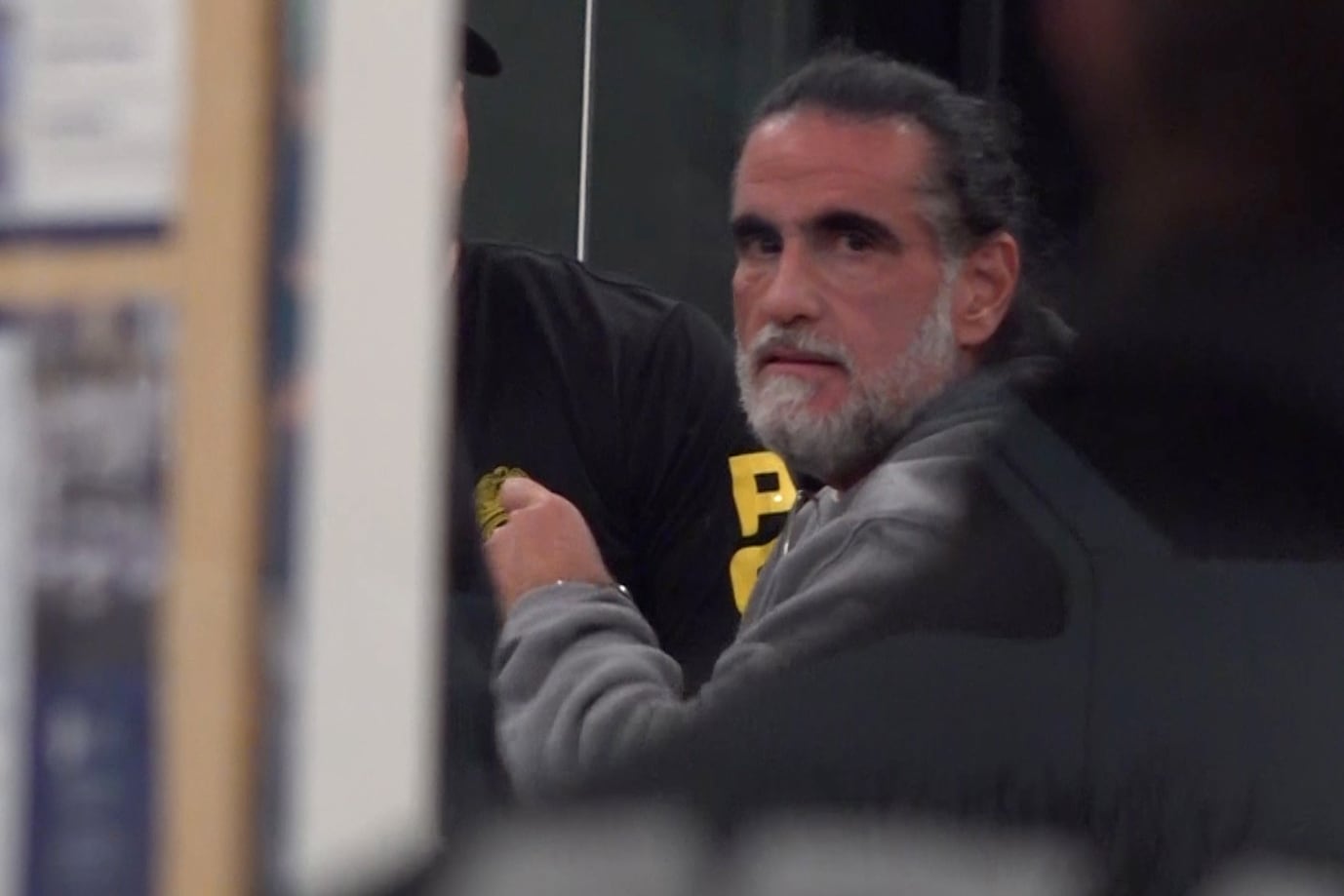
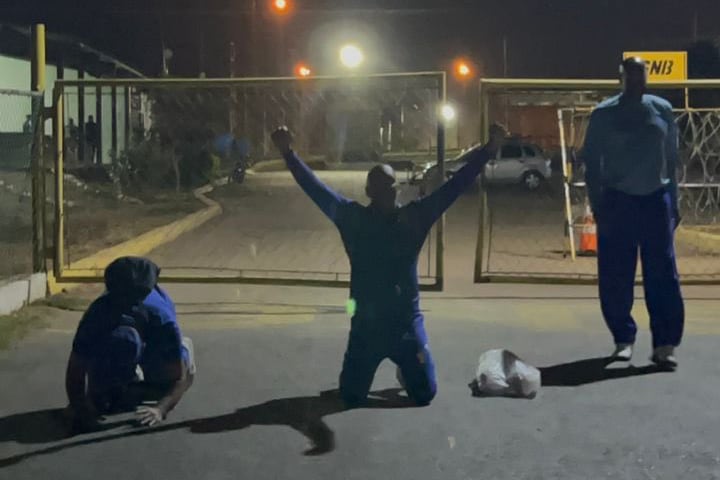
Héctor Rovaín was 34 when he went to prison and his parents were still alive. He left at 57 without having been able to bury them. Luis Molina left his daughter as a three‑year‑old and will now meet a married woman and a grandchild he has yet to know. Like the other two, Erasmo Bolívar spent 23 Christmases without embracing his family. All three were officers of the Metropolitan Police (PM), a force that operated in Caracas and which no longer exists. They were accused, without evidence, along with six other officers, of two of the 19 deaths that occurred on April 11, 2002, when an opposition‑called protest tried to reach the Miraflores presidential palace and demonstrators were repelled by gunfire. There remain doubts about where those bullets came from. That same day, Hugo Chávez was toppled in a coup d’état, though he returned to power 48 hours later.
Seguir leyendo

© Observatorio venezolano de prisiones
Luis Molina, Erasmo Bolívar, and Héctor Rovaín leaving prison on Wednesday.
  •  

Chavismo frees Samantha, the teenager jailed for being the sister of a military officer

Samantha Hernández Castillo was implicated in a plot to plant a bomb in Caracas that never detonated. When she was arrested last November, she was at her grandparents’ house and about to start her final year of high school. Samantha is 16 and the younger sister of First Lieutenant Christian Hernández, an exiled officer accused of military conspiracy. On Monday night, six months after her arrest, she was released from a juvenile detention center under precautionary measures; the restrictions she still faces remain unknown. She appears in a photo with a flat smile and an emoji sweater, embraced by her grandparents. But her family remains broken.

Seguir leyendo

© Ariana Cubillos (AP)

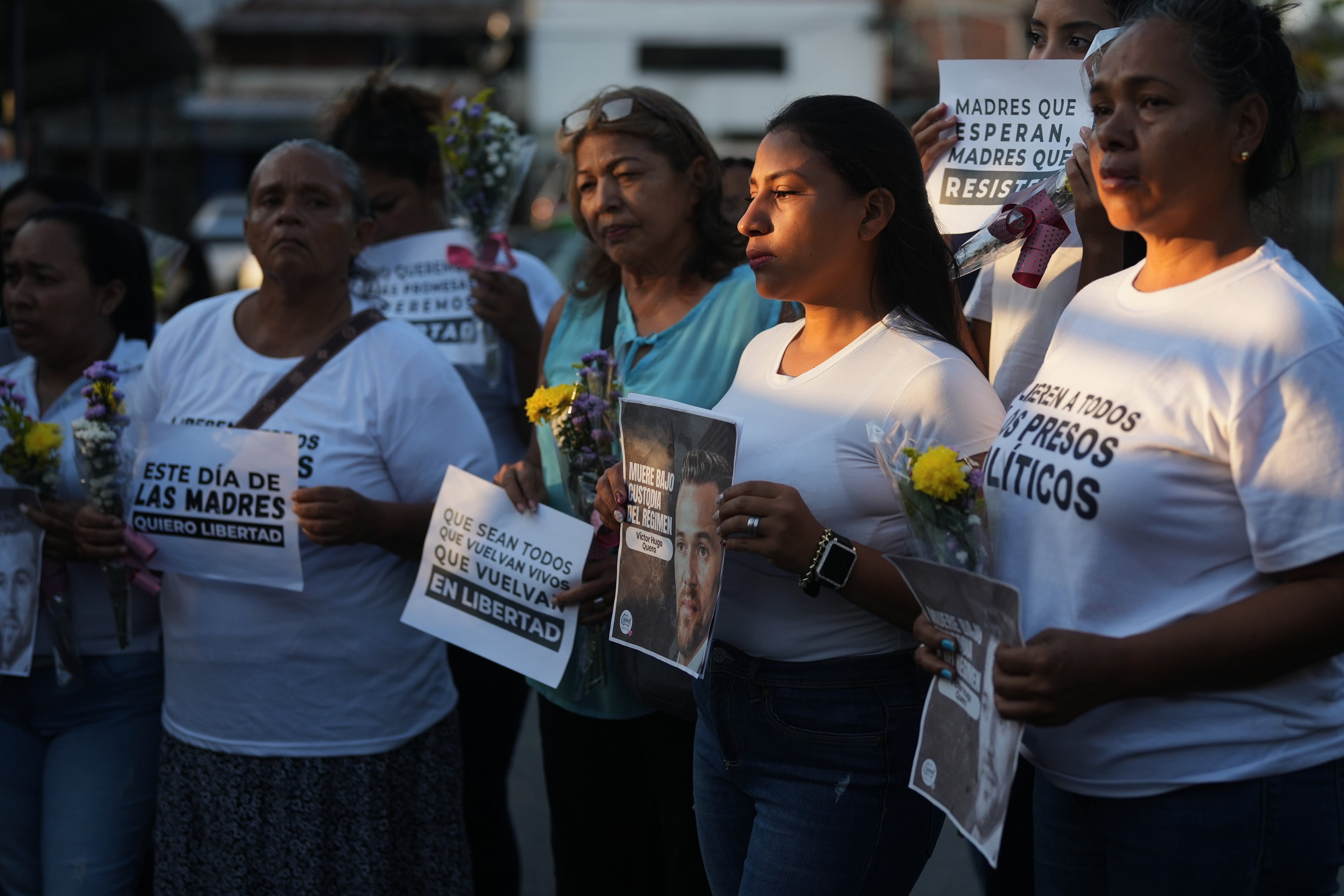
Relatives of political prisoners hold a vigil outside the Rodeo I prison, May 10.
  •  

Tareck El Aissami: The former Venezuelan power broker now turning against his own in court

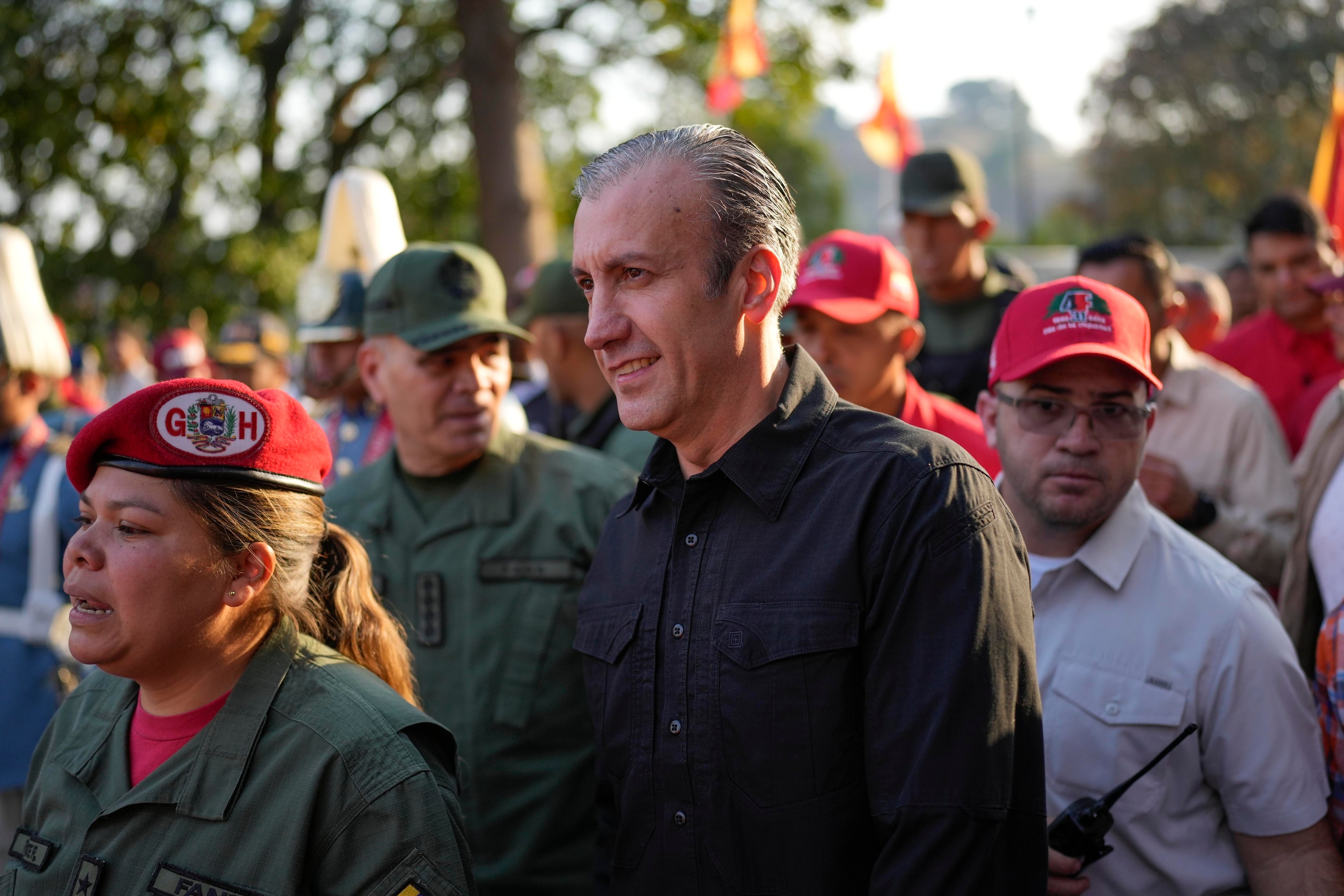
Less than a month ago, a trial began in Venezuela that once seemed impossible. Tareck El Aissami — just three years ago, the most powerful man in the Venezuelan regime, a former vice president, former oil minister, and an inseparable figure in the governments of Hugo Chávez and Nicolás Maduro — arrived at the first hearing in a wheelchair, visibly thinner, wearing the light‑blue prison uniform. He is the central figure in the largest corruption case opened in Venezuela in two decades: 64 defendants, billions of dollars missing, and a criminal system built from within the state to evade U.S. sanctions.

Seguir leyendo

© Matias Delacroix (AP)

Tareck El Aissami (center) in Venezuela, in March 2023.
  •  

Alex Saab’s latest downfall: Rescued by Maduro and handed over by Delcy Rodríguez

On December 20, 2023, Nicolás Maduro, cheerful and emotional, embraced Alex Saab in Miraflores and told him he had always known the day of his freedom would come. The Colombian businessman — accused of being Maduro’s front man and of playing a key role in the financial operations of Chavismo — had spent three years detained between Cape Verde and the United States. Today, the two men in that embrace are both imprisoned in jails in New York and Miami.

Seguir leyendo

© Anthoni Belchi (EFE)

Alex Saab, escorted by DEA agents, arrived at Opa-lock airport on Saturday.
  •  

Venezuela through the polls: Venezuelans trust Chevron more than their own president

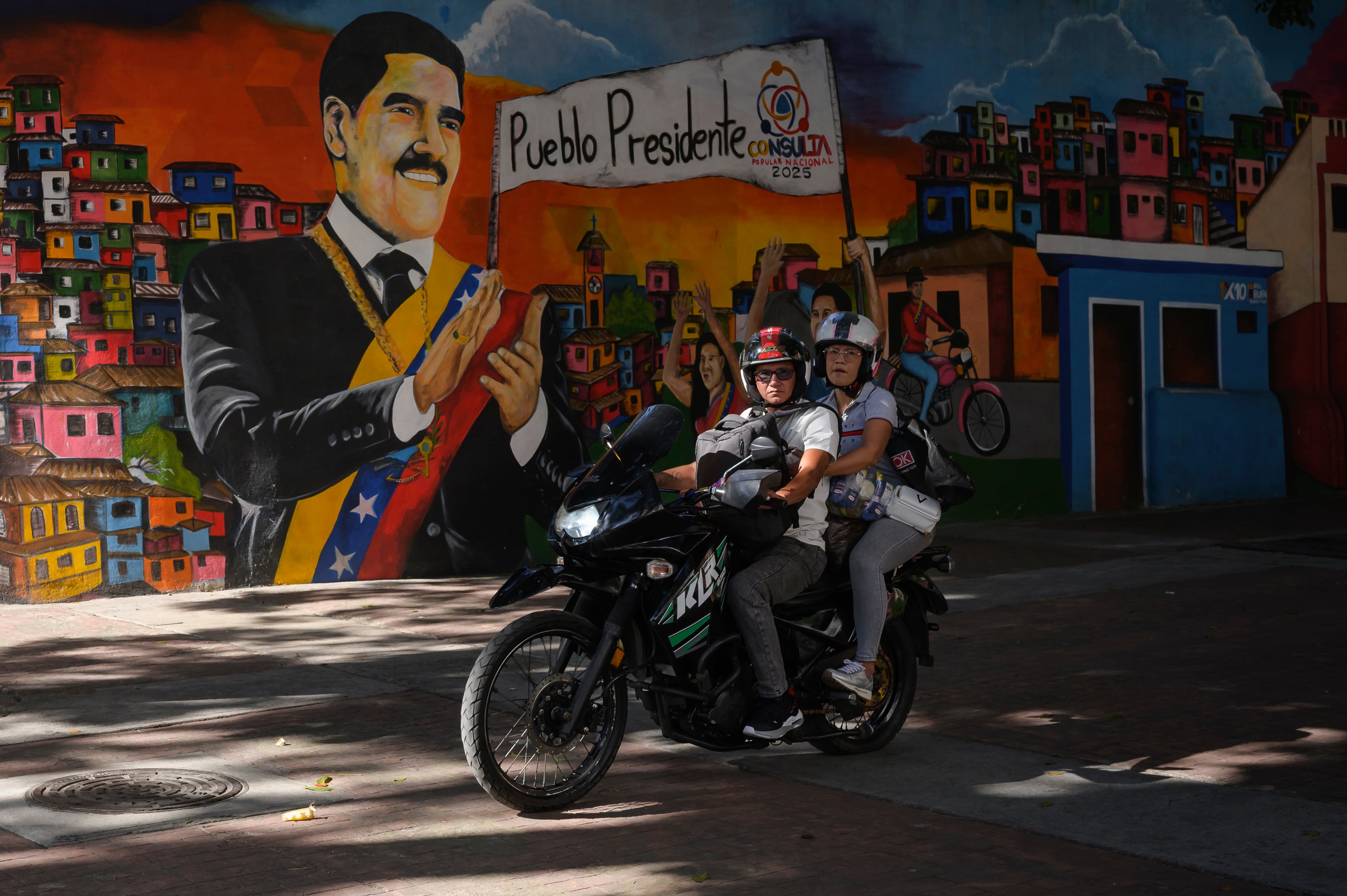
People walk past a mural of Nicolás Maduro in Caracas, Venezuela on November 22, 2025.

For years, it’s been difficult to gauge opinions in Venezuela. Not because there’s any shortage of them, but because expressing one has carried a very high cost. During Nicolás Maduro’s final years in power, polling stopped altogether. Some pollsters had to go into hiding, and people began responding to any political question with “don’t know” or “no answer.”

Seguir leyendo

  •  

Investors land in Caracas while mothers continue searching for their children in prisons

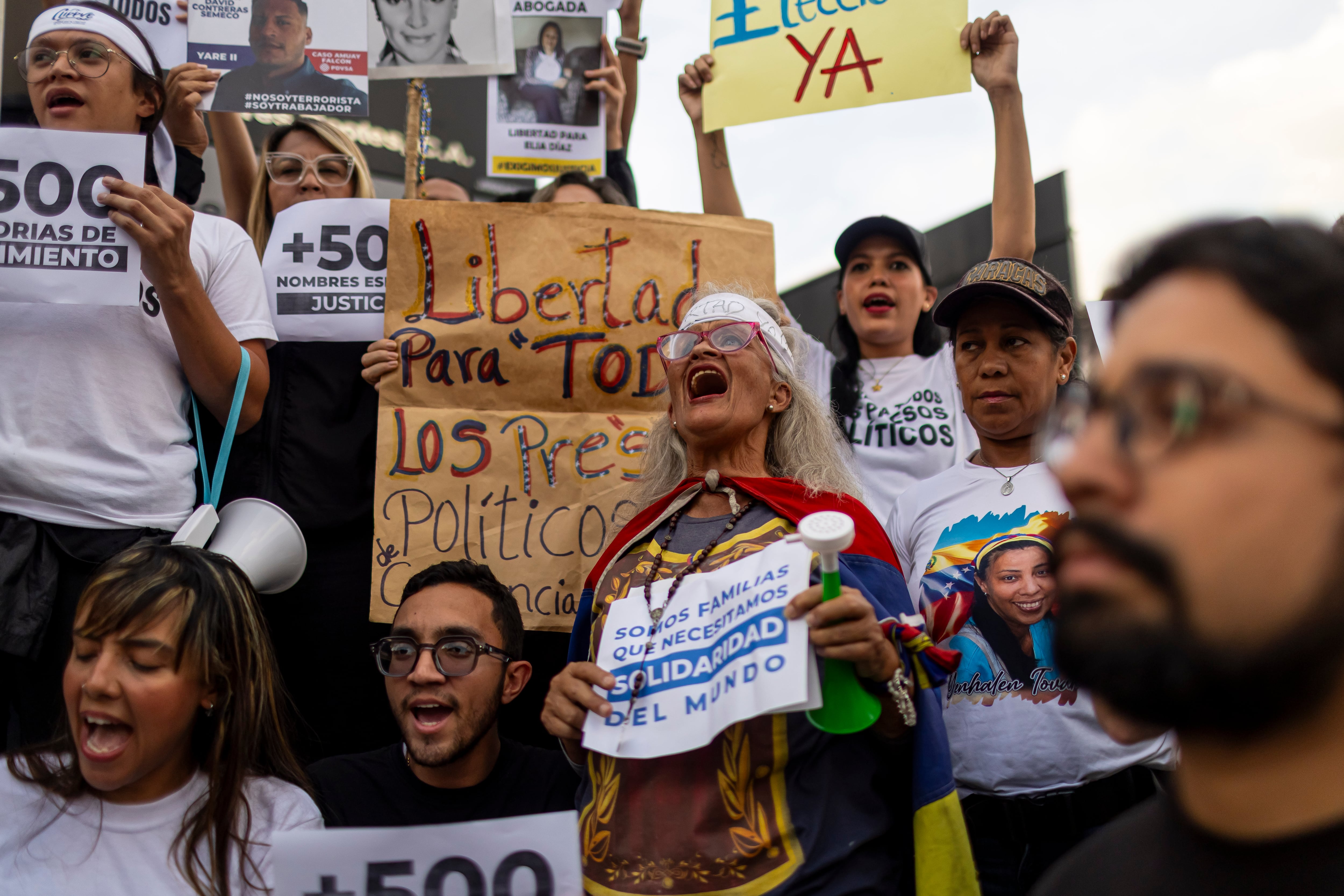
José Perozo, a 24-year-old Venezuelan, is behind bars again. In 2024, he was arrested during the crackdown on protests against the presidential election results. This time, he had gone out to fill some water jugs at a reservoir near his home in Mariara, Carabobo state, when a patrol car pulled up beside him. They arrested him, put a hood over his head, and took him away. His mother has searched every police station in town without finding him. “How long will this go on? We can’t even go out on the street!” pleads Yuraima Piñero.

Seguir leyendo

© Miguel Gutiérrez (EFE)

Protesters demonstrate for the release of political prisoners in Caracas, Venezuela, on May 3.
  •  

US intervention ends a decade of statistical silence in Venezuela

Data on the Venezuelan economy had been kept under wraps. But after roughly a decade of statistical silence — interrupted only occasionally by partial releases — the fog has begun to lift in recent weeks as the Central Bank of Venezuela (BCV) updates historical series on several key indicators. This measure is crucial amidst the economic recovery efforts undertaken by Delcy Rodríguez’s government since the U.S. military intervention. The newly published figures show that inflation reached 32% in January, 14.6% in February, and 13.1% in March. The year‑on‑year rate last month stood at 649.5%.

Seguir leyendo

© Fernando Vergara (AP)

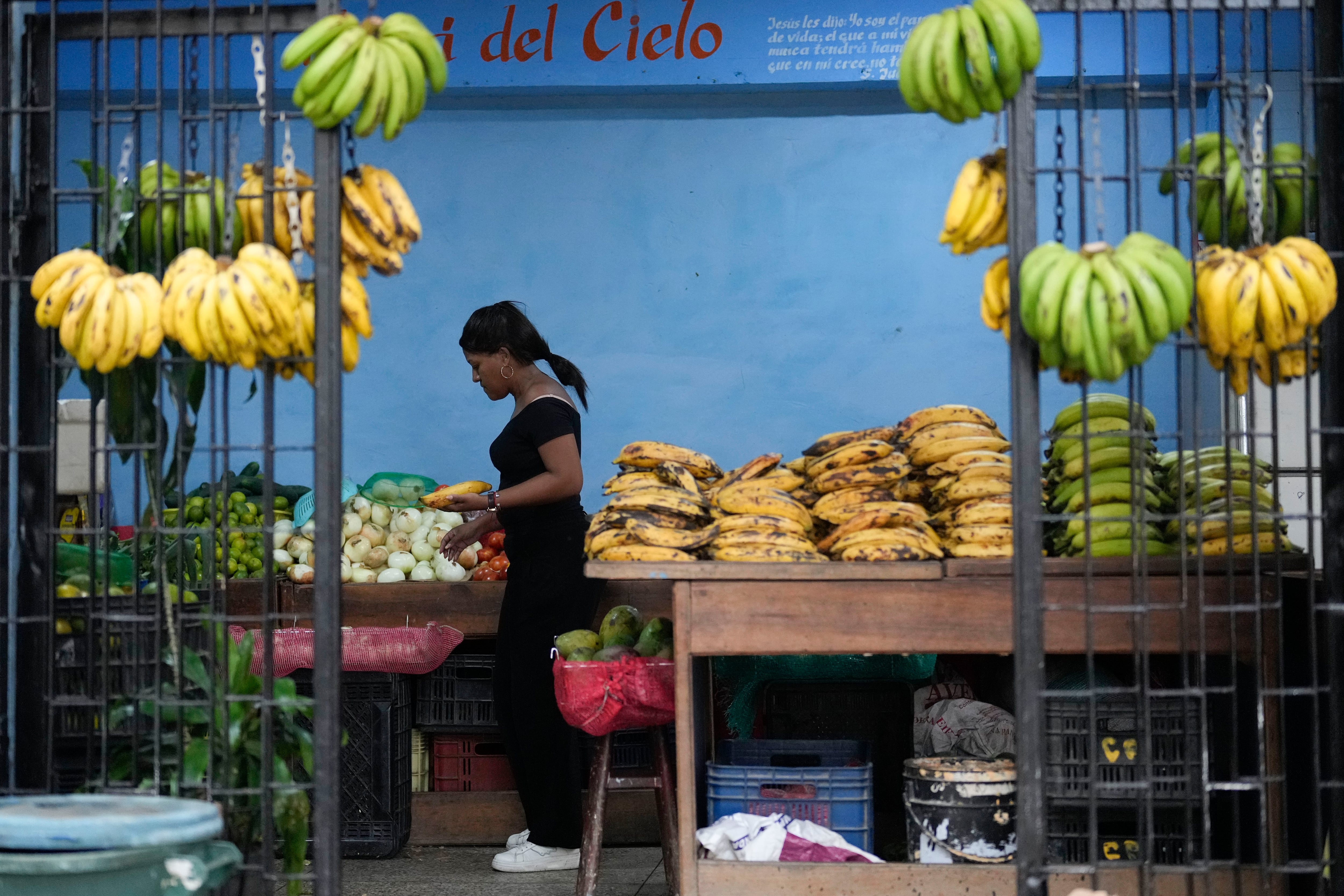
A shop in Caracas, Venezuela, in July 2024.
  •  

‘Have you been to Caracas yet?’: the question investors are asking about Venezuela

At an elite club in northern Bogotá, some fifty Colombian investors listened last Tuesday to a statement that sums up Venezuela’s current economic situation better than any report. It was uttered by Ángel Cárdenas, infrastructure manager at CAF, the Development Bank of Latin America and the Caribbean: “Among investors in the region, the debate is no longer whether the country represents an opportunity or a risk. The question is whether or not you’ve already been to Caracas.” After years of freefall, the country with the world’s largest oil reserves has returned to the global radar.

Seguir leyendo

© Carlos Becerra (Bloomberg)

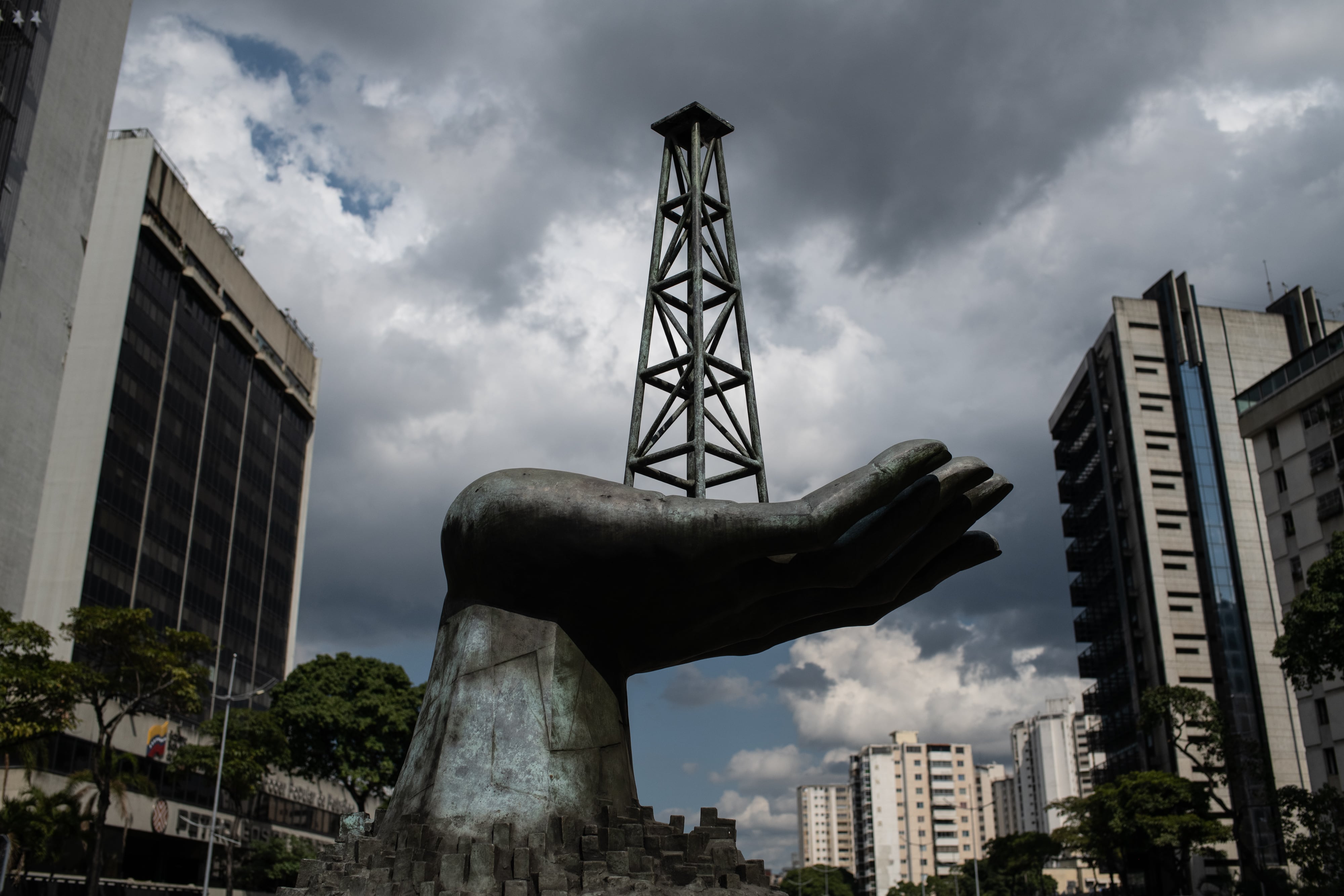
Petróleos de Venezuela headquarters in Caracas, in March 2023.
  •  
❌