Reading view

Trump paves the way for US companies to enter Cuba
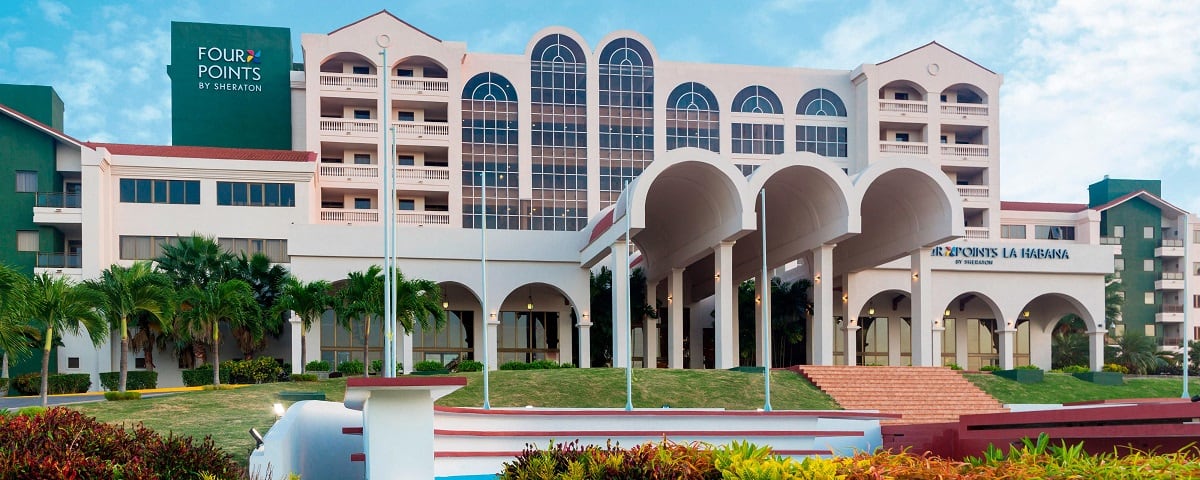
The Four Points by Sheraton hotel in Havana (Cuba), managed by Marriott from 2016 to 2020, in an image provided by the current operator.

The executive order issued by the White House on May 1 has shaken Cuba’s foundations. The United States decided to tighten the noose around an economy that was already in intensive care even before the new sanctions that took effect on Friday, or the oil blockade implemented earlier this year. Washington’s threat to freeze assets on U.S. territory of any foreign company or individual doing business with the Cuban regime — especially with the vast portfolio of businesses held by Gaesa, the military conglomerate that controls half of Cuba’s GDP — has produced its first effects. And once foreign companies withdraw, their replacement by U.S. firms appears to be the next step.
Seguir leyendo

  •  

Cuba’s blackouts in charts: More hours without power than with it as Trump’s pressure intensifies

Humor is often the Cuban people’s best tool for capturing their reality. That’s why, on an island that now spends more hours in darkness than with electricity, people no longer talk about apagones (blackouts) but about alumbrones — fleeting moments when the lights actually come on.

Seguir leyendo

  •  

How Washington delivered the final blow to Cuba’s weakened tourism industry

The clock keeps ticking. The United States waits patiently after its latest checkmate against Cuba. The move has shaken a country that is already held together by pins, plunged into a severe crisis that has only worsened this year as economic strangulation by Washington intensifies. And all of this is unfolding in the shadow of a possible military intervention. Adding to this climate of extreme tension is an ultimatum: Friday, June 5, 2026. That is the date when a White House executive order of May 1 will take effect. The order threatens to freeze the assets on U.S. soil of any foreign companies or individuals that are still doing business with the Cuban regime.

Seguir leyendo

© Ernesto Mastrascusa (EFE)

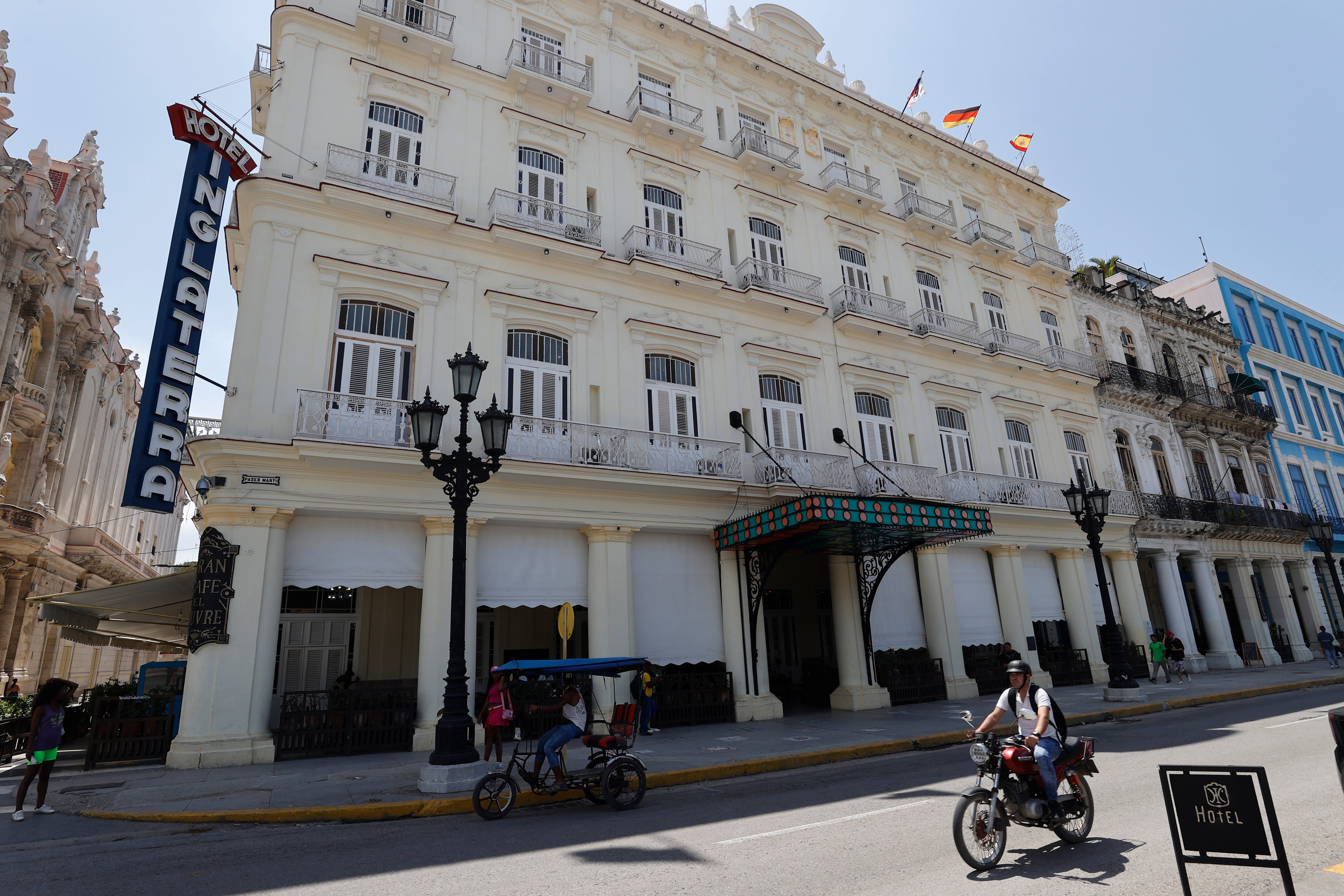
Facade of the Hotel Inglaterra this Monday, in Havana (Cuba).
  •  

Cuba, in Trump’s hands: ‘The worst thing is trusting a messiah from the outside because we are incapable of saving ourselves’

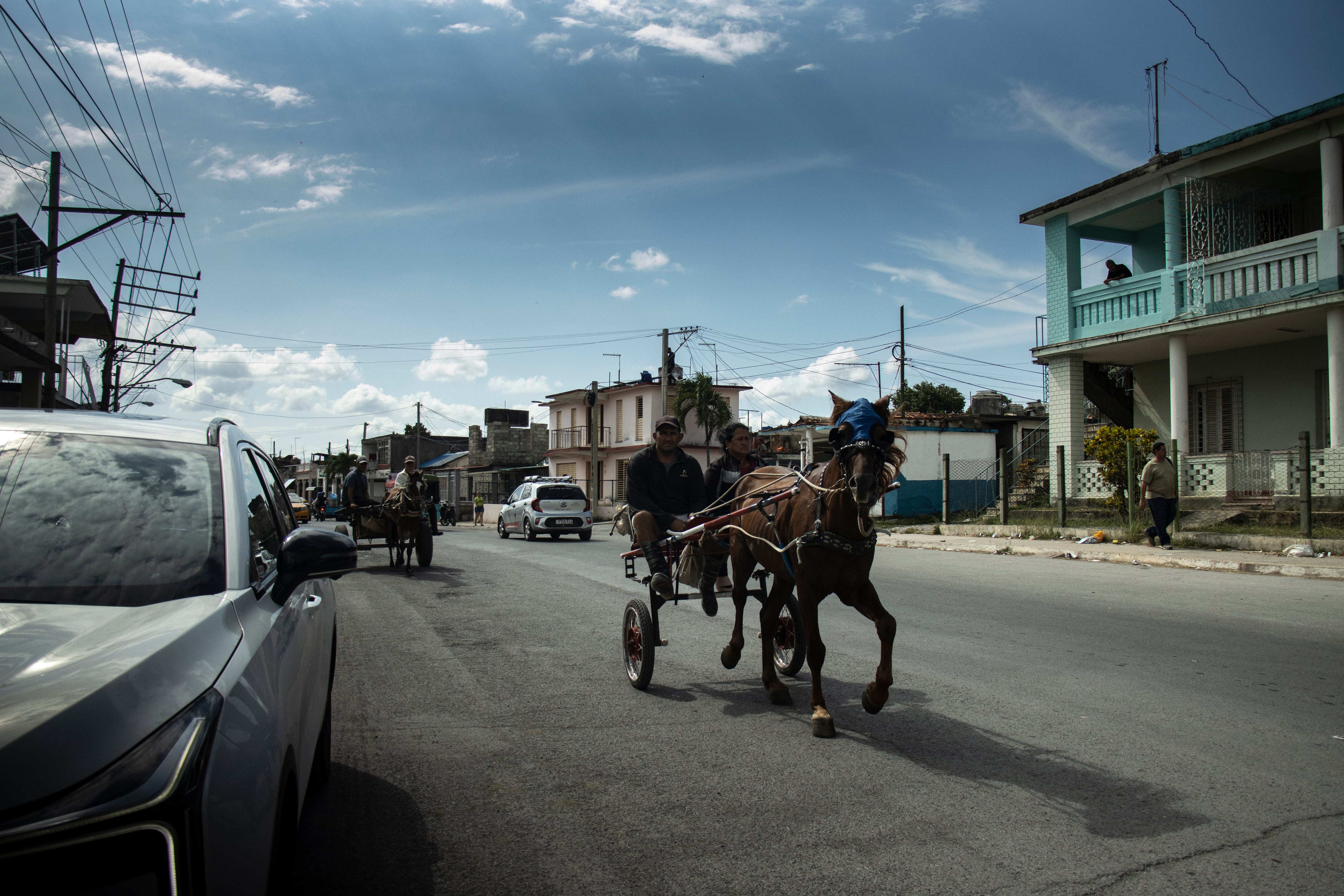
A horse-drawn carriage in Pinar del Río, Cuba, 2026.

When she first saw the news on Facebook, she thought it had to be one of those hoaxes that circulate on social media. It was too implausible, an absurdity. But shortly afterward the principal of the school where she works forwarded to the teachers’ group chat a message that opened with the classic tone of a war dispatch: Information from the Revolutionary Government. Then she had no doubts. The information was real. The CIA director had just met in Havana with the senior leadership of the Cuban security and intelligence apparatus.

Seguir leyendo

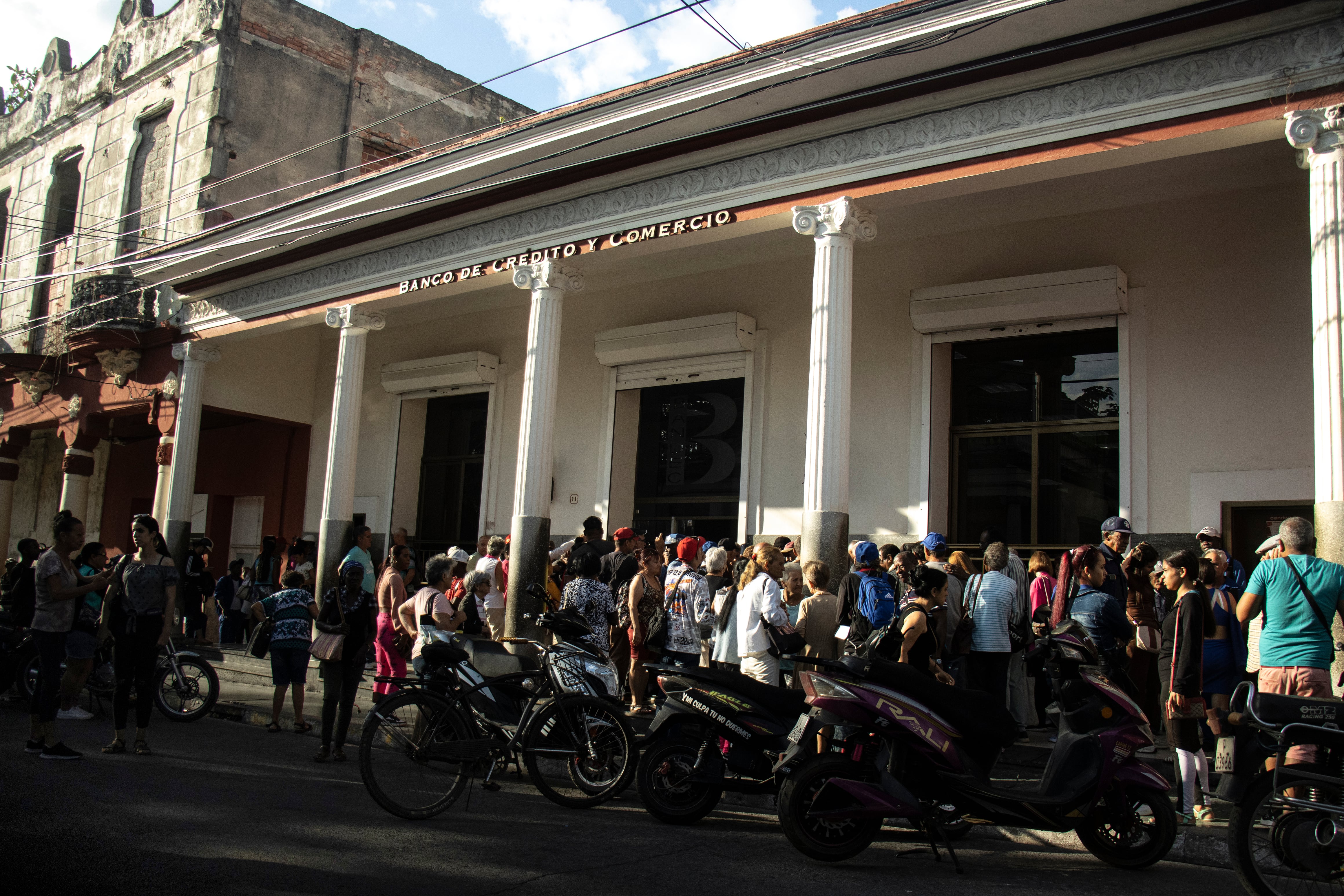
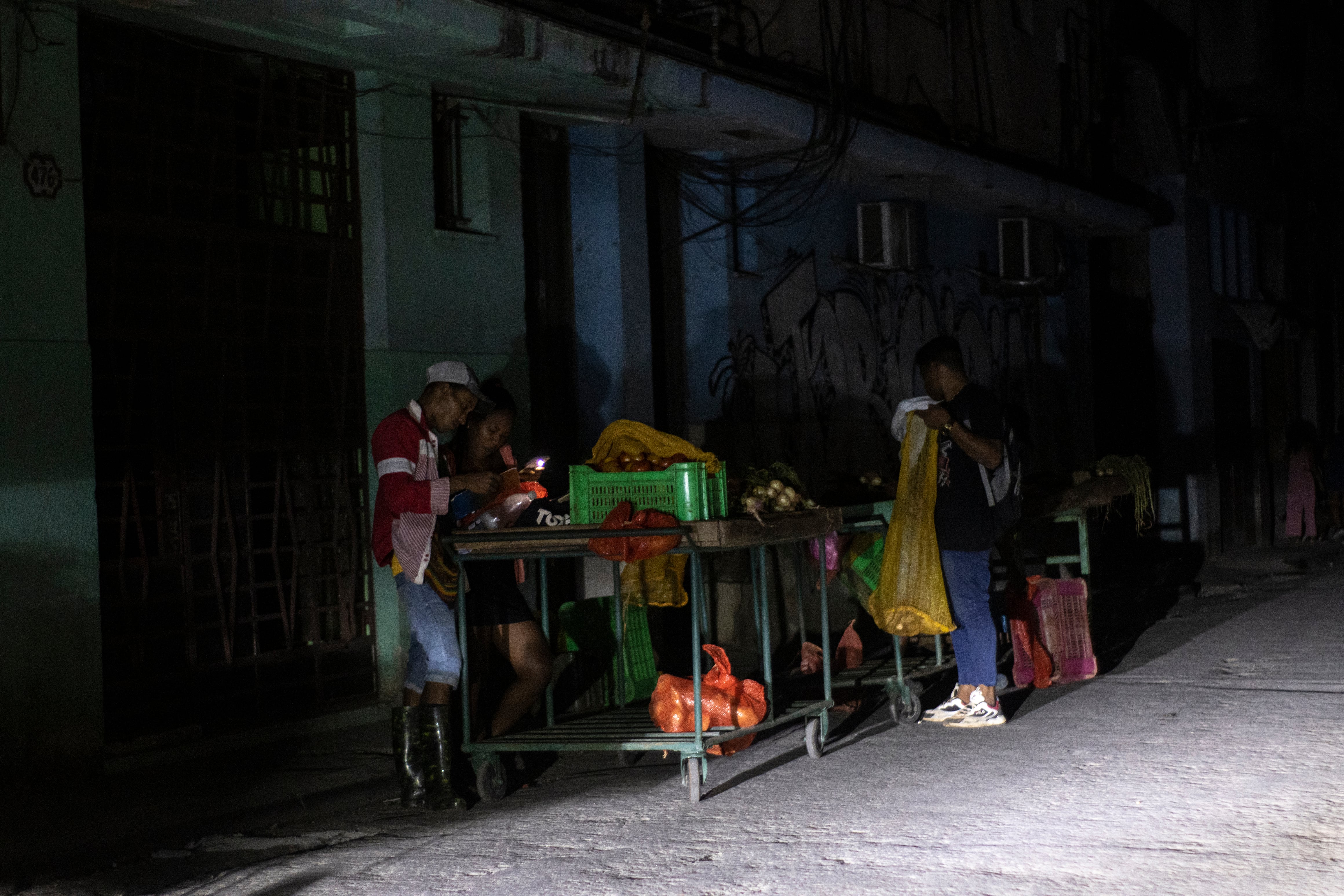
A line outside a bank in Pinar del Río, 2026.Apagón en el municipio Centro Habana, La Habana, Cuba, en 2026.
  •  

The prolific pen of inmate 89914053: El Chapo’s letters from his Colorado prison

There are two Joaquín Guzmáns. One, known as “El Chapo,” rose to become the world’s biggest drug trafficker. He was feared by his rivals and by the authorities. He spilled the blood of anyone who crossed his path. It didn’t matter if they were members of a rival cartel, or innocent civilians.

Seguir leyendo

© Miguel Tovar (Getty Images), El País

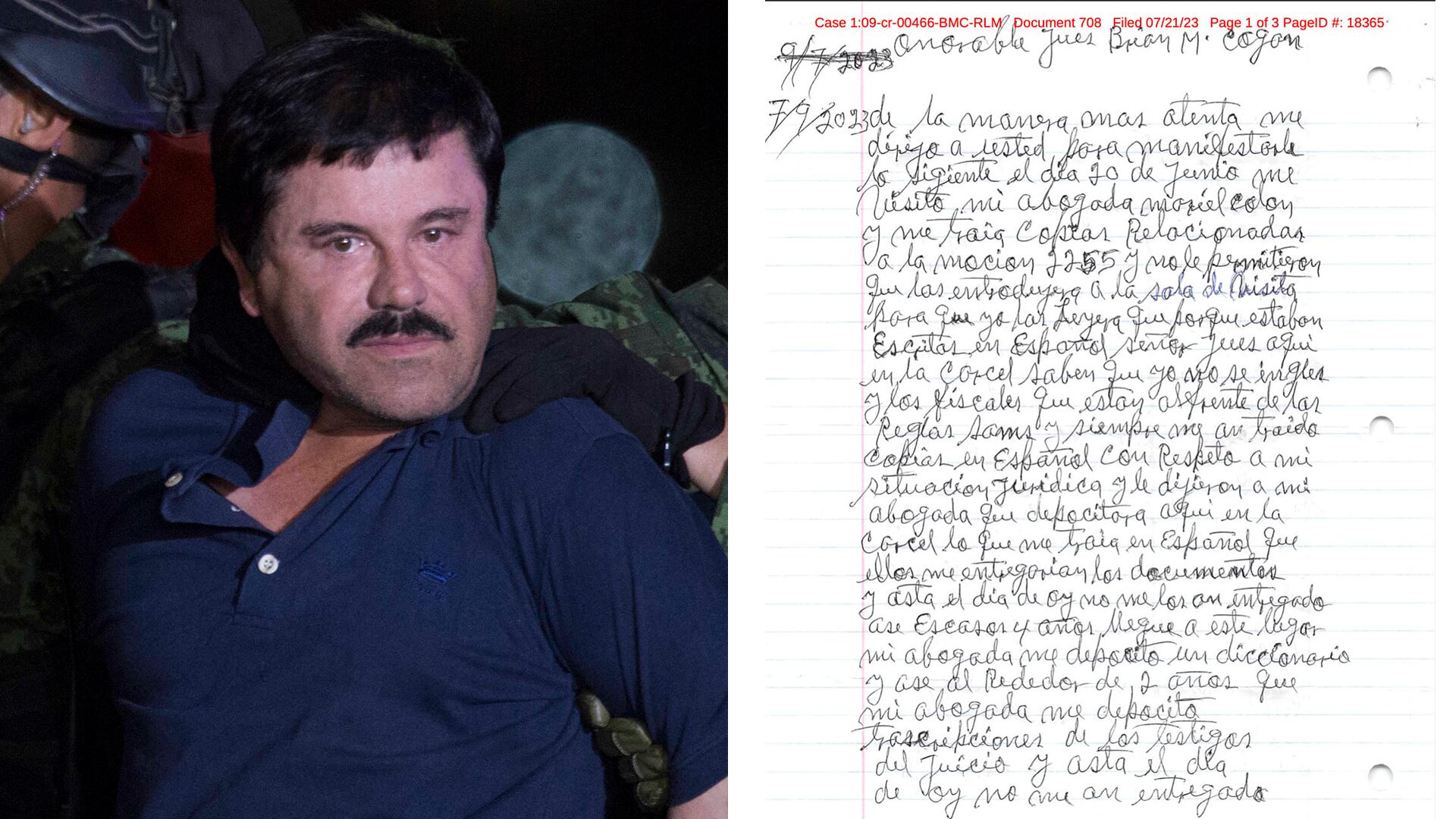
The arrest of Joaquín “El Chapo” Guzmán, on January 8, 2016, along with one of the letters addressed to Judge Brian M. Cogan, from August 2023.
  •  

Mistrust between the Cuban exile community and the island’s internal opposition complicates a post‑Castro transition

The Cuban dissident Oswaldo Payá used to say that he lived in the crossfire. In May 2002, he achieved the milestone of delivering more than 11,000 signatures to Cuba’s Parliament. The petition demanded a referendum to democratize the island.

Seguir leyendo

© Norlys Perez (REUTERS)

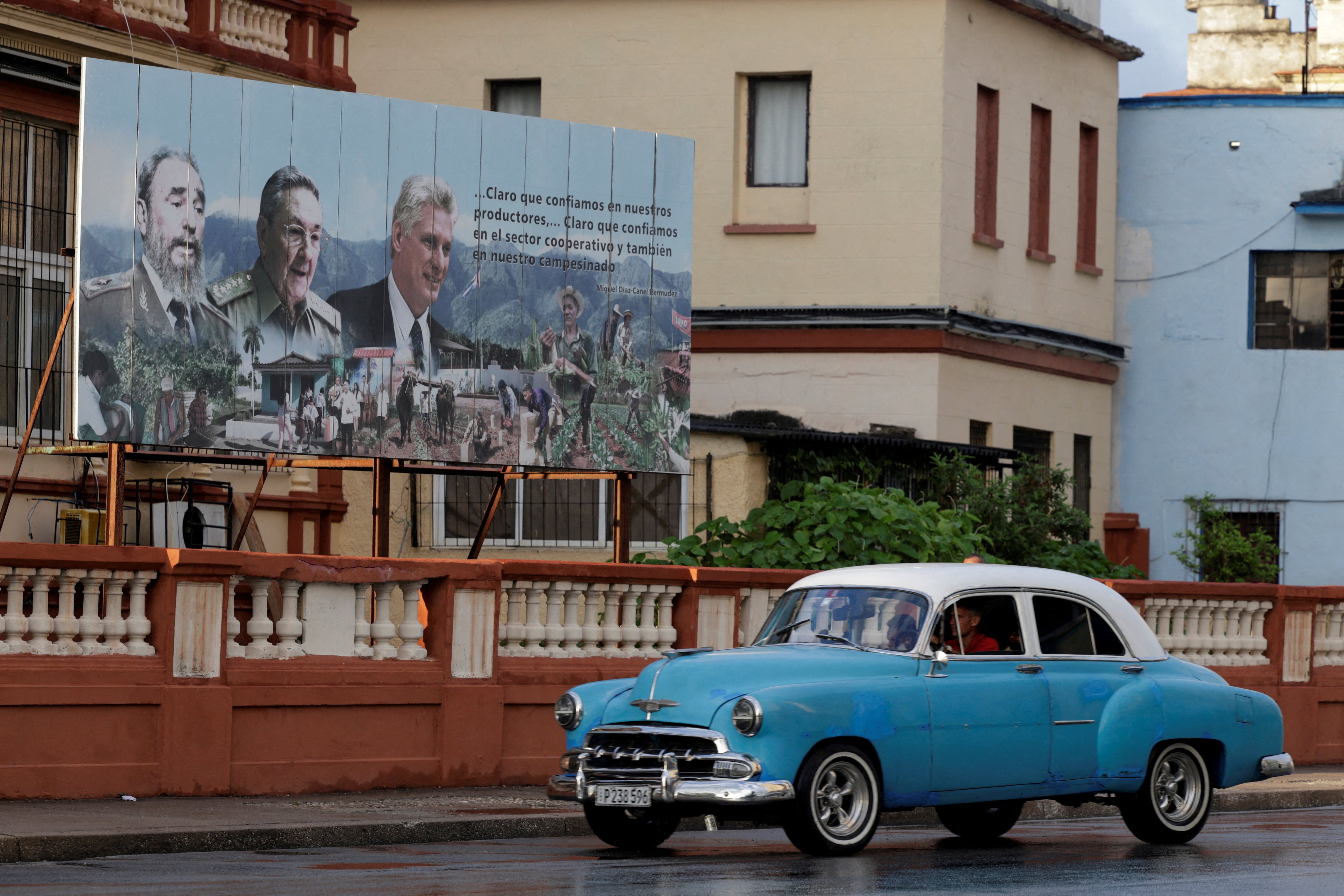
A billboard featuring Fidel Castro, Raúl Castro and Miguel Díaz-Canel in Havana, Cuba, on May 15.
  •  

What will happen to tourism in Cuba? Inside GAESA, the military conglomerate on Washington’s radar

When a Cuban person on the island wants to refer to “those in charge,” they lightly tap their shoulder with two fingers. The subtle gesture, shaped by nearly seven decades of censorship, is a reference to the epaulet of a military uniform. In Cuba, people do not speak of the government or the party (the Communist Party of Cuba, the only legal one), but rather of the “country’s leadership.” It is a euphemism that points to the real political and economic power: the Revolutionary Armed Forces (FAR).

Seguir leyendo

  •  
❌