Reading view

Falling space debris poses an escalating risk as spacecraft get stronger and more heat resistant
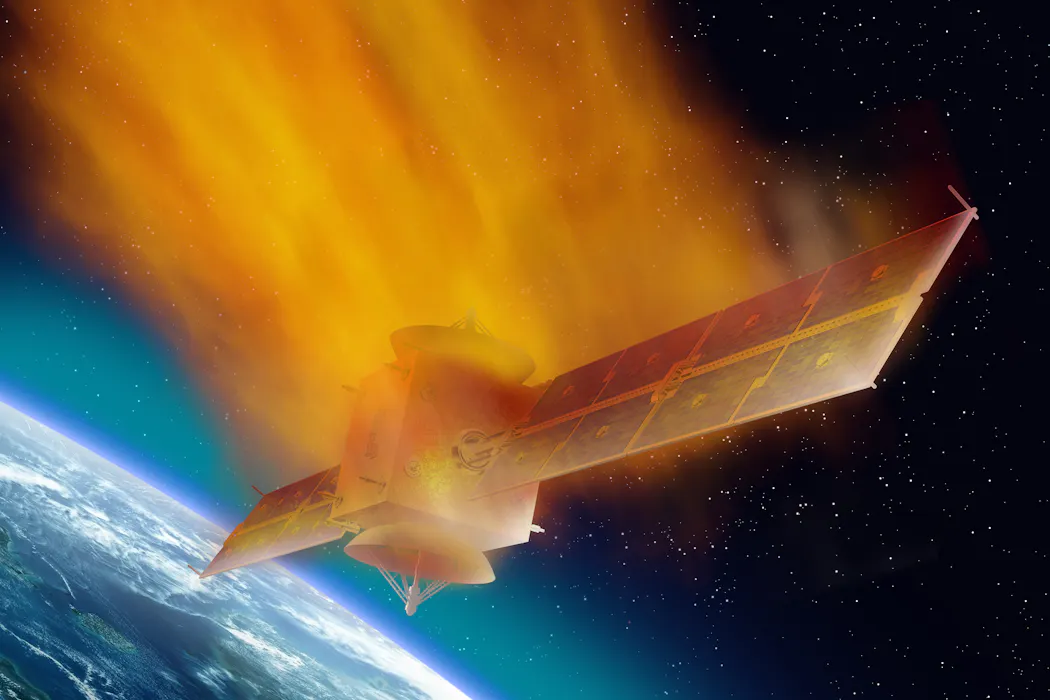
Not all space debris burns up in the atmosphere before it makes it back to Earth. PaulFleet/iStock via Getty Images

When it comes to space debris, what goes up is coming down more often – and not safely.

When spacecraft launch, some components, including nonreusable rocket boosters, are jettisoned to decrease weight, leaving them to intentionally burn up as they reenter the atmosphere. Satellites also enter the atmosphere at the end of their life, supposedly burning up. But in many cases, they are not doing so as predicted.

Debris from partially burned-up spacecraft components and satellites reentering Earth’s atmosphere can pose a risk to people and structures on the ground. The surge in launches, driven largely by private players such as SpaceX, is turning a once-remote risk into a growing threat.

Our materials research group at the University of Wisconsin-Stout is studying the materials that allow reentry debris to survive. We look for ways to safely modify their exceptional heat-resistant qualities to make them safer for atmospheric reentry.

Debris landing on Earth

Reentry debris has fallen on both private and public property around the world multiple times since 2021. Some of the most notable events involve pieces from SpaceX Dragon’s carbon fiber trunk, which stays attached to the crewed capsule until just hours before its reentry. These trunks are larger than a 15-passenger van and used for storage.

Trunk debris from the Crew 7 mission to the International Space Station has landed in North Carolina, and fragments from the Crew 1 mission landed in New South Wales, Australia. Similarly, debris from the Axiom 3 mission landed in Saskatchewan, Canada.

A large piece of space debris from a SpaceX Dragon capsule was found by a campsite groundskeeper in North Carolina in 2025.

In addition to trunk debris, carbon fiber components that hold pressurized gases to adjust a spacecraft’s orientation also make up a lot of recovered reentry debris. Some of these most recent recoveries have been in Australia, Argentina and Poland.

Most of the debris that reenters the atmosphere burns up, so why are these pieces making it down to Earth’s surface?

Atmospheric reentry

Satellites such as SpaceX’s Starlink reside in low Earth orbit, typically between 190 and 1,240 miles (300 and 2000 kilometers) above the Earth’s surface. To stay there, they need to move really fast, at about 17,000 miles (27,000 km) per hour. To reach this speed, a rocket with a million pounds of fuel had to accelerate it, and part of this energy is still contained within the satellite’s momentum.

As an object in orbit drifts down, closer to Earth’s upper atmosphere, it starts to collide with air molecules, slowing the object down. The amount of heat generated from this interaction rapidly consumes the satellite, melting metal at over 3,000 degrees Fahrenheit (1,600 degrees Celsius).

More launches

Countries around the world have been launching items into space since the 1950s, so why is reentry a concern now?

Starting in the 1960s, about 100 objects were launched into space every year – or at least that was the case until 2016. Since then, the number has been increasing exponentially. In 2016, 200 objects launched. But in 2025, that number was 4,500, meaning 20% of all objects launched into space since the 1950s were launched last year.

Most of these launches came from companies in the United States, such as SpaceX and Rocket Labs. Companies like these, along with those outside of the U.S., have plans for large satellite constellations composed of hundreds of thousands to a million satellites.

The more objects and payloads launched, the more reentry events occur. Satellite operators are required to remove their decommissioned satellites from orbit after 25 years to comply with regulations set in place by international committees. Groups across the world, including the Federal Communications Commission in the U.S., have pushed to shorten the deorbit window to five years. Because of these guidelines, the full influx of reentry debris events from these recent launches will not be felt for another 10 or more years.

The objects launched and policy decisions made today will have a lasting effect on future safety.

Carbon fiber

As the world has progressed technologically, efficiency for launching items into space has too.

Satellites and spacecraft are becoming lighter, stronger and more heat resistant because of materials such as carbon fiber-reinforced plastics and new metals. These strong materials are sought after because they’re lightweight, but they can also cause deorbiting debris to withstand reentry temperatures.

Carbon fiber, once used exclusively in space technology, is now found in common items such as bicycle frames and racing car bodies. It is still the gold standard for fabricating high-strength, low-weight materials for spacecraft components such as rocket fuselages, interstaging – the protective housing found between the rocket stages – and pressure vessels that experience extreme temperatures and high mechanical stress and strain.

Simple metals such as aluminum and steel melt and burn away, while complex materials such as carbon fiber, which is manufactured at up to 5,000 F (3,000 C), burn away unpredictably, changing the way jettisoned components break up upon reentry.

Since the early 2000s, a majority of recovered space debris contains either carbon fiber-reinforced plastic sections or metal components wrapped with carbon fiber. The carbon fiber can act as an unintentional heat shield for heavier, more harmful debris.

A map showing the world with dots spread across the U.S., South America, the coasts of southern Africa, Australia and Southeast Asia.
This map shows locations where confirmed space debris has been recovered. With the increase in launches, the European Space Agency predicts that future space debris could fall practically anywhere across the world. European Space Agency

Design For demise

Design for demise is a major area of research focused on mitigating the risk of reentry debris. Instead of relying on controlled and meticulously timed deorbits that send components that survive reentry into the ocean at the end of their lives, spacecraft components are engineered to ensure they completely disintegrate while deorbiting through the atmosphere.

Design for demise can take many forms. These range from changing to more heat-susceptible materials to relocating harder-to-burn components to areas of the spacecraft that will be hotter during reentry, or using linkages that break apart at high temperatures to separate structures into smaller components to help them burn up.

With so much focus historically on spacecraft being made from the lightest, strongest and most heat-resistant materials available, it may seem counterintuitive to intentionally make some materials weaker. The key is making materials smarter, so they maintain their strength during their mission but weaken under the heat of reentry.

The Conversation

Matthew Ray's lab is developing and working toward patenting a system to decrease risk from future carbon fiber based reentry debris.

Reese Hufnagel conducts research on space debris and is developing ways to make future carbon composites safer for use in orbit.
  •  

Falling space debris poses an escalating risk as spacecraft get stronger and more heat resistant

Not all space debris burns up in the atmosphere before it makes it back to Earth. PaulFleet/iStock via Getty Images

When it comes to space debris, what goes up is coming down more often – and not safely.

When spacecraft launch, some components, including nonreusable rocket boosters, are jettisoned to decrease weight, leaving them to intentionally burn up as they reenter the atmosphere. Satellites also enter the atmosphere at the end of their life, supposedly burning up. But in many cases, they are not doing so as predicted.

Debris from partially burned-up spacecraft components and satellites reentering Earth’s atmosphere can pose a risk to people and structures on the ground. The surge in launches, driven largely by private players such as SpaceX, is turning a once-remote risk into a growing threat.

Our materials research group at the University of Wisconsin-Stout is studying the materials that allow reentry debris to survive. We look for ways to safely modify their exceptional heat-resistant qualities to make them safer for atmospheric reentry.

Debris landing on Earth

Reentry debris has fallen on both private and public property around the world multiple times since 2021. Some of the most notable events involve pieces from SpaceX Dragon’s carbon fiber trunk, which stays attached to the crewed capsule until just hours before its reentry. These trunks are larger than a 15-passenger van and used for storage.

Trunk debris from the Crew 7 mission to the International Space Station has landed in North Carolina, and fragments from the Crew 1 mission landed in New South Wales, Australia. Similarly, debris from the Axiom 3 mission landed in Saskatchewan, Canada.

A large piece of space debris from a SpaceX Dragon capsule was found by a campsite groundskeeper in North Carolina in 2025.

In addition to trunk debris, carbon fiber components that hold pressurized gases to adjust a spacecraft’s orientation also make up a lot of recovered reentry debris. Some of these most recent recoveries have been in Australia, Argentina and Poland.

Most of the debris that reenters the atmosphere burns up, so why are these pieces making it down to Earth’s surface?

Atmospheric reentry

Satellites such as SpaceX’s Starlink reside in low Earth orbit, typically between 190 and 1,240 miles (300 and 2000 kilometers) above the Earth’s surface. To stay there, they need to move really fast, at about 17,000 miles (27,000 km) per hour. To reach this speed, a rocket with a million pounds of fuel had to accelerate it, and part of this energy is still contained within the satellite’s momentum.

As an object in orbit drifts down, closer to Earth’s upper atmosphere, it starts to collide with air molecules, slowing the object down. The amount of heat generated from this interaction rapidly consumes the satellite, melting metal at over 3,000 degrees Fahrenheit (1,600 degrees Celsius).

More launches

Countries around the world have been launching items into space since the 1950s, so why is reentry a concern now?

Starting in the 1960s, about 100 objects were launched into space every year – or at least that was the case until 2016. Since then, the number has been increasing exponentially. In 2016, 200 objects launched. But in 2025, that number was 4,500, meaning 20% of all objects launched into space since the 1950s were launched last year.

Most of these launches came from companies in the United States, such as SpaceX and Rocket Labs. Companies like these, along with those outside of the U.S., have plans for large satellite constellations composed of hundreds of thousands to a million satellites.

The more objects and payloads launched, the more reentry events occur. Satellite operators are required to remove their decommissioned satellites from orbit after 25 years to comply with regulations set in place by international committees. Groups across the world, including the Federal Communications Commission in the U.S., have pushed to shorten the deorbit window to five years. Because of these guidelines, the full influx of reentry debris events from these recent launches will not be felt for another 10 or more years.

The objects launched and policy decisions made today will have a lasting effect on future safety.

Carbon fiber

As the world has progressed technologically, efficiency for launching items into space has too.

Satellites and spacecraft are becoming lighter, stronger and more heat resistant because of materials such as carbon fiber-reinforced plastics and new metals. These strong materials are sought after because they’re lightweight, but they can also cause deorbiting debris to withstand reentry temperatures.

Carbon fiber, once used exclusively in space technology, is now found in common items such as bicycle frames and racing car bodies. It is still the gold standard for fabricating high-strength, low-weight materials for spacecraft components such as rocket fuselages, interstaging – the protective housing found between the rocket stages – and pressure vessels that experience extreme temperatures and high mechanical stress and strain.

Simple metals such as aluminum and steel melt and burn away, while complex materials such as carbon fiber, which is manufactured at up to 5,000 F (3,000 C), burn away unpredictably, changing the way jettisoned components break up upon reentry.

Since the early 2000s, a majority of recovered space debris contains either carbon fiber-reinforced plastic sections or metal components wrapped with carbon fiber. The carbon fiber can act as an unintentional heat shield for heavier, more harmful debris.

A map showing the world with dots spread across the U.S., South America, the coasts of southern Africa, Australia and Southeast Asia.
This map shows locations where confirmed space debris has been recovered. With the increase in launches, the European Space Agency predicts that future space debris could fall practically anywhere across the world. European Space Agency

Design For demise

Design for demise is a major area of research focused on mitigating the risk of reentry debris. Instead of relying on controlled and meticulously timed deorbits that send components that survive reentry into the ocean at the end of their lives, spacecraft components are engineered to ensure they completely disintegrate while deorbiting through the atmosphere.

Design for demise can take many forms. These range from changing to more heat-susceptible materials to relocating harder-to-burn components to areas of the spacecraft that will be hotter during reentry, or using linkages that break apart at high temperatures to separate structures into smaller components to help them burn up.

With so much focus historically on spacecraft being made from the lightest, strongest and most heat-resistant materials available, it may seem counterintuitive to intentionally make some materials weaker. The key is making materials smarter, so they maintain their strength during their mission but weaken under the heat of reentry.

The Conversation

Matthew Ray's lab is developing and working toward patenting a system to decrease risk from future carbon fiber based reentry debris.

Reese Hufnagel conducts research on space debris and is developing ways to make future carbon composites safer for use in orbit.

  •  

Methane rocket fuel is easier to handle and convenient but, as Blue Origin saw, it can be very explosive

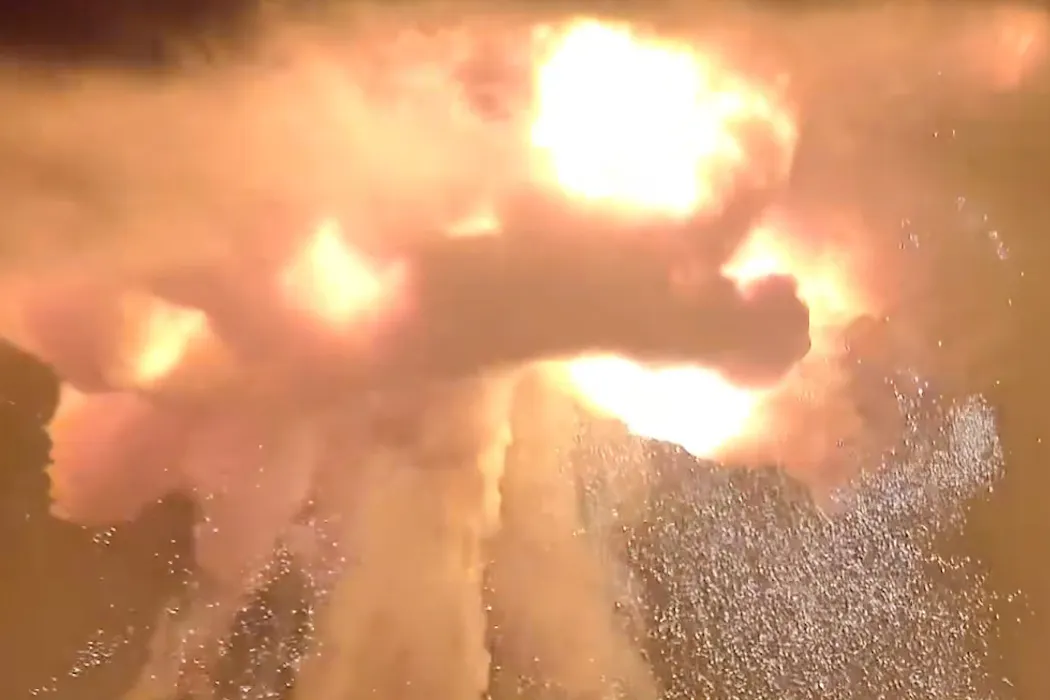
Blue Origin's New Glenn explodes on the launchpad at Cape Canaveral on May 28, 2026. @JConcilus via AP

Going straight up is hard. It takes a lot of energy. For those of us who enjoy hiking, cycling or running, hills are the bane of our existence. The hills sap us of our strength and speed, and they require more effort than we often want to expend.

Rockets are the ultimate definition of vertical ascent: They go up, fast. They need lots of raw power, and they need it immediately. Interestingly, though, the modern incarnation of reusable rocketry has come back to the same basic fuel as the human body uses: hydrocarbons. Granted, SpaceX and Blue Origin’s massive rockets are not using sugar, carbs or fats, but they are using the simplest hydrocarbon, methane: a single carbon atom with four hydrogen atoms around it, CH₄.

A ball and stick chemical diagram showing a large carbon atom bonded to four hydrogen atoms.
A methane molecule is made up of a carbon atom surrounded by four hydrogen atoms. Christinelmiller/Wikimedia Commons, CC BY-SA

As a physical chemist, I get to explore how molecules produce and absorb energy. I have seen how various chemicals have different benefits and drawbacks for a variety of energy applications.

Orchestrating the pros and cons is like how different plays in football accomplish the same goal of getting the ball down the field but do so with distinct approaches. None are perfect, and some are more spectacular than others.

A different type of fuel

The use of methane as a component of rocket fuel is different from what was used during Apollo or in the earlier crewed space rockets, and even in the space shuttle main engines. In all those rockets, hydrogen gas was the primary fuel.

In the simplest terms, hydrogen in the form of H₂ reacts with oxygen – O₂, the same stuff you breathe – to produce water and a copious amount of energy. Hydrogen itself is light, and this reaction is incredibly efficient. The power-to-weight ratio of such fuel is astronomical, and it moves mass off the surface of our planet really well and quickly.

However, H₂ is no panacea and has arguably more drawbacks than benefits. Being so small, the hydrogen molecules can actually seep through the walls of most fuel tanks. Preventing them from doing so requires special materials – expensive materials.

To combat this problem, the hydrogen is liquified. But to do so, it must first be cooled to temperatures that would freeze the feathers off a penguin: minus 400 degrees Fahrenheit (minus 250 Celsius). Again, this process is expensive.

Then, it takes awhile to fill the tanks on the rocket that hold the liquified hydrogen. You have to do this slowly to keep the liquified form from clogging and fouling up the fuel lines – and that’s also expensive.

To combat these issues, SpaceX and Blue Origin have opted for methane instead of liquified hydrogen in their Starship and New Glenn rockets. While methane is still typically liquified and must be cold to do so, cooling it to minus 260 F (minus 162 degrees C) is much less expensive than minus 400, as would be needed for H₂.

The methane molecules are also much larger than the hydrogen molecules, measuring more than twice as far across from their furthest points. Hence, it doesn’t weasel its way through the storage tanks and fuel lines like H₂ does. As a result, methane can be transported and filled into tanks much easier and faster. Then, since methane isn’t as leak-prone and stores better, the whole rocket ship itself can actually be reused; that makes the entire launch process cheaper overall.

Methane: For rockets, but not just for rockets

So methane is cheaper and affords reusability, but is it somehow safer than liquid hydrogen?

Well, on May 28, 2026, the folks at Blue Origin found out how explosive methane can be. While the cause has yet to be reported, somehow the methane in the tanks ignited, resulting in an epic explosion seen dozens of miles away from the launchpad.

Blue Origin’s rocket exploded on the pad during a test fire on May 28, 2026.

Yes, a methane-fueled rocket can fling astronauts into the sky in ways that seem magical, but if anything goes wrong, methane still goes boom in a very destructive way.

The reaction of hydrocarbons is actually the same type of explosion that fuels automobiles. The difference is that the explosion in a car engine cylinder drives the motion of a piston. In cars, the explosion of octane, a hydrocarbon eight times the size of methane, is directed with a purpose, creating what physical chemists like me call work. Heat is simply the same thing as work, but it just goes in random directions and does not accomplish some desired task.

Kicking a football through the uprights is like work, while missing the ball is like heat. Hence, methane in a rocket directed through a nozzle does work to send the craft into the sky. If undirected, the hydrocarbon reaction produces heat in the form of an explosion that sets back years of planning for Jeff Bezos.

This type of accident is relatively common in rocketry, as SpaceX has had its fair share of explosions. Getting all the right pieces to sync is a challenge, but decades of successful spaceflight indicate that this a surmountable issue.

The reaction of hydrocarbons with oxygen in car engines or even rockets is, in a way, the same chemistry as what human bodies do in metabolism. Some hydrocarbons like sugar or a carbohydrate – but not the methane of rockets or the octane of cars – reacts with the oxygen that you breathe to produce carbon dioxide and water. Your body just performs this reaction slowly and in each cell, all over, warming you up.

The rocket, however, is powered by a reaction between methane and oxygen in a single point at the nozzle. The energy is concentrated and directed together to fling the ship into space – unless, of course, it explodes in an uncontrolled fireball.

The Conversation

Ryan C. Fortenberry receives funding from NASA.

  •  

PFAS leave fingerprints in your blood – researchers are figuring out how forever chemicals transform in your body to read these clues

Virtually every living thing on Earth, from Patagonian penguins to newborn human babies, has been touched by the synthetic chemicals known as per- and polyfluoroalkyl substances, or PFAS. In fact, you would be hard pressed to find a sample of human blood, tissue or breast milk without detectable levels of at least one type of PFAS.

Making matters worse, researchers are continually uncovering links between human exposure to PFAS and poor health outcomes, including a weakened immune system, a heightened risk of kidney and testicular cancer, and pregnancy complications, including preeclampsia and reduced birth weight. The levels of some PFAS considered safe in U.S. drinking water are decreasing. Despite this, The Trump administration is in the process of revoking and possibly rewriting proposed regulations for all but PFOA and PFOS, two of the most commonly used PFAS until the early 2000s. U.S. maximum contaminant level goals for PFOA and PFOS are 0 parts per trillion – meaning there are no levels the U.S. Environmental Protection Agency considers safe.

Meanwhile, thousands of PFAS have not been studied and have no regulation or oversight. In many cases, there is no monitoring data on their presence in consumer products, water and food.

As an expert in chemical pollution, I have studied a wide range of synthetic and natural chemicals that can have harmful health effects for humans and wildlife. A major focus of my current research is tracing PFAS from their initial source – including consumer products, contaminated food and water, and the air – to their resulting fingerprint in an organism’s blood and tissues.

By following the journey of how PFAS move into the bodies of living things – including people – scientists like me are working to improve safety recommendations and usage guidelines for these chemicals. First, though, we need to understand how these complex chemical mixtures are transformed as they accumulate in the body.

What are PFAS?

PFAS are a large class of organic chemicals – meaning molecules that contain carbon atoms – that have fluorine atoms added to them. This fluorination allows PFAS to aggregate on surfaces in ways that are desirable for many applications.

For example, PFAS are used in nonstick cookware, food packaging, cosmetics, textiles and even toilet paper, among many other commercial and industrial products. They’re also heavily used in semiconductor manufacturing and lithium-ion batteries.

When PFAS are everywhere, they’re hard to avoid.

PFAS are commonly called forever chemicals because of their astonishing persistence – due to the strong chemical bonds between carbon and fluorine, they don’t break down easily. This durability is desirable for manufacturers, as materials made with PFAS can function for a long time without degrading.

However, persistence becomes problematic when PFAS leach or evaporate out of products and into the surrounding environment. PFAS can remain in drinking water sources and in sediment for decades to centuries.

If dissolved in water or released into the air, PFAS can also travel long distances from their point of origin, ending up in remote locations. For example, PFAS initially released from industrial regions can end up in the blood of white sharks in the Atlantic Ocean or in Arctic environments.

PFAS fingerprints

What happens when PFAS are absorbed and accumulate in the body?

When someone is exposed to PFAS, it leaves a unique pattern of chemical contamination – what researchers call a PFAS fingerprint – in their blood. Studying these PFAS fingerprints enables scientists to learn about sources of PFAS exposure and how they differ among people who live in different places, have different jobs and use different products, among other factors.

But to be able to use these PFAS fingerprints, researchers first need to understand how specific exposures contribute to someone’s PFAS fingerprint over time. The composition of this fingerprint is different from the mixture of chemicals someone was initially exposed to, as some PFAS accumulate in blood to a greater extent than others. Without understanding how a PFAS mixture is distorted and changed in the body, it’s very difficult to know what sources were major contributors to a person’s lifelong PFAS exposure.

For example, firefighters and military service members use aqueous film-forming foams that contain hundreds of poorly studied PFAS. These are soapy, sudsy materials that form a film over fire and starve it of oxygen. They’re commonly used in emergencies, such as airplane crashes, train wrecks, vehicle fires or any other fire involving fuels.

Three firefighting spraying foam against a foam-covered building, the outline of a forest and hazy skies in the background
The PFAS in firefighting foam are suspected to be significant occupational health hazards. Jim Peaco/Yellowstone Digital Slide Files

Many firefighters and first responders who have used these foams are now grappling with serious health problems, including cancer, and many have wondered whether PFAS contributed to their illness.

A clearer understanding of the PFAS fingerprint that would be expected in someone’s blood after years of using these foams could help determine whether they are a unique source of the PFAS accumulating in their blood.

PFAS in the body

Fingerprints at the scene of a crime are often a major clue leading detectives to the perpetrator. When it comes to identifying sources of PFAS contaminating human bodies, however, researchers like me aren’t always so lucky.

For one, PFAS are typically present at low concentrations in the environment but can build up to higher levels in the body. For example, people drinking water containing PFOS will typically have levels 50 to 100 times higher in their blood than were measured in the water. This is because the body’s rate of PFOS uptake exceeds its rate of excretion.

But not all PFAS will increase in blood to the same degree. PFAS that are more likely to bind to biological components, such as proteins and fats, will more readily accumulate in the body. As the mixture of chemicals in drinking water, for example, continues to accumulate in the body, these types of more bioaccumulative PFAS, such as PFOS, will make up a higher proportion of the fingerprint than other types. This distortion complicates my and other scientists’ job, since we need to be able to predict how much each PFAS accumulates in the body to estimate how these chemicals will change in the body.

Hand filling glass with water from a faucet
Do you know how much and what types of PFAS are in your water? show999/iStock via Getty Images Plus

On top of predicting which PFAS will accumulate in the body and which will be excreted, researchers also have to contend with a person’s metabolism, the process by which chemicals – including some PFAS – are biologically transformed by the body.

Although the chemical structure of PFAS may change in the body, the resulting chemical is usually still a PFAS: a highly fluorinated molecule. After entering the body, many types of PFAS used in different products can be transformed over days to years, while the highly fluorinated backbone of the molecule remains intact. By these processes, many different PFAS eventually transform into just a few highly persistent PFAS. For example, many distinct PFAS containing a PFOS backbone can ultimately change to PFOS in the body.

Once these distinct PFAS have all become the same common chemical, it may be impossible to identify how a person was initially exposed.

Protecting yourself from PFAS

Despite all the complexities of PFAS research, researchers are making progress toward better understanding how these thousands of chemicals accumulate and transform in the body. Studying real products that contain complex PFAS mixtures can help researchers get closer to finding biomarkers that can pinpoint a PFAS source in a person’s blood.

The most effective way to protect human health would be to cease the use of PFAS entirely in all but the most essential of products. Until then, consumers can look to resources such as those from the Green Science Policy Institute and Environmental Working Group to help them avoid PFAS in products they use.

There are also a number of commercial laboratories that offer drinking water and blood testing for some common PFAS. But it’s important to remember that these tests don’t capture the whole picture of your PFAS fingerprint. Scientists like me are still hard at work capturing many more PFAS that have been overlooked.

The Conversation

Carrie McDonough receives funding from the Toxic Exposure Research Program (TERP) and NIH.

  •  

Genome sequencing is rewriting the history of disease outbreaks – but without social context, it can tell only part of the story

A pathogen's genome acts as a biological record of where it came from and how it spread. Westend61/Getty Images

Fingerprinting transformed police investigations by making it possible to place a suspect at a crime scene with physical evidence. Similarly, genome sequencing has changed how disease detectives study outbreaks by allowing them to read a pathogen’s genes as a biological record of where it came from and how it spread.

One way to think about sequencing is to imagine a virus or bacteria’s genome as a recipe book. Each gene is a recipe for making a protein. When scientists sequence a pathogen, they read the order of the genetic letters in those recipes.

Over time, small changes appear in the recipes as the pathogen mutates. By comparing those changes in samples collected from different places and times, researchers can determine which infections are related and estimate when and where the pathogen entered a population.

Scientists have used sequencing in this way to track outbreaks of COVID-19, Ebola, mpox and foodborne illnesses. This information helps public health investigators connect cases that might otherwise seem unrelated.

Genomic sequencing helps researchers keep track of virus variants.

Still, genomic sequencing has limits. It can show that different pathogen strains are related, but it cannot fully explain why an outbreak began in one place, why it spread in a particular direction, or how human behavior shaped its course. Answering those questions requires combining genomic data with historical records, archaeological artifacts, trade records and epidemiological investigations.

I am a chemist and the author of “Diseases Without Borders: Plagues, Pandemics, and Beyond,” a book for young adults on infectious disease and the ways it has shaped human history. In my research, I’ve found that while the genome can help researchers trace the evolutionary trail of a pathogen, other fields are needed to explain the environmental conditions that allowed this trail to become an outbreak.

Ancient DNA tells only part of the story

Advances in DNA sequencing and extraction over the past decade have made it possible to recover fragments of ancient DNA from bones and teeth. Researchers can use these genomes to study a metaphorical molecular fossil record of microbial evolution.

The Black Death, one of the deadliest pandemics in history, shows both the power and the limits of sequencing.

The infectious disease behind the Black Death, plague, is caused by the bacterium Yersinia pestis. DNA recovered from the teeth of people buried more than 5,000 years ago in what is now Sweden revealed the existence of an ancestral form of Y. pestis that had not yet adapted to fleas.

About 2,000 years later, the bacterium made an important evolutionary shift: It gained the ability to survive in fleas and pass back and forth between humans, rats and other mammals via flea bites. That change made the pathogen far more dangerous and helped pave the way for three great plague pandemics that followed: the Justinianic Plague from the sixth to eighth century; the Black Death and later waves from the 1300s into the 1700s; and the third pandemic from the 19th to mid-20th centuries.

But how and why did plague emerge and move through human societies with such devastating results? Genetic results alone are not enough to answer these questions.

When gravestones become genetic evidence

Geneticists needed archaeologists, paleoclimatologists and historians to complete the picture of the plague pandemics. The genome revealed the lineage. Other disciplines supplied the historical and environmental context.

Two 14th-century graveyards in what is now Kyrgyzstan provide a striking example of how historical evidence can guide genetic investigations into the origins of a pandemic.

Historian Philip Slavin noticed archival records pointing to an unusual number of gravestones from 1338 and 1339. Some of those tombstones explicitly referred to a pestilence as the cause of death.

That clue led to the next stage of the investigation, where archaeologist Maria Spyrou and her team extracted and sequenced ancient DNA from the skeletal remains of seven people buried in the graves and found genetic traces of Yersinia pestis in three of the skeletons. These strains were close precursors of the strain linked to the Black Death and ancestors of several modern Y. pestis lineages.

Map of locations of the Kara-Djigach and Burana archaeological sites in Kyrgyzstan, a map of graves color-coded by age and presence of Y. pestis, a horizontal bar chart of grave numbers over time, and a tombstone with a pestilence-associated inscription
The top map shows the locations of the gravesites in modern-day Kyrgyzstan, with regions of Y. pestis outbreaks shaded in blue. The map on the bottom left shows tombstones, burial dates and evidence of Y. pestis infection in a part of Kara-Djigach cemetery. The map on the bottom right shows annual numbers of tombstones from the archaeological sites of Kara-Djigach and Burana. And the artifact is a tombstone from the Kara-Djigach cemetery, part of the inscription reading ‘This is the tomb of the believer Sanmaq. [He] died of pestilence.’ Spyrou et al./Nature, CC BY-SA

This major finding was still not the whole story. It could explain where the Black Death pandemic began but not how the disease spread across Asia to Europe. Researchers found a potential answer to this question in artifacts buried at the site, which included pearls from the Indian Ocean, Mediterranean coral and foreign coins. Those objects suggested that the region was connected to long-distance trade networks.

Once the gravestones, skeletal remains, written records and trade goods were considered together, a richer picture emerged. Researchers could place the pathogen in a specific time and place and connect it to the networks of human movement that may have carried plague westward.

Sequencing provided the biological clue, revealing the pathogen’s identity and ancestry. History and archaeology turned that clue into a plausible narrative.

From ancient DNA to modern outbreaks

Genomic sequencing isn’t limited to examining outbreak cold cases. It is also researchers’ tool of choice for understanding new diseases.

When the first reported COVID-19 cases emerged in 2019, researchers quickly sequenced the virus and found that it was closely related to the virus that caused the 2002 SARS outbreak. This placed the new virus within a known family of pathogens.

Later genomic sequencing helped reveal the scale of a major superspreading event: the 2020 Biogen conference in Boston.

The biotech company Biogen brought together about 175 European and American executives at a moment when COVID-19 was only beginning to spread in the United States. In Europe, COVID-19 was also escalating, with northern Italy reporting locally transmitted clusters just days before the meeting. After the meeting, many Massachusetts cases were linked to the conference.

A 2020 Biogen conference in Boston is considered a superspreader event for COVID-19.

Researchers then analyzed thousands of viral genomes from patients in Massachusetts and elsewhere. One viral genome carried a unique genetic signature traceable to a European attendee at the conference. It matched viruses circulating in Europe but also had an additional mutation that appeared to have arisen during the attendee’s travel to Boston or early in the conference.

Because that altered sequence appeared only in people with direct or indirect ties to the meeting, it served as a genetic marker for the COVID-19 strain originating at the Biogen conference. By comparing it with other viral sequences in national databases, researchers tracked the strain associated with the conference to 29 states and several other countries.

Interviews and contact tracing alone couldn’t have made that chain of infection so clear because people may not know exactly when they were exposed, especially when infections spread through brief encounters, via travel or large meetings.

When genomes join the investigation

Genome sequencing has rewritten the history of disease by giving scientists a way to read a pathogen’s own record of change.

It can link ancient graves to later pandemics and trace a modern outbreak from one conference room to cases across a continent.

But the greatest strength of genome sequencing lies in partnership. Sequencing does not replace history, archaeology or public health investigation. It gives them a new molecular partner.

Combining work from these fields produces a fuller and more accurate account of how disease moves through the world.

The Conversation

Marc Zimmer does not work for, consult, own shares in or receive funding from any company or organization that would benefit from this article, and has disclosed no relevant affiliations beyond their academic appointment.

  •  

Delta-8, delta-9, THCA? What sets the different THC forms available in regulated cannabis products apart

Commercially available THC products are displayed at a dispensary in New York. AP Photo/Angelina Katsanis

Hemp products have exploded across the United States, even in the majority of states where recreational marijuana remains illegal. This surge came after the 2018 Farm Bill removed hemp from the Controlled Substances Act and made cannabis products derived from hemp, defined as those containing less than 0.3% delta-9 tetrahydrocannabinol – commonly known as THC – legal. But the types of THC products available and the regulations around them, which vary by state, can be confusing.

A common question I get as a chemist is about the differences between the various delta THCs, and about the actual amounts of THC in the available products. There’s delta-8, delta-9, delta-10 and THCA. The amounts of THC in legally infused drinks and edibles also varies, with products most often containing 5 or 10 milligrams.

Knowing the difference between these compounds, and how much THC is in what you’re buying, goes a long way toward making informed choices as a consumer.

THCA and delta-9 THC

THC compounds are a subset of cannabinoids, which include any compound that interacts with the cannabinoid receptors in your body. THC is technically a family of compounds including delta-8, delta-9 and delta-10 THC, which all have similar chemical structures and are psychoactive – meaning they can alter your mood and perception and produce a “high.”

However, not all cannabinoids are psychoactive. For example, cannabidiol, or CBD, interacts with the same receptors, but through different mechanisms, so it does not produce a high.

9-tetrahydrocannabinolic acid, THCA, is the major cannabinoid found in the cannabis plant. THCA itself does not produce a high, however. It first needs to undergo a chemical reaction that generates a psychoactive compound: delta-9 THC.

These two compounds have different chemical structures. THCA has an extra group of atoms attached that must be removed to produce delta-9 THC. Under heat, this group breaks away from the rest of the compound, creating delta-9 THC. So, when the plant is burned or cooked, THCA transforms into delta-9 THC.

The 2018 Farm Bill measured only the delta-9 THC – not THCA – present in a hemp plant. So a hemp plant could have, say, 25% THCA and only 0.2% delta-9 THC and still be legal, as it has less than 0.3% delta-9 THC. But as soon as you heat it, the THCA will convert to psychoactive delta-9 THC.

However, in November 2025, the Agriculture Appropriations Act redefined hemp by limiting the total THC, including THCA, to 0.3% on a dry weight basis.

Changing regulations

This new rule will go into effect in November 2026 and significantly affect the potency of smokable hemp products. In the plant itself, the cannabinoids make up a large percentage of the flower’s dry weight. High-potency cannabis strains have THCA concentrations from 20% to 30% by dry weight – far above the 0.3% total THC threshold. This redefinition would effectively render the majority of these products illegal under federal law.

The math for edibles like gummies and seltzers is different, so the dry weight rule alone does not affect these products.

Consider a 12-ounce THC-infused drink: The total dry weight of the product would only need to be about 3.3 grams per 10 milligrams of delta-9 THC – a common higher-end dosage – to fall at exactly the 0.3% threshold. A 12-ounce can of seltzer weighs around 355 grams, so 10 milligrams of delta-9 THC in a 12-ounce drink easily passes the weight threshold.

Even a very small edible like a gummy easily meets this weight threshold. For instance, a single Starburst candy weighs 5 grams, well above the 3.3-gram minimum needed for a 10-milligram dose to be under the 0.3% limit.

To close this loophole, the new law adds a separate rule: Any final hemp-derived product containing more than 0.4 milligrams of THC per container is no longer legal. That’s well below a single dose of any commercially marketed THC beverage or edible.

However, the debate isn’t over. Lawmakers introduced amended legislation in April 2026 that will give states autonomy in hemp regulation as opposed to a blanket federal ban.

What about delta-8 and delta-10 THC?

Delta-8 and delta-10 THC are what chemists call isomers of the delta-9 THC. They have the same chemical formula but different chemical structures. It’s hard to even tell the difference looking at the molecules. One of the double bonds just shifts its position by one spot in the ring.

Like delta-9, delta-8 and delta-10 THC are also psychoactive and bind cannabinoid receptors in the body in a similar way.

While they do occur naturally in cannabis plants, the concentrations are far lower than THCA and delta-9 THC. For commercial products, they must be produced synthetically, which has raised concerns about chemical contamination from manufacturing.

Some evidence suggests that these alternate forms are less potent than delta-9, but scientists will need to conduct more research to determine whether that’s true.

These compounds fell outside the original calculation in the 2018 Farm Bill, which limited only delta-9 – effectively acting as another loophole. But the recently proposed total THC standard closes it by accounting for all types of THC. State legislation still varies substantially when it comes to hemp-derived products.

In April 2026, the Trump administration rescheduled medical marijuana from Schedule I to Schedule III. This move could potentially add to the regulatory confusion, but it will lower research barriers and help scientists address basic questions about THC’s potency, how the body metabolizes it and its therapeutic potential.

Underlying all these complex debates around the legality of hemp versus marijuana and recreational versus medical uses at the state and federal levels lies a single molecule: delta-9 THC.

The Conversation

Aaron W. Harrison does not work for, consult, own shares in or receive funding from any company or organization that would benefit from this article, and has disclosed no relevant affiliations beyond their academic appointment.

  •  
❌