Reading view

Conspiracy theories: do 300,000 Kiwis really believe Canada is building an army of mutant super-raccoons?

Enn Li Photography/Getty Images

Four percent of Americans – roughly 12 million people – believe that “lizard people” secretly control the Earth. At least, that was the finding of an infamous 2013 public opinion survey.

Do so many people really believe such outlandish claims? Or do results like these partly reflect people giving silly answers or deliberately skewing surveys for fun?

US psychiatrist Alexander Scott believes the latter plays a significant role.

Using the survey as an example, he coined the term “the Lizardman constant” to describe the idea that a certain amount of noise and trolling will always exist in surveys about unusual beliefs.

As Scott warned: “Any possible source of noise – jokesters, cognitive biases, or deliberate misbehaviour – can easily overwhelm the signal.”

As researchers who study uncommon beliefs such as conspiracy theories, we wanted to investigate how this kind of cheeky trolling can muddy the waters.

Trolls and true believers

Building on earlier Australian research, we surveyed New Zealanders to test how common dishonest or joking responses were in conspiracy theory surveys.

We did this in two ways. First, we directly asked people a yes/no question at the end of the survey:

“Did you respond insincerely at any earlier point in this survey? In other words, did you give any responses that were actually just joking, trolling, or otherwise not indicating what you really think?”

Second, we included in the survey a “conspiracy theory” so ridiculous we could assume most, if not all, people who said they believed it were taking the mickey.

We asked them if they believed:

The Canadian Armed Forces have been secretly developing an elite army of genetically engineered, super intelligent, giant raccoons to invade nearby countries.

In our representative online sample of 810 New Zealanders, 8.3% of respondents confessed to being insincere in the survey.

Another 7.2% said they thought the Canadian raccoon army theory was probably or definitely true. That proportion – similar to findings from Australia – would equate to more than 300,000 adult New Zealanders.

To complicate things slightly, there was some overlap between those admitting to insincere answers and those claiming to believe the raccoon conspiracy. Combined, 13.3% of respondents fell into one or both groups – roughly one in eight people not appearing to take the survey seriously.

Importantly, these respondents were also much more likely to endorse other conspiracy theories, inflating estimates of how widespread those beliefs really are.

For instance, 6.5% of the full sample endorsed the claim that governments around the world are covering up the fact that 5G mobile networks spread coronavirus.

But once we removed the insincere responders, that figure dropped by more than half to 2.7%.

Across 13 different conspiracy theories, the estimated proportion of believers fell substantially once those respondents were excluded.


Another interesting insight from our study was that people endorsing contradictory conspiracy theories were much more likely to show signs of responding insincerely.

Previous studies have found some people appear to believe conspiracy theories that directly contradict each other. In our survey, for example, some participants agreed both that COVID-19 is a myth and that governments are covering up the fact that 5G networks spread the virus.

But nearly three-quarters of those respondents also showed signs of joking or dishonest answers.

This suggests genuinely believing contradictory conspiracy theories may be less common than previously thought.

Not every conspiracy believer is joking

Our findings add further weight to the idea that surveys may overestimate how many people truly believe some conspiracy theories – thanks, in part, to trolls.

But does that mean all conspiracy theory research is bunk?

Fortunately not. Most research in this area is not focused on counting conspiracy believers, but on understanding why people hold these beliefs and what effects they can have.

We tested several well-established findings from earlier conspiracy theory research to see whether they still held up once insincere respondents were removed from the data.

For example, previous studies have found that people who endorse conspiracy theories are more likely to see the world as a dangerous and threatening place.

We found the same pattern. In fact, removing insincere respondents made little difference to the broader relationships identified in earlier research.

Nevertheless, we recommend that future surveys include ways to gauge whether respondents are answering sincerely and account for this in the analysis. At the very least, researchers should acknowledge that trolls and joking responses can distort their results.

While our research suggests some people are taking the mickey in surveys, it also shows a significant minority genuinely appear to believe some of these claims.

In some cases – such as believing authorities are covering up the fact that the Earth is flat – this may be relatively harmless. But other conspiracy beliefs can lead to real-world harm.

Good-quality research is essential for understanding how sincere believers end up down these rabbit holes, and how those beliefs influence real-world behaviour.

Research into why people embrace conspiracy theories – and the real-world consequences of those beliefs – remains important.

But when surveys suggest millions may believe in lizard overlords or genetically engineered raccoon armies, it is also worth remembering the “Lizardman constant”: some respondents may simply be having us on.


The authors acknowledge the contributions of Rob Ross, Mathew Ling and Stephen Hill to this article.


The Conversation

John Kerr is supported by a Royal Society Te Apārangi Mana Tūānuku Research Leader Fellowship.

This research was supported by the Marsden Fund Council from Government funding, managed by Royal Society Te Apārangi.

Mathew Marques does not work for, consult, own shares in or receive funding from any company or organisation that would benefit from this article, and has disclosed no relevant affiliations beyond their academic appointment.

  •  

Politicians have long misunderstood the ‘working class’. The rise of the far right shows how mistaken they have been

Class has always mattered, and now social democratic parties that sprung from a working class — including the Australian Labor Party – are finding out why.

Over many years, and in many countries, a growing view among political actors and within political science was that class was losing its punch. The line was something like this. The working class once voted for labour parties. The middle class voted conservative. But over many years) that difference between how the classes voted got smaller and smaller. In some places it disappeared.

The “decline of class” narrative suited the leaders of labour and social democratic parties.

They could safely adopt market-based neoliberal policies, with a human touch added, in the knowledge their base wouldn’t desert them. But their base was changing. It was becoming more middle class, more individualistic, more awake to the benefits of market solutions to complex problems.

Now, those politicians are shocked by the rise of far-right political parties that now claim to represent the working class. In Australia, One Nation is close to matching Labor — in some polls, it is already ahead.

In the United Kingdom, Reform is leading in all the polls, while the governing Labour party is below 20%. In Germany, the neo-nazi AfD is presently leading in all opinion polls, while the Social Democrats are below 14%.

In the United States, the Republican Party has gone full Trump, on an agenda with aspects that look eerily reminiscent of prewar Germany. In France, the National Rally candidate is ahead in all opinion polls for the next presidential election.

‘Blue collar’ is not the same as ‘working class’

In many countries, the labour and social democratic parties are mere shadows of their former selves.

Perhaps the labour parties mistook the decline in “blue-collar” (manual) jobs for the decline of the working class. In Australia, the blue-collar share of jobs fell from 44% in 1979 to 28% in 2025. It’s fallen in the UK, the US and elsewhere.

Union membership, once a mostly “blue-collar” phenomenon, declined in most industrialised countries. It fell from an average of 30% of employees across the OECD in 1985 to 19% in 2005 and 15% in 2023. The fall was even greater in Australia.

But these changes did not reflect how likely people were to identify as working class.

In Australia, national attitude and election surveys give us a good idea of trends in people’s views. Between 1979 and 2007, the proportion of respondents in a standard national survey defining themselves as working class or lower class temporarily grew from 40%, to the low 50s in the 1980s and ‘90s, then back to 44% by 2007. In 2025, after a bit more movement, it was still 44% working class.

A chart with two lines, showing (in red) a gradual decline in blue collar occupations and *b) a variable but relatively flat proportion of peoploe identifying as working class.
Occupation x working class identity. Australian Election Study and Australian Bureau of Statistics, CC BY

A British survey in 1983 found 58% of people claimed to be working class. By 2005, those identifying as working class had barely fallen to 57%. In 2023, still 53% of people identified as working class.

In the US, where the phrase “working class” appeared absent from public discourse for decades until Trump, a differently worded question showed that in 1976, 51% of Americans thought of themselves as either working class or lower class. In 2006, the same survey showed 52% identifying as either working class or lower class. Within this period, numbers had fluctuated from year to year — but always between 48% and 55% expressed working or lower class identity.

A Gallup poll added “upper-middle class” to the options, and the proportion claiming working or lower class status was only 39% in 2006. In 2024, that number was 43%.

In Canada, the proportion identifying as working or lower class was 36% in 1980 and still 36% in 1995. In 2017, a different poll found 37% identified as working class.

In short, while “blue-collar” jobs have sharply declined almost everywhere, the experience of “working class” has been relatively stable, within some fluctuating bounds. Differences in class identity between countries seem more notable than differences over time, perhaps due to how questions are asked or how different cultures interpret them.

This is not to say that giving a “working class” response to a forced-choice survey question is the same as a deeply thought position on class. But if people no longer thought of themselves as working class, you would expect to see some pretty big changes over time in answers to these questions.

How the working class was left behind

Sure, jobs changed, a lot. But there has never been much middle-class glamour in the “white collar” jobs at the checkout counter, behind the hamburger hotplate or in the call-centre factory.

Class relations didn’t weaken. In fact, inequality worsened in many countries. Neoliberal policies, including those adopted by social democratic parties, made the rich much richer, but they slowed the growth in the wellbeing of the majority of people, and left the working class behind.

The proportion that thought big business had too much power, and income and wealth should be redistributed, became larger.

Unions lost ground not because their ideas became unpopular with workers. It simply became much harder for unions to recruit and retain members in the face of increasingly hostile employers, governments and laws.

Working class voters didn’t have solutions to hand. But nor were they offered any by social democratic parties that barely spoke their language. Now the door has been opened to far-right parties, presenting alternatives that appeal to some facing those class problems.

There’s life in class voting yet, just not in the way we thought of it.

The Conversation

Over the years David Peetz has received funding for research from the Australian Research Council, various unions and employers, the Fair Work Commission, state and national governments of both political flavours in Australia and overseas, the International Labour Organisation and the Organisation for Economic Cooperation and Development. He is presently employed by the Centre for Future Work.

  •  

How common is sex-selective abortion in Australia, really?

The Good Brigade/Getty Images

New South Wales parliament is debating a bill this week that seeks to ban abortions performed on the basis of fetal sex.

If passed, health practitioners who perform such abortions would face professional misconduct charges and lose indemnity insurance coverage for the procedure.

At first glance, this might appear to be a defensible measure to address a practice that sits uneasily with gender equality.

But there’s little evidence sex-selective abortions are occurring in Australia.

The South Australian Law Reform Institute has warned such prohibitions would restrict and delay access to time-sensitive care. They would also prove unworkable and unenforceable.

When and how can you determine fetal sex?

Fetal sex can be determined through non-invasive prenatal testing. This blood test is taken from the pregnant person between ten and 14 weeks’ gestation, and costs around A$500 to $800 out of pocket.

Around 25–30% of pregnant people use this type of testing.

Fetal sex can also be determined through routine ultrasounds performed at around 20 weeks’ gestation.

When can you get an abortion?

Australia progressively decriminalised abortion between 2002 and 2023. It’s now legal in all states and territories.

Decriminalisation shifted decision-making power from doctors to pregnant people, recognising them as the authorities on their own pregnancies. Pregnant people are no longer required to account for their decisions to medical professionals.

However, gestational limits apply in most states and territories (aside from the Australian Capital Territory), ranging from 14 to 24 weeks.

Beyond those limits, medical signoff is still required.

What does the law say about sex-selective abortion?

The law varies by state.

South Australia explicitly prohibits it.

During its decriminalisation debate, NSW passed a statement of parliamentary opposition to the practice.

No other state or territory has specific provisions.

How common is sex-selective abortion?

The evidence base for the bill is thin. The SA Law Reform Institute found “little, if any, evidence that abortions purely on the basis of gender are a real issue in Australia”.

A 2020 NSW review similarly found sex-selective abortions “are rarely performed for the sole purpose of sex selection”.

Proponents cite a recent study as evidence of the practice among people with specific migrant backgrounds.

The study’s own authors, however, describe their findings as “indirect evidence” of a skewed sex ratio at birth. They note only that this “may be indicative of prenatal sex selection” and explicitly state it “does not establish causality”.

It’s actually an anti-abortion strategy

Sex-selection amendments are a well-documented anti-abortion strategy designed to foment stigma and discourage health practitioners from providing abortions.

This bill is one of several currently before state parliaments to limit access to abortions. It’s part of a coordinated effort to erode abortion access and contest the principle that abortion is health care.

Legislation is only part of the strategy. The parliamentary process is also used as a mechanism to advance narratives that frame abortion as morally indefensible. The goal is to undermine not just access, but the legitimacy of abortion itself.

The language of the second reading speech reflects this. The speech contains no reference to fetuses or embryos, only “unborn babies” and “girls”.

There are no “pregnant people” or even “women”, only “mothers”. Doctors who perform abortions are “abortionists.” Advocates are the “pro-abortion lobby”.

This is the lexicon of the anti-abortion movement. It constructs a worldview in which the fetus has independent moral status, the pregnant person exists only as a mother, and abortion is something only the unscrupulous would defend.

The bill’s stated justification rests on one study’s indirect and observational findings about “two migrant communities”, who are portrayed as culturally at odds with Australian values of gender equality.

The bill positions abortion restrictions as a protective, progressive measure, obscuring Australia’s uneven and incomplete record on gender equality.

What could the bill mean for pregnant people and providers?

In practice, the bill reintroduces medical gatekeeping for pregnant people. It will return pregnant people to a regime in which their reasons for terminating a pregnancy are subject to medical and legal scrutiny.

This burden is likely to fall unevenly on racialised communities: in practice, people from some ethnic communities may face greater scrutiny of their decisions from health providers.

It also imposes greater professional and personal risks on abortion providers. Australia already faces a shortage of abortion providers. Exposing health practitioners to professional sanction and voiding their indemnity insurance deters providers.

The international literature is clear: bans on sex-selective abortion do nothing to address the underlying causes of son preference. Those causes are social, economic and cultural.

What sex-selective abortion bans do is restrict reproductive autonomy – itself foundational to gender equality. This bill will not advance gender equality. It will restrict abortion access and expose providers to sanction.

The Conversation

Erica Millar receives funding from the Australian Research Council. She is a member of the South Australian Abortion Action Coalition.

Anna Noonan does not work for, consult, own shares in or receive funding from any company or organisation that would benefit from this article, and has disclosed no relevant affiliations beyond their academic appointment.

  •  

Health authorities are racing to contain Ebola in the DRC and Uganda. Here’s what’s making it so challenging

The Democratic Republic of Congo (DRC) is grappling with a rising Ebola epidemic, with almost 600 cases detected so far and more than 130 deaths.

Ebola is a rare virus that initially causes a fever, fatigue, muscle pain, then vomiting and diarrhoea. It can then progress to the hemorrhagic stage, with internal bleeding – which presents as blood in vomit and faeces – as well as bleeding as from parts of the body including the nose, gums, vagina and needle punctures.

Ebola primarily spreads through contact with bodily fluids such as blood, faeces and vomit. It can be contracted from contaminated surfaces or contact with bodies of those who have died, but can also spread by other routes including without contact.

This current outbreak, caused by the rare Bundibugyo strain, was first confirmed as Ebola on May 15. It was already estimated to have 246 cases at the time of this confirmation.

As surveillance efforts stepped up, it became clear the outbreak was more than double that size, with spread to Uganda.

So what are health authorities doing to get the virus under control and why is it such a challenge?

And what can health authorities in Africa, as well as the rest of the world, learn from previous outbreaks?

How did so many people get sick so quickly?

Ebola has a long incubation period of two to three weeks or longer. This means the number of infected people has likely been growing since at least March or April.

Our epidemic early warning system, Epiwatch, saw signals of unknown illness in the DRC on April 13, with reports of hemorrhagic fever noted even earlier on March 13.

The delay in diagnosing Ebola may have been due to initial testing targeting the more common Zaire strain of Ebola. Tests must be specific to Bundibugyo.

The DRC is also experiencing other serious outbreaks including mpox and measles, as well as malnutrition and chronic malaria.

These underlying factors can make epidemics more severe and harder to detect.


Read more: WHO has declared mpox a global health emergency. What happens next?


How big did previous outbreaks get?

The worst Ebola epidemic in history was over 28,000 cases in the 2014 West African epidemic. More than 11,000 people died from this Zaire strain, as vaccines were not yet available at the peak of the epidemic.

In the DRC, the last epidemic of 64 cases was in late 2025. The largest epidemic in the DRC was in 2018-2019 with more than 3,000 cases. These were both the Zaire strain.

There have only been two other Bundibugyo outbreaks. The first, in 2007 with 149 cases, was in the Bundibugyo District of western Uganda, near the DRC border. The second, in 2012, was in the DRC, with 57 cases. The current Bundibugyo epidemic is already the largest in history.

While Bundibugyo is not as lethal as the Zaire strain, it can kill 30–50% of infected people. The fatality rate in this epidemic appears close to 30%, with 139 deaths reported from almost 600 cases.

Unlike the Zaire strain, for which there are treatments and vaccines, there are no approved drugs or vaccines for the Bundibugyo strain.

However, the World Health Organization has sponsored clinical trials of a monoclonal antibody and the antiviral remdesivir, a drug which is also used for COVID.

We may see higher fatality rates unless non-pharmaceutical measures ramp up.

How can it be stopped?

The epidemic can be stopped by coordinated surveillance and containment. This is by identifying cases, isolating them so they cannot infect others, tracing their contacts and quarantining them.

In 2014, these measures alone controlled the Ebola epidemic at a time when no treatments or vaccines were available. This means health system capacity is the key to epidemic control.

There were not enough beds for Ebola patients in the 2014 epidemic, so health authorities built tent hospitals to help bring the epidemic under control. This could be considered if hospitals are overwhelmed.

The DRC has limited capacity to diagnose Ebola, so it’s important to scale up surveillance and testing. A clinical case definition (such as “fever and bleeding means a probable case”) can be used if testing is not available.

Simple surveillance systems – such as open-source intelligence, where community chatter and local news reports can provide signals of epidemics – can help. So can providing incentives for communities to report suspected cases.

It’s also essential to communicate and work with communities and community leaders from the ground up. In the 2014 epidemic, locals murdered eight Ebola workers who provided health education, showing how important trust and community relationships are.

Health workers, close contacts and funeral attendants need extra precautions

Ebola is predominantly spread by contact with blood and bodily fluids. Those most at risk are close contacts of patients with Ebola, health workers and people attending funerals, which often involves touching the body.

At least four health workers have been infected, including one American missionary doctor.

Given the high fatality rate, health workers should be provided the highest level of personal protection.


Read more: How are nurses becoming infected with Ebola?


What can other countries do?

Ebola is a concern for all of us, because travel can result in infections occurring in any country. During the 2014 West African epidemic, cases also occurred outside the main affected countries, the largest number in Nigeria.

Failure to initially diagnose a case in Texas resulted in four other people becoming infected, including health workers.

Whether facing hantavirus or Ebola, emergency departments need tools to improve their awareness of and ability to prevent hospital outbreaks.

Busy staff in emergency triage may send someone with a fever back to the waiting room for hours, not realising they have travelled recently and may have a serious infectious disease. In South Korea, a person with the deadly Middle Eastern Respiratory Syndrome (MERS) virus was in the emergency department for many hours, and a huge outbreak resulted.

One useful tool for hospitals is a decision-support system used during triage that prompts staff to ask for a patient’s travel history and provides data on disease outbreaks in the country of travel. This means patients with deadly infections may be isolated before they can infect others.

Another concern is that if the outbreak becomes much larger, there may be survivors who still harbour the virus for many months or longer after recovery. They could continue to infect others after this epidemic is over if they come into contact with bodily fluids such as semen, amniotic fluid or breast milk, as well as fluids from the placenta or eye.

The WHO declaring a public health emergency of international concern helps, as it activates a range of additional measures and resources for outbreak control.


Read more: Ebola survivors struggle to return to normal lives: what I found out in Sierra Leone and Liberia


The Conversation

C Raina MacIntyre is the founder of EPIWATCH Global Pty Ltd which tracks global epidemics. She receives funding from NHMRC Investigator Grant 2016907 and NHMRC Centre for Research Excellence GNT2006595.

Ashley Quigley, Mohana Priya Kunasekaran, and Noor Jahan Begum Bari do not work for, consult, own shares in or receive funding from any company or organisation that would benefit from this article, and have disclosed no relevant affiliations beyond their academic appointment.

  •  

From exporting spyware to surveilling activists – how democracies became the new digital authoritarians

“Digital authoritarianism” refers to governments using technology for surveillance and censorship to repress dissent.

China remains the master practitioner. There, sweeping surveillance and censorship at home is combined with cyber-espionage and disinformation, censorship and influence campaigns abroad.

But this problem is no longer confined to Moscow or Beijing. Democracies, too, are beginning to repress their citizens with the same tools, and export them abroad.

Two countries in particular – India and Israel – reveal how democracies are drifting toward the very digital authoritarianism they once opposed.

Israel: exporting spyware

Israel, a democracy, permits private firms to export spyware under a state-regulated system.

Pegasus spyware, developed by the Israeli firm NSO Group, is marketed as a tool licensed to government agencies for counterterrorism and serious crime investigations.

However, investigations have linked it to the surveillance of journalists, activists, lawyers and political opponents.

Pegasus spyware can infiltrate smartphones without the user clicking on a link. It can grant access to messages, calls, microphones and cameras.

It has been linked to the surveillance of journalists in Mexico, opposition politicians in India and civil society groups in Hungary.

Israel tightened export rules in 2021, insisting sales go only to trusted governments for legitimate purposes. Yet the problem has not disappeared.

In early 2025, it was revealed Paragon Solutions, an Israeli spyware firm cofounded by former Prime Minister Ehud Barak, developed a powerful surveillance tool capable of potentially compromising encrypted communications.

WhatsApp said last year nearly 100 journalists and members of civil society had been targeted using Paragon spyware.

Reporters at Citizen Lab later identified the spyware as a Paragon product, Graphite, and confirmed it had been used against journalists. It remains unclear who exactly the perpetrators were.

Through its export control system for offensive cyber tools, Israel is still allowing Israeli firms such as NSO Group and Paragon Solutions to sell spyware abroad, including Pegasus and Graphite.

This has contributed to concerns about the normalisation of commercial spyware.

India: Pegasus turned inward

In India, Amnesty International’s Security Lab reported forensic evidence of Pegasus being used on the phones of high-profile journalists.

Earlier reporting alleged Indian journalists, activists, lawyers and opposition figures appeared among potential targets. Following a petition, the Supreme Court will soon decide whether there should be an investigation into “India’s alleged use of Pegasus spyware on journalists, activists and public officials”.

The perpetrator has not been conclusively identified in those forensic reports, but NSO Group says Pegasus is licensed only to law enforcement and the intelligence agencies of sovereign states and government agencies.

The Indian government has denied wrongdoing, with IT Minister Ashwini Vaishnaw saying such surveillance was not possible under Indian law. The government later declined to file a detailed affidavit before the Supreme Court, citing national security.

These allegations sit within a wider pattern of democratic erosion in India. Critics have linked the Pegasus controversy to broader state practices, including:

  • frequent internet shutdowns and online censorship
  • legal pressure on journalists and activists
  • online harassment of journalists, activists and members of marginalised groups
  • and the stifling of dissent.

In 2023, Apple warned at least 20 Indian opposition politicians and journalists that their iPhones may have been targeted by “state-sponsored attackers”, reviving allegations the Indian government was using electronic surveillance against domestic critics. The Indian government has rejected the implication, but has announced an investigation.

Social media platforms have also been pressured by Indian government agencies and regulators to remove posts critical of the government. And supporters of the ruling party are known to organise online harassment campaigns of government critics.

A global problem

Other democracies – from Hungary to Turkey to Mexico – have experimented with spyware and aggressive online controls.

Technologies once hailed as enabling protest, connecting citizens and amplifying marginalised voices are now being redeployed for surveillance and control.

In 2024, global internet freedom declined for the 14th consecutive year. This was driven by censorship, surveillance, disinformation, platform restrictions and controls on internet access.

Governments of all types are blocking platforms, expanding monitoring, and deploying trolls and bots to tilt online debate.

For instance, Russia’s state-linked online influence operations have used coordinated troll farms to manipulate political discussions at home and abroad. Turkey’s pro-government “AKtroll” networks have also been accused of amplifying official narratives and harassing opposition voices online.

Gradual erosion of freedoms

Digital authoritarianism does not arrive overnight. It advances through normalisation: spyware licensed as “security”, platforms nudged into silencing dissent, internet shutdowns excused as “temporary”.

These measures, taken alone, may appear minor. Together, they gradually erode freedoms until democratic life itself is hollowed out.

Reversing this requires democracies to commit to strict controls on spyware exports. These controls must be backed by transparency, accountability and robust oversight.

Surveillance powers and online restrictions must be publicly justified and subject to independent review.

Equally vital is the protection of civil society. Journalists, activists and opposition groups need guarantees they can operate freely.

The Conversation

The authors do not work for, consult, own shares in or receive funding from any company or organisation that would benefit from this article, and have disclosed no relevant affiliations beyond their academic appointment.

  •  

One Nation’s banning of the ABC and abuse of journalists is shameful. It’s time other media took a stand

The day before the Farrer byelection on May 9 in which Pauline Hanson’s One Nation party delivered a seismic shock to the Australian political landscape, her party apparatchiks banned the ABC from attending its election-eve press conference.

Thirteen days later, another party apparatchik told a journalist from Guardian Australia to “shut up” during a press conference in Adelaide about the party’s policy on oil and gas. Hanson was later heard describing the journalist as a “nasty bitch”.

And a week before Farrer, at the byelection in the Victorian state seat of Nepean, the One Nation candidate, Darren Hercus, refused to speak to the ABC because, he said, the ABC was biased.

The response of the media industry and the profession of journalism to these antidemocratic outbursts has been supine: a shameful abrogation of their obligation to defend the freedom of the press.

In Farrer, the other journalists stood by and watched as the ABC reporters were ejected. In the ensuing two weeks, not a single word of condemnation has been uttered publicly by any industry or professional leader as one abusive episode followed another.

Yet across the Pacific we see exactly how this plays out in Trump’s America.

A far-right populist leader attains power and then turns on those elements of the media he does not like, branding them the enemy of the people, undermining public trust in their reporting, and shutting them out from the access they need to do their job.

Hanson is not there yet, but her party’s instincts are clear. The ABC and Guardian Australia have put her and her party under close scrutiny, and this is her party’s response. (Although in fairness it should be added that in terms of the Farrer incident, Hanson herself said the ABC should not have been ejected.)

However, the ABC has been in Hanson’s gunsights for years. As far back as 2017 she made a deal with Malcolm Turnbull’s government: you give me an inquiry into the ABC and I’ll support the changes you want to make to media ownership laws.

It was simply a stunt to divert resources within the ABC and generate negative headlines for the national broadcaster. It led to no change because there was no basis for change.

The proximate cause of her wrath this time was an ABC story revealing a One Nation candidate in the recent South Australian state election was wanted for questioning in the United Kingdom on allegations of sexual touching.

So less than 24 hours before the polls opened in Farrer, Hanson’s chief of staff, James Ashby, ejected two ABC journalists from the party’s press conference, saying contemptuously, “Bye, bye to the ABC”.

As The Age’s media writer later noted, it was straight out of Donald Trump’s playbook.

Yet we have not heard a word of condemnation from the ABC’s editor-in-chief, Hugh Marks, or the broadcaster’s chair, Kim Williams. Nor has there been editorial commentary or an opinion column in any of our major daily newspapers. What about the Media, Entertainment and Arts Alliance? Silence.

To its credit, the ABC TV program Media Watch did not pull its punches. Its presenter, Linton Besser, described One Nation’s attitude to the press, and in particular the ABC, as ugly. Alarm bells should be ringing, he said, because the slurs about “fake news” and “the enemy of the people” might very well be hurled at others too.

Tellingly, he reported the ABC had declined to comment on the Farrer incident.

Otherwise, the nearest any of Australia’s main media outlets came was an article in The Age and Sydney Morning Herald describing the events in Farrer and setting out the background. Useful as a reference, but it did nothing to defend the principle at stake: that in a democracy, the media must be free to cover matters of public interest, and their scope to do so must not be subject to the whims and vagaries of political leaders or parties.

Instead, the media has been consumed by One Nation’s historic victory and the prospect that it will make further gains.

Hanson is presented in an heroic light: the Nine papers quote the London Telegraph referring to Hanson as “Australia’s flame-haired answer to Farage”, a reference to the UK’s far right leader Nigel Farage, who also made historic gains in recent local government elections there.

Less heroically, she is also characterised by these newspapers as “mother duck”.

The Australian tells us “the shake-up is just starting”.

And The Age and SMH capture the mood of the electorate: “Voters tell Canberra: ‘Get stuffed’.”

None of this is to say her party’s result in Farrer, its winning of four seats in South Australia and its continuing high ride in the opinion polls is anything other than a story of immense significance. It deserves all the attention it is getting.

But to ignore her party’s anti-democratic behaviour shows wilful blindness to what is happening in the United States, and suggests a complacency that it can’t happen here.

Ironically, an American journalist, Sinclair Lewis, has a lesson in this for Australia’s media. In 1935 he wrote a novel called “It Can’t Happen Here”, predicting with terrifying accuracy what Trump is doing to the American republic.

On the face of it, the exclusion of the ABC from a party press conference may appear to be a small thing. Moreover, there is a healthy belief in newsrooms that the public are not interested in journalists writing about journalists.

But this is not a story about journalists. It is a story about the functioning of the Australian democracy. It is a story requiring the insight to see a large principle in a small thing, a quality we are entitled to expect in the leaders of the fourth estate.

The Conversation

Denis Muller does not work for, consult, own shares in or receive funding from any company or organisation that would benefit from this article, and has disclosed no relevant affiliations beyond their academic appointment.

  •  

Why are First Nations peoples so opposed to Brisbane’s Olympic stadium at Victoria Park?

Today, construction is set to begin on Brisbane’s controversial Olympic stadium in Victoria Park.

The work comes almost five years after Queensland’s capital was awarded the 2032 Olympic and Paralympic games.

The decision to construct a new stadium in Victoria Park has angered many, including First Nations groups, who launched legal bids and staged protests to halt the development.

However, on Sunday night the park was closed to the public as the Queensland government prepares to begin construction.

But why is the site so special to First Nations groups, and could there have been a fairer course of action?

Why the controversy?

In March 2025, Queensland Premier David Crisafulli announced Victoria Park would be the site for the main venues of the Brisbane games.

Ongoing debate escalated when, in June 2025, the Queensland government passed legislation to exempt Olympic venues from major planning and environmental laws.

This effectively bypassed the park’s heritage listing.

By August that year, a First Nations group launched a legal bid to halt the development. Six more heritage applications followed.

On April 5 this year, another First Nations group established a tent embassy in the park. It ran daily for months while diverse Indigenous cultural activities, tours, and talks were held in the park.

A large gathering and protest was held at the weekend before the government closed the site to the public. Several people were arrested.

What is the significance of Victoria Park?

Victoria Park is a large, state heritage-listed green space, meaning it’s protected under Queensland state heritage legislation.

As co-author Gaja (Aunty) Kerry Charlton expressed on behalf of the Elders of the Yagara Magandjin Aboriginal Corporation, there are strong Indigenous family connections with Victoria Park (which is also known variously as “York’s Hollow”, Barambin – “Windy Place” and Wallan – “Bream”):

Pre-colonial Victoria Park housed vibrant communities who hosted large gatherings like boras, ceremonies, seasonal festivals, celebrations, funerals, sporting tournaments and inter-tribal diplomatic procedures and Lore-Law. This site holds significant cultural heritage for us from then to now and for millennia.

The site was twice (in 1846 and 1849) burnt to the ground during skirmishes with police and soldiers. It continued to be used by Aboriginal groups well into the 1890s and again from the 1930s to 1960. There are Elders alive today who lived there.

Apart from Musgrave Park, it is probably the most significant Indigenous site in Brisbane. It was certainly Brisbane’s largest and most important First Nations camp and corroboree ground.

This was acknowledged in Victoria Park’s recently completed master plan:

for thousands of years, this area has been a central gathering point for groups with different knowledge systems and languages.

The park also comprises inner Brisbane’s last remaining sizeable green space, and it is one of the few inner Brisbane parks to retain some vestige of natural vegetation. Its springs are the only original, still functioning aquifer in the Brisbane region.

In 2024, Brisbane City Council claimed its commitment to “metamorphosing Victoria Park/Barrambin into a natural haven” – restoring the natural landscape, increasing the tree canopy and revitalising the wetlands and waterholes.

Heritage concerns add fuel to the fire

So, what would overriding all this heritage mean? It means setting aside heritage requirements to fast-track development.

The state government’s Olympic delivery plan promised to “integrate” the games within Victoria Park’s master plan.

It remains unclear how this could be possible alongside the objective of “transforming” the park into Queensland’s “biggest” sporting venue.

Adding gigantic stadiums, overpasses, associated infrastructure and increased traffic within an already busy intersection between three major schools, a hospital, the Brisbane Exhibition Grounds and a university, will likely erase most of the park.

Nevertheless, the revised master plan insists two-thirds of greenspace will somehow be retained.

Communities and conversations are crucial

Most Australian cities have a large central park. Victoria Park was Brisbane’s last remaining chance to retain a large park as an integral part of its CBD.

The original vision (and Master Plan) for Victoria Park was that it would become Brisbane’s cultural and environmental “breathing space”. Victoria Park’s traditional custodians were central to this.

As Gaja Kerry Charlton notes:

We, the YMAC Elders, support this submission for all of Victoria Park to be heritage listed to protect it as part of our Yagara cultural heritage and for the wider community to ensure such parklands remain for everyone to enjoy.

The Brisbane 2032 mantra claims it will promote “not just our sporting champions, but equality and inclusion for all.”

Brisbane 2032 should be an opportunity for growth, and in ways that might not be expected: learning how to do development differently.

Hopefully in making the games, we can truly preserve the cultural landscape Brisbane was built upon, instead of again building over our rich Indigenous heritage.

The key to this is to bring the communities back into conversation and be willing to hear their voices and innovate into contemporary planning and design processes.

The Conversation

Ray Kerkhove has advised Save Victoria Park in an informal, unpaid capacity as an archaeologist.

Gaja Kerry Charlton is a cultural custodian and a member of YMAC Elders group, which has received language grants from First Languages Australia. YMAC is a small non-for-profit organisation. She has also advised and supported the activities of Save Victoria Park.

Kelly Greenop receives or received funding from Queensland government Department of Environment, Tourism, Science, and Innovation; Australian Research Council; Federal government; Ian Potter Foundation and Australian Housing and Urban Research Institute. She is a member of the Australian Labor Party and the National Tertiary Education Union.

  •  

We analysed the TikTok history of 142 men. Here’s what it taught us about the manosphere

Sarazh Izmailov/Pexels, The Conversation, CC BY-SA

Interest in the manosphere has recently surged yet again, with the recent Louis Theroux documentary catapulting the term “manosphere” back to the forefront of our cultural psyche.

The term has become a catchall for the most inflammatory content and communities in young men’s digital worlds. Alarm bells are ringing, but our understanding of what the manosphere actually is – where it begins and ends – has more questions than answers.

As concern grows, so does the ambiguity around how to define the manosphere and how young men actually experience it. Our policy responses, interventions and public discourse assume it’s one thing, one ideology, populated by one type of young man: a singular algorithmic journey from loneliness to radicalisation. It isn’t, and overlooking the complexity and nuance misses large parts of the problem.

So what is it instead? Our new research answers this question.

Simulations vs reality

Addressing ambiguity matters, whether you’re a researcher trying to measure the full spectrum of harm being experienced, or part of a community trying to talk about it with sons, brothers and friends. You cannot diagnose a problem without truly understanding it, and that means going into these online ecosystems to explore their bounds.

Previous research has included the use of dummy accounts to simulate internet use. These have been criticised by social media companies, who say the simulations don’t reflect the real experiences of users on their apps.

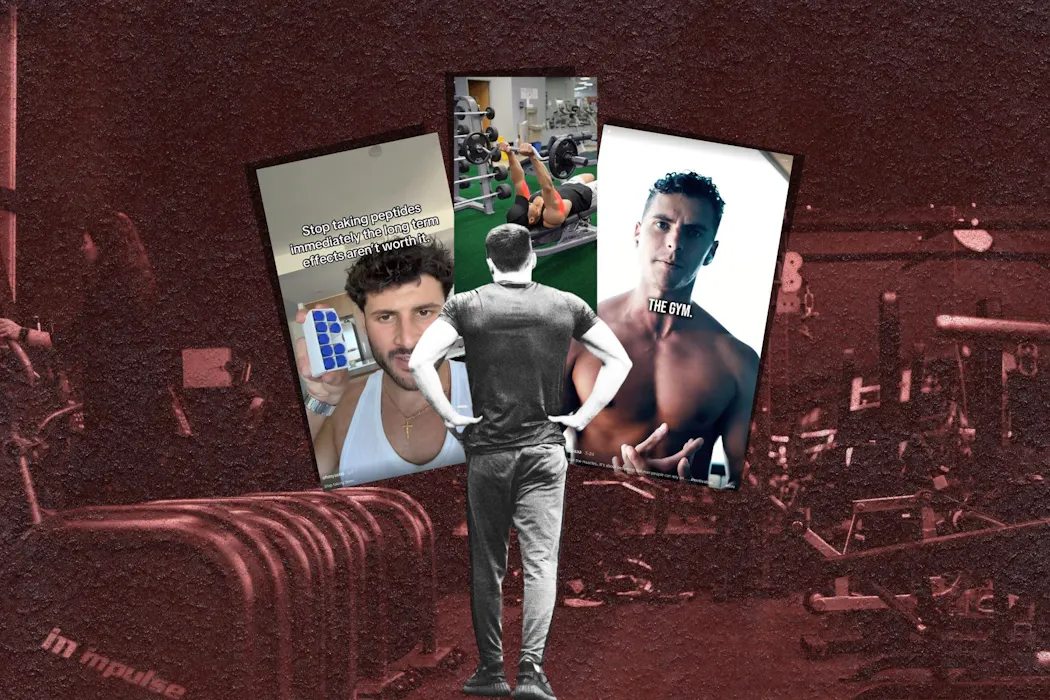
In response, our new research looked at the real TikTok viewing histories of 142 young men across Australia, the United States and the United Kingdom. We watched what they watched, 2,000 videos over the past month, and built a framework to map the full spectrum of masculinity content that young men encounter online.

It’s the first time academic research has used real user data in this space. It means we can respond to what young men and boys are actually seeing, rather than simulations of user experiences and what we think they’re seeing.

Almost half of the videos we analysed (44%) contained masculinity-related themes. Masculinity content fell into three distinct categories. Understanding these categories, how they escalate and who’s watching it makes tailored intervention possible, from policymakers to support services, and even the platforms themselves.


Read more: How boys get sucked into the manosphere


Beginning the journey

The journey can start somewhere ordinary. Three videos. Same young man. Same day. Same algorithm.

In the first video, a young, buff man located in a gym, demonstrating to his audience the correct technique when completing the “perfect lying tricep extension”.

We called this tier “cultural touchpoints”. It includes gym, sport, fashion and dating tips content. It made up 38% of what young men in our study watched, making it the most common type of content.

On the surface, none of it raises alarm. But it quietly sets a norm. One type of male body, one set of male interests, one way of moving through the world.

Travelling deeper

In the second video, a shirtless young man delivers a motivational-style speech about gym and discipline. He argues that physical commitment produces results in other areas of life, such as earning admiration from his girlfriend and becoming a “superhero” to his future children.

We called this tier “masculine status” content. It constituted 6% of the videos we analysed.

Outwardly, it looks like self-improvement, motivational and informative content with messages of discipline, ambition, levelling up as a man.

Underneath, the rigid moulds become clear: muscularity, emotional suppression, financial abundance, the “high-value” male archetype.

Women are framed as rewards to be earned. The content is ideologically hardened, but also easy to miss.

The destination

In the third video, a male creator sarcastically warns his audience against peptides. He then proceeds to list the side-effects of “getting leaner, shredded and getting more bitches”, while showing the vials to the audience.

We called this tier “degrading health” content. It made up less than 1% of content.

Most of it violates TikTok’s own community guidelines prohibiting the promotion of peptide hormones, testosterone boosters, and content that demeans, endangers or advocates for self-harm.

This category includes overt misogyny and graphic depictions of violence against women.

It’s infrequent, but not isolated. This content sits at the end of a journey that began with a tricep extension tutorial.

Three videos. Three very different messages about masculinity and health. This is how the manosphere finds young men: through platforms they’re already on, creators they already follow and in a cultural language they appreciate.

Cultural touchpoints lay the foundation that make messages of misogyny, risk-taking, violence and hate not just palatable, but reasonable. Ideological shifts happen because it feels like much of the same.

Exploiting insecurities

The manosphere doesn’t create these pressures – it finds genuine unmet needs and exploits them for profit and views. Often girls, women and other minority groups are at the receiving end of that harm, as well as the boys and men themselves.

Our broader framework, in which these classifications are a part, gives researchers, regulators, and platforms a tool to identify and intervene across the full spectrum of young men’s digital lives, not just at the extremes.

Current moderation and regulation approaches are reactive. Content is removed once platform guidelines are violated, but often that comes too late, after thousands if not millions of users have already seen it.

This research makes early and tailored intervention possible, disrupting the masculinity content pipeline at different points along the spectrum, before young men reach the most extreme end.

For example, tech companies could embed this classification framework into the design of recommender systems to ensure an age appropriate user experience. Cultural touchpoint content may be appropriate for a 16-year-old, but masculine status and degrading health videos may not be, and thus should not be recommended to them. Our work provides a defensible evidenced standard for appropriate moderation and digital platform design.

Lastly, it helps create a shared language and collective understanding of the manosphere. We can talk about masculinity content in a way that aligns with young men’s actual digital experiences, and to build solutions that fit the problem.

The manosphere has spent years speaking directly to young men’s fears and insecurities, building narratives that are fluent, persuasive and hard to counter. We need to be just as fluent, delivering effective responses and alternative narratives grounded in what young men actually see, watch and feel.

This research is the first attempt to do that. Now we need to use these insights to expand our evidence on the manosphere’s harm, develop tailored solutions, call for platform reform and develop community resources to help protect the men and boys exposed to this content online.

The Conversation

Krista Fisher is affiliated with the Movember Institute of Men's Health. Krista Fisher had support from the Polarization & Extremism Research & Innovation Lab (PERIL) and Diverting Hate when conducting this research.

Emily Lewis is affiliated with the Movember Institute of Men’s Health.

Zac Seidler has been awarded an National Health and Medical Research Council Investigator Grant. He is also the Global Director of Research with the Movember Institute of Men's Health. He advises government on men's suicide, masculinities, violence prevention and social media policy.

Cynthia Miller-Idriss and Ruben Benakovic do not work for, consult, own shares in or receive funding from any company or organisation that would benefit from this article, and have disclosed no relevant affiliations beyond their academic appointment.

  •  

How to encourage a child to try new, scary things (without traumatising them in the process)

Justin Paget/ Getty Images

If your child has ever dug their heels in on the morning of the school athletics or cross country day, or refused to speak in front of the class, you’re not alone.

For some children, these kinds of events bring a heavy, anxious feeling: what if I’m the slowest, what if everyone’s watching, what if I get it wrong?

For parents, it can be hard to know what to do. Push too hard and the morning becomes a meltdown. Let them off and you worry you’ve taught them to opt out.

Is it ever okay to follow their lead? And how do you give them the best chance of having a go next time?

Why (gently) facing fears matters

When we avoid something we’re afraid of, we feel instant relief. That relief is powerful, and it teaches the brain that avoiding worked. Over time, the fear grows and the impulse to avoid gets stronger. This is true for all of us, not just children.

So, in general, it helps for children to face fears sooner rather than later, before avoidance settles in.

But that doesn’t mean forcing a child through a panic. Pushing too hard can confirm to them the situation really is dangerous.

It’s worth helping your child face the fear before avoidance takes hold. What that looks like depends on what’s driving it.

Start by understanding what’s going on

If you can see a tricky day coming, talk to your child about how they are feeling ahead of time. Ask gentle questions to work out what the resistance is actually about.

Did something happen last time? Is something going on with friends? Is your child worried about failing, being judged, or being laughed at?

You might say:

I noticed you got really quiet when Dad mentioned athletics day. Is something about it worrying you?

Children won’t always have the words straight away, so give them time. It can help to have these conversations side-by-side rather than face-to-face: at bedtime, walking or driving together. Without eye contact, children find it easier to think and talk about hard things.

Try not to jump in to say “you’ll be fine” or “there’s nothing to worry about”. This can come across as dismissing the feeling, and your child may stop talking. Just listening can help children open up.

Validate the feeling

Once you have a sense of what’s going on, let your child know the feeling makes sense before moving to suggesting what to do. Children find it easier to think about solutions once they feel heard. You might say:

I can see this feels really big right now. It makes sense you’re worried.

Pause and stay silent for a moment. They may start crying, which is often part of processing fears.

This is often when we are tempted to rescue or reassure them. Instead, try to just remain a supportive presence. You can offer a hug and say, “This sounds really hard”.

Then work out a plan together

At this point, help your child think about what taking part might look like in a way that feels safe and manageable for them. You might say:

I wonder what might make it easier to go? What’s one small part of it you think you could manage?

Options might be walking the cross country instead of running it, reading the speech to one trusted teacher before presenting to the class, or going along and just observing to start with.

For some events, it’s worth having a quiet word with the teacher too, so the plan works at school as well as at home. The goal isn’t a perfect performance, it’s helping your child take part in a way they can manage.

Try not to rush or pressure them. If they say “I don’t know” acknowledge it can be hard to think when you are feeling worried. Sometimes it helps to take a brief break and come back to explore options later.

On the day

You can calmly remind them of what has been discussed. It can help to state what you would like to happen and then provide opportunity for the child to express how they are feeling:

It’s time to go. I know this is not easy and a part of you really doesn’t want to do this.

If they become upset, stay close and let the feelings be there. You don’t need to fix it or hurry them through it. A hand on their back or a quiet “I’m here” is often enough.

Children often need to feel their fear before they can move through it. This is where courage grows. Courage isn’t the absence of fear, it’s being able to move forward even when fear is present.

When children see they can carry their worries and still take part, they begin to develop confidence in their ability to cope with challenges.

Is it ever okay to follow their lead?

Sometimes, yes, if your child is really distressed, a brief step back will help them regain a sense of control.

A one-off opt-out isn’t a problem, and children are allowed to dislike things.

The warning sign is a pattern: when avoidance is creeping in more often, or your child is missing out on things they actually want to do.

If there’s a history of bullying, a bad past experience, or their fear and anxiety is starting to limit daily life, it’s worth seeing your GP for a referral to a psychologist who works with children.

How to approach ‘achievement’ and ‘participation’ in general

Most of what helps a child “have a go” is built in to the everyday conversations at home, not on the morning of the event. It’s about gently setting expectations: that we don’t always have to win, be the best, or get it right, and that’s okay.

A few themes are worth weaving in often.

The first is everyone has different brains and bodies so some things will come more or less easily to each of us. Difference is normal, and worth admiring rather than ranking. You might say:

I loved learning from my colleague Penny at work today. She knows so much about how water works in the environment.

The second is that skill is built, not bestowed. Children often think of sport, music or performance as fixed talents you either have or you don’t. But ability develops with practice. A child who plays sport every day will find running at athletics day easier, because they’ve put in the time, not because they were born for it.

The third is to help children notice progress against their own past self, rather than the ranking.

Last week you could swim 20 metres, and now you are swimming almost 30!

And the fourth, persisting at something hard is the real achievement. It’s easy to do what you’re already good at. Sticking with the thing that doesn’t come easily is harder, and worth naming when you see it.

I can see how frustrated you are with your reading. Keeping going – when it’s this hard is the bit I’m most proud of.

The goal isn’t a fearless child

The goal is a child who learns, over time and in small steps, that they can do hard things, and that being different from the child next to them is okay and a normal part of life.

The Conversation

Elizabeth Westrupp receives funding from the National Health and Medical Research Council. She is Editor-in-Chief of the journal Mental Health & Prevention, affiliated with the Parenting and Family Research Alliance, and is a registered clinical psychologist.

Christiane Kehoe is co-author on the Tuning in to Kids suite of programs and receives royalties from the sale of the facilitator manuals used by clinicians who deliver the parenting groups. She is affiliated with the Parenting and Family Research Alliance and Deputy Editor of the journal Mental Health & Prevention.

Rebecca Knapp does not work for, consult, own shares in or receive funding from any company or organisation that would benefit from this article, and has disclosed no relevant affiliations beyond their academic appointment.

  •  

‘Like drinking from a firehose’ – what it’s like to be the human in the AI loop

Getty Images

The government’s promised overhaul of New Zealand’s public service has made much of the potential of artificial intelligence (AI) to streamline operations and compensate for a radically reduced workforce.

This is in keeping with generally utopian visions of generative AI (GenAI) tools unleashing creativity, removing mundane, repetitive work, and “freeing up humans” for more fulfilling tasks.

However, this may be naive.

It’s true, GenAI tools can create efficiencies and cost savings for organisations as they become more powerful and their implementation becomes more sophisticated. In this win-win world, organisations and the people who work in them benefit.

But there’s another side to this story as we become more aware of the downsides of GenAI tools – security risks, hallucinations, bias, a “dumbing down” of human input and lack of ethical insight.

However, one thing that is not debated is the need for human oversight of GenAI work. For legal and reputational reasons, organisations require a “human in the loop” who is responsible for reviewing GenAI outcomes, and has the authority to overturn them.

Easier said than done. As we discovered earlier this year when we held an industry panel discussion on GenAI for business students, being the human in the loop can be a role with great responsibility and pressure.

Faster with fewer people

Humans are expected to check and approve outputs, make decisions in ambiguous situations, provide feedback to improve the performance of GenAI tools, and offer ethical oversight and judgement.

The main reason is that GenAI-tools cannot be held accountable for any of their outputs or decisions. GenAI tools are legally considered to be “property” not “persons” and they cannot hold rights or incur duties, meaning final accountability falls with humans.

However, exactly which humans can vary. The organisation implementing the GenAI tool is most frequently considered responsible for any of its behaviours and outputs. In other cases, especially if the tool can be shown to be faulty, the developers or tool vendors may be responsible.

If a problem can be traced to incorrect or biased data, the provider of the data may have some responsibility.

An unexpected negative consequence of GenAI implementation paradoxically arises from its success. Successful GenAI use means executives and managers are expecting to get things done faster with fewer people.

Tasks that used to be done in days or weeks are expected to be done in hours. As a senior manager of a large multinational business told us:

Our goal in the next 18 months is to cut the engineering team down to a quarter of its current size and we need to find out how to leverage AI tools to achieve this.

The pressures on human reviewers

When the overall volume of outputs is lifted substantially by AI tools, the human in the loop can become a major bottleneck.

Within organisations there are now emerging “content creators” who know how to prompt GenAI tools to quickly generate proposals, reports and presentations even in domains where they lack expertise.

These outputs will be sent to the “content reviewers” for “sanity checks”. Those reviewers are domain experts. They are expected to rectify errors, remove nonfactual hallucinated statements, improve quality and provide accountability and final endorsement.

On one hand, a GenAI-powered “creator” can generate a plausible 50-page report in a matter of 15–30 minutes. On the other, the “reviewer” will have to spend hours reading, rectifying and rewriting to make the final report ready for the audience.

This has transposed the workload distribution between “creators” and “reviewers”. At one time a creator would be responsible for around 80% of the total time and effort to produce an advanced draft or prototype, and a reviewer would use the remaining 20% to polish it.

Now the distribution is less than 20% required from the creator, and more than 80% from the reviewer. One of our panellists described this as like “drinking from a firehose”.

Sometimes reviewers have to “let it go”, as they cannot cope with the speed and volume of content coming towards them. But this coping strategy has potentially dire consequences for the organisations they serve.

‘Workslop’ and burnout

There is also a personal cost. Subject-matter experts exposed to unrealistic expectations suffer from burnout, low job satisfaction and high turnover in the organisations we spoke with.

They are overloaded while junior colleagues are losing their jobs or aren’t being hired in the first place. If expert reviewers resign, they may be replaced by more junior colleagues, who are more prepared to trust AI-generated content and sign it off rapidly.

This can become a cycle of decreasing quality, and also raises the question of where the next generation of expert reviewers will come from.

Generating “workslop” (content that seems professional but is of uncertain quality) is cheap and fast, while genuine accountability is difficult. Simply having a nominal human in the loop is not enough.

Quality human oversight needs to be designed in, budgeted for, valued and supported by organisational processes and culture.

The Conversation

The authors do not work for, consult, own shares in or receive funding from any company or organisation that would benefit from this article, and have disclosed no relevant affiliations beyond their academic appointment.

  •  

Australia now has access to Anthropic’s Claude Mythos. It may improve cyber safety – but not for everyone

Google DeepMind

Artificial intelligence (AI) giant Anthropic has expanded access to a highly advanced model deemed too dangerous for public release, including Australia in the select handful of users.

The large language model, known as Claude Mythos, is now being rolled out to an additional 150 organisations across 15 countries, including the Australian government and several local businesses, as part of Project Glasswing.

In an era where large-scale AI launches are happening on a day-by-day basis, this limited, gradual release may seem particularly surprising. But Mythos is not like most other AI systems. Instead it’s an automated tool for assessing software to find critical bugs and vulnerabilities.

This managed release is deliberate, as the discovery of vulnerabilities in computer systems is useful for those who want to defend them and those who want to hack them.

However, the real nature of the impact of AI systems on cybersecurity is significantly more complex.

Finding hundreds of severe vulnerabilities

Under initial testing, Mythos has been able to identify multiple new high-risk vulnerabilities. Left unfixed, such flaws allow attackers to easily steal data or induce system crashes.

While these reports are promising, the raw data needs context. Of the 23,000 vulnerabilities flagged by Mythos, only 6,200 were estimated as high-risk by Mythos. However AI isn’t perfect, as human experts could only validate two in every three of these vulnerabilities as high-risk. Even still, the nature and severity of identified vulnerabilities has led developers to say that with Mythos “defenders finally have a chance to win, decisively”.

And winning this battle is extremely valuable.

Over the last few years, Australians have repeatedly been the victims of costly cybersecurity incidents, including Optus, Medibank Private, the Melbourne International Film Festival, and Canvas.

This barrage of attacks likely explain why the Australian Signals Directorate welcomed Australia’s inclusion in Anthropic’s Project Glasswing. While this AI-driven security offers huge potential benefits, the government so far has been tight-lipped on the specifics of how Mythos will actually be used.

Dangerous in the wrong hands

While discovering vulnerabilities is useful, defenders need to be able to respond to them. This is problematic when tools like Mythos produce large numbers of false reports, which have the potential to overwhelm unprepared cybersecurity teams.

More concerningly, while access to Mythos is currently tightly controlled, it will not be long until similar tools are available to help support hackers.

And it’s not just the vulnerabilities that AI can discover that pose risks.

AI systems more broadly are incredibly vulnerable to being tricked or exploited, with highly damaging consequences.

Just this week, hackers used Meta’s AI powered chatbot to gain access to high-profile Instagram accounts, including Barack Obama’s. They did so by tricking AI chatbots into changing account details. And, even after Instagram announced it fixed the issue, within hours there were reports of further accounts being compromised.

A similar attack known as Echoleak last year revealed how tying Microsoft Copilot to email accounts could introduce significant risks. This was made possible by sending emails to accounts monitored by Copilot’s AI. These emails tricked the AI into leaking large amounts of private and confidential information, without the email ever needing to be opened by a human. No longer do we live in a world where hackers need to convince users to click a malicious link, if they can instead convince the AI that reads emails to act dangerously.

Both Echoleak and the Instagram hacks underscore the risks we face as more and more organisations tie their critical functions to AI systems that are difficult to audit, and easy to exploit – even by just being persuasive.

A new balance point

All of this suggests the current cybersecurity landscape might be shifting to a new balance point, where defenders and hackers race to develop and exploit powerful AI tools.

Tools like Mythos aren’t a silver bullet. While they provide defenders with an additional set of eyes on where to look, it still will require expertise to work out what is real, and what isn’t.

But the advent of the AI era has already fundamentally changed the risks associated with poor cybersecurity practices. Every day a user or service provider delays a software update on one of their devices is a day where a vulnerability can be exploited.

For cybersecurity teams, ensuring compliance is already a difficult enough process that will only get worse when the speed of vulnerability discovery increases.

While they are high value targets for hackers, large organisations will likely remain safe, as they will have the resources to access and deploy tools like Mythos. But smaller, less resourced companies will likely not have the capacity to access these tools – or to react to the upcoming tsunami of cybersecurity updates.

And if they fall behind on these updates, these smaller companies will likely find themselves at far more risk than they ever have been before.

The cybersecurity divide between those with and without resources will only grow. Bridging this gap is not just an IT challenge – it’s a public safety concern that will affect us all.

The Conversation

Andrew Cullen does not work for, consult, own shares in or receive funding from any company or organisation that would benefit from this article, and has disclosed no relevant affiliations beyond their academic appointment.

  •  

What ‘biodegradable’ packaging really means – and 3 key questions to ask about it

John Cameron / Unsplash

“Biodegradable” has become one of the most reassuring words in modern packaging. It appears on coffee cups, shopping bags and food containers, implying a promise: this product is better for the environment because nature will eventually take care of it.

However, biodegradability is not a simple yes-or-no property. It exists in shades, which we can measure.

Biodegradation is a complex process. Microbes and molecules present in an environment such as soil attack a material and digest it, much like what happens to food in our gut.

A material is typically defined as biodegradable if it is digested “well” by the environment in which it is placed. The more mass the material loses during digestion, and the more carbon dioxide it produces, the more biodegradable it is.

Different environments digest materials in different ways. Temperature, sunlight, oxygen, moisture and microbial diversity all influence how quickly materials degrade.

Even the most rigorous testing cannot fully capture the complexity of the real world – but it can help guide our choices.

Biodegradability is relative

In the lab we can simulate environments such as landfill, home compost bins and industrial compost facilities. If we understand in which settings a material breaks down better, we can tell the consumer how to best dispose of it and prevent pollution and other issues.

A material that decomposes quickly in an industrial composting facility may persist for years in the ocean or landfill.

Industrial composting systems maintain elevated temperatures, controlled aeration and consistent moisture. Hot, moist and oxygen-rich conditions generally aid biodegradation but they are not easy to come by in a backyard compost bin.

Home compost systems are typically cooler and more variable. The result: a material certified for industrial composting may not break down effectively at home.

Take polylactic acid (PLA), a biodegradable material generally considered to be a greener alternative to common plastics (like PET). PLA can biodegrade effectively in an industrial composting system. With temperatures above 60°C and controlled moisture, oxygen and microbial activity, microbes can convert PLA into carbon dioxide, water and biomass in just a few days.

Outside these conditions, the story changes. If PLA ends up in landfill, decomposition can be slow because oxygen is limited. In rivers or marine environments, it may persist for years and act as a raft for “alien” species. In your compost bin or worm farm it might disappear in a few months.

Time for standards

There are many ways to measure biodegradability. One common series of tests, OECD 301 assesses “ready biodegradability” in different environments as a material’s ability to biodegrade around 60% within 28 days under controlled conditions.

Industrially compostable materials are tested under very specific conditions. Standards such as EN 13432, used in Europe, assess whether packaging can successfully break down in industrial composting facilities.

To meet the standard, at least 90% of the material must biodegrade into carbon dioxide, water and biomass within six months. These tests typically involve elevated temperatures, controlled aeration, and moisture.

Most biodegradable plastic materials do not disappear cleanly. Instead, they fragment into progressively smaller particles before fully breaking down. During this period, the fragments will continue interacting with organisms and ecosystems.

Compost bins too can get indigestion

Biodegradability standards are helpful for consumers and waste regulators. Nevertheless, they are limited. They often do not test how much of any given material a specific disposal system can sustain at any one time.

This is an important parameter to take into account. Take food waste. When large quantities of food lie in landfill without oxygen, they generate methane, a greenhouse gas far more potent than carbon dioxide over short timescales.

Other biodegradable materials are no different and can throw out the balance of an ecosystem such as your compost bin, if added in excessive quantities.

Introducing certain materials to a compost bin might also cause certain microbes to thrive and others to suffer, sometimes with unintended consequences, such as making your compost bin smell bad.

In the future, biodegradability tests will likely be paired with ecotoxicity assessments, to help us understand whether a material breaks down safely and without generating harmful byproducts or microbial imbalances.

What can we do?

Few of us have an industrial composting facility nearby to take care of biodegradable materials. Industrially compostable products such as coffee cups often end up sent to landfill alongside conventional waste.

This does not mean individuals are powerless or that biodegradable materials are inherently bad.

You can start by checking local council guidance and choosing products certified for the systems available in your area, or your compost bin.

Ask yourself:

  • is this product home compostable or only industrially compostable?

  • is there infrastructure locally that can process it?

  • has it been independently certified?

As for industrially compostable coffee cups, check that you can return cups to participating cafes. They should not be placed in standard recycling bins or food and organics bins as they are considered contaminants. If unsure, place them in a bin destined for landfill.

Ultimately, the most sustainable option remains a reusable washable cup.

These may seem like small actions but they help push packaging design and waste systems toward greater transparency and accountability.

Moving beyond simple labels

As consumers, we want to make educated choices about their purchases and how they can be disposed of.

For now, we have simple labels. In the future, we will hopefully have more complete information about how materials degrade in industrial composting facilities, home compost bins, soil, freshwater, sea water and landfill sites.

Biodegradable materials offer clear advantages over highly persistent materials, but the term “biodegradable” should not be mistaken for environmentally harmless.

Let’s just remember that a biodegradable material released in the wrong place, at the wrong scale, or under the wrong conditions may behave not very differently from a non-biodegradable material.

Understanding the shades of biodegradability moves the conversation beyond simplistic labels. Nature can break many things down, eventually. The more important question is whether it can do so without getting indigestion.

The Conversation

Alessandra Sutti has received research funding from the Australian Research Council, the Marine Bioproducts Cooperative Research Centre, the Innovative Manufacturing Cooperative Research Centre and by companies participating in associated projects such as the ARC Research Hub for Functional and Sustainable Fibres and the ARC Training Centre in Sustainable Material and Responsible Technologies for Packaging (SMaRT-Pack), as well as from industry partners associated with these grants, such as HeiQ Pty Ltd, Xefco Pty Ltd, C. Sea Solutions Pty Ltd (trading as ULUU) and Simba Global Pty/Ltd. Alessandra is a paid member of the HeiQ Innovation Advisory Board, is a member of the American Chemical Society and serves as a volunteer member on Standards Australia ME-009 Committee (Microplastics). She collaborates closely with The GLOBE Program (through GLOBE Italy), The University of California Berkeley and San Francisco State University, co-developing microplastics monitoring protocols and is involved in environmental education programmes.

Martin Zaki does not work for, consult, own shares in or receive funding from any company or organisation that would benefit from this article, and has disclosed no relevant affiliations beyond their academic appointment.

  •  
❌