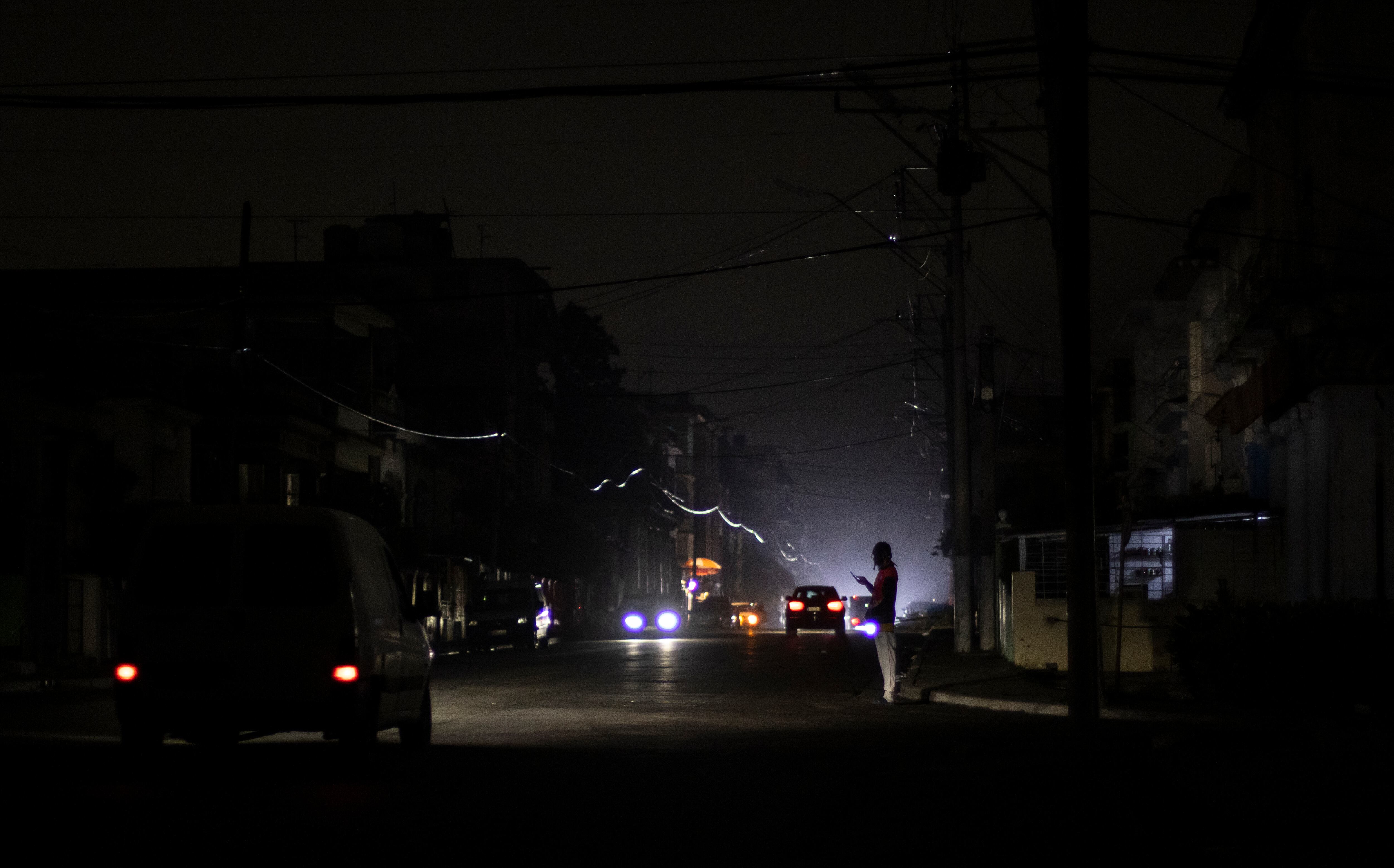
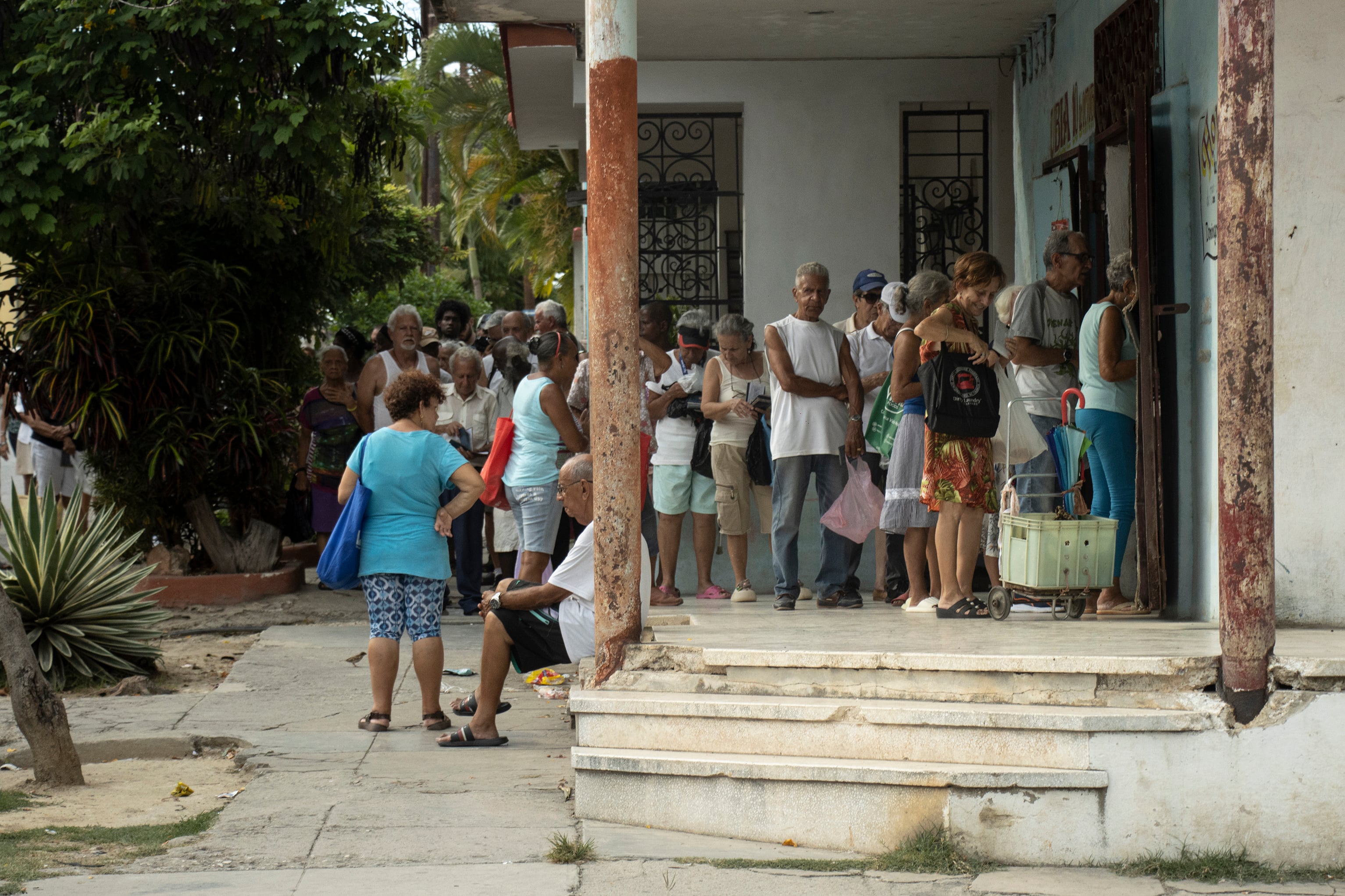
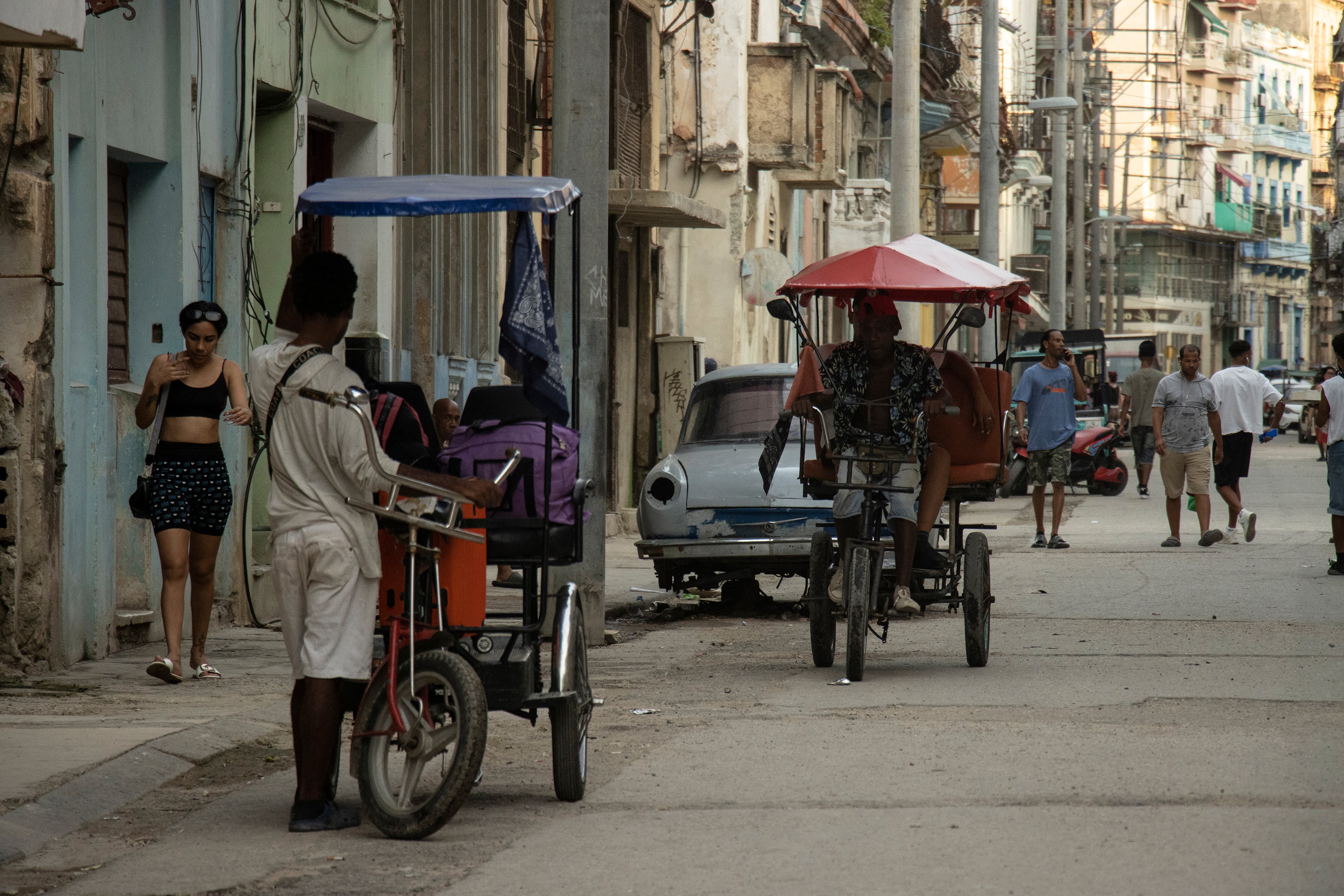
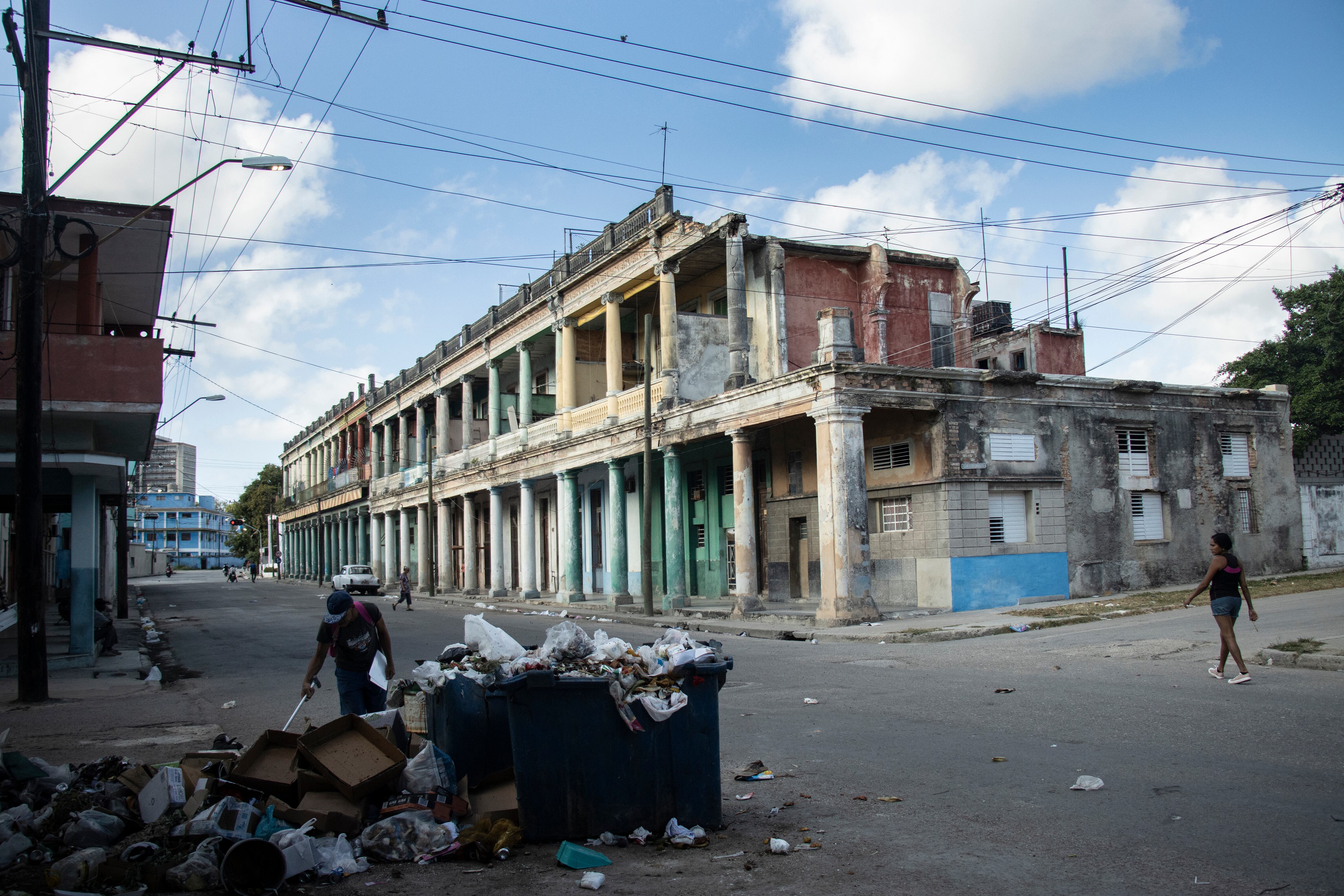
It’s midday and the bread still hasn’t arrived in one of the neighborhoods of central Havana. The open oven reveals empty shelves. Employees give an explanation that all the local residents have already heard: without electricity, there’s nothing to bake.
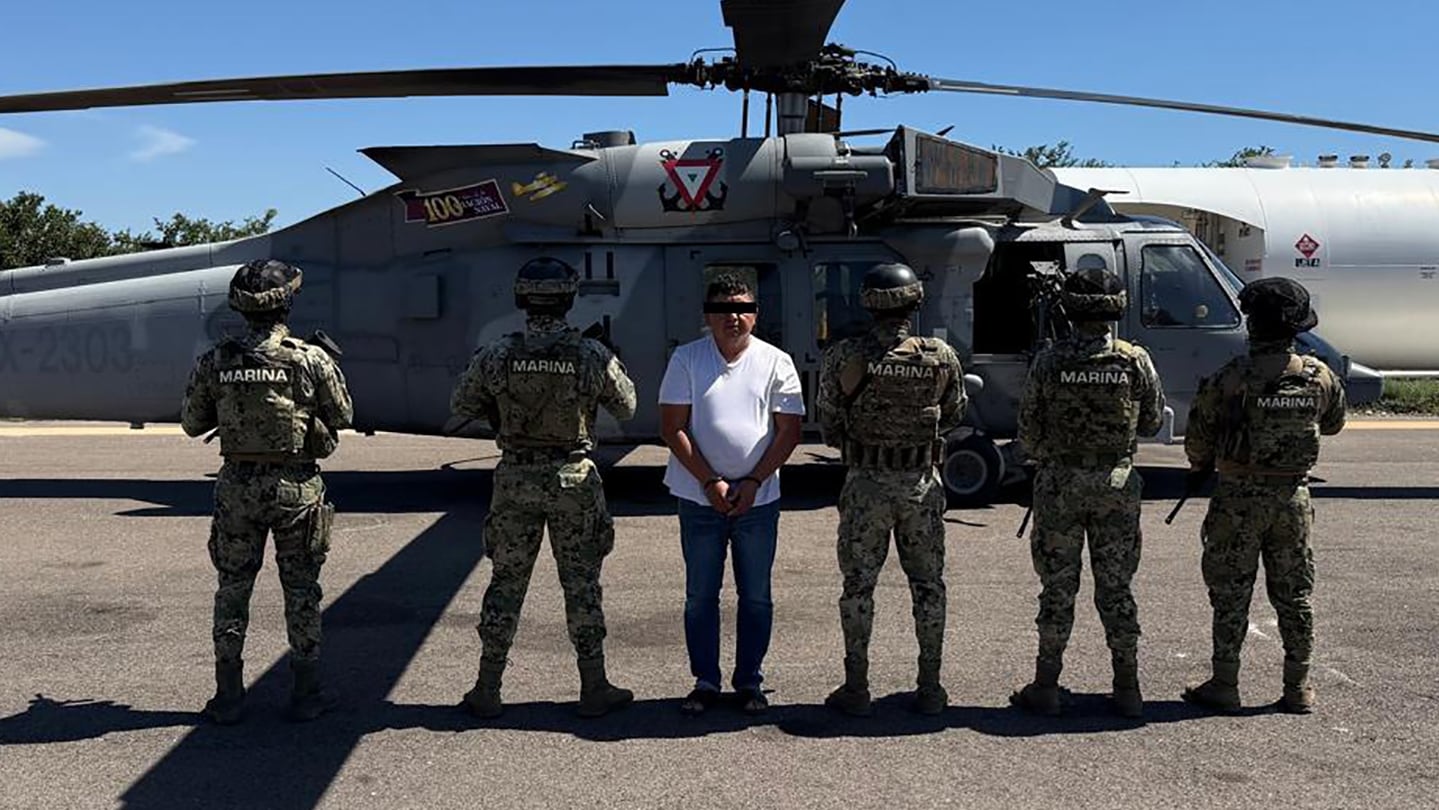
With the arrest of Audias Flores, aka “El Jardinero” (The Gardener), one of Mexico’s most wanted drug traffickers and a leading contender to take over the decapitated Jalisco New Generation Cartel (CJNG), Mexico has not only dealt a brutal blow to that criminal organization, but is also trying to send a message of effectiveness to Washington and contain Donald Trump’s interventionist impulse in his crusade against drugs.
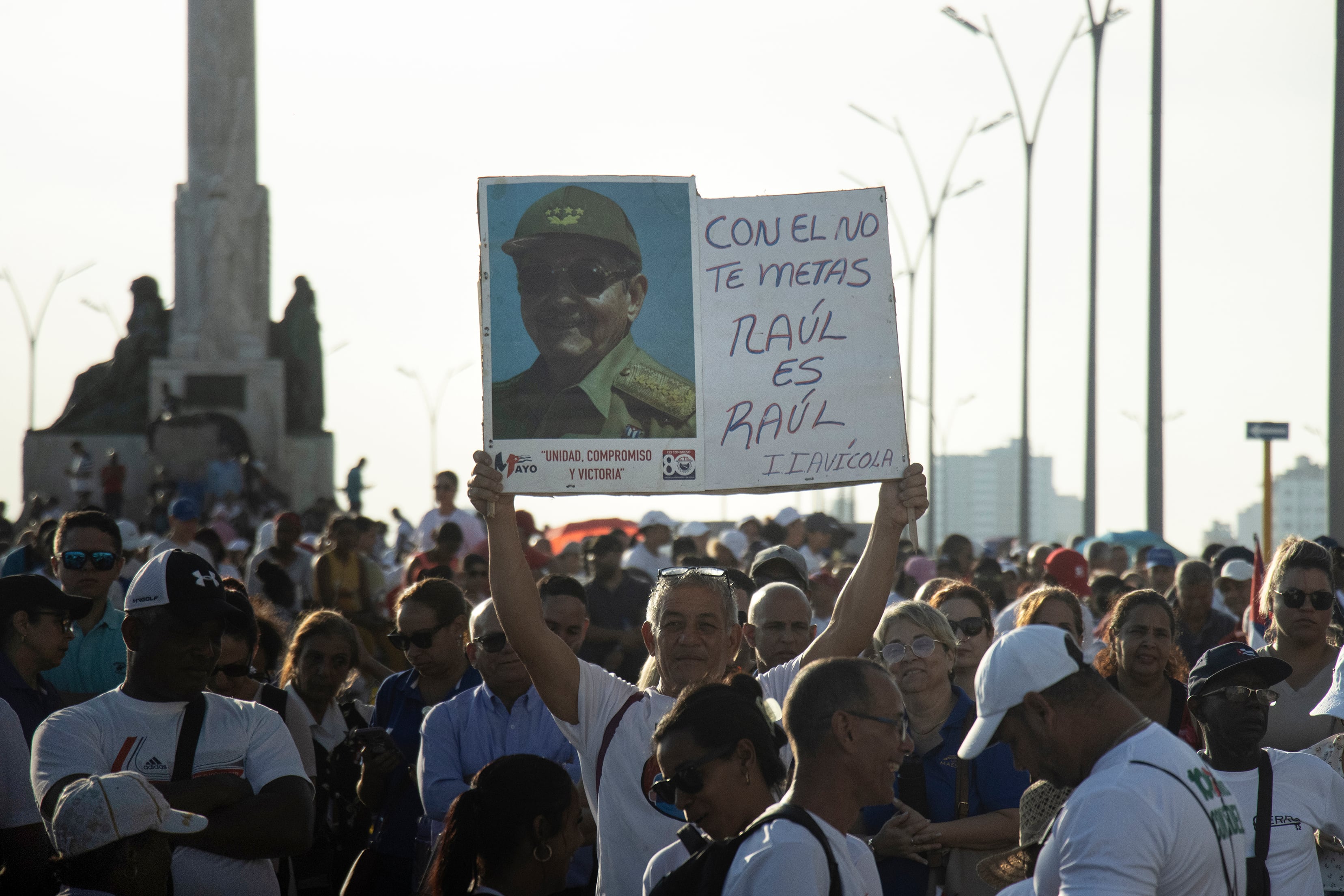
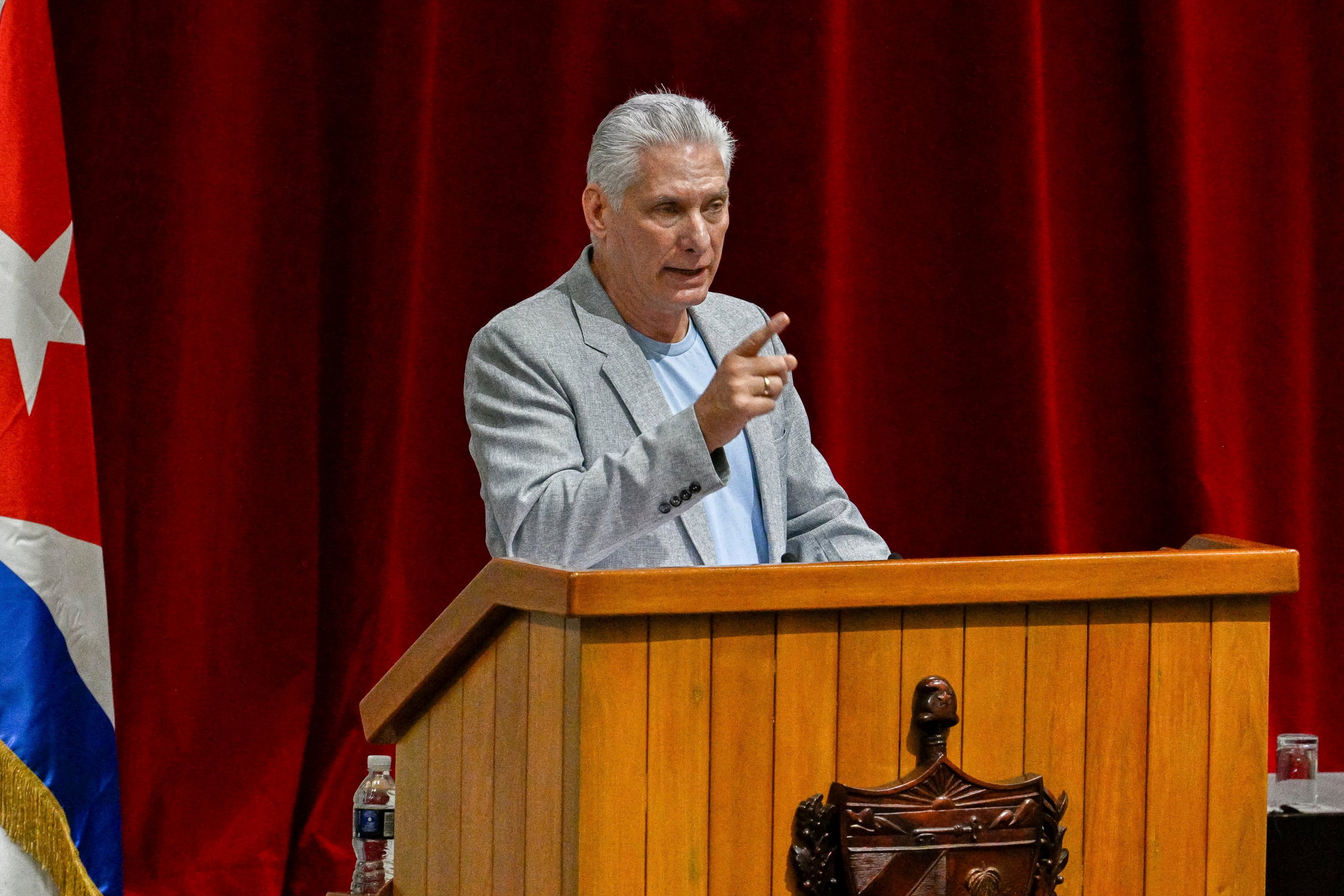
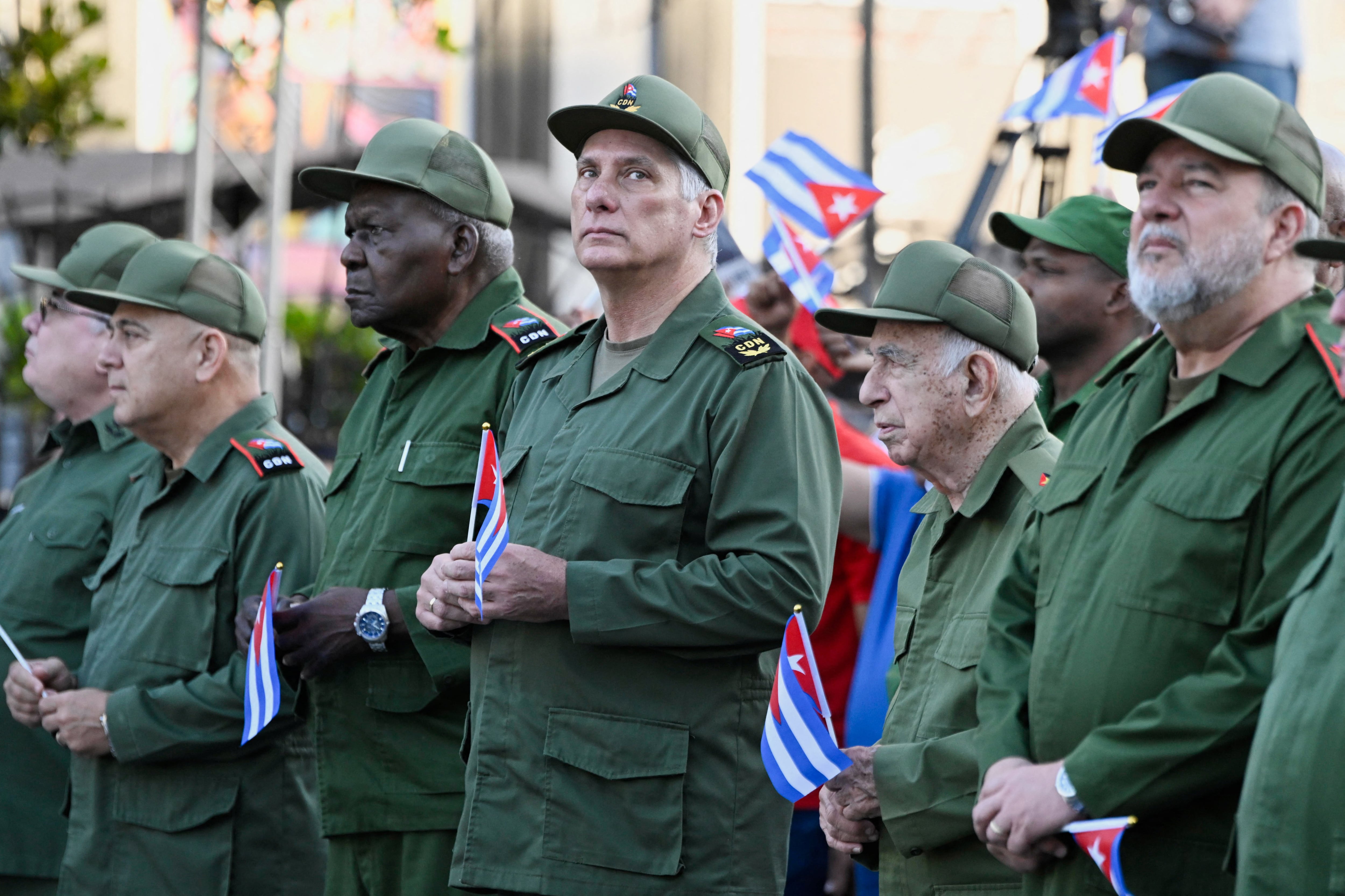
Miguel Díaz-Canel grows emotional, raising his fist before hundreds of left-wing activists from Europe and Latin America gathered at Havana’s convention center, as seen in a video recorded days before a shipment of humanitarian aid arrived, while they chant, “Cuba is not alone.” On May 22, he is seen giving a military salute amid trumpets and Cuban pennants before thousands gathered at the so-called anti-imperialist platform between the U.S. embassy and the Malecón to show support for 94-year-old Raúl Castro, who has just been charged by a U.S. court for ordering the shooting down of two planes belonging to an anti-Castro organization in 1996, an attack that killed four people.
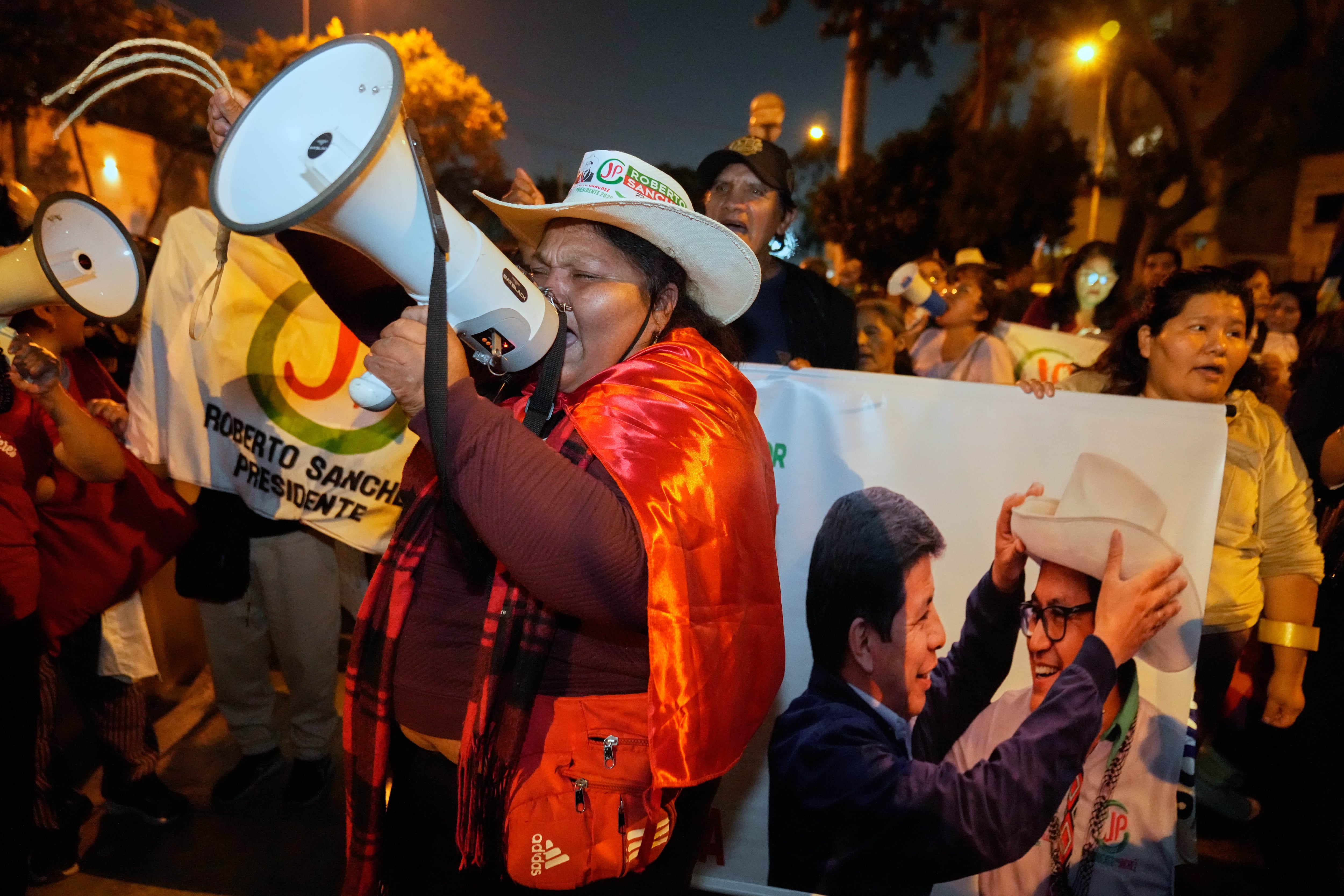
Peruvians who went to the polls this past Sunday to vote in the presidential runoff will not know who their president is until July. One month is how long the National Jury of Elections estimates it will take to review the 1,555 tallies that have been challenged, a spokesman confirmed on Tuesday. Two days after voting, uncertainty over a result that will be decided by about 25,000 votes between the leftist candidate Roberto Sánchez and the right-wing Keiko Fujimori is turning into weariness and allegations of fraud on the streets and social media.

 Login
Login