Reading view

Celebrate World Turtle Day 2026: Protecting Ontario’s Snapping Turtles

World Turtle Day on May 23rd is dedicated to appreciating these extraordinary reptiles. It is also a good opportunity to highlight the need to protect these ancient species, as they are one of the most interesting and important groups of reptiles in Ontario. On this year’s World Turtle Day, we shed light on the significance of one of Ontario’s most beloved turtle species, the snapping turtle.

Incredible Snapping Turtles in Ontario

The snapping turtle, recognized for its large size and dinosaur-like features, is commonly found in shallow water bodies such as marshes, swamps, and creeks from the north of Lake Superior to the edges of southern Ontario. Although aquatic, snapping turtles migrate across terrestrial land in search of many resources, making their habitat range up to 20-30 square hectares!
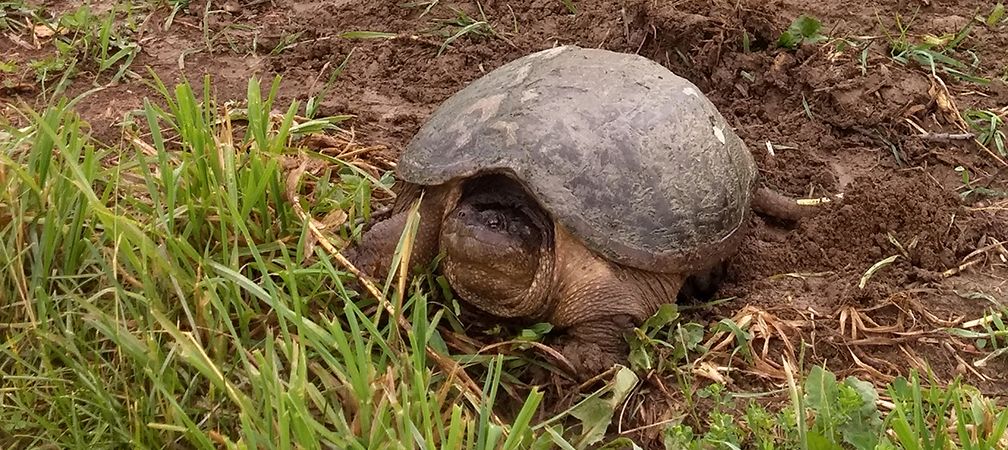
A large snapping turtle on land, snapping turtle prepares to dig a nest to lay eggs
Snapping turtle © Scott Mackie

These reptiles are necessary for maintaining the habitat of many water bodies. Their consumption of dead/decaying plant matter helps clean water bodies to support the survival of other organisms. Turtle eggs are also part of the diet of many young mammals and bird species.

In addition to their ecological benefits, snapping turtles have a strong cultural significance for Indigenous Peoples from across Ontario. The turtle is a symbol of creation, balance and patience. Further, wetland habitats are important sources for food and medicine, and also crucial for controlling floods, water pollution and storing carbon.
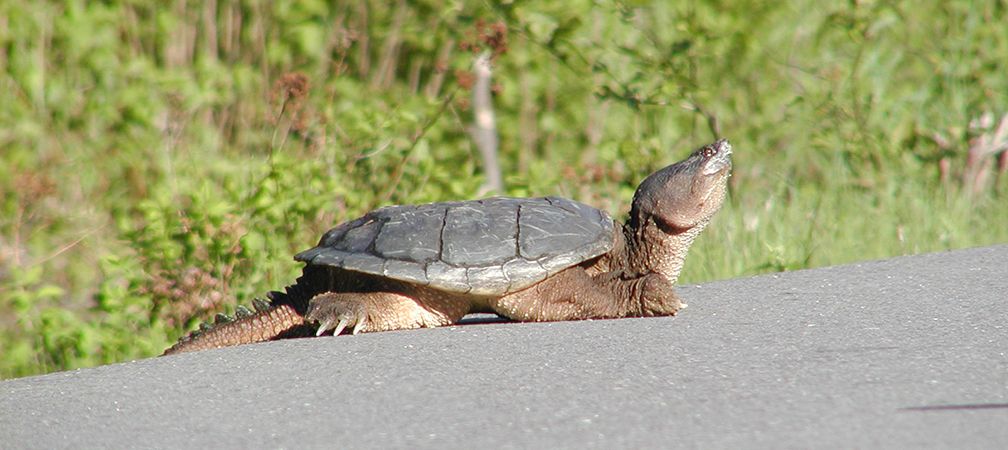
Snapping turtle on a road at risk of a wildlife-vehicle collision, Snapping turtle, species at risk, species of special concern, biodiversity, turtles, freshwater turtles
Snapping turtle © Peter Ferguson

Threats to Snapping Turtles

Passed in June 2025, Bill 5, also known as Protect Ontario by Unleashing Our Economy Act, poses significant threats to many species, including snapping turtles.

Through this bill, the Species Conservation Act (SCA) replaces the Endangered Species Act. The SCA weakens many protections for species at risk and will not even continue to list special concern species like the snapping turtle making it unclear how their wellbeing will be assessed on an ongoing basis.

One of the major problems with the SCA is that it defines “habitat” solely as a species nesting area, ignoring the fact that many species – including the snapping turtle – depend on a large area of land to survive.

Migration plays a key role in maintaining snapping turtle populations. They travel across terrestrial environments to find food and mates, and later nest in aquatic environments.

While listed as special concern, increasing habitat loss and fragmentation is likely to continue to impact this species with slow reproductive rates, making it difficult for them to recover from population declines.
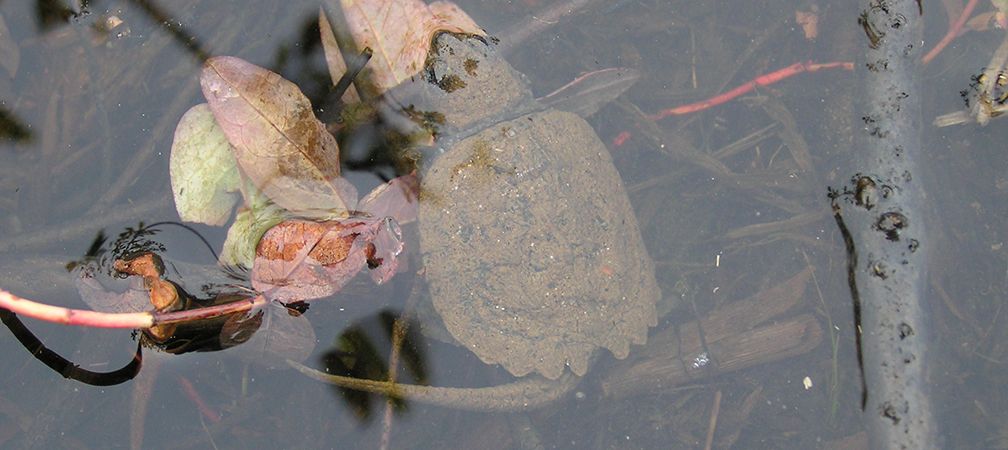
A young, small snapping turtle in the water near shore
Juvenile snapping turtle © Peter Ferguson

What You Can Do

World Turtle Day is the perfect opportunity to be the voice for the protection of snapping turtles and their habitats.

Turtles and wetlands provide underacknowledged benefits that are necessary for the health of Ontario’s most beautiful spaces.

Sign and share the repeal Bill 5 petition so that we restore protections for our precious biodiversity. Ontario Nature has also created a wetland advocacy toolkit, which includes information regarding wetlands, their role in the environment and what you can do to help keep them protected.

The protection of turtles is not only dependent on how valuable they are to humans or the environment, but also their value as living beings. Ontario is also their home, show that you care by taking action this World Turtle Day.

  •  

Over 100 Species at Risk Lose Protection Under the Species Conservation Act

Believe it or not, Ontario’s Endangered Species Act (ESA) was passed with all-party support back in 2007. Subsequently, of course, it was undermined through numerous exemptions and approvals for harmful activities, and now, through Bill 5, the Government of Ontario is tossing it aside completely. It is being replaced by the Species Conservation Act, 2025, (SCA) which is in no way its equal. With a view to eliminating barriers to development, it is claimed the new law will “help speed up project timelines and provide greater certainty for proponents.”

Devastating Changes

Under the SCA, no migratory birds, aquatic species or species of special concern will be provincially listed. The rationale for removing protections for migratory birds and aquatic species is that they already receive federal protection under the Species at Risk Act (SARA). In the case of special concern species, the provincial government is not listing them because they were not subject to “prohibitions under the ESA”. The provincial government is thus abandoning responsibility for 106 out of the 270 or so species currently deemed to be at risk in Ontario.

Former mine entrance
Former mine entrance © Brian Killmore CC BY 2.0

National Accord

In 1996, federal, provincial and territorial ministers responsible for wildlife committed to a national accord to protect species at risk by agreeing to “establish complementary legislation and programs that provide for effective protection of species at risk throughout Canada.” Canada and Ontario went a step further in 2011 by developing an Agreement on Species at Risk that commits to coordination and cooperation on preventing species from becoming at risk, as well as protecting and recovery identified species.

The Government of Ontario has abandoned these commitments. Species do not recognize arbitrary political boundaries, and cooperative federalism is absolutely necessary to conserve species at risk, especially amid a biodiversity crisis.

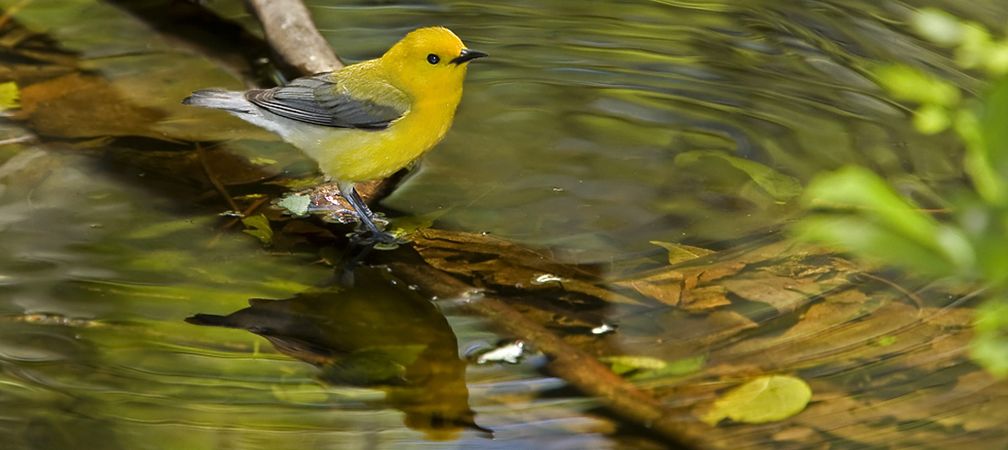
Prothonotary warbler, Endangered species, species at risk in Ontario, population declines, fewer of these birds, habitat loss, habitat degradation, negative human impacts, biodiversity loss, insectivore loss
Prothonotary warbler, Endangered species © Bill Majoros CC BY-SA 2.0

Limitations of SARA

The SARA is not equivalent to the ESA and to date, the federal government has been reluctant to exercise its power under the act on non-federal lands. The Government of Ontario has given no indication that the federal government was engaged on the draft SCA or agreed to step in and provide protections for the migratory birds and aquatic species that have lost provincial protections. On the contrary, Minister McCarthy along with the Alberta Environment Minister sent a letter to their federal counterpart in June, 2025 that requested the federal government amend SARA “to respect the constitutional jurisdiction of the provinces”, along with request to weaken other environmental regulations.

Further evidence that SARA is not fit to purpose to make up for the once gold standard provincial ESA, is that the backlog of species needing reassessment by Environment and Climate Change Canada will grow to 574 by the end of 2030. Additionally, as of 2022, the Auditor General of Canada found that 10% of federally listed species did not have recovery strategies or management plans in place as required by the act. Furthermore, of the 409 recovery strategies prepared by 2022, 20% did not identify the species’ critical habitat, which is necessary for protections under SARA.

New subdivisions and retail development displaces farmland, habitat and natural systems as well as degrading the environment with visual disturbance, noise, emissions and pollution nearby a watershed, Stayner, Ontario
New subdivision replaces previous farmland, Stayner © Noah Cole

Despite the Government of Ontario’s claims that the protections under the ESA for migratory birds and aquatic species were duplicative with federal protections, it is clear that SARA and the federal government are not equipped to provide equivalent protections.

Call to Action

Extinction threatens one million of approximately 8 million plants and animals worldwide. Responding effectively requires cooperation across all levels of government, as previously agreed to under the national accord and Canada-Ontario agreement.

Ontario’s weakening of protections for species at risk threatens our long-term well-being. Join us in urging the Government of Ontario to repeal Bill 5.

  •  
❌