Reading view

What’s wrong with how US and Uganda plan to stop Ebola spreading
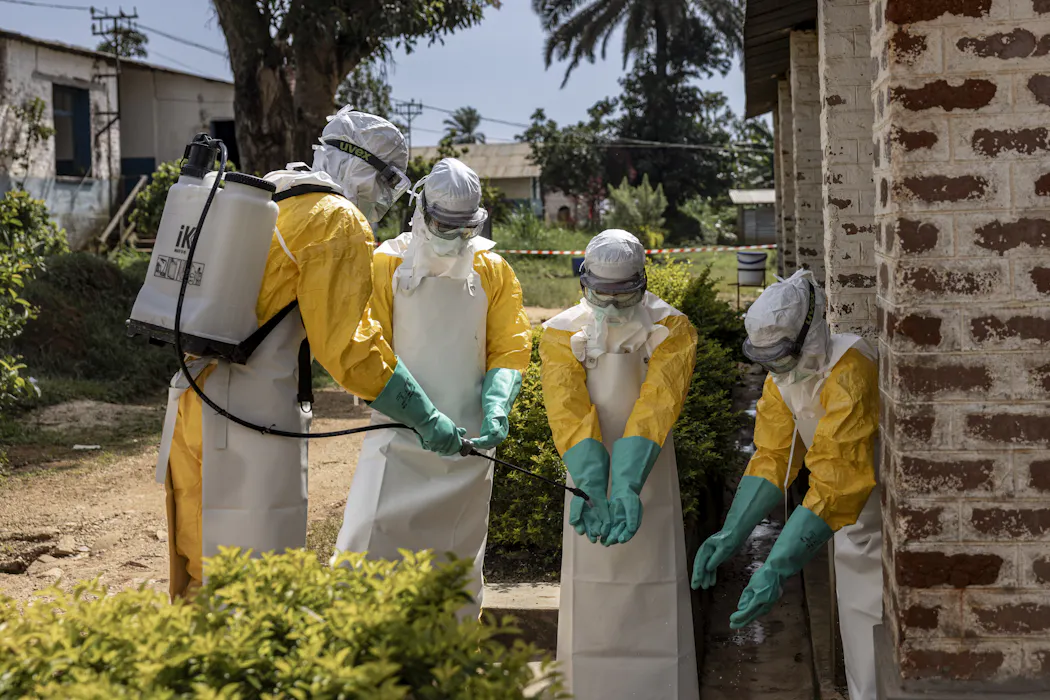
The Democratic Republic of Congo is scaling up health operations to contain the Ebola epidemic. Michel Lunanga/Getty Images

As public health workers in the Democratic Republic of Congo work to rein in a growing outbreak of a rare Ebola virus, other countries are establishing protocols for keeping their own populations safe.

As of May 27, 2026, Congo has reported more than 1,000 suspected and confirmed cases, and more than 250 deaths, according to the U.S. Centers for Disease Control and Prevention. Neighboring Uganda has also reported seven cases and one death. Several Americans who were in the region have been exposed.

Measures such as screening incoming travelers and isolating those who have been exposed, announced by the U.S., Canada and other countries, are scientifically proven ways to effectively address outbreaks.

But recent decisions by two countries stand out because they are not supported by epidemiological evidence – and because they reflect a surprisingly similar way of thinking about outbreak control: On May 27, Uganda closed its border with Congo. Only a narrow set of exceptions apply, mostly for emergency aid workers, and those who cross the border will be subject to health screening and supervised isolation. The following day, the United States announced plans to send exposed Americans from affected countries to a quarantine facility in Kenya, a country with no Ebola cases – though as of May 29, a Kenyan court has blocked the move.

Uganda closed its border with Congo to prevent the spread of Ebola, but public health history suggests this is not a great idea.

These are very different policies, but both rely on a common assumption: that creating geographic distance from a threat provides protection. However, surveillance, isolation and response capacity are often more important. And both the Ugandan and U.S. moves have drawn criticism from public health and medical experts who argue that managing outbreaks depends more on detection and monitoring than distance alone.

And both decisions emerge from a long-running debate in public health: whether controlling where people are located is more effective than investing in the systems that identify, monitor and treat disease.

As an epidemiologist studying infectious disease outbreaks, I think a look at the history of border restrictions and closures during epidemics helps explain why scientific consensus usually recommends against them.

Land borders are challenging to ‘close’

The instinct to seal borders during outbreaks goes back centuries. Venice’s 14th-century “quarantino” was one of the earliest organized attempts by a state to regulate movement in the name of collective health. It worked because the unit of control was a ship: a discrete location that could be anchored offshore for a period of time.

A land border is a fundamentally different problem. As trade networks crossed continents, epidemic control encountered something maritime quarantine never had to solve. You cannot easily anchor people at a land border.

By the 19th century, repeated cholera outbreaks had made the problem international. European powers responded with waves of uncoordinated border closures and trade restrictions that caused enormous economic damage without reliably stopping transmission.

A four-panel etching from 1833 showing people trying to disembark from a boat and go ashore.
Sealing a border is easier when people arrive by sea than by land. Wikimedia Commons

In 1874, governments from around the world met in Vienna for the Fourth International Sanitary Conference to address a problem that sounds remarkably modern: how to control infectious diseases crossing borders without crippling trade and travel. Delegates explicitly rejected border closures and land quarantine as “unworkable and consequently useless.”

The modern descendant of those 19th-century conferences is a set of global laws called the International Health Regulations. Their core purpose is straightforward: Make it safe for countries to report outbreaks honestly, without fear that doing so will trigger economic punishment or travel bans.

Incentive problem at the heart of global health

The entire modern global health surveillance system rests on a single premise: Countries need to report outbreaks quickly, without fear of automatic economic punishment for doing so. If declaring an outbreak triggers immediate border closures and travel bans, governments have a powerful incentive to delay reporting.

This concern is not hypothetical. During the first SARS outbreak in 2003, China’s delays in official reporting, driven in part by concern about economic fallout, contributed directly to the global spread of the disease. This prompted the World Health Organization to publicly accuse a member state of placing the world at risk. The International Health Regulations were most recently revised in 2005 in direct response to that failure.

When the WHO declared the current Ebola outbreak a public health emergency of international concern on May 17, it explicitly warned against border closures and travel restrictions, saying that these moves “have no basis in science.” That’s because such actions push movement to informal border crossings that are not monitored and “can also compromise local economies and negatively affect response operations from a security and logistics perspective.”

For example, a mother trying to get a sick child to a clinic just across the border may not stop because the formal crossing is shut. The Uganda-Congo border is several hundred miles long and crossed by numerous footpaths beyond formal border posts, which many people use daily to visit family or to trade.

The public health system loses the ability to test, isolate or trace those interactions. This matters especially for Ebola, which transmits only after symptoms begin – meaning a person who can actually spread the virus is already identifiable through symptom screening, making case detection and isolation far more effective than geographic restriction.

U.S. plans to establish quarantine facilities in Kenya for Americans exposed to Ebola have drawn strong pushback.

The U.S. decision to send exposed Americans to a quarantine facility in Kenya reflects a related instinct – to keep the virus off native soil. But exposure has already occurred, so the public health question is no longer how to prevent entry but how to monitor potentially exposed people safely and effectively. The plan is particularly controversial because it would transfer potentially exposed individuals to a country with no Ebola cases of its own, despite the U.S. already possessing specialized facilities designed for exactly this purpose.

The Infectious Diseases Society of America criticized the plan, noting that the United States has already invested heavily in specialized Ebola treatment centers specifically designed to care for patients with highly dangerous infectious diseases. It warned that building and staffing a new unit in Kenya during an active outbreak raises questions about resources, timing and quality of care.

Border restrictions do not work alone

Some countries did use border closures effectively during COVID-19 – New Zealand, Australia and Taiwan sharply restricted international travel while pairing those measures with intensive testing, quarantine and contact tracing. But specific circumstances made those cases work: restrictions before the virus began spreading widely in the community, island geography that naturally limited informal crossings, and aggressive internal measures running in parallel.

Remove any of those elements and the effectiveness drops sharply. In these examples, the act of closing the border did not work alone. It bought time for setting up the infrastructure for testing and contact tracing.

These circumstances don’t apply to Uganda’s border closing. Researchers estimate the virus had been transmitting for approximately six weeks, and Uganda already has seven confirmed cases. A closure here is not a moat.

Governments face real pressure to act visibly during outbreaks, and border restrictions are easier to communicate to a worried public than investments in surveillance infrastructure. Those incentives are understandable.

But history suggests that outbreaks are controlled less by where people are located than by whether governments can identify cases quickly, trace contacts, isolate infections and maintain public trust. In other words, borders alone do not stop outbreaks. The real work happens inside them.

The Conversation

Katrine L. Wallace does not work for, consult, own shares in or receive funding from any company or organization that would benefit from this article, and has disclosed no relevant affiliations beyond their academic appointment.

  •  

Motown’s Black women songwriters and producers were the invisible architects behind the pop music juggernaut

Sylvia Moy was a trailblazing Motown songwriter. L. Busacca/WireImage for Songwriter's Hall of Fame

During the 1960s, in a country divided by racial strife, the music of Berry Gordy Jr.’s Motown Records helped bring people together.

Motown was noted for star performers like Mary Wells, The Miracles, The Supremes, The Temptations, Martha Reeves and the Vandellas, Marvin Gaye and Stevie Wonder. But, behind the scenes, a talented group of lesser known women were driving the hits in Hitsville U.S.A.

I’m a scholar of popular culture and author of the biography “It’s No Wonder: The Life and Times of Motown’s Legendary Songwriter Sylvia Moy.” Researching my book inspired me to find other women who contributed to the Detroit label’s era of chart dominance and helped change the music industry, despite going largely unrecognized for their efforts.

I listened to Motown growing up, but it wasn’t until 2021, while sitting at home during the pandemic, that I discovered Moy’s history as the lyricist for Stevie Wonder and how she helped revive his early career.

Because Moy died in 2017, I wasn’t able to speak with her for the book. Instead I researched her life by reading countless interviews she gave, along with talking to her former colleagues at Motown, family and ethnomusicologists, who are scholars that study music through the lens of culture.

Architect of the early sound

When Gordy was organizing his company, Janie Bradford was one of the original five founding members who arrived in 1958. She was the label’s first secretary and its first female songwriter after co-writing, with Gordy, the song “Money (That’s What I Want).” That song was released on Tamla Records in 1959 and performed by Barrett Strong. When Motown was incorporated the following year, the song became the label’s first hit record on the R&B chart and Billboard Hot 100.

Woman stands behind a podium and speaks into a microphone.
Janie Bradford speaks at a 2022 tribute to Mary Wilson, a member of The Supremes, in Los Angeles. Bradford was one of the founding members of Motown. Alison Buck/Getty Images for The Recording Academy

Later, Bradford co-wrote “Contract on Love” for Wonder and “Too Busy Thinking About My Baby,” first recorded by The Temptations and later, Marvin Gaye. Bradford, who later became Motown’s director of writer’s relations, teamed up with pianist Richard “Popcorn” Wylie in the early 1960s to form Janard, a small production company.

Bradford’s collection of poetry is what captured Gordy’s attention, so he encouraged her to be a songwriter. Her witty lyrics told stories about situations that most anyone could relate to – namely, money and love – blended with up-tempo, thumping beats.

Laying the foundation as a producer

Another key figure who paved the way with the Motown sound was Raynoma Gordy Singleton, who was married to Berry Gordy Jr. from 1960 to 1964. She organized Motown during its beginnings by completing the necessary paperwork to incorporate the business. Known as “Miss Ray” to some and “Mother Motown” to others, she located the legendary house at 2648 West Grand Boulevard that became the Motown headquarters and, decades later, the Motown Museum.

In her role as the label’s first executive vice president, she established a tape library. A piano virtuoso and singer, the Cass Technical High School graduate wrote that she was able to play all string and wind instruments. As a result, she became the company’s first female arranger and producer by putting together its first backup vocal group, the Rayber Voices, in 1958.

“Producing records was where the action was controlled – and where the money was to be made,” she wrote in her memoir, “The Untold Story: Berry, Me, and Motown,” which aimed to reclaim her place in the Motown echelon.

During the 1960s, women weren’t considered producers because of broader biases and norms in the male-dominated music industry. Even so, Miss Ray got credit for producing Jimmy Ruffin’s song “Don’t Feel Sorry for Me” in 1961.

Earning a producer’s credit was a sign of legitimacy. Most producers received a songwriting credit and determined who received credit in the liner notes for their contribution to the recording.

While women mostly worked in administrative roles at Motown, there still weren’t any female full-time, in-house songwriters and producers. Like the rest of the music industry back then, Motown’s internal structure was patriarchal with those positions.

The first certified female songwriter and producer

Yet this imbalanced gender dynamic at Motown didn’t stop Sylvia Moy.

There hadn’t been any women producers behind significant, popular songs at Motown until Moy arrived, according to interviews I conducted for her biography.

Motown was at its peak in 1964. Demand for new songs was intense. When the label’s executives realized how skillfully the two audition songs Moy performed were composed, they decided that her future was in songwriting instead of singing.

Discovered by William “Mickey” Stevenson and Marvin Gaye, Moy was hired as the first female in-house songwriter, competing with eminent colleagues like Smokey Robinson, Norman Whitfield and the songwriting trio Holland-Dozier-Holland who wrote 10 of the Supremes’ chart-topping singles. Moy made more history in 1965 after co-writing and co-producing Stevie Wonder’s “Uptight (Everything’s Alright).”

While she received the songwriting credit and helped revive the teenaged Wonder’s career, Moy wasn’t given the producer’s credit, unlike her two male counterparts, Stevenson and Henry “Hank” Cosby.

A lack of recognition stymied Moy’s career opportunities. If a songwriter or producer wasn’t credited, their value could not be validated or established, which made it harder for them to find work at other record labels.

According to my research, Moy revealed that she never got producer credit for any of her work while at Motown. This is why her legacy was buried for so long.

Other tunes she wrote for Wonder were “I Was Made to Love Her,” “My Cherie Amour” and “With A Child’s Heart,” co-written with Vicki Basemore. Moy also wrote Marvin Gaye and Kim Weston’s “It Takes Two” and The Isley Brothers’ “This Old Heart of Mine (Is Weak For You).” Though songwriter Eddie Holland told me he gave her a co-writing credit for “This Old Heart of Mine,” Moy’s name was not listed on the record, only Holland-Dozier-Holland.

Interviews I conducted with Moy’s family members and research from an ethnomusicologist suggest she was even an uncredited co-writer for Wonder’s “Signed, Sealed, Delivered (I’m Yours),” his first song as a solo producer, and The Temptations’ “Ain’t Too Proud to Beg.”

However, Holland denied this claim in an interview with me, though he also admitted that the song’s late co-writer and producer, Norman Whitfield, presented him with the lyrics, and he wasn’t sure where they came from.

Full credit along with creative control

In 1968, Valerie Simpson became Motown’s first female songwriter to also receive a producer credit. This possibly happened because her songwriting partner was her husband, Nickolas Ashford.

Other famous female songwriters like Carole King, Ellie Greenwich and Cynthia Weil also had a prominent husband in the music industry. Sylvia Moy did not, which made what she did unprecedented.

A man and a woman stand for a portrait
Valerie Simpson poses next to her husband, Nickolas Ashford. Together, they formed the famed singing and songwriting duo Ashford and Simpson. She was the first woman songwriter and producer at Motown to receive complete credit for her creative contributions. Aaron Rapoport/Corbis/Getty Images

Simpson told Billboard in 2023 that the credit was difficult to attain because so few women were producers back then. It finally happened with the Tammi Terrell and Marvin Gaye song “Ain’t Nothing Like The Real Thing,” with Simpson getting credit for co-writing, co-producing and performing background vocals along with Ashford.

This was their third hit tune by Terrell and Gaye, who also recorded “Ain’t No Mountain High Enough” and “Your Precious Love,” in 1967. The following year, they had another hit with “You’re All I Need to Get By,” which Ashford and Simpson also co-wrote, co-produced and did background vocals on.

‘Ain’t Nothing Like the Real Thing’ was performed by Marvin Gaye and Tammi Terrell. Valerie Simpson co-wrote and co-produced the song along with her husband, Nickolas Ashford.

Simpson became the first Black woman to be inducted into the Songwriters Hall of Fame in 2002. Moy became the second in 2006.

Though female songwriters and producers continue the fight for inclusion in the recording studio, the doors were opened by the tenacious women of Motown. It is because of them that future generations of female creatives know what is possible.

The Conversation

Margena A. Christian does not work for, consult, own shares in or receive funding from any company or organization that would benefit from this article, and has disclosed no relevant affiliations beyond their academic appointment.

  •  

From medieval plague ships to hantavirus: How outbreaks at sea helped to shape the international public health system

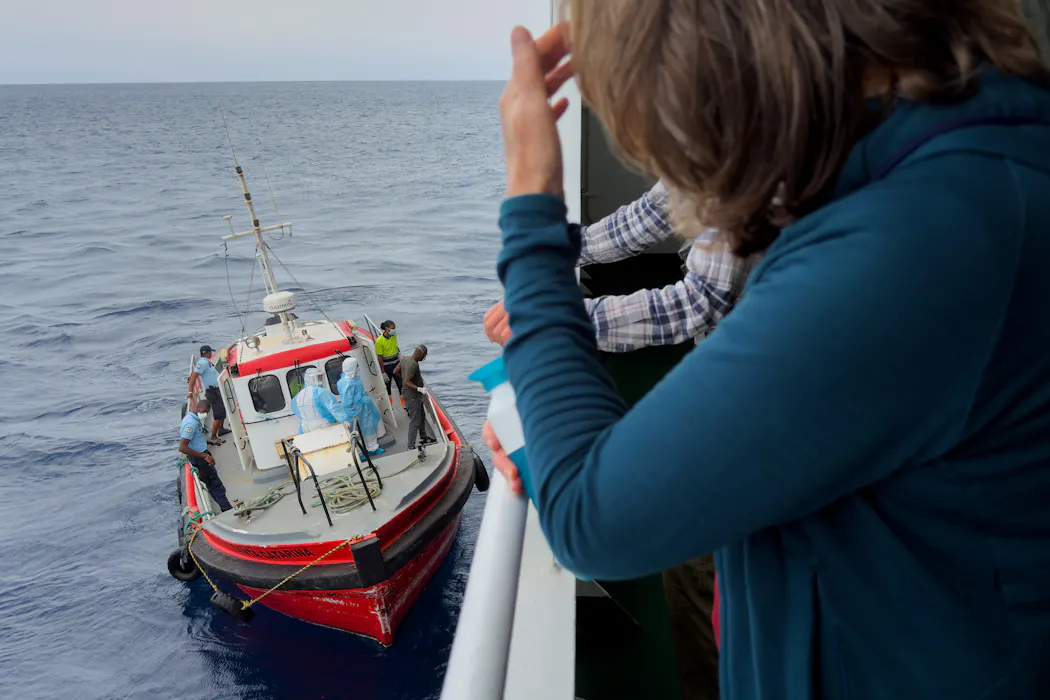
Passengers on the the hantavirus-stricken cruise ship MV Hondius watch epidemiologists board the boat in Praia, Cape Verde, on May 6, 2026 AP Photo/Uncredited

Cruise ships are convenient floating hotels by which to see far-flung parts of the world – but as an epidemiologist, I know they are also everything an infectious pathogen could want: thousands of strangers packed into enclosed spaces for days or weeks, sharing dining rooms and high-touch surfaces such as elevator buttons and handrails, breathing recirculated air.

Each new port of call where passengers can explore for a few days is an opportunity for germs to embark – and once they do, they encounter a highly efficient setting for hopping from host to host.

The MV Hondius confirmed this well-known fact in April 2026, when an outbreak of Andes hantavirus began aboard the Dutch-flagged expedition vessel carrying 147 passengers and crew from 23 countries.

The Andes virus is one of several species of hantaviruses. It is the only one known to spread from person to person, though it doesn’t do so very efficiently. It is far less contagious than COVID-19 or the measles.

As of May 14, a total of 11 cases, including three deaths, have been reported in the Hondius outbreak.

Outbreaks at sea are one of the oldest problems in public health. From medieval plague quarantines to modern times, they have repeatedly tested the ability to control infectious disease – and have played a key role in shaping the international public health framework in place today.

That interconnected public health system, however, depends on the cooperation of countries around the globe.

From harbor quarantine to global disease control

The word “quarantine” was first documented in the English language in 1663, in the Oxford English Dictionary, which defined it as a period of 40 days during which people who might spread a contagious disease are kept isolated from the rest of the community.

The first official quarantine, though, came earlier, in 1377, when the Republic of Ragusa – modern-day Dubrovnik, Croatia – ordered ships from plague-affected ports to anchor offshore for 30 days before anyone could disembark. A quarter-century later, Venice extended this period to 40 days – hence the “quarantine” term, which stuck. In 1423, Venice officially opened the world’s first permanent quarantine island, the Lazzaretto Vecchio, specifically to manage the problem of the plague arriving by sea.

A black and white historical illustration of an island,
Lazzaretto Vecchio, the first quarantine island, was established in 1423. Wikimedia Commons

The system worked during the medieval era because a single authority usually controlled most harbors. Ships waited because they recognized states’ authority to detain them.

For centuries, maritime quarantine operated on this principle. Harbor officials wielded broad public health powers over incoming vessels. In the 19th century this practice continued in the United States. Cholera ships – a nickname for trans-Atlantic vessels carrying migrants and troops that were breeding grounds for cholera and other diseases – arrived from Europe and the Mediterranean and sat offshore in New York for weeks. At quarantine stations on Ellis Island and ports across the Atlantic seaboard, ships were inspected, passengers isolated and captains overruled by public health officers who had the legal authority to isolate passengers for extended periods.

The system was crude and often brutal. Ships of the medieval period were floating sickrooms with poor conditions: putrid water in the casks, bread full of worms, and passengers packed into pitch-sealed berths with lice in the bedding and the bilge stinking under them. Many people died on board. But the system rested on a foundation of recognized, enforceable authority over the vessel and everyone on it for the purpose of protecting the city from disease.

International cooperation

As maritime trade and travel became increasingly globalized, however, no single port or government could manage outbreaks alone. Also, advances in vaccines, antibiotics and sanitation led many countries to downsize the maritime quarantine systems that had once defined disease control at sea.

This forced quarantine systems to evolve from local harbor control into international frameworks for coordination. The World Health Organization was established in 1948, and the International Health Regulations were created in 1969 to manage disease across borders.

Countries agreed to share information, notify one another of outbreaks and coordinate responses at ports and borders. The responsibility no longer fell on a sole harbormaster, but the system was designed to perform a similar coordinating function across an increasingly interconnected world.

Even within that system, however, cruise ships remain unusually vulnerable outbreak environments. A highly visible example was a COVID-19 outbreak that occurred on the Diamond Princess in 2020. The cruise ship, which was anchored off the coast of Yokohama, Japan, produced weeks of confusion between Japanese authorities, the British cruise operator and a dozen foreign governments as they struggled to coordinate responsibility for the 3,700 passengers and containment measures.

Some analyses later suggested the shipboard quarantine may have amplified transmission. At the time, most observers treated it as a crisis specific to the early chaos of the pandemic.

But the Hondius outbreak suggests the problem runs deeper.

The Andes hantavirus can spread from person to person, but not very efficiently.

Ships cross borders – so too do pathogens

Cruise ships combine dense social mixing, international mobility and fragmented legal authority in ways that continue to challenge modern disease-control systems – even decades after the creation of international public health frameworks designed to coordinate them, and even for diseases like Andes hantavirus that are extremely unlikely to cause a pandemic.

As the cruise industry has grown, it has expanded into more remote and epidemiologically unpredictable environments – expedition voyages to Antarctica, the Amazon, Alaska. Alongside the industry’s ambitions, disease risk has also increased. These trips routinely bring large groups of passengers into contact with wildlife, pathogens and ecosystems they may have little prior exposure to and then seal travelers together for weeks.

Nevertheless, the United States chose in January 2026 to withdraw from the World Health Organization, the primary institution administering the framework designed to coordinate responses when disease crosses the borders that cruise ships cross as a matter of routine.

The Trump administration framed the exiting of international organizations as a means of protecting U.S. sovereignty. In practice, it meant that when the Hondius needed a response, the U.S. participated from outside the systems it had spent decades helping to build.

A crack in the system

In the outbreak on the Hondius, the international system still functioned.

The WHO still issued risk assessments and guidance. The European Centre for Disease Prevention and Control still coordinated the response across Europe. And in the U.S., the Centers for Disease Control and Prevention belatedly issued a health alert to physicians.

What changed is that the U.S. moved from being a central participant in the international public health system to operating more from its edges.

Who can say whether the next big outbreak will come from a disease spread on a cruise ship – or whether the pathogen involved will be one that spreads more efficiently between people than the Andes strain of the hantavirus does.

Whatever its source, outbreak response depends on cooperation between major governments, rapid information sharing and coordinated logistics. When a country as globally connected as the U.S. steps back from those systems, managing international health emergencies becomes slower, more fragmented and more dependent on ad hoc negotiations. Ultimately, this may make the world less safe.

The Conversation

Katrine L. Wallace does not work for, consult, own shares in or receive funding from any company or organization that would benefit from this article, and has disclosed no relevant affiliations beyond their academic appointment.

  •  

Self-censorship, more stress, tougher recruiting – we asked US researchers how the Trump administration’s science policies have affected them

93% of surveyed researchers have negative opinions of federal science policies since January 2025. Cavan Images via Getty Images

The American academic research engine has long been the envy of the world. Generally well-funded, labs in the United States have been able to attract the best minds who generate breakthroughs and train the next generation workforce that powers the U.S. economy. But since the start of the second Trump administration in January 2025, new federal policies have destabilized the American scientific enterprise.

The disruption generated by the Trump administration’s funding, DEI and visa policies has been well reported by the media. On an individual level, though, what do academic researchers think of all these changes and how have they been directly affected?

We are researchers affiliated with Arizona State University’s scientist opinion panel survey, known as SciOPS, a 5-year research program designed to monitor, understand and improve how scientists communicate with the public. We wanted to know more about the reality inside today’s universities as researchers grapple with Trump administration policies.

Along with our colleagues, we fielded a survey of randomly sampled members of the academic science community participating in the SciOPS panel. We obtained responses from 280 scientists from several fields, including biology, chemistry, civil and environmental engineering, computer and information science engineering, geography and public health from 131 universities.

Our results show dramatic, mostly negative, effects of federal policy changes on researchers, the research system and American competitiveness.

How research in US universities has changed

Any research enterprise thrives because of its ability to fund cutting-edge science and thus attract highly motivated, well-trained people. Since the second Trump administration took office in January 2025, just over half of the scientists in our survey report that their overall funding has declined.

Declines in federal funding have had knock-on effects. Around one-quarter of scientists reported that state and local and university internal funding have also declined. Another 9% reported that internal funding has increased, presumably as universities have provided emergency funds to researchers to support critical studies.

According to the scientists who responded to our survey, Trump administration policies have also affected the scientific workforce pipeline, hampering their ability to recruit internationally and domestically.

We hypothesize that these hiring issues can be related to visa and immigration policies, which make it difficult for international graduate students and postdocs to work in the U.S. or attend international conferences. Just over half of scientists in our survey reported that international students or postdocs have expressed concerns to them about deportation.

Concerns about longer-term career impacts are also to blame for trouble recruiting the next generation of researchers. Over 80% of surveyed scientists reported that graduate students or postdocs on their research team have increased concerns about future job prospects.

These impacts have taken a toll on scientists’ professional work environment and overall outlook. Over two-thirds reported more work-related stress and almost half reported increased workloads since January 2025. About half reported decreased work motivation.

How are scientists and engineers reacting?

We found scientists’ responses to be a mixture of resilience, acquiescence and considering an exit.

While many scientists said they were less motivated at work, most reported no change in their efforts to obtain federal research funding. Small proportions did report successfully increasing their efforts to obtain funding from non-federal sources.

Our survey also asked scientists whether they had taken any self-censoring actions since January 2025 due to concern over potential negative consequences for their work or career. Over half reported having reviewed or adjusted key words in research proposals, and almost half said they’d reframed research topics. Forty-three percent had also cautioned students or collaborators to be careful what they say publicly and more than a third had abandoned plans on one or more research topics.

Although scientists are adopting strategies to cope with the new challenges, nearly two-thirds of the scientists in our sample appear to be considering one or more other career options.

Scientists look to the long term

Scientists and engineers in our sample have strong opinions about the impacts of current U.S. science policy. A large majority (87%) believe the administration’s actions have influenced research priorities more than previous administrations. Most scientists in our survey had a negative opinion of the Trump administration’s overall changes to science policy.

Scientists in our sample believed that administration policies have had a negative effect on the future scientific workforce and the ability of scientists and engineers in the U.S. to produce breakthroughs and discoveries and contribute to national welfare.

Large majorities believe these policies have harmed public perceptions of the integrity of U.S. scientists (85%) and hurt public trust in science (84%).

Academic scientists’ reactions to the Trump administration’s changes to science policy are perhaps not surprising given the perceived level of threat these actions represent to the research community. What is less certain is whether the dramatic changes we are currently witnessing – cuts to grant funding, politicization of research, downsizing of federal agencies, restrictive immigration policies, attacks on the autonomy of higher education and more – are temporary or if they represent the initial phase of a transition to a new research environment with less federal support for American science.

The Conversation

The authors do not work for, consult, own shares in or receive funding from any company or organization that would benefit from this article, and have disclosed no relevant affiliations beyond their academic appointment.

  •  

Is rubbing your eyes bad for you? 2 eye specialists explain what’s behind the urge to rub and what to do about it

Eye rubbing may feel good, but it comes with risks. klebercordeiro/iStock via Getty Images Plus

You know the feeling – the itchy eye that is just begging to be scratched.

Before you start rubbing your eyes, you may want to think twice about the potential consequences.

While eye rubbing may seem harmless, people who rub their eyes are at risk of infections or damage to their cornea.

Fortunately, there are a number of common causes of itchy eyes that can be treated to reduce the urge to rub.

We are a board-certified ophthalmologist and optometrist who provide comprehensive eye care.

Itchy and irritated eyes are some of the most common reasons that patients visit eye doctors. We have experience in treating the causes of eye rubbing and the consequences, which can require specialized contact lenses or corneal transplantation.

Causes of eye rubbing

Rubbing your eyes is often a reaction that occurs when your eyes feel uncomfortable or itchy.

The most common reason for that itchy sensation is allergic conjunctivitis, which accounts for nearly 50% of itching cases. Allergic conjunctivitis is an inflammatory reaction of the conjunctiva, the clear skin on the surface of the eye. Allergens bind to the surface of cells, ultimately leading to the release of inflammatory chemical molecules that trigger the sensation of itching. People may experience redness, swelling and little bumps on the inside of the eyelids.

Sometimes the urge to rub happens if there is a gritty sensation, dryness or something stuck in our eyes. This is often a symptom of dry eye syndrome, or blepharitis.

The urge to rub the eyes can also occur because the eyelids feel itchy, often from other conditions such as dermatitis, which is an inflammation of the eyelid skin.

Because of the anatomy of the eyelid and the thin outer layer, called the epidermis, it is more vulnerable to irritation from the environment or from contact lenses.

Close-up of a human eye showing detailed iris, pupil and eyelashes.
The outer layer of the eyelid, called the epidermis, is highly sensitive to environmental allergens and other irritants. Francesco Riccardo Iacomino/Moment via Getty Images

Eye rubbing is a risk factor for corneal disease

The most serious risk that has been associated with eye rubbing is the development of keratoconus, a condition in which the cornea – the clear window in the front of the eye – becomes progressively thinner and more irregular in shape.

While healthy corneas have a more spherical shape, those with keratoconus become steeper and cone-shaped. Keratoconus often causes high degrees of irregular astigmatism, which is an imperfection in the curvature of the cornea that leads to blurry vision.

Fortunately, keratoconus can now be treated with a procedure called corneal cross-linking, which can halt further progression in many cases. During this procedure, collagen strands are cross-linked together, strengthening the cornea. Many patients with keratoconus need specialized contact lenses to achieve optimal vision, even after treatment.

In the most advanced cases, patients may need corneal transplantation to remove the damaged corneal tissue and replace it with healthy donor tissue.

Other conditions associated with eye rubbing

A corneal abrasion is a scratch in the thin, clear skin that covers the cornea and can be triggered by aggressive eye rubbing or a fingernail that inadvertently touches the cornea. An abrasion is exquisitely painful and usually causes blurry vision. Corneal abrasions require treatment with antibiotics to prevent infection.

Eye rubbing can also cause a subconjunctival hemorrhage. This occurs when rubbing breaks a small blood vessel on the surface of the eye and makes the eye appear very red. While it can look and feel alarming, a conjunctival hemorrhage is essentially a bruise on the surface of the eye and does not cause lasting damage. This condition typically resolves in one to two weeks without any intervention.

Conjunctivitis, commonly known as pink eye, is an infection of the conjunctiva that can be spread by eye rubbing. It can be caused by viruses or bacteria. If you must touch your eyes, washing your hands first is a good practice to prevent the spread of infection. Viral forms of conjunctivitis are highly contagious, so you should be particularly careful about rubbing your eyes if you have had contact with someone with pink eye.

Young adult woman applying eye drops.
Eye drops can provide some relief from itchy eyes. milorad kravic/E+ via Getty Images

Treatments for itchy eyes

Most people rub their eyes without even realizing it. But there are ways to address underlying conditions that might trigger eye rubbing.

Often, over-the-counter treatments and home remedies can be quite helpful. One treatment that helps address most underlying causes of the urge to itch is to use artificial tears. Pro-tip: Cooling them in the refrigerator helps too!

In cases of allergic conjunctivitis, it’s important to try to avoid the allergen that triggers the symptoms. For example, if allergies are due to pollen, staying indoors, using sunglasses or rinsing off your face after exposure can help decrease allergen load around your eyes.

The next option is to try over-the-counter artificial tears to rinse out the allergens. In general, it’s best to avoid the drops that advertise “get the red out,” which provide temporary relief but carry risks of side effects. Cool compresses can also provide some relief from itching, decreasing the urge to rub your eyes.

If you still find no relief from the itch, the next step would be to try allergy eye drops, which are available with or without a prescription. There are topical treatments that are antihistamines, mast cell stabilizers or a combination of both. Antihistamine eye drops help block the release of histamines, a substance that the body releases after exposure to allergens. Mast cell stabilizers block the breakdown of mast cells – part of the body’s immune system – which helps reduce the release inflammatory chemicals. Combination eye drops help by targeting both mechanisms.

Since there are many options available, it’s helpful to discuss with your eye doctor which one is the best for you. In cases where there are other symptoms of allergies, such as sneezing or a runny nose, an oral allergy medication could be effective for treating all these symptoms. If you have persistent symptoms, a prescription steroid eye drop can be helpful.

If the urge to rub your eyes is not improving with artificial tears, cool compresses or over-the-counter allergy eye drops, it’s time to schedule an appointment with your eye doctor for an evaluation.

The Conversation

The authors do not work for, consult, own shares in or receive funding from any company or organization that would benefit from this article, and have disclosed no relevant affiliations beyond their academic appointment.

  •  

What’s wrong with how US and Uganda plan to stop Ebola spreading

The Democratic Republic of Congo is scaling up health operations to contain the Ebola epidemic. Michel Lunanga/Getty Images

As public health workers in the Democratic Republic of Congo work to rein in a growing outbreak of a rare Ebola virus, other countries are establishing protocols for keeping their own populations safe.

As of May 27, 2026, Congo has reported more than 1,000 suspected and confirmed cases, and more than 250 deaths, according to the U.S. Centers for Disease Control and Prevention. Neighboring Uganda has also reported seven cases and one death. Several Americans who were in the region have been exposed.

Measures such as screening incoming travelers and isolating those who have been exposed, announced by the U.S., Canada and other countries, are scientifically proven ways to effectively address outbreaks.

But recent decisions by two countries stand out because they are not supported by epidemiological evidence – and because they reflect a surprisingly similar way of thinking about outbreak control: On May 27, Uganda closed its border with Congo. Only a narrow set of exceptions apply, mostly for emergency aid workers, and those who cross the border will be subject to health screening and supervised isolation. The following day, the United States announced plans to send exposed Americans from affected countries to a quarantine facility in Kenya, a country with no Ebola cases – though as of May 29, a Kenyan court has blocked the move.

Uganda closed its border with Congo to prevent the spread of Ebola, but public health history suggests this is not a great idea.

These are very different policies, but both rely on a common assumption: that creating geographic distance from a threat provides protection. However, surveillance, isolation and response capacity are often more important. And both the Ugandan and U.S. moves have drawn criticism from public health and medical experts who argue that managing outbreaks depends more on detection and monitoring than distance alone.

And both decisions emerge from a long-running debate in public health: whether controlling where people are located is more effective than investing in the systems that identify, monitor and treat disease.

As an epidemiologist studying infectious disease outbreaks, I think a look at the history of border restrictions and closures during epidemics helps explain why scientific consensus usually recommends against them.

Land borders are challenging to ‘close’

The instinct to seal borders during outbreaks goes back centuries. Venice’s 14th-century “quarantino” was one of the earliest organized attempts by a state to regulate movement in the name of collective health. It worked because the unit of control was a ship: a discrete location that could be anchored offshore for a period of time.

A land border is a fundamentally different problem. As trade networks crossed continents, epidemic control encountered something maritime quarantine never had to solve. You cannot easily anchor people at a land border.

By the 19th century, repeated cholera outbreaks had made the problem international. European powers responded with waves of uncoordinated border closures and trade restrictions that caused enormous economic damage without reliably stopping transmission.

A four-panel etching from 1833 showing people trying to disembark from a boat and go ashore.
Sealing a border is easier when people arrive by sea than by land. Wikimedia Commons

In 1874, governments from around the world met in Vienna for the Fourth International Sanitary Conference to address a problem that sounds remarkably modern: how to control infectious diseases crossing borders without crippling trade and travel. Delegates explicitly rejected border closures and land quarantine as “unworkable and consequently useless.”

The modern descendant of those 19th-century conferences is a set of global laws called the International Health Regulations. Their core purpose is straightforward: Make it safe for countries to report outbreaks honestly, without fear that doing so will trigger economic punishment or travel bans.

Incentive problem at the heart of global health

The entire modern global health surveillance system rests on a single premise: Countries need to report outbreaks quickly, without fear of automatic economic punishment for doing so. If declaring an outbreak triggers immediate border closures and travel bans, governments have a powerful incentive to delay reporting.

This concern is not hypothetical. During the first SARS outbreak in 2003, China’s delays in official reporting, driven in part by concern about economic fallout, contributed directly to the global spread of the disease. This prompted the World Health Organization to publicly accuse a member state of placing the world at risk. The International Health Regulations were most recently revised in 2005 in direct response to that failure.

When the WHO declared the current Ebola outbreak a public health emergency of international concern on May 17, it explicitly warned against border closures and travel restrictions, saying that these moves “have no basis in science.” That’s because such actions push movement to informal border crossings that are not monitored and “can also compromise local economies and negatively affect response operations from a security and logistics perspective.”

For example, a mother trying to get a sick child to a clinic just across the border may not stop because the formal crossing is shut. The Uganda-Congo border is several hundred miles long and crossed by numerous footpaths beyond formal border posts, which many people use daily to visit family or to trade.

The public health system loses the ability to test, isolate or trace those interactions. This matters especially for Ebola, which transmits only after symptoms begin – meaning a person who can actually spread the virus is already identifiable through symptom screening, making case detection and isolation far more effective than geographic restriction.

U.S. plans to establish quarantine facilities in Kenya for Americans exposed to Ebola have drawn strong pushback.

The U.S. decision to send exposed Americans to a quarantine facility in Kenya reflects a related instinct – to keep the virus off native soil. But exposure has already occurred, so the public health question is no longer how to prevent entry but how to monitor potentially exposed people safely and effectively. The plan is particularly controversial because it would transfer potentially exposed individuals to a country with no Ebola cases of its own, despite the U.S. already possessing specialized facilities designed for exactly this purpose.

The Infectious Diseases Society of America criticized the plan, noting that the United States has already invested heavily in specialized Ebola treatment centers specifically designed to care for patients with highly dangerous infectious diseases. It warned that building and staffing a new unit in Kenya during an active outbreak raises questions about resources, timing and quality of care.

Border restrictions do not work alone

Some countries did use border closures effectively during COVID-19 – New Zealand, Australia and Taiwan sharply restricted international travel while pairing those measures with intensive testing, quarantine and contact tracing. But specific circumstances made those cases work: restrictions before the virus began spreading widely in the community, island geography that naturally limited informal crossings, and aggressive internal measures running in parallel.

Remove any of those elements and the effectiveness drops sharply. In these examples, the act of closing the border did not work alone. It bought time for setting up the infrastructure for testing and contact tracing.

These circumstances don’t apply to Uganda’s border closing. Researchers estimate the virus had been transmitting for approximately six weeks, and Uganda already has seven confirmed cases. A closure here is not a moat.

Governments face real pressure to act visibly during outbreaks, and border restrictions are easier to communicate to a worried public than investments in surveillance infrastructure. Those incentives are understandable.

But history suggests that outbreaks are controlled less by where people are located than by whether governments can identify cases quickly, trace contacts, isolate infections and maintain public trust. In other words, borders alone do not stop outbreaks. The real work happens inside them.

The Conversation

Katrine L. Wallace does not work for, consult, own shares in or receive funding from any company or organization that would benefit from this article, and has disclosed no relevant affiliations beyond their academic appointment.
  •  
❌