Reading view

Most Candles Aren’t as Clean as You Think—Here’s What to Buy Instead

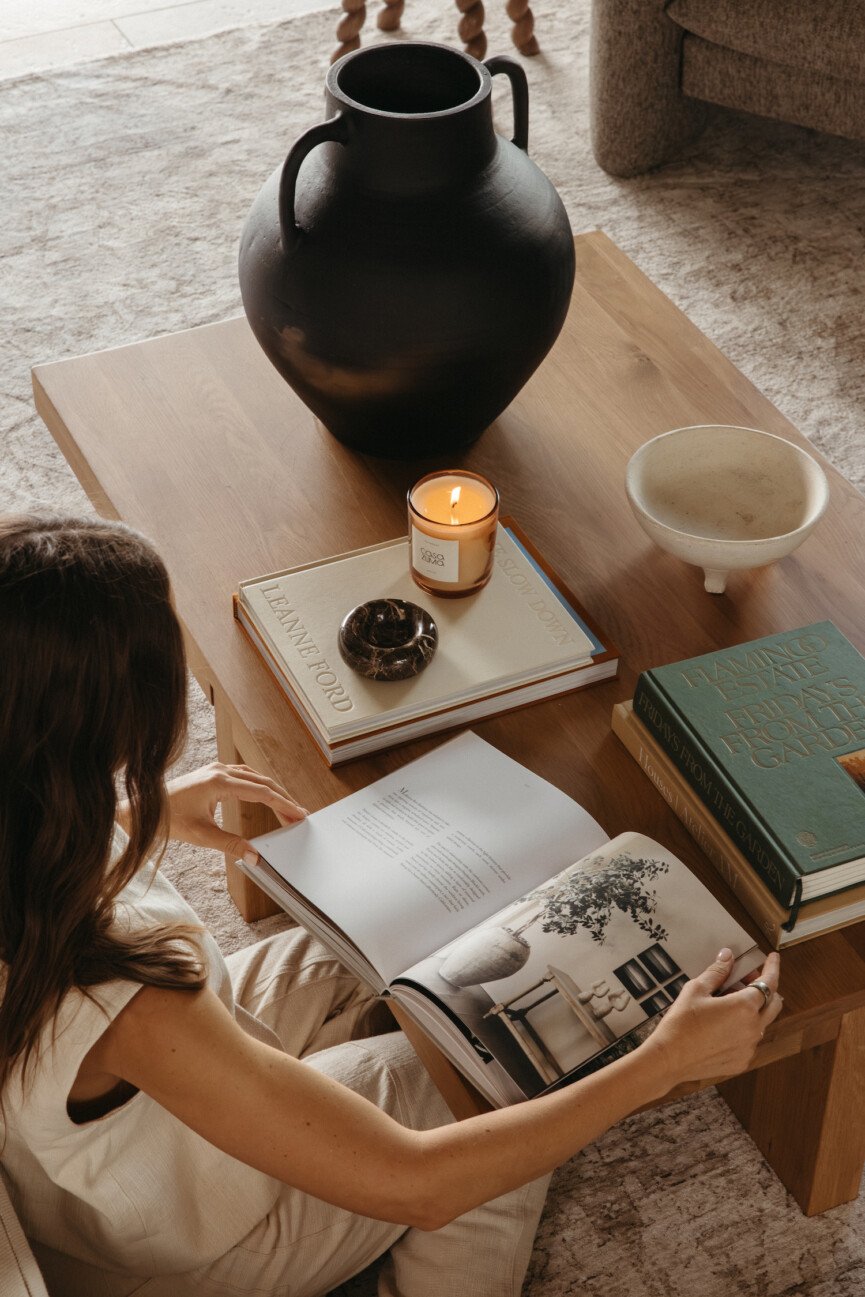
Camille Styles non-toxic candles

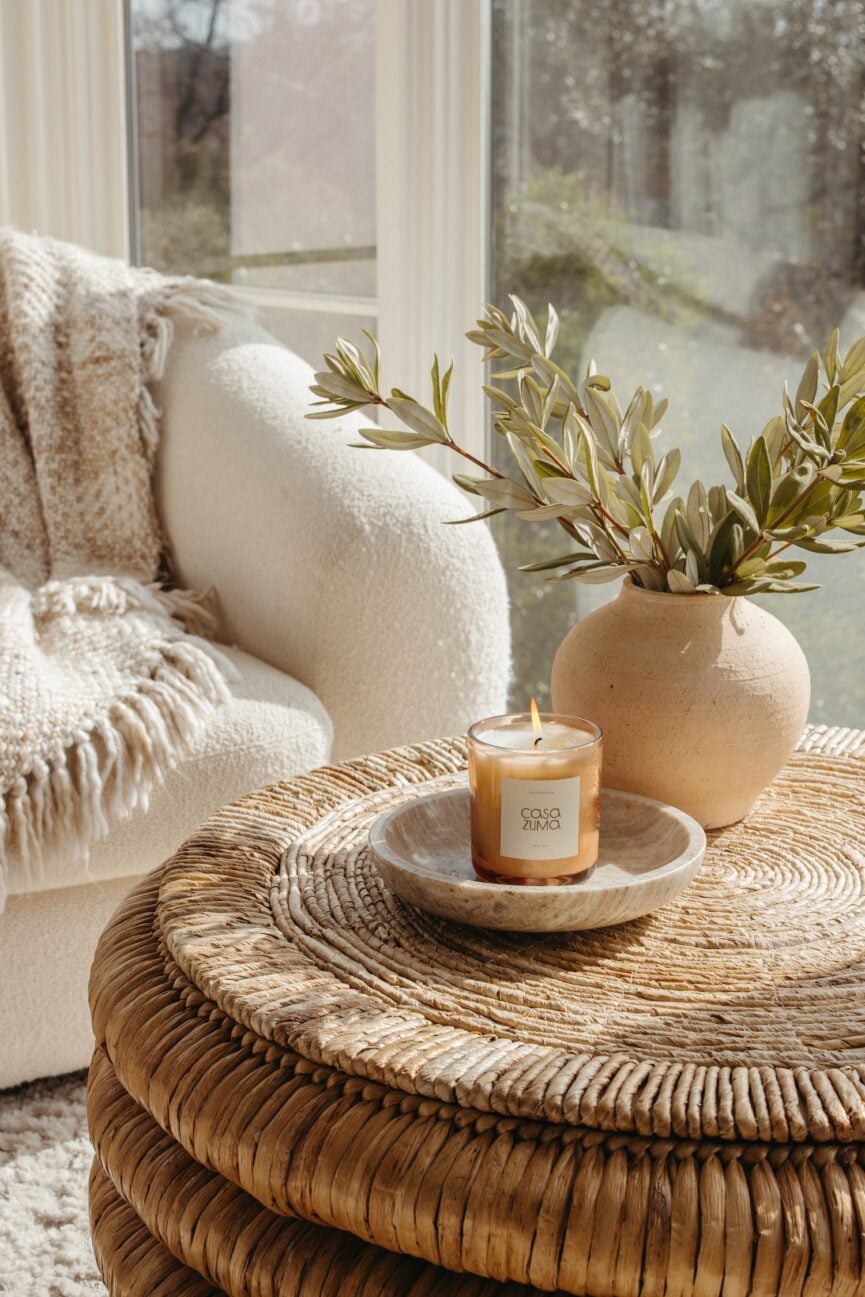
Certain small rituals shape how your home feels, and lighting a candle is one of them. It’s something I reach for almost without thinking, but I notice the shift right away. The right scent can make a space feel calmer, more grounded, a little more like somewhere you actually want to be.

But not all candles are created with that same intention. Many are made with ingredients you wouldn’t choose if you knew what was in them. And if it’s something you’re lighting regularly, that matters.

A candle should elevate your space—not compromise it.

What Is a Non-Toxic Candle?

Not all candles are created with the same level of care. Many contain ingredients like paraffin wax (a petroleum byproduct) and synthetic fragrances that can release unwanted chemicals into your space.

Non-toxic candles take a different approach. They’re made with cleaner-burning waxes—like soy, beeswax, or coconut—and use more thoughtful fragrance sources, so what you’re lighting actually aligns with the environment you’re trying to create.

How to Find the Best Non-Toxic Candles

If you’re trying to choose a better candle, a few details make all the difference. Start with the wax. Soy, beeswax, and coconut wax tend to burn cleaner than paraffin, which is derived from petroleum.

Next, look at fragrance. Candles scented with essential oils or botanical blends are generally a better option than those made with synthetic fragrance, which can contain phthalates. And don’t overlook the wick—opt for paper or 100% cotton, which burn more cleanly than metal-core alternatives.

How to Spot Greenwashing

“Clean” and “non-toxic” are everywhere in candle marketing, but they’re not regulated terms, meaning they don’t always mean much.

The easiest way to cut through it is to look for transparency. Turn the candle over, check the ingredient list, and see what the brand is actually telling you. If that information is hard to find—or overly vague—that’s worth noting.

It’s also important to look beyond the packaging. A minimalist label or elevated design can make a candle feel clean, but aesthetics don’t guarantee better ingredients. The brands worth buying from are the ones that are clear about what they use, how they source it, and why it matters.

We know this can feel like a lot to sort through—but it doesn’t have to be. Ahead, the non-toxic candles we actually reach for: clean-burning, beautifully scented, and worth lighting every day.

Pin it

The Best Non-Toxic Candles to Shop Right Now

If you’re looking for a candle that feels as good as it smells, start here. These are the ones we reach for on repeat—clean-burning, well-balanced, and worth lighting every day.

Best Overall Non-Toxic Candle

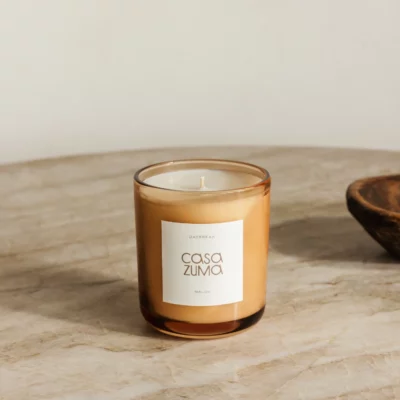
Casa Zuma Daybreak Candle

If you’re buying one candle this season, make it this one. Casa Zuma’s Daybreak strikes that rare balance of feeling elevated and effortless—clean-burning, beautifully layered, and subtle enough to light every day without overwhelming a space. It’s the kind of scent that makes your home feel instantly more considered, without trying too hard.

  • Scent notes: warm citrus, soft woods, sunlit greens
  • Wax: clean-burning (coconut/soy blend)
  • Why we love it: an everyday candle that still feels special
Fresh & Green

For when you want your space to feel light, clean, and a little more alive—these scents lean into herbs, citrus, and just-cut stems.

Editor’s Pick

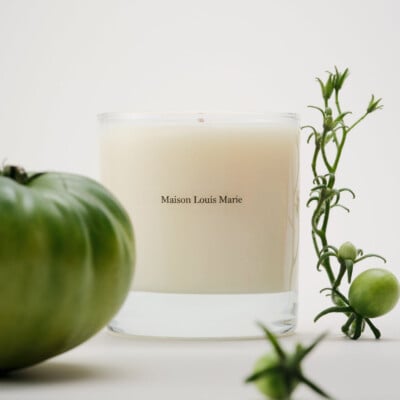
Maison Louis Marie Liane de Tomate Candle

“I don’t say this lightly—this is the candle I’ve been telling everyone about. It’s fresh, green, and just unexpected enough to stand out from the usual florals and woods. It’s the one I keep coming back to, and the one I’ve started gifting on repeat.” – Isabelle Eyman, Editorial Strategist

  • Scent notes: tomato leaf, citrus, green herbs
  • Wax: soy blend
  • Why I love it: unique, fresh, and instantly mood-shifting
Boy Smells

Spa Water

Crisp and aquatic in the best way, like stepping into a space that instantly resets your mood.
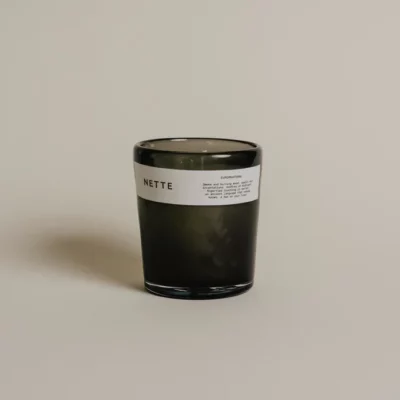
Nette

Supernatural Candle

Bright and slightly herbal, this is the kind of scent that makes your home feel clean without trying too hard.


Warm & Grounding

These are the candles you reach for at the end of the day—deeper, cozier scents that make a space feel settled and complete.
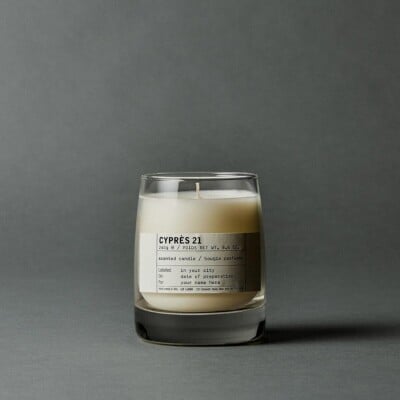
Le Labo

CYPRÈS 21

Woody and subtly luxurious, with just enough edge to make it feel distinctive.
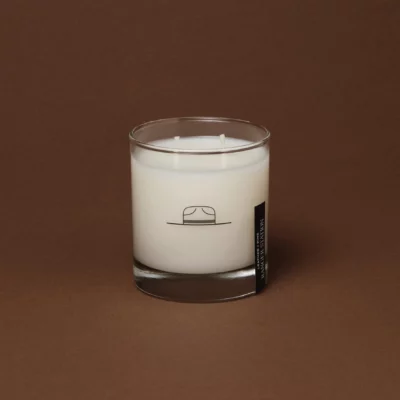
Ranger Station

Leather + Pine Candle

Woodsy with a fresh edge—grounding, but not heavy.
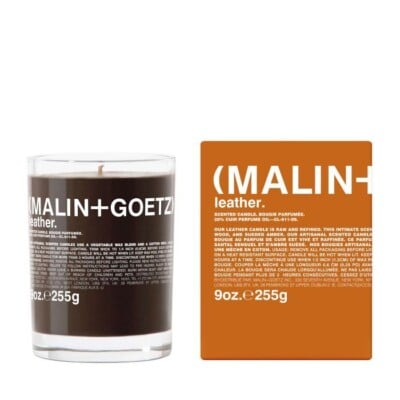
MALIN+GOETZ

Leather Candle

Smooth and slightly worn-in, like your favorite jacket but in scent form.

Diptyque

Feu de Bois

A classic for a reason—smoky, nostalgic, and instantly cozy.

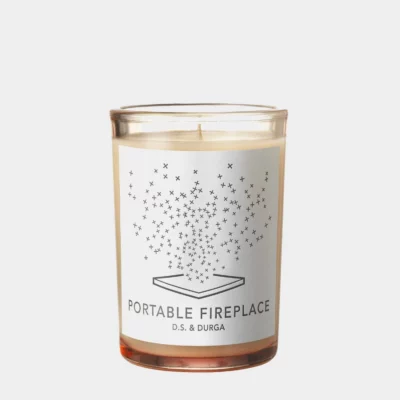
D.S. & DURGA

Portable Fireplace

Exactly what it sounds like: a flicker of firelight in candle form.

Soft & Floral (But Not Too Sweet)

Floral, but balanced—these feel modern, slightly moody, and easy to come back to.
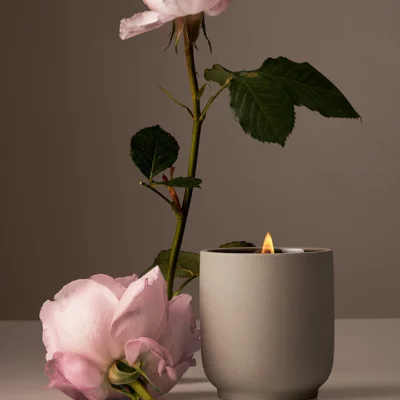
Homecourt

Steeped Rose Candle

A deeper, more grounded take on rose that feels grown-up and intentional.
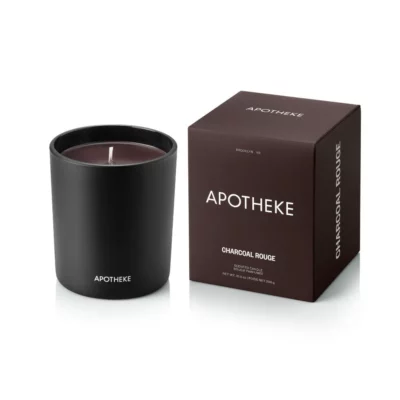
Apotheke

Rouge Candle

Warm florals with a subtle richness that makes it feel a little more elevated.

Elevated Everyday

The candles you can light anytime, anywhere—versatile, unfussy, and always a good idea.

Quince

Bois de Santal Candle

Simple, soft sandalwood that works no matter the time of day.
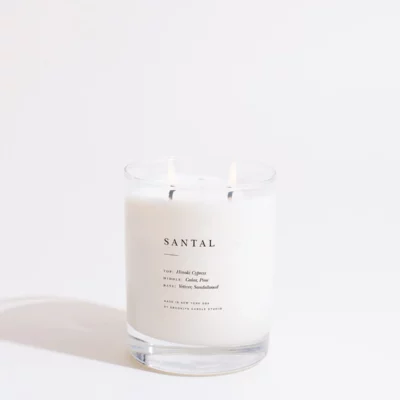
Brooklyn Candle Studio

Santal Classic 2-Wick Candle

Clean and familiar in the best way—an easy staple you’ll keep in rotation.
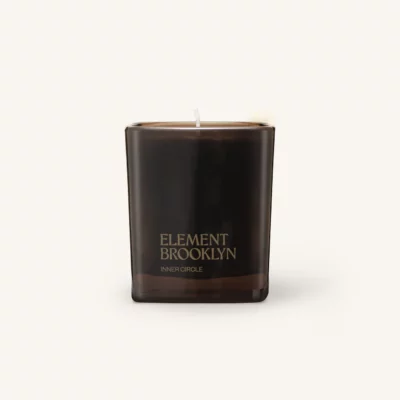
Element Brooklyn

Inner Circle Candle

Balanced and understated, the kind of scent that quietly pulls a room together.


Statement Scents

A little more unexpected, a little more distinctive—these are the ones people ask about.
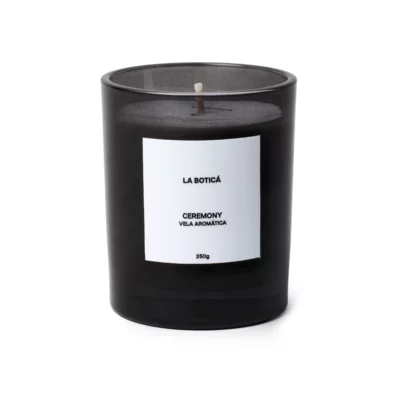
La Botica

Ceremony Glass Candle

Smoky, resinous, and slightly mysterious—more of an experience than a background scent.
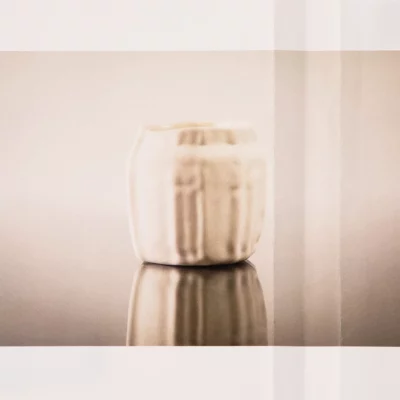
Xinu

BrisadeMaderas Candle

Layered and transportive, with a richness that lingers in the best way.

This post was last updated on April 16, 2026, to include new insights.

The post Most Candles Aren’t as Clean as You Think—Here’s What to Buy Instead appeared first on Camille Styles.

  •  

Ethereal Kites by Hai-Wen Lin Transform into Elegant Garments and Sculptures

Ethereal Kites by Hai-Wen Lin Transform into Elegant Garments and Sculptures

In works that merge sculpture, fashion, and kite-making, Hai-Wen Lin traverses the thresholds that connect one’s physical self, the mind, and the elements. The artist describes their practice as “an act of reorienting: looking back, looking forward, looking in, looking up.”

Using a wide range of materials, Lin creates vibrant, abstract compositions in textile often manipulated with cyanotype patterns or dyed with natural hues such as indigo and turmeric. They make kites “that speak the language of clothing,” blurring definitions of craft, art, garments, and acts of play.

A kite artwork by Hai-Wen Lin flies in the sky.
“October 8th 2:56-3:56pm Wicker Park; a picnic together // we probably shouldn’t feed the sparrows” (2022), tannic acid-toned cyanotype on muslin, acrylic, soda ash, bamboo, thread, gold chain, wind, green grass, time to kill, hungry sparrows, turbos flamas, a loved one to keep company, conversations that needn’t arrive anywhere, 63 x 63 x 5 inches

Lin has long been interested in chance operations, documentation of daily life, and ways of releasing control. They artist first learned to sew as a way to explore and navigate questions of gender. During graduate school, they landed on the concept of a kite as a way of loosening up in terms of research and getting out into the open—literally embracing the wind. They were thus inspired by a stirring question: “What does it mean to care for, drape, dress, and accommodate change and instability?”

Lin’s pieces employ an array of materials and processes, such as discarded paintings, a variety of fabrics, jewelry findings, and more. “Two Can Share Heaven,” for example, incorporates dyed cotton, faux fur, polyester, velvet, and silk—the latter of which harkens to historical fashion.

The artist also occasionally includes experiential, ephemeral additions in the works’ materials lists, such as “a burning sensation, a desire to be lost” in a piece titled “Sunday, April 2nd 5:13–7:31pm,” among others, and titles sometimes reflect the dates and times when the kites were worn as garments.

Artist Hai-Wen Lin wades into the sea wearing a handmade, mixed-media garment that doubles as a kite.
“Sunday, April 2nd 5:13–7:31pm” (2023), cyanotype on silk and cotton, developed in lakewater, steeped in black tea, feathers, beads, thread, bells, wood, gold, enamel, crystals, copper, brass, ceramic, dirt, flowers, sunlight, sweat, sand, rust, dust, a shivering body, a burning sensation, a desire to be lost, 90. 96 x 12 inches

Lin is fascinated by the tradition of Japanese paper sode dako, or “kimono kites,” which resemble the silhouette of the timeless robes. “It’s very simple, but the idea of the body in flight, is of course a powerful image,” Lin says, adding:

When I was young, my dad would have us write wishes on pieces of paper and send them up the kite lines when we flew them. If they disappeared when you reeled the kite back in, it meant the wish had been granted. So the kites have always been about a sense of wish-making. I think clothing offers a similar sense of aspiration for a lot of people.

Lin’s kites can just as easily be described as textile sculptures or apparel. They drape beautifully in exhibition spaces like abstract tapestries, severed from their free-flying, outdoor associations. They wrap around the human form like elegant, ethereal, shapeshifting mantles.

Two people standing a meadow at either sunrise or sunset, wearing a two-person artistic garment.
“Two Can Share Heaven” (2024), turmeric and indigo-dyed cotton, donated fabrics, discarded paintings, faux fur, silk, velvet, polyester, jewelry chain, split rings, thread, cord, wood, 110 x 80 inches. Models: the artist and Margaret Wright

“What continues to interest me in this dialogue is the ways in which clothing and weather have always been in conversation,” Lin says, continuing:

Clothing is an interface that delineates our bodies from the environment, so I’m interested in reversing and reorienting that relationship. What would it mean to clothe the weather instead? I often refer to my works as clothing for the wind. I think of dress and clothing as a form of care. I love that we forecast weather and that we forecast fashion. It’s all a kind of attempt at discerning some kind of future. How do we care for a future sky with the clothes we make and wear now?

Loosely modeled after Chinese dragon robes, which were popularized among emperors and dynastic officials during the Tang Dynasty, “Two Can Share Heaven” explores notions of togetherness and cooperation. Unlike traditional garments, the artist designed the piece to be worn by two people as “a simple but direct challenge to the notion of a single ruler blessed by gods,” they share. “Here, power must be shared, redistributed, and negotiated between two.”

The Museum of Arts and Design (MAD) has awarded Lin the 2025 Burke Prize, a prestigious grant given to an artist under the age of 45 working in the U.S. whose practice revolves around contemporary craft. If you’re in New York, see Lin’s work at MAD from February 28 to October 11. The artist is also currently working toward a solo exhibition at the Knoxville Museum of Art. Follow updates on Instagram.

A kite artwork by Hai-Wen Lin flies in the sky.
“October 3rd 6:58-7:56am Oak Street Beach, I woke you up in the morning // I’m sorry” (2022), tannic acid-toned cyanotype on muslin, acrylic, bamboo, thread, gold chain, brass, ceramic, wind, time, sand, the first light of the day, a lapping lake, the sound of traffic, a breath expanding the solar plexus, and another, and another, 63 x 58 x 5 inches
Artist Hai-Wen Lin models a garment with cyanotype details.
The artist wearing “October 3rd 6:58-7:56am Oak Street Beach, I woke you up in the morning // I’m sorry” and “October 8th 2:56-3:56pm Wicker Park; a picnic together // we probably shouldn’t feed the sparrows”
A textile sculpture hangs in a white-wall gallery space.
“Cloud Collar” (2023), dyed silk, feathers, gold, beads, wood, string, hair extensions, one wish, 99 x 140 x 18 inches. Photo by Prairie
“Cloud Collar” (2023), dyed silk, feathers, gold, beads, wood, string, hair extensions, one wish, 99 x 140 x 18 inches. Modeled by taisha paggett
A detail of a textile sculpture hangs in a white-wall gallery space.
Detail of “Cloud Collar” (2023). Photo by Prairie
A kite artwork by Hai-Wen Lin flies in the sky.
“Sunday, April 2nd 5:13–7:31pm” (2023), cyanotype on silk and cotton, developed in lakewater, steeped in black tea, feathers, beads, thread, bells, wood, gold, enamel, crystals, copper, brass, ceramic, dirt, flowers, sunlight, sweat, sand, rust, dust, a shivering body, a burning sensation, a desire to be lost, 90 x 96 x 12 inches
A hand holds an artistic kite handle.
“wishwinder” (2022), enamel on copper, copper leaf, wood, and chain, 4 x 6.5 x .5 inches

Do stories and artists like this matter to you? Become a Colossal Member today and support independent arts publishing for as little as $7 per month. The article Ethereal Kites by Hai-Wen Lin Transform into Elegant Garments and Sculptures appeared first on Colossal.

  •  

Gaia Sleeps Amid Sarah Eberle’s Award-Winning Garden at the RHS Chelsea Flower Show

Gaia Sleeps Amid Sarah Eberle’s Award-Winning Garden at the RHS Chelsea Flower Show

Nestled amid plants native to the U.K., a giant figure of Gaia, or Mother Nature, sleeps in a verdant garden. With willow-branch locks shaped by artist Tom Hare and a crown of leaves, the figure’s face and shoulders are made from a fallen mature tree carved by Tim Wood. A winding pathway leads beneath an arch that extends the character’s torso, created in the tradition of dry stone walls and meticulously assembled by the family-run outfit Noble Stonework.

You’ll find Gaia in a garden titled “On the Edge” at this year’s RHS Chelsea Flower Show, which has taken the top prize of Garden of the Year. The project is a collaboration between designer Sarah Eberle and Campaign to Protect Rural England (CPRE), which champions the countryside and the sustainable practices necessary to protect and preserve its ecosystems.

a wooden sculpture of Gaia amid a garden designed by Sarah Eberle at the RHS Chelsea Flower Show
Photo by Neil Hepworth/RHS

For this year’s exhibit, Eberle emphasized “edgelands,” or spaces between rural and urbanized areas like the borders of fields or even residential gardens. Think roadside berms or the seemingly unruly growth beside a canal. Often, these spots just look like a lot of weeds. Eberle sees not only the beauty, but the value, in these overlooked areas.

“These spaces connect millions of people to nature in everyday life, yet they’re undervalued and under constant pressure,” CPRE says in a statement. “This garden is an invitation to see them differently: not as ‘leftover’ land, but as living places that can recover and thrive with the right care.” Eberle’s choice of plants has a slightly wild aesthetic, with vines taking over the stone arch—redolent of the U.K.’s historic stone bridges—and a graceful yet somehow satisfyingly chaotic arrangement of plants we might associate with untamed overgrowth.

The garden’s design encourages people to consider using natural materials, cultivating local plants to help pollinators, and embracing “flaws” like old stumps or rocky areas that can be havens for wildlife. Amid nature’s innate rhythms, Gaia is a gentle protector who snoozes calmly with everything in balance. Eberele describes the effect: “A sense of abundance, a landscape under repair, the beauty in the ordinary. It’s about how it makes you feel—it’s almost a homecoming, an embrace, a hug.”

The Chelsea Flower Show is the flagship event of the Royal Horticultural Society, and it has been held on the grounds of the Royal Hospital since 1913, with the exception of a few skipped seasons during the two World Wars and in 2020. It’s not just limited to British gardeners, however: exhibitors from around the globe conceive of some of the most creative gardens imaginable. Tickets are available on the RHS website, and the show continues through May 23 in London.

a wooden sculpture of Gaia amid a garden designed by Sarah Eberle at the RHS Chelsea Flower Show
Photo © Mark Spencer
the foot of a wood-and-stone sculpture of Gaia amid a garden designed by Sarah Eberle at the RHS Chelsea Flower Show
Photo © Mark Spencer
a wooden sculpture of Gaia amid a garden designed by Sarah Eberle at the RHS Chelsea Flower Show
Photo © Mark Spencer

Do stories and artists like this matter to you? Become a Colossal Member today and support independent arts publishing for as little as $7 per month. The article Gaia Sleeps Amid Sarah Eberle’s Award-Winning Garden at the RHS Chelsea Flower Show appeared first on Colossal.

  •  

7 Spring Decor Trends Designers Say Are About to Be Everywhere

Camille Styles living room spring decor trends.

Spring is the season of renewal. An opportunity for a fresh start. Walking outside on the first warm and sunny day of the year—and seeing neighbors out and about, too—can feel like a collective sigh of relief. With winter’s chill behind us, spring invites us to lighten up, especially in our homes. The time has come to put away the heavy knits and faux furs and break out the gingham tablecloths and pastel throw pillows. Spring has finally arrived, and we’re ready for a refresh

7 Spring Home Decor Trends for the Ultimate Refresh

We spoke with several interior designers to get the scoop on what spring home decor trends they’re seeing and loving this season. It’s a dreamy mix of soft colors, trending patterns, cozy textures, and a dash of the unexpected. Read on to learn how to give your home a fresh start with this season’s latest interior trends.

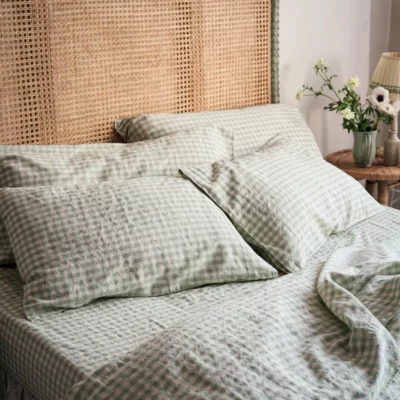
Pin it gingham napkin target

Stripes and Gingham

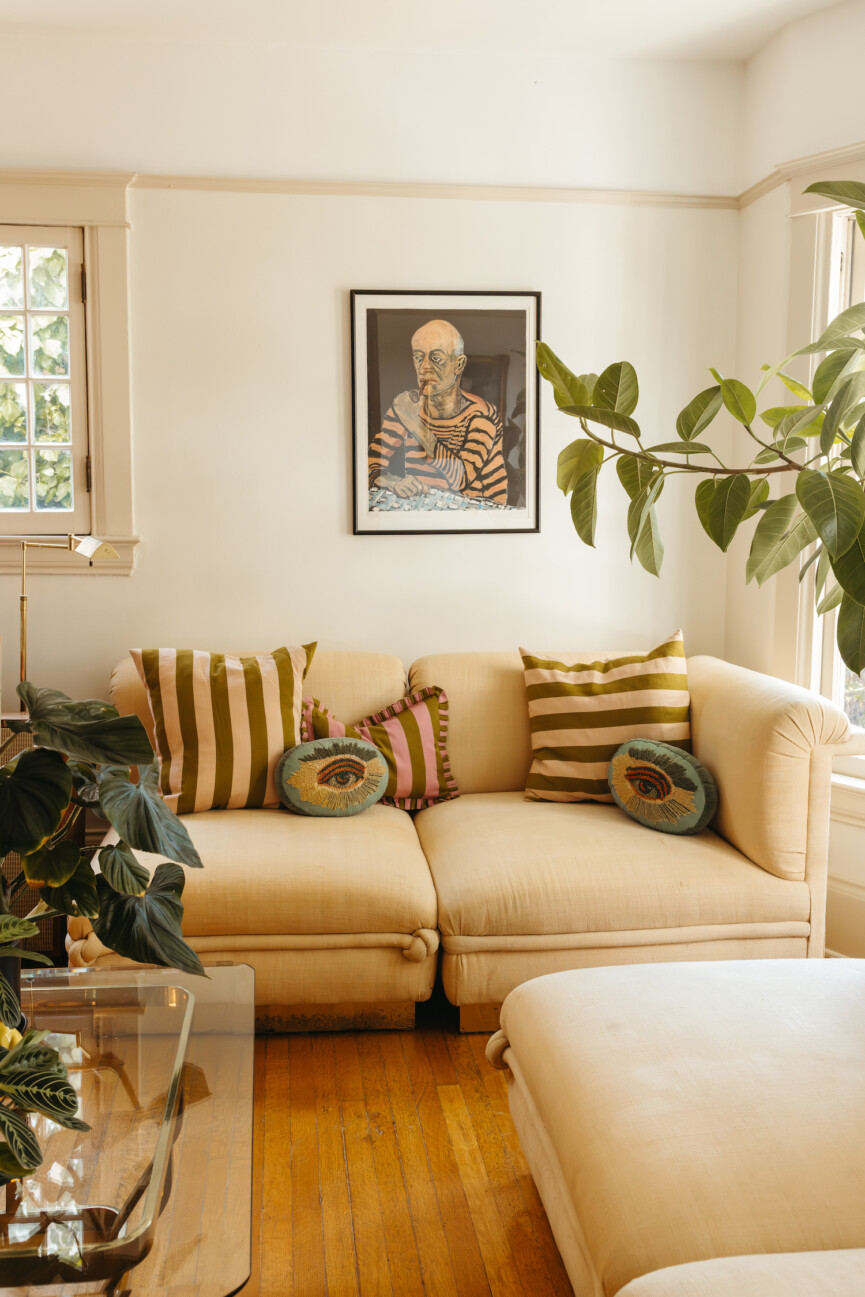
One of the biggest decor trends of the year is playing with patterns. Gingham and stripes are everywhere this spring, and Elizabeth Vergara, founder and CEO of Vergara Homes is happy to hop on the trend. “This spring, I can see gingham and stripes coming back in a huge way,” she shares. “I would incorporate these patterns into my home through table runners, pillow cases, and throws. I try to make small shifts in my home so they can easily be switched out once the season changes or the trend passes.”

The best part about patterns is that they work in every room. If your spring refresh is in the living room, try adding a few gingham pillows to the sofa. Want to refresh the bedroom? Add a new set of striped sheets to your bed. Hosting a spring dinner party? Include gingham in your tablescape with patterned napkins or a tablecloth.

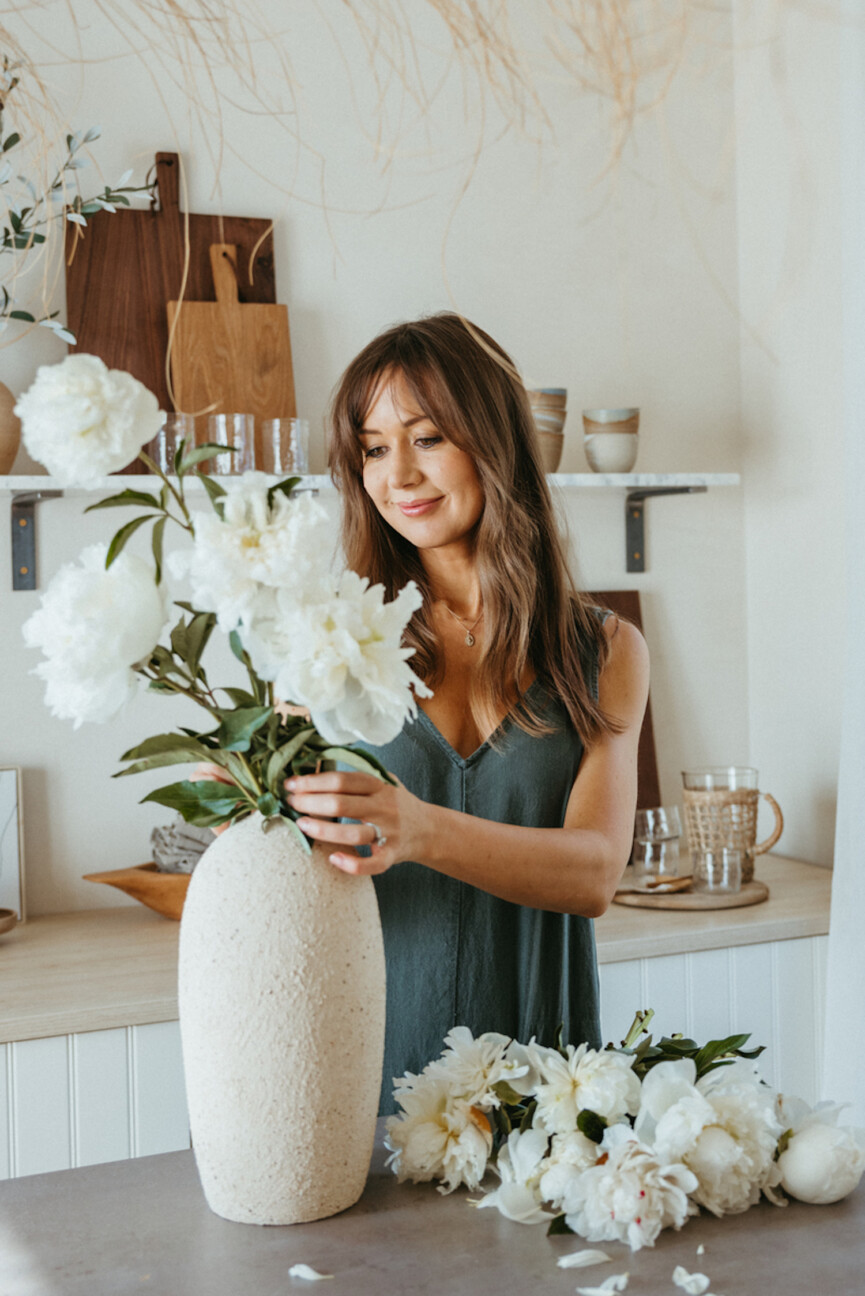
Pin it Camille Styles arranging flowers.

Fresh Florals

Florals for spring aren’t exactly groundbreaking, but it truly wouldn’t be the season without them. “Adding seasonal florals such as tulips, daffodils, and flowering branches in soft pastels or bright, cheerful tones can instantly brighten your home and make it feel fresh,” Ashley Gallion, Founder of Ashley Ayers Interiors, shares. “You can easily pull playful spring accents in smaller accessories such as pillows or vases.” 

Whether you decorate with fresh or faux florals, be generous. Now is the time to place vases full of blooms at the center of your coffee table, dining table, kitchen island, and mantle, all at once!

Pin it Modern sunny living room

Swap Out Pillows and Throws

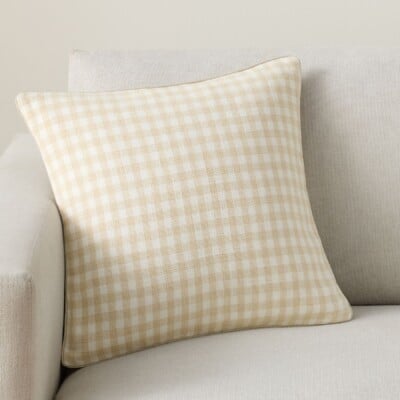
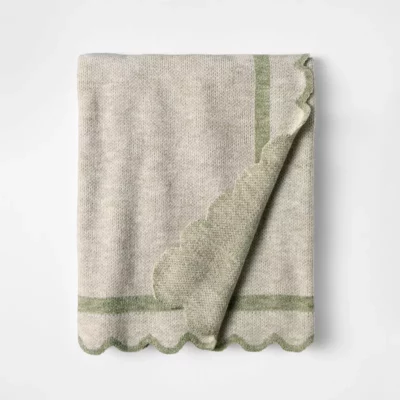
A spring home refresh doesn’t require a full-blown renovation, of course, and swapping out accents like pillows and throws is a perfect way to welcome the season. “One very easy change for spring is to swap out your heavy winter throw blankets for lighter spring-inspired throws in pretty florals or light and bright plaids,” Laura Medicus, Interior Designer and Owner of Laura Medicus Interiors, says. Looking to add some fun patterns to your space? This is the way to do it. “Hop on the gingham trend with one or two soft-colored gingham pillows!” Medicus continues.

Shop Spring Pillows and Throws


Pin it

Update Art and Photos

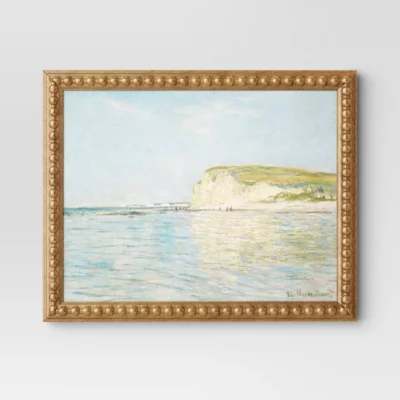
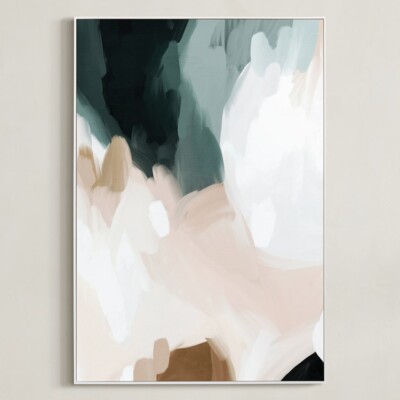
A spring home refresh is not only about how your home looks, but how it feels. Outdated art and photos can bring the vibe down, so take some time to check in with what you have displayed. “One easy way to refresh your home for spring is to update your framed photos or art to go with the seasons,” Erin Greene, Interior Designer at Erin Greene Designs, notes.

Take a look at your walls and notice if any frames need updating or art that needs refreshing. Winter is generally for darker, moodier art, while spring lends itself to art that’s soft and light. Pick photos and art that feel like spring. To get the most bang for your buck, Greene recommends digital frames. “I particularly love this HD framed canvas from Frameology because it’s a great way to make digital art look more luxurious,” she says. “You can frame art that captures springtime vibes, then once fall rolls around, swap out that art to represent autumn instead.”

Pin it Clare V living room

Add Pops of Color

Sarah Goesling, owner and principal, and Rebecca Goesling, Director of Design at Goesling Group, know a thing or two about trending colors for spring. “For springtime, we’re loving pops of color like citrus or spicy orange, whether saturating the whole room in a fresh coat of paint or adding an unexpected ceiling moment,” they share. “Our advice for ceilings is to try a bolder contrast in a smaller space for some drama. Ceilings are a great way to experiment with color if you’re not ready to fully commit to walls just yet.”

Even if you’re not ready to pick up a paintbrush this season, adding pops of color through accents and decor is a great way to sprinkle some fresh energy into your space. “Other color ideas we’re enjoying are creamy apricot, asparagus green, bubblegum pink with a violet undertone, frosty translucent blues, and scarlet in high lacquer,” they continue.

Pin it

Incorporate Vintage Pieces

“Other ways to refresh your space include incorporating some fun vintage pieces,” Goesling shares. “We always love sourcing unique finds from estate sales or local artisans. Other details like fringe, raw materials, and handcrafted items are also having a moment.”

Good design takes time, and pieces that are lived in, well-worn and have a story to tell are becoming more and more popular. Interior trends this year are less about curating a home that looks like it belongs in a showroom and more about curating a space you love, regardless of trends. Spring is the ideal time to rearrange a room, bring in new pieces, and experiment with your design style. Shopping secondhand is a fantastic way to create a space that feels like it was collected over time, instead of all at once.

Pin it

Revive Your Outdoor Space

Spring beckons us to start living outside again. Decks, patios, porches, and backyards are ready to be revived! “Spring is usually when we realize how heavy everything started to feel over winter, so we try to lighten it up by taking away a few layers, bringing in airier materials, and making our outdoor space feel usable again,”  Barrett Oswald, Principal Designer at Barrett Oswald Designs, says.

As you refresh your outdoor space, Oswald recommends adding new exterior pillows, updating greenery, and checking on your lantern lights. “A few small changes can make a big impact,” she states.

This post was last updated on March 13, 2026, to include new insights.

The post 7 Spring Decor Trends Designers Say Are About to Be Everywhere appeared first on Camille Styles.

  •  

Joe Macken Spent 21 Years Hand-Assembling a Vast Model of New York City

Joe Macken Spent 21 Years Hand-Assembling a Vast Model of New York City

Over the course of two decades, Queens resident Joe Macken meticulously built an entire city from the ground up. In fact, he built New York City—the whole thing—one building, house, and bridge at a time. Now, his expansive scale construction is on view in He Built This City: Joe Macken’s Model at the Museum of the City of New York.

Macken began working on the 50-by-27-foot model in 2004, first in Middle Village, Queens, before moving to Clifton Park, New York. It comprises 340 individual sections, each built from everyday materials like cardboard and glue, with many of the buildings constructed of balsa wood and detailed with pencil and paint. He completed the structure in 2025, and it’s now on long-term view at the museum, where visitors can walk around it and are encouraged to use binoculars to find familiar buildings and neighborhoods.

a detail of a cityscape and an expansive, hand-built scale model of New York City
Photo by David Lurvey. All images courtesy of the artist and the Museum of the City of New York, shared with permission

You may also enjoy the “Panorama of the City of New York” at the Queens Museum, which was completed in 1964 and took a team of more than 100 people about three years to complete.

visitors to the Museum of New York look over an expansive handmade model of the city
Photo by Filip Wolak
a detail of an expansive, hand-built scale model of New York City
Photo by David Lurvey
a detail of a steam ship in an expansive, hand-built scale model of New York City
Photo by David Lurvey
A young visitor to the Museum of New York looks over an expansive handmade model of the city
Photo by Filip Wolak
a detail of a steam ship and an expansive, hand-built scale model of New York City
Photo by David Lurvey
a detail of a steam ship and an expansive, hand-built scale model of New York City
Photo by David Lurvey
a detail of a steam ship and an expansive, hand-built scale model of New York City
Photo by David Lurvey
a detail of a steam ship and an expansive, hand-built scale model of New York City
Photo by David Lurvey

Do stories and artists like this matter to you? Become a Colossal Member today and support independent arts publishing for as little as $7 per month. The article Joe Macken Spent 21 Years Hand-Assembling a Vast Model of New York City appeared first on Colossal.

  •  

Marc Fornes’ New Sculptural Pavilion Reimagines the Architectural Folly

Marc Fornes’ New Sculptural Pavilion Reimagines the Architectural Folly

A bold new structure has appeared in Cary Park in Cary, North Carolina: the latest sculptural pavilion by Marc Fornes / THEVERYMANY. The work is titled “L’Ile Folie,” which nods to the architectural tradition of the folly, a landscape feature that was all the rage with wealthy estate owners in the 18th and 19th centuries.

Often nostalgic and resembling ruined miniature castles or bucolic village buildings, follies were generally non-functional and conceived as pure decoration. Fornes, however, reimagines this practice with an eye toward the future rather than the past. The pavilion “gives this tradition a contemporary meaning: memorable, playful, and slightly surreal,” says a statement.

A contemporary pavilion made from thousands of geometric white facets

Fornes is known for creating high-tech structures made from thousands of individual facets, blurring the distinction between architecture and sculpture. Situated along a boardwalk and perched over a pond, the gleaming white pavilion invites visitors to pause and appreciate their natural surroundings from a contemporary landmark.

“Constructed from ultra-thin folded aluminum panels, each piece is digitally fabricated and precisely riveted into place,” says a statement. “There is no hidden frame; the skin is the structure. Thousands of perforations filter sunlight into delicate patterns, turning the canopy into an ever-changing atmosphere of shadow and shimmer.”

See more on THEVERYMANY’s Instagram and Vimeo.

An aerial detail of a contemporary pavilion made from thousands of geometric white facets
A detail of a contemporary pavilion made from thousands of geometric white facets
A detail of a contemporary pavilion made from thousands of geometric white facets, pictured at dusk
A contemporary pavilion made from thousands of geometric white facets
A high aerial view of a contemporary pavilion made from thousands of geometric white facets
A detail of a contemporary pavilion made from thousands of geometric white facets

Do stories and artists like this matter to you? Become a Colossal Member today and support independent arts publishing for as little as $7 per month. The article Marc Fornes’ New Sculptural Pavilion Reimagines the Architectural Folly appeared first on Colossal.

  •  

Dozens of Suspended ‘Halos’ Glimmer in a Florentine Factory

Dozens of Suspended ‘Halos’ Glimmer in a Florentine Factory

Earlier this month, dozens of metallic discs suspended from the ceiling of a large industrial space invited viewers to immerse themselves in what SpY describes as “a continuous choreography of movement and reflection.” The artist is known for his large-scale installations, often repurposing objects like traffic cones and metallic rescue blankets to create striking urban interventions.

SpY’s most recent room-scale work, titled “Halos,” reimagined the industrial interior of a former railway-related factory in Florence—a place we typically associate with Renaissance elegance as opposed to brutalist design—as part of the city’s Bright Festival.

A large interior installation of metallic discs hanging from the ceiling in an industrial space

Three stories high, “Halos” interacts with the natural breeze that flows throughout the space, which is exacerbated by people moving around. Glimmering light further lends a sense of ethereality and even magic.

See more on Instagram.

A large interior installation of metallic discs hanging from the ceiling in an industrial space
A detail of a large interior installation of metallic discs hanging from the ceiling
A large interior installation of metallic discs hanging from the ceiling in an industrial space

Do stories and artists like this matter to you? Become a Colossal Member today and support independent arts publishing for as little as $7 per month. The article Dozens of Suspended ‘Halos’ Glimmer in a Florentine Factory appeared first on Colossal.

  •  

6 Areas to Declutter This Spring—According to Organizing Experts

adriene mishler austin home

Perhaps it’s my very Virgo tendencies, but thinking about spring cleaning always makes my heart skip a beat. The rush that comes with a clean, organized space, paired with wide-open windows and sunlight streaming through, is second to none. The rush and anticipation can be short-lived, however, especially as you dive into the actual work of cleaning and organizing. Before spring cleaning can begin, there needs to be a spring-cleaning declutter. But the question of what to declutter in spring can be overwhelming.

What to declutter first? Do I need a spring decluttering checklist before diving into my cleaning? Before you know it, you may throw your hands up and abandon the whole project altogether. That’s exactly why I asked the pros for all of their spring decluttering tips. 

What to Declutter This Spring: 6 High-Impact Areas to Start With

Ahead, cleaning and organizing professionals weigh in on the items you should declutter first. Tackle these spaces before you reach for the mop to get the most bang for your buck this spring. 

Pin it Reading coffee table books

Drop Zones

First things first, it’s helpful to check in on the spaces where you and your loved ones place items every day. Nick Friedman, Co-Founder & CEO of College HUNKS Hauling Junk & Moving, calls these spaces drop zones. “The fastest win in any home is clearing the drop zones: entryways, kitchen counters, and coffee tables,” he shares. “These spaces collect mail, bags, random gadgets, and everyday clutter. When these surfaces are cleared, the entire home immediately feels more organized. It’s a small project with a huge visual impact.” 

To tackle the clutter efficiently, keep a recycling bag nearby to toss bits of paper in as you go, and a trash bag for items to discard.

Kids’ Belongings 

If you have kids, you already know how much they can accumulate. Vanessa Garcia, a cleaning and organizing expert and a Tasker for Taskrabbit, encourages parents to start setting aside kids’ belongings before diving into a spring clean. “One of the biggest things that I find to be a great clean-out to-do is going through kids’ belongings—old markers, broken crayons, and old toys that could be donated,” she says. “It’s always a great time to start pulling them up and putting them to the side, because most of the time they won’t notice.”

Garcia recommends involving your kids in the decluttering process. “It can be a great learning opportunity for children to do something good with what they have,” Garcia continues. 

Pin it

The Fridge and Pantry

As they say, the kitchen is the heart of the home. Just like your wardrobe lightens up for spring, so does your food, especially as more fresh fruit and veggies come into season. But before you can do a deep clean of your kitchen, Cathy Orr, co-founder of The Uncluttered Life, recommends doing a fridge and pantry clean-out

“Time to toss expired pantry goods, give the refrigerator and freezer shelves a thorough cleaning, take out food from the freezer that you never ate during the winter, and clear and clean the countertops,” she instructs. Once you create more space on the shelves, you can wipe everything down, but that initial clean-out is essential. 

Pin it Woman organizing a closet

Closets

Going from winter to spring means your closet will need to switch with the seasons. You might as well declutter while you do it, and reap the rewards of a refreshed space. “Closets are one of the highest-impact decluttering projects,” Friedman says. “Instead of overthinking it, I encourage people to do a quick pass: if you didn’t wear it last season or it doesn’t fit your lifestyle anymore, it’s time to donate it. Most people are surprised by how much space they gain with just a 20-minute edit.” 

Hidden Clutter

It can be easy to toss clutter behind closed doors. Out of sight, out of mind, right? But as you prep your home for spring cleaning, you’ll want to make room for the items you actually want to store. “Clear out the hidden clutter zones such as garages, junk drawers, and storage closets where clutter accumulates,” Friedman recommends. “These spaces may be out of sight, but they often create the most stress because they make it hard to find what you actually need. Once these areas are pared down, it becomes much easier to keep the rest of the home organized.” 

I personally love tackling junk drawers—they’re small spaces that only take a few minutes to organize, tops. You can’t wipe down the drawers until they’re clean anyway!

Pin it junk drawer kitchen storage

Duplicates

As you go looking for spring cleaning supplies, be on the lookout for any duplicates. “One of the most common things we see when helping clients declutter is an overabundance of duplicates,” Friedman shares. He mentions clients often have duplicates of cleaning supplies, as well as extra kitchen tools or boxes of items labeled just in case. He encourages you to discard or donate these items. “Keeping excess often just becomes clutter. Simplifying these categories can free up a surprising amount of space,” he explains. 

As you start your decluttering process, Friedman recommends embracing the excitement that comes with starting something new.  “My biggest piece of advice is to focus on momentum over perfection,” he shares. “Start with the areas that will make your home feel better immediately. When you declutter the high-impact zones first, spring cleaning stops feeling like a huge project and starts feeling like a refresh.” 

The post 6 Areas to Declutter This Spring—According to Organizing Experts appeared first on Camille Styles.

  •  

A Wooden Canopy by Kengo Kuma Casts Dappled Light Around a Copenhagen Museum

A Wooden Canopy by Kengo Kuma Casts Dappled Light Around a Copenhagen Museum

At Copenhagen Contemporary, Kengo Kuma and his team have honed in on the Japanese concept of komorebi, which reflects the unique interplay of light and shadow that occurs when the sun filters through the trees. The monumental, site-specific installation “Earth / Tree” harnesses this fleeting condition through a suspended canopy of wooden slats.

Curved with a central opening, the diaphonous structure floats above a brick platform and a pile of rubble. These two organic materials bridge Nordic and Japanese cultures, which both value craftsmanship and continuity with the landscape.

light streams through a wooden canopy in a large scale installation of wood and brick by Kengo Kuma

Kuma—who was recently awarded the bid to design the new National Gallery in London—often focuses on “soft architecture,” a mode of working entwined with the environment and people who engage with the space. “Earth / Tree” translates this concept into the Danish museum, where it’s on view through February 21, 2027.

light streams through a wooden canopy in a large scale installation of wood and brick by Kengo Kuma
visitors enjoy an installation in which light streams through a wooden canopy by Kengo Kuma
light streams through a wooden canopy in a large scale installation of wood and brick by Kengo Kuma
visitors work at a table and enjoy an installation in which light streams through a wooden canopy by Kengo Kuma
light streams through a wooden canopy in a large scale installation of wood and brick by Kengo Kuma

Do stories and artists like this matter to you? Become a Colossal Member today and support independent arts publishing for as little as $7 per month. The article A Wooden Canopy by Kengo Kuma Casts Dappled Light Around a Copenhagen Museum appeared first on Colossal.

  •  

130+ Artists Illuminate the Vast Creative Possibilities of the Nightlight

130+ Artists Illuminate the Vast Creative Possibilities of the Nightlight

Artists iterating on a seemingly mundane object is one of our favorite exhibition concepts. Vintage envelopes, coasters, and matchboxes are just a fraction of the items galleries have offered as unique canvases for small works, and now, we can add nighlights to that list.

On view through June 26, DUDD LITE is a collaboration between the design collective Dudd Haus and the gallery The Future Perfect. Curated through an open call that garnered nearly 400 submissions, the playful exhibition presents more than 130 artist-designed nightlights made from stained glass, wood, seashells, ceramic, cotton, and more. The small works hover between sculpture and functional object, each reflecting a distinctive sensibility and approach to a household staple. See all designs on The Future Perfect website.

a sculptural wood bouquet night light
James Burial, “Doom n’ Bloom”
an orange curvy night light
Normalcy, “Extension Cord Germination”
a night light of legs and sea shells
Chris Wolston, “Legs for Days”
a stained glass night light
Nicholas Holmes, “Fire Light”
a woven nightlight
Mark Dineen, “Rite Lite”
a red inflatable tube man night light
Mikei Huang, “Wavy Night Dancer”
an installation view of rows of night lights

Do stories and artists like this matter to you? Become a Colossal Member today and support independent arts publishing for as little as $7 per month. The article 130+ Artists Illuminate the Vast Creative Possibilities of the Nightlight appeared first on Colossal.

  •  

9 Designer Tricks That Instantly Make a Bedroom Feel Bigger

Monochromatic bedroom

If your bedroom feels cramped, cluttered, or smaller than it should, the solution usually isn’t more space—it’s a few smarter design decisions. The way your furniture is arranged, how your eye moves through the room, and even the scale of your lighting can make a noticeable difference in how spacious it feels.

We’re all drawn to those impossibly charming spaces: the Paris apartment, the cozy but perfectly arranged bedroom, and the ones that feel light-filled and effortless even when they’re not especially big. The fact that they work has nothing to do with square footage. Instead, it’s because everything inside them feels considered.

That’s the shift: creating a bedroom that feels bigger is about how the space functions—and how it makes you feel when you’re in it. The easiest solve? Remove what’s getting in the way.

Small Shifts That Make Your Bedroom Feel Bigger—Fast

Sure, it’s subtle, but in practice, it’s what changes everything. If your bedroom feels smaller than it should, a few thoughtful shifts can change how the entire space reads—fast. Start here:

1. Leave at least one area intentionally open. A room feels bigger when not every corner is trying to do something.

2. Remove one piece of furniture you don’t actually need. If it’s not essential, it’s taking up visual space.

3. Choose fewer, better-proportioned pieces. Oversized furniture closes a room in faster than you think.

4. Keep surfaces intentionally clear. Not empty—just free of anything that doesn’t need to be there.

5. Use lighting that gives the room breathing room. Think slimmer lamps, sconces, or anything that doesn’t crowd the surface it sits on.

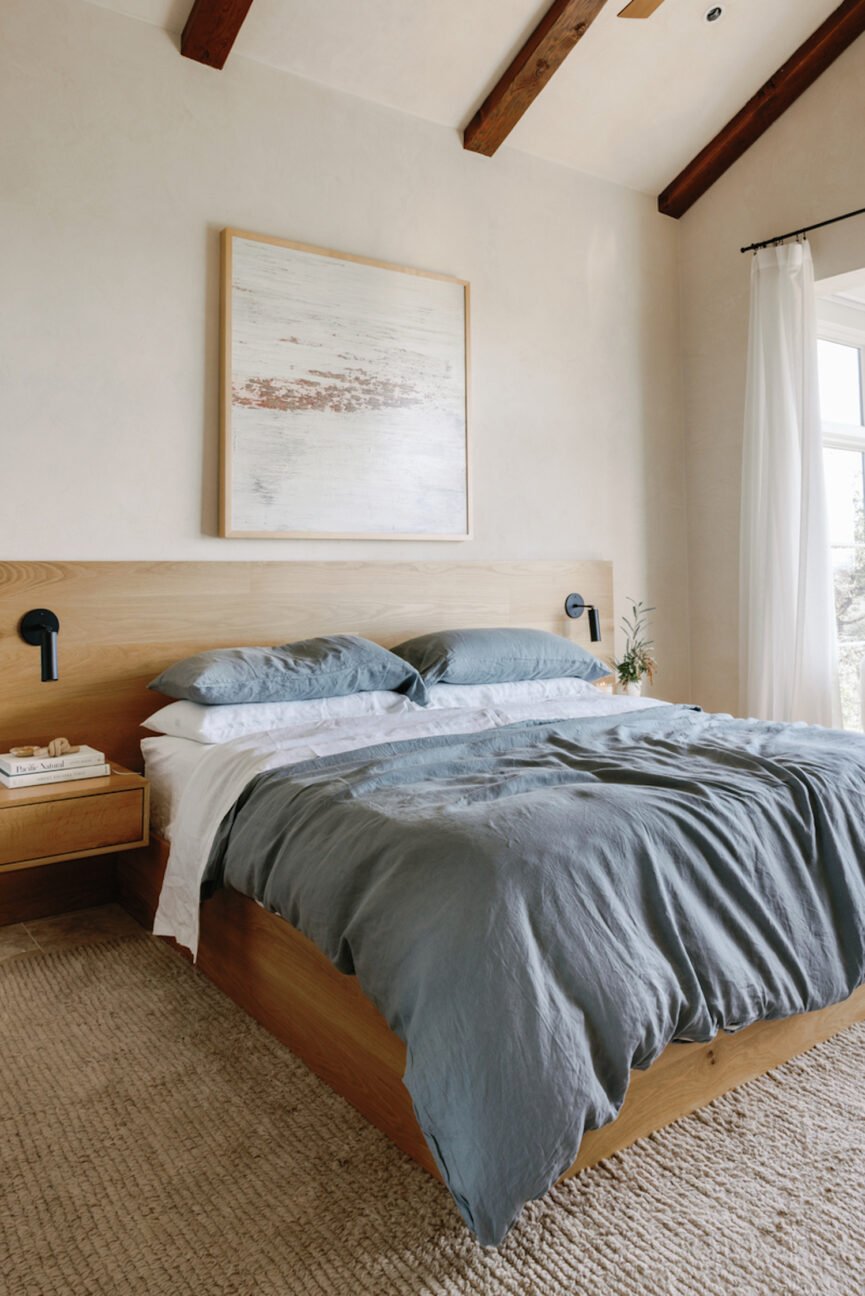
6. Draw the eye upward. Artwork, vertical lines, or even higher curtain placement can subtly expand the space.

7. Let your bed have space on at least one side. Even a small gap can make the layout feel more open.

8. Stick to a more tonal color palette. When colors flow, the eye moves more easily—and the room feels larger.

9. Use mirrors to reflect light, not just fill a wall. Placement matters more than size.

10. Keep sightlines clear from the doorway inward. What you see first shapes how spacious the room feels.

These shifts might feel small, but they’re the same principles designers use to make a space feel considered, balanced, and more expansive. To take it a step further, I asked designers how they approach small bedrooms. Take out your notepad (and prepare your Pinterest board). These small bedroom design tips are gold.

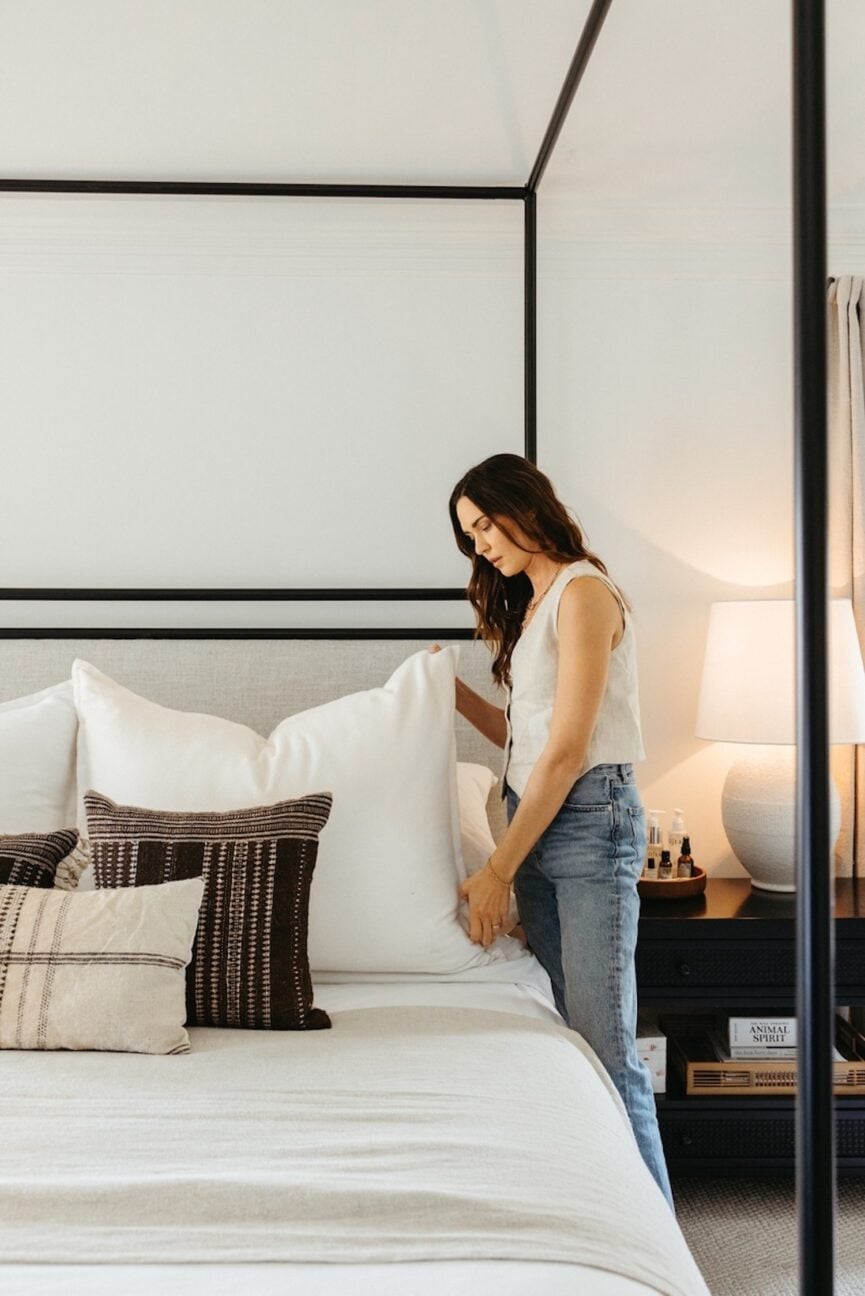
Pin it Woman making bed.

9 Designer-Approved Ways to Make a Bedroom Feel Bigger

1. Start With Less Than You Think You Need

The fastest way to make a small bedroom feel bigger is to remove what isn’t essential.

It sounds obvious, but it’s where most spaces go wrong—trying to fit in one more chair, one more surface, one more piece that doesn’t quite have a role. As designer Katie Raffetto puts it, “less is more,” especially in a bedroom.

If it’s not helping you sleep, store, or soften the space, it’s likely adding visual noise.

Strip the room back to what you actually use—a bed, a place to set things down, lighting that works—and let everything else be intentional.

A bedroom feels bigger the moment it stops trying to be anything other than a bedroom.

2. Rethink the Scale of Your Furniture

In a small bedroom, the issue isn’t always how much you have—it’s how much space your furniture takes up.

A queen bed might feel like the default, but if it leaves you with barely any room to move, it’s working against the space. The same goes for bulky nightstands, oversized dressers, or anything that sits heavy in the room. Even creating space on just one side of the bed can make the entire layout feel more open.

Designer Cameron Johnson refers to this as “space engineering”—making decisions that create room around your furniture, not just filling the room with it. Sometimes that means choosing a smaller bed, a narrower nightstand, or a piece that can serve more than one function.

Pin it

3. Use Color to Your Advantage (Not Just for Aesthetics)

Color doesn’t just change how a room looks—it changes how it feels. In smaller bedrooms, there’s often a tendency to default to all white in hopes of making the space feel bigger. But according to Raffetto, leaning into deeper, more saturated tones can actually create the opposite effect—in a good way. “Dark colors allow you to lean into the coziness,” she says, turning the room into something that feels intentional rather than constrained.

The key is consistency. When your palette feels cohesive—whether it’s light and tonal or rich and layered—the eye moves more fluidly through the space. And that sense of visual continuity can make a room feel larger, not smaller. A room feels bigger when your eye isn’t constantly stopping to process contrast.

4. Keep Your Sightlines Clear

What you see first when you walk into your bedroom sets the tone for how the entire space feels. If your line of sight is blocked—by bulky furniture, clutter, or awkward layout—the room immediately reads as smaller. But when that path is open, even a compact space can feel noticeably more expansive.

Designers often think about this as creating a clear visual entry point. The less your eye has to work to understand the space, the bigger it feels.

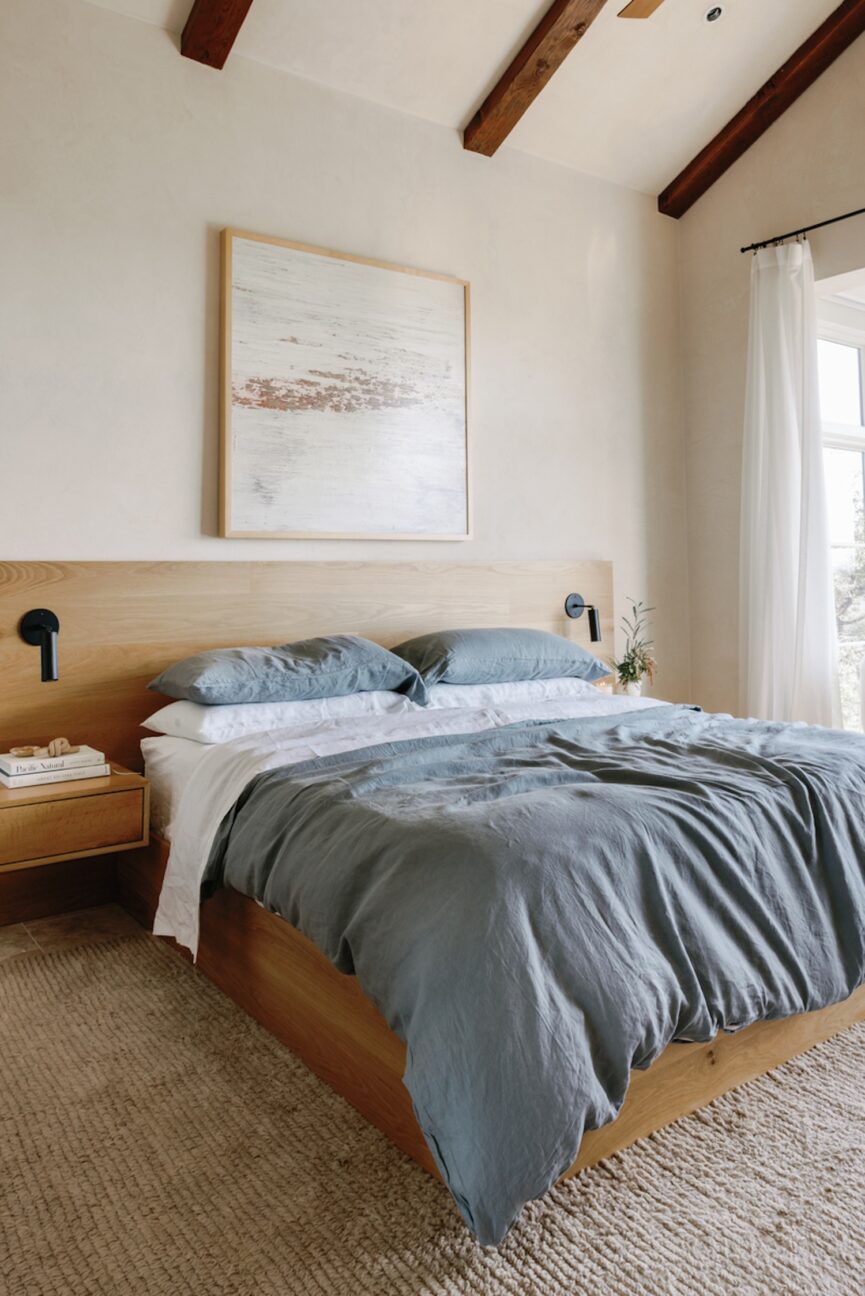
Pin it Airy bedroom with blue duvet cover.

5. Draw the Eye Upward

One of the simplest ways to make a bedroom feel bigger is to change where the eye goes. When everything sits at the same level—low furniture, low art placement, nothing pulling your gaze upward—the room can start to feel compressed. Designers counter this by using vertical space to create a sense of expansion.

That might look like hanging artwork slightly higher than expected, extending the visual height of your headboard, or mounting curtains closer to the ceiling to elongate the walls. As Johnson notes, even something as simple as placing art above the bed can help “extend the headboard” and shift how the room is perceived.

It’s a subtle trick, but it works: when your eye travels up, the room opens with it.

6. Use Mirrors With Intention

Mirrors are often recommended for small spaces—but how you use them matters more than simply having one.

Placed thoughtfully, a mirror can reflect natural light, extend a sightline, or create the illusion of depth. Placed randomly, it just becomes another object on the wall. Again, you’re not filling the space for the sake of it. The goal is to amplify what’s already working.

Pin it Camille Styles drinking coffee in bedroom armchair.

7. Choose Pieces That Do More Than One Thing

In a smaller bedroom, every piece should earn its place. When square footage is limited, adding more furniture isn’t the answer—choosing smarter furniture is. Pieces that can serve multiple functions allow you to get what you need from the space without visually crowding it.

Raffetto suggests something as simple as placing a dresser next to the bed so it doubles as a nightstand. Johnson echoes this approach, pointing to bed frames with built-in storage as a way to eliminate the need for additional pieces.

8. Be Intentional With Lighting

Lighting has a bigger impact on how spacious a room feels than most people realize. Oversized lamps and bulky fixtures can take over a surface, making everything around them feel tighter. Raffetto recommends choosing streamlined lighting—slimmer lamps or wall-mounted sconces—that give your furniture room to breathe.

It’s also about placement. When light is distributed thoughtfully, it softens the edges of the room and reduces visual clutter. When it’s not, even a well-designed space can start to feel crowded.

Pin it

9. Design for a Room That Feels Resolved

Editing a room down is only half the equation. The other half is knowing when it feels complete.

A space can be minimal and still feel unfinished. The difference comes down to how the elements work together. When a room feels resolved, your eye isn’t jumping from object to object or looking for what’s missing—it can settle.

Designers create this sense of closure through a few intentional choices: curtains that frame the room, a rug that grounds the bed, and a mirror that reflects light into the space. Not more pieces—just the right ones, placed with purpose.

The One Thing That Makes a Bedroom Feel Smaller

Most bedrooms don’t feel small because of their size. They feel small because too many things are competing for attention. When every surface is filled, every corner is doing something, and every piece of furniture is slightly too big or slightly out of place, the room starts to feel visually crowded—even if there’s technically enough space.

Designers think about this differently. It’s about centering in on what the room doesn’t need. Because the moment your eye has space to move—to land, to rest—the entire room opens up.

This post was last updated on April 8, 2026, to include new insights.

The post 9 Designer Tricks That Instantly Make a Bedroom Feel Bigger appeared first on Camille Styles.

  •  
❌