Before Russia’s 2022 invasion of Ukraine turned it into the new pariah of the West, Iran was the most sanctioned country on Earth: more than 3,600 economic sanctions imposed by the United States, the United Nations, the European Union, and various other countries, measures that forced the Islamic Republic to reshape its economic policy to circumvent these obstacles. That included its vital oil sector, which U.S. President Donald Trump hoped to choke through the U.S. blockade of the Strait of Hormuz, the route through which Iran exports 90% of the crude it sells abroad.
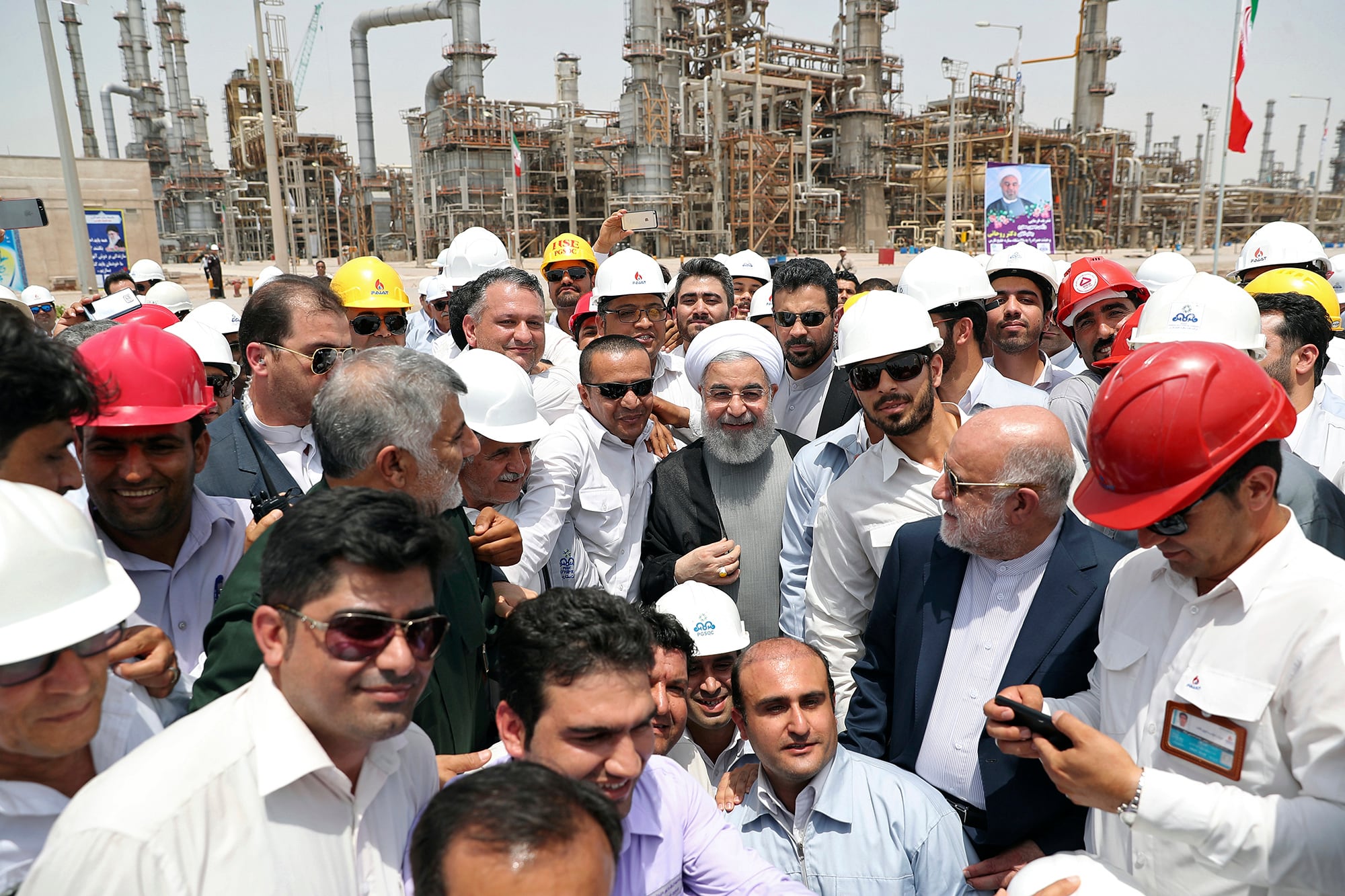
Then Iranian president, Hassan Rouhani (center), inaugurated the Persian Gulf Star refinery in Bandar Abbas, Iran, on April 30, 2017, in an image from the Iranian Presidency.
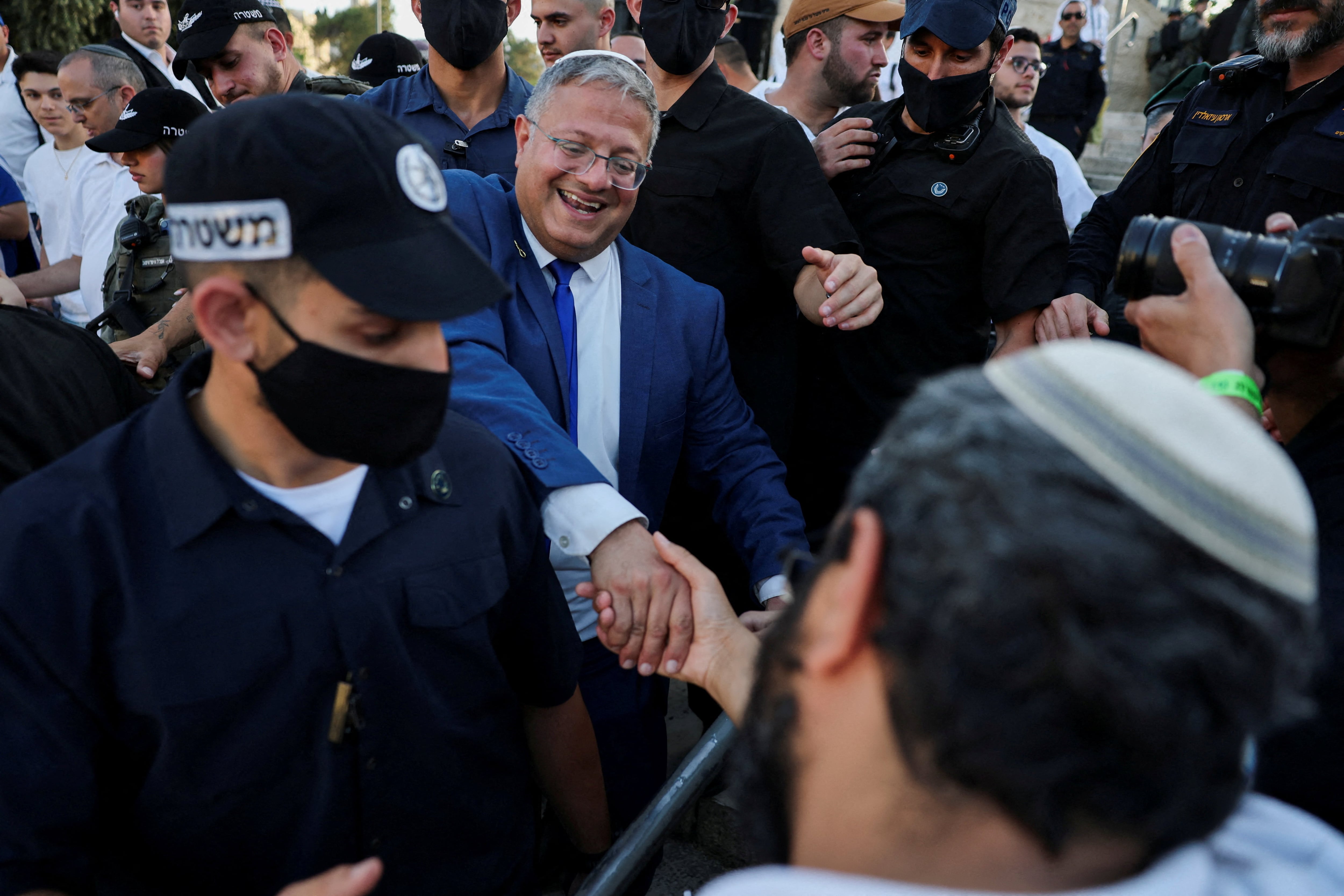
Israel’s National Security Minister Itamar Ben-Gvir remained defiant on May 20, undaunted by international protests triggered by images of him mocking Gaza Flotilla activists, who appeared in videos kneeling and handcuffed with their faces to the floor in the port of Ashdod. “Whoever comes to our territory to support terrorism and identify with Hamas, will receive harsh punishment,” he warned on social networks, after several Western countries, including Spain, Italy, the United Kingdom, Canada, and Germany, condemned Israel’s treatment of the activists, criticism that has even come from a handful of Israeli leaders. “We will not turn the other cheek,” Ben-Gvir railed.
President Donald Trump said Monday he was ready to discuss US arms sales to Taiwan during his visit this week to Beijing, as he suggested his personal chemistry with counterpart Xi Jinping would prevent a Chinese invasion of the island.
President Donald Trump in the Oval Office, the White House, on March 16, 2026. Photo: The White House, via Flickr.
The White House said Trump will bring along top US executives including his former nemesis Elon Musk and Apple’s Tim Cook for a trip expected to focus heavily on the US president’s hopes to ramp up trade.
China said it hoped to achieve greater stability between the world’s two largest economies during the visit lasting Wednesday through Friday, the first by a US president since Trump went in 2017.
Asked if the United States should keep selling weapons to Taiwan, a key irritant for Beijing, Trump did not answer directly but said: “I’m going to have that discussion with President Xi.”
“President Xi would like us not to, and I’ll have that discussion. That’s one of the many things I’ll be talking about,” he said, speaking to reporters in the Oval Office.
Trump, after referencing Russia’s invasion of Ukraine, said of Taiwan, “I don’t think it’ll happen.”
“I think we’ll be fine. I have a very good relationship with President Xi. He knows I don’t want that to happen,” he said.
But Trump also noted that the United States was “very, very far away” compared with China.
When asked for a response to Trump’s remarks, Taiwan’s foreign ministry vowed to “continue to strengthen cooperation” with the United States, the island’s main security backer, and “build effective deterrence capabilities in order to jointly maintain peace and stability in the Taiwan Strait.”
Congress backs Taiwan
The United States recognizes only Beijing but under domestic law is required to provide weapons for the defense of Taiwan, a self-governing democracy which China considers its own.
From right: Taiwan President Lai Ching-te, Democratic Senator Jeanne Shaheen, and Republican Senator John Curtis pose at the Presidential Office in Taipei on March 30, 2026, during a bipartisan US Senate delegation’s visit to Taiwan. Photo: Lai Ching-te, via Facebook.
Under the 1982 “Six Assurances,” a key foundation of US policy on Taiwan after the switch of recognition, the United States said it would not “consult” with Beijing about arms sales to the island.
Trump has long berated allies as not spending enough on their own defense. Days ahead of his trip to China, Taiwan’s parliament Friday approved a US$25 billion defense spending bill, although it fell short of the government’s proposal.
Pointing to the vote by parliament, a group of US senators led by Jeanne Shaheen, the top Democrat on the Senate Foreign Relations Committee, said that Trump should immediately green-light a US$14 billion arms package to Taiwan.
“We urge you and your team to make clear that America’s support for Taiwan is inviolable,” wrote the senators, mostly Democrats but including two centrists from Trump’s Republican Party.
While discussing economic concerns, Trump should also state that “American support for Taiwan is not up for negotiation,” they wrote.
New sanctions over Iran
Trump delayed the trip once due to the war he launched with Israel against Iran, which is still rebuffing his appeals for an agreement.
China is the main international customer for Iran’s oil, which Trump has tried to stop all countries from buying through unilateral US sanctions.
Israeli Prime Minister Benjamin Netanyahu, in an interview Sunday with CBS News’ “60 Minutes,” said he was unhappy that Beijing had shared missile technology with Iran.
Trump’s Treasury Department on Monday issued sanctions against 12 individuals and entities it said facilitated the sale and shipment of Iranian oil to China.
US Secretary of the Treasury Scott Bessent (left) and Chinese Vice Premier He Lifeng during a bilateral meeting between the United States and China in Geneva, Switzerland, on May 10, 2025. Photo: Swiss Federal Department of Foreign Affairs, via Flickr.
The sanctions came even as Treasury Secretary Scott Bessent prepared to set up Trump’s visit during talks with Chinese Vice Premier He Lifeng in Seoul on Wednesday.
Bessent and He have been the chief negotiators for the United States and China on all trade and economic issues.
In Beijing on Monday, foreign ministry spokesman Guo Jiakun said that top-level diplomacy was “irreplaceable” between the two countries.
“China is willing to work with the United States in the spirit of equality, respect, and mutual benefit, to expand cooperation, manage differences, and inject more stability and certainty into a volatile and intertwined world,” he told a briefing.
Asked about US pressure on Iran, Guo said only that China’s position on Iran was “consistent” and that Beijing would continue to play a “positive role” in promoting a ceasefire and peace talks.
US President Donald Trump is due to visit China on May 14-15, where he is expected to meet leader Xi Jinping, after delaying an earlier summit because of the Iran war.
US President Donald Trump (left) greets Chinese President Xi Jinping before a bilateral meeting at the Gimhae International Airport terminal, in Busan, South Korea, on October 30, 2025. Photo: The White House, via Flickr.
Here is what Beijing could be hoping to achieve:
What does China want?
Beyond diplomatic niceties and behind closed doors, Beijing will be looking for small, concrete achievements, analysts said, but will stay “realistically pragmatic” given Trump’s unpredictable nature.
China wants a broad reset in ties but knows this would be unlikely, said Benjamin Ho from Singapore’s S. Rajaratnam School of International Studies.
Beijing and Washington had been locked in a blistering trade war in which US levies on many Chinese goods reached an eye-watering 145 percent.
The tit-for-tat escalation cooled off after Trump and Xi agreed in October to a one-year truce, with experts saying Beijing’s baseline goal for the upcoming meeting would be to extend that agreement.
“What China needs is for Trump to follow through on his promise to engage, with at least a few concrete outcomes discussed at the highest level,” said Yue Su from the Economist Intelligence Unit (EIU).
Beijing will be satisfied with “targeted” results such as limited tariff reductions that would justify a measured rollback of its own tariffs or export restrictions, she said.
What about the Iran war?
The topic of Iran will be “hard to avoid” in the Trump-Xi meeting, experts said, but “this is not a domain China is eager to engage deeply on”.
“The US is already raising pressure pre-summit on China by targeting its economic ties with Tehran,” said Lizzi Lee at the Asia Society Policy Institute.
Chinese Foreign Minister Wang Yi (right) and Iranian Foreign Minister Abbas Araghchi in Beijing on May 6, 2026. Photo: China’s Ministry of Foreign Affairs.
Trump warned last month he would hit China’s goods with a 50 percent tariff if it provided military assistance to Iran.
Beijing is a close partner of Tehran and has called US-Israeli strikes on Iran illegal, but it has also criticised Iranian attacks on Gulf countries and called for the Strait of Hormuz to be reopened.
However, China will not accept pressure from the United States to take action on Iran or Russia, over whom it “may have some influence but not decisive control”, the EIU’s Su said.
Beijing will also aim to avoid “additional complications” such as new US tariffs linked to China’s trade with Iran being introduced into an “already complex relationship”, Su said.
The Iran war will add “another layer of mutual pressure”, Lee said, but the real negotiating terrain remains in trade and investment.
What are China’s bargaining chips?
One of China’s key bargaining chips is its rare earths — metals crucial in the production of everything from smartphones to electric cars.
China’s dominance in the rare earths industry, from natural reserves and mining through processing and innovation, is the result of a decades-long drive.
It remains China’s strongest tool if meaningful concessions from the United States are needed, Su said.
Trump has shown that he “cares a lot about” rare earths, said Joe Mazur, a geopolitics analyst at Beijing-based consultancy Trivium China.
“I think that’s sort of something that the US doesn’t really have an answer to,” he said.
Mazur thinks that China is “going to line up… quick wins” before the visit, which may include buying more US agricultural products or Boeing jets.
China, he said, might hope “that will put Trump and his team in a positive frame of mind when they’re then discussing more complex, thornier issues”.
How has Beijing prepared?
China has hedged against instability brought about by Trump through diversifying trade towards Southeast Asia and the Global South, and strengthening regional ties, said the Asia Society’s Lee.
However, a lot of these measures, including diversification of energy imports, a push towards electrification and tech self-sufficiency, predate Trump’s second term, Mazur said.
“If this meeting goes exceptionally well, it’s not going to change the trajectory that China’s on,” he said.
“This push to America-proof the Chinese economy is going to continue, no matter what happens.”
Is China confident?
Beijing will enter talks “cautiously confident”, Lee said.
It believes it can absorb pressure better now and is more comfortable playing “a long game” than Trump, who is facing midterm election pressure, she said.
A visit to Beijing by Russian President Vladimir Putin is also on the cards, with Foreign Minister Sergei Lavrov — who met Xi in April — saying it would happen in the first half of this year.
A back-to-back visit would send the message that “just because he (Xi) had a good meeting with Trump, it doesn’t mean that Chinese support for Russia is going anywhere”, Mazur told AFP.
Baron’s cartoon seems a noncontroversial bit of pushback to an ignorant and hateful policy, which is the proper role of political cartooning, but she reports a huge negative response to a simple description of what hate and discrimination do to its targets.Britain’s Equality and Human Rights Commission does seem misnamed, given that it has declared […]
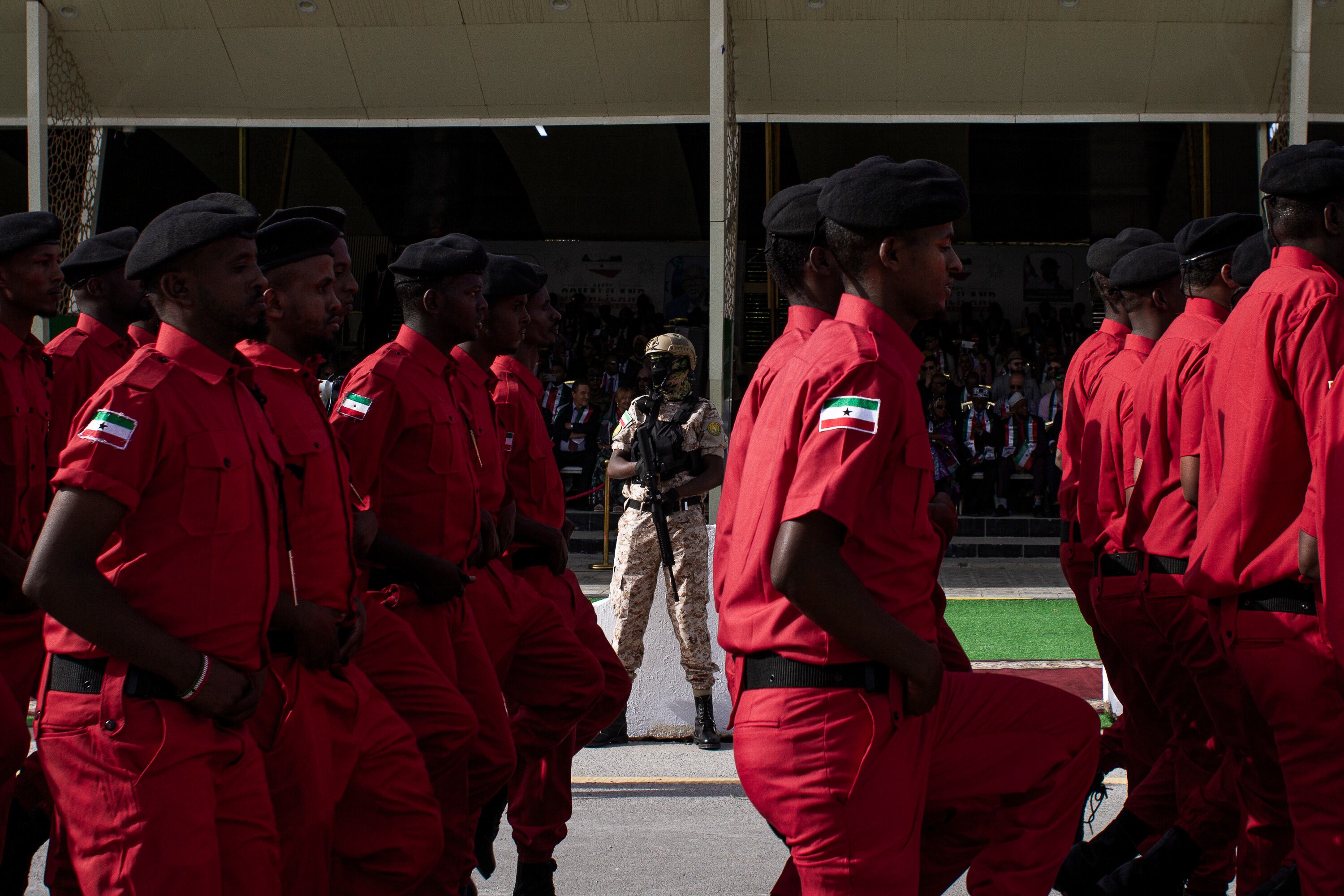
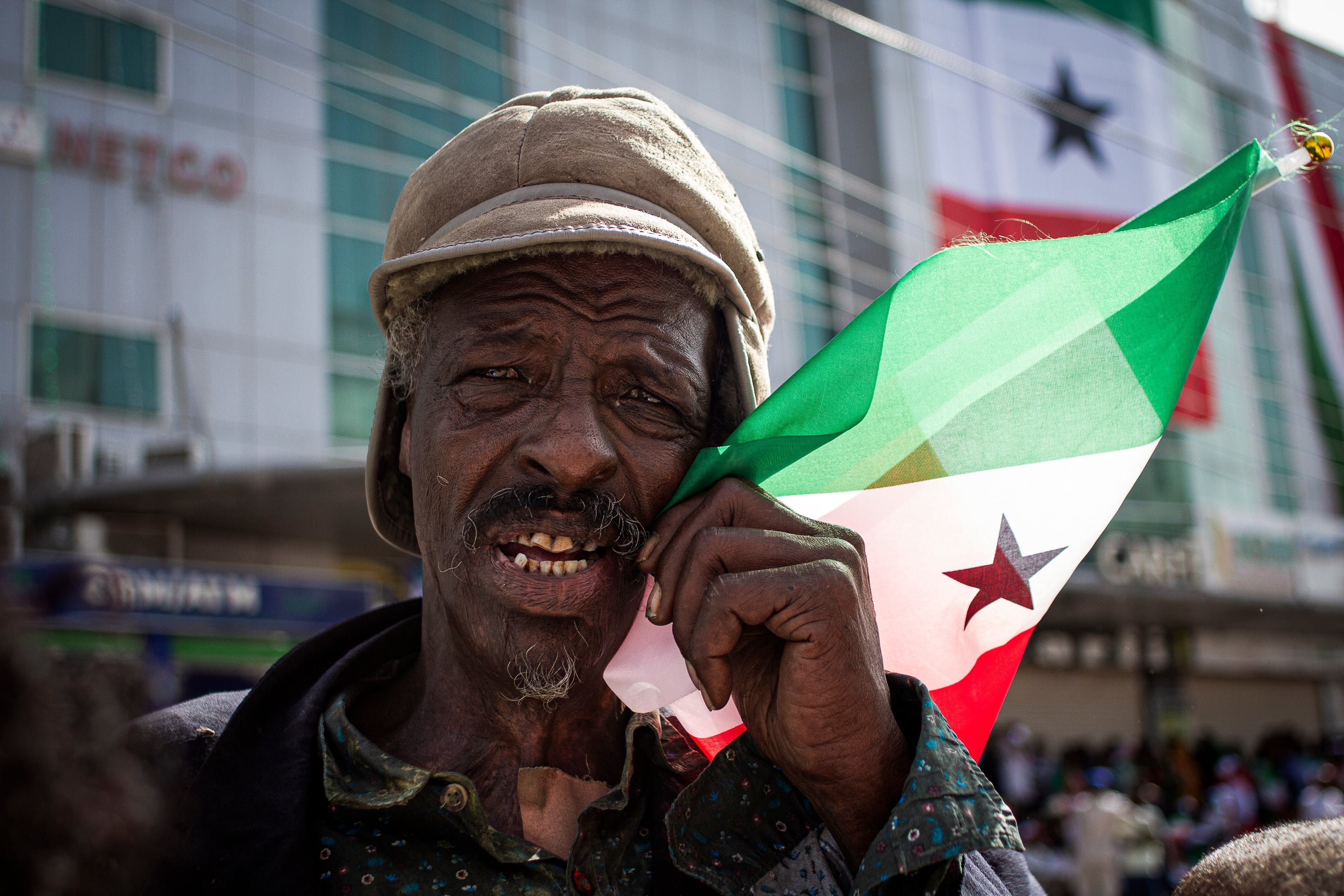
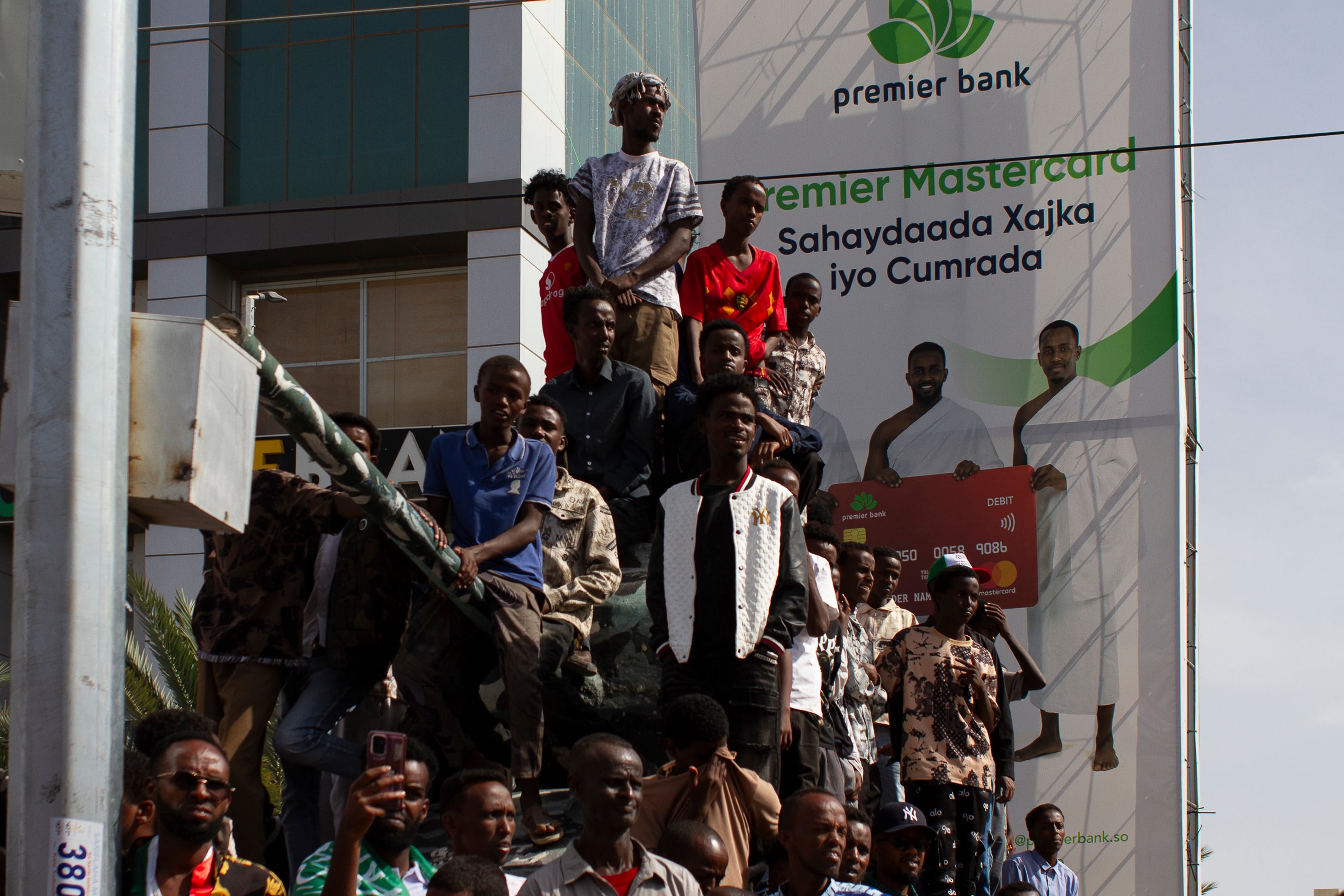
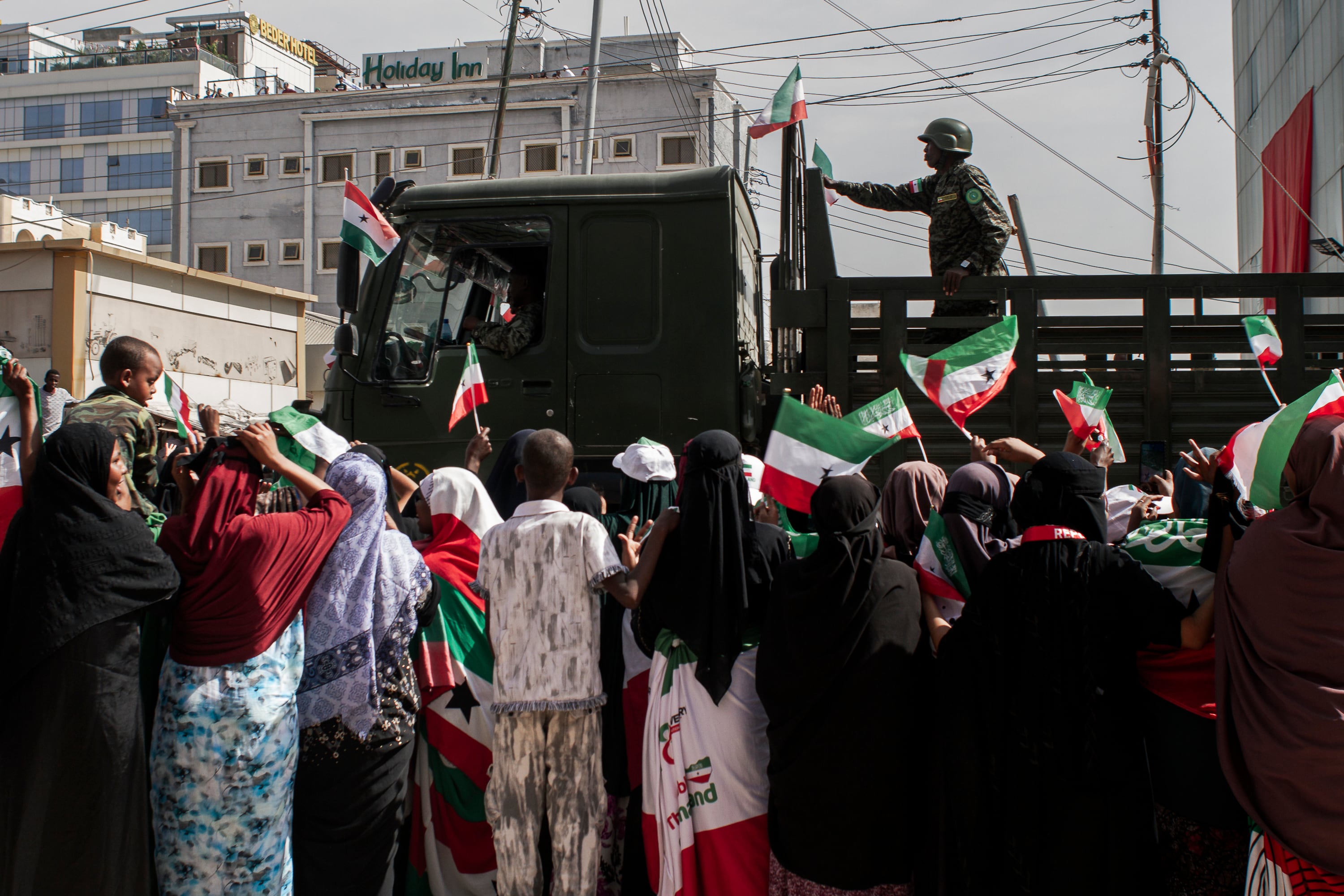
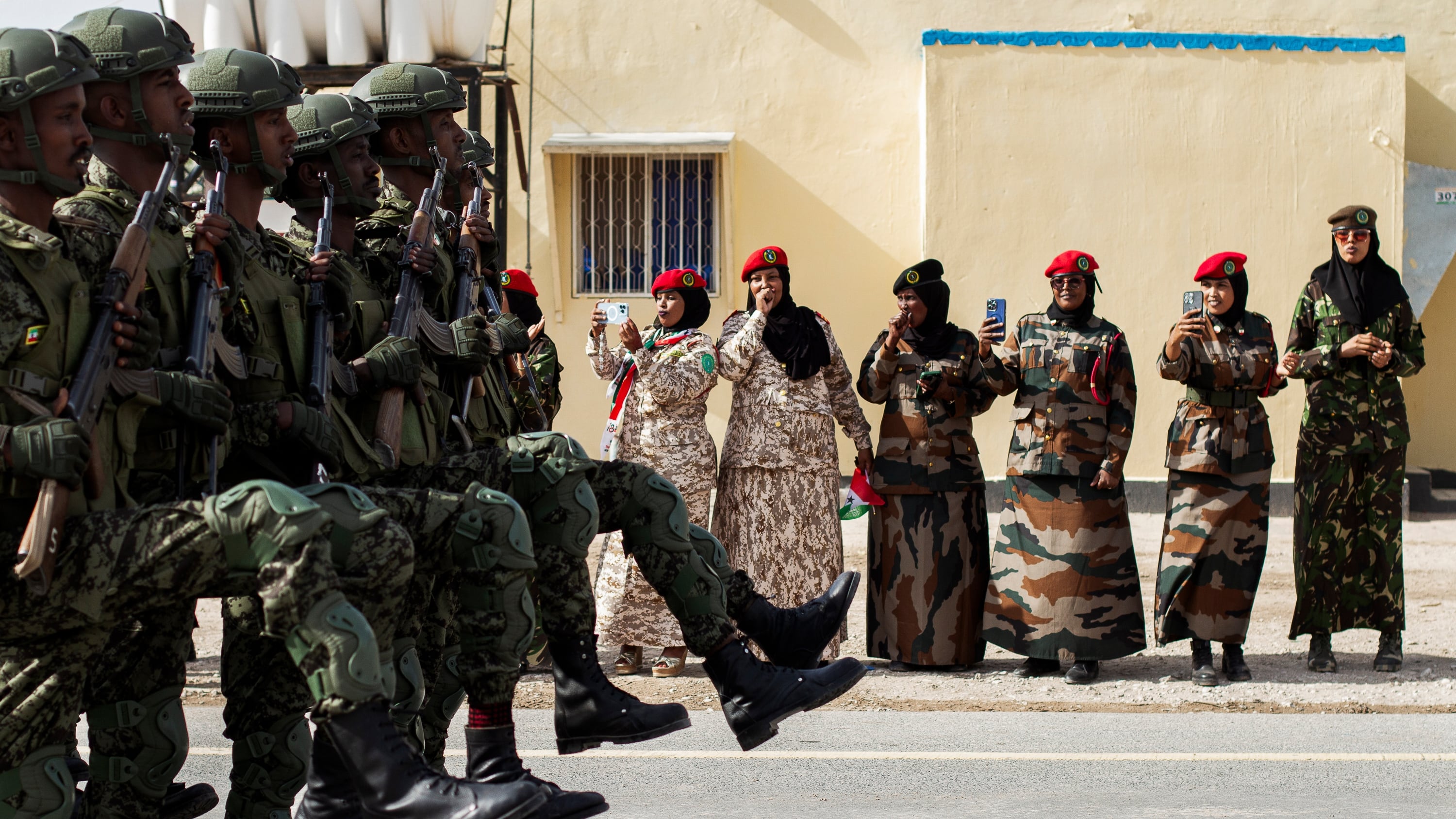
A tank — which isn’t really a tank — could be the national monument of Somaliland, a country that isn’t really a country. The armored vehicle, which rests beside Highway 1 in the city of Hargeisa, depicts what was once a weapon of war that rolled in from Somalia in 1988, in order to prevent this territory in the Horn of Africa from gaining independence. Today, the tank is part of the scenery in the capital of a land that declared itself a republic 35 years ago.
Vacuum cleaners and vapes could get more expensive if the Iran war drags on for much longer, Chinese factory owners and traders warn, as the world’s manufacturing hub reels from “crazy” costs.
Weeks of US-Israeli strikes on Iran and the effective closure of the Strait of Hormuz have choked Asia’s oil supply, stymieing the production of plastic — derived from oil — across the region.
Employees work on the vacuum cleaner production line at the RIMOO Electrical Appliance Tech Company in Foshan, in southern China’s Guangdong province, on April 28, 2026. Photo: Pedro Pardo/AFP.
Manufacturing giant China has been comparatively sheltered from fuel shortages thanks to oil reserves and renewable energy, but local factories are picking up a ballooning raw materials bill.
“Basically, we’ve been losing money on all our orders,” said Bryant Chen, a manager at vacuum cleaner factory RIMOO in southern Guangdong province’s Foshan.
The price of plastic has risen roughly 50 percent since before the Iran war, Chen told AFP as workers behind him fastened suction tubes to metal tanks.
“The costs of the products that we are making are being very greatly affected,” the 42-year-old said, listing plastic, copper for the vacuum’s motor and raw materials in its power cords.
“Typically at this time we’d be entering peak season, but compared to the same period previously, shipment and production data aren’t very optimistic.”
Two hours away, plastic traders in storage hub Zhangmutou said price fluctuations were the worst they’ve seen in decades.
“It has never been this crazy,” said Li Dong, 46, who entered the industry two decades ago.
The plastic, rice-sized pellets he buys for local phone cases and EV battery factories jumped wildly in March, triggering days of panic that jammed the small town’s roads as factories rushed to stock up.
‘Mutual state of decline’
Exporters in Zhangmutou showed AFP a vast range of products their pellets would become, including drones and badminton birdies.
One trader sifted through pink, green and purple beads that she said would be moulded into e-cigarette casings sold in the Middle East.
The Iran war has hit plastic production even harder than bottlenecks caused by the Covid pandemic, when ships could not come and go from China, Li said.
Employees work at the Zhangmutou Plastic Raw Material Market in Dongguan, in southern China’s Guangdong province, on April 29, 2026. Photo: Pedro Pardo/AFP.
Some sellers cashed in on the plastic panic, he added, fighting to take advantage of surging costs.
Li said the price of plastic had dropped around 10 to 20 percent from its height, but he cautioned against further oil hold-ups.
“The factories we supply to will suffer the most because their direct costs will rise,” he said.
For exporters, the Middle East crisis has added to the hangover still lingering from Donald Trump’s sweeping global tariffs last year.
The US Supreme Court struck down those levies as illegal, but tolls on Chinese goods entering the US still sit at around 20 percent.
On the outskirts of Guangzhou, one garment factory owner lamented the chaos triggered by the US president’s trade war.
Overseas clients are afraid to place orders, while Chinese manufacturers cannot pin down changing costs.
“As a result, everyone is in a mutual state of decline,” garment boss Zhou, 55, said.
While 80 percent of his clients have returned, the fabrics scattered on his factory floor made into sweatpants headed for Europe and North America have risen 10 to 20 percent in cost due to the Middle East war.
As overseas orders dropped, seamsters went months without a job.
‘Tensions rise, orders disappear’
Migrant worker Jingjing returned to her hometown in Hubei province for two months, where she made half the 400 yuan (US$60) she now earns in Guangzhou’s garment factories.
“When tensions rise… orders suddenly disappear,” the 42-year-old said.
But this year she said she always has something to do.
Job-seeking labourers and recruiters from clothing factories on a street in an urban village in Guangzhou, in southern China’s Guangdong province, on April 27, 2026. Photo: Pedro Pardo/AFP.
In a damp back alley, Jingjing joined job-seekers milling about leisurely, haggling for higher wages while garment bosses perched on scooters brandished hiring signs, desperate for day labourers.
Chen, the vacuum factory manager, said he was “still worried” about surging shipping costs should the Iran war drag on.
“If shipping costs rise, it will cause the final costs for our customers to increase sharply,” he said.
They “will have no way to sell normally, because the costs are just too high”.
Chen said RIMOO plans to expand to other markets beyond the Middle East where around 60 percent of its customers are based.
“We are still optimistic,” he said. “The market demand still exists.”
But analysts warn the war’s impact on costs will be felt for months.
“The problem is all of these costs will filter through the supply chains for the rest of the year,” said supply chain consultant Cameron Johnson.
“The longer it goes on, that kind of cascades into much bigger problems, particularly if there’s not enough oil in general to run stuff.”
US Secretary of State Marco Rubio warned Tuesday against any “destabilizing” actions on Taiwan before a trip to China by President Donald Trump and called on Beijing also to raise pressure on Iran.
US President Donald Trump listens as U.S. Secretary of State Marco Rubio speaks during a Cabinet meeting at the White House on April 30, 2025, in Washington, DC. File photo: Andrew Harnik/Getty Images/AFP.
Rubio, addressing reporters at the White House, said he was sure that Trump and Chinese President Xi Jinping would discuss Taiwan, the self-governing democratic island claimed by Beijing.
“I think both countries understand that it is in neither one of our interests to see anything destabiliz(ing) happen in that part of the world,” Rubio told reporters.
“We don’t need any destabilizing events to occur with regards to Taiwan or anywhere in the Indo-Pacific, and I think that’s to the mutual benefit of both the United States and the Chinese,” Rubio said.
China has ramped up its military presence around Taiwan in recent years and staged large-scale military drills.
While the United States has an ambiguous policy on whether it would defend Taiwan, its military looks increasingly stretched as resources shift from Asia to the Iran war.
Rubio, who has never visited China, was an outspoken critic of Beijing’s human rights record while a senator, championing legislation that brought sanctions over Beijing’s alleged use of forced labor from the Uyghur minority.
The Trump administration has largely downplayed human rights, preferring to focus on promoting what it sees as core US interests such as trade.
Asked if Trump would raise human rights, Rubio said, “I think we’ve proven in some cases it’s most effective to raise them in the appropriate setting. But we always raise those issues.”
Call to pressure Iran
Rubio also called for China to put pressure on Iranian Foreign Minister Abbas Araghchi, who was leaving Tuesday for Beijing.
Iranian Foreign Minister Abbas Araghchi departs for Beijing on May 5, 2026. Photo: Iran’s Ministry of Foreign Affairs.
Iran has exerted control over the Strait of Hormuz, the narrow waterway through which one-fifth of the world’s oil once transited, in retaliation for being attacked by the United States and Israel.
China has been by far the largest buyer of Iranian oil, defying sanctions unilaterally imposed by Trump since his first term against any country that is Tehran’s customer.
“I hope the Chinese tell him (Araghchi) what he needs to be told, and that is that what you were doing in the straits is causing you to be globally isolated,” Rubio said.
“You’re the bad guy in this,” he said. “You guys should not be blowing up ships.”
The United States has also been blowing up ships. The US military said Monday it had destroyed six small Iranian boats, accusing them of threatening shipping.
During the war, a US submarine torpedoed an Iranian frigate off Sri Lanka, killing 104 sailors, with US forces leaving them to drown.
Even in the best case scenario, Canadians are set to pay $12 billion over the next 12 months due higher oil prices, a report by the Centre for future Work shows. Economist Jim Stanford said in the report that Canadians should fight the dominant narrative that these increased price pressures are a natural and inevitable side effect of the war in Iran.
“This is a lie intended to prevent Canadians from asking hard questions about why their living standards are being undermined by a far-off war that does not involve them,” he wrote in the report. “Prices for petroleum products have not shot up because of natural market forces. Events in the Persian Gulf are dramatically affecting our economy because of a policy choice, not laws of economic nature.”
The report projected that a lack of proper policy interventions will force Canadians to pay billions. The U.S. and Israel’s attacks on Iran led to the closing of the Strait of Hormuz which remains closed as of May 21.
Even if the Strait reopened immediately, Canadian consumers would pay an additional $12 billion over 12 months in direct higher fuel costs. If the Strait remains closed for three more months – approximately the amount of time it has been closed so far – Canadians would pay $30.6 billion in higher costs. Six more months, and Canadians pay $41.8 billion.
Canada is a net exporter of oil. As such, Stanford argues that Canadian oil prices don’t need to follow global trends too closely. However, these price shocks are occurring to line the pockets of big oil companies.
“They never waste a crisis,” Stanford said in an April webinar on oil prices. “Whatever the crisis of the moment is, it’s another reason to build a pipeline.”
Harnessing the profitability of the current crisis will increase profit margins for oil companies with devastating consequences for Canadian workers. In 2022, oil prices spiked in response to the Russian invasion of Ukraine. These price spikes were also criticized for being driven by profiteering rather than genuine market pressures.
In the subsequent years after the 2022 spike, the Bank of Canada raised interest rates to try and reign in inflation caused by higher oil prices. These measures pushed unemployment higher.
Labour and environmental groups are calling for a tax on the profits gleaned from rising oil prices to combat profiteering and serve the average Canadian. The Council of Canadians, 350.org Canada and the Alberta Federation of Labour have all called for a tax on oil companies’ war profits with the income being used to support Canadian households affected by the cost of living crisis.
Revenue from a tax on oil profits could also fund other forms of energy in Canada, Stanford noted in his report.
“Ultimately, the most certain way to reduce Canadians’ exposure to future volatility in oil prices will be to reduce the role of those products in the national energy system,” he wrote. “There are many reasons to support and accelerate the coming transition toward renewable and non-emitting sources of energy, including fulfilling Canada’s climate commitments and reducing energy costs. The consequences of the current oil price shock reinforce those motivations.”
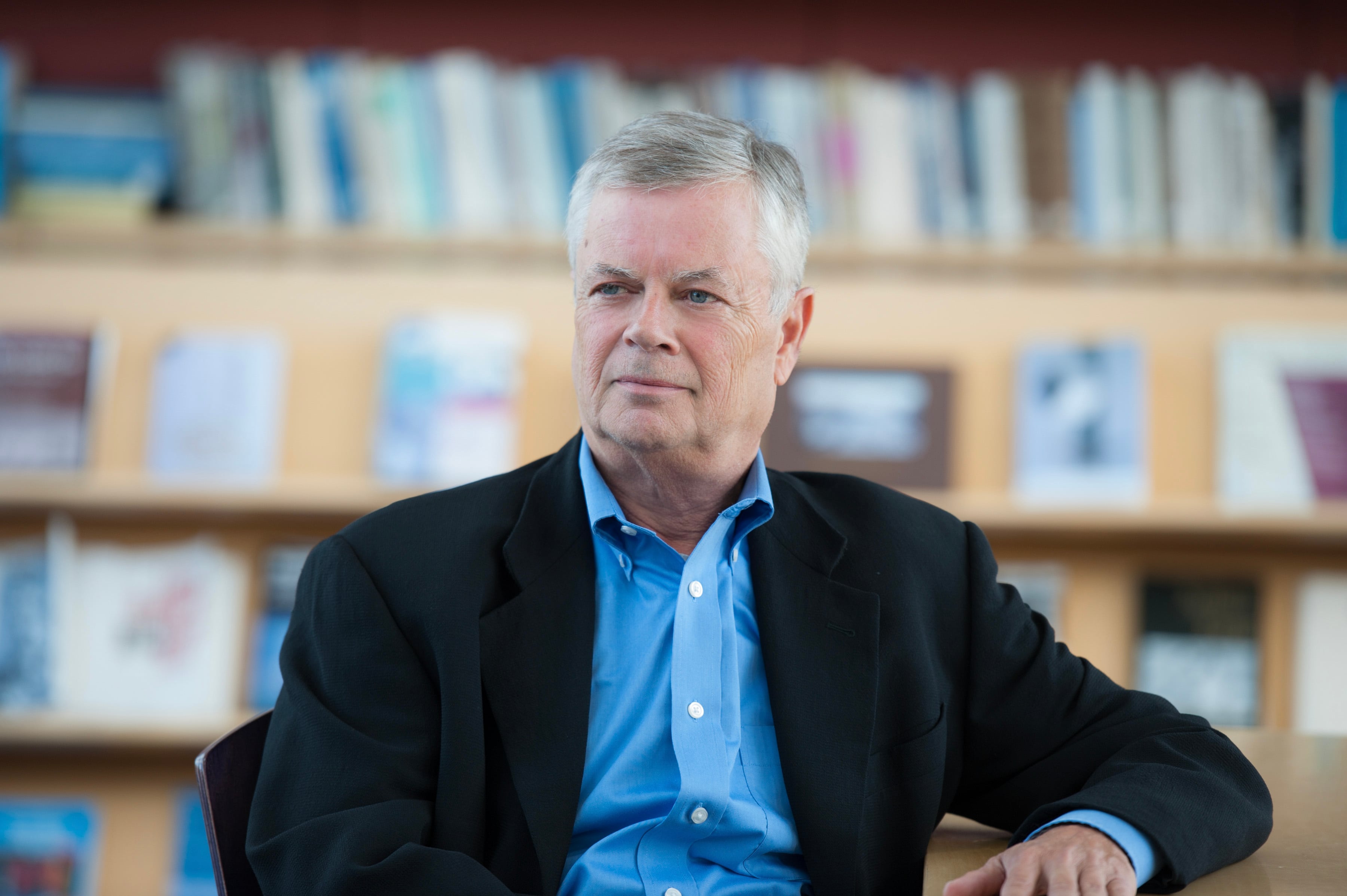
U.S. journalist and historian Stephen Kinzer, 74, has devoted much of his work to analyzing a century of U.S.-backed government overthrows around the world: from Hawaii to Iraq, examining the pattern of military intervention and exposing its long-term consequences. A former correspondent for The New York Times, Kinzer has established himself as one of the most vocal critics of U.S. interventionism.

 Login
Login