
 Login
Login
When comments on Malaysia’s public holidays cross the line into disrespect
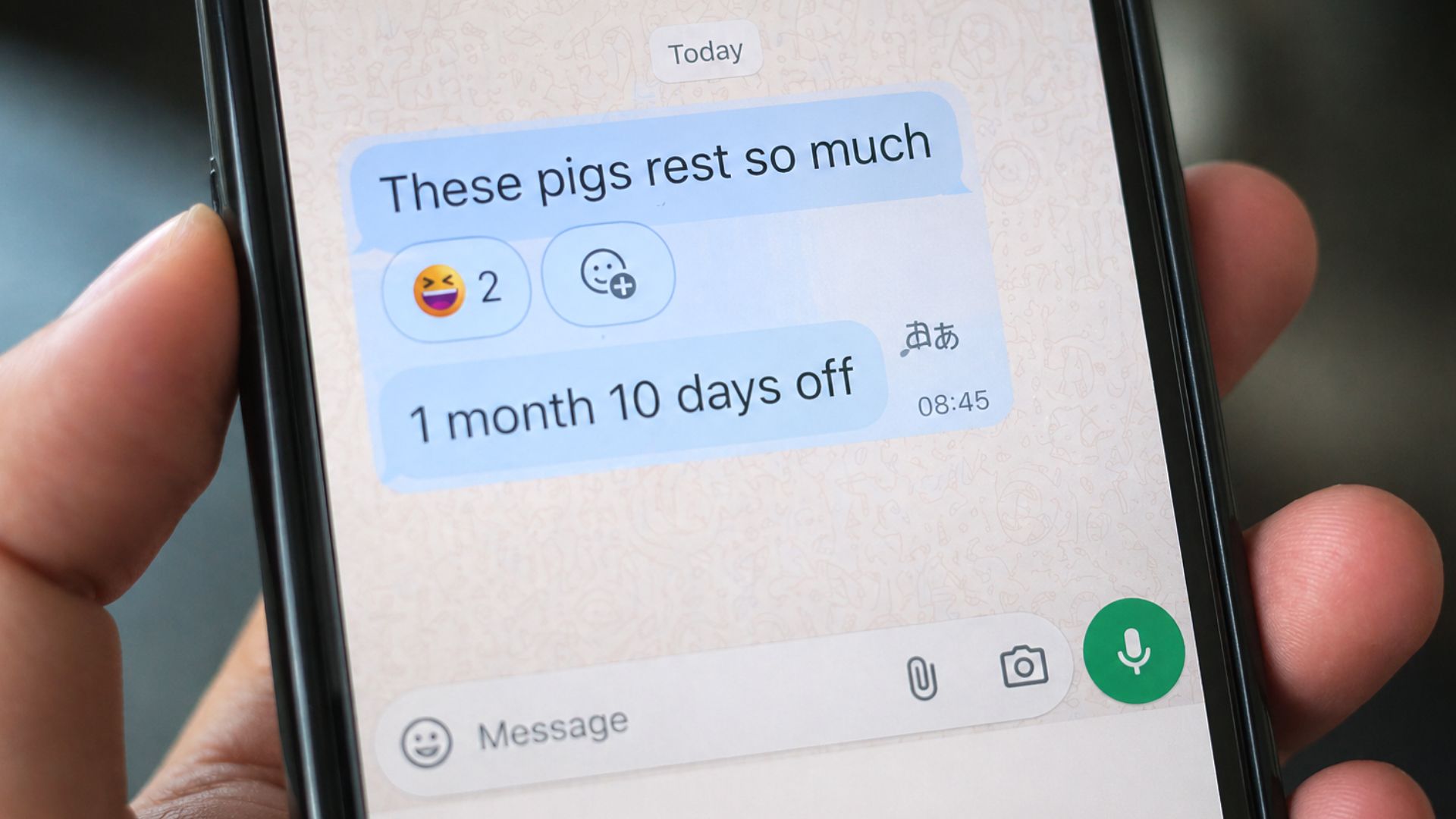
MALAYSIA: A foreign boss has come under fire after allegedly name-calling Malaysian staff in a group chat and complaining about the number of public holidays they enjoy in the country. The comments are largely seen as being disrespectful to the host country.
The comment, which has since gone viral on Threads and was reposted by Singapore’s No.1 personal finance podcast, The Financial Coconut, on TikTok and Instagram, shows the boss writing: “These pigs rest so much” and “1 month 10 days off.”
The boss’s comment in the post drew strong reactions online as many saw it as disrespectful. Others said it revealed deeper attitudes about work culture in the region.
“If your boss says this in a group chat, how would you feel?”
The original Threads post was shared in Malay with a question: “If you work for an international company and then your boss says this in a group chat, how would you feel? Context: Malaysia has many public holidays.”
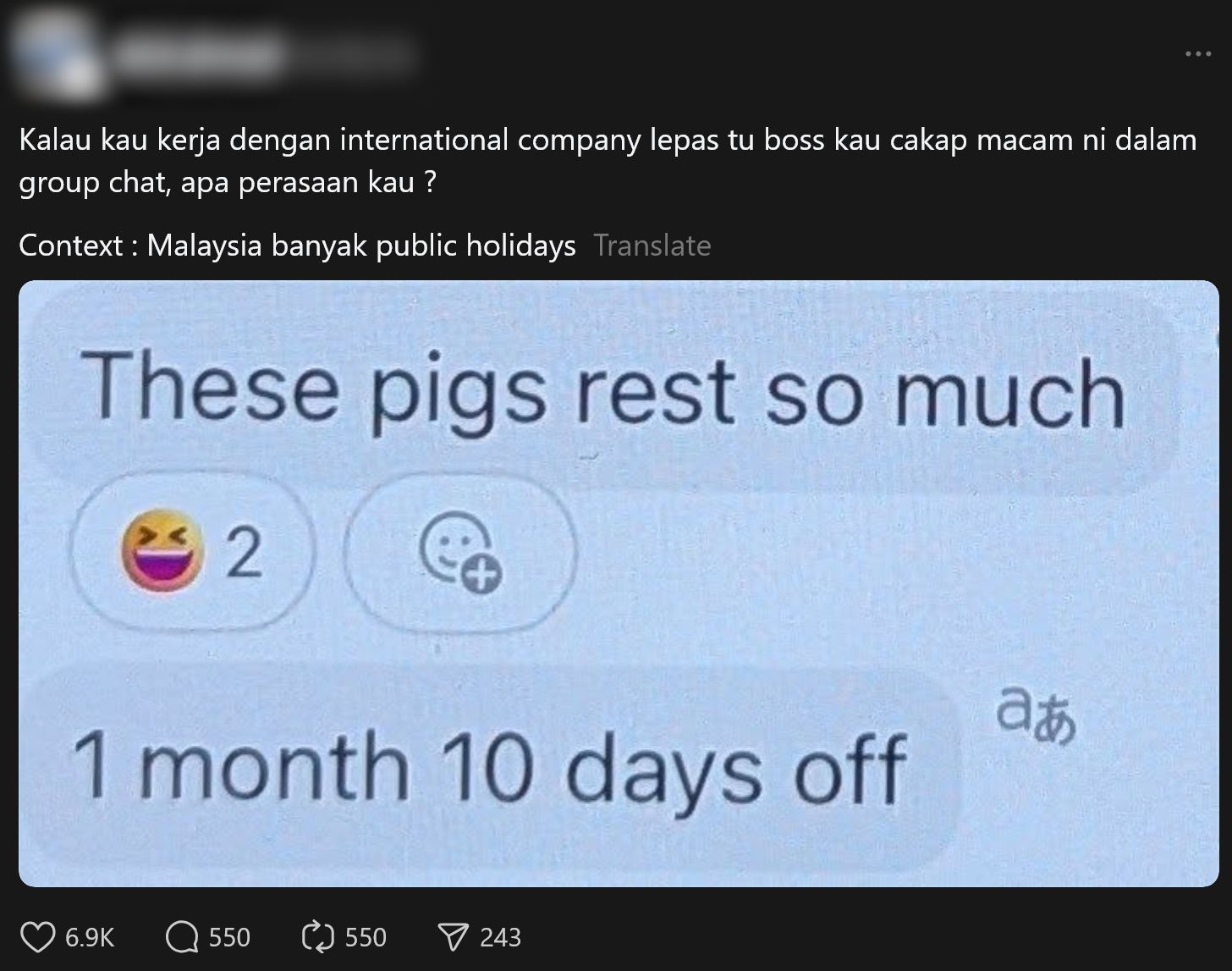
That question resonated with many, and according to The Financial Coconut, the negative comment cut deeper beyond workplace rudeness. It pointed to a long-standing stereotype about Southeast Asians being “lazy” or lacking drive.
The podcast explained that such views date back to colonial times, when workers in the region were often labelled “indolent” to justify low wages and harsh labour systems. It added that these ideas didn’t disappear as they continue to show up today in modern language, such as complaints about “too many holidays” or assumptions about productivity.
“When someone says that, they’re echoing a colonial script,” the commentary noted, pointing to issues like salary, power, control and working conditions.
“So when a foreign boss in Malaysia calls his team ‘pigs’ for using public holidays, it’s not just unprofessional, it drags in a whole history where Southeast Asians are only seen as ‘good workers’ if they sacrifice rest… and family time to fit someone else’s business model.”
Online reactions: “Yes, well-rested pigs perform better!”
Reactions online ranged from anger to sarcasm and humour. One witty commenter even responded with: “Yes, well-rested pigs perform better!  ”
”
Others took a more serious tone and said rest days and public holidays are part of labour rights, not signs of laziness.
Some also pointed out that Malaysia’s public holidays reflect its multicultural society, with different religious and cultural observances across the year.
When productivity is judged by hours worked, instead of outcomes delivered
The incident has reopened the usual debate in Southeast Asia: how work is measured, and who defines “hard work.”
For many, the issue is not about the number of holidays, but respect. Calling staff “pigs” crosses that line. It undermines morale and signals a lack of cultural awareness, especially in international teams. It also raises an important question: should productivity be judged by hours worked, or by outcomes delivered?
In Singapore and across the region, this conversation is becoming more relevant as companies push for better work-life balance while staying competitive.
Public holidays are how societies choose to live, work and rest
Good management always starts with respect for their staff, and cultural context matters—so does how leaders speak to their teams.
Public holidays are not a flaw in the system. They reflect how societies choose to live, work and rest. If anything, a well-rested workforce is more often effective. And a boss who understands that will get more out of people than one who reduces them to insults.
This article (When comments on Malaysia’s public holidays cross the line into disrespect) first appeared on The Independent Singapore News.
