Reading view

These are the workers who aren’t afraid of AI: ‘ChatGPT has little say here’

It’s difficult to find a trade that technology hasn’t transformed. Automotive mechanics were aghast when diagnostic machines appeared, accelerating the discovery of faults, and metalworkers and woodworkers now have equipment that cuts with millimeter precision, saving them thousands of hours a year in their workshops. In agriculture, the transformation hasn’t stopped. Drones and self-driving tractors are two examples of how the sector is also embracing automation. However, there’s a human factor — for now, irreplaceable — in traditional trades that brings a smile to the faces of workers like Darío Valera.
Seguir leyendo

© MÒNICA TORRES (EL PAÍS)

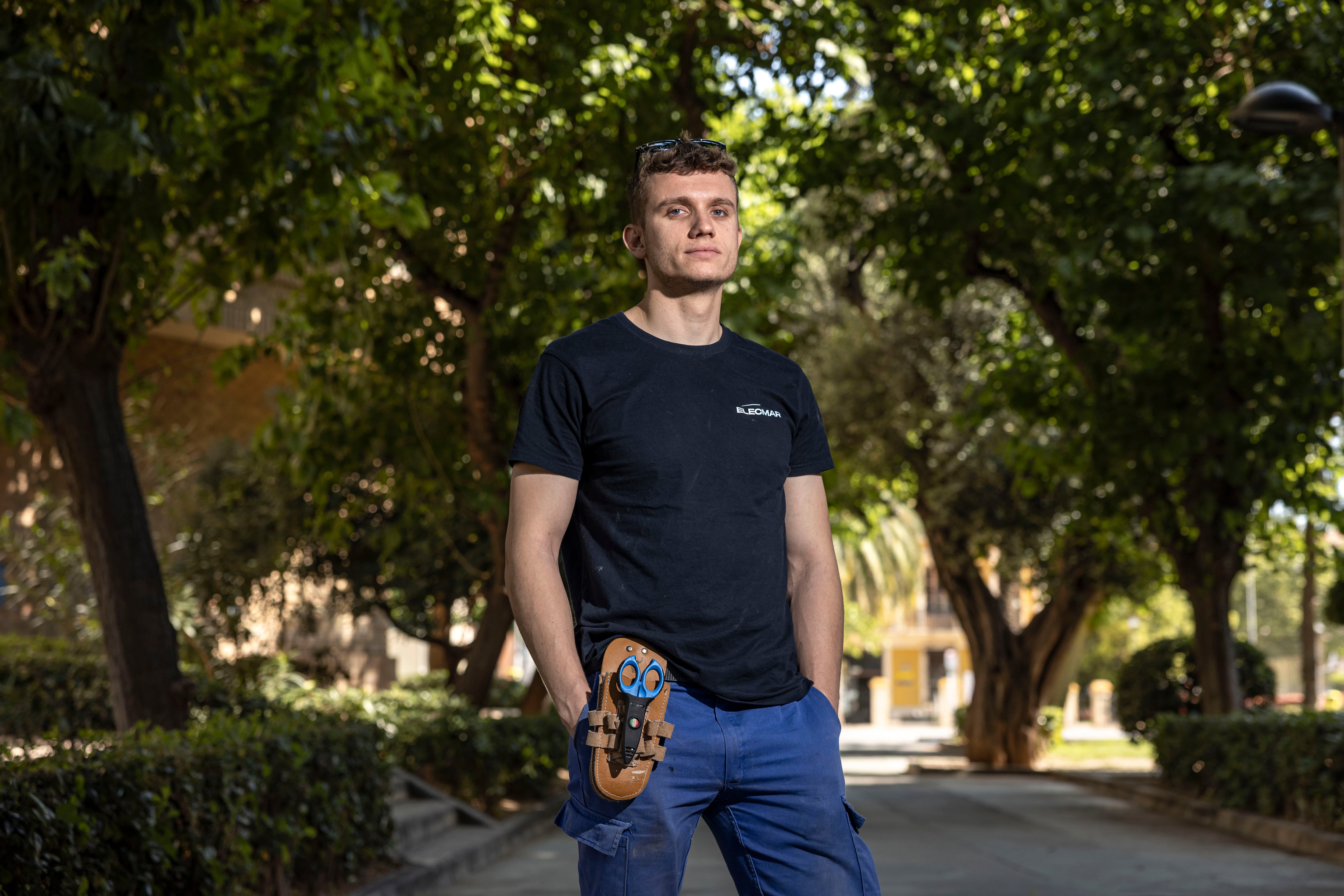
Mario Pastuszak is 24 years old and works as an electrician in Valencia.
  •  

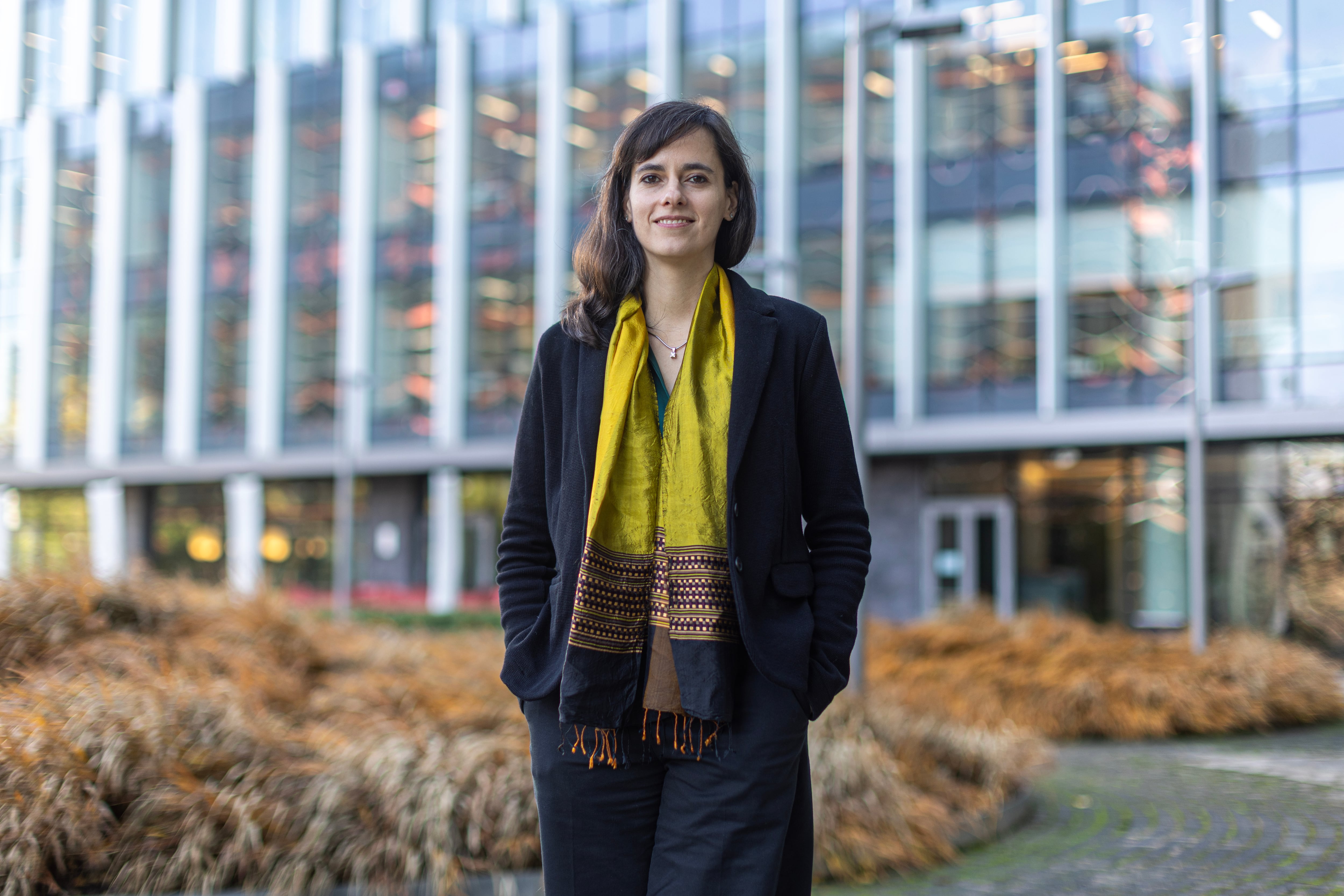
Carissa Véliz, philosopher: ‘AI presents predictions as facts, and that has profound ethical implications’

The philosopher Carissa Véliz, at the Ministry for Digital Transformation and Public Administration, in Madrid, which she advises on AI matters.

In 2020, a thirty‑something Spanish‑Mexican philosopher burst into the global debate on the effects of technology. In her book Privacy Is Power, Carissa Véliz laid out why the constant intrusion of surveillance capitalism into people’s private lives is unacceptable. Her fresh, rigorous approach quickly turned the book into a touchstone in the field. Six years later, the Oxford University philosophy professor is back in bookstores with Prophecy.

Seguir leyendo

Véliz is a professor of philosophy at Oxford University.Carissa Véliz, author of 'Prophecy.'
  •  
❌