Reading view

Vet constructs ingenious contraption to help a tortoise hit by a car

Complex problems require creative solutions, and wildlife veterinarian Nielsen Donato is no stranger to what might seem like out-of-the-box problem solving. Last month, Donato and his team at Vets in Practice in the Philippines fixed temporary wheels onto an Aldabra giant tortoise (Aldabrachelys gigantea) that was struggling to walk. 

More recently, they built a contraption to care for a four-year-old African spurred tortoise (Geochelone sulcata) that had been run over by a car not once but twice. When the unfortunate reptile was first brought to the clinic, Donato—who is the clinic’s chief surgeon and exotic animal medicine specialist—wasn’t there. 

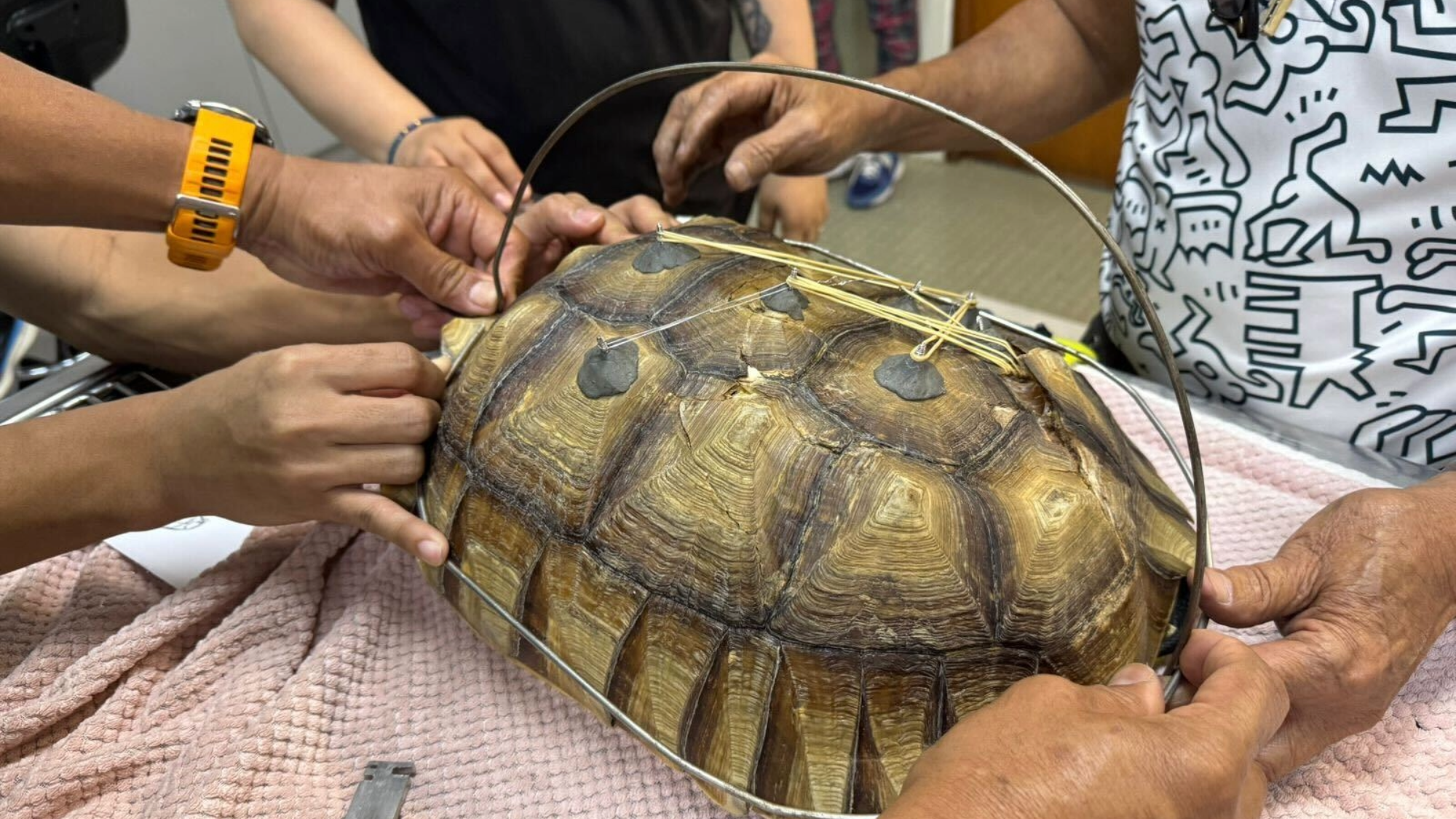
Over the phone, Donato instructed the team to keep the tortoise’s exposed soft tissue damp by rinsing the shell with saline (salt water). They also tried to stabilize the cracks, by fixing inverted screws onto various parts of the shell with epoxy putty, and then tying rubber bands around the screws.
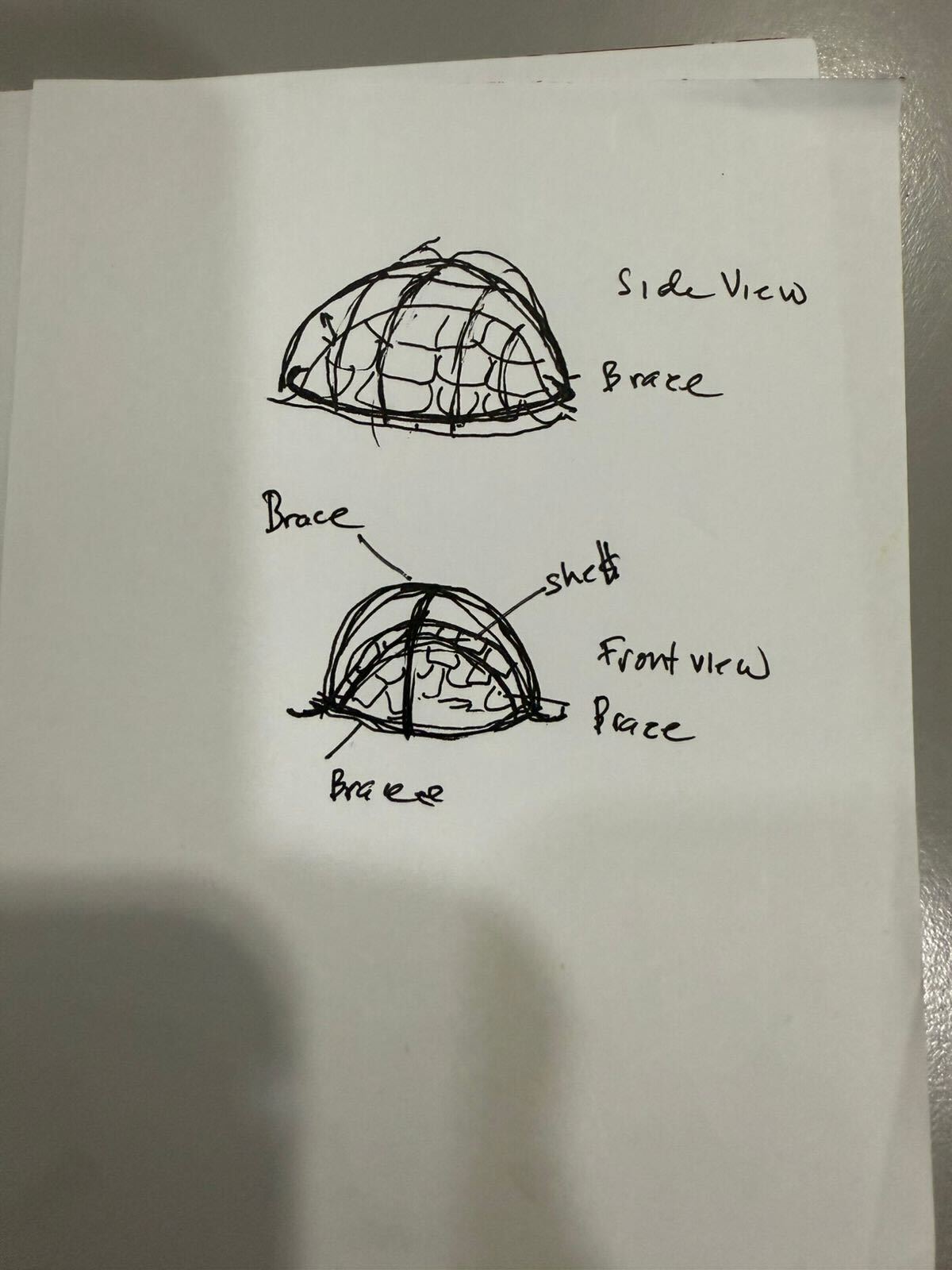
a diagram of how to fix a turtle's shell
The team sketched out their plan of action to save the tortoise’s shell. Image: Nielsen Donato.

“At this point, our main concern is to stabilize the condition of the turtle from shock, from the injury. So for the first three weeks, we made sure that there were no flies that laid eggs and turned into maggots,” Donato tells Popular Science

They kept the tortoise hydrated, tube-fed it, kept its wound clean, basked it in the sun, and gave it antibiotics and pain medication. 
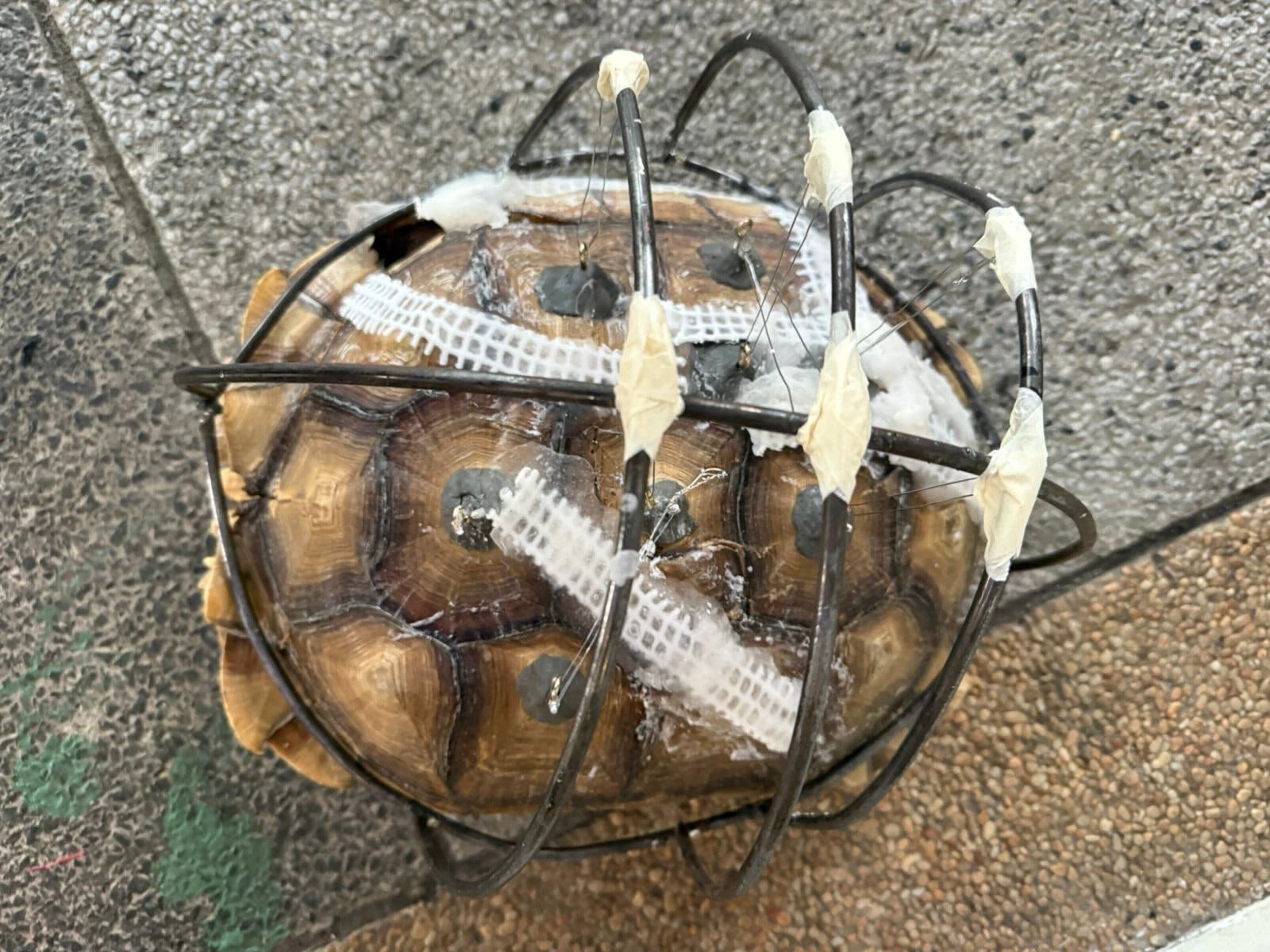
black wires over a large turtle shell keeping it together
The wires help keep the shell together. Image: Nielsen Donato.

“And once the tortoise, the sulcata, was more mobile and showing interest in eating on its own, we planned to repair the shell,” he says

According to Donato, the most difficult part for him was lifting the crushed parts of the shell. So he designed a frame for the shell that, with the help of wires, would pull up these shell parts. And the contraption worked.
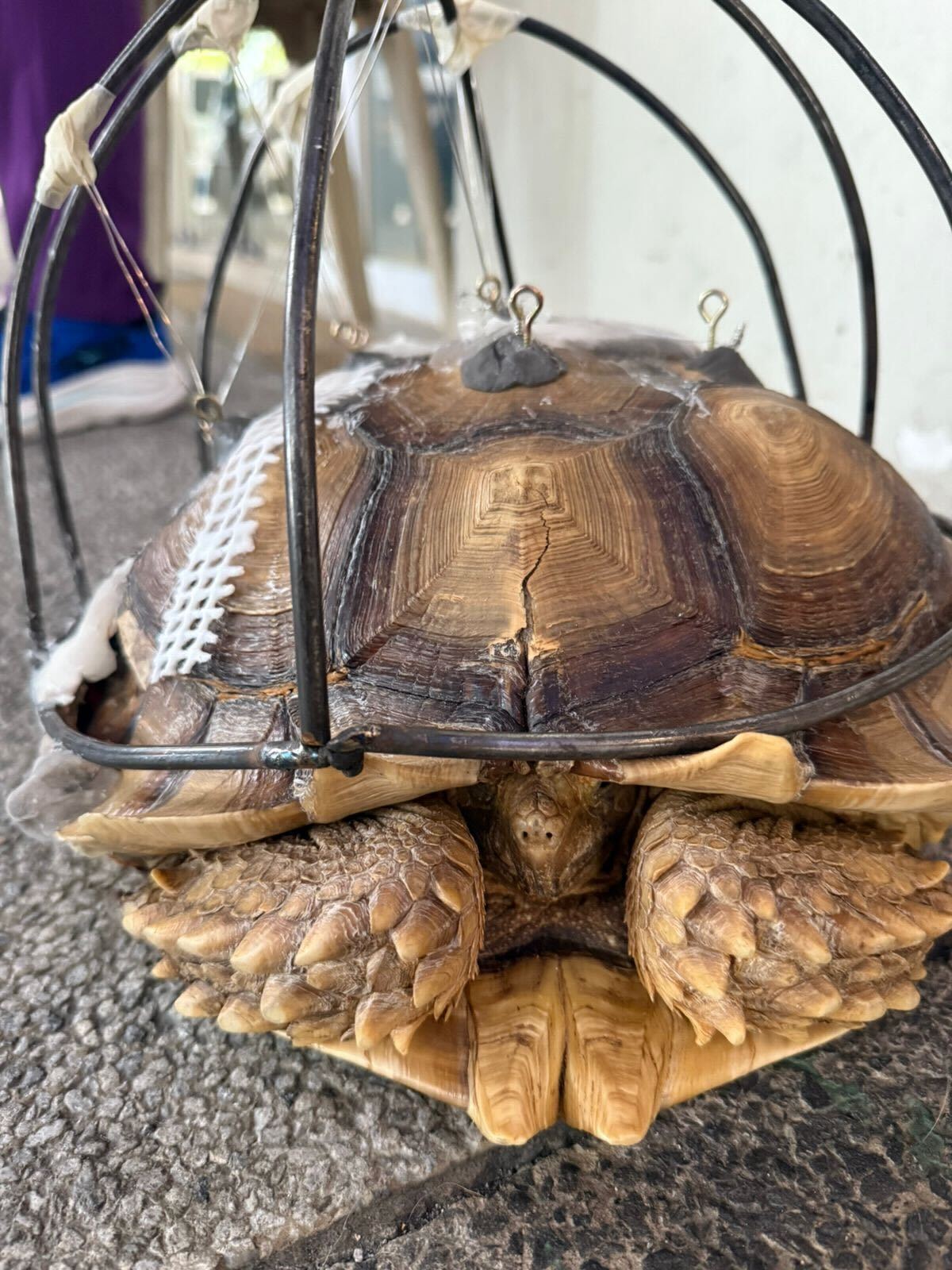
a tortoise with black wires over it shell
The tortoise was hit by a car twice, but is on the road to recovery. Image: Nielsen Donato.

“When we were twisting the wire, we noticed that we were starting to align the shell and the cracks were becoming more opposed to each other,” he explains. The team sealed the cracks with dental acrylic and asked the turtle’s owner to bring it back after three weeks. By the time the tortoise was back in their clinic, the shell had become more stable. The team removed the brace, wires, screws, and putty, and sent it back home again before its next appointment.

“When it visited us lately, it started moving around more actively and the owners were not worried about its appetite because it was eating again,” Donato reports. 

One thing is for certain—this tortoise went to shell and back again. 

The post Vet constructs ingenious contraption to help a tortoise hit by a car appeared first on Popular Science.
  •  

Clever kid builds phone charger powered by pet hamster

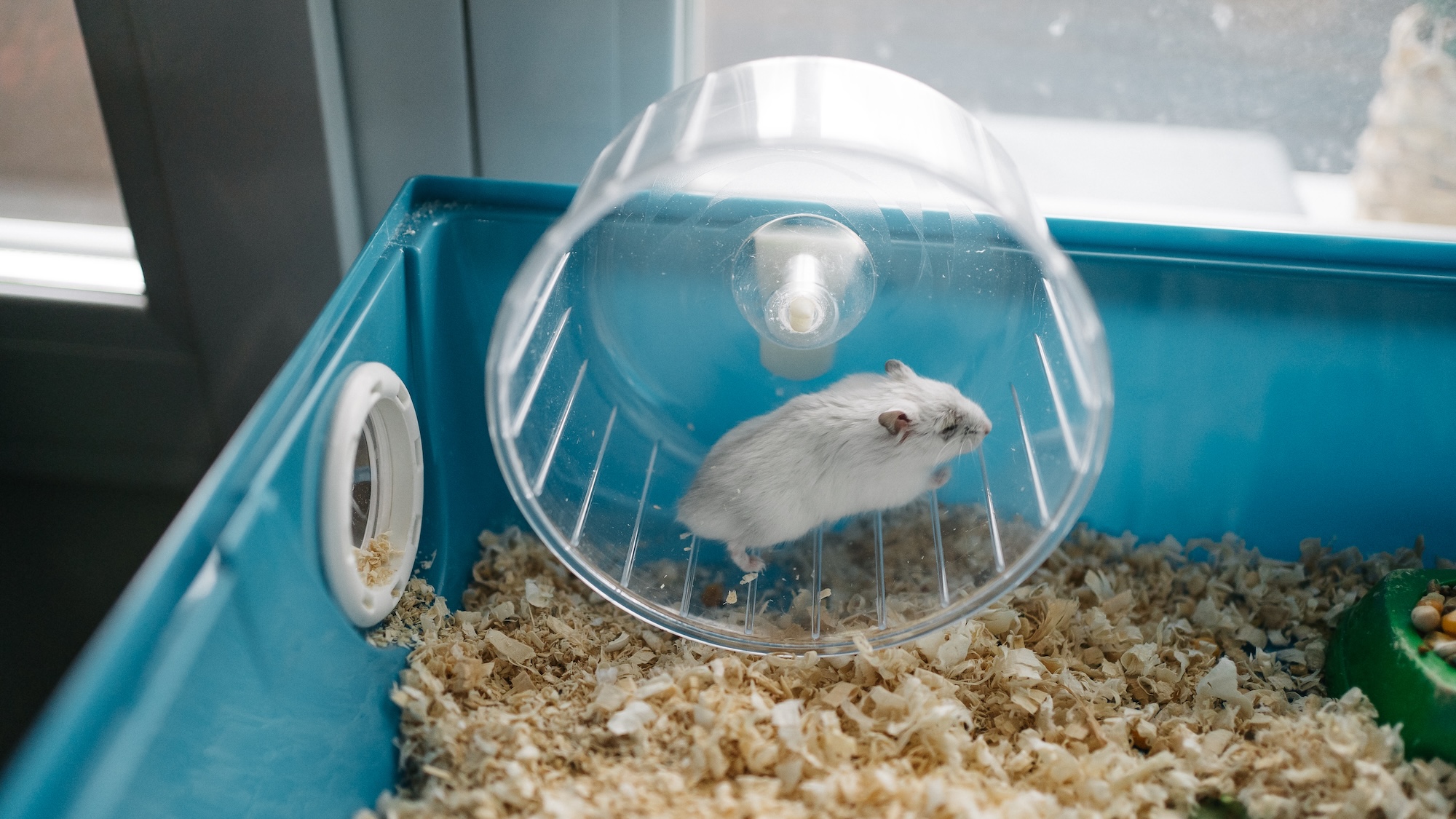
Renewable energy is the cornerstone of any sustainable society, but why limit your options to wind or solar installations? In the United States alone, over one million homes host a tiny, furry alternative power source without even realizing it. As a young YouTuber known as Flamethrower recently demonstrated, it’s time for hamsters to start pulling their weight around the house. Or, at the least, it’s time for them to start turning hamster wheels into miniature, makeshift turbines.

The idea came to Flamethrower after his brother received one of the tiny pets for his birthday. Although adorable, naturally nocturnal hamsters are often up at all hours of the night running on their little exercise accessories. While laying awake to the sound of a spinning, squeaky wheel, the amateur engineer realized how to make the best of an unexpectedly annoying situation.

“So what did I do? Exploit it for energy production, of course!” he declared in his recent video entry.

Turbines help generate most of the world’s energy, and their underlying principles are simple enough. Electricity funneled through wires to a motor will make it spin, but the reverse is also true—spin a motor, and electricity will generate through its terminals into battery storage. The fundamentals are basically the same whether a turbine spins thanks to steam, wind, or nuclear power. Or hamsters.

However, a hamster-powered turbine is not the easiest project to design. As the YouTuber explained, a 5 volt (V) DC motor hypothetically needs to spin at over 10,000 RPM to simply reach a smartphone’s standard 15 watt charging speed. Even if such a superpowered hamster existed, its speed would likely cause the motor to melt before it provided any juice to a battery—and therein lay another issue. 

Batteries don’t only store energy—they are designed to provide electricity at a steady current when needed. However, a standard battery also must receive a higher voltage than it stores in order to amass any reserves. 

Part of the solution came from a device known as an energy harvester module, which takes small voltages and amplifies them to an acceptable level for a battery. But the problem is that the amount of required voltage increases in direct proportion to the energy that’s being stored, meaning yet another unfeasible hurdle. The hobbyist ultimately relied on a system called maximum power point tracking (MPPT) to calculate the optimal input and output proportions for the energy harvester and a few other components. 

All that potential energy is only as good as the battery that stores it, however. For this project, the YouTuber relied on lithium-ion cells salvaged from a broken electric scooter. Flamethrower hooked up his rig to the hamster wheel’s axis, then gave his brother’s pet the night to get its steps in. The next day, he attached his phone via a USB cable charging port to test the whole thing for the first time.

The initial setup worked flawlessly, although it charged at a snail’s pace. Naturally, he booted up his thermal camera nearby (who doesn’t own one?) to investigate any pain points in the system. It turns out the issue did have anything to do with the hamster wheel charger itself, but his outdated USB cable. After swapping that out with a newer replacement, phone charging sped up dramatically.

“And with that, my hamster’s life finally has a purpose,” the inventor declared.

As absurd as it appears, it’s hard to argue with such an ingenious source of free electricity. Hypothetically, the same idea could be adapted to basically anything in a house that spins mechanically, like a stationary bike. Then again, the whole point is to have the hamster do the work, not you. In any case, the YouTuber seems to be on to something here. The way Flamethrower tells it, the rodent may be more reliable than solar or wind energy.

“It’s supposed to be nocturnal but I’m starting to think it never sleeps,” he said.

In The Workshop, Popular Science highlights the ingenious, delightful, and often surprising projects people build in their spare time. If you or someone you know is working on a hobbyist project that fits the bill, we’d love to hear about it—fill out this form to tell us more.

The post Clever kid builds phone charger powered by pet hamster appeared first on Popular Science.

  •  

Cybertruck recall warns that its wheels may fly off

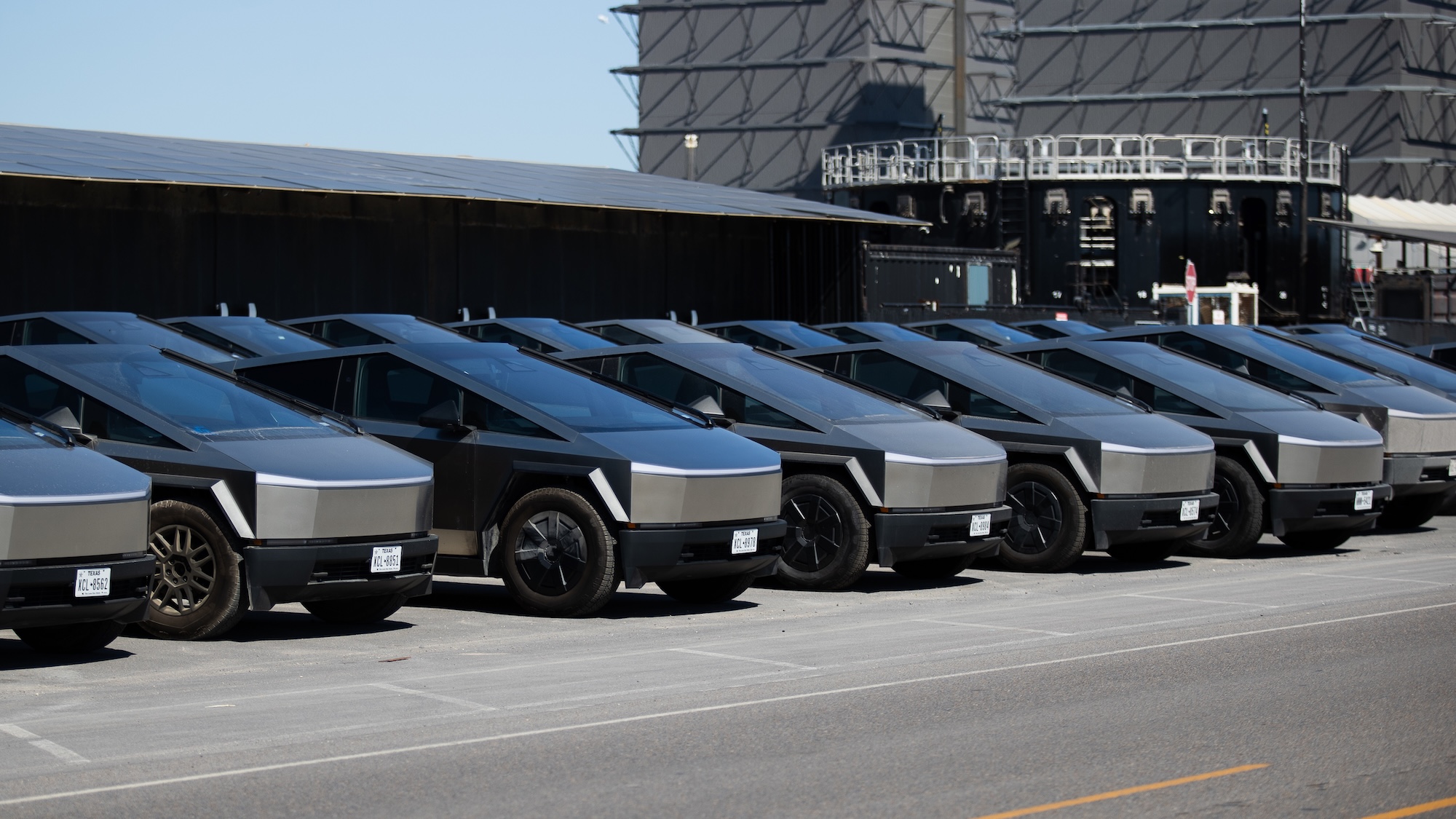
The wheels may be falling off the Tesla Cybertruck. No, seriously. According to a recent National Highway Traffic Safety Administration (NHTSA) recall alert, an estimated 173 of the stainless steel electric vehicles (EV) may be at risk of cracks forming in the brake rotor studs. These cracks could separate from their wheel hubs.

“Wheel hub separation can cause a loss of vehicle control, increasing the risk of crash,” the NHTSA explained in its recall. Such emergencies may even include an entire wheel falling off the EV.

The 173 EVs span the Cybertruck’s 2024-2026 models, specifically those equipped with the optional 18-inch steel wheels. According to Kelley Blue Book, the EVs may start vibrating or issuing a noise before the wheel stud separates. Tesla is now offering affected vehicles free wheel hub and rotor replacements, as required by U.S. law.

The latest NHTSA alert is the latest in a string of recalls to affect the Tesla Cybertruck. Although the regulatory body awarded the EV a five-star overall safety rating, the vehicle line has received 11 recalls, four investigations, and 124 complaints since its debut in 2023. Previous recalls have involved faulty accelerator pedals from misapplied soap, malfunctioning windshields, and more.

Elon Musk once hyped the Cybertruck as the “finest in apocalypse technology” and “what Bladerunner [sic] would have driven,” but Tesla’s stainless steel EV simply hasn’t gained much traction. After over four years of production delay, the Cybertruck arrived about $20,000 more expensive than its original estimated base price. Tesla hoped to sell around 250,000 vehicles in 2024, but ended the year with less than 20 percent of their goal. Those numbers have continued to plummet, with barely 3,500 Cybertrucks sold within the last few months.

The post Cybertruck recall warns that its wheels may fly off appeared first on Popular Science.

  •  
❌