
Normal view

  • ✇Ontario Nature Blog
  • Why Ontario’s 2026 Budget Fails Nature and What It Means for Us Jenna Kip
    Ontario’s 2026 Budget, A Plan to Protect Ontario, arrives with familiar promises of economic resilience and infrastructure growth. But beneath the surface, a persistent gap remains: meaningful investments in nature. Similar to last year’s budget, the province continues to ignore the importance of biodiversity and nature to economic resilience, community well-being and Ontario’s long-term prosperity. Recommendations Still Being Ignored In 2025, Ontario Nature raised concerns that the provincia
     

Why Ontario’s 2026 Budget Fails Nature and What It Means for Us

9 April 2026 at 15:46

Ontario’s 2026 Budget, A Plan to Protect Ontario, arrives with familiar promises of economic resilience and infrastructure growth. But beneath the surface, a persistent gap remains: meaningful investments in nature. Similar to last year’s budget, the province continues to ignore the importance of biodiversity and nature to economic resilience, community well-being and Ontario’s long-term prosperity.

Recommendations Still Being Ignored

In 2025, Ontario Nature raised concerns that the provincial budget put nature at risk by prioritizing development while weakening environmental protections. These concerns were echoed and expanded in January 2026, when Ontario Nature and 64 partner organizations called on the province to increase investments in conservation.

The unified message was clear: protecting and restoring nature is not a barrier to economic growth but is a foundation for it. Yet the 2026 budget does not meaningfully respond to these recommendations. Our recommendations presented a clear path forward – strategic investments in nature can strengthen our economy, protect communities and reduce long-term costs.

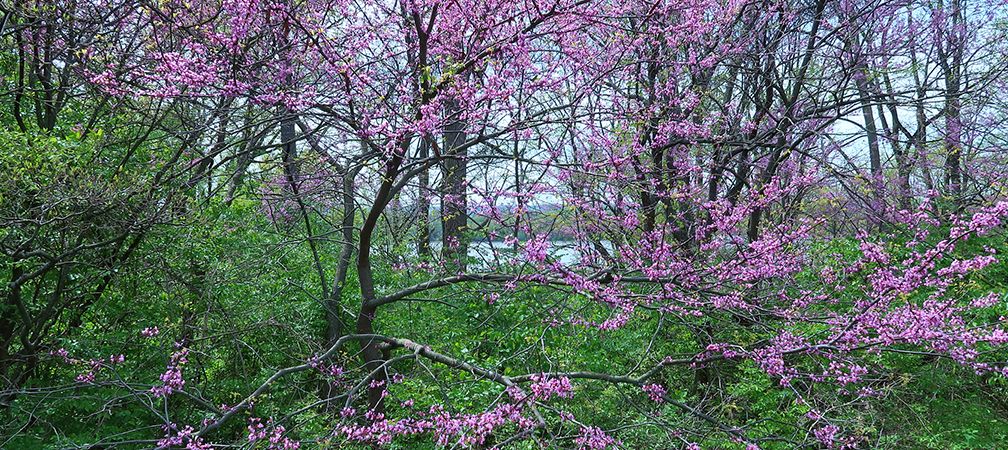
Redbud trees and Cootes Paradise, Royal Botanical Gardens, Burlington, Hamilton, Lake Ontario, Hamilton Harbour, forest, shoreline, wetlands, biodiversity, connection to nature, nature trails
Redbud trees and Cootes Paradise, Royal Botanical Gardens © Cactus Forest CC 0.0

Investing in Protected Areas Creates Jobs and Boosts the Economy

Ontario remains well behind the pace required to meet the national goal of protecting 30 percent of lands and water by 2030. With just over 11 percent currently protected, the province risks falling further behind without a significant redirection in its course. A clear solution remains unprioritized: investing in protected areas is not only an environmental imperative, but an economic strategy. A coordinated annual investment of $60 million to expand Ontario’s protected areas network, particularly on Crown land, would help close this gap and support regional land use planning to protect high biodiversity and cultural value areas from industrial development.

Expanding protected area networks invests in nature-based recreation job opportunities, boosting our economy alongside protecting valuable areas. Across Canada, nature-based recreation creates over one million jobs and generates $101.6 billion in economic activity annually, not including the many additional ecosystem services that nature provides such as absorbing carbon, offsetting flood risks and improving air quality.

Wetlands: Ontario’s Built in Flood Protection

Conserving and restoring wetlands is a direct investment in public safety and affordability. Natural wetlands reduce flood damage, lower infrastructure costs and reduce costs to taxpayers. A University of Waterloo study found that maintaining wetlands can reduce flood damages by 38 percent, while other research shows that benefits of wetland protection can far exceed costs, with benefit-cost ratios reaching as high as 35:1.

Despite these benefits, the 2026 budget does not significantly expand investments in wetland conservation, leaving communities exposed to rising costs.

Long Point Provincial Park, Big Creek National Wildlife Area and Port Rowan, Lake Erie, Big Creek watershed, biodiversity, healthy ecosystems, species at risk, rare species, ecotourism, rural, health, agriculture, helpful, sustainable ecological features
Long Point Provincial Park, Big Creek National Wildlife Area and Port Rowan © Ken Lund CC BY-SA 2.0

Nature Pays Us Back

Public support is not the barrier either. Ontarians overwhelmingly back increased conservation efforts and recognize their benefits for climate resilience, health and the economy.

Ontario’s 2026 budget speaks the language of resilience and protecting Ontario, but it fails to invest in the natural systems that make resilience possible. It seems that most Ontarians are not convinced the government is “protecting Ontario” based on recent polling. Until this changes, the province will continue to take on higher costs, greater risks and missed opportunities.

Malcolm Bluff Shores Nature Reserve, guided hike, donor event, Saugeen - Bruce Peninsula, natural corridor, Niagara Escarpment, Georgian Bay, Bruce Trail, nature trail, connect to nature, ecosystem, Lake Huron, fresh air, biodiversity, environmental appreciation
Malcolm Bluff Shores Nature Reserve, guided hike © Melissa Thomas

Take Action

While provinces across Canada begin implementing meaningful conservation plans, Ontario is falling behind. Rather than weakening environmental protections and shifting the costs of conservation onto communities, the provincial government must commit to sustained, long-term investments in nature.

Protecting nature protects all of us. Stay informed, contact your MPP, and demand better protections for Ontario’s lands and waters. You can also take action today by signing one of Ontario Nature’s Action Alerts.
  • ✇Ontario Nature Blog
  • Documenting the Decline: Ontario Nature’s Resource on Weakened Environmental Protections Luke Bondi
    Since 2018, Ontario’s nature protections have been repeatedly weakened. While a few stories such as the ongoing changes to Conservation Authorities or the Greenbelt scandal made headlines, dozens of major changes have flown under the radar, buried deep inside massive government bills. It has been a lot to track, even for us. Today, Ontario Nature is releasing a comprehensive new resource: Tracked Changes: The Decline of Ontario’s Legal Protections for Nature since 2018. We tracked every single
     

Documenting the Decline: Ontario Nature’s Resource on Weakened Environmental Protections

26 March 2026 at 18:16

Since 2018, Ontario’s nature protections have been repeatedly weakened. While a few stories such as the ongoing changes to Conservation Authorities or the Greenbelt scandal made headlines, dozens of major changes have flown under the radar, buried deep inside massive government bills. It has been a lot to track, even for us.

Today, Ontario Nature is releasing a comprehensive new resource: Tracked Changes: The Decline of Ontario’s Legal Protections for Nature since 2018. We tracked every single piece of legislation that weakened legal protections for nature and biodiversity from the first term of the current provincial government to today. We broke it all down in plain language, cutting through the legislative jargon to reveal exactly how our environmental laws have been rewritten.

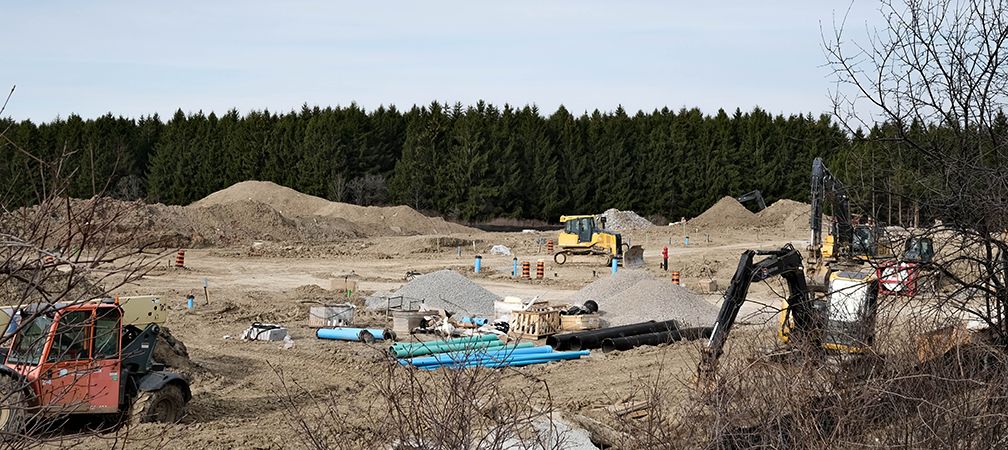
Development next to Mount Albion Conservation Area, sprawl, MZO, degradation
Development next to Mount Albion Conservation Area © Michael Hunter CC BY 2.0

What We Found: A Disturbing Pattern

Our review, detailed in the full report, catalogs the changes made bill-by-bill and schedule-by-schedule. Over the past seven years, key environmental laws, built over decades, have been systematically dismantled.

The Endangered Species Act (ESA) has been a primary target. Changes began with Bill 108 in 2019, which created a “Species at Risk Conservation Fund.” Critics called this a ‘pay-to-slay’ scheme, allowing proponents to pay a fee instead of being legally required to provide an “overall benefit” to the species they are harming. This process culminated in 2025 with Bill 5, which fundamentally rewrote the ESA to prioritize economic considerations over science-based recovery and even created a new law, the Species Conservation Act, to eventually replace it entirely.

Conservation Authorities (CAs), our frontline defenders against flooding and protectors of wetlands, have been substantially weakened. Bill 229 in 2020 forced CAs to issue permits for developments authorized by a Minister’s Zoning Order, even if those projects would be denied under their own standards for flood protection. The Auditor General criticized this move for shifting environmental decision-making from qualified professionals to political processes.

Public oversight and democratic accountability have been sidelined at every turn. The independent Environmental Commissioner of Ontario was eliminated in 2018 through Bill 57. The government has repeatedly circumvented the Environmental Bill of Rights, sometimes passing legislation before public comment periods on those very proposals have even closed, as happened with Bill 150 in 2023.

Major flooding, submerged landscape nearby playground
Ottawa River flood © Ross Dunn CC BY-SA 2.0

The Strategy: Buried in Omnibus Bills

Few of these changes got the headlines they deserved. Nearly all of them were buried inside massive omnibus bills. These are bills that bundle dozens of changes into a single piece of legislation.

For example, Bill 5, the Protect Ontario by Unleashing our Economy Act, 2025, was a single bill that:

  • Repeals the Endangered Species Act.
  • Cancelled environmental agreements for the Eagle’s Nest mine project and exempted the Chatham-Kent waste site from certain approvals. 
  • Centralized mining authority in the Minister, enabling fast-tracked permits. 
  • Removed public consultation rights for permits related to the Ontario Place redevelopment. 
  • Established Special Economic Zones where selected projects can be exempted from provincial and local laws, including environmental protections. 

This strategy of putting so much into a single bill ensures that major changes to environmental protections pass into law with little media coverage or public awareness. Our new resource cuts through this volume, separating each schedule so you can see exactly what changed and how.

Eastern spiny softshell turtles, Endangered, Species at Risk
Eastern spiny softshell turtle © Scott Gillingwater

Why This Resource Matters

These changes didn’t happen all at once, and taken together, they systematically dismantle many of Ontario’s most significant legal environmental protections.

This report is designed as a tool for advocates, journalists, and anyone who wants to understand what has happened to nature protections in Ontario over three terms of the current government. We hope this will make it easier for people to see the full picture and understand not only what laws have changed, but how these changes have circumvented democratic transparency.

You can read the full report here.

❌
Subscriptions