Quebec Premier Christine Fréchette defended her growing list of spending promises after the province’s finance minister warned she could exceed the government’s allocated funding.
Quebec Premier Christine Fréchette defended her growing list of spending promises after the province’s finance minister warned she could exceed the government’s allocated funding.
Poor Volodya had to cut back the annual Victory Day Parade in Moscow this coming Saturday, reportedly because all the impressive arms and armor normally seen at that time are in Ukraine and can’t be spared, or, in some cases, made operative.But what are friends for? After a 90-minute phone call, his pal Donald announced […]
Poor Volodya had to cut back the annual Victory Day Parade in Moscow this coming Saturday, reportedly because all the impressive arms and armor normally seen at that time are in Ukraine and can’t be spared, or, in some cases, made operative.But what are friends for? After a 90-minute phone call, his pal Donald announced […]
I truly believe you don’t need fancy ingredients or an expensive grocery bill to make a wonderful dessert. Some of the best sweets come from simple, everyday ingredients we already have in our kitchens. That’s exactly what this Budget-Friendly Desserts collection is all about.
Here you’ll find 60 of my go-to recipes made with pantry staples like flour, sugar, oats, cocoa, yogurt, apples, and bananas. These are the kinds of desserts I bake for my family on regular days. Easy brownies, cozy app
I truly believe you don’t need fancy ingredients or an expensive grocery bill to make a wonderful dessert. Some of the best sweets come from simple, everyday ingredients we already have in our kitchens. That’s exactly what this Budget-Friendly Desserts collection is all about.
Here you’ll find 60 of my go-to recipes made with pantry staples like flour, sugar, oats, cocoa, yogurt, apples, and bananas. These are the kinds of desserts I bake for my family on regular days. Easy brownies, cozy apple cakes, soft banana breads, simple muffins, and a few quick no-bake treats when I want something sweet without turning on the oven.
They’re approachable, reliable, and made to bring comfort without stress. No complicated steps, no hard-to-find ingredients, just simple, homemade desserts that feel special in the simplest way.
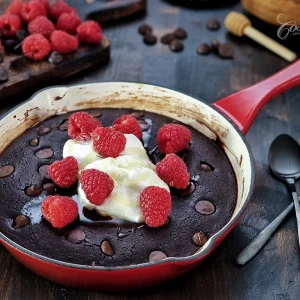
This is the kind of dessert I reach for when I want something simple, chocolatey, and meant to be shared straight from the skillet. No layers, no frosting, no fuss. Just a warm cocoa brownie baked in my favorite 20 cm cast-iron pan, topped with fresh raspberries, then everyone digs in with a spoon.
These delightful Banana Chocolate Chip Muffins bring together the awesome taste of ripe bananas and the pure joy of chocolate chips. These muffins are perfect for breakfast or as a satisfying snack. With their golden-brown tops, topped with a sprinkle of extra chocolate chips, they're simply irresistible.
No Bake Chocolate Biscuit Cake, many of us are familiar with it since childhood, in various shapes and forms. Chocolaty, rich dessert made with crushed biscuits, chocolate syrup and toasted nuts, hard not to fall in love with it.
These No-Bake Chocolate Biscuit Coconut Bars are one of those desserts that disappear almost as soon as you cut them. They’re simple, comforting, and incredibly satisfying, with three easy layers that work beautifully together.
Looking for a little healthy indulgence these holidays? These Chocolate Coconut Snowball Truffles are exactly that, a treat that feels festive and luxurious, but is actually gluten-free, dairy-free, and made without refined sugar.
It is so satisfying to watch this Dutch Baby Pancake and how it puffs in the oven. Its texture is simply irresistible. Due to baking in a hot iron cast pan, the pancake gets a crispy edge while the interior remains soft and almost like a custard.
These Tiramisu Truffles are like little bites of pure romance, everything you love about the classic Italian dessert, wrapped up in a delicate, cocoa-dusted sphere. They start with rich mascarpone, whipped just enough to make it silky, then blended with the deep flavor of fresh coffee and the delicate crunch of crushed ladyfingers.
This Blueberry Lemon Bundt Cake is absolutely incredible, boasting a soft texture and bursting with juicy blueberries and zesty lemon flavor. It's truly one of the most exceptional cakes you'll ever taste.
When you’re craving a healthy, chocolatey treat that comes together in minutes, you have to try these Flourless Pumpkin Brownies, simple, cozy, and full of fall flavor. They’re made with just a few ingredients: pumpkin purée, eggs, honey, cocoa, and a touch of coconut oil. No flour, no fuss, and definitely no guilt. The texture is soft and fudgy, almost like a cross between a brownie and a chocolate mousse cake, with the pumpkin adding natural sweetness and moisture.
This Healthy Gluten-Free Banana Bread is a yummy and healthy delight you can enjoy in the morning or as a guilt-free afternoon treat. This banana bread is extra special because it doesn't have any wheat flour or refined sugar.
Treat yourself to a heavenly delight with these twisted cinnamon rolls. Picture warm, fluffy rolls, each swirled with fragrant cinnamon and kissed with a touch of buttery goodness. They're twisted into beautiful, small knots and baked in a muffin tin, adding an extra touch of elegance and charm.
There’s something incredibly comforting about a soft, fruity muffin. These Strawberry Cottage Cheese Muffins are a lovely balance of wholesome and indulgent. The cottage cheese might seem like an unexpected ingredient, but it gives the muffins a tender crumb, subtle richness, and a protein boost without tasting "cheesy" at all. They are perfect for breakfast, brunch, or an afternoon snack with tea.
These Cottage Cheese Cinnamon Rolls are one of those happy kitchen surprise, soft, swirly, and incredibly satisfying, yet made with simple everyday ingredients. I love that they come together without yeast, without long rising times, and without any complicated steps. Just mix, roll, fill, bake… and your kitchen smells like pure comfort.
These Homemade Eggless Churros are an amazing and delightful treat, consisting of strips of fried dough that are coated into a sugar and cinnamon mixture and served dipped in chocolate sauce or dulce de leche…. who could resist such a treat?
If you love chocolate, these chocolate crinkle cookies are the right treat for you during the holiday season and all year round. Soft and chewy with bits of melting chocolate and a beautiful crinkle look, these chocolate crinkle cookies are simply addictive. Everybody loves them and I highly recommend making two batches as they will be gone really fast.
Easy Yogurt Doughnuts – fluffy little balls of dough, served slightly warm and dusted with powdered sugar can make a great treat during the day or even for breakfast, alongside a good coffee or tea.
There’s something truly special about a warm peach cobbler fresh from the oven. The soft, juicy peaches turn rich and syrupy as they bake, and the top becomes golden and buttery with just the right bit of crispness around the edges. It tastes like sunshine and comfort all in one spoonful.
Everybody is familiar with this zebra cake with chocolate and vanilla. Still a bit warm, along a cold cup of milk, zebra cake always makes a delicious treat.
These strawberry scones are best served warm after just taking them out of the oven. The sprinkled sugar on top creates a crispy crust while the interior is soft and filled with strawberries. They're seriously hard to resist.
This Lemon Bundt Cake is a heavenly dessert perfect for any occasion. This moist and fluffy dessert combines the zesty freshness of lemons with creamy butter, sugar, buttermilk and eggs, creating a symphony of flavors that is a true delight for all to enjoy.
These Apple Cinnamon Rolls are a delightful twist on the classic, bringing the warmth of cinnamon and the sweet, spiced flavor of baked apples into every bite.
Apple crumble – easy and delicious fall recipe for breakfast if served with some yogurt or as a dessert served while still warm with vanilla ice cream.
This Puff Pastry Apple Tart is inspired by the Spanish-style tart,Tarta de Manzana con Crema Pastelera, the kind you’ll spot in bakeries across Barcelona, all glossy and golden and impossible to walk past. I wanted to bring that same feeling home, and it turned out even better than I hoped.The flaky crust, the creamy filling, and the flavorful apples on top make it one of the most amazing desserts you can enjoy this fall.
Enjoy the delicious flavor of ApfelStrudel with our Quick Apple Strudel with Puff Pastry and Vanilla Sauce. This scrumptious dessert combines the sweet goodness of apples with the flaky golden puff pastry and creamy vanilla sauce.
These Cottage Cheese Coconut Truffles are creamy, no-bake bites made with blended cottage cheese, coconut, and honey for a naturally sweet, high-protein treat. They come together in minutes and are perfect as a quick snack, a healthier dessert, or even a little energy bite to keep in the fridge.
Some recipes just feel like home, and these Apple Cream Cheese Buns are one of them, warm, cozy, and perfect for crisp fall days. Soft, fluffy yeast dough is filled with creamy, lightly sweetened cream cheese and tender, spiced apples on top. Every bite has that perfect mix of tart fruit, silky filling, and pillowy bread.
These Apple Crumble Muffins are a delightful combination of soft, moist muffins, infused with juicy apple pieces topped with a crunchy, buttery crumble. These treats begin with a tender muffin base, flavored with cinnamon and packed with juicy apple chunks.
Lemon Poppy Seed Crumble Muffins are a delightful combination of zesty lemon, crunchy poppy seeds, and a delectable crumbly topping. These muffins offer a burst of refreshing flavors that will tantalize your taste buds and leave you craving for more.
These Blueberry Cream Cheese Buns are a delightful treat that combines soft, fluffy dough with sweet blueberries and creamy cheese filling. They are perfect for breakfast, a snack, or even dessert. They pair wonderfully with a cup of coffee or tea, making them an ideal choice for a cozy morning or a special afternoon treat.
This Strawberry pound cake is a delightful and moist dessert that perfectly blends the rich, buttery traditional pound cake with the fresh, vibrant flavor of ripe strawberries.
This Healthy Apple Oatmeal Bread is a delightful treat that combines the wholesome goodness of oats with the sweet and juicy flavor of apples. This easy-to-make bread is perfect for breakfast or as a tasty snack. With a moist and tender texture, each slice is infused with the warm aroma of cinnamon and the natural sweetness of diced apples.
This Mini Size Creme Caramel is a creamy dessert that's both easy to make and wonderfully indulgent. Originating from France, it's a timeless treat. It delights with its smooth, creamy texture and delicate caramel sauce. You can bake it in a big dish for sharing or in smaller portions for a special touch.
These Pumpkin Cream Cheese Crumble Muffins are a tasty delight that's sure to impress. They are soft with a creamy surprise inside, thanks to a yummy cream cheese filling. The pumpkin flavor adds a cozy touch and intense color, making each bite feel like a warm hug. On top of these little treats sits a crumbly topping that adds a sweet crunch.
Did you know you can prepare baked donuts as good as the fried ones without the guilt? These Baked Mini Cinnamon Sugar Donuts are amazingly soft and flavorful, kids’ favorite every time I make them. The recipe comes together in just a few minutes, using basic ingredients you already have at home. It is so easy and quick to prepare them as for these donuts you don’t even need yeast or eggs and they don’t require deep frying either.
I am glad to share with you an amazing recipe for easy and quick homemade cinnamon rolls. This time, the recipe requires no yeast and no eggs, and you don’t need more than 15 minutes to prepare the rolls and have them ready to place in the oven. Is that fast.
This Easy Lemon Ricotta Cake is a delightful dessert that effortlessly combines the tangy flavor of lemons with the creamy richness of ricotta cheese. This simple yet impressive cake is an Italian-inspired dessert that is perfect for any occasion. Whether you're hosting a dinner party or simply craving a sweet treat to enjoy with your afternoon tea, its tangy lemon flavor and creamy ricotta texture is sure to please.
These Gluten-Free Crepes are healthy and nutritious, perfect for breakfast, brunch, a quick snack, or a delightful dessert. They are made using a blend of oat and almond flour, offering a delightful flavor and texture.
Vanilla and Chocolate Pudding – a quick pudding that can be served warm in cold days or chilled in the summer days, with fruits, nuts or grated chocolate on top.
These Apple Hand Pies are delightful treats bursting with autumn's rich flavors. These little pastries are a perfect blend of buttery crust and tender, cinnamon apple filling, creating a cozy and comforting experience. They make a great snack, on-the-go treat or dessert.
This Caramel Panna Cotta is a sophisticated and delicate , eggless and gluten-free Italian dessert that combines the creamy elegance of panna cotta with the rich, deep flavor of caramel. It is a delectable finish to any meal, whether it’s a casual dinner or a special occasion.
These Sheet Pan Pancakes bring a wholesome twist to your morning meal, and are made with a blend of regular flour, oat flour, and almond flour and three mouthwatering topping options.
This Skillet Chocolate Cookie is one amazing irresistible dessert in the form of a giant chocolate chip cookie that is easy and quick to prepare perfect for any occasion. It is served warm, with ice cream on top and is simply divine.
This is the easiest healthy Oatmeal Carrot Cake you can ever make. it’s refined-sugar free and is made with simple ingredients like oats, honey and fresh carrots.
Craving for doughnuts? Search no more…this easy recipe makes amazing chocolaty, soft doughnuts in just a few minutes. No yeast, no eggs, no butter required, and no special equipment as well. These doughnuts don’t require frying either, baking them makes a healthier option without reducing their taste and texture.
This Chocolate Magic Custard cake is a delectable dessert that is sure to impress your guests. This cake is known for its magical ability to separate into three distinct layers while baking, creating a creamy custard layer sandwiched between a dense cake layer and a light and fluffy sponge layer on top.
These Blueberry Muffins are simply out of this world. Soft and fluffy, bursting with flavor, with a delicious crispy buttery topping, it’s hard not to fall in love with them. The recipe is easy and quick to prepare and they are made with basic ingredients you usually have in house.
Strawberry Crumble Bars are the perfect treat for spring and summer, with a buttery crust, soft strawberry filling inside and a crunchy crumble on top. These bars are a great way to make a quick and easy strawberry dessert that everybody will enjoy.
The Australian Lamingtons are nothing more than vanilla sponge cake squares, dipped in chocolate sauce and coated in desiccated coconut. So easy to prepare, but always so delightful.
This apple meringue cake is one of the best apple desserts, the meringue has a crispy exterior while the cake is soft and apples bring such a wonderful flavor and texture, a delightful and comforting dessert indeed.
These Chocolate Brioches with their crispy exterior and buttery, soft, chocolatey interior are a fantastic treat either for breakfast alongside a cup of coffee or milk or simply as a snack all day round.
This Marble Bundt Cake is a delightful way of making the classic marble cake and is definitely a family favorite. This Marble Bundt Cake consists of moist vanilla and chocolate cake layers, swirled in a beautiful pattern that makes it look quite sophisticated and totally irresistible. It makes a perfect treat alongside a cup of coffee or tea.
If you love strawberry and lemon combinations you are at the right place. These No Yeast Eggless Strawberry Rolls with Lemon Cream Cheese Icing are a great summer treat that everybody will adore. They look simply amazing and totally irresistible.
Did you know that you can actually bake cakes without turning on the oven? Yes.. you can definitely use your stovetop. This amazingly delicious apple upside down cake is baked on a stovetop and is ready in less than 30 minutes.
If you're a fan of both bananas and chocolate, this Eggless Chocolate Banana Cake is a must-try recipe! It's a moist and decadent cake that's bursting with banana flavor and rich chocolatey goodness. This cake is perfect for serving at gatherings, as it's sure to please any crowd.
This Easy Strawberry Cake is a delicious and easy-to-make dessert that can satisfy your sweet tooth without spending too much time in the kitchen. With just a few simple ingredients, you can create a moist and flavorful cake that is bursting with the taste of fresh strawberries.
This Chocolate Pudding Cake is one of the easiest chocolaty cakes you can ever prepare. While baking this cake separates into a chocolate cake at the top and a thick chocolate sauce at the bottom. It is very moist and full of flavor, a perfect treat for whenever you need a quick decadent dessert.
This Magic Custard Cake while is baking it forms into three layers. A spongy one on top, a custard one in the middle and a dense layer at the bottom. The add of lemon zest really makes this cake quite delicate and can be an impressive and elegant dessert for any occasion.
I hope this collection inspires you to bake more often, enjoy the process, and create sweet moments at home without worrying about the cost. Because truly, the sweetest things are often the simplest.
If you try any of these budget-friendly desserts, I’d love to see! Tag me on Instagram so I can share your creations.
Ontario’s 2026 Budget, A Plan to Protect Ontario, arrives with familiar promises of economic resilience and infrastructure growth. But beneath the surface, a persistent gap remains: meaningful investments in nature. Similar to last year’s budget, the province continues to ignore the importance of biodiversity and nature to economic resilience, community well-being and Ontario’s long-term prosperity.
Recommendations Still Being Ignored
In 2025, Ontario Nature raised concerns that the provincia
Ontario’s 2026 Budget, A Plan to Protect Ontario, arrives with familiar promises of economic resilience and infrastructure growth. But beneath the surface, a persistent gap remains: meaningful investments in nature. Similar to last year’s budget, the province continues to ignore the importance of biodiversity and nature to economic resilience, community well-being and Ontario’s long-term prosperity.
The unified message was clear: protecting and restoring nature is not a barrier to economic growth but is a foundation for it. Yet the 2026 budget does not meaningfully respond to these recommendations. Our recommendations presented a clear path forward – strategic investments in nature can strengthen our economy, protect communities and reduce long-term costs.
Investing in Protected Areas Creates Jobs and Boosts the Economy
Ontario remains well behind the pace required to meet the national goal of protecting 30 percent of lands and water by 2030. With just over 11 percent currently protected, the province risks falling further behind without a significant redirection in its course. A clear solution remains unprioritized: investing in protected areas is not only an environmental imperative, but an economic strategy. A coordinated annual investment of $60 million to expand Ontario’s protected areas network, particularly on Crown land, would help close this gap and support regional land use planning to protect high biodiversity and cultural value areas from industrial development.
Expanding protected area networks invests in nature-based recreation job opportunities, boosting our economy alongside protecting valuable areas. Across Canada, nature-based recreation creates over one million jobs and generates $101.6 billion in economic activity annually, not including the many additional ecosystem services that nature provides such as absorbing carbon, offsetting flood risks and improving air quality.
Despite these benefits, the 2026 budget does not significantly expand investments in wetland conservation, leaving communities exposed to rising costs.
Ontario’s 2026 budget speaks the language of resilience and protecting Ontario, but it fails to invest in the natural systems that make resilience possible. It seems that most Ontarians are not convinced the government is “protecting Ontario” based on recent polling. Until this changes, the province will continue to take on higher costs, greater risks and missed opportunities.
While provinces across Canada begin implementing meaningful conservation plans, Ontario is falling behind. Rather than weakening environmental protections and shifting the costs of conservation onto communities, the provincial government must commit to sustained, long-term investments in nature.
Protecting nature protects all of us. Stay informed, contact your MPP, and demand better protections for Ontario’s lands and waters. You can also take action today by signing one of Ontario Nature’s Action Alerts.

 Login
Login