Adrien Brody couldn't have asked for a grander romance.
As the actor navigates his Broadway debut in The Fear of 13, he shared a glimpse into how his relationship with longtime love Georgina...
Adrien Brody couldn't have asked for a grander romance.
As the actor navigates his Broadway debut in The Fear of 13, he shared a glimpse into how his relationship with longtime love Georgina...
SINGAPORE: A 56-year-old Singaporean woman who hit a motorcycle in 2024 has been given a four-month jail sentence and has her driving license suspended for five years.
The woman had hit the biker after she had run a red light while driving on Sims Avenue, which resulted in multiple injuries to the biker, who ended up taking at least three months of medical leave after the mishap.
What makes the incident unusual, however, is that after the accident, she proceeded to Johor Bahru to do some shoppi
SINGAPORE: A 56-year-old Singaporean woman who hit a motorcycle in 2024 has been given a four-month jail sentence and has her driving license suspended for five years.
The woman had hit the biker after she had run a red light while driving on Sims Avenue, which resulted in multiple injuries to the biker, who ended up taking at least three months of medical leave after the mishap.
What makes the incident unusual, however, is that after the accident, she proceeded to Johor Bahru to do some shopping, and only surrendered herself to the Singapore Police Force a few days afterwards, according to a report in Shin Min Daily News.
Huang Suhua (transliteration) faced a total of four charges under the Road Traffic Act, which included dangerous driving causing hurt, failing to surrender to the police within 24 hours after an accident, failing to remain at the scene of the accident, and moving the vehicle without legal authorisation.
She pleaded guilty to three of the charges, and the additional charge was considered for her sentencing.
The mishap
The incident occurred on November 19, 2024, shortly before 8:30 am. As Huang was driving along Sims Road on her BMW, she sped up in an attempt to beat a red light. She ended up hitting the motorcyclist, who sustained serious injuries due to the mishap.
Instead of stopping and helping the motorcycle driver, however, Huang drove away from the scene.
Later, she asked someone she knew to drive her to the scene where the accident occurred, only to find that the motorcyclist had already been brought to the hospital.
She then went about with the rest of her day, which included a shopping trip to Johor Bahru and helping her daughter open her music school.
A few days later, however, she turned herself in, going to a police station to do so.
Sentencing
Huang’s lawyer said that she was regretful of her actions and did not blame anyone else. Her circumstances as a single mother who is supporting a son at school, as well as an 80-year-old mother in poor health, were also mentioned in court, as well as the fact that she has since lost her job after the accident, and is now suffering financial difficulties.
While she sought leniency from the judge, Huang was told that she needed to understand that she was responsible for everything that had transpired. /TISG
ShutterNut... posted a photo:
Please be aware... ALL Photos are purely for entertainment. I am no expert. Titles are from recognition - what I was told - or a quick search. Polite comments or corrections are welcome.
Please be aware... ALL Photos are purely for entertainment. I am no expert. Titles are from recognition - what I was told - or a quick search. Polite comments or corrections are welcome.
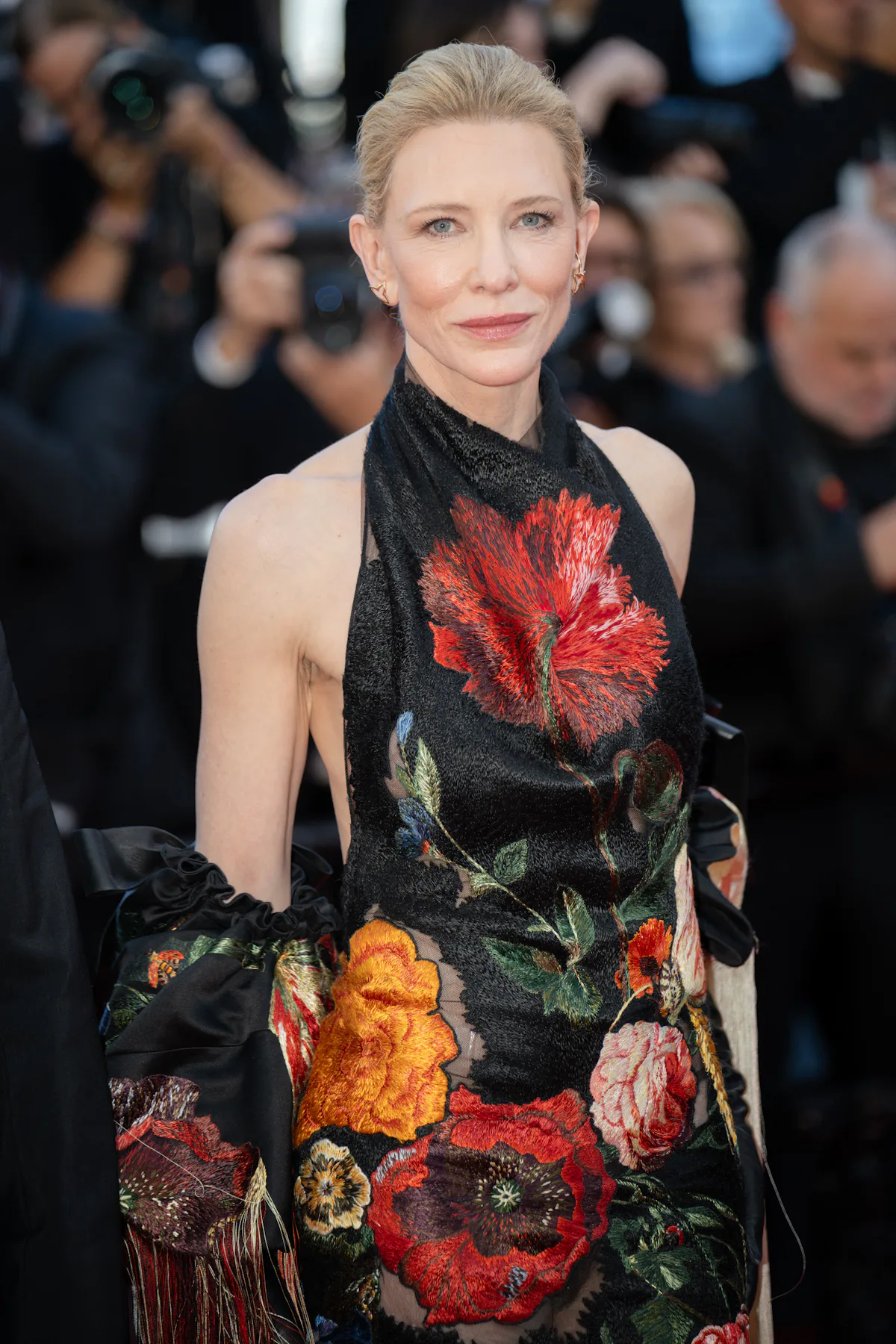
LAURENT HOU/AFP/Getty ImagesNobody can deliver a thoughtful, artistic fashion statement on the red carpet quite like Cate Blanchett. For her latest outing at this year’s Cannes Film Festival, the fashion-forward star continued that approach in blooming style thanks to Sarah Burton’s Givenchy.At the festival’s Sunday premiere for Garance, Blanchett swished into the Palais des Festivals in an intricate gown from the French brand’s fall 2026 collection. Her backless style included a lightly wrapped
Nobody can deliver a thoughtful, artistic fashion statement on the red carpet quite like Cate Blanchett. For her latest outing at this year’s Cannes Film Festival, the fashion-forward star continued that approach in blooming style thanks to Sarah Burton’s Givenchy.
At the festival’s Sunday premiere for Garance, Blanchett swished into the Palais des Festivals in an intricate gown from the French brand’s fall 2026 collection. Her backless style included a lightly wrapped neckline with a formal floor-length hem, all crafted from black silk. Embroidered red, pink, yellow, and blue flowers with swirling, shadowed green stems spread across the front of the piece, complete with subtle sheer paneling for added depth.
The dress’s intricate flowers were far from your average garden-variety blooms. Burton’s collection took direct inspiration from the Old Masters of European oil painting, with this particular gown echoing the overflowing still life portraits of Dutch artists like Jan Davidsz de Heem and Jan van Huysum. The same ornate florals covered a pair of sleek black leather gloves cinched at each end with a black silk bow, which smoothly matched Blanchett’s gown. However, her look’s most dramatic statement came from the thick layers of swishing color-coordinated fringe, making the flowers appear to be melting onto the red carpet.
That very same detail made the dress go instantly viral earlier this spring, when Mona Tougaard closed Givenchy’s runway in the design at Paris Fashion Week. The style’s intricate details, rich color palette, and experimental use of textures are all hallmarks of Burton’s, cementing her place as one of the most innovative designers to watch today. Blanchett, true to form, proved the perfect star to debut the dress on the red carpet—after all, it was an original work of art.
Mike Marsland/WireImage/Getty Images
However, this wasn’t Blanchett’s only fashionable moment at Cannes. On Saturday, the actor stepped out for the screening of Paper Tiger in a black velvet Louis Vuitton gown. Her custom ensemble, elegantly paired with diamond earrings and pointed black pumps, prominently featured a squared neckline framed with large lacy ruffles. In addition to being a signature of creative director Nicolas Ghesquière, the detail also smartly referenced the costumes worn in the actor’s Oscar-winning portrayal of Queen Elizabeth 1 in 1998’s Elizabeth. Even Blanchett, it seems, isn’t afraid of a self-reference on the red carpet.
Blanchett’s arrival at the Cannes Film Festival makes her the latest stylish star to touch down for the cinematic occasion. This year’s event has been a particularly fashionable affair so far through eye-catching outings by jury members Demi Moore and Ruth Negga, as well as guests including Isabelle Huppert, Sandra Hüller, Simone Ashley, and more. With an impressive streak that’s ranged from reworn award show gowns to frothy feathers, zippered leather, and more artistic fringe, Blanchett has delivered plenty of fashion surprises. But there’s no telling what she still has in store for Cannes—one thing is sure, her choices will make a statement.
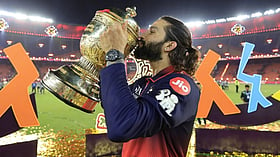
The dust is settling down on the Indian Premier League 2026 but it does leave a few intriguing questions about the bigger picture in future—even though the stakeholders may want to live in denial. There is a feeling that the magic is distinctly waning, and it has a lot to do with the way the league is being managed rather than any dip in the talent base of the players.The fundamentals of the league are as robust as ever, what with the change of hands of two franchises: back-to-back champions Roy
The dust is settling down on the Indian Premier League 2026 but it does leave a few intriguing questions about the bigger picture in future—even though the stakeholders may want to live in denial. There is a feeling that the magic is distinctly waning, and it has a lot to do with the way the league is being managed rather than any dip in the talent base of the players.
The fundamentals of the league are as robust as ever, what with the change of hands of two franchises: back-to-back champions Royal Challengers Bengaluru and Rajasthan Royals witnessing an exponential increase in value at approximately Rs 31,500 crore. The next big challenge for IPL will come next year when their five-year media rights deal comes up for renewal.
The battle of media rights may be a critical one—as the warning signals have been sounded in a data released by BARC India and TAM Sports which shows the TV viewership of IPL has dropped by nearly 18.8 per cent compared to last year. The average number of spectators watching the action has also gone down by 26 per cent, says the survey, though there have been several exceptions like the finale in Ahmedabad which recorded 90, 014 fans on Sunday night.
What is it that’s causing the richest T20 league in the world to lose out on some of it’s charm after years of riding the storm through economic recession, controversies and myriad problems? The few credible reasons that the BCCI needs to address urgently is: cricket fatigue, unwieldy duration of the league running though the peak of summer; an uneven contest between bat and ball which has led to frequent calls for removing the ‘impact player’ rule and the regulatory impact on Online Gaming Act last year.
Cricket fatigue
The 2026 cricket season started for India with a home series against New Zealand which wrapped up on 31 January, only for the ICC Men’s T20 World Cup to launch a mere week later on 7 February. When India lifted the trophy after defeating New Zealand in the final on 8 March, fans got barely three weeks before the IPL kicked off on 28 March.
Now that IPL has ended on 31 May, the break is even shorter as in just six days, India will face Afghanistan in a cross-format series consisting of a solitary Test and three ODIs. Such short turnaround times between major events is not helping, even if it’s IPL.
Unwieldy duration of league
Just ponder over the fact that this year, the IPL was on for over 65 days for 74 matches—an extremely unwieldy duration to hold the viewers’ interest even if the competition is of the highest order. If that’s not enough, the BCCI now has plans to increase the number of matches further so that all 10 teams can play each other on home-and-away basis and it can act as a hook for potential broadcasters.
Arun Dhumal, the IPL chairman, revealed that they are mulling over two options: one is an early start to the league and the other is that of splitting it into two windows to eventually go upto 94 matches. It remains to be seen how they can navigate this problem.
Vaibhav Sooryavanshi broke Chris Gayle's record of sixes in a season
Uneven battle
Much has been written about the phenomenon, what with the introduction of ‘Impact Player' three years back proving to be the proverbial last nail in the coffin to the hopes of seeing balanced contests between bat and ball. This effectively equips a team with an extra batter—allowing the openers the liberty of throwing their bats at everything as even 100-plus scores in the powerplay do not raise eyebrows anymore.
Such manic hitting, be it from the boy wonder Vaibhav Sooryavanshi or a Cameron Green, tended to make the matches predictable with totals of 240-250 becoming a regular affair. The time has possibly come to put a few checks and balances—with somone like Sachin Tendulkar recommending a few rules changes in the T20 format.
Regulatory impact
The Promotion and Regulation of Online Gaming Act of 2025, which saw applications like Dream 11 and My11Circle making an exit, has proved to be another dampener for fan engagement. Many viewers watched matches specifically to track their fantasy teams but with the exit of fantasy sport apps, both advertising volume and viewers’ skin in the game have diminished.
This regulatory shift triggered a severe contraction in terms of business. The number of brands advertising on linear television broadcasts plummeted 31 per cent this season, shrinking to roughly 45 brands from more than 65 in 2025. With nearly 44 legacy advertisers abandoning the IPL ecosystem, only 24 new brands stepped in to fill the void.
Summer House’s Jesse Solomon teased that Amanda Batula and West Wilson will both be in the hot seat during the “brutal” season 10 reunion.
“There’s some accountability,” Jesse, 32, exclusively revealed to Us Weekly on the red carpet of the 2026 American Music Music Awards on Monday, May 25. “Obviously it’s brutal … I think there’s a lot of unexpected fights … Watching it on the way here, obviously we cover a lot of the West and Amanda stuff, but there’s a lot of other stuff in the house that peo
“There’s some accountability,” Jesse, 32, exclusively revealed to Us Weekly on the red carpet of the 2026 American Music Music Awards on Monday, May 25. “Obviously it’s brutal … I think there’s a lot of unexpected fights … Watching it on the way here, obviously we cover a lot of the West and Amanda stuff, but there’s a lot of other stuff in the house that people are upset about.”
Jesse teased that there will be a fiery exchange in the three-part reunion between Ben Waddell and Bailey Taylor after they clashed in recent episodes.
“Bailey, she’s a firecracker. I love her the best,” he added.
Jesse Solomon attends the 52nd American Music Awards.David Becker/Getty Images
Of course, much of the drama in Summer House’s season 10 reunion episodes will revolve around Amanda, 34, and West, 31, sparking a romantic relationship. (The duo confirmed they were exploring a “connection” in March, after Amanda and her estranged husband, Kyle Cooke, separated in January. West previously dated Summer House costar Ciara Miller as well.)
Asked about Ciara’s state of mind following her showdown with her former best friend Amanda and ex West, Jesse hinted, “She seems good, all things considered.”
“She’s a really strong woman, and just a great person, and great friend,” he went on. “I’m just trying to be there for her and support her.”
The drama-filled teaser for Summer House’s season 10 reunion included one particularly shocking moment where Jesse broke down in tears over Amanda and West’s scandalous relationship. Jesse admitted to Us that he did not expect “at all” to get so emotional over the friendship drama.
“I think I just hadn’t taken time to grieve the loss of a friend group,” he noted. “When confronted with it, it was really a lot to deal with. I was just emotional all day.”
Jesse continued, “I cried for KJ [Dillard], I cried for Mia [Calabrese], cried for the loss of my friends, obviously.”
Later in the red carpet interview, Jesse offered insight on where the Summer House cast stands with Amanda and Kyle after their raw showdown at the reunion taping in New York City.
“Kyle’s in touch with them,” Jesse told Us. “It’s just awkward and weird and uncharted territory. I never thought we would be in this position.”
Earlier this week, Ciara, 30, confirmed that she is ready to turn the page on this dramatic Summer House era after having it out with West and Amanda face-to-face.
“Make it to the waiting and make it to the end of all of this. I’m excited to put it all behind me,” Miller told People on the amFAR red carpet on Saturday, May 23. “The reunion was quite the day, but we are on to bigger and better and, you know, we can say goodbye to certain things.”
Summer House’s season 10 reunion airs on Bravo Tuesday, May 26, at 8 p.m. ET.
Fans are anxiously awaiting season 5 of Sweet Magnolias — but some main cast members will be missing when the show finally does return.
First things first, JoAnna Garcia Swisher, who has played Maddie since season 1, gave Us insight into why there might be a delay on the arrival of the return to Serenity.
“It is very exciting this season. We are all over the place. It’s taking us a little bit longer to complete a season because we’ve gotten the opportunity to travel,” she exclusively told Us Wee
Fans are anxiously awaiting season 5 of Sweet Magnolias — but some main cast members will be missing when the show finally does return.
First things first, JoAnna Garcia Swisher, who has played Maddie since season 1, gave Us insight into why there might be a delay on the arrival of the return to Serenity.
“It is very exciting this season. We are all over the place. It’s taking us a little bit longer to complete a season because we’ve gotten the opportunity to travel,” she exclusively told Us Weekly in July 2025. “Actually, last night we were shooting at the baseball field and I was looking around, and we have a lot of new cast members. There’s these new faces in Serenity, South Carolina, that are so exciting for me. … There’s new, fresh blood and energy in Serenity.”
Sweet Magnolias, which premiered in 2020, is based on Sherryl Woods’ novels about three women who have been best friends since childhood as they navigate their romantic lives, careers and family. Season 4 ended with surprising moves, breakups, engagements and even a major death, which has made Netflix viewers curious about where the show goes next.
Keep scrolling to see which characters are coming back — and which aren’t:
JoAnna Garcia Swisher
Courtesy Of Netflix
During her interview with Us, Swisher teased Maddie’s big move to New York City.
“Someone had mentioned something about people who were not happy that Maddie took a job in New York City. And I was like, ‘OK, let’s look into that. Let’s kind of dive into that because it’ll help me as I navigate Maddie in season 5,’” she recalled about the divisive story line. ”It’s really all about just expanding and contracting. That’s what life is. Just because we got the man or we have the kids at home, we’re still vital, living, breathing people. Our dreams don’t end when we just get to one destination.”
“It definitely was something that I never thought twice about when I read the scripts. But it was interesting to see the feedback and the way people felt,” she noted. “So I feel really excited to be able to portray a character that is still flexing her muscles and still dreaming and has an incredibly supportive partner and children. They’re all thriving and everyone’s OK and life is still revealing itself.”
Brooke Elliott
Courtesy of Netflix
Elliott has been photographed filming scenes for season 5 as Dana Sue (Elliott) visited Maddie in New York City.
Heather Headley
Courtesy of Netflix
Headley told TVLine in July 2025 that season 5 will feature Helen (Headley) and Eric (Dion Johnstone) having conversations about possibly expanding their family after getting engaged in season 4.
Logan Allen
Netflix / Courtesy Everett Collection
Kyle’s (Allen) story will continue when season 5 returns to Netflix.
After season 4 saw Annie (Judge) and Ty (Carson Rowland) finally becoming a couple, the season ended with them at odds about their next steps. Judge isn’t losing out hope about where their journey would go from here.
“I’m going to be really interested to see if we’re renewed for another season, which I’m crossing my fingers [we will be],” she exclusively told Us in February 2025. “The cliffhanger, it’s there for me. I feel like I’m right alongside the viewers. Like, ‘Oh my gosh, I don’t know what’s gonna happen.’ Like, I don’t know if Ty’s gonna realize that that was not the right way to approach that conversation. Because it came from a good place. He wanted her to go with him. He wanted to for the world with her. I get it, but it’s hard. It’s so hard. We’ll have to see.”
Carson Rowland
Netflix / Courtesy Everett Collection
Ty wasn’t featured as prominently after Rowland and his wife, Maris Kenny, welcomed their first child. That was expected to change in season 5 but Us ultimately broke the news that Rowland sat season 5 out.
Justin Bruening
Courtesy of Netflix
Season 4 hinted that Maddie and Cal (Bruening) could consider expanding their family.
“I actually just talked about this yesterday with Justin because I’m like, ‘We never got a honeymoon.’ I don’t know if that will involve a little bun in the oven — or at least an opportunity. But I think it’s really been really sweet to see step into this father role and Cal is knocking it out of the park,” Swisher told Us. “I don’t know if I do get pregnant. I hope it’s during the winter in Serenity because it’s really hot right now. But I’m up for all of the journey.”
“But the reason [he died] is we were looking for a cataclysmic event that would strike everybody at the core of their being,” creator Sheryl J. Anderson told Us in February 2025. “And across his time in Serenity, [Bill] has been central, obviously to Maddie and the kids but also to the group of friends around them [and] to other people in town.”
Jamie Lynn Spears
Netflix
Spears won Us over as Noreen so hopefully season 5 will show how her story develops after finding love again.
Dion Johnstone
Courtesy of Netflix
Anderson teased how Eric and Helen’s romance will grow in season 5, sharing with Us, “It’s really important for couples to have at least begun conversations on those big issues [like adoption] before they get engaged. I mean, ideally and certainly before they get married.”
Brandon Quinn
Courtesy Of Netflix
Dana Sue’s family — including husband Ronnie — are still an integral part of Sweet Magnolias.
Chris Medlin
Netflix / Courtesy Everett Collection
If Medlin isn’t brought back to Serenity as Isaac, viewers would likely riot so chances are he will be in season 5.

 Login
Login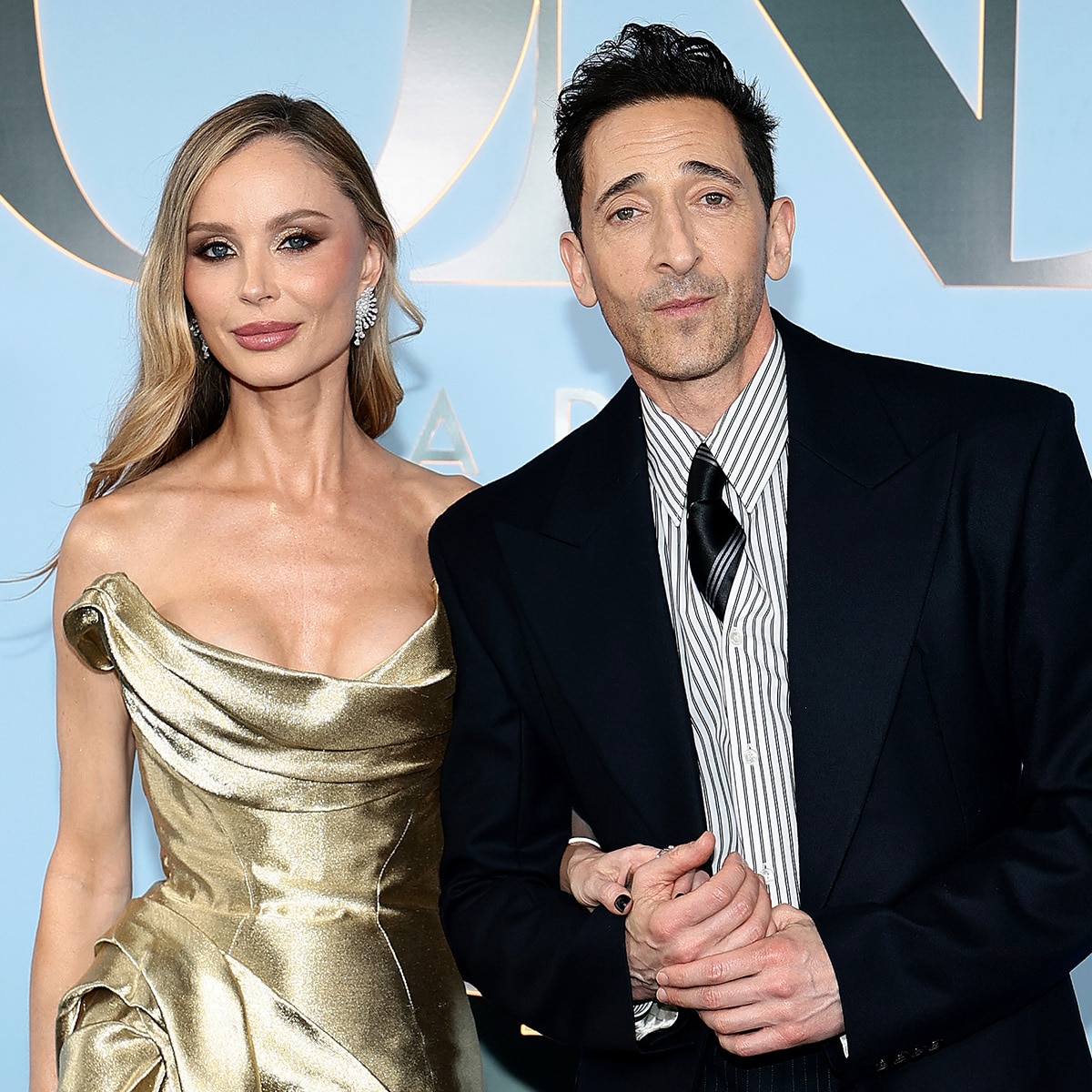


 Adrien Brody couldn't have asked for a grander romance.
As the actor navigates his Broadway debut in The Fear of 13, he shared a glimpse into how his relationship with longtime love Georgina...
Adrien Brody couldn't have asked for a grander romance.
As the actor navigates his Broadway debut in The Fear of 13, he shared a glimpse into how his relationship with longtime love Georgina...:max_bytes(150000):strip_icc():format(jpeg)/mafs-katie-walker-missing-060626-ca7d686511bb46f5afbcda1d621fdc76.jpg)



:max_bytes(150000):strip_icc():format(jpeg)/woman-playing-slot-machine-060726-ebd7c76ef91b4a6d9a9d731d940c752c.jpg)