Normal view

Received today — 17 May 2026 El País in English

Raúl Castro, the defining symbol of revolutionary Cuba, is in the crosshairs of the US government

At 94, formally retired from public office but still maintaining control over the Communist Party’s political bureau, the last great symbol of Castroism, former Cuban president Raúl Castro, is watching the U.S. pressure campaign begin to focus directly on him. The hardline Cuban military leader will be indicted by the U.S. Department of Justice next Wednesday, in a move that — along with the imposed energy blockade — underscores the level of pressure Washington is exerting on the regime to force a change of course in a country mired in a deep economic and social crisis.

Seguir leyendo

© Ramon Espinosa (AP)

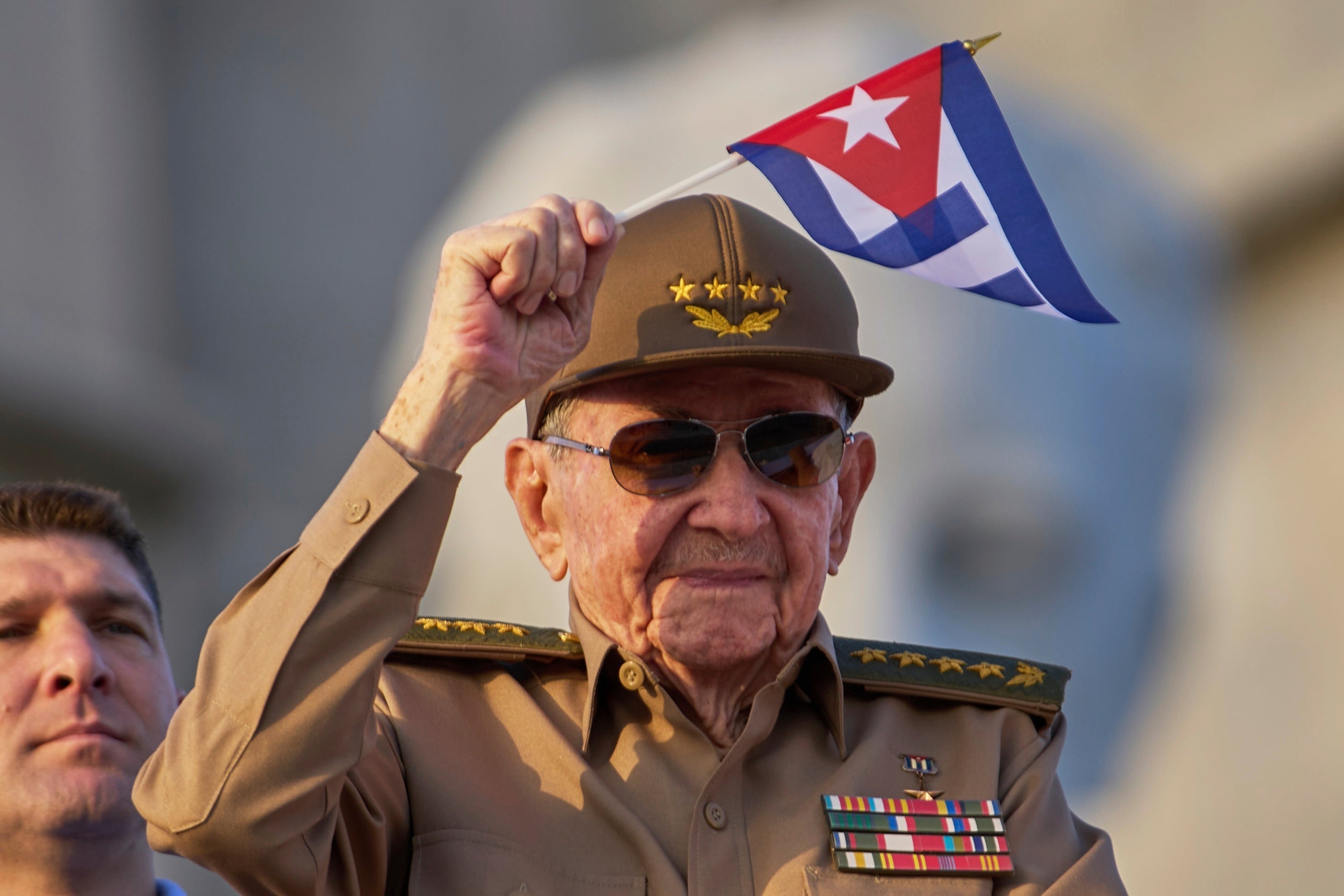
Raúl Castro at a parade in Cuba's Revolution Square, May 1, 2025.
  • ✇El País in English
  • Trump repeats the Venezuela playbook to force change in Cuba Macarena Vidal Liy
    The image is striking: the CIA director — carrying the long history of U.S. interference in Cuba and Latin America on his shoulders — John Ratcliffe seated at the same table as his Cuban counterpart, Ramón Romero Curbelo; Cuba’s interior minister, Lázaro Casas; and Raúl Castro’s grandson, Raúl Rodríguez Castro. In Havana. Conversing cordially on the very same day that, amid popular protests and sweeping blackouts, the regime issued an SOS: the island’s last remaining fuel reserves had run dry.Se
     

Trump repeats the Venezuela playbook to force change in Cuba

17 May 2026 at 13:30

The image is striking: the CIA director — carrying the long history of U.S. interference in Cuba and Latin America on his shoulders — John Ratcliffe seated at the same table as his Cuban counterpart, Ramón Romero Curbelo; Cuba’s interior minister, Lázaro Casas; and Raúl Castro’s grandson, Raúl Rodríguez Castro. In Havana. Conversing cordially on the very same day that, amid popular protests and sweeping blackouts, the regime issued an SOS: the island’s last remaining fuel reserves had run dry.

Seguir leyendo

© Carlos Becerra (Getty Images)

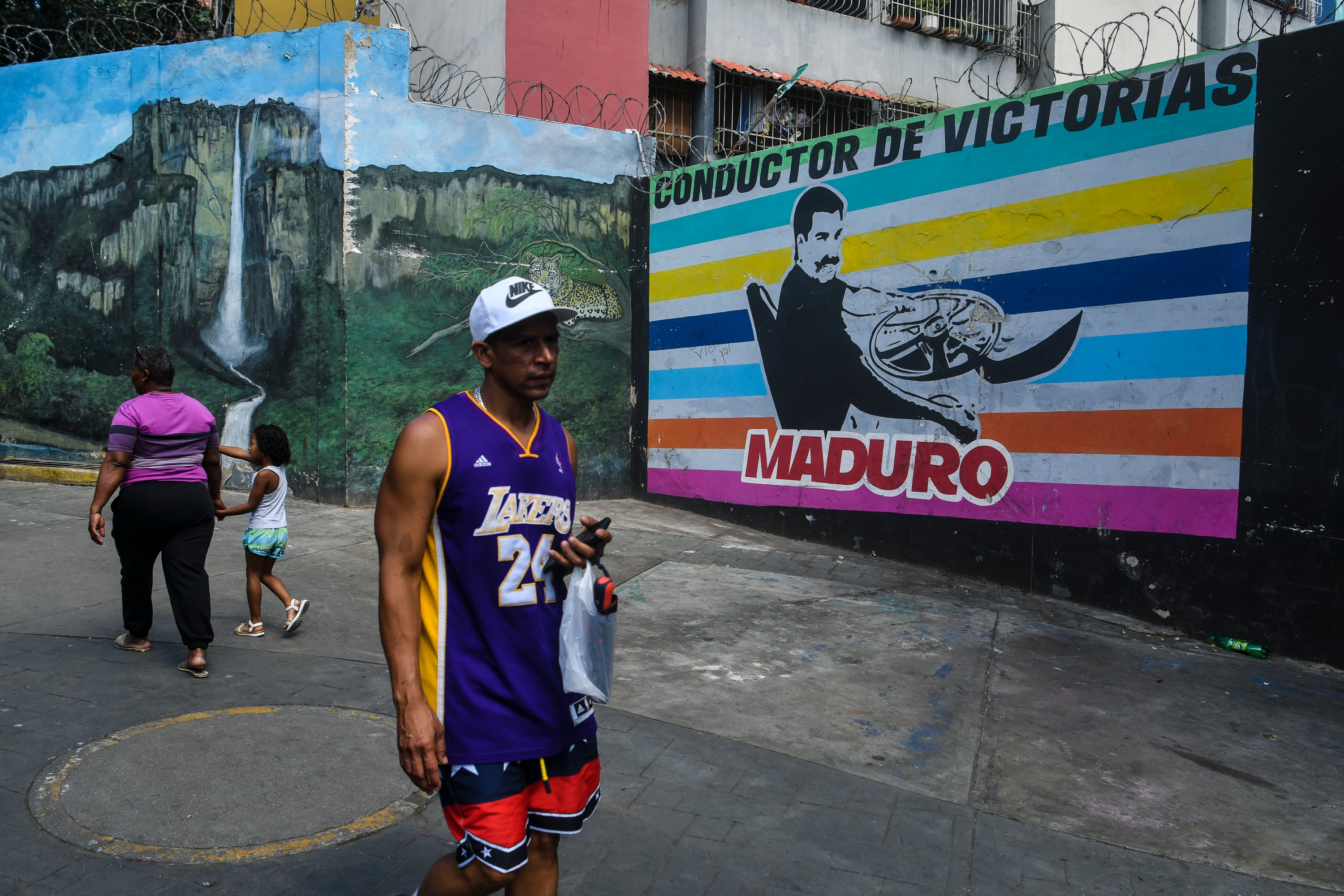
A mural of former Venezuelan president Nicolás Maduro on January 8, 2026, in Caracas.

Cuba, in Trump’s hands: ‘The worst thing is trusting a messiah from the outside because we are incapable of saving ourselves’

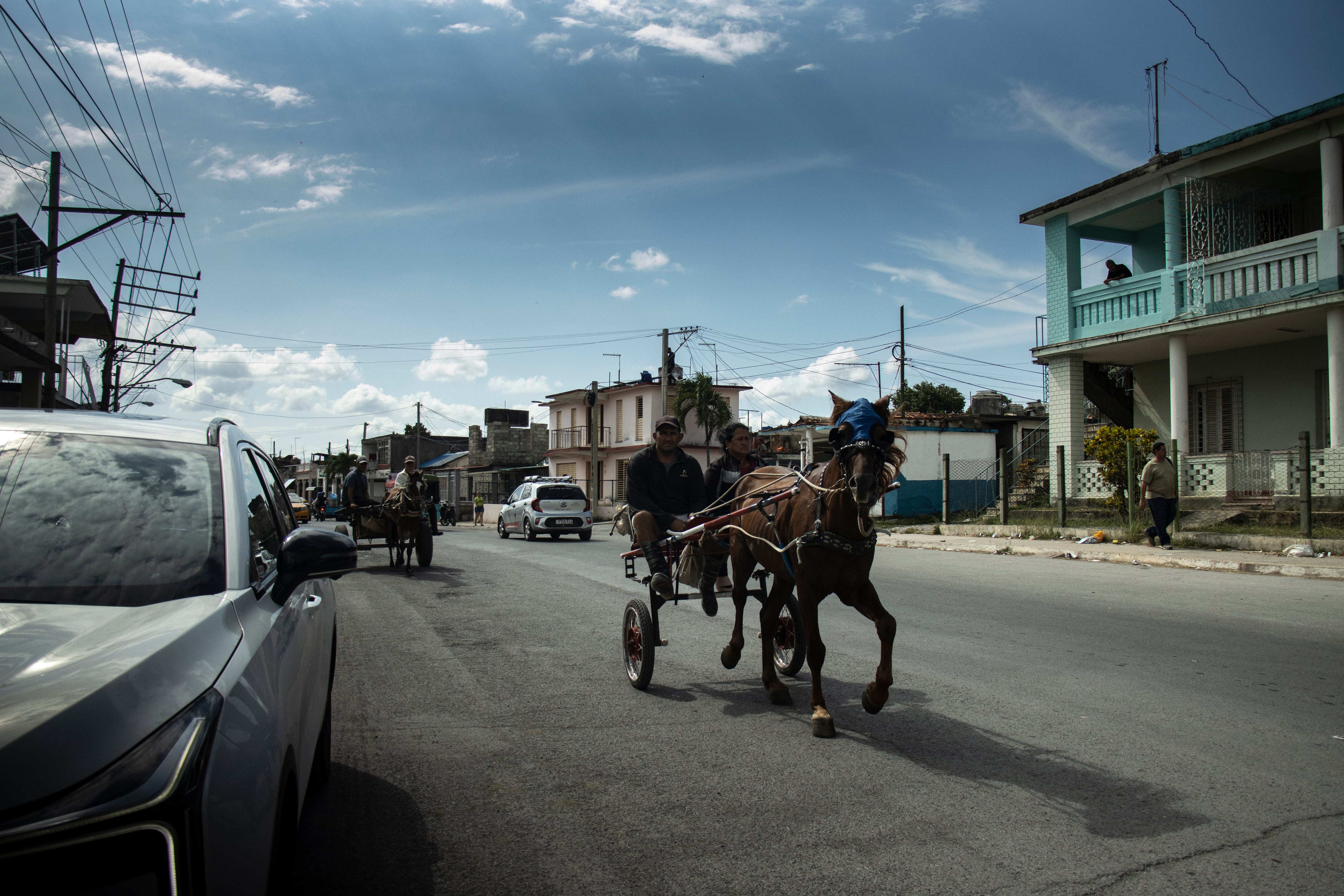
A horse-drawn carriage in Pinar del Río, Cuba, 2026.

When she first saw the news on Facebook, she thought it had to be one of those hoaxes that circulate on social media. It was too implausible, an absurdity. But shortly afterward the principal of the school where she works forwarded to the teachers’ group chat a message that opened with the classic tone of a war dispatch: Information from the Revolutionary Government. Then she had no doubts. The information was real. The CIA director had just met in Havana with the senior leadership of the Cuban security and intelligence apparatus.

Seguir leyendo

A line outside a bank in Pinar del Río, 2026.Apagón en el municipio Centro Habana, La Habana, Cuba, en 2026.

Jorge Mas, anti-Castro leader in exile: ‘What Trump did with Venezuela works there, but it won’t work in Cuba’

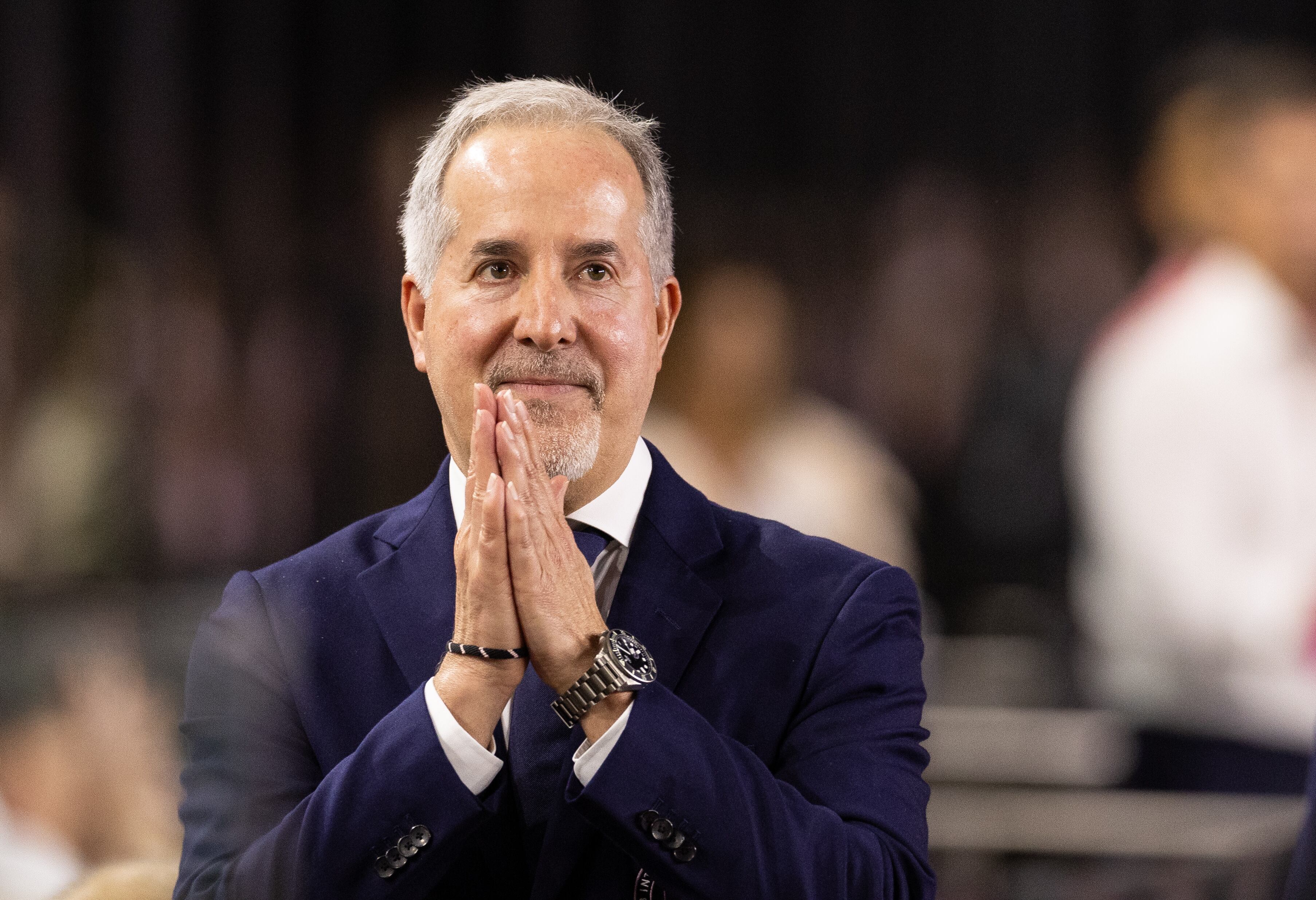
The Cubanamerican businessman, Jorge Mas Santos, in 2023.

Jorge Mas Santos (Miami, 63) is a leading figure of the Cuban exile community in the United States. He is so by inheritance —as the son of the historic Jorge Mas Canosa, who died in 1997 and championed the Helms-Burton Act that tightened the American embargo against the island— and by his current standing: president of the Cuban American National Foundation, majority shareholder of the engineering and infrastructure company MasTec, which trades on the New York Stock Exchange, and owner of Inter Miami, the club that brought Lionel Messi to the city in 2023.

Seguir leyendo

  • ✇El País in English
  • Ecuador’s new normal: A country in a state of emergency Carolina Mella Happe
    In two and a half years, Ecuador has spent 846 days under a state of emergency, almost the same amount of time that Daniel Noboa has been in power. During this period, the president has restricted people’s free movement for 272 days, decreeing seven curfews, which the government has maintained as its main strategy for combating violence. For the authorities, the supposed success of the initiative is measured by the number of people arrested: during the 15 days of the curfew last March, 1,283 peo
     

Ecuador’s new normal: A country in a state of emergency

17 May 2026 at 04:05

In two and a half years, Ecuador has spent 846 days under a state of emergency, almost the same amount of time that Daniel Noboa has been in power. During this period, the president has restricted people’s free movement for 272 days, decreeing seven curfews, which the government has maintained as its main strategy for combating violence. For the authorities, the supposed success of the initiative is measured by the number of people arrested: during the 15 days of the curfew last March, 1,283 people were apprehended for violating the measure, and homicides were reduced by almost 30% during the early morning hours.

Seguir leyendo

© JOSÉ JÁCOME (EFE)

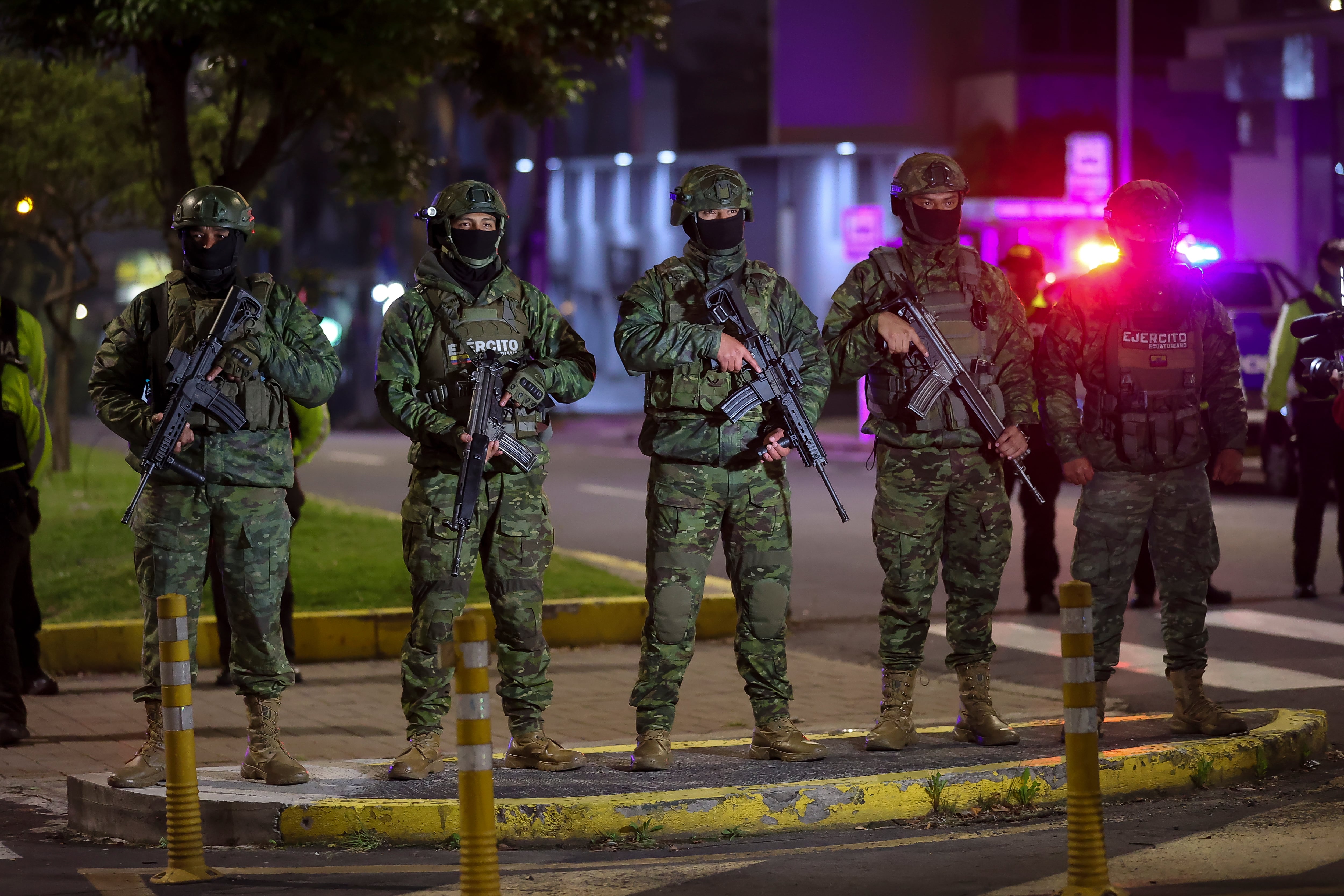
Curfew in Quito, Ecuador, on May 4.
  • ✇El País in English
  • ‘Made in Colombia’ bodyguards: ‘They fight over us abroad’ Noor Mahtani Mahtani
    “Load your magazines, boys!” Hernán Darío López shouts. Five of the seven students immediately raise theirs to the sky, seven bullets inserted at lightning speed. The other two jam. “Every second is precious. When you’re part of a security detail, you won’t have time to think,” the instructor insists. Their hands tremble. They wipe the sweat from their palms on their military-patterned cargo pants and nervously readjust their earmuffs. “Oh, man. instructor López is giving you a hard time here, b
     

‘Made in Colombia’ bodyguards: ‘They fight over us abroad’

17 May 2026 at 04:05
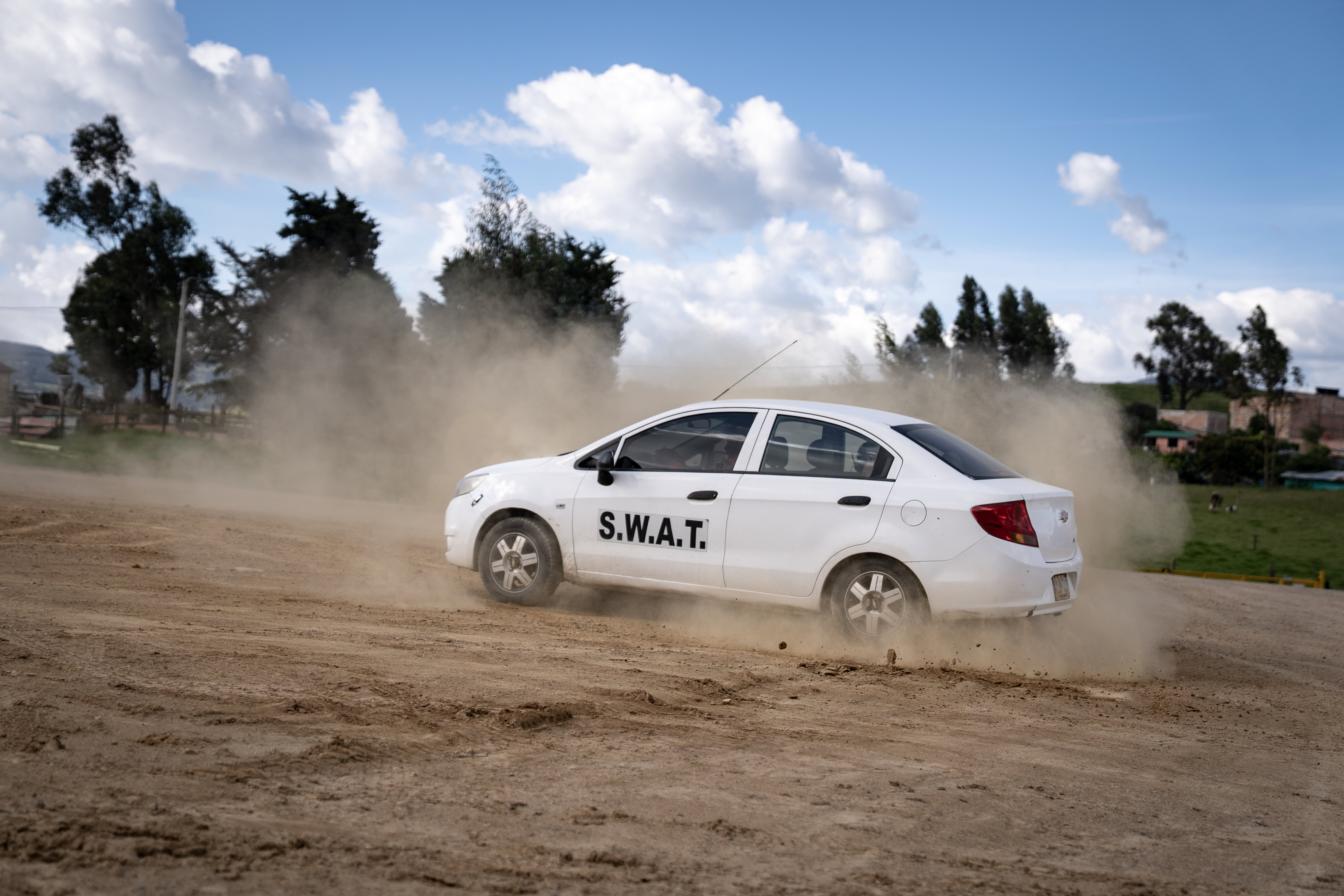
Students in the intensive bodyguard training course at the S.W.A.T. Bodyguards private security academy in Facatativá on May 6, 2026.

“Load your magazines, boys!” Hernán Darío López shouts. Five of the seven students immediately raise theirs to the sky, seven bullets inserted at lightning speed. The other two jam. “Every second is precious. When you’re part of a security detail, you won’t have time to think,” the instructor insists. Their hands tremble. They wipe the sweat from their palms on their military-patterned cargo pants and nervously readjust their earmuffs. “Oh, man. instructor López is giving you a hard time here, but out on the street, you’ll face a real threat,” he presses. “Okay!” the last one in line shouts with relief.

Seguir leyendo

An instructor gives a demonstration with a ballistic blanket during a protection class.

© Chelo Camacho

Vehicle handling class at the driving school.

© Chelo Camacho

Retired Major Nelson Zambrano Ariza, director of the S.W.A.T. Bodyguards private security academy.

© Chelo Camacho

Illustrations in a classroom at the academy.

© Chelo Camacho

A student getting ready to practice driving maneuvers in one of the driving school's vehicles.

© Chelo Camacho

Vehicle handling class, at dusk.

© Chelo Camacho

Instructor Hernán Darío López.

© Chelo Camacho

Meeting in the academy's central courtyard.

Vinton Cerf: ‘I refuse to take responsibility for those who abuse my beautiful internet’

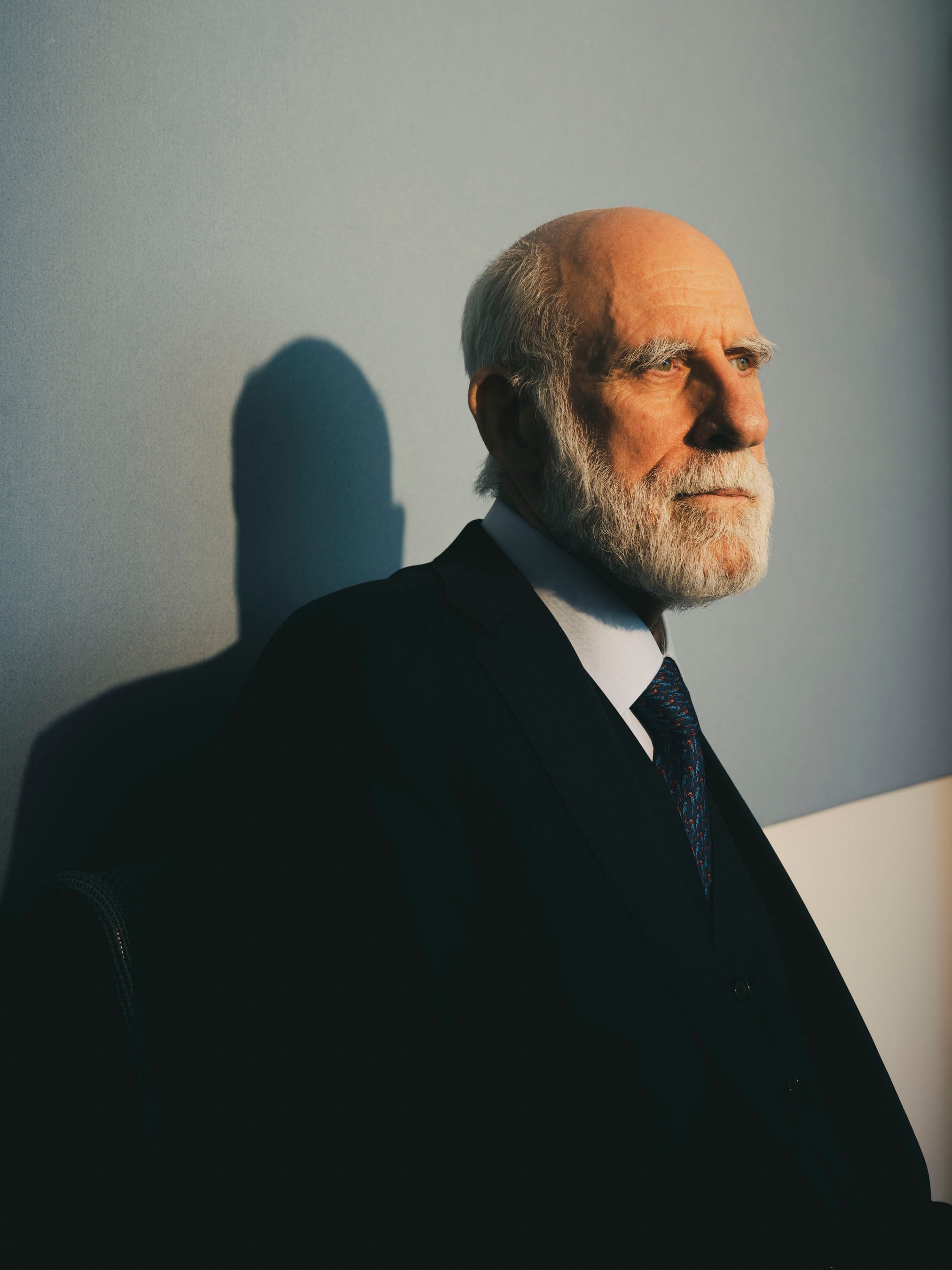
Vinton Cerf is the most elegant man in the office. He wears an impeccable three-piece wool suit and proudly displays gold cufflinks, which depict the solar system. At 82, he looks like a character from one of Amor Towles’ novels: a gentleman with distinguished style. With his lively eyes and neatly trimmed white beard, no one would guess that he’s one of the most important computer scientists in contemporary history.

Seguir leyendo

© Greg Kahn (EL PAÍS)

Vinton Cerf, in his office in Reston, outside of Washington, on April 7.

Order 1564: Putinism undertakes the great erasure of Soviet crimes and the veneration of Stalin and the Cheka

In the forests of the Russian town of Katyn, the mass graves where more than 4,000 Poles and over 7,000 Soviet citizens were executed by Stalin’s regime are clearly visible: the Poles, in one of the massacres of 1940 in which the USSR eliminated around 22,000 military personnel and intellectuals who could oppose the occupation of the country after Moscow agreed to its division with Hitler; the Soviets, victims of the Great Terror of 1937 and 1938, when the regime murdered more than 700,000 of its own citizens — some studies suggest numbers a high as around two million. Today, eight decades later, Vladimir Putin’s government has erected an exhibition next to these mass graves that speaks of “ten centuries of Polish Russophobia” and “Ukrainian Nazis.”

Seguir leyendo

© ALEXANDER NEMENOV (via REUTERS)

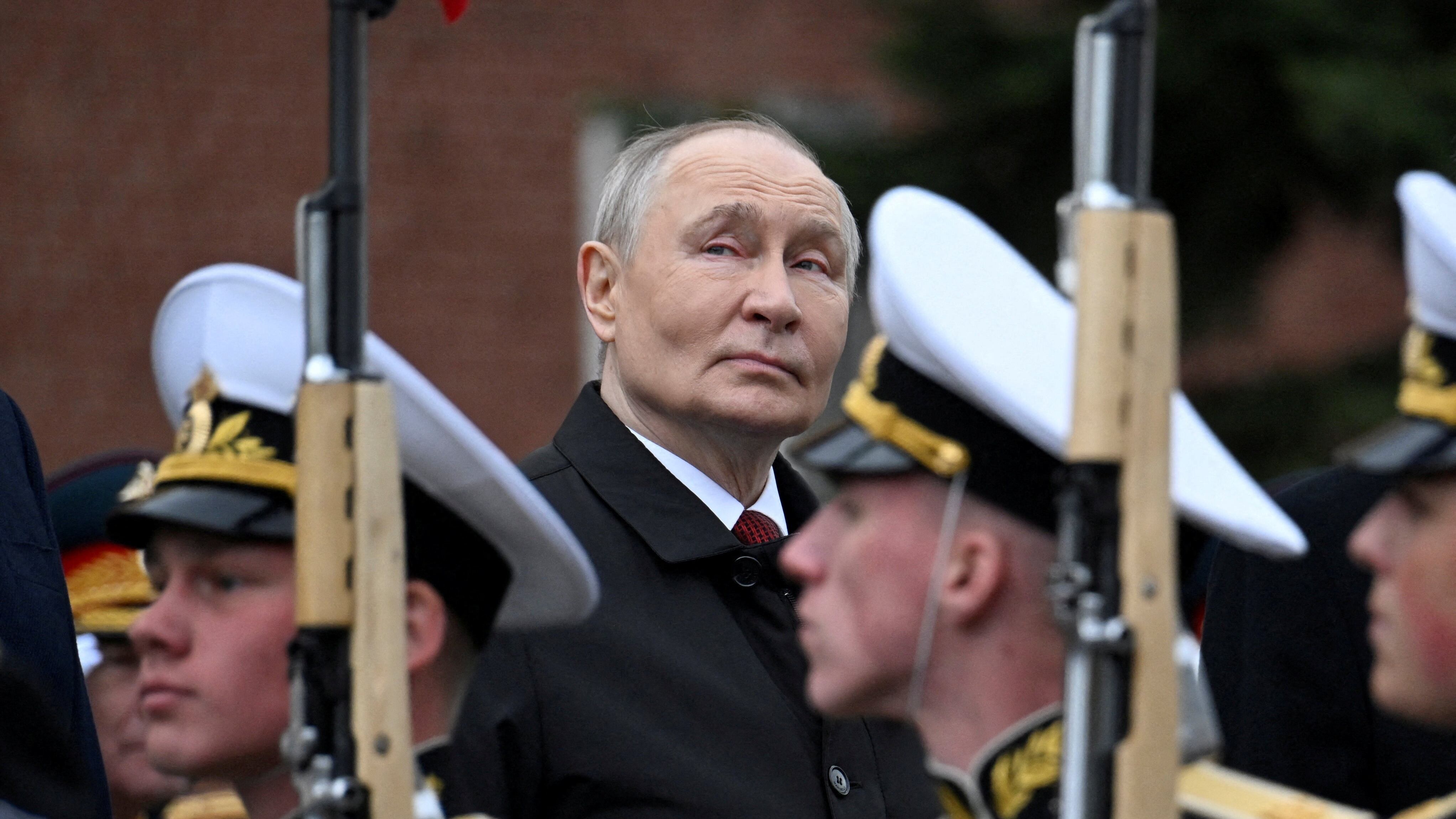
Vladimir Putin in Moscow on May 9.
❌
El País in English