 Login
LoginCine Teatro Africa entrance, Maputo Province, Maputo, Mozambique
1 June 2026 at 12:12






Learning how to make lavender soap at home is easy. The scent of lavender is so relaxing, you may find you want to keep them for yourself instead of giving them away as gifts as you intended! Just be sure to make extra soap for yourself. Why this project works These DIY lavender soaps are... Go To project
The post How to Make Lavender Soap appeared first on Crafts by Amanda.


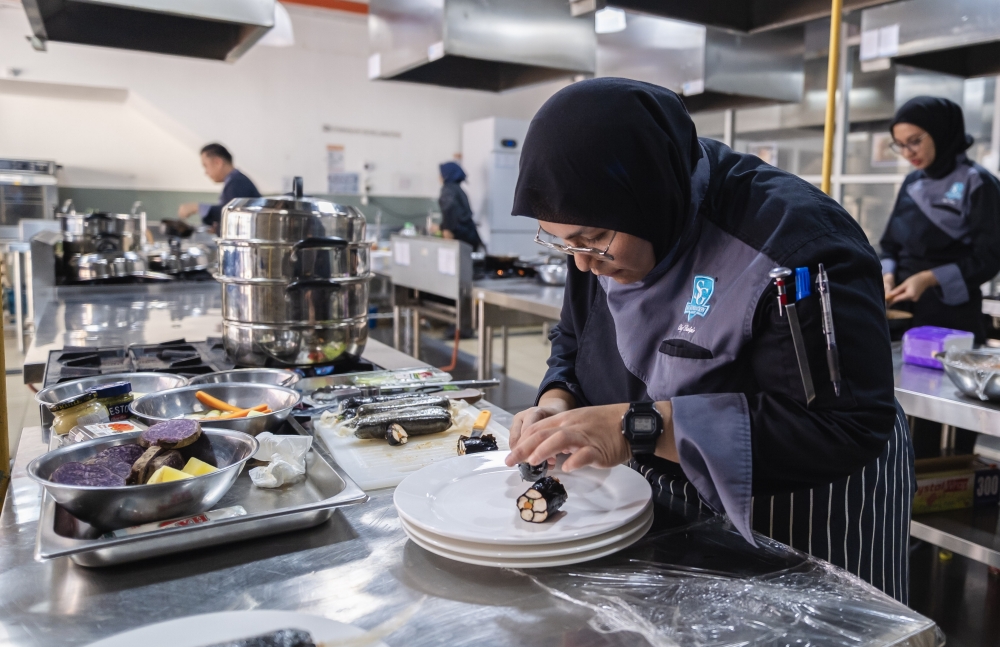
PUTRAJAYA, June 6 (Bernama) -- Deputy Prime Minister Datuk Seri Ahmad Zahid Hamidi has proposed the establishment of a dedicated accreditation body for Technical and Vocational Education and Training (TVET) to coordinate the assessment and recognition of the field without affecting the roles of the Malaysian Qualifications Agency (MQA) and the Department of Skills Development (JPK).
Ahmad Zahid, who is also chairman of the National TVET Council, said the proposal was made in view of the current system, which separates academic and skills-based accreditation, whereas TVET requires a dedicated body to provide more comprehensive coordination.
“As we have 1,395 TVET institutions, it would be better for accreditation to be carried out by a dedicated body without interfering with the accreditation functions currently undertaken by MQA and JPK.
“This is in line with the standards adopted by several developed countries, where we have found that they have separate bodies for accreditation, and this is something Malaysia can emulate,” he told reporters after launching the Government-Industry TVET Coordination Body (GITC) TVET Placement Centre (GTPC) and the High-Impact Industry Forum in conjunction with National TVET Day 2026 here today.
Commenting on the progress of the proposal, he said the matter had been discussed with relevant stakeholders, including those at the Higher Education Ministry.
He added that he had discussed the matter with Higher Education director-general Datuk Prof Dr Azlinda Azman, Higher Education Ministry secretary-general Datuk Dr Aminuddin Hassim and, prior to that, with Higher Education Minister Datuk Seri Dr Zambry Abd Kadir.
“I believe the matter can be pursued at the working level, and my secretary-general (Datuk Seri Suriani Ahmad) will follow up with both MQA and JPK,” he said.
Asked whether the proposed accreditation body would require new appointments, the Rural and Regional Development Minister said there was no such need, as the necessary structure already existed within the current system.
“No, because the personnel are already in place. It is only a matter of separating responsibilities specifically for technical fields,” he said.
Reiterating the proposal during his speech, Ahmad Zahid said the establishment of a dedicated accreditation body formed part of a broader TVET-specific recognition agenda aimed at ensuring TVET graduates meet industry standards and labour market requirements.
He said the GTPC should play a key role as a national bridge between talent and industry to ensure that industrial training placements, work-based learning, apprenticeship opportunities, employment placements and talent matching are carried out in a more structured manner.
“More importantly, I hope Tan Sri Soh Thian Lai, as chairman of GITC, will ensure that GITC becomes an instrument for the nation to better understand the actual needs of the job market for TVET graduates,” he said.
Meanwhile, Ahmad Zahid said TVET was no longer merely an educational agenda but had evolved into a national agenda requiring the collective involvement of all stakeholders, including the government, industry and training institutions.
He said the TVET ecosystem must be driven collectively within a more structured framework to ensure its effectiveness and alignment with current industry needs.
“This can only be achieved if the government, industry and institutions work together within a well-coordinated ecosystem,” he said.
The National TVET Day 2026 celebration is being held over three days, from yesterday, at Dataran Putrajaya here, with the official opening and launch of TVET 2.0 officiated by Prime Minister Datuk Seri Anwar Ibrahim. — Bernama

Ⓜ Mathilde De Cyriac posted a photo:
This Saturday, June 6 at 2:00 PM SLT, a techno set from DJ Plastics and hypnotic techno from DJ Kastor, an experience you could only call divine.
Leave your binary body behind and dissolve into the mesh that wraps around us all at VICE Nights Club. We'll be waiting for you on the dance floor!@ maps.secondlife.com/secondlife/Quesada/47/44/3873
[UX] Unorthodox Moskii Curls
maps.secondlife.com/secondlife/Orchid/156/92/754
Pretty Damage PixelPop Mobile

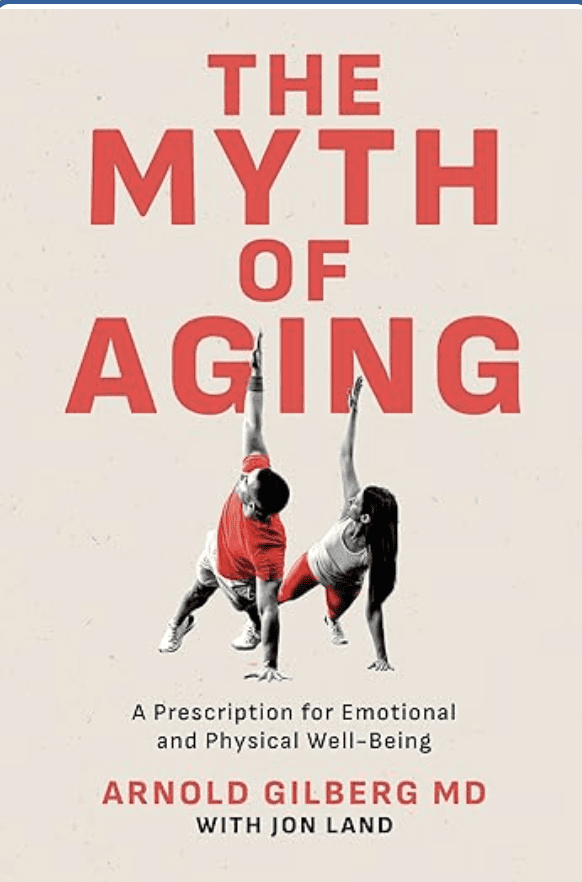
At a time when so many feel overwhelmed and uncertain about what it truly means to thrive, Dr. Arnold Gilberg, MD, PhD, offers a fresh perspective. In his book, The Myth of Aging, he challenges outdated ideas about growing older and reveals a vision of aging as a season of vitality, purpose, and freedom. Through movement, mindset, curiosity, gratitude, and human connection, Dr. Gilberg shows how even small daily habits can transform mental health and enrich life.
Well-being, he says, doesn’t require a dramatic life overhaul. Change begins with perspective—and one small act of movement.
“The first thing they need to do is develop a better attitude about living—that’s the first exercise they need to perform. They have to acknowledge that life is a roller coaster, that they may be in the midst of a dip, but things are going to get better. To help get there, they can try very simple physical activities—walking half a block, joining a TV or web-based exercise class, yoga or tai chi. Even a few minutes can make them feel alive and capable of moving and feeling better.”
This connection between body and mind is more than metaphorical; it is biological. Research shows that movement profoundly affects the brain and the body.
“All the latest research, including a 2023 study from Washington University School of Medicine, suggests that parts of the brain that regulate movement are intrinsically connected to networks responsible for thinking and planning. Other studies, notably from the National Institute of Health, indicate that how we feel about ourselves is rooted in the body’s gut microbiome, which benefits from exercise. When you feel better physically, your attitude improves, and the brain begins to see new possibilities that therapy alone may not achieve.”
This mind-body link also shapes purpose, engagement, and fulfillment.
“The first thing we need to do is accept that the mind and body are connected. They’re unified. Start each day waking up grateful for being alive, and it becomes easier to establish a routine of regular physical activity.”
At 89, turning 90 in six months, Dr. Gilberg embodies his philosophy: curiosity and engagement have no age limit.
“Staying engaged means being curious about everything. Engagement and involvement are synonymous. You have to be involved to maintain a healthy mental attitude, and that has to be a vital part of life. That’s why my book, The Myth of Aging, is so critical—it shows ways to become more involved with the world around you. You can’t wait for tomorrow. Enjoy new experiences and endeavors at any age.”
Gratitude, he emphasizes, is transformative.
“Being grateful for everyday life is not just an expression that sounds good. Someone who is grateful naturally enjoys life more. It’s about focusing on the positive, engaging in new experiences, and removing negativity. The reverse is like living in a dark room where you can’t see the beauty around you. Gratitude opens your eyes.”
He also addresses a modern dilemma: loneliness in a hyperconnected world.
“I see patients who boast about their social media friends and followers, but they’re still lonely. Human beings need physical connection. Social media is superficial and cannot provide the connection we need. Real connection comes from relationships or communities of like-minded people who understand and accept each other. Building community takes effort. If it doesn’t come to you, go out, find it, and develop it. Time is better spent there than scrolling endlessly through feeds.”
The Myth of Aging challenges the idea that aging equals decline.
“People who age are still vital and have tremendous knowledge and experience to share. Aging is not decline—it’s shameful that society views it that way. That’s why I wrote The Myth of Aging: to debunk stereotypes and show that we can continue contributing and seeking new experiences at any age.”
The book is more than a guide—it is a manifesto for living fully, every day. Dr. Gilberg encourages readers to embrace the small, intentional acts that shape mental and emotional well-being: a short walk, a moment of gratitude, a curiosity pursued, a real-world connection nurtured. Each choice, he suggests, compounds over time, creating a life that feels rich, engaged, and alive.
In a world that often equates youth with relevance, Dr. Gilberg offers a luxurious alternative: a life of depth, meaning, and elegance that grows more refined with age. The closing pages of The Myth of Aging remind us that the journey is ongoing, that engagement is timeless, and that the best years are not behind us—they are unfolding now, for anyone willing to approach life with curiosity, gratitude, and courage.
Aging, he concludes, is less about counting years and more about living them—with intention, connection, and joy.
The Myth of Aging is now available for purchase.
Amazon Link
The post From Loneliness to Connection: Thriving in Your Golden Years with Hollywood’s Psychiatrist appeared first on Social Lifestyle Magazine.

