Normal view

Europe seeks to open a new era for antibiotics 80 years after industrial penicillin production

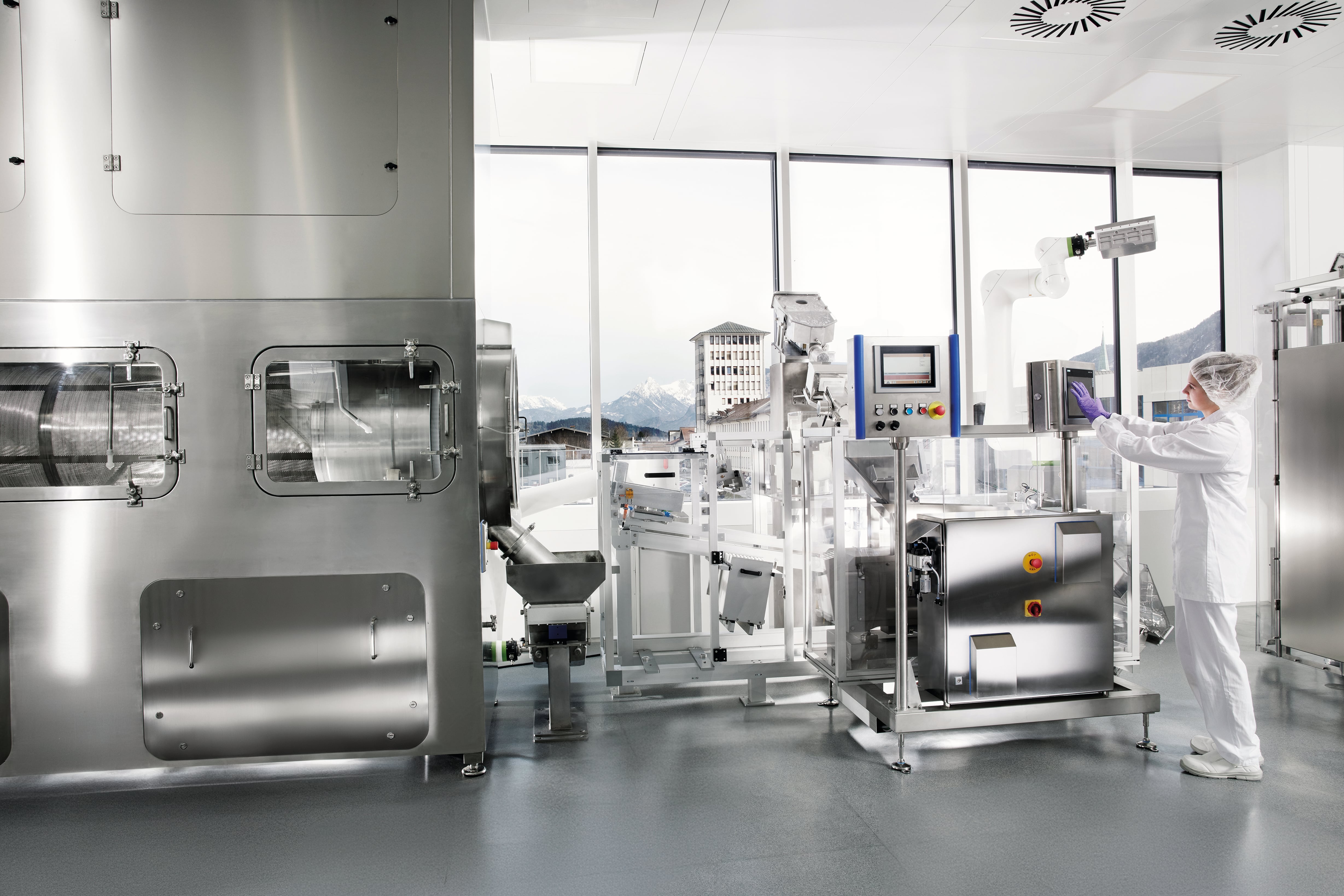
In 1946, in a Europe devastated by World War II, a small, abandoned brewery in a valley of Austria’s Tyrol region was converted into an antibiotics factory. Michel Rambaud, a chemist and French officer with the Allied occupation forces, devised the project based on the fact that the fermentation process by which yeasts make beer is, in essence, the same process that Penicillium fungi use to synthesize the active ingredient in penicillin. The change of use for the facilities opened a new era: the start of industrial penicillin production saved millions of lives and helped drive a rapid economic recovery across the continent, powered partly by the pharmaceutical sector.

Seguir leyendo

Interior of the Sandoz antibiotics factory in Kundl, Austria.
  • ✇El País in English
  • The microbes of Ötzi the Iceman awaken thousands of years after his death Miguel Ángel Criado
    Recovered from the ice of an Alpine glacier at the end of the last century, almost everything about Ötzi was already known. That he was about 45 when he was killed from behind some 5,300 years ago. A detailed genetic study published three years ago revealed that, besides being bald, he had a dark complexion and likely came from distant Anatolia. We even know what he ate shortly before he was killed by an arrow. Now, a new study identifies the microscopic life he carried inside him. The paper, pu
     

The microbes of Ötzi the Iceman awaken thousands of years after his death

3 June 2026 at 12:39

Recovered from the ice of an Alpine glacier at the end of the last century, almost everything about Ötzi was already known. That he was about 45 when he was killed from behind some 5,300 years ago. A detailed genetic study published three years ago revealed that, besides being bald, he had a dark complexion and likely came from distant Anatolia. We even know what he ate shortly before he was killed by an arrow. Now, a new study identifies the microscopic life he carried inside him. The paper, published in the journal Microbiome, shows that his bacteria were very different from those of people in modern societies. The researchers also found a number of cold-adapted fungi that have awakened thousands of years later and could threaten the mummy’s future.

Seguir leyendo

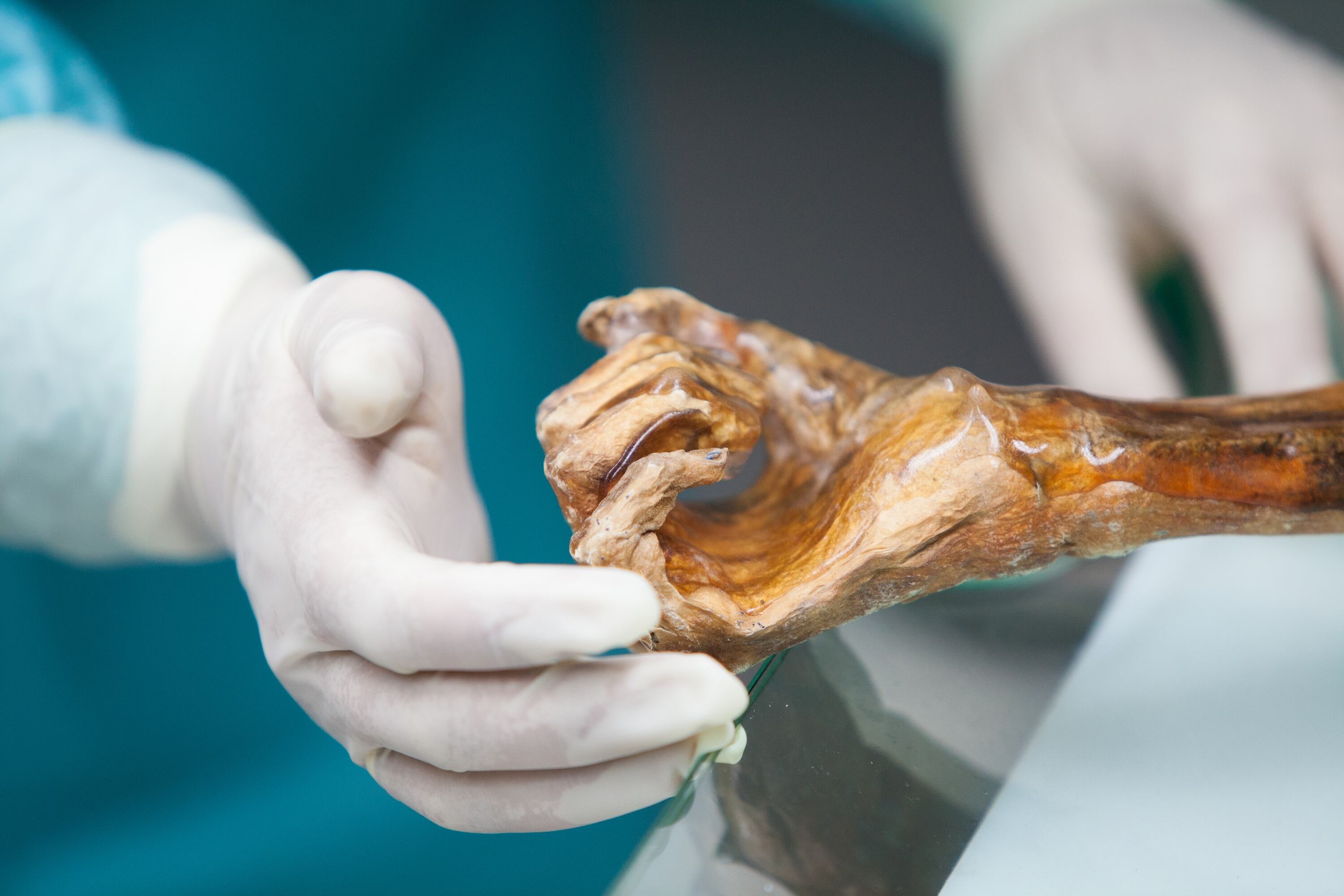
© Museo Arqueológico del Tirol del Sur/Eurac Research/Marion Lafogler

The mummy known as Ötzi is kept inside a refrigerated chamber at a temperature of -6 °C and 99 % humidity.

Spaniards work half an hour more per week than the European average, and four more than the Dutch

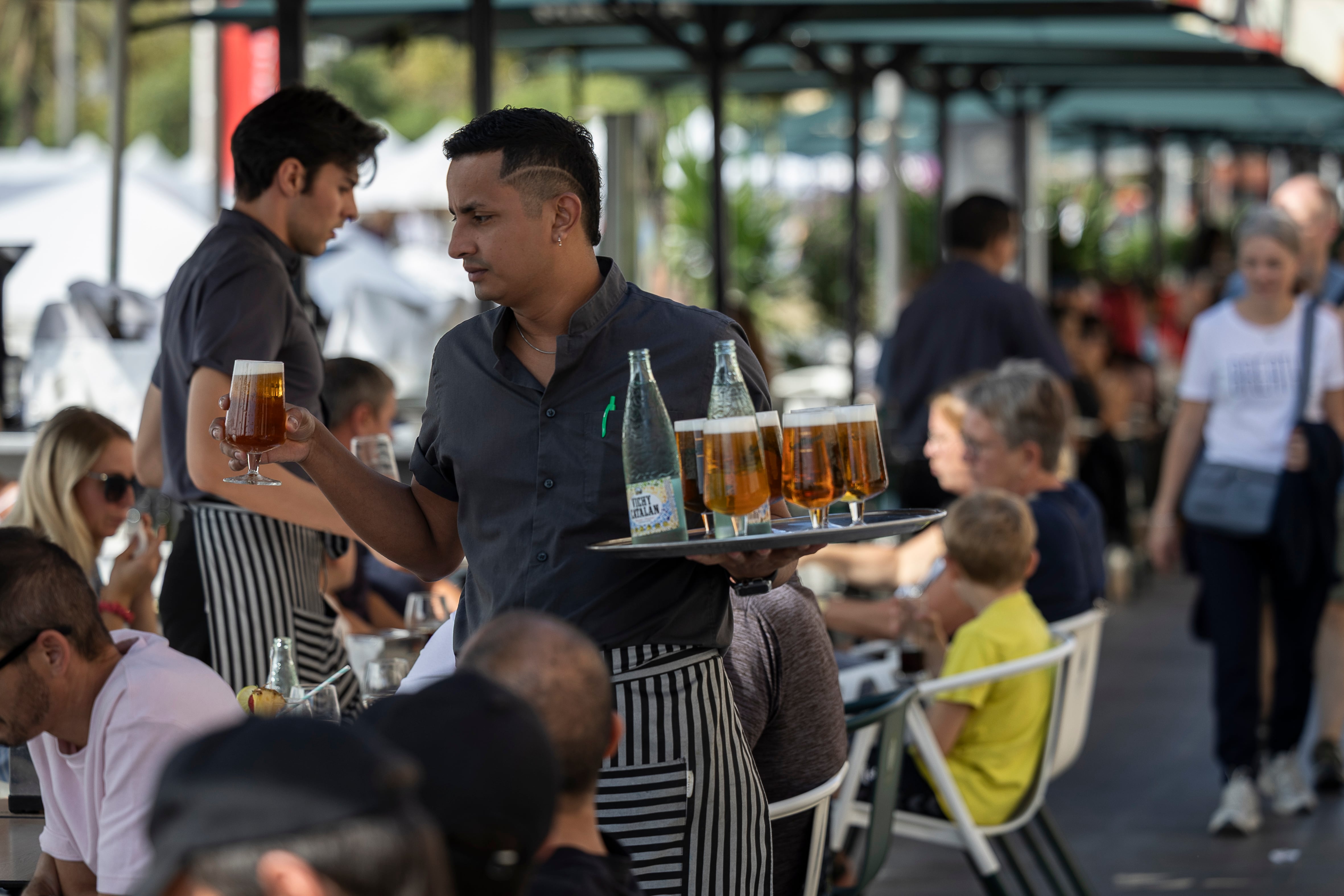
A waiter carries a tray full of beers in October 2025.

Employees in Spain worked an average of 36.3 hours a week in 2025, according to the latest figures released by Eurostat. That figure keeps Spain above the European average of 35.9 hours and far from the countries where the average working week is shortest. The latter include some of the continent’s most economically advanced states, the opposite of those with the longest hours and with less-developed productive sectors.

Seguir leyendo

❌
Subscriptions