 Login
LoginPulitzer-Winning Photographer Back Behind the Camera After Cancer Battle
21 May 2026 at 15:28

When he got his cancer diagnosis, Los Angeles-based photojournalist David Swanson vowed, “I will get through this.”

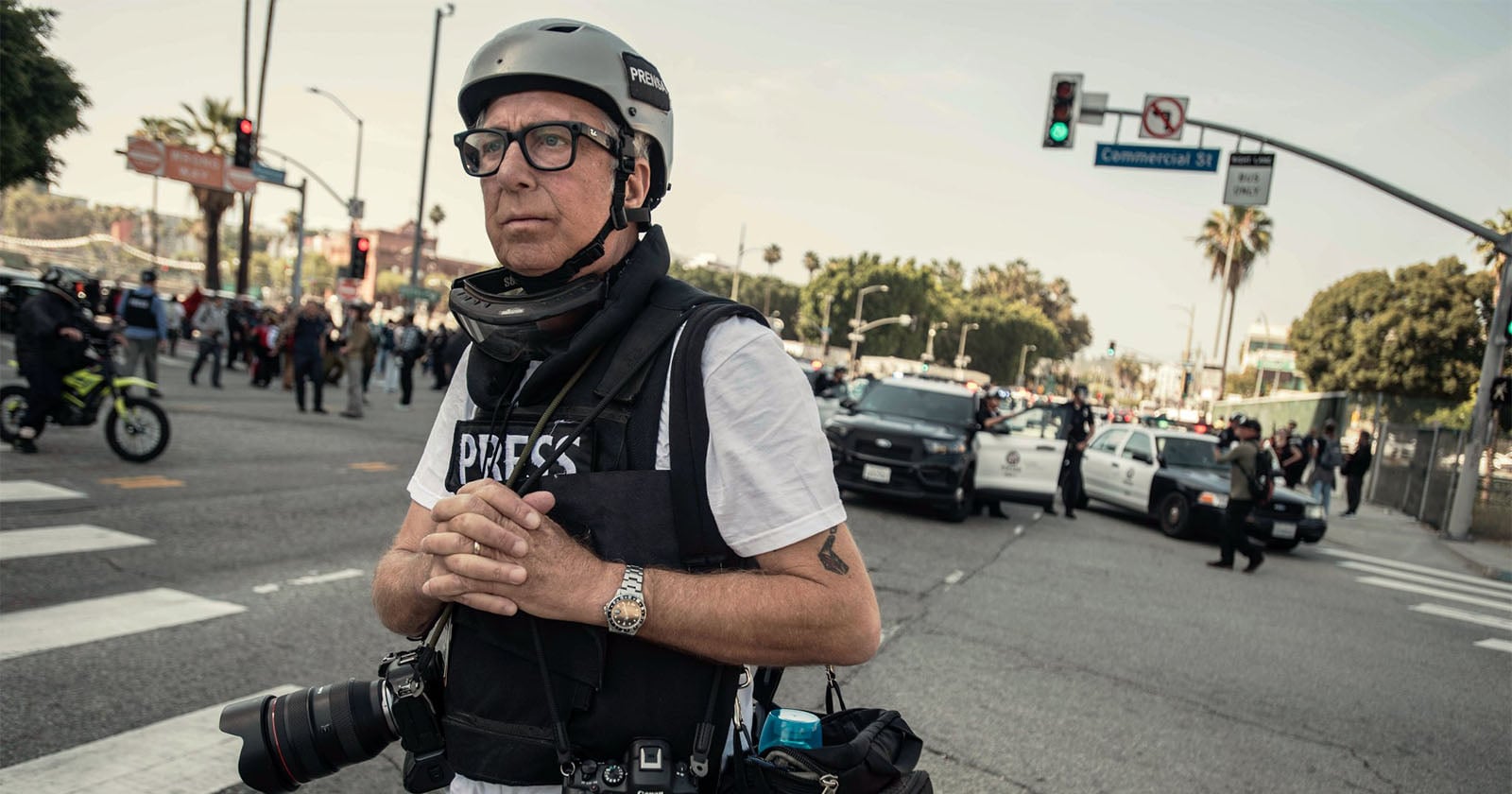


When he got his cancer diagnosis, Los Angeles-based photojournalist David Swanson vowed, “I will get through this.”
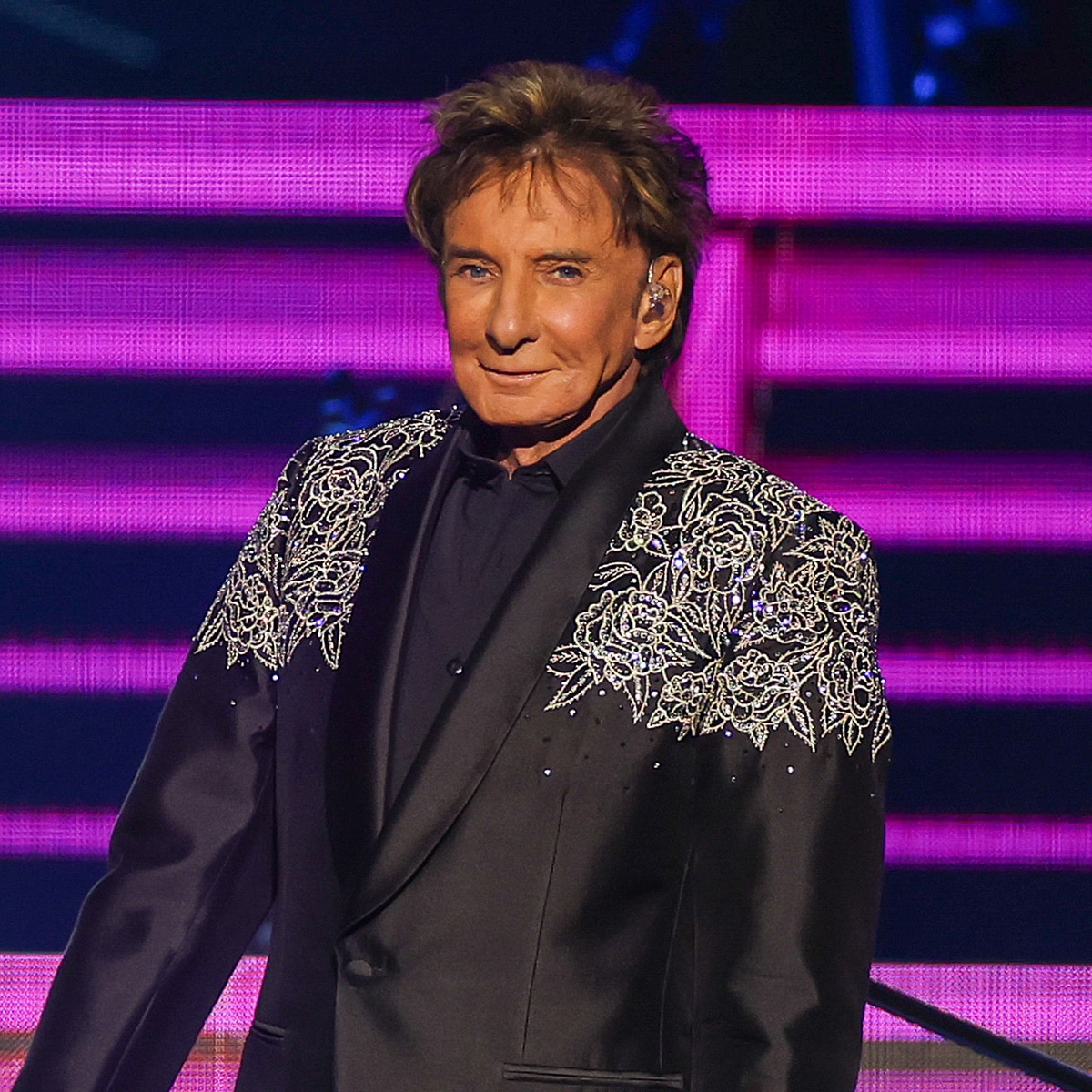 Barry Manilow just wants to sing the old songs again.
Two months after announcing he's cancer free, the "Copacabana" singer shared a heartbreaking update amid his recovery from a "nightmare"...
Barry Manilow just wants to sing the old songs again.
Two months after announcing he's cancer free, the "Copacabana" singer shared a heartbreaking update amid his recovery from a "nightmare"...
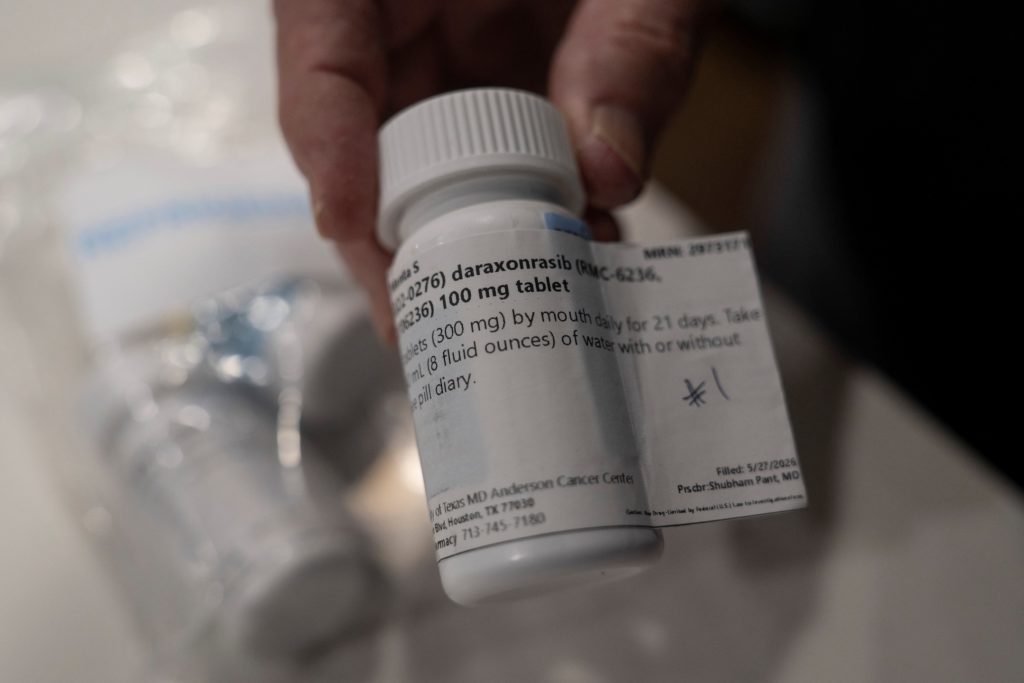
LONDON, June 9 — GSK has agreed to buy US-listed cancer drug developer Nuvalent for US$10.6 billion in its largest deal in more than a decade, marking a major strategic shift under new CEO Luke Miels as the British company steps up its focus on oncology.
The all-cash deal values Nuvalent at approximately US$124 per share, a 40 per cent premium to its last closing price. Shares in Nuvalent, which develops lung cancer drugs, were up about 38 per cent at US$122.10 in US premarket trade. GSK shares slipped over 3 per cent in early trading in London.
The deal marks a departure from GSK’s usual strategy of smaller “bolt-on” deals as Miels, who took over from Emma Walmsley at the start of the year, looks to convince investors the drugmaker can hit a bold target of £40 billion in annual revenue by 2031.
“It’s larger than the bracket because it was unusual,” Miels told reporters on a call, although he said GSK’s sales targets were not dependent on the acquisition. “It’s a multi-product deal... So it’s essentially three products in one.”
UBS analysts said that investors could be surprised by the size of the deal, given GSK’s normal preference for acquisitions in the US$2 billion to US$4 billion range.
Building scale in cancer treatments
Miels said the acquisition offered “significant new treatment options” for lung cancer patients and creates a platform to expand its experimental antibody-drug conjugate Ris-Rez, now in late-stage testing.
He has pledged to speed development of new medicines and target assets to strengthen GSK’s late-stage pipeline and manage the 2028 patent expiry of its key HIV medicine dolutegravir. GSK has struck two smaller deals this year since Miels took over.
In 2025, GSK saw notable growth across its oncology portfolio, with sales income across the disease area swelling by 43 per cent to just under £2 billion compared to 2024. Oncology accounts for about 6 per cent of GSK’s £32.7 billion in total sales.
Barclays analysts said the Nuvalent deal made strategic sense because it adds late-stage cancer assets in an area where GSK already operates, and could help offset the expected HIV patent cliff if approvals come on time.
GSK is also seeking to close the gap with London-listed rival AstraZeneca in cancer drugs. Oncology accounted for 44 per cent of the Anglo-Swedish group’s total sales last year.
Net of cash acquired, GSK’s aggregate investment is estimated to be US$9.4 billion, the British company said, adding that the deal is expected to add to sales and operating profit in 2027 and core earnings per share in 2029.
Multi-blockbuster potential
Miels said GSK had tracked Nuvalent for over a year after it was first identified by its oncology and business development teams, and was internally known as “Nashville”.
Nuvalent’s data at a major medical conference last week convinced him that GSK should pursue the deal, he said.
The deal adds Nuvalent’s two lead lung cancer drugs, zidesamtinib and neladalkib, to GSK’s basket of products that are close to being launched. US decisions for the drugs are expected in September and November this year.
If approved, both could launch in 2026 and GSK believes the drugs have multi-blockbuster potential. UBS analysts expect zidesamtinib to bring in nearly US$2 billion in peak annual sales.
The deal also adds an early-stage HER2 lung cancer drug and several cancer programmes still in lab-testing stages to GSK’s pipeline.
The deal, which is expected to close in the third quarter of 2026, will be funded mainly from new and existing debt facilities plus cash and could have a low single-digit percentage dilution to core earnings per share for 2026 to 2028, GSK said. — Reuters
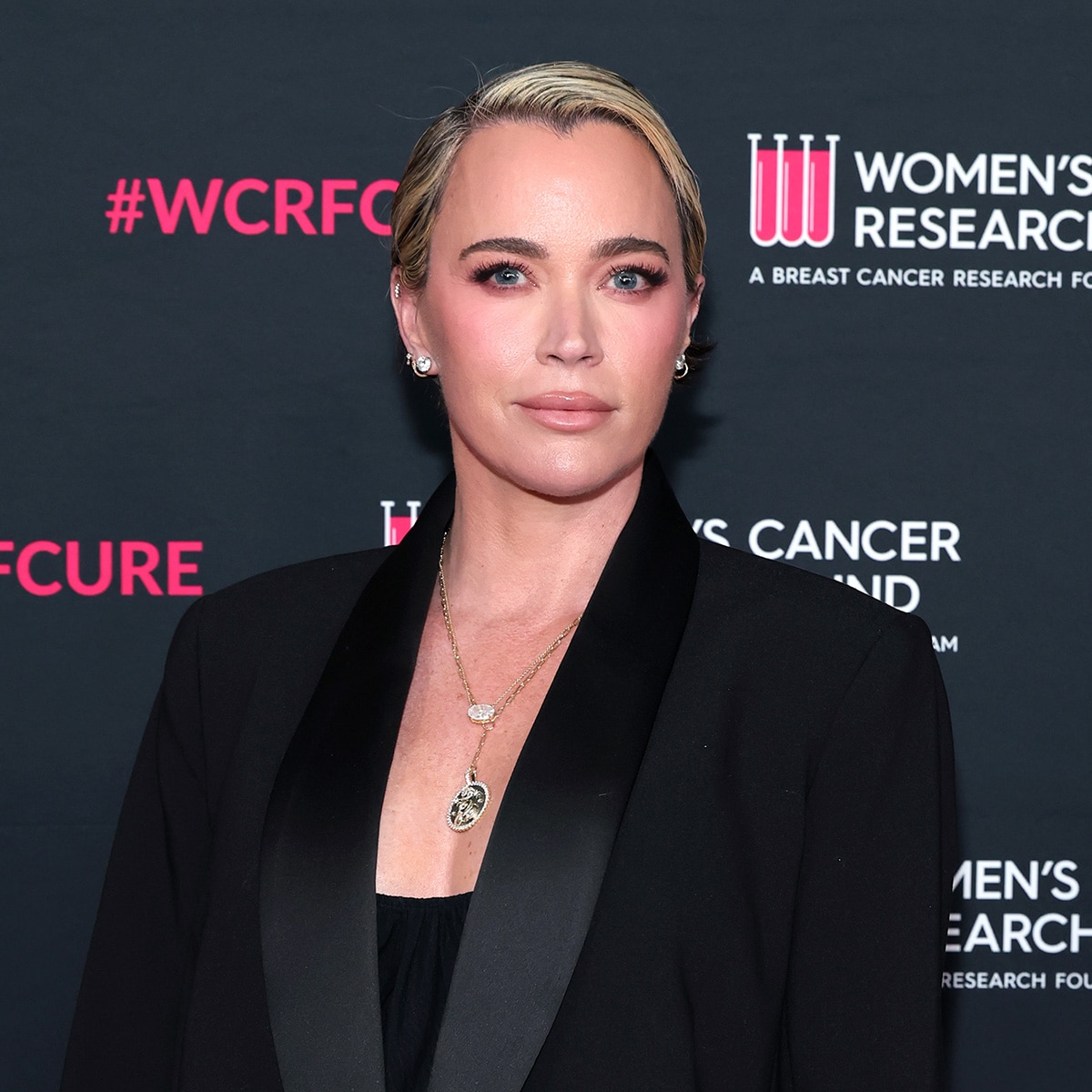 Teddi Mellencamp is giving her followers an insightful peek behind her posts.
Two months after the Real Housewives of Beverly Hills alum completed one year of her stage four cancer diagnosis, she...
Teddi Mellencamp is giving her followers an insightful peek behind her posts.
Two months after the Real Housewives of Beverly Hills alum completed one year of her stage four cancer diagnosis, she...

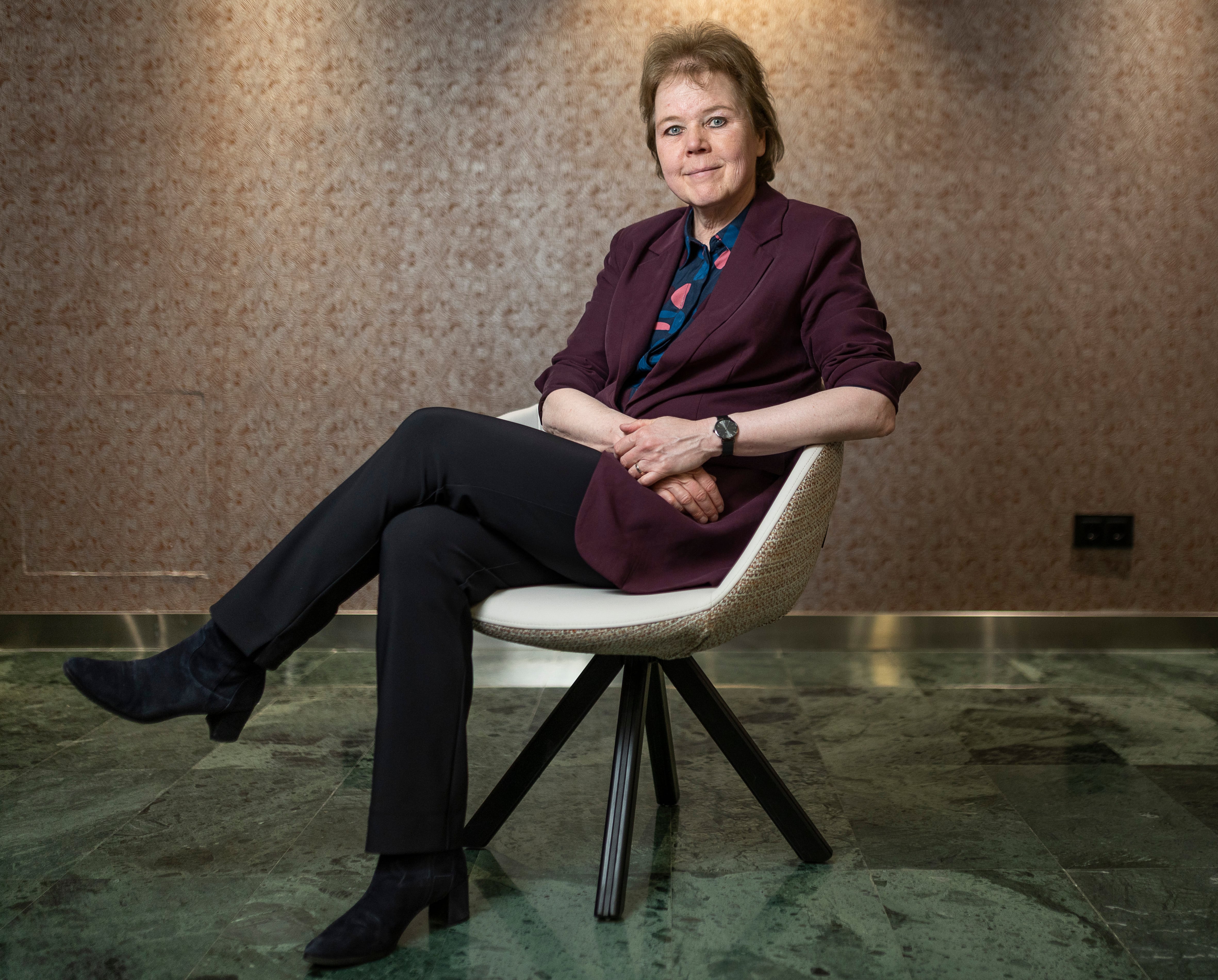
A glance at Winette Van der Graaf’s extensive résumé is enough to certify that this Dutch oncologist has been an exceptional witness, if not a fundamental part, of the great scientific revolution that cancer research has undergone in recent decades. An expert in sarcomas and cancers in teens and young adults, Van der Graaf was one of the pioneers in providing care — and personalized assistance — to people between the ages of 15 and 39 who develop cancer. Sometimes in no man’s land, halfway between pediatric and adult oncology, cancer at this age puts life “on hold,” says Van der Graaf.
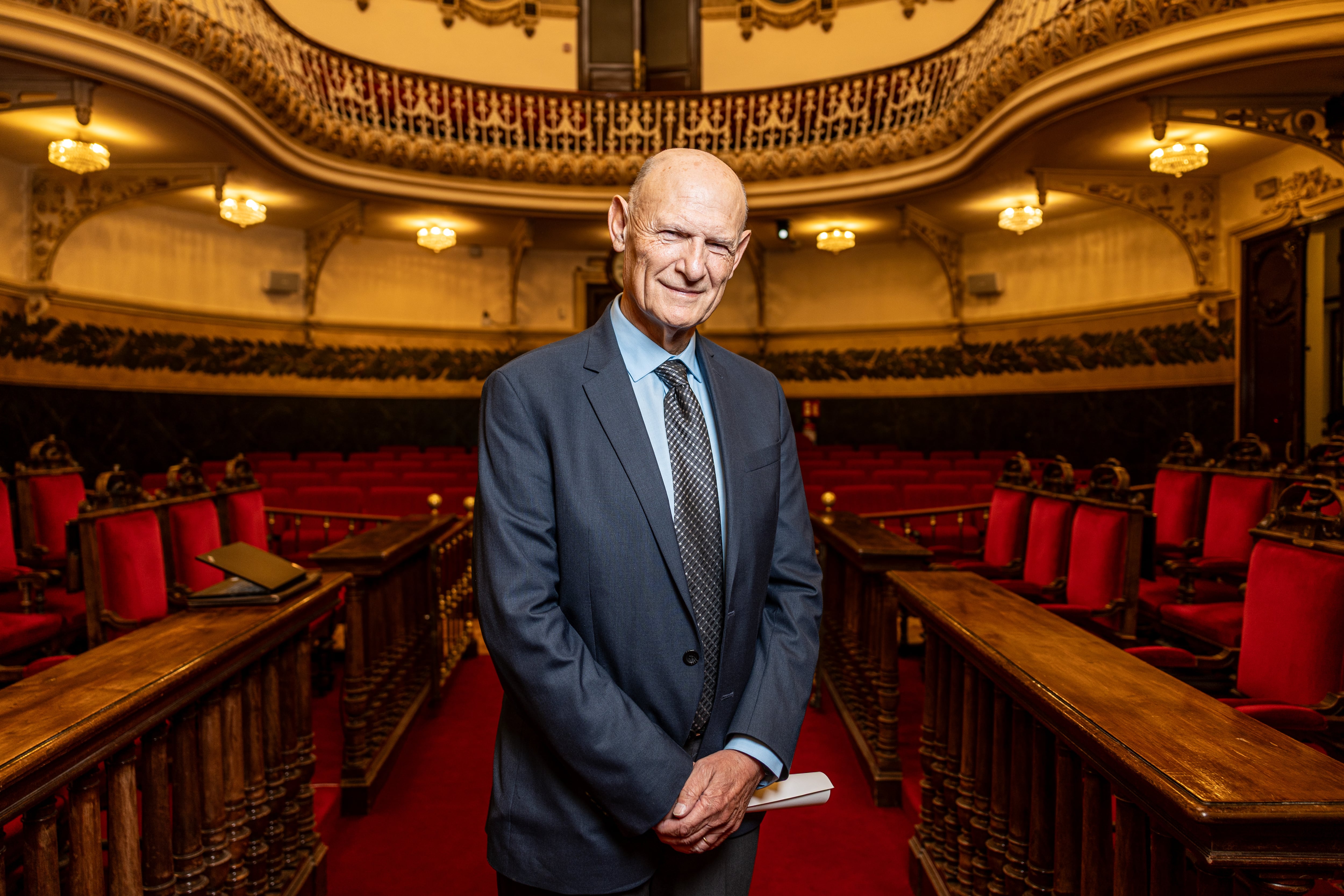
“If no one asks me, I know what time is. When they ask me, I no longer know,” wrote the philosopher Augustine of Hippo 17 centuries ago. Something very similar happens now with aging: we all understand what it is, but when we ask ourselves why we must age and die, doubts arise. Even the world’s leading experts face the same uncertainty: at best they offer very different answers.

Global mental health has eroded. A study published this Thursday in the journal The Lancet estimates that about 1.2 billion people — 14% of the planet — suffer from mental health problems. That is, in absolute terms, nearly double the number recorded in 1990. Experts attribute the rise in part to improved detection, but also say entrenched poverty, wars, the impact of natural disasters and disruptive events such as the COVID-19 pandemic have driven up the incidence of some disorders. Adolescents aged 15 to 19 and women of all ages are the hardest hit: they bear the highest levels, especially of anxiety and depression. According to the study, mental disorders are already the leading cause of disability worldwide, surpassing cardiovascular disease, cancer and musculoskeletal conditions.
© © Marco Bottigelli (Getty Images)
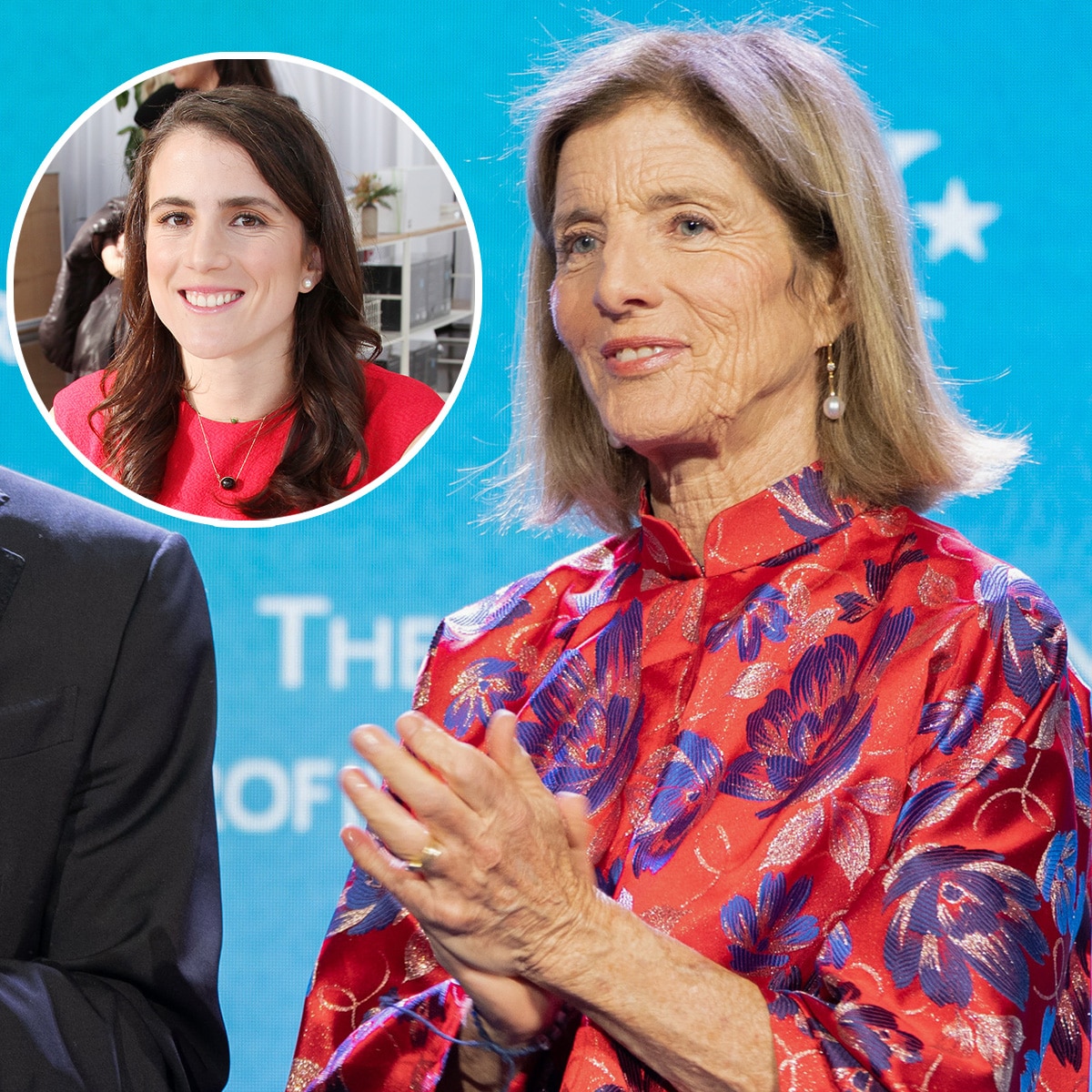 Caroline Kennedy is putting a spotlight on Tatiana Schlossberg.
Five months after the environmental journalist died at 35 following a battle with a rare blood cancer, the former U.S....
Caroline Kennedy is putting a spotlight on Tatiana Schlossberg.
Five months after the environmental journalist died at 35 following a battle with a rare blood cancer, the former U.S....

In 2021, Miriam González, a 35-year-old from Murcia, Spain, went to the doctor because she was bleeding from her breast. She was told to relax: everything was normal. But in 2024, she was diagnosed with breast cancer. And, shortly afterward, she discovered it was metastatic, at stage four.
